


- The Planet Where It Rains Liquid Glass – 7 Alien Worlds Defying Known Physics - November 14, 2026
- Stars Consuming Entire Worlds – 6 Planetary Systems Swallowing Their Own Worlds - November 14, 2026
- The Ground Liquefies Like Water – 6 Silent Fault Lines Geologists Watch Closely - November 14, 2026
Plastic waste is one of those problems that looks different depending on how you measure it. Look at total tonnage and you’ll see China and India dominate the conversation simply because they have enormous populations. Look at waste per person, though, and a very different picture emerges, one dominated by wealthy, highly developed nations with heavy packaging use and disposable consumer habits.
A landmark study published in the journal Science Advances, which drew on World Bank waste data and factored in exports, littering, and illegal dumping, reshuffled the global rankings entirely. A recent report drawing on World Bank data and published in the journal Science Advances suggests that the US and UK produce the most plastic waste per person than any other major country. This article walks through the five nations that top that per capita list and why their numbers look the way they do.
1. United States
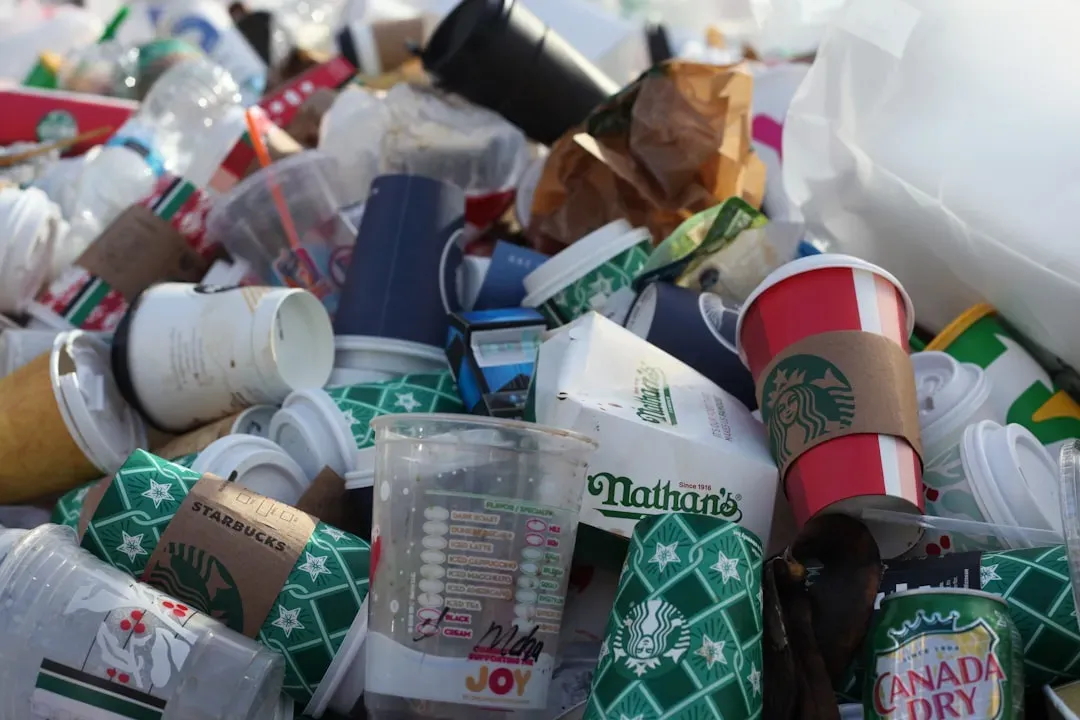
The United States tops every serious per capita ranking of plastic waste, and it isn’t particularly close. It is the country with the highest production of plastic waste in the world, with 105 kg per year, per capita, according to a recent study on coastal plastic pollution published in Science Advances. That number becomes even more striking when you consider the country’s share of the global population. Despite boasting just 4% of the global population, America is responsible for 17% of its total plastic waste production.
Part of the explanation lies in how much of that waste actually gets processed responsibly. Previous studies neglected to factor in the waste that was shipped abroad to be recycled by other countries, which accounted for more than half of all such items, while the figure actually being recycled in America is still very low at just 9%. Combine a consumer culture built around convenience packaging with a recycling system that struggles to keep up, and it’s easy to see why the US sits at the very top of this list.
2. United Kingdom
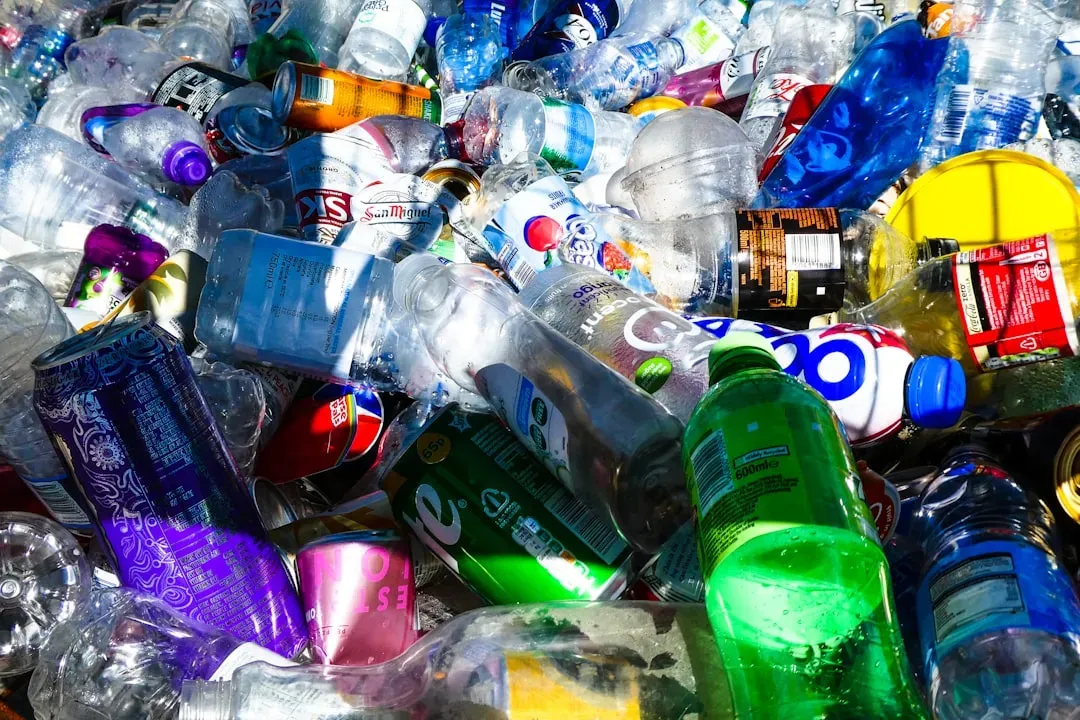
Britain lands in second place, and the gap between it and the United States is smaller than many people expect. In the ranking of the 20 countries with the highest total generation of plastic waste, the UK is just behind the USA with 99 kg per year per capita. That places the UK well ahead of most of continental Europe on a per person basis, despite the country’s relatively modest population.
The scale of the problem becomes clearer when you compare Britain to its closest neighbor. France produces just under 44kg of plastic waste per person, less than half of that generated by Britons, even though the two countries have similar-sized populations. That disparity says a lot about how national policy choices, from packaging taxes to recycling infrastructure, can shape outcomes even between countries with comparable economies and lifestyles.
3. South Korea
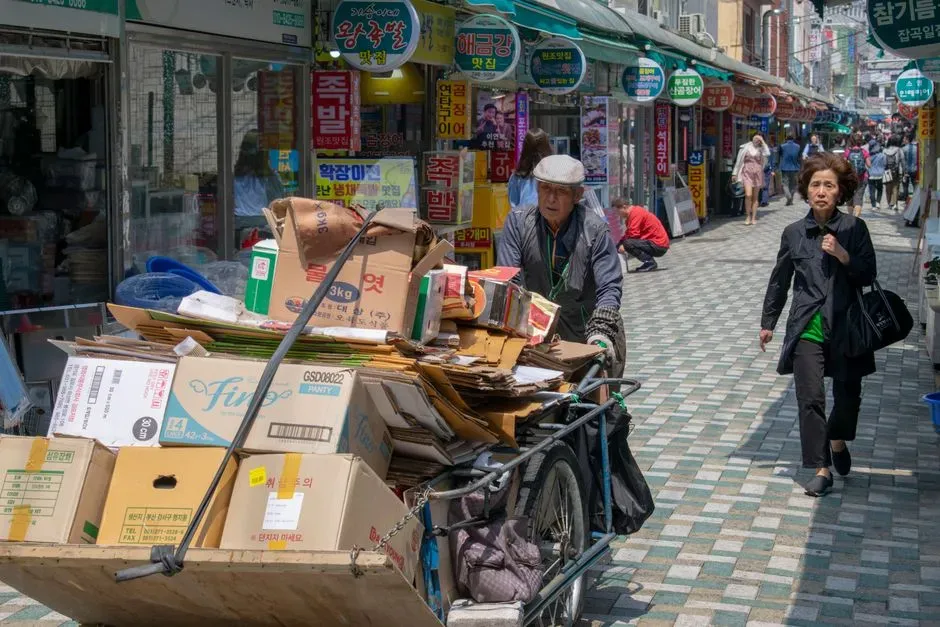
South Korea rounds out the top three, a result that surprises people who associate the country primarily with its advanced electronics and manufacturing exports rather than household waste. South Korea generates about 88 kg per year per capita, following behind the USA and UK. That places it well ahead of most other Asian economies and even some larger European nations.
South Korea’s dense urban population and heavy reliance on delivery culture and packaged convenience foods likely contribute to this figure. The country has also built one of the more sophisticated municipal recycling systems in the world, which means a meaningful share of that waste at least gets processed rather than simply discarded. Still, the raw volume generated per resident remains among the highest anywhere on the planet.
4. Germany
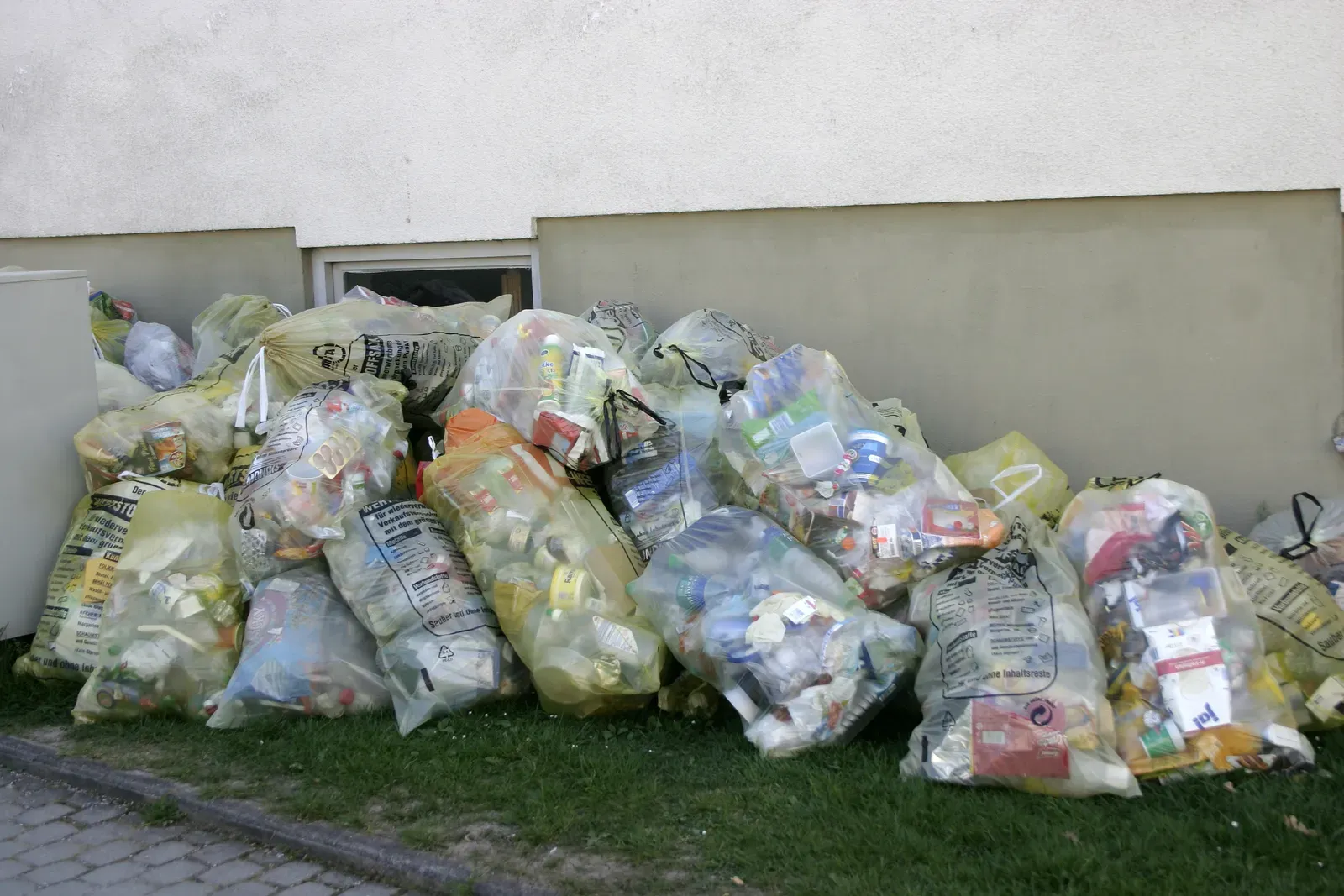
Germany is often held up as a recycling success story, yet it still generates a striking amount of plastic waste per resident. Germany produces about 81kg per person per annum, rounding out the top five alongside South Korea and Thailand. Some estimates push that figure even higher on a daily basis. Each German citizen is estimated to generate 0.46kg of plastic waste every single day, which works out to well over 150 kilograms annually by that particular measure.
What makes Germany’s case interesting is the contrast between its reputation and its actual output. Germany is one of Europe’s biggest producers of packaging waste, especially plastics, despite being celebrated as a world leader in recycling, and according to one circular economy expert, the country recycles much less plastic packaging waste than commonly understood, with only 38% recycled. Packaging remains the biggest culprit, driven by a retail culture that still wraps enormous quantities of fresh food and consumer goods in single-use plastic.
5. Thailand
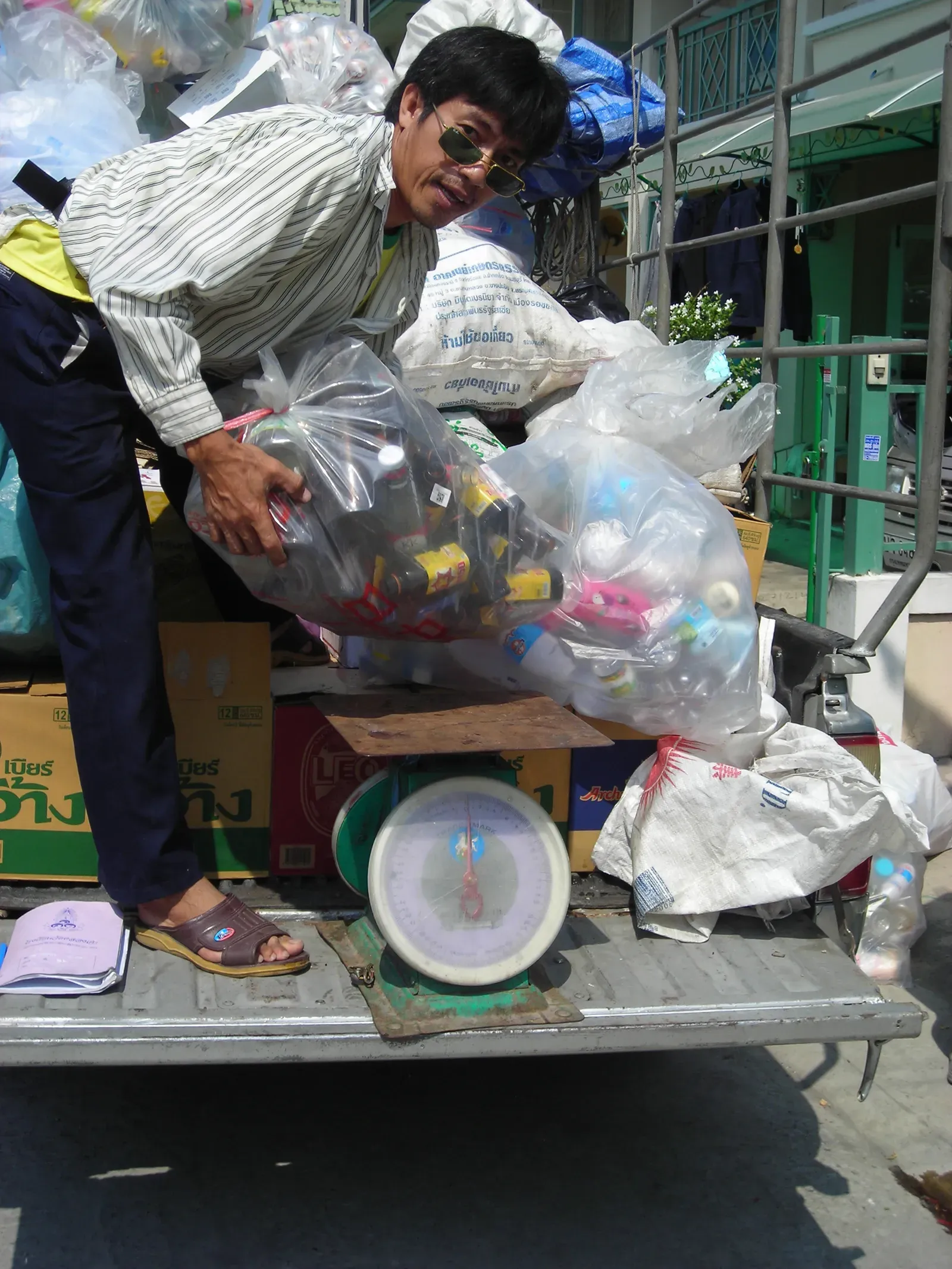
Thailand is the outlier on this list, the only country in the top five that isn’t typically classified among the world’s wealthiest economies. Thailand rounded out the top five with roughly 70kg of plastic waste generated per person per year. That places it ahead of many European nations and highlights how rapid urbanization and a booming street food and delivery culture can drive per capita numbers upward quickly.
Bangkok’s dense population, combined with widespread use of single-use bags, food containers, and drinking straws in daily commerce, plays a major role here. Thailand’s waste management infrastructure has historically lagged behind the pace of plastic consumption, which means a larger share of that waste risks ending up mismanaged compared with wealthier countries further up this list. The government has taken steps in recent years to curb single-use plastics, but the per capita figure still reflects deeply ingrained consumption habits.
Why Wealthy Nations Dominate This List
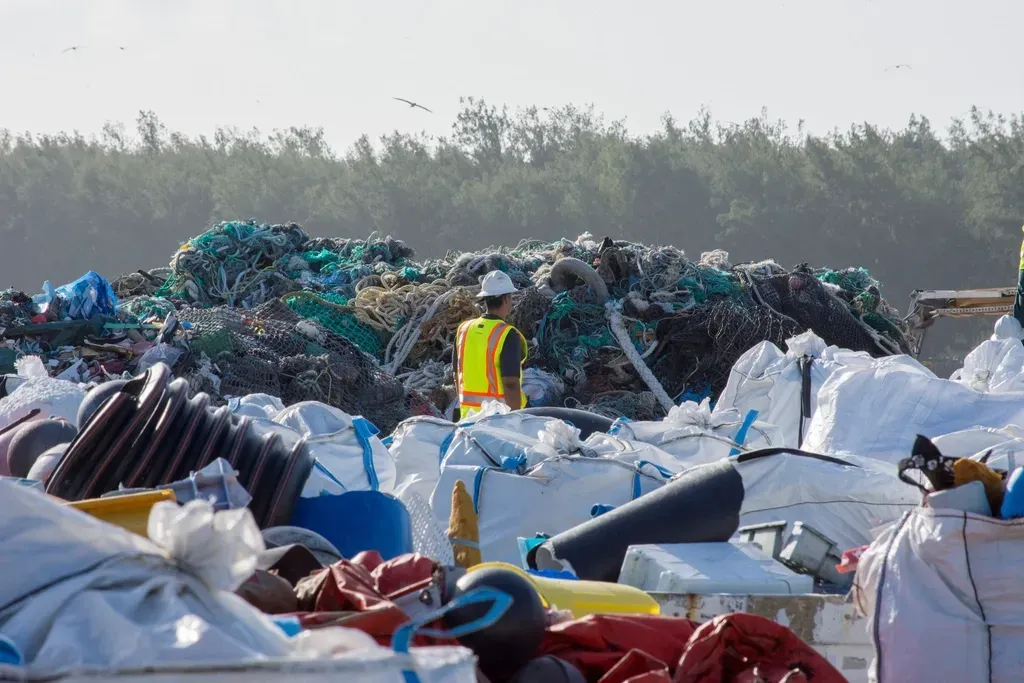
The pattern across these five countries is unmistakable. People in richer nations generate more plastic waste than people in less developed countries, largely because higher incomes translate into more packaged goods, more takeout and delivery services, and more disposable products in daily life. Ironically, the countries producing the least plastic waste per person tend to be lower income nations where consumption habits simply haven’t caught up yet.
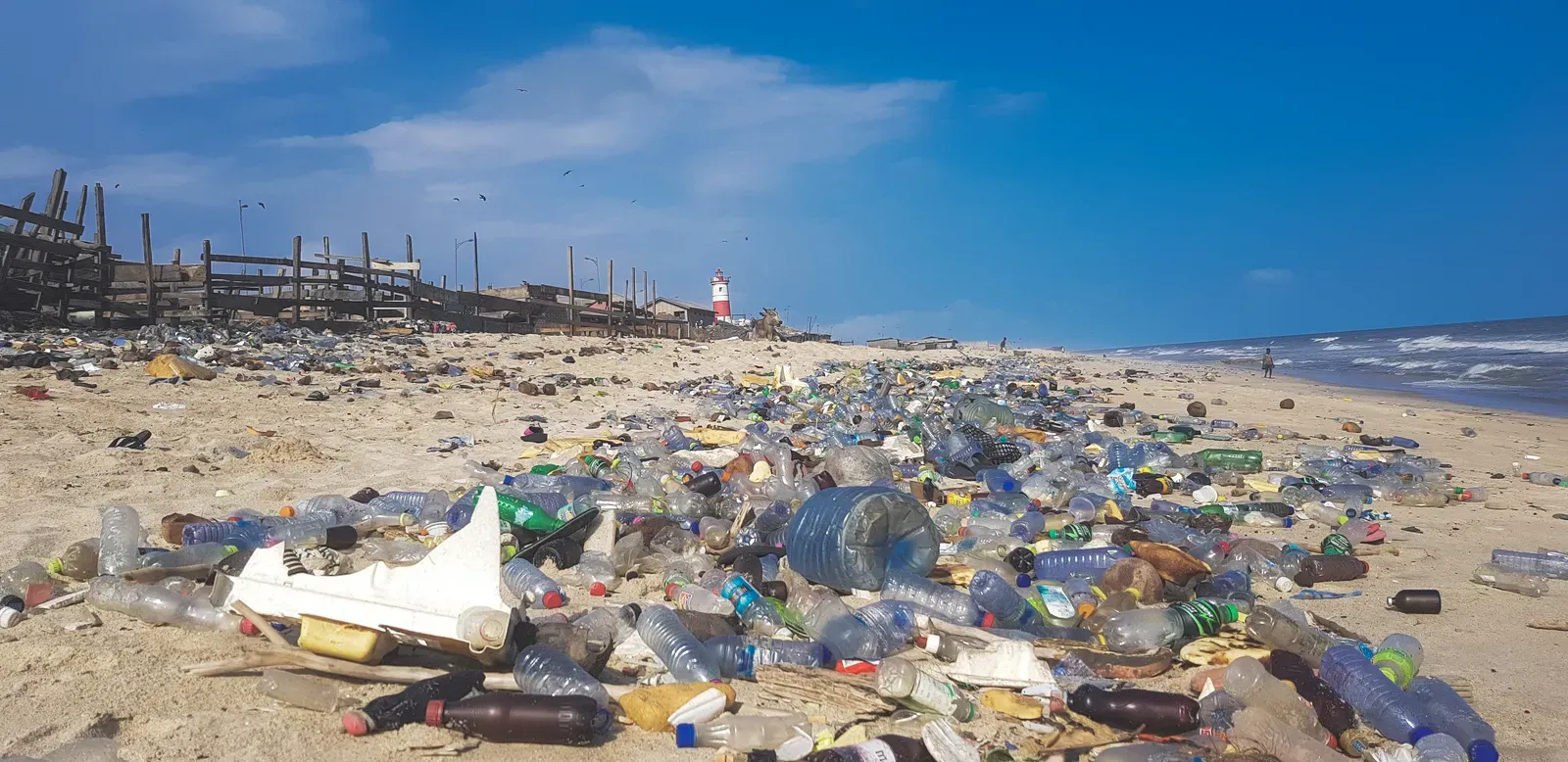
This creates a strange twist in how we talk about plastic pollution. Wealthy countries generate the most waste per resident, yet these high-waste producers do not leak much waste into the environment; their pollution is close to zero because of relatively functional collection and disposal systems. The environmental damage from mismanaged plastic tends to show up more heavily in countries with weaker waste infrastructure, even when their per capita generation numbers are lower. It’s a reminder that total waste, per capita waste, and actual pollution are three different measurements telling three different stories.
What This Means Going Forward
These figures aren’t just academic trivia. They point to where policy interventions could have the most impact per resident. Unlike previous studies, the latest report assessed how much plastic waste is exported as well as how much littering and illegal dumping takes place, giving a fuller picture of true environmental footprint rather than just what shows up in domestic waste bins.
Countries like France have already shown that aggressive policy, including penalty schemes for non-recyclable plastics and outright bans on certain packaging, can meaningfully shrink per capita numbers even in wealthy, high-consumption economies. Whether the US, UK, South Korea, Germany, and Thailand follow a similar path will likely determine whether this list looks the same a decade from now or whether some of these nations manage to shed their spot among the world’s heaviest plastic waste generators.
