


- The Planet Where It Rains Liquid Glass – 7 Alien Worlds Defying Known Physics - November 14, 2026
- Stars Consuming Entire Worlds – 6 Planetary Systems Swallowing Their Own Worlds - November 14, 2026
- The Ground Liquefies Like Water – 6 Silent Fault Lines Geologists Watch Closely - November 14, 2026
Recycling has become one of those global report cards that nobody can quite agree on. Different studies measure different things, some count municipal waste, others track packaging or specific materials like glass and aluminum, and the numbers can shift depending on who is doing the counting. Still, a clear pattern keeps showing up year after year. A small handful of countries, mostly in Europe and East Asia, consistently outperform the rest of the world, while several nations lag so far behind that recycling barely registers as part of their waste systems at all.
This gap matters more than it might seem at first glance. As global waste generation keeps climbing, the difference between a country that recovers most of its materials and one that dumps nearly everything into landfills or open sites has real consequences for pollution, resource use, and climate emissions. Below are the three countries currently leading the pack, followed by four that are struggling badly to keep up.
1. Austria
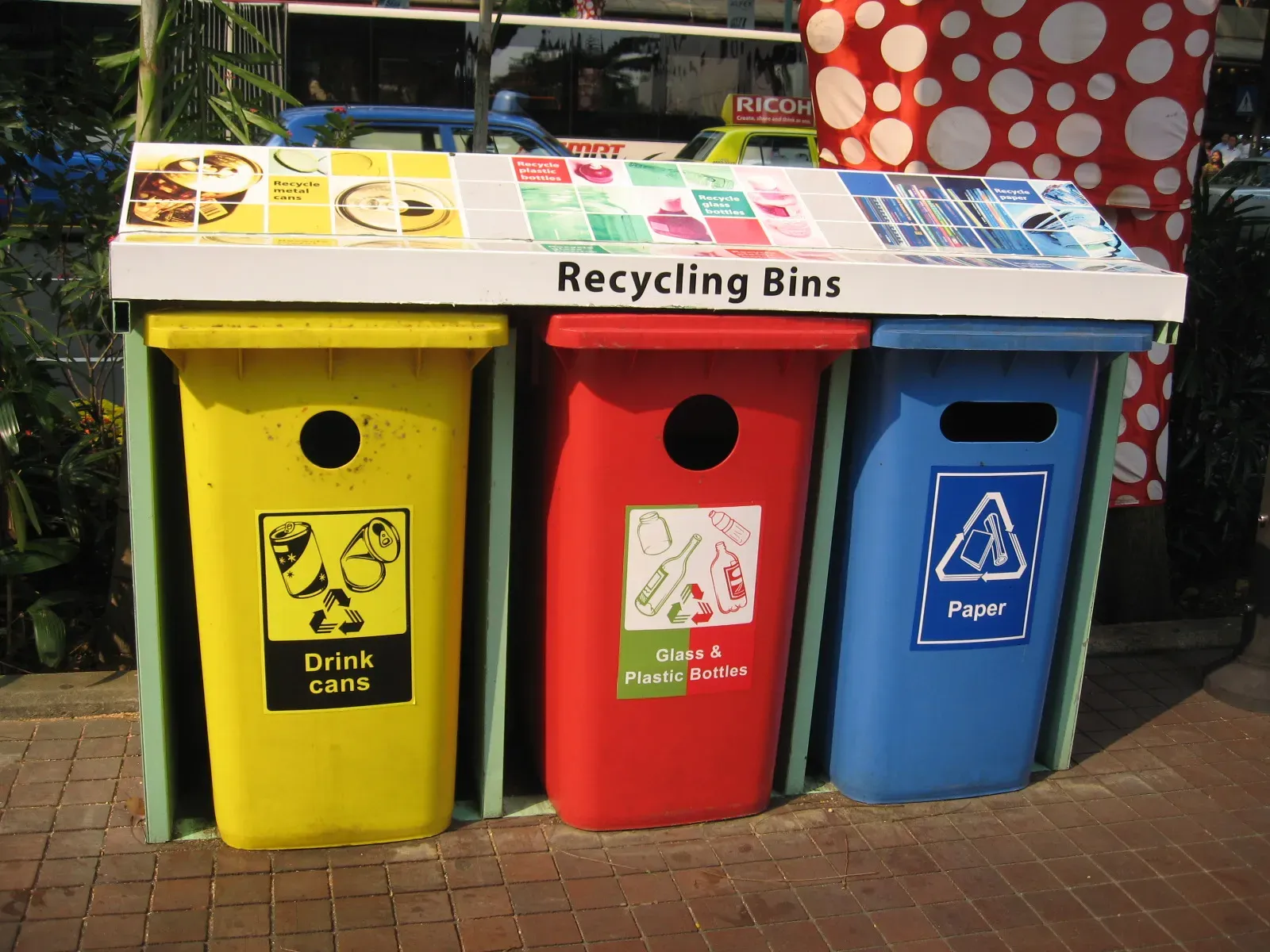
Austria has repeatedly been named the best recycling country in the world, most notably in a widely cited 2024 study by Reloop and Eunomia Research and Consulting that examined 48 countries. Austria has been revealed as the world’s best country for recycling in a new study by Reloop and Eunomia Research and Consulting. The country’s success is built on decades of consistent policy rather than any single breakthrough, which helps explain why it keeps topping these lists year after year.
Public participation is a huge part of the story here. According to a Euro-barometer survey, 96% of Austrians claim they separate their general waste from packaging. Combine that with strong infrastructure covering both cities and rural areas, and Austria ends up with one of the most efficient systems anywhere, often cited with municipal recycling rates in the range of the high fifties to low sixties percent depending on the exact metric used.
2. Germany
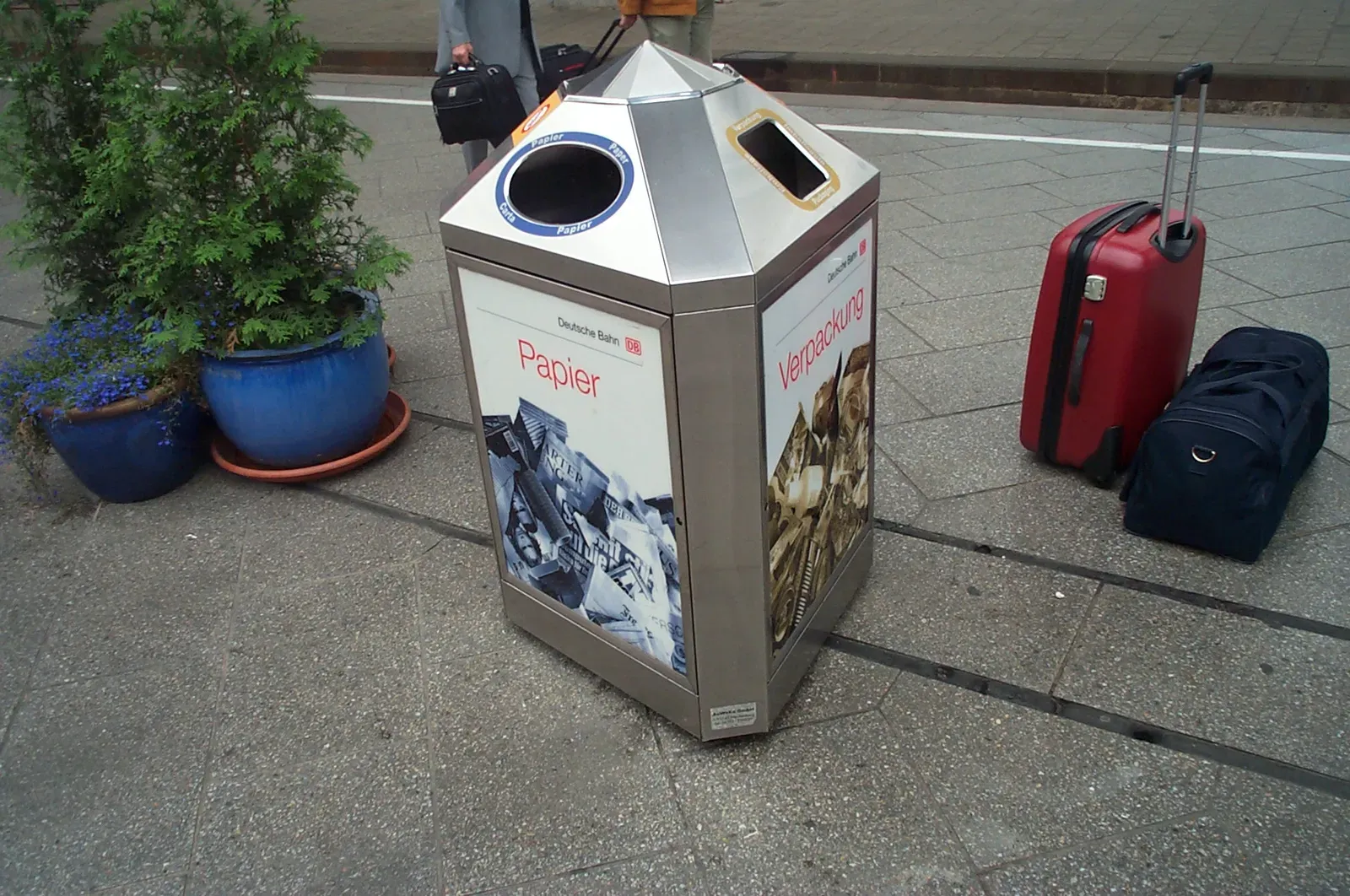
Germany’s reputation as a recycling powerhouse isn’t just hype, it’s backed by genuinely strong numbers. Germany has held the title of Europe’s top municipal recycler for years, and in 2024 the leading country for recycling was Germany, with 67% of municipal waste either recycled or composted. That’s a remarkable share for a country of over 80 million people generating enormous volumes of waste every single day.
Much of this comes down to two pillars of German policy. Germany’s success owes much to its comprehensive Green Dot recycling scheme, which mandates that producers take responsibility for the packaging waste they generate, and the country also relies heavily on its bottle deposit system to keep containers circulating rather than piling up. The deposit system in particular has been a standout success, with a deposit return scheme proven extremely effective in Germany, which has reached a return rate of 98.4% since adopting it.
3. Taiwan and South Korea (Asia’s Recycling Leaders)
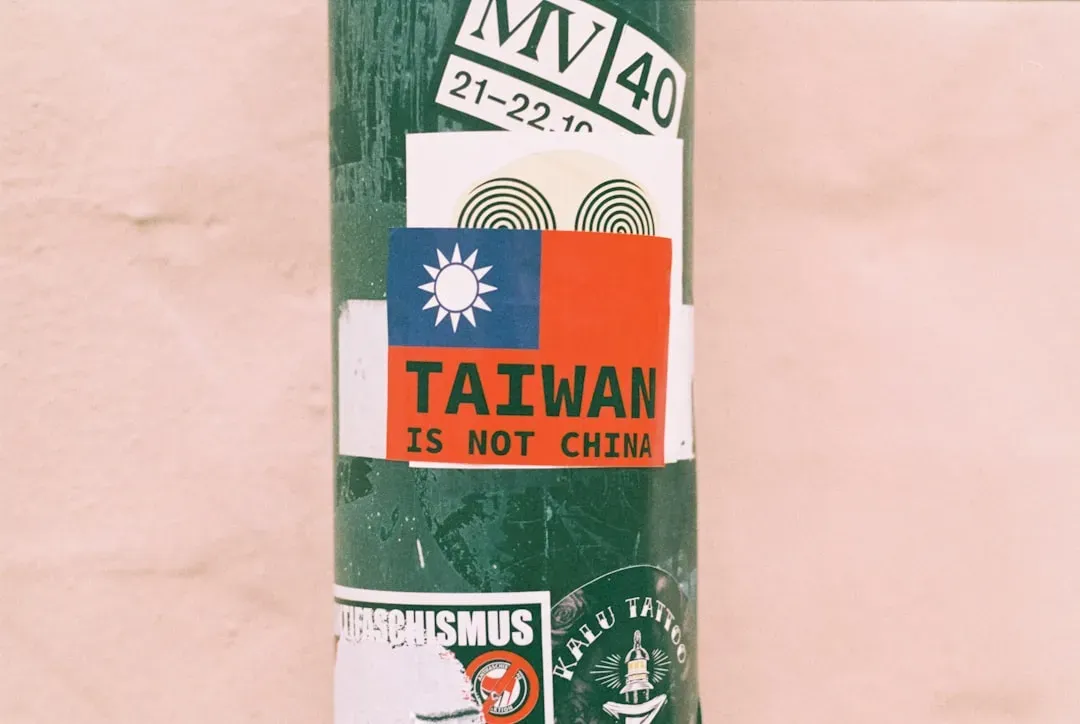
While Europe dominates most global rankings, East Asia has quietly built some of the most effective recycling systems on the planet. In 2024, Taiwan and Singapore tied for the first spot in Asia, each scoring an impressive 96.7 on the EPI Waste Recovery Rate scale, thanks to these countries’ world-class infrastructure, strict regulations, and high levels of public compliance. Taiwan in particular has become a case study in how a densely populated, resource-limited island can turn waste management into a national strength.
South Korea deserves a mention here too, since it consistently ranks among the world’s most disciplined recyclers even when its methodology differs slightly from European studies. South Korea secured second place with the highest recycling rate among all nations at 54% in one recent global comparison. The country’s strength lies in strict municipal enforcement and mandatory sorting rules that residents have followed for years, alongside a strong showing in food waste management and digital waste tracking.
4. Chile
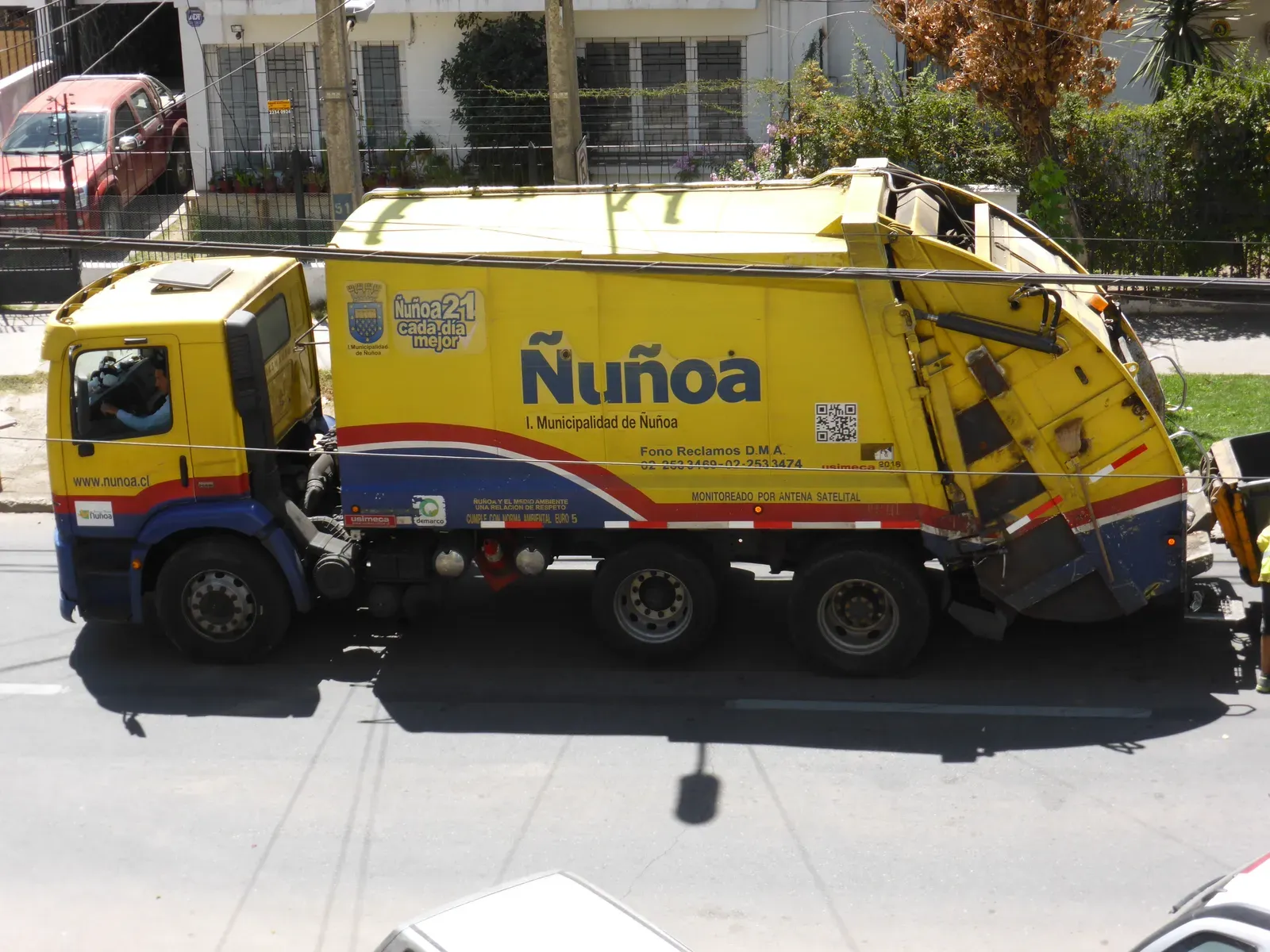
On the opposite end of the spectrum sits Chile, which has one of the weakest recycling records of any developed or middle-income economy. Chile is considered the number one worst country for recycling, with less than 1% of total usage being recycled in 2015, and between 2013 and 2017, less than 0.8% of total household waste was separately collected for recycling. These are staggeringly low figures for a country with a fairly advanced economy compared to many of its regional neighbors.
To its credit, Chile has acknowledged the problem and set forward-looking targets. Under Chile’s circular economy strategy, the country hopes to achieve a circular economy through recycling, reduction, and reutilisation of solid waste by 2040. Whether that ambition translates into real infrastructure investment over the next decade remains to be seen, but for now Chile still relies overwhelmingly on landfilling.
5. Mexico
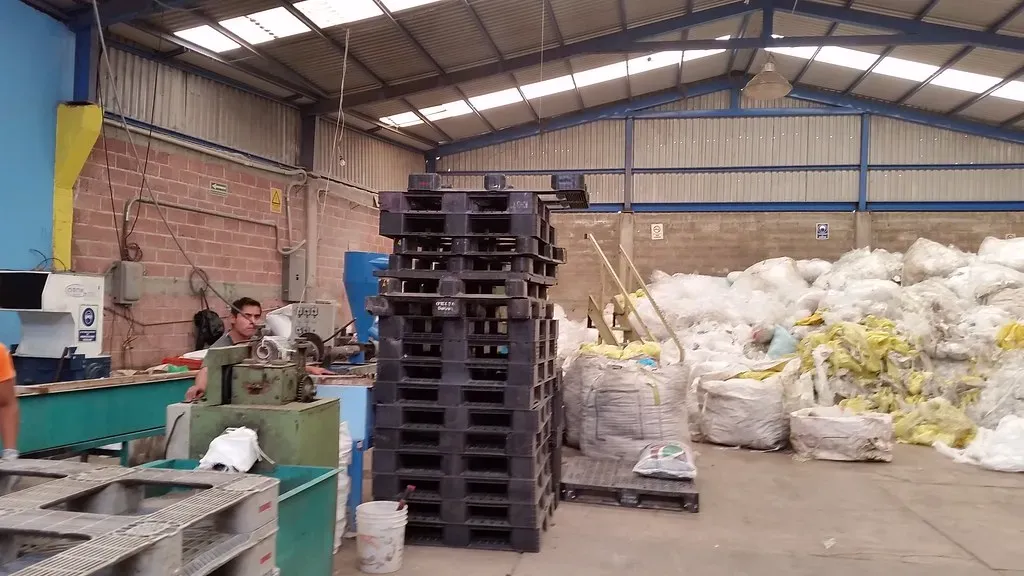
Mexico presents an interesting contradiction. The country actually collects most of its waste, yet very little of what gets collected ends up properly recycled. Although Mexico has a high waste collection rate of 91%, most of this waste is improperly disposed, and Mexico also has one of the lowest recycling rates in the world at 5%. That gap between collection and actual recycling points to a systemic issue with sorting facilities and processing capacity rather than a lack of public willingness to participate.
The scale of the problem becomes clearer when you look at plastic specifically in Mexico’s largest city. A huge 123 tonnes of plastic waste is also produced every day in Mexico City, and only 6% of it is recycled. With a population as large as Mexico’s, that shortfall adds up to an enormous volume of material heading straight to landfills or, worse, informal dump sites.
6. Turkey
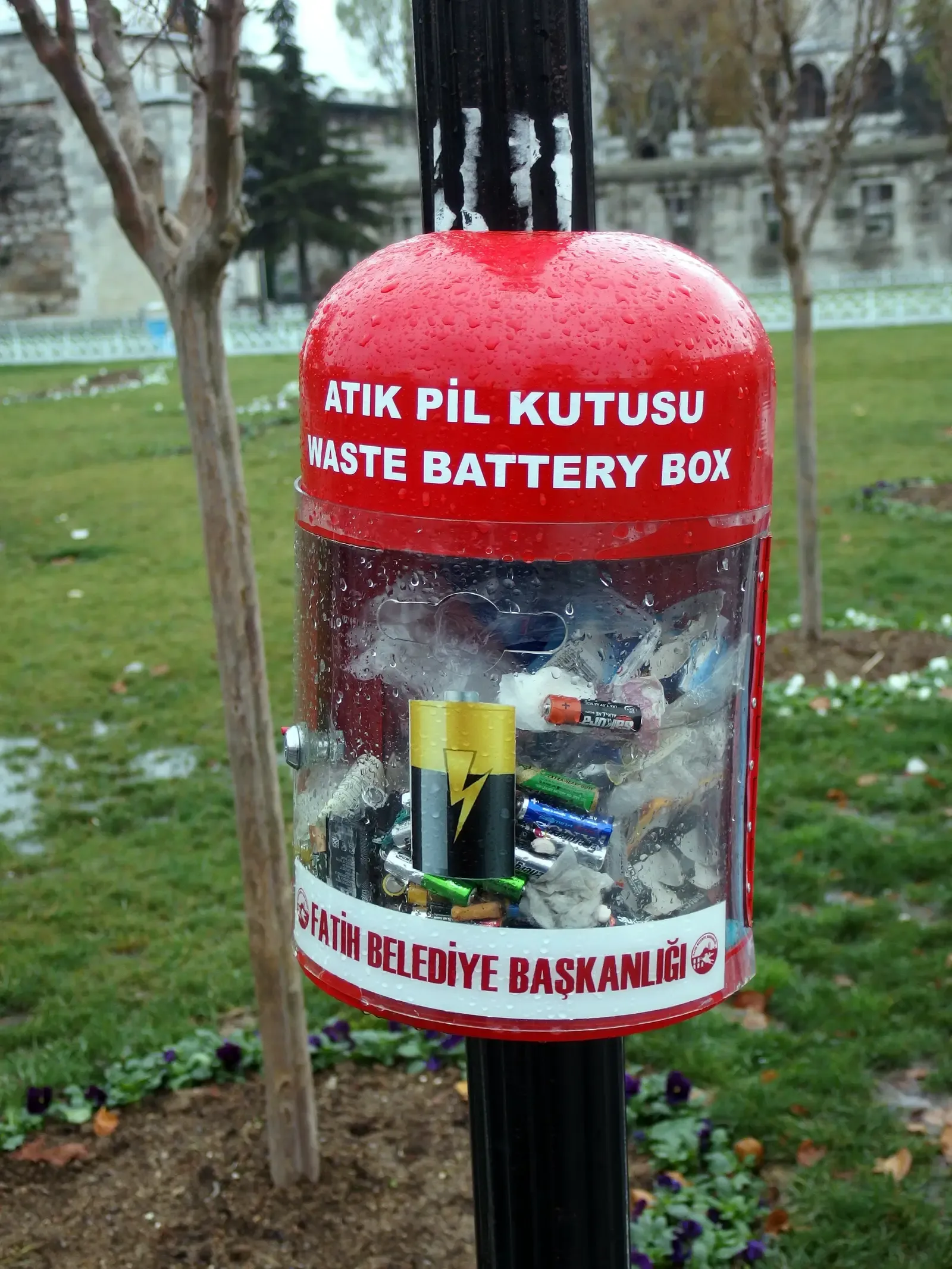
Turkey has made some progress in recent years, but it’s still starting from an extremely low baseline. According to OECD data from 2019, Turkey recycled just 1% of its domestic waste, though in 2021 Turkey’s recycling rate had climbed to 12%. That jump is meaningful, but it still leaves Turkey far behind European averages and even further behind leaders like Austria and Germany.
Part of the challenge stems from Turkey’s role in the broader waste trade. In recent years, the government has been under growing pressure to prevent the import of high amounts of waste, whilst they have been labelled as Europe’s dumping ground. Managing imported waste on top of domestic waste has clearly strained a system that was already struggling to keep up.
7. Romania
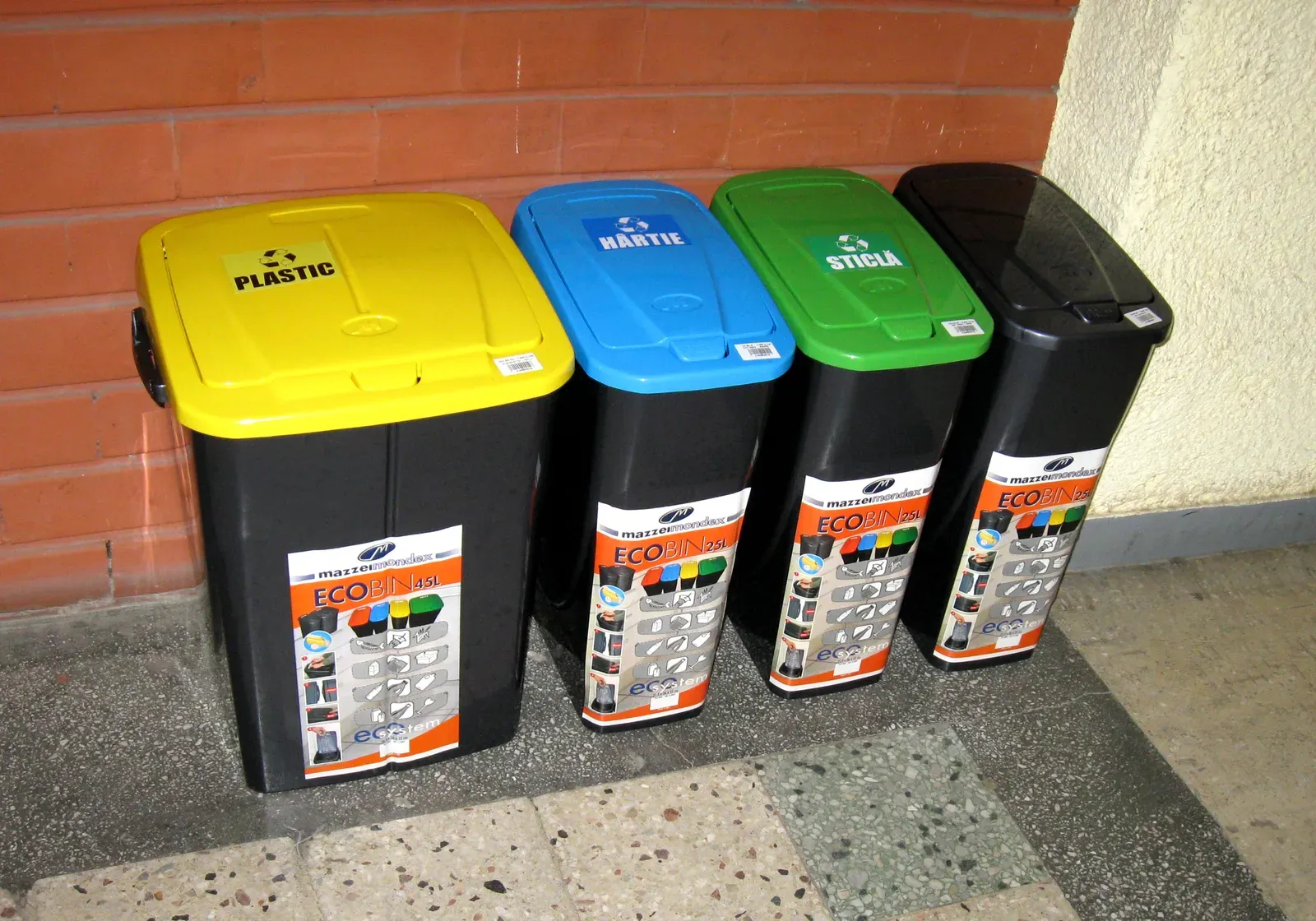
Romania consistently shows up at the bottom of European recycling rankings, and the gap between it and Western Europe is stark. The lowest rates recorded across recent comparisons include Romania at just 1.3%, alongside Ireland at 2.3% and Finland at 2.4%. For a European Union member state bound by ambitious EU circular economy targets, a figure that low stands out as a serious outlier.
The broader EU picture doesn’t offer much comfort either, since progress across the whole bloc has been sluggish. Between 2015 and 2024, the rate of recycling across the EU increased by only one percentage point, from 11.2% to 12.2%, according to the latest Eurostat data. Romania’s numbers suggest it has yet to build the infrastructure and enforcement mechanisms that countries like Austria and Germany spent decades putting in place.
Looking at these seven countries side by side tells a story that goes well beyond simple willpower or environmental awareness. The nations at the top, Austria, Germany, Taiwan, and South Korea, share a common thread of long-term investment, strict regulation, and deposit or producer-responsibility schemes that make recycling almost automatic for residents. The countries struggling the most, meanwhile, often lack the processing infrastructure to handle waste even when it’s collected, which shows that good intentions alone rarely solve the problem.
What’s encouraging is that low-performing countries aren’t standing still. Chile has set a 2040 circular economy target, and Turkey has already more than tripled its recycling rate in just a couple of years. Progress is possible, but it clearly takes sustained policy commitment rather than short-term fixes, a lesson the world’s top recyclers learned the hard way over several decades.
