
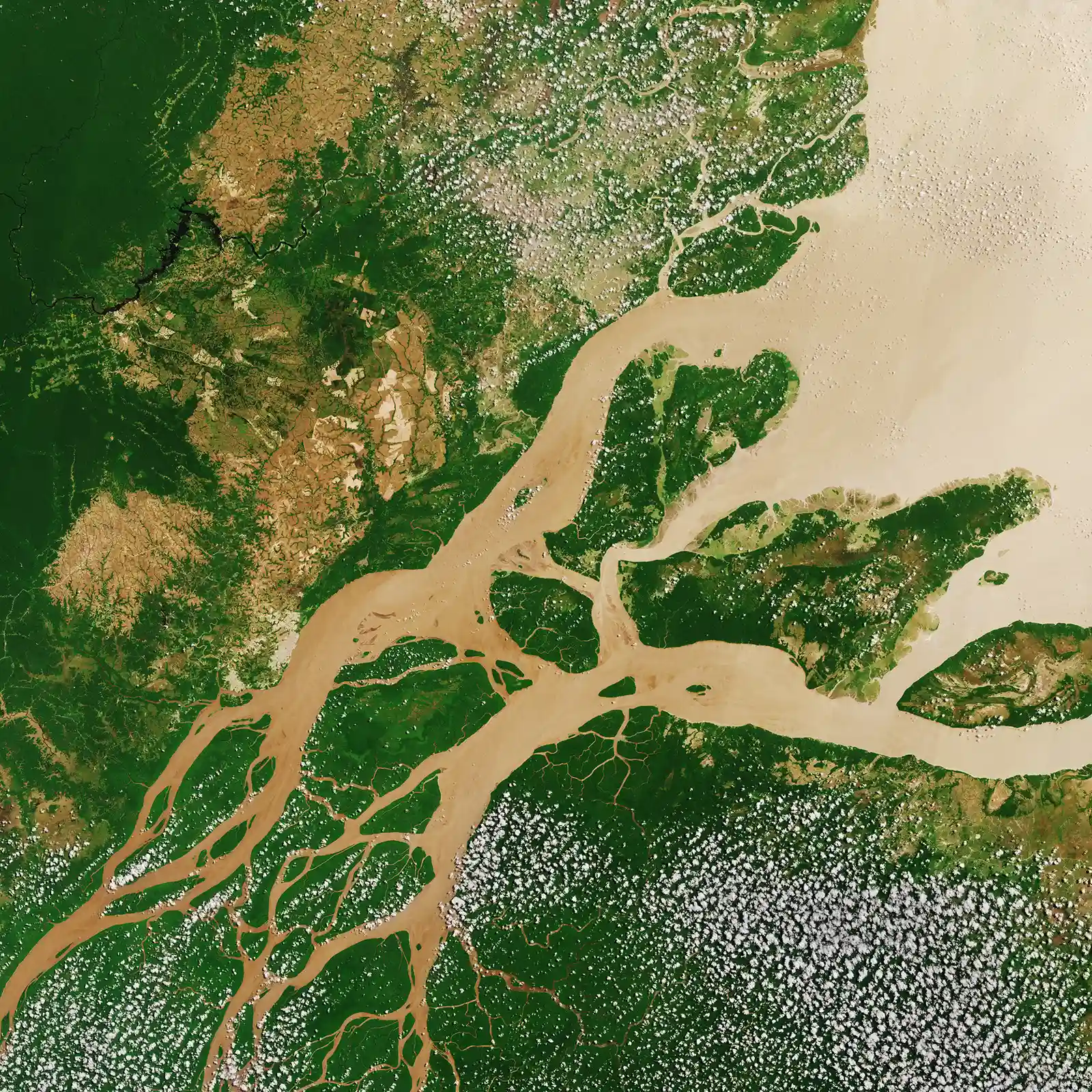
1. Amazon River
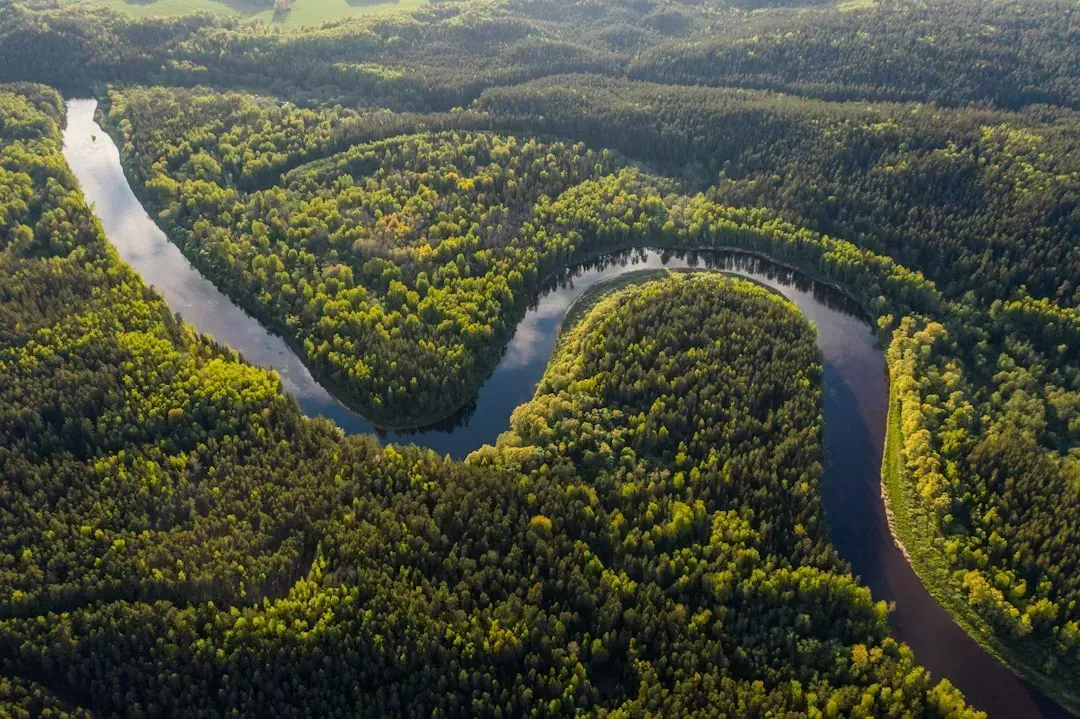
The Amazon is not just South America’s longest river, it is the longest or second-longest river on the planet, depending on which source measurement is used. Rising in the Andes, it flows for 4,345 miles, easily making it South America’s longest river. Some more recent Peruvian and Brazilian research has pushed that figure even higher, with newer studies tracing its most distant source further into the mountains.
What truly sets the Amazon apart is not just its length but its sheer scale in every other category. When it reaches the Atlantic, it deposits some 7,381,000 cubic feet of freshwater every single second, meaning it’s also the biggest river in South America by discharge. The most distant source of the Amazon is the Mantaro River in Peru, which joins with other tributaries to form the Ucayali, meeting the Marañón to create the primary stem of the Amazon.
2. Paraná River
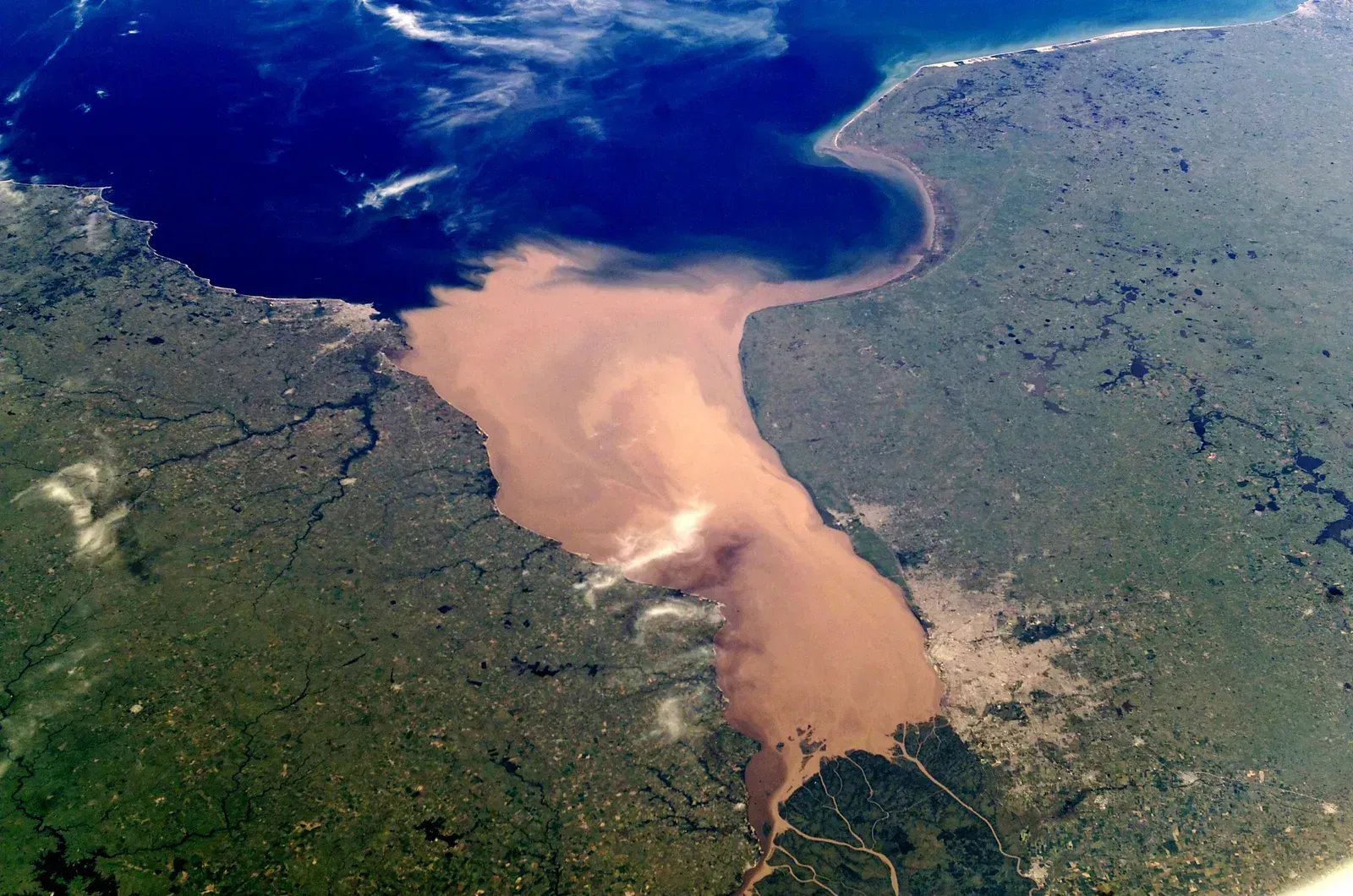
The Paraná is South America’s second-longest river and one of its most economically important, cutting through Brazil, Paraguay, and Argentina before reaching the sea. The second-longest river in South America is the Paraná River at 3,030 miles (4,880 km). Its basin supports major cities, hydroelectric dams, and one of the busiest inland shipping routes on the continent.
Near its mouth, the Paraná does not simply empty into the ocean on its own. The river merges with the Río de la Plata, which is made up of the Uruguay and Paraguay rivers, before emptying into the Atlantic Ocean. This estuary is one of the widest in the world, blurring the line between river and sea for many kilometers before the water truly turns saline.
3. Purus River
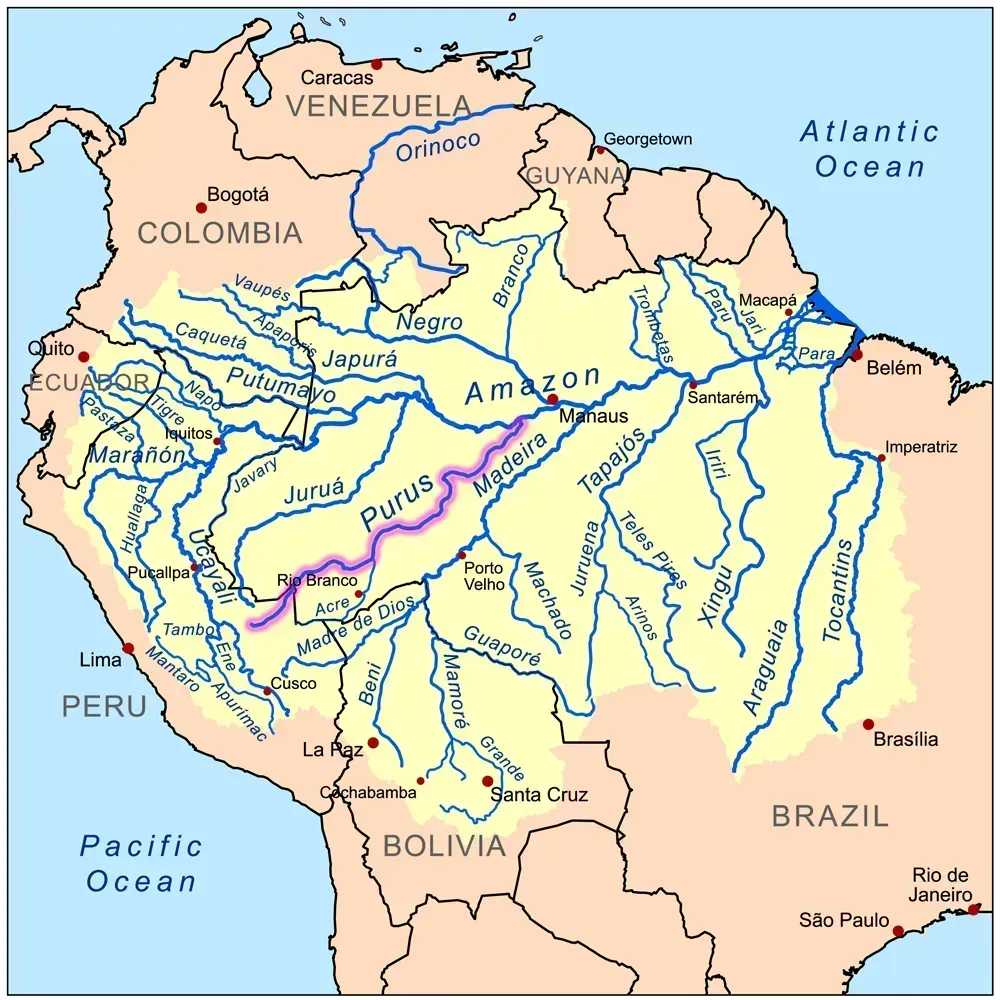
The Purus winds through some of the most remote and least disturbed rainforest in the Amazon basin, and its length has surprised many geographers over the years. Because of its extraordinarily winding path, the Purus covers a huge distance despite connecting two points that are relatively close as the crow flies. Some measurements even place it among the longest tributary rivers anywhere in the world, a title that owes everything to its snake-like meandering rather than a particularly vast drainage basin.
It eventually joins the Amazon’s main channel, adding its water to the larger system rather than reaching the ocean independently. The Purús River has the distinction of being the fifth of the longest river systems in South America by many traditional rankings, though newer measurement techniques occasionally shift it higher. Its basin remains one of the most biodiverse and least developed regions in the entire Amazon watershed.
4. Madeira River
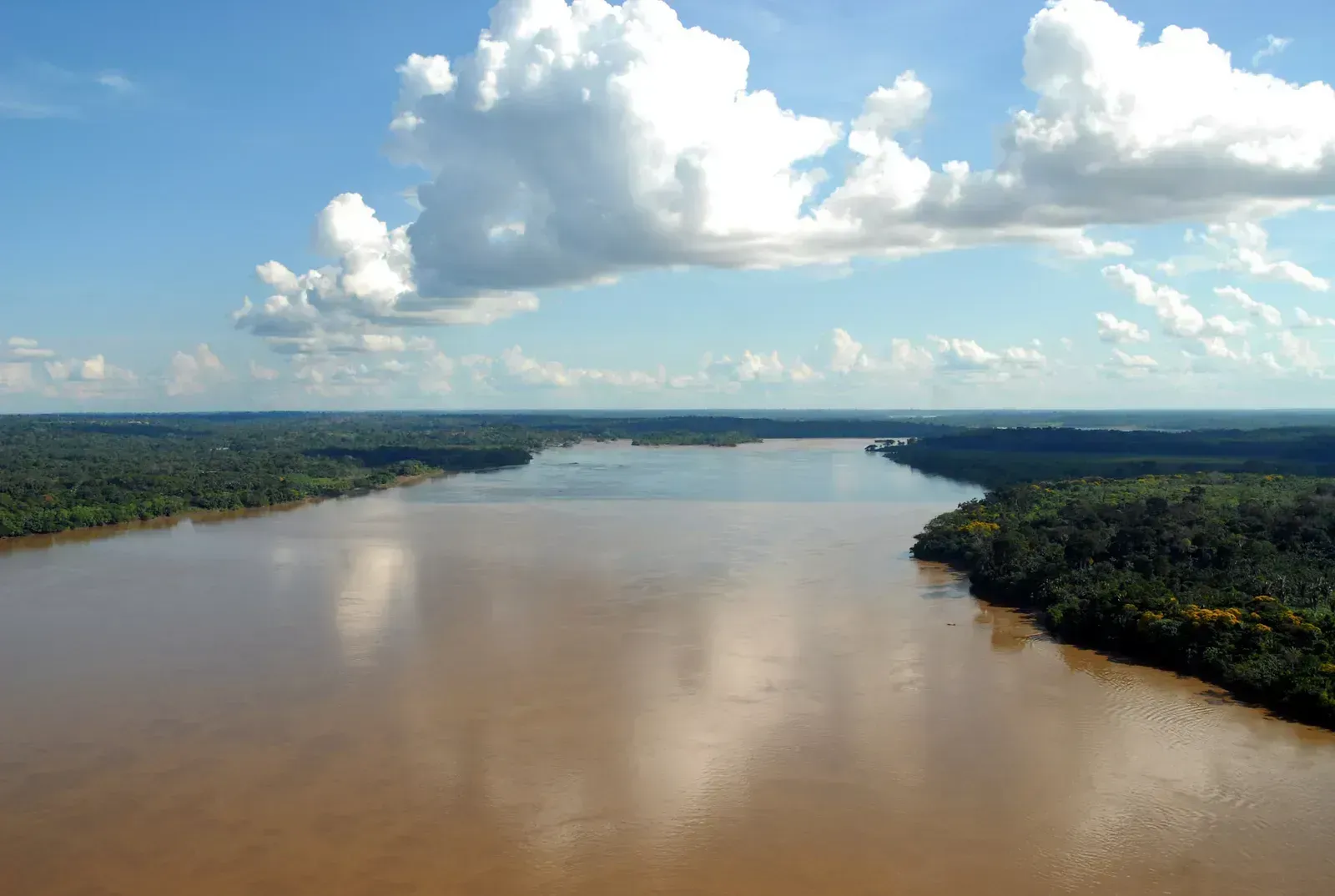
The Madeira is often described less as a single river and more as an entire river system, since it forms from the confluence of several major waterways further upstream. The Madeira–Mamoré–Grande–Caine–Rocha river system is 2,100 miles long and is the third largest river in South America, with its course running through Brazil, Peru, and Bolivia. That combined length is what earns it a spot near the top of any full ranking.
Even measured on its own, without the tributaries that feed it, the Madeira carries enormous volumes of water and sediment into the Amazon. The Madeira River itself is 900 miles long and is a major tributary of the Amazon River, accounting for 15% of the Amazon’s water volume. That single statistic explains why the river has long attracted attention for hydropower projects, despite ongoing concerns about its impact on fish migration and local communities.
5. São Francisco River
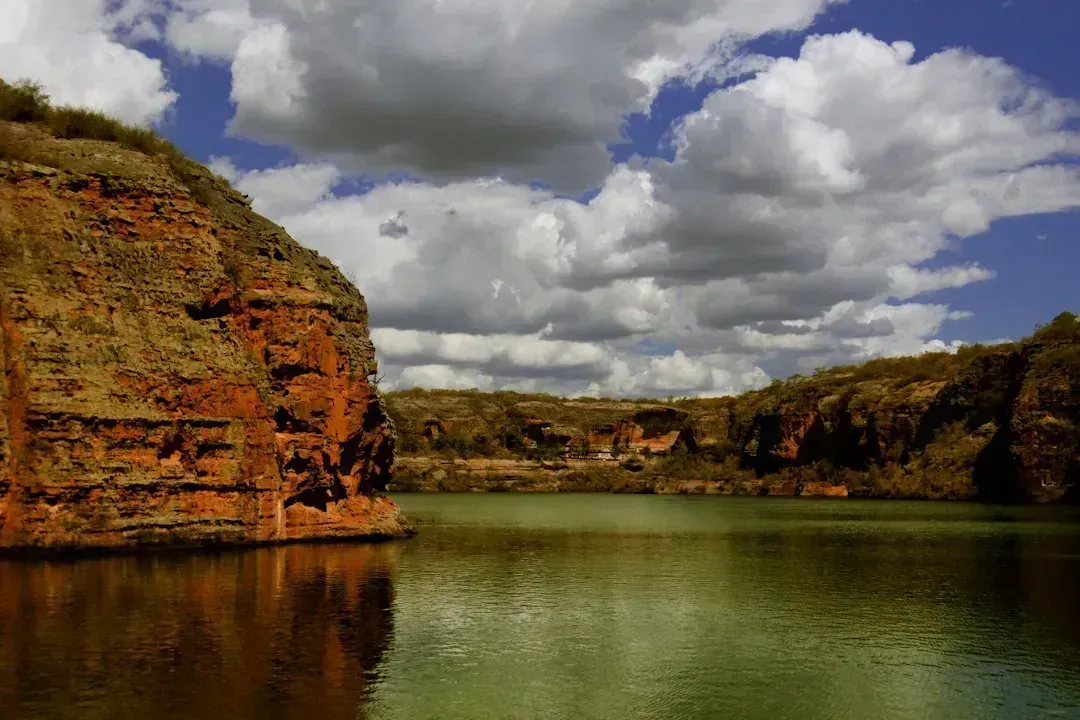
Unlike most of the rivers on this list, the São Francisco does not touch the Amazon basin at all. It flows entirely through the drier, more populated interior of Brazil, earning it the nickname “the river of national unity” among Brazilians. The São Francisco River is a 1,811 mile Brazilian river that is the 6th longest river in South America.
Its origin lies far from the coast, in a mountain range better known for its scenery than its hydrology. São Francisco rises from the mountain ranges of Canastra in Minas Gerais state and traverses through 5 Brazilian states before flowing into the Atlantic Ocean. Along that route it supports agriculture, hydroelectric plants, and small river communities that depend on it in ways the larger Amazon tributaries rarely have to.
6. Tocantins River
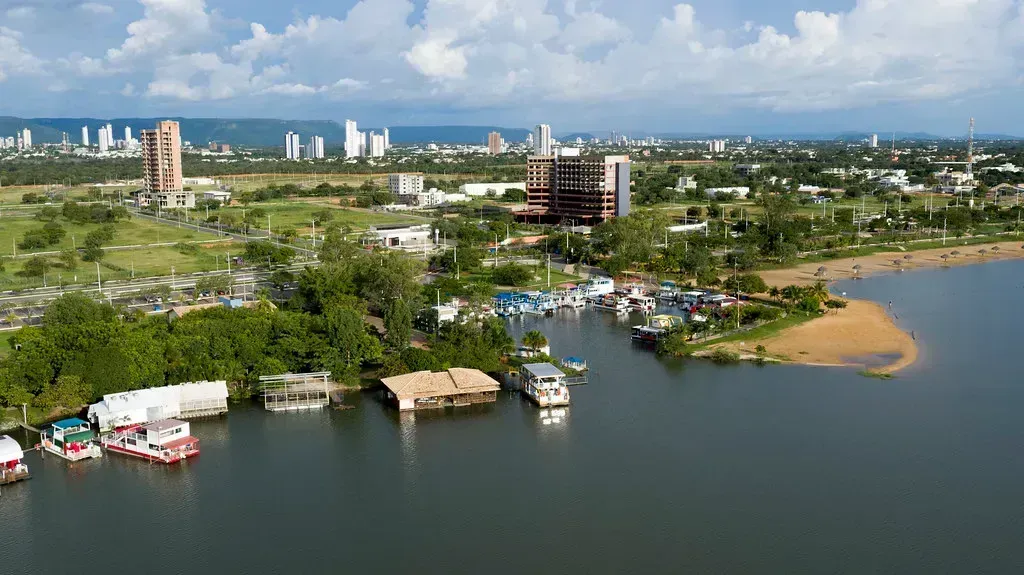
The Tocantins flows entirely within Brazil, running north from the central highlands toward the Amazon delta region without ever technically being classified as part of the Amazon system itself. Its length is sometimes disputed depending on whether smaller tributary rivers are counted as part of its official course. If the shorter Tocantins is considered as a tributary of the Amazon system, the combined length would be 3,650 km (2,268 mi).
On its own, the Tocantins is typically listed at a shorter but still substantial length, placing it firmly among the continent’s top rivers. It has been heavily dammed for hydroelectric power, most notably by the Tucuruí Dam, which altered much of its natural flow. The river’s basin, while smaller than the Amazon’s, still supports significant agricultural and urban development across central Brazil.
7. Japurá River (Caquetá)
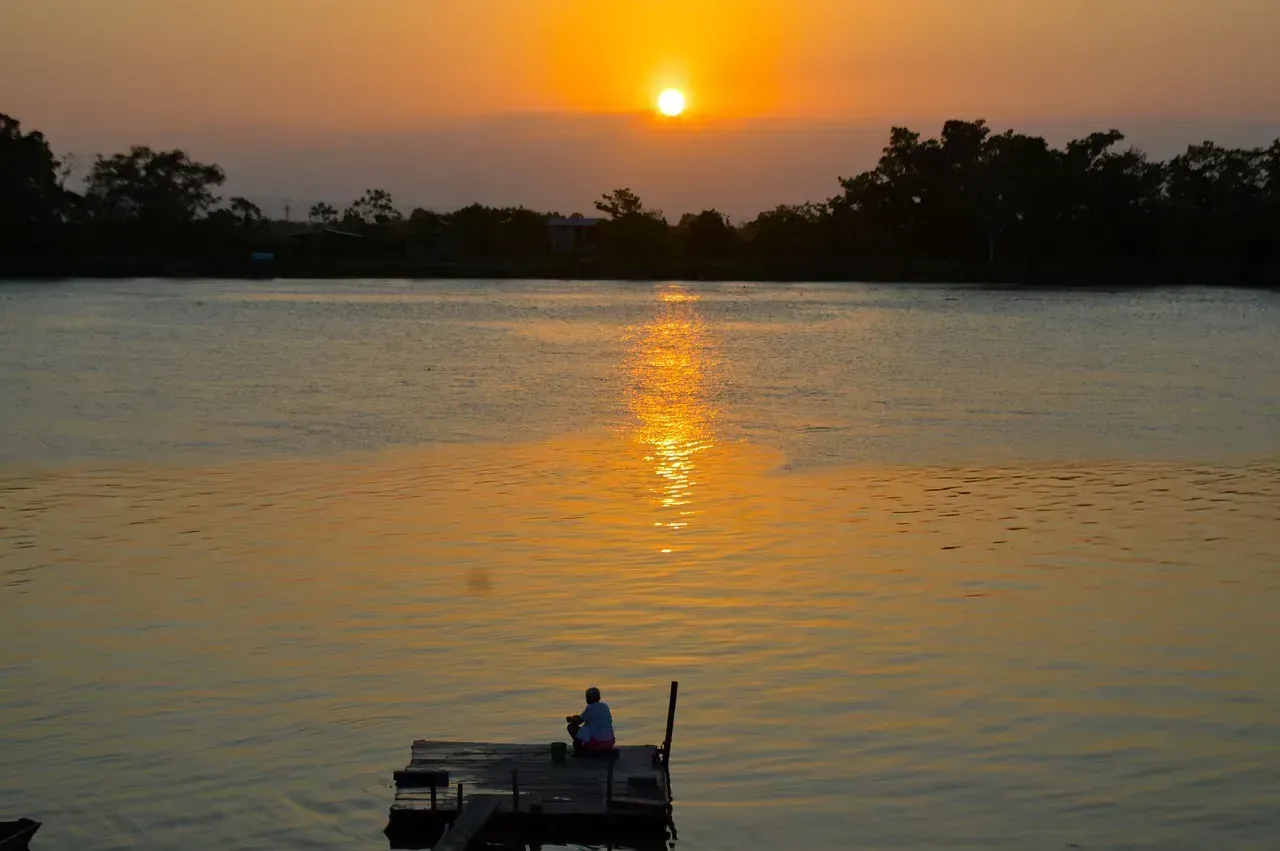
Known as the Caquetá in Colombia and the Japurá once it crosses into Brazil, this river demonstrates just how fluid river naming conventions can be across international borders. The Japurá or Caquetá River is an east-flowing river, and some estimates put its length at 1,750 miles (2,820 km). That single river, under two different names, threads through some of the most isolated rainforest terrain in South America.
It eventually joins the Amazon’s northern channel system, contributing to the vast network of waterways that make the Amazon basin function as a single, interconnected whole. Because much of its course runs through sparsely populated and difficult-to-access terrain, precise measurements have varied more for this river than for better-studied waterways further south. Even so, its consistent appearance near the top of continental rankings reflects just how significant it is despite being far less famous than the Amazon or Paraná.
Why Measuring River Length Is Harder Than It Sounds
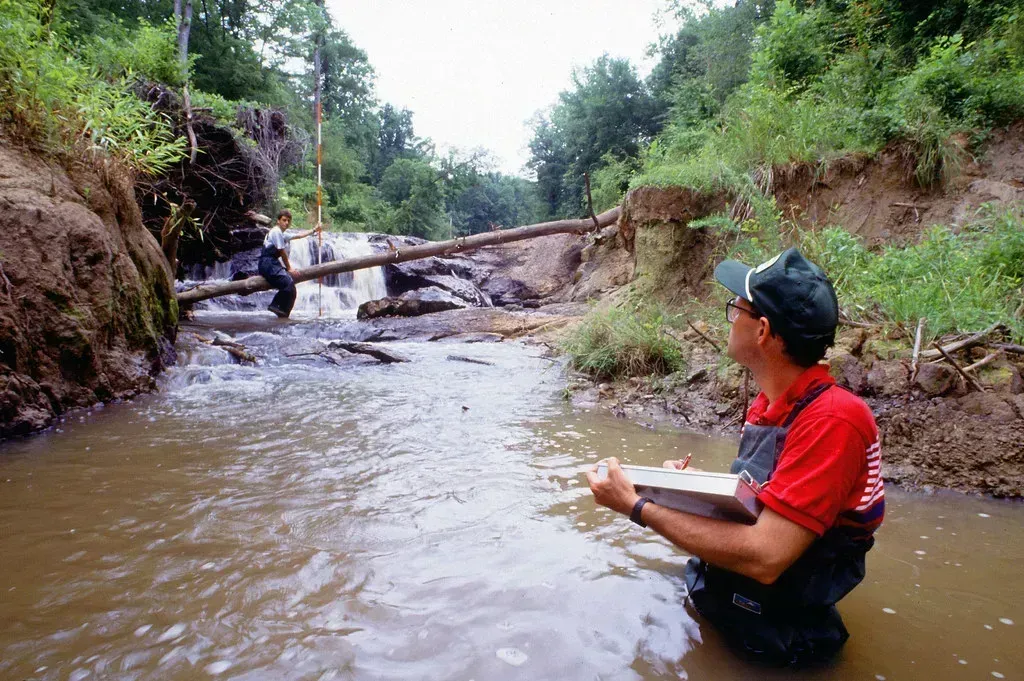
Anyone comparing these seven rivers will notice the numbers shift slightly depending on the source consulted, and that is not an accident or a mistake. Factors that determine the length of a river include the source of the river, the scale of measurement, and the definition of the river’s mouth, which is why measurements of many rivers are mostly approximations. This is the same reason the Amazon and the Nile have been locked in a decades-long dispute over which one truly deserves the title of world’s longest river.
Satellite imaging and modern GPS tracking have improved accuracy significantly over the last couple of decades, but disagreements persist, particularly around remote headwaters in the Andes and deep rainforest. Rivers also do not always keep the same name for their entire length, merging from smaller streams with entirely different names before adopting the one most people recognize. That complexity is part of why these rankings, while broadly consistent, still leave room for scientific debate.

- The Shoreline Sucked Dry in Seconds – 5 Tsunami Signals Beachgoers Mistake for Low Tide - November 14, 2026
- 9 Dark-Sky Destinations Around the World Where the Stars Look Unreal - November 14, 2026
- The Fault Line That Never Slips – 7 Locked Seismic Zones Overdue for a Massive Release - November 14, 2026
