


- 8 South American Countries Producing the Best Coffee – Ranked Worst to Best - September 12, 2026
- Essential Climate Facts for Anyone Traveling to Coastal South America in 2026 - September 12, 2026
- 6 U.S. States Where Obesity Rates Are Near Historic Lows – and 4 Struggling - September 12, 2026
Federal laws play a steady role in guiding how the nation manages water when supplies run low. These rules focus on pollution control, drinking water protection, species safeguards, planning requirements, and targeted conservation measures that remain active even as drought conditions persist across regions.
They encourage efficiency, limit waste, and balance competing needs without relying on temporary emergency orders alone. Many trace their roots to decades-old statutes that Congress has updated over time to address ongoing challenges like population growth and changing weather patterns.
The Clean Water Act

The Clean Water Act sets national standards for pollutant discharges into rivers, lakes, and wetlands. It requires permits for many activities that could affect water quality, which helps maintain supplies during dry periods when every drop counts. States handle much of the day-to-day enforcement while the federal framework stays in place.
Provisions also support wetland protection and wastewater treatment upgrades that reduce overall demand on freshwater sources. The law has evolved through amendments but continues to influence how projects proceed in drought-prone areas. Its emphasis on restoring and maintaining water integrity supports long-term conservation goals.
The Safe Drinking Water Act

The Safe Drinking Water Act establishes standards for public water systems to protect against contaminants. It requires regular testing and treatment that indirectly promotes careful use of limited resources during shortages. The law covers both surface water and groundwater sources that become especially critical in dry seasons.
Amendments over the years have added protections for small systems and source water assessment programs. These measures help communities stretch supplies without compromising health standards. Federal oversight ensures consistency even when local conditions vary widely.
The Endangered Species Act

The Endangered Species Act requires federal agencies to consult on actions that might affect listed species or their habitats. Water projects often trigger these reviews, which can lead to flow requirements or habitat protections that conserve water in stressed basins. The law remains fully active and shapes decisions year after year.
Consultations frequently address drought impacts on fish and wildlife that depend on steady river levels. Agencies must find ways to meet both human needs and species recovery goals. This process encourages creative conservation strategies that avoid further depletion of supplies.
The National Environmental Policy Act
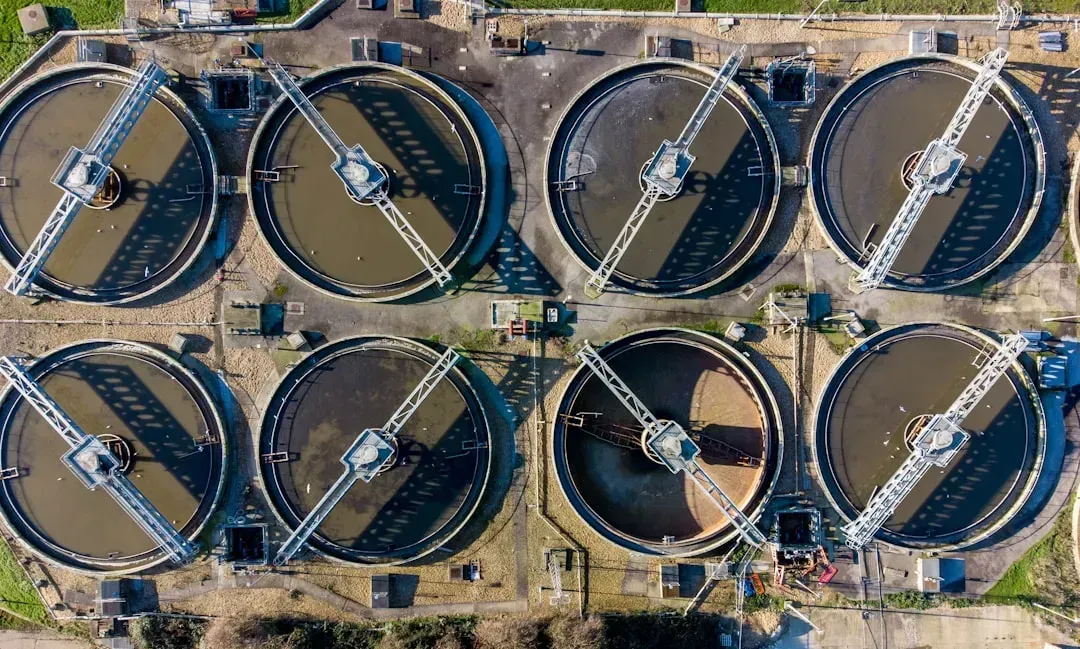
The National Environmental Policy Act mandates environmental reviews for major federal actions, including many water management decisions. These assessments examine alternatives that can favor conservation approaches during drought planning. The requirement applies broadly and has not been suspended in recent years.
Public input and detailed analysis often highlight opportunities to reduce water waste or improve efficiency. The law supports informed choices that consider long-term resource sustainability. Its framework helps integrate conservation into routine project approvals.
Bureau of Reclamation Water Conservation Rules

Federal regulations under 43 CFR Part 427 direct the Bureau of Reclamation to promote water conservation in its projects. These rules encourage measures like improved irrigation efficiency and reduced losses in delivery systems. They apply to many western facilities that serve millions during dry spells.
The requirements align with broader reclamation statutes that authorize drought mitigation activities. Contractors and users must consider conservation opportunities as part of ongoing operations. This regulatory layer remains in effect and supports voluntary and required savings alike.
Water Resources Development Act Conservation Policies
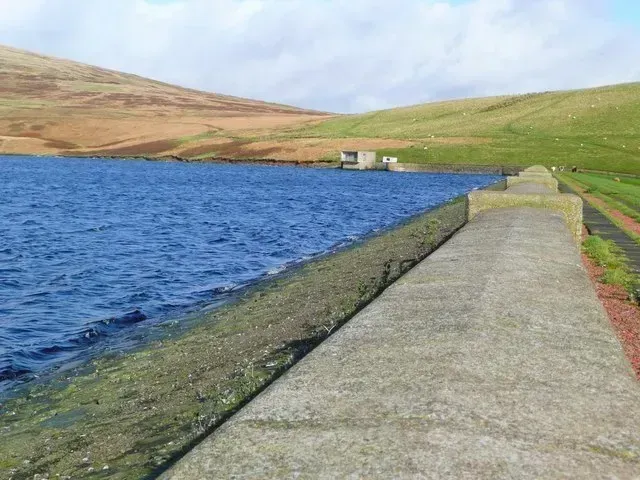
Recent updates in the Water Resources Development Act of 2024 include a clear policy statement prioritizing water supply, conservation, and drought resiliency at Corps of Engineers projects. The language directs maximization of these opportunities without altering state water rights. It builds on earlier authorities that stay active.
Implementation focuses on coordination with nonfederal partners to adopt practical measures. The policy applies across authorized project purposes and encourages alignment with drought preparedness. These provisions continue to guide federal involvement in water infrastructure nationwide.
These six laws form a durable national backbone for water management that does not pause when drought arrives. They work alongside state efforts and voluntary programs to stretch resources and protect quality. Ongoing application helps communities adapt without starting from scratch each season. Thoughtful enforcement and updates keep the framework relevant as conditions evolve.
