

Plastic bags, bottled water, foam cups and takeout containers pile up fast, and nowhere does that add up quite like it does across a handful of American states. There’s no single federal tracking system that measures single-use plastic sales person by person across all fifty states, but a clear pattern shows up when you look at policy, population growth, tourism, and industry. States without bag bans, fee requirements, or packaging laws tend to see far more single-use plastic move through checkout lines, drive-throughs, and grocery aisles than states that have restricted it.
Nationally, the numbers are already staggering. Americans use an average of 365 plastic bags per person annually. Add to that the fact that it is estimated that each American uses an average of 156 single use plastic water bottles every year, and it becomes clear how much single-use plastic simply moves through daily life. The seven states below stand out because they combine weak or nonexistent plastic restrictions with the population size, tourism traffic, or industrial base that pushes consumption higher than the national norm.
1. Texas
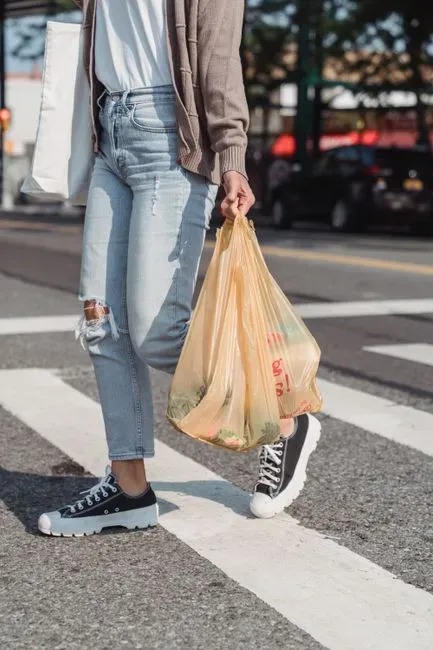
Texas is arguably the clearest example of a state where single-use plastic sales run unchecked. In 2018, the Texas Supreme Court struck down a plastic bag ordinance passed by the city of Laredo, ruling it conflicted with the state’s Solid Waste Disposal Act. That ruling didn’t just affect one city. The state’s Attorney General followed up by sending letters to eleven other Texas cities with existing bag bans, informing them their ordinances were now unenforceable. Even Austin, a city known for progressive environmental policy, had to fall in line quickly.
Beyond bags, Texas is home to a massive share of the country’s plastic manufacturing base. Oil giants are rapidly building petrochemical plants across the United States to turn fracked gas into plastic, and much of that buildout is concentrated along the Texas Gulf Coast. With no statewide restrictions and a huge, fast-growing population, Texas residents end up buying and using single-use plastic bags, bottles, and containers at a rate few other states can match.
2. Florida
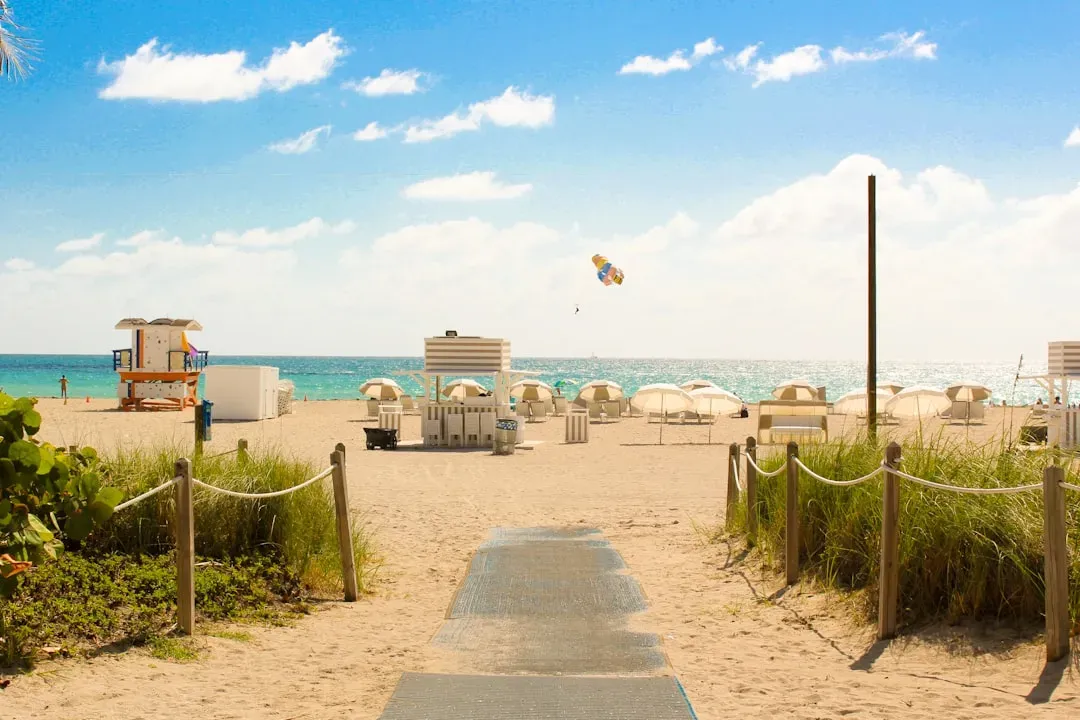
Florida combines two factors that push single-use plastic consumption higher than almost anywhere else: no statewide restrictions and enormous tourism numbers. Preemption laws block individual cities from passing their own plastic restrictions, and this approach is currently in place in states like Florida, Texas, and Ohio. That means even cities that want to limit bags, straws, or foam containers legally cannot.
Layer on top of that the tens of millions of visitors who pass through Florida’s beaches, theme parks, and restaurants every year, each one buying bottled water, takeout containers, and disposable cups, and the state’s per-resident plastic footprint climbs well above the national baseline. Without a bag fee or ban of any kind, plastic shopping bags remain the default at grocery stores and pharmacies statewide.
3. Arizona
Arizona took an unusually aggressive stance against plastic regulation rather than toward it. Arizona has taken the same approach, explicitly outlawing local plastic bag bans. That single legislative move locked in single-use plastic bag distribution across every city and county in the state, regardless of local preference.
Combined with rapid population growth in metro areas like Phoenix and Tucson, plus a climate that drives heavy bottled water consumption for much of the year, Arizona’s per-person plastic sales likely sit well above states with active bans. Yes, many states, including Texas, Florida, Arizona, and Missouri, currently have no statewide laws restricting or taxing single-use plastic bags. Arizona’s preemption law makes it one of the hardest states in the country for any city to change that.
4. Ohio
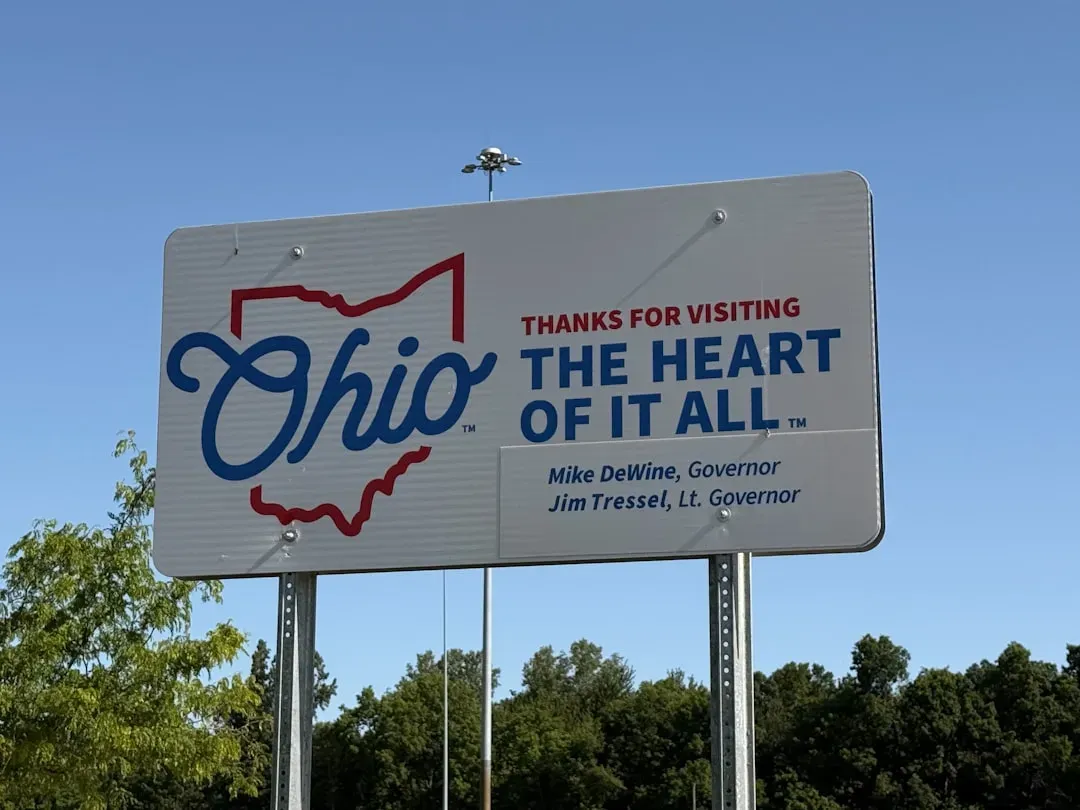
Ohio rounds out the trio of states specifically named for blocking local plastic restrictions outright. Preemption laws block individual cities from passing their own plastic restrictions, and this approach is currently in place in states like Florida, Texas, and Ohio. That leaves cities like Cleveland, Columbus, and Cincinnati without any legal path to reduce single-use bag or foam distribution on their own.
Ohio’s dense manufacturing and shipping corridors also mean a heavy reliance on plastic packaging for logistics and retail. Without state-level policy pushing retailers toward paper or reusable alternatives, plastic bags, cutlery, and takeout packaging remain the cheapest and most common option for businesses across the state, keeping per-person plastic sales elevated year after year.
5. Missouri
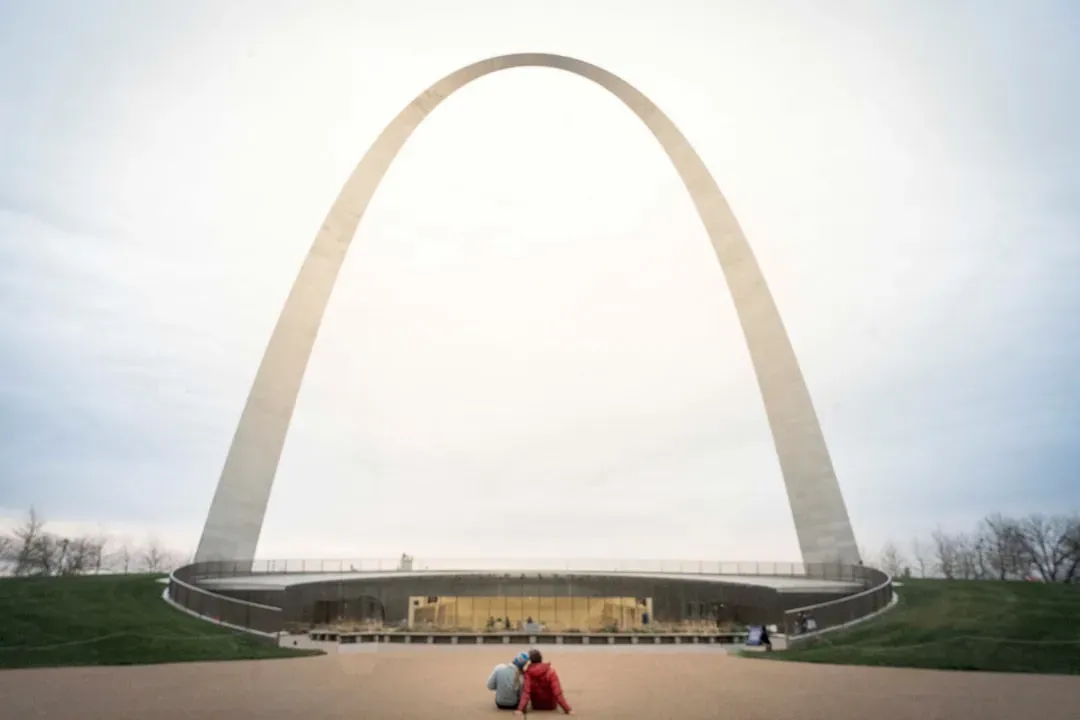
Missouri has no statewide bag law of any kind, and unlike some other unregulated states, it has also seen local ordinances rolled back. Many states, including Texas, Florida, Arizona, and Missouri, currently have no statewide laws restricting or taxing single-use plastic bags, leaving it to local jurisdictions. Even where cities have tried to act, state-level pushback has limited what they can accomplish.
Missouri’s retail and grocery sector, much like its Midwestern neighbors, defaults heavily to plastic bags at checkout. With no fee structure discouraging their use and no statewide alternative program in place, plastic bag and packaging sales per resident remain higher than in states with bans, fees, or extended producer responsibility laws already active.
6. Louisiana
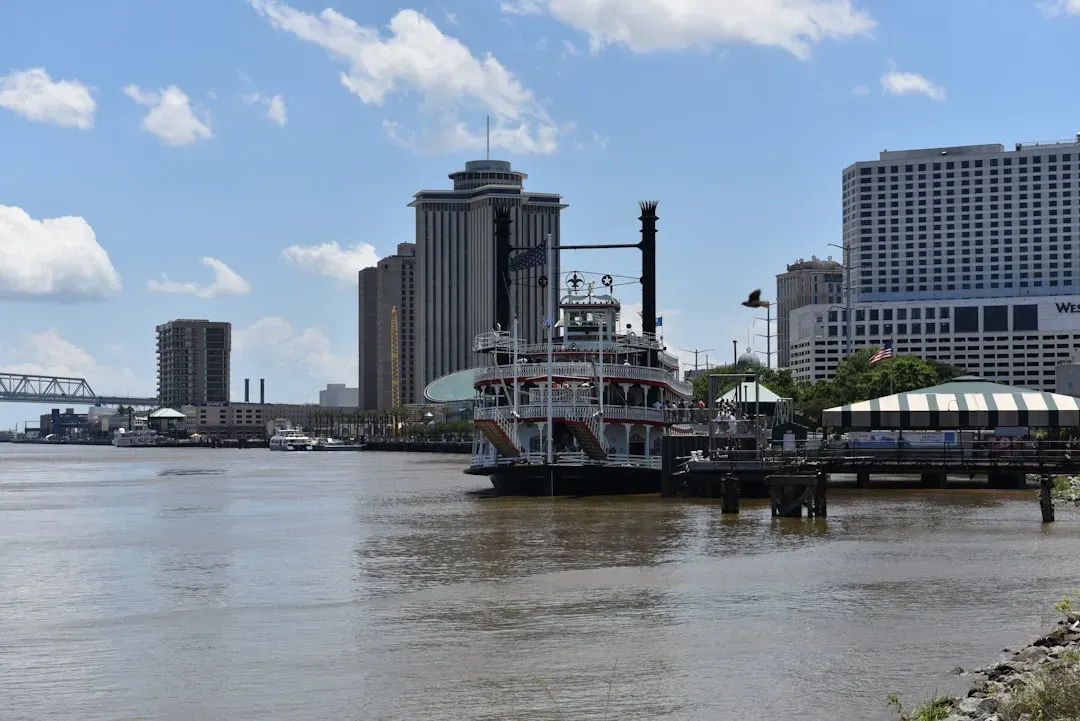
Louisiana’s position on this list comes largely from its role as a manufacturing hub rather than just a retail one. Oil giants are rapidly building petrochemical plants across the United States to turn fracked gas into plastic, meaning more plastic in circulation, more greenhouse gas emissions and more toxic air pollution. Much of that petrochemical buildout runs along the Louisiana river corridor known locally as “Cancer Alley.”
With no statewide bag ban or fee and a strong industrial base producing plastic resin and packaging materials, Louisiana households and businesses have easy, low-cost access to single-use plastic products. That access, paired with the absence of any meaningful state policy discouraging disposable packaging, keeps consumption levels high relative to states that have implemented bans or fees.
7. Georgia
Georgia has emerged as one of the fastest-growing states in the country, and its plastic policy hasn’t kept pace with that growth. The state has no statewide ban, fee, or extended producer responsibility law on single-use plastic bags or packaging, leaving retailers and restaurants to default to the cheapest disposable options available.
Atlanta’s booming logistics and food distribution sector, combined with a lack of local ordinance authority in many parts of the state, means plastic packaging moves through Georgia’s economy largely unchecked. As the population continues to expand, particularly in suburban metro Atlanta, per-person plastic bag and bottle sales are likely to keep climbing rather than level off.
What ties these seven states together isn’t a formal government ranking, since no single agency publishes a definitive per-capita single-use plastic sales list for all fifty states. Instead, it’s a pattern built from policy choices, population pressure, and industrial reality. States that ban local plastic action, skip statewide fees, or host large plastic-producing industries consistently show the conditions for higher per-person consumption. The U.S. has no federal ban on single-use plastics, but 7 states and 12 cities have implemented bans, which means the vast majority of the country, including every state listed here, still operates without meaningful limits on how much single-use plastic reaches consumers each year.
Until more states adopt bans, fees, or producer responsibility laws similar to those already working in places like New Jersey and Vermont, the gap between low-consumption and high-consumption states is likely to keep widening rather than closing.

- The Shoreline Sucked Dry in Seconds – 5 Tsunami Signals Beachgoers Mistake for Low Tide - November 14, 2026
- 9 Dark-Sky Destinations Around the World Where the Stars Look Unreal - November 14, 2026
- The Fault Line That Never Slips – 7 Locked Seismic Zones Overdue for a Massive Release - November 14, 2026
