


- The 7 Planets and Moons Scientists Say Would Be the Most Livable for Humans - November 13, 2026
- Sinkholes Swallowing Entire City Blocks – 6 Regions Resting on Dissolving Limestone Beds - November 13, 2026
- Rivers Flowing Backward for Days – 6 Forgotten Quakes That Literally Bent Geography - November 13, 2026
Desert dust storms represent one of nature’s most impressive long-distance transport systems. Winds lift billions of tons of fine particles from arid regions each year, carrying them thousands of kilometers to influence weather, ecosystems, and air quality far from their origins.
The Sahara in Africa and the Gobi in Asia stand out as primary sources. Their dust travels across oceans and continents, sometimes reaching the Americas, Europe, and even the Arctic, reshaping environments in unexpected ways.
The Global Scale of Dust Emissions
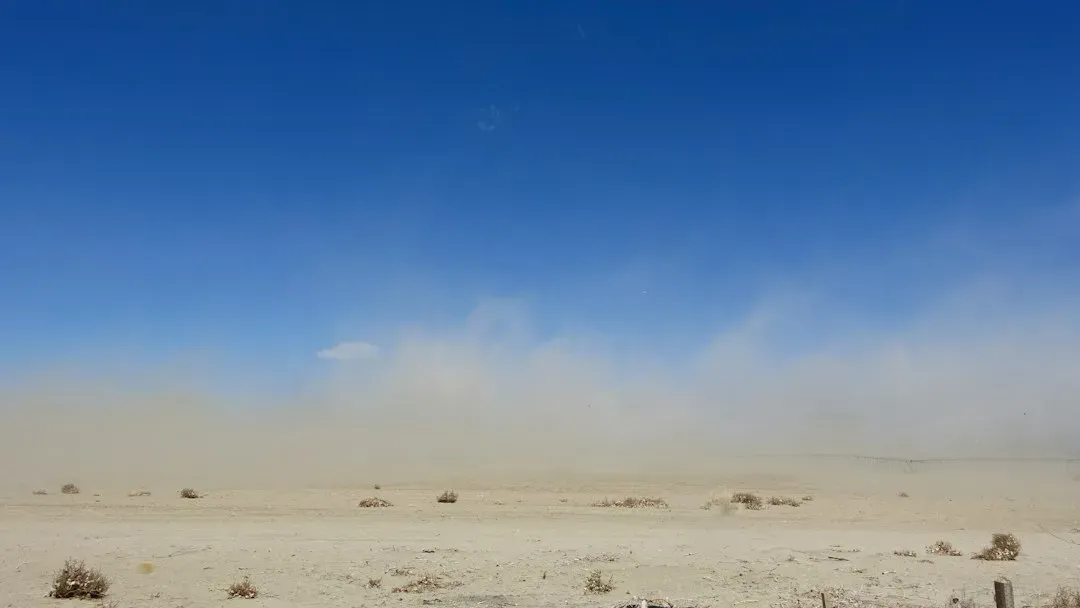
Around two billion tonnes of sand and dust enter the atmosphere annually from deserts worldwide. This massive volume travels hundreds or thousands of kilometers, crossing borders and oceans with ease.
Major hotspots include the Sahara, Gobi, and Arabian deserts. These regions supply the bulk of airborne particles that affect distant climates and ecosystems through consistent wind patterns.
Origins and Characteristics of Sahara Dust
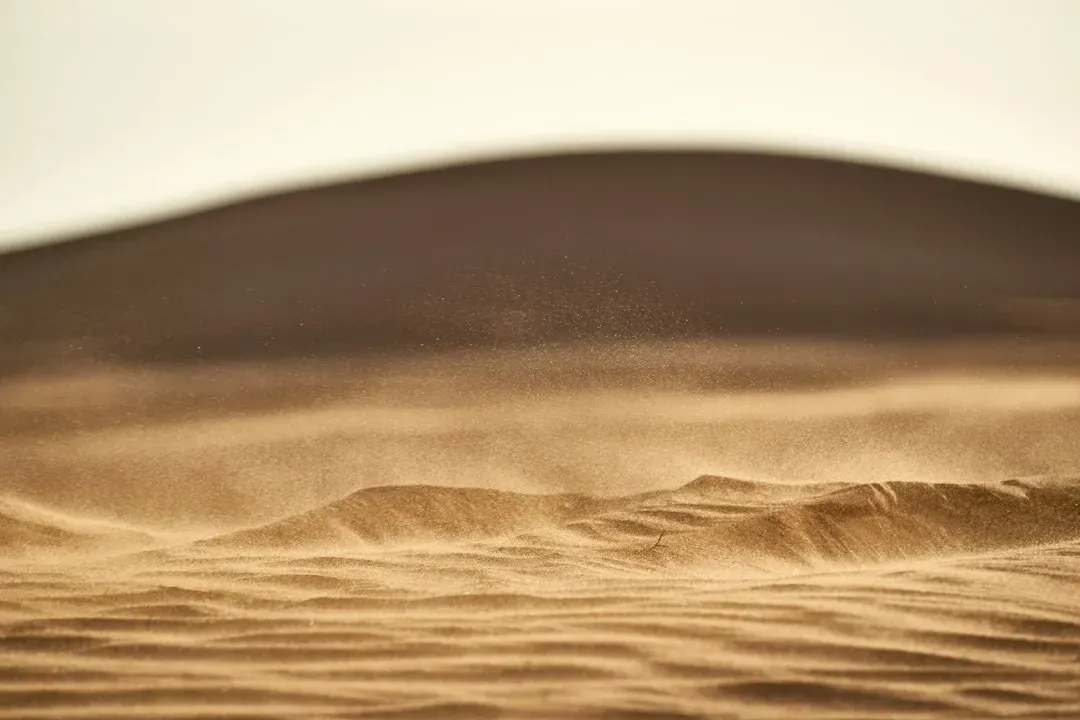
The Sahara Desert generates enormous quantities of mineral-rich dust from its vast dry expanses. Strong winds, especially during certain seasons, loft particles high into the atmosphere where they form thick plumes.
These particles often travel in a distinct layer known as the Saharan Air Layer. The layer’s dry and dusty nature plays a key role in how far and how effectively the material moves across the Atlantic.
Transatlantic Transport from the Sahara
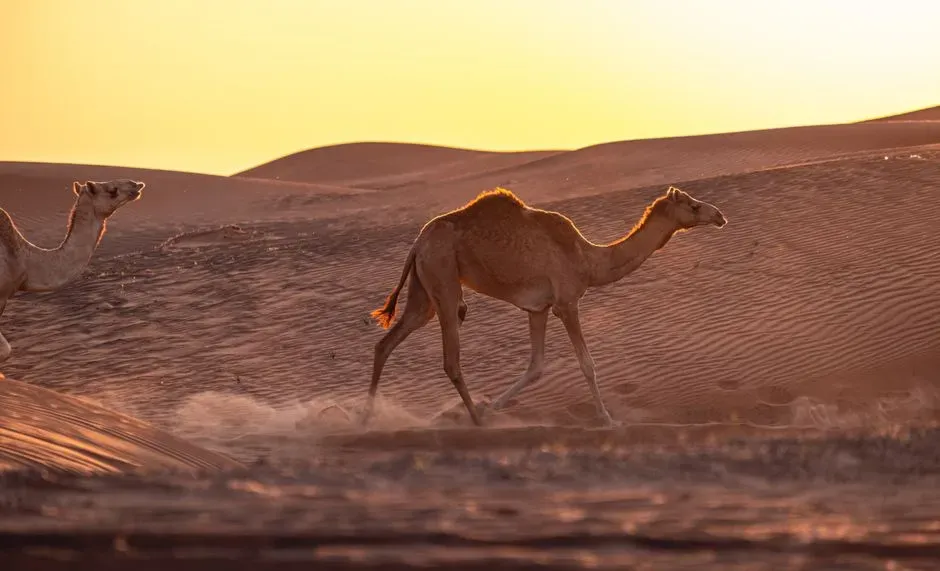
Each year roughly 27.7 million tonnes of Saharan dust cross the Atlantic on trade winds. Satellite observations confirm this flow delivers phosphorus that helps sustain the Amazon rainforest by replacing nutrients lost to rivers.
Plumes frequently reach the Caribbean and parts of the Americas. In 2025, monitoring services tracked multiple episodes that raised particulate levels in the Caribbean and Florida, with surface concentrations sometimes exceeding typical clean-air standards.
The Gobi Desert as a Major Asian Source
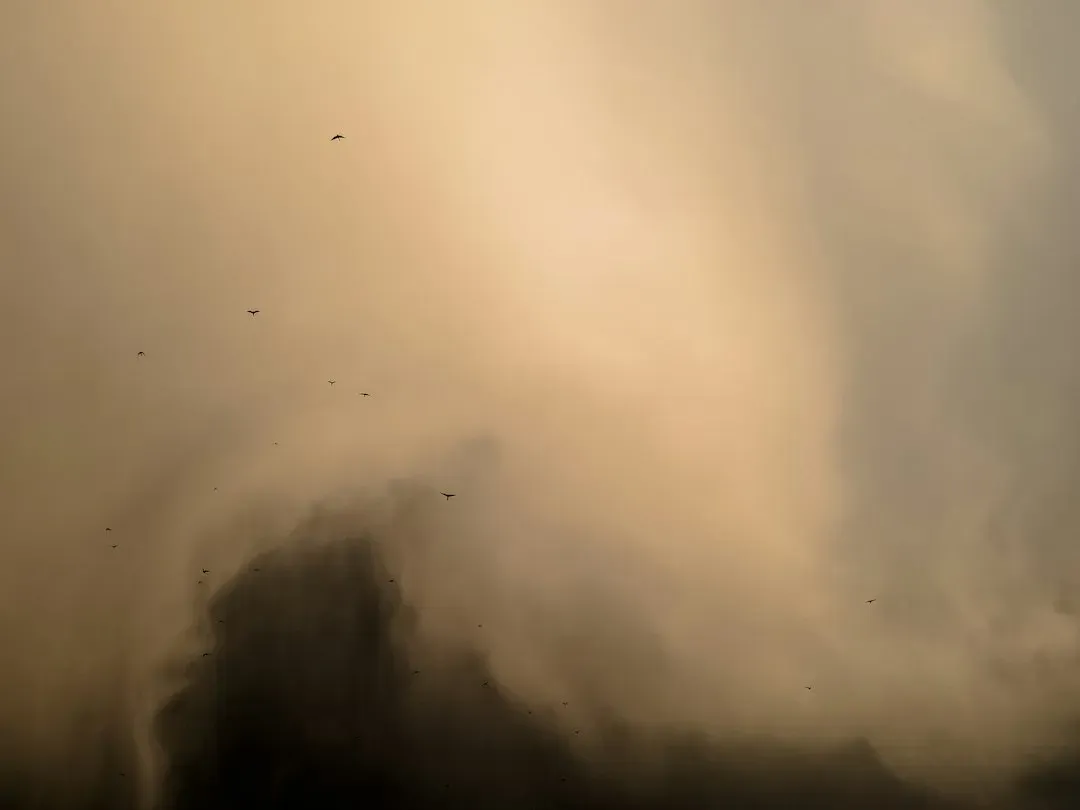
The Gobi Desert in Mongolia and northern China produces intense dust storms, particularly in spring. Mongolian cyclones often drive strong winds that lift particles and send them southward or eastward.
In 2025, China experienced its most severe dust event in a decade, with hourly PM10 levels surpassing 1,000 micrograms per cubic meter in northern areas. The Gobi contributed the majority of the material affecting wide regions of the country.
Long-Range Transport from the Gobi
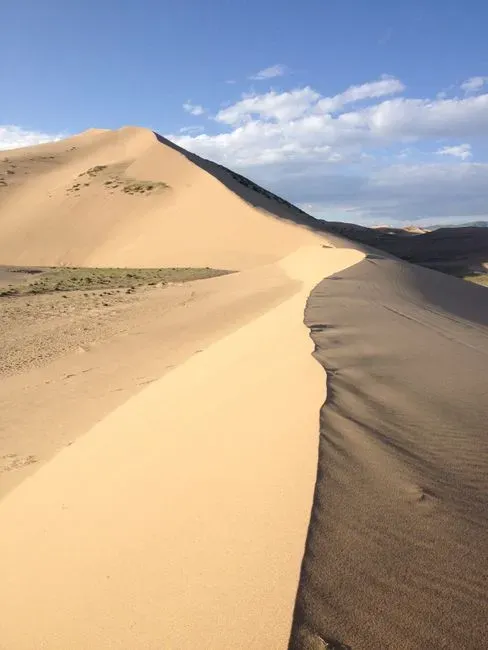
Gobi dust regularly reaches eastern China, Korea, Japan, and sometimes North America. Strong northerly winds and atmospheric patterns allow particles to travel across vast distances in just days.
Recent observations show dust from the Gobi can even ascend into higher atmospheric layers over the Tibetan Plateau. This vertical transport expands the potential reach of these particles into broader circulation systems.
Effects on Air Quality and Human Health
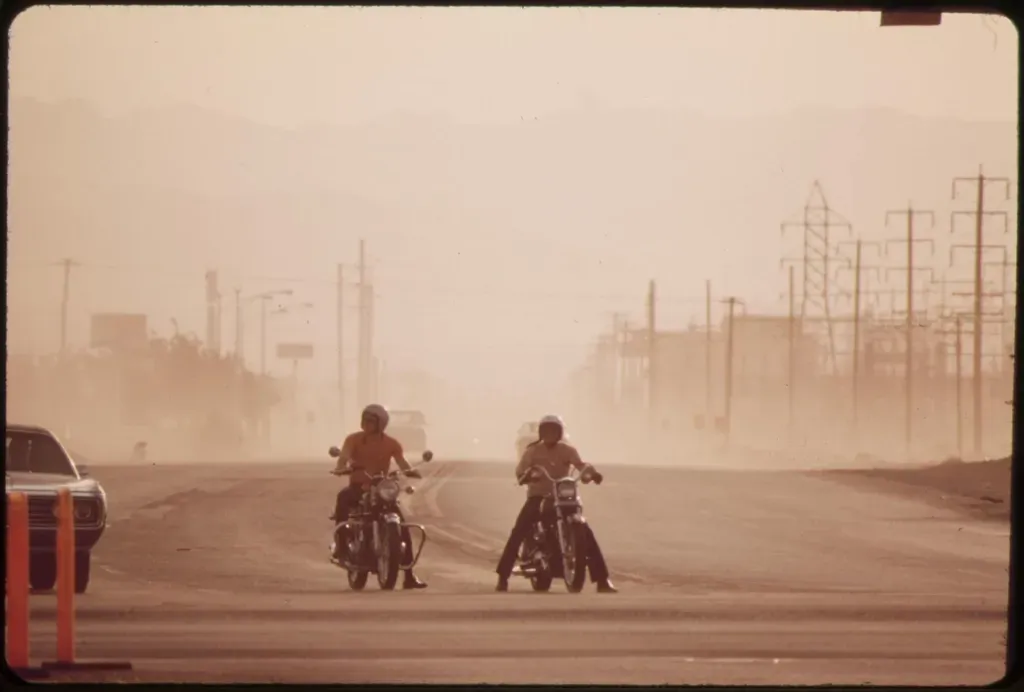
Dust plumes degrade air quality when they arrive in populated areas. Elevated PM10 readings trigger health alerts and can worsen respiratory conditions for vulnerable groups.
Along the US-Mexico border in 2025, El Paso recorded an unusually high number of dust days, more than double the average. Such events disrupt daily life and strain medical services in affected communities.
Ecological and Climatic Influences
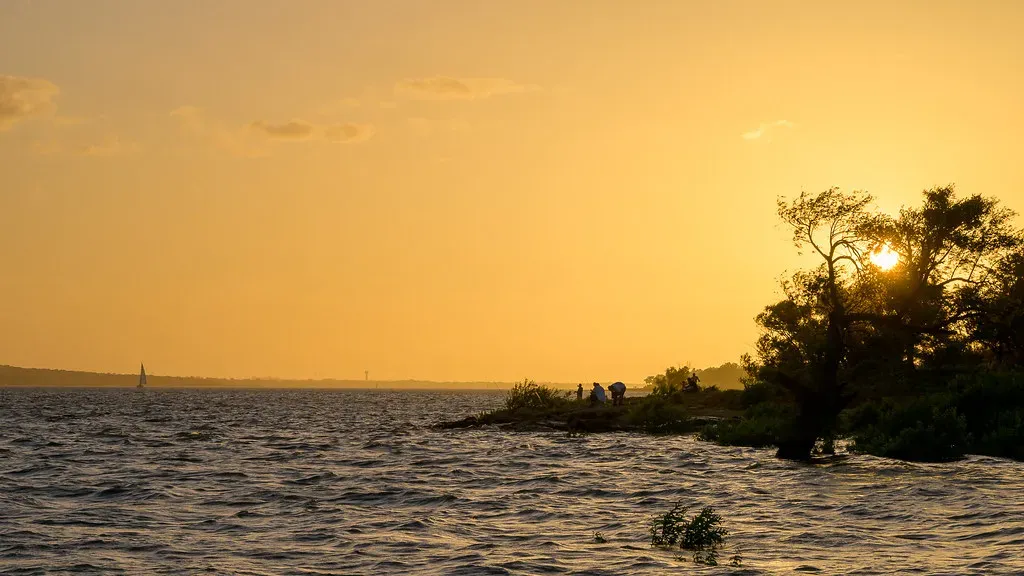
Saharan dust supplies iron to ocean waters, supporting phytoplankton blooms that form the base of marine food webs. It also deposits minerals that fertilize distant soils and forests.
Both Sahara and Gobi dust can suppress hurricane formation by stabilizing the atmosphere and increasing wind shear. At the same time, the particles influence cloud formation and regional temperatures through their radiative effects.
Recent Trends and Monitoring Advances
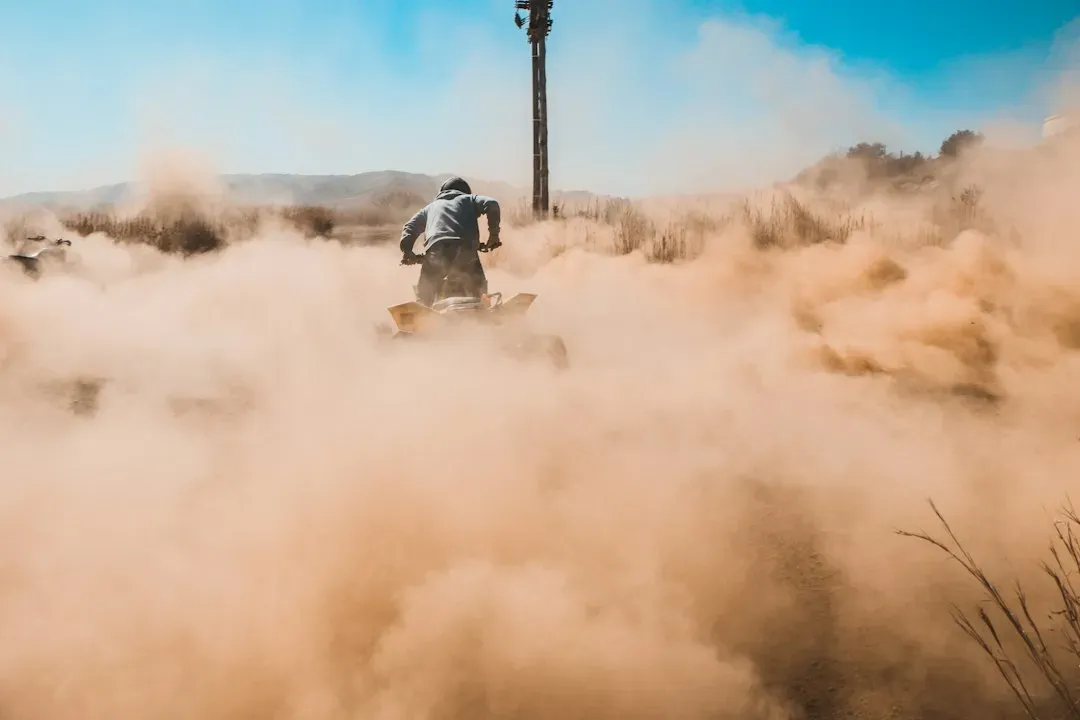
Observations from 2024 through 2026 highlight ongoing variability in dust activity. Satellite systems and ground networks now provide detailed tracking of plume paths and concentrations across oceans.
Emerging factors such as solar farms in the Gobi show potential to reduce local emissions by stabilizing soil and lowering wind speeds at the surface. Models suggest expanded installations could cut downwind transport noticeably in coming decades.
Conclusion
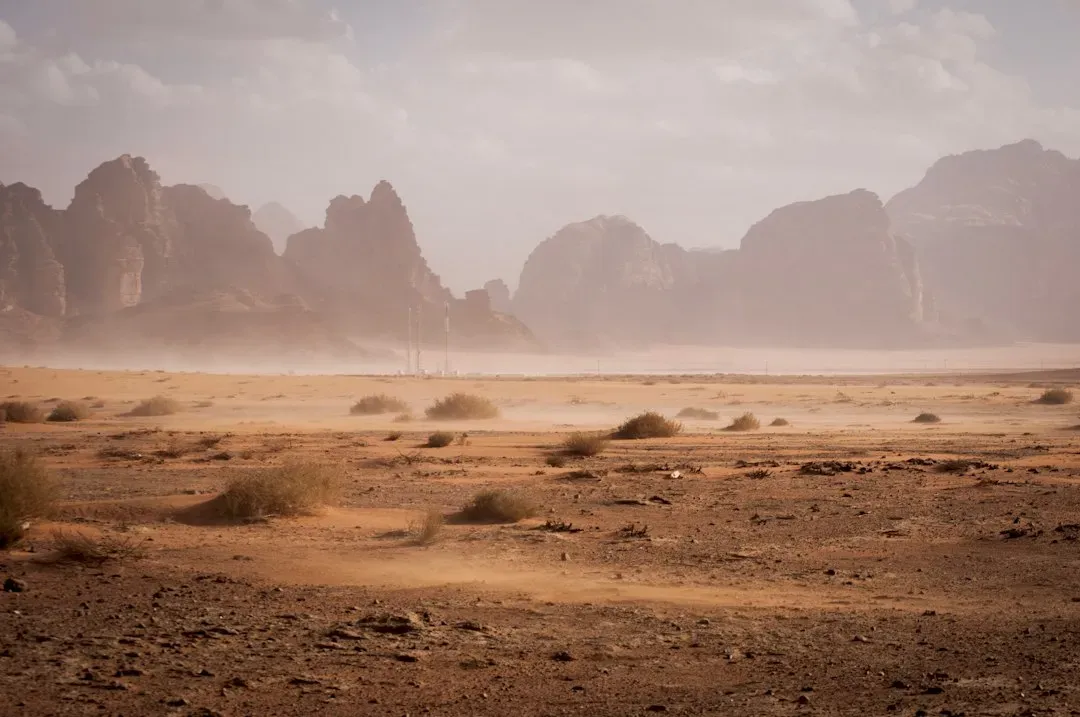
These desert dust systems connect distant parts of the planet in ways that continue to surprise researchers. Their winds carry not just sand but nutrients, pollutants, and climatic signals that shape life across continents.
Understanding these flows remains essential as environments change. The same winds that once seemed purely destructive now reveal intricate links worth preserving and studying closely.
