
1. The category number tells you how dangerous the storm will be
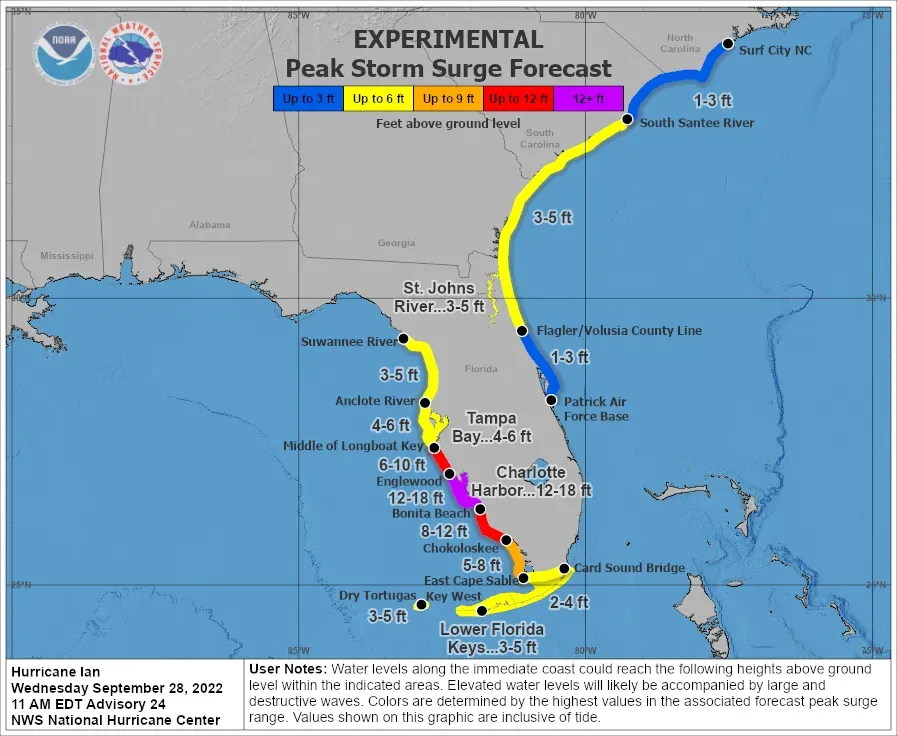
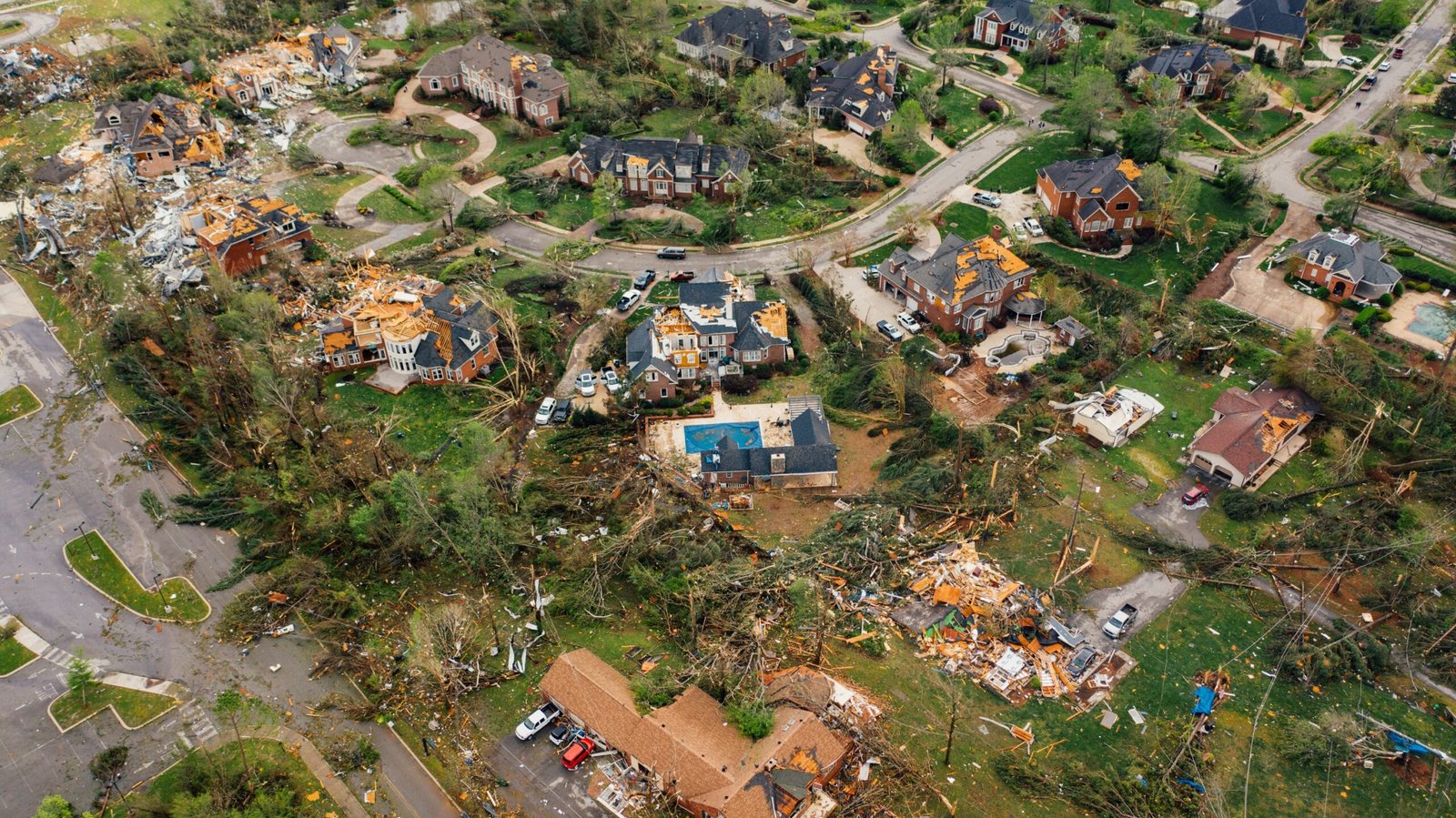
This is probably the most common misunderstanding out there, and it is also the most dangerous one. The Saffir-Simpson Hurricane Wind Scale is a 1 to 5 rating based only on a hurricane’s maximum sustained wind speed, and this scale does not take into account other potentially deadly hazards such as storm surge, rainfall flooding, and tornadoes. It was designed as a damage estimate tied to wind, nothing more.
That distinction matters more than most people realize, because wind is rarely the biggest killer. The National Hurricane Center reports that storm surge accounts for 49% of direct hurricane fatalities, freshwater flooding causes 27%, wind-related deaths represent only 8%. In other words, the number splashed across every news graphic is describing the hazard that kills the fewest people.
2. Category 5 is the absolute ceiling, so nothing could be worse
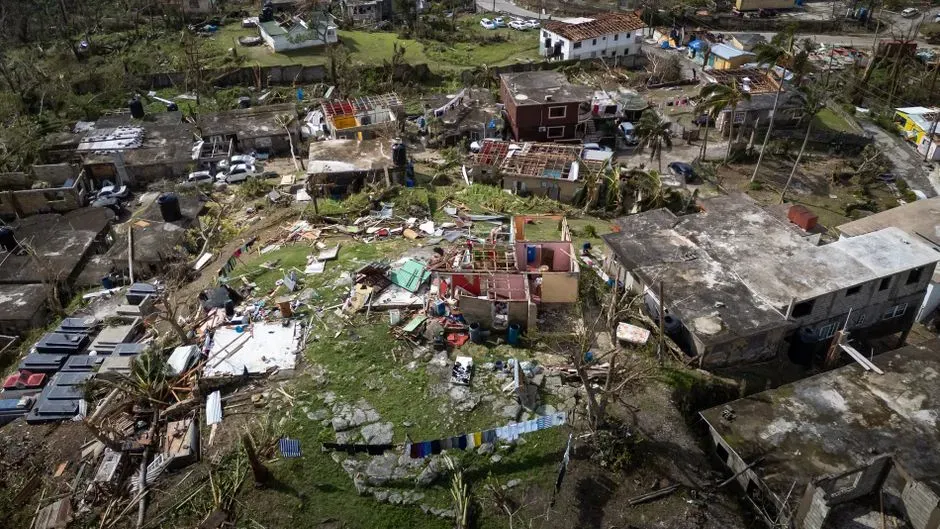
Treating Category 5 as a hard stop feels logical since the scale simply does not go higher. But scientists have been openly questioning that assumption for years. Three separate lines of evidence from both observations and models suggest that the open endedness of the 5th category of the Saffir–Simpson hurricane wind scale becomes increasingly problematic for conveying wind risk in a warming world, prompting researchers to introduce a hypothetical modification that would bound category 5 and include an additional category 6 above that.
This isn’t a fringe idea, either. The authors note that five storms, all of which have occurred during the past decade, have exceeded that theoretical threshold. Still, as of now, there have been proposals for the addition of higher categories to the scale, but none have been adopted as of October 2025. A storm rated Category 5 today could, by some measures, already be stronger than the storms the scale was designed around decades ago.
3. A downgraded storm is automatically a safer storm
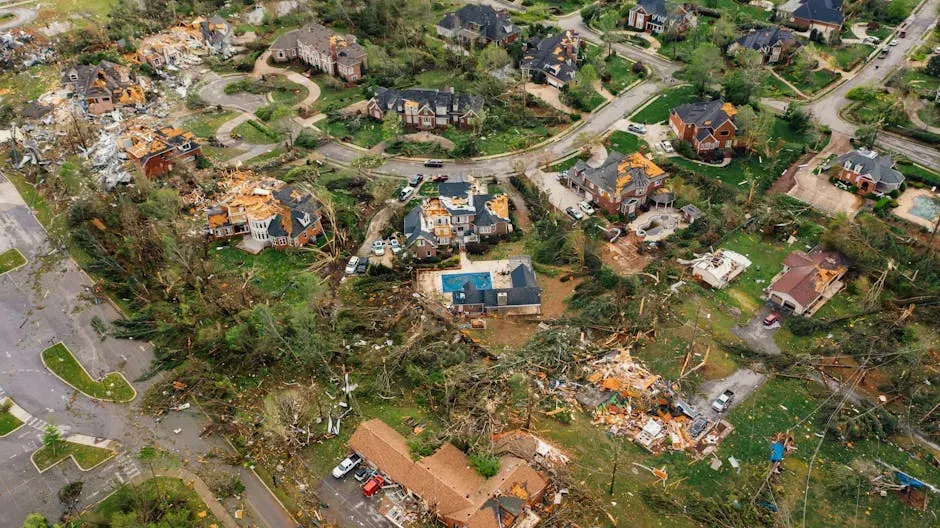
Watching a hurricane get downgraded on a forecast map can feel like good news. Sometimes it is nothing but a trap. Hurricane Ike downgraded to a category 2 hurricane as it approached the Texas shoreline, and possibly because local residents saw the storm weaken, they decided not to evacuate their homes, resulting in 112 deaths.
The wind numbers dropped, but the water did not care. Hurricane Ike actually caused storm surge typical of a category 4 or 5 hurricane along the Texas coast. The category told a story of calm, while the coastline experienced something closer to catastrophe.
4. The category rating factors in the size of the storm
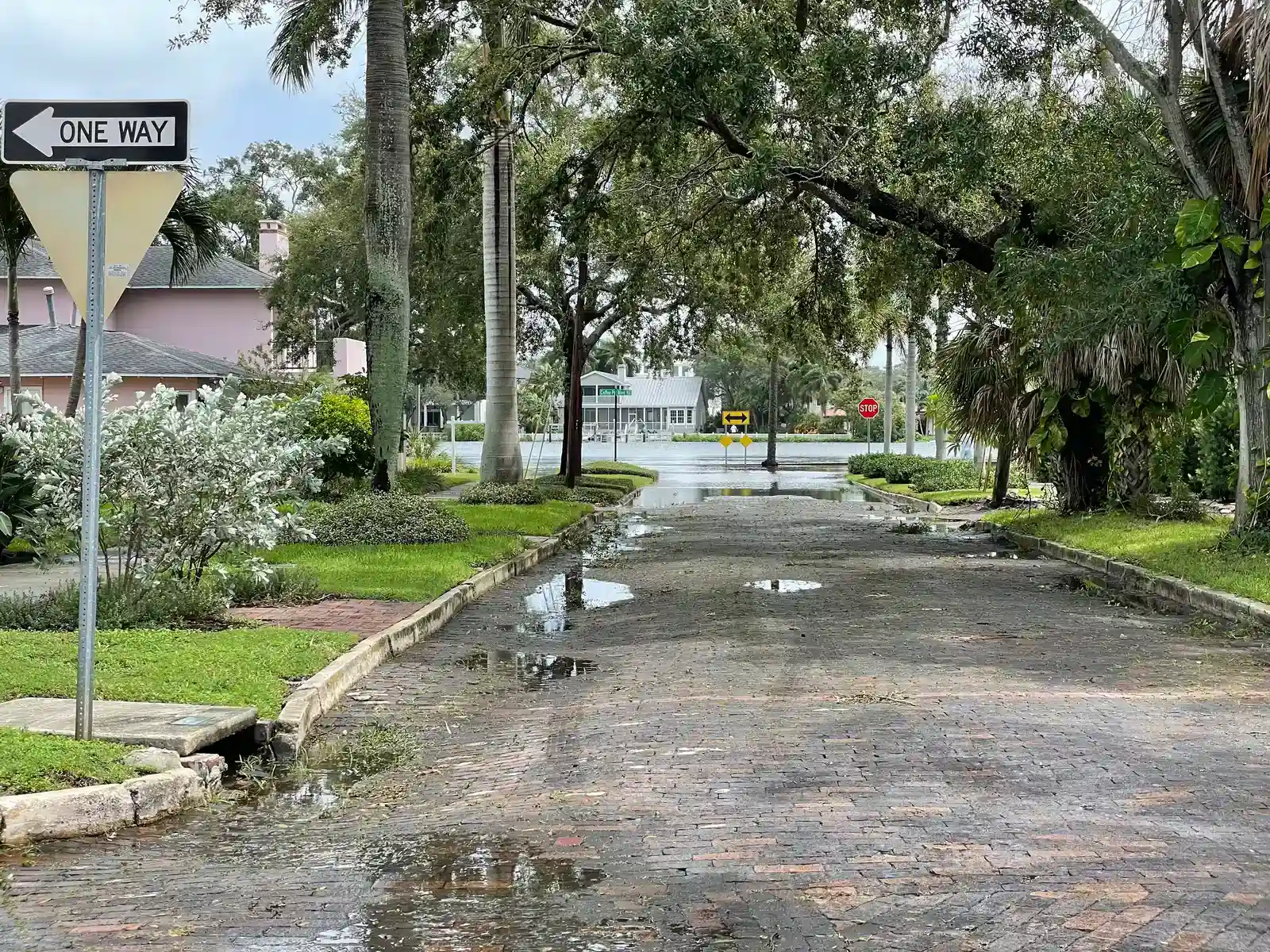
People often assume a bigger number means a bigger storm, footprint included. Size and intensity are actually two separate variables that do not move together in any predictable way. There is very little association between intensity, measured by maximum sustained winds or central pressure, and size, and changes of both intensity and size are essentially independent of one another.
That disconnect has real consequences on the ground. Hurricanes are classified by their maximum sustained winds, often occurring in a small part of the overall circulation, but what’s often as important for storm surge is the size of the wind field, and size matters. A modest-looking Category 2 with an enormous wind field can shove more water onshore than a compact Category 4.
5. Category 1 and 2 storms are basically harmless
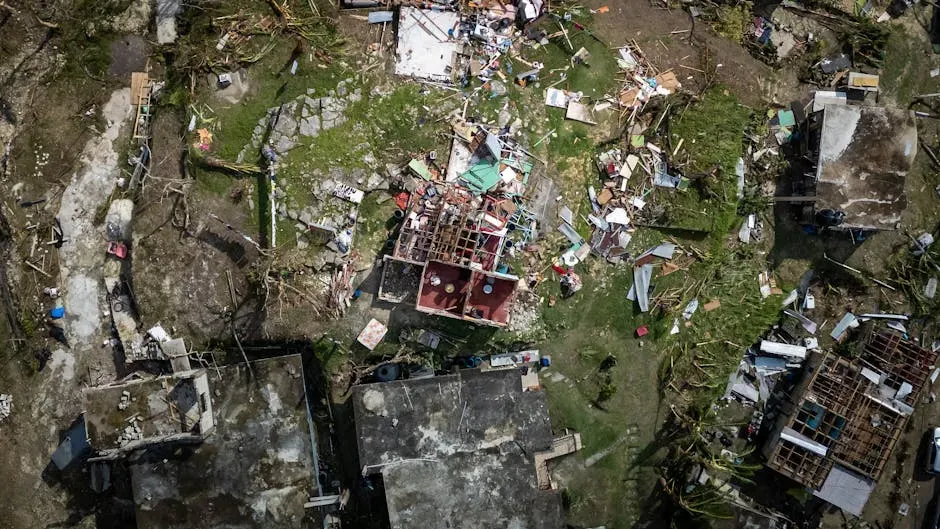
It is tempting to shrug off the lower end of the scale, treating anything under Category 3 as background noise. That instinct has cost lives before. According to NOAA, the winds from a category 1 hurricane may cause damage to roof shingles, vinyl siding, and gutters and may break large branches off of trees, while power lines may also be toppled, resulting in outages that could last days.
Rain and surge do not check the category number before deciding how destructive to be. Hurricane Florence caused 53 deaths primarily from freshwater flooding in North Carolina despite relatively modest Category 1 winds at landfall. A “weak” hurricane on paper can still be a life-threatening event once it stalls over a community.
6. The scale accounts for rainfall and flooding risk
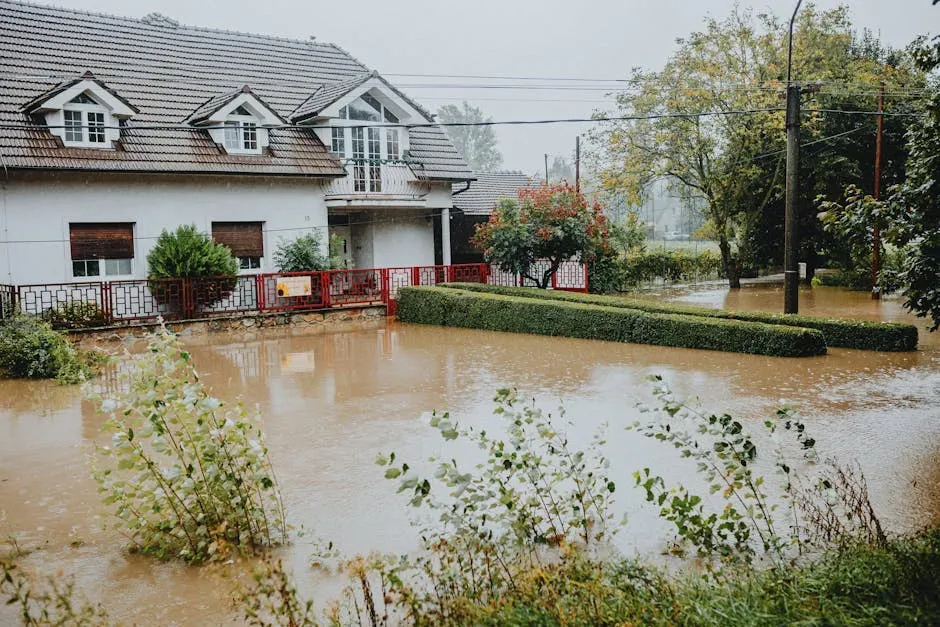
Because the category system sounds so comprehensive, it is easy to assume rainfall is baked into the calculation somewhere. It simply is not, and the gap between wind category and flood risk has produced some of the most damaging storms in recent memory. Hurricane Harvey dropped 27 trillion gallons of rain on Texas and Louisiana over four days, with rainfall totals exceeding 60 inches in isolated areas near Houston.
Harvey barely mattered as a wind event by the time it did most of its damage. This rainfall resulted from the storm stalling over land while continuing to draw moisture from the Gulf of Mexico. A storm can weaken to a tropical depression on the wind scale and still be building toward its most destructive hours.
7. The scale has always worked exactly the way it does now
The current wind-only version feels permanent, but the scale’s history is more complicated than most people assume. In the early 1970s, Herbert Saffir, an engineer, and Robert Simpson, a meteorologist, developed a five-category scale, and while Saffir initially created it based solely on wind speed, Simpson later added storm-surge levels. Those surge descriptions were eventually stripped out precisely because they misled people the way Ike did.
The debate over what the scale should include has never fully settled. The Saffir-Simpson scale’s Category 5 already captures the worst possible damage, labeled as “Catastrophic Damage,” so regardless of whether storms are getting stronger, the damage can’t get any worse than that label suggests, at least according to some meteorologists who argue against tinkering with it further. Others insist the tool needs a rethink for a warmer climate, which means the version of the scale we use today may look noticeably different within a decade.
Understanding what the category number actually measures, and just as importantly what it leaves out, changes how people prepare. Wind speed alone has never been the full story of a hurricane’s danger, and treating it that way is where most of these myths take root. The safest approach is to watch the storm surge forecasts, rainfall projections, and evacuation orders just as closely as the category itself, because in most hurricanes, those are the numbers that end up mattering most.
- Crows Remembering Human Faces for Decades – 6 Bird Behaviors Far Smarter Than We Knew - November 15, 2026
- 8 Things Astronauts Do on Their First Day in Orbit That Rookies Find Strange - November 15, 2026
- 11 Everyday Routines That Are Completely Normal on the Space Station but Baffle Everyone on Earth - November 15, 2026
