

Myth 1: The recycling symbol means an item is recyclable
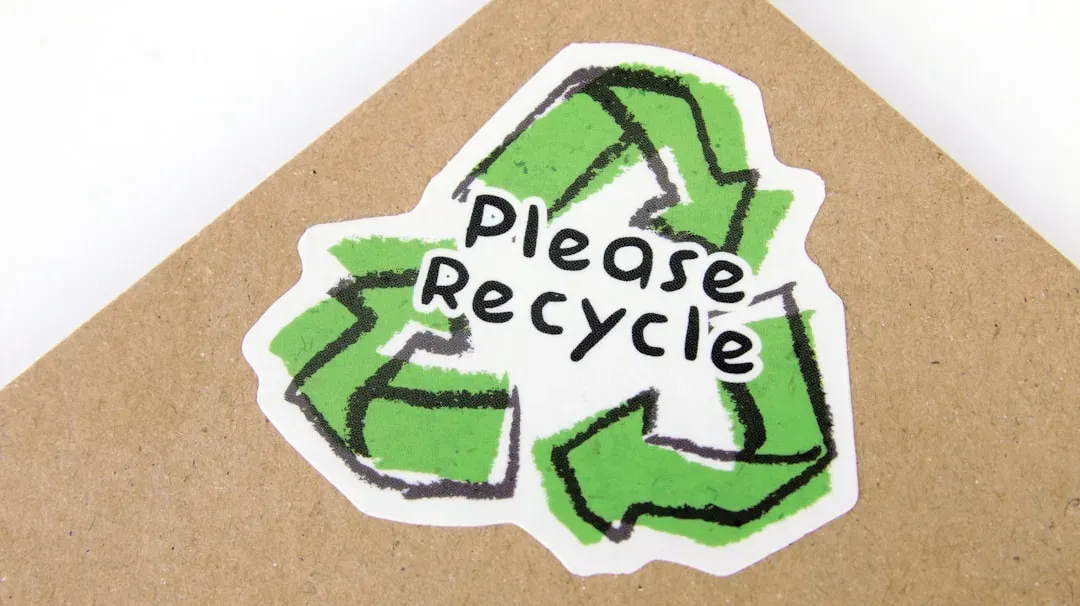
That little triangle made of three chasing arrows feels like an official stamp of approval, but it isn’t one. That triangle symbol isn’t a recycling guarantee, it’s just a resin identification code that tells you the type of plastic. The numbers inside the triangle range from one to seven, and they were designed to help sorters identify plastic types, not to promise that a facility near you can actually process that material.
Industry critics have gone further, suggesting the symbol’s spread wasn’t purely about consumer education. Some reports suggest that the plastics industry originally pushed the placement of recycling symbols on plastic products to make consumers think that plastics were widely recycled, even though the infrastructure to recycle most plastics didn’t exist, promoted anyway to combat growing environmental concerns and maintain plastic production levels. The safest move is to stop trusting the symbol on sight and instead check what your specific local program actually accepts.
Myth 2: If you put it in the bin, it automatically gets recycled
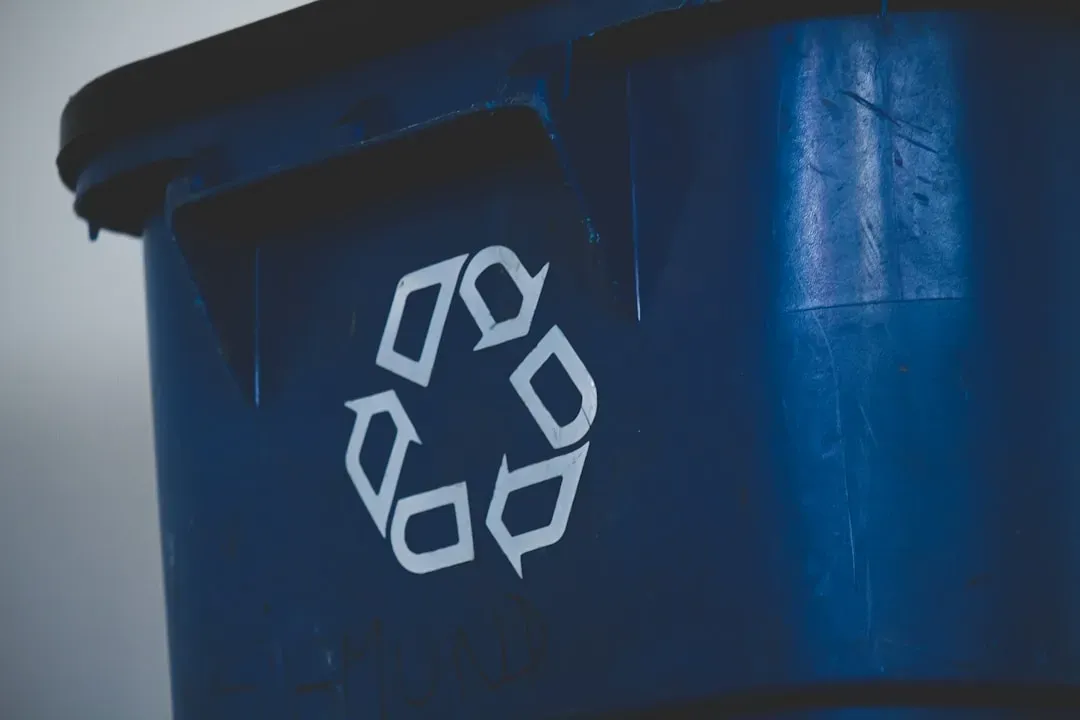
Dropping something into the recycling bin feels final, like the job is done. In reality, that item still has to survive a chaotic sorting process before it counts as recycled. If you put it in the bin, it doesn’t necessarily get recycled, since contamination like greasy pizza boxes or half-full soda bottles ruins entire batches, and many cities reject whole loads because one or two items were dirty.
Speed is part of the problem too. Sorting centers work fast, too fast to inspect every item, so if something isn’t clearly recyclable or is mixed with the wrong material, it’s often discarded. National data backs this up in a less dramatic but still telling way: only 21% of recyclable material is captured in the US, with 76% of recyclables lost at the household level, and only 43% of households actively participate in recycling efforts.
Myth 3: When in doubt, toss it in anyway
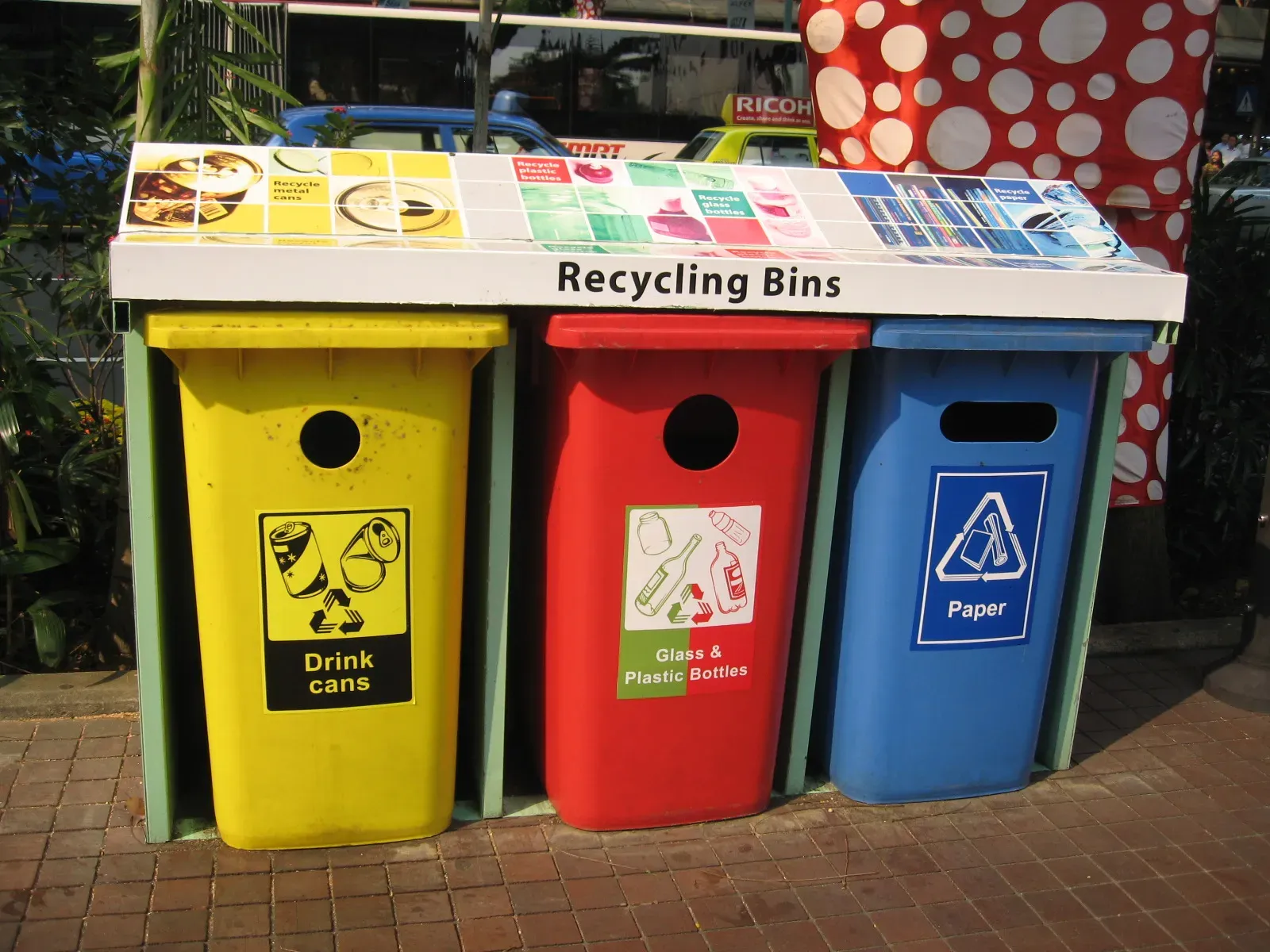
This habit even has a name among waste professionals: wishcycling. It’s the well-meaning instinct to throw a questionable item into the bin, hoping the facility will figure it out. Throwing in non-recyclables, sometimes called “wish-cycling,” can contaminate entire batches of recyclables.
The damage isn’t hypothetical. Wishcycling causes more harm than good, and once contaminants enter the stream they have to be manually or mechanically separated back out. A single bad guess multiplied across thousands of households can turn an otherwise clean load into one that’s too costly to process, sending material that could have been recycled straight to a landfill instead.
Myth 4: Recyclables need to be perfectly clean or sterile

Some people scrub their yogurt containers like they’re prepping for surgery, worried that any trace of residue will disqualify the item. That level of effort isn’t necessary and honestly wastes water. Recyclables should be reasonably clean, meaning empty, rinsed, and dry, but not sterile, and a quick five to ten second rinse is sufficient and environmentally appropriate.
The real threshold is about avoiding messes that cause downstream problems, not achieving spotlessness. Recycling facilities can handle trace amounts of food or liquid, but significant residue causes problems by attracting pests, creating odors, contaminating other materials, and adding weight that increases transportation costs. A light rinse under running water for a few seconds does the job just fine.
Myth 5: Plastic bags and film can go straight in the curbside bin
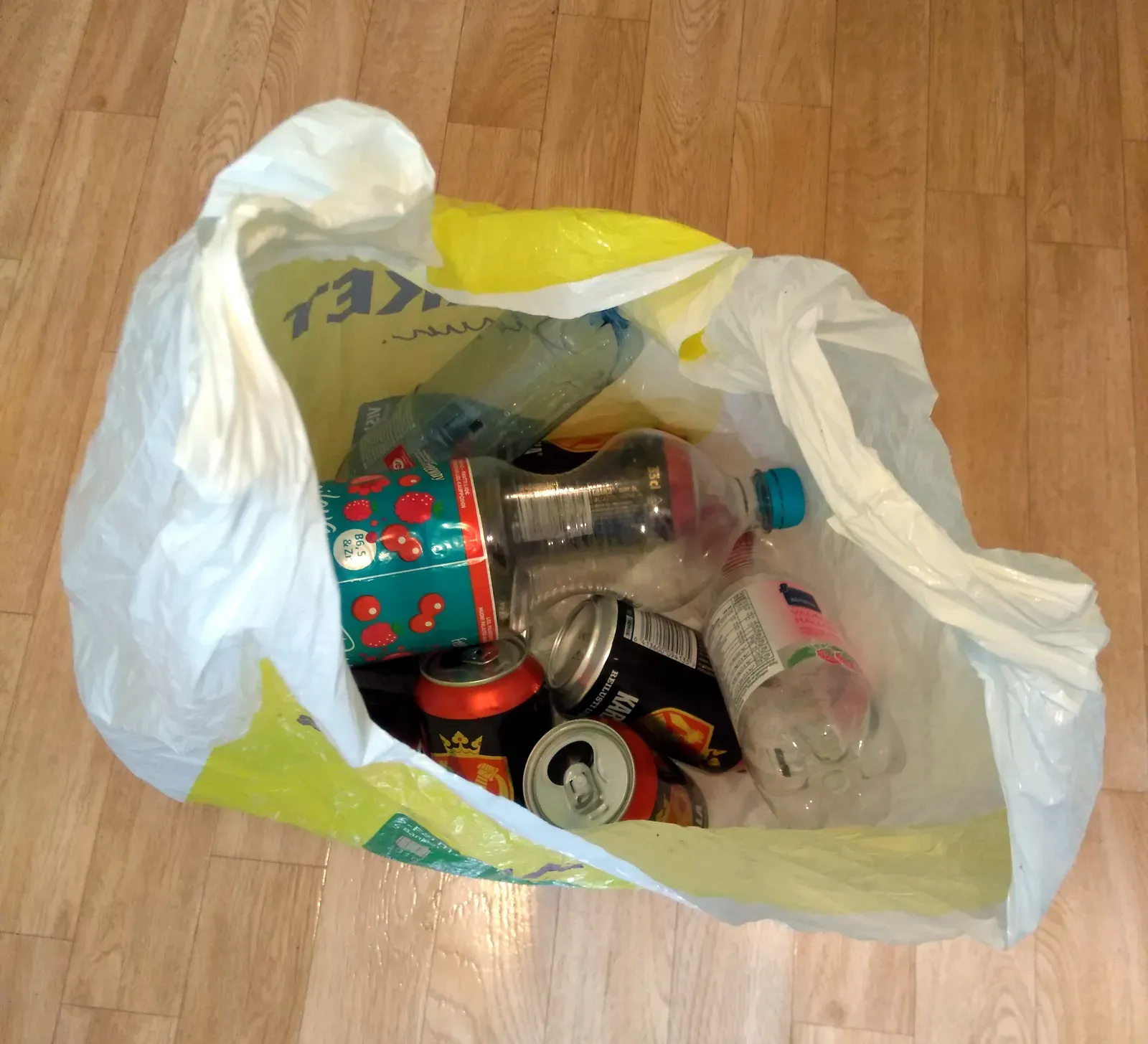
Plastic grocery bags feel like they belong with the rest of your recyclable plastics, but they’re actually one of the most disruptive items a facility can receive. Plastic bags cause equipment damage costing facilities millions annually and must never go in curbside bins, because when bags go into curbside recycling, they create “tanglers” at recycling facilities that wrap around sorting machines.
The consequences ripple outward from there. This causes costly breakdowns, halts in production to manually cut away the plastic, and safety risks for workers. The good news is that bags aren’t a lost cause entirely, since plastic bags are technically recyclable, but they require separate collection through retail drop-off programs rather than the curbside bin.
Myth 6: Recycling rules are basically the same everywhere
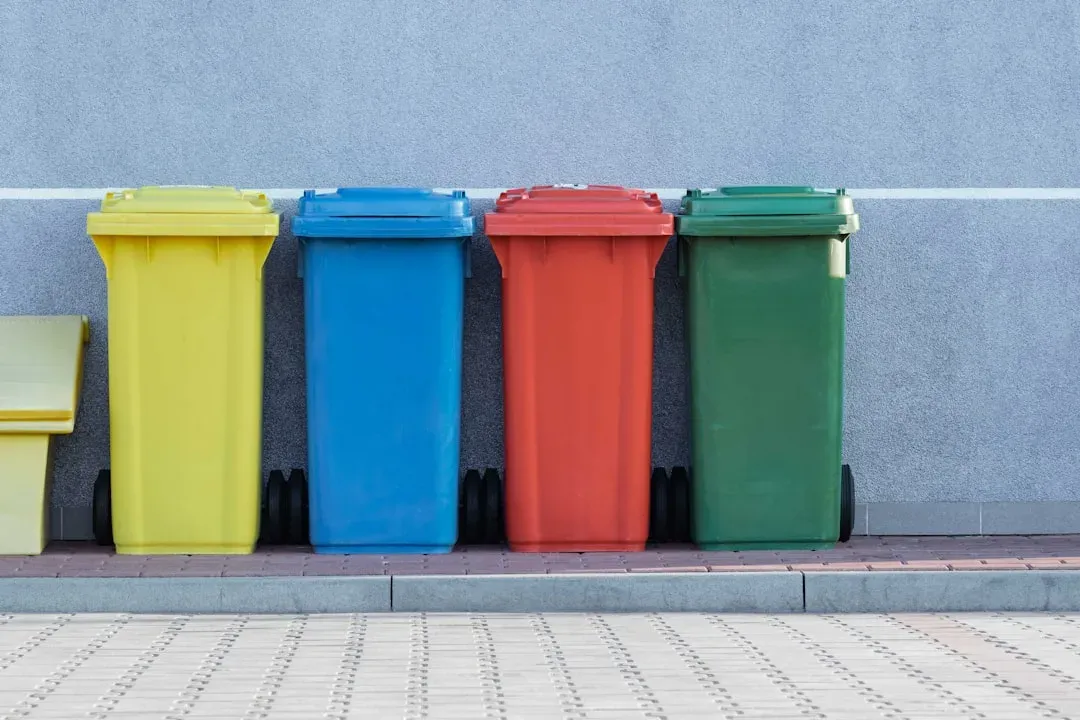
It’s tempting to assume that a rule you learned in one city applies universally, but recycling is a deeply local system. Recycling programs differ widely by region, and what’s recyclable in one city may not be accepted in another. A plastic tub that’s welcome in one town’s bin might be flatly rejected two counties over.
This inconsistency isn’t an accident of bad management, it reflects real differences in what local facilities are equipped to process and what markets exist for the sorted material. Recycling rates vary significantly from country to country, state to state, and even within a state. The only reliable fix is checking your own municipality’s current guidelines rather than relying on memory from a previous zip code.
Myth 7: Recycling wastes more energy than it saves
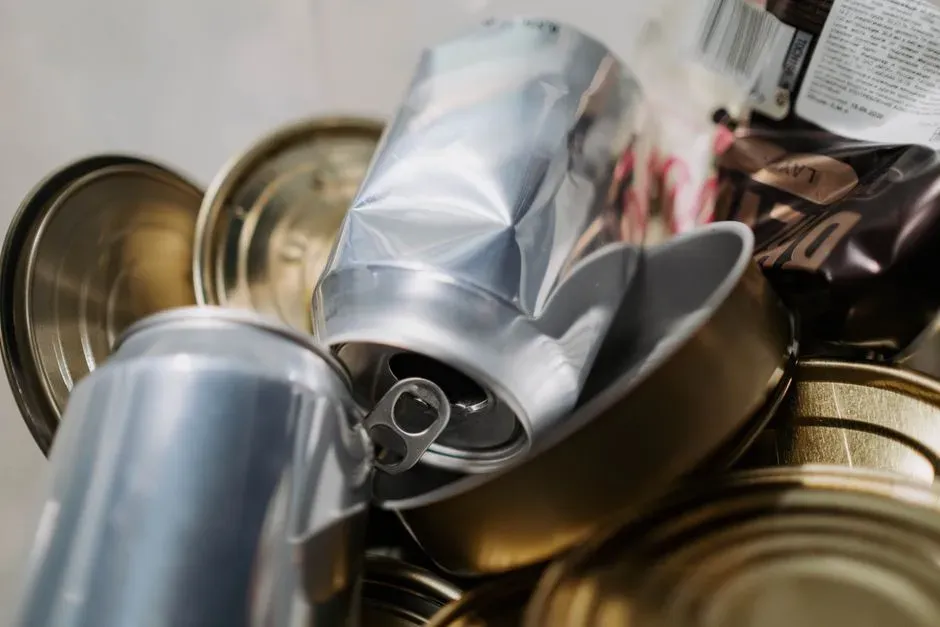
Skeptics sometimes argue that the trucks, sorting machines, and reprocessing plants burn through so much energy that recycling barely breaks even. The numbers tell a different story for several common materials. Recycling aluminum saves 95% of the energy needed to produce new aluminum.
Even smaller everyday actions add up in measurable ways. Recycling 10 plastic bottles saves enough energy to power a laptop for over 25 hours. Recycling isn’t a perfect system and it does consume resources at every stage, but for materials with established, efficient recovery processes, the energy savings compared to producing something from raw materials are real and well documented.
Myth 8: Glass and metal are too heavy or low value to bother recycling

Because glass jars and metal cans are bulky and seem to take more fuel to haul around, some people assume they’re not worth the trip to the curb. Metal, in particular, tells the opposite story. Glass and metals, including aluminum, can effectively be recycled indefinitely without a loss of quality, and aluminum cans have consistently shown the highest value among recycled commodities and remain in high demand.
The market numbers back this up clearly. Aluminum is the most valuable material in the recycling stream, bearing a value of $991 per ton, compared with about $205 per ton for PET plastic. Steel holds up its end too, since each year, more than 80% of the steel the domestic industry produces is recycled. Glass is a tougher case, since not every facility has the equipment to process it, but where it’s accepted, it remains one of the few materials that can be reused over and over without degrading.
Myth 9: A recycled plastic bottle becomes a new bottle again
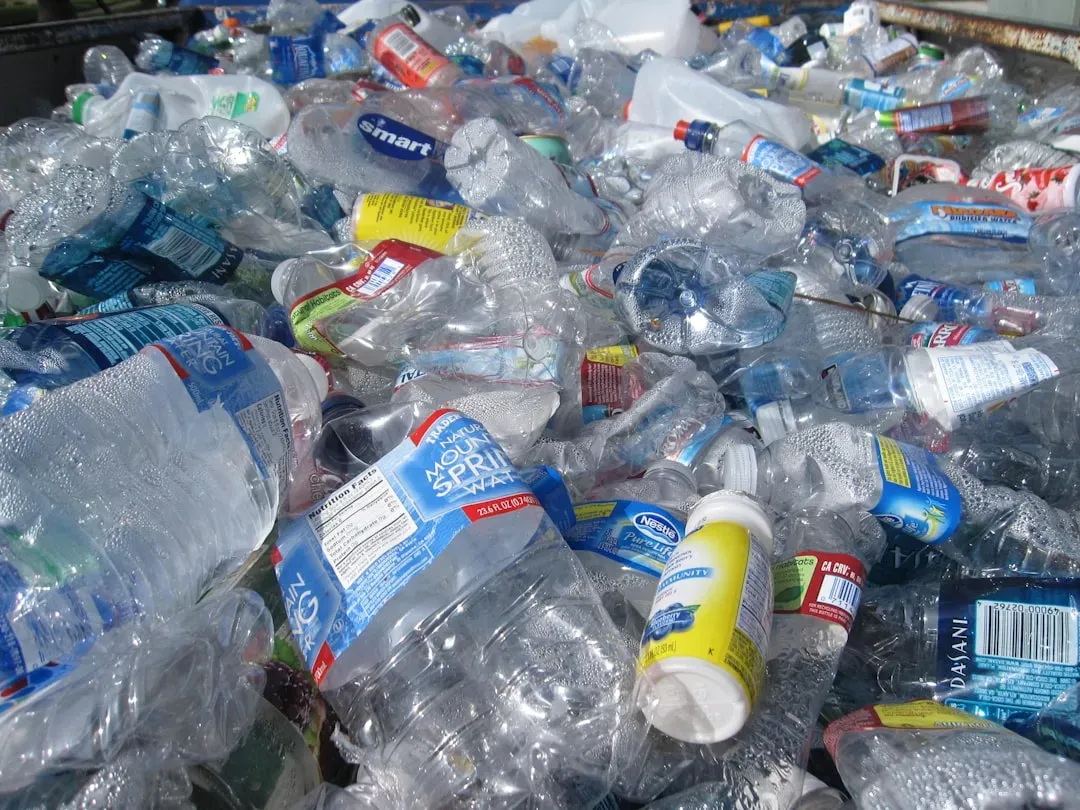
There’s a comforting image of a closed loop, where your water bottle gets melted down and reborn as another water bottle. For plastic, that’s mostly not how it works. Most recycled plastic is “downcycled,” and unlike glass or aluminum, which can be recycled indefinitely, plastic degrades each time it’s reprocessed, so a PET bottle might be turned into fiber for clothing or carpet, not another bottle.
That downgrade eventually catches up with the material. Eventually, that material becomes waste again, since it’s not a closed loop, it’s a slow slide toward the landfill. None of this means plastic recycling is worthless, since extending a material’s life through one or two extra uses still displaces some virgin plastic production, but it does mean the tidy bottle to bottle story most people imagine rarely happens in practice. Understanding these nine realities doesn’t mean recycling is a lost cause. It means the system works best when people know its actual limits: rinse lightly rather than obsessively, keep bags out of the bin, check local rules instead of guessing, and treat the chasing arrows symbol as information rather than a promise. Recycling remains one tool among several for handling waste responsibly, and it does the most good when it’s used with a clear picture of what happens after the truck drives away.

- The Shoreline Sucked Dry in Seconds – 5 Tsunami Signals Beachgoers Mistake for Low Tide - November 14, 2026
- 9 Dark-Sky Destinations Around the World Where the Stars Look Unreal - November 14, 2026
- The Fault Line That Never Slips – 7 Locked Seismic Zones Overdue for a Massive Release - November 14, 2026
