

- Phantom Energy Sucking Power 24/7 – 7 Home Electronics Quietly Inflating Utility Bills - November 14, 2026
- A Million-Mile Storm Raging for Centuries – 6 Violent Weather Wonders in Our System - November 14, 2026
- Animals Flee Hours Before the Tremor – 7 Natural Warnings Before Disasters Strike - November 14, 2026
Homeowners across the country have started noticing something odd in their mailboxes. It is not a bill for storm damage or a notice about a missed payment. It is a nonrenewal letter, often for a house that has never filed a claim, in a neighborhood that has not burned or flooded in decades.
Behind these letters is a slow, largely unannounced retreat by property insurers from parts of the map they once covered without hesitation. The shift has been building for years, but it is accelerating in ways that are reshaping housing markets from coastal Florida to the hills above Los Angeles.
California’s wildfire belt keeps losing carriers
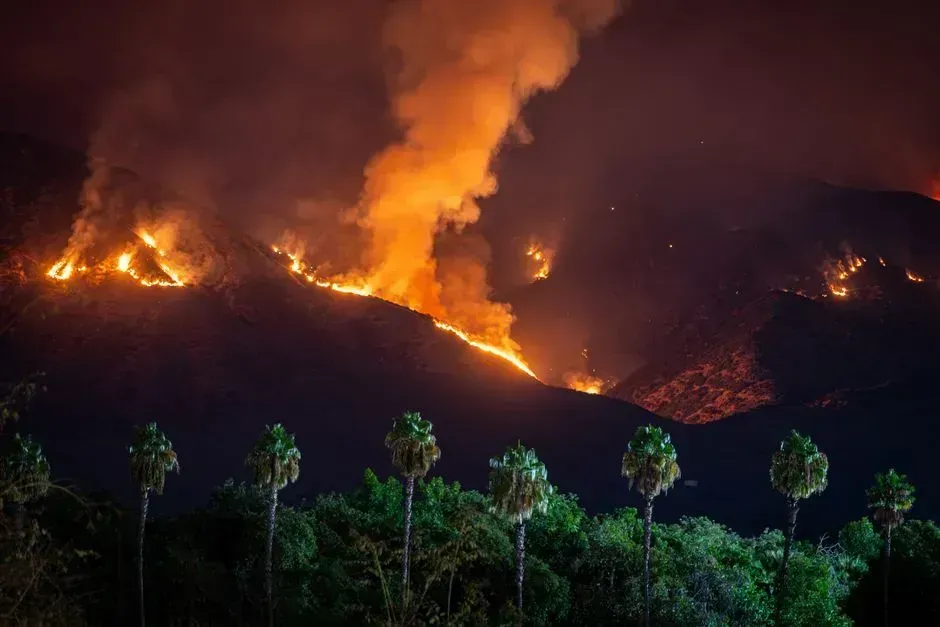
California remains the clearest example of insurers stepping back, and the numbers tell the story on their own. As another wildfire season looms, insurance companies have abandoned some California neighborhoods at lower risk of burning, forcing tens of thousands of homeowners to obtain bare-bones coverage from the state’s insurer of last resort. That backstop, known as the FAIR Plan, was never meant to be anyone’s primary option.
Between September 2024 and December 2025, enrollment in FAIR surged 43% as insurers pull back from California following a series of catastrophic wildfires, including last year’s $40 billion Los Angeles inferno. Statewide, the damage runs even deeper. In California alone, nearly 400,000 insurance policies have been canceled since 2021. Several major carriers, including Farmers Direct and Nationwide Private Client, have either limited new business or exited entirely, citing the same wildfire exposure that keeps pushing homeowners toward the state plan.
Florida’s coast is stabilizing, but the retreat has not fully reversed
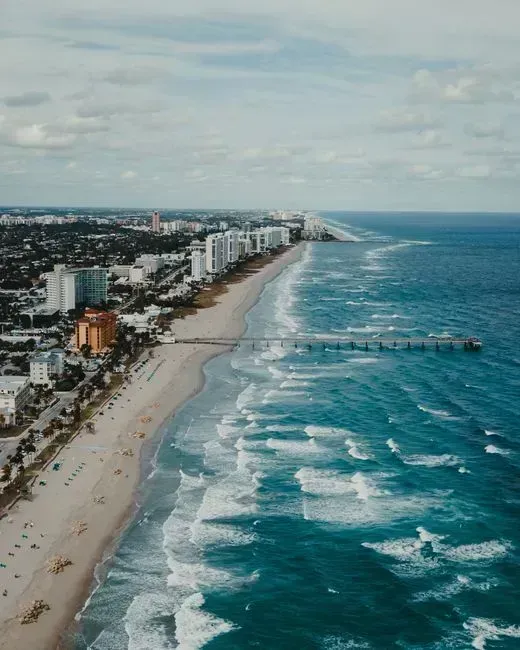
Florida’s insurance story in 2026 is more complicated than a simple exit narrative. After years of carrier insolvencies and skyrocketing premiums, the market has genuinely improved. Legislative reforms in 2022 and 2023 targeting frivolous lawsuits, along with a year without any storm hits, have allowed some softening in homeowners insurance prices, growth in new carriers into the state, and a fall in the policy count by state-backed Citizens Property Insurance from 1.41 million policies in October 2023 to 336,000.
Even so, the recovery sits on top of a steep prior collapse. Average statewide homeowners insurance premium rose from approximately $2,520 in 2021 to $4,480 by mid-2024, a 78% increase over three years driven by a combination of hurricane losses, litigation costs, and carrier insolvencies. Coastal and older properties still face the sharpest costs, with some South Florida homes running well into five figures a year for coverage.
Louisiana’s hurricane-battered parishes
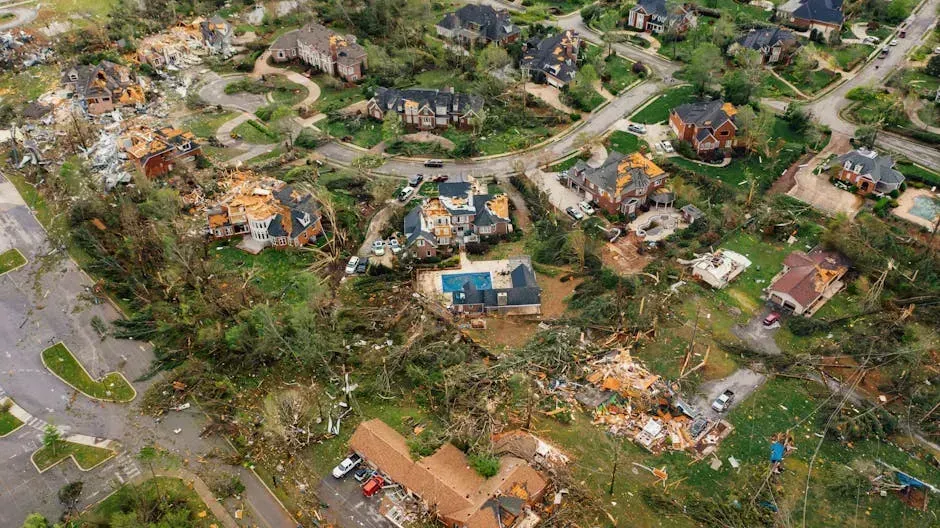
Louisiana’s insurance market has spent nearly two decades absorbing the aftershocks of major hurricanes, and its state-run Citizens plan has become a familiar barometer of stress. Citizens, which covers properties that the private insurance industry won’t, went through repeated rounds of depopulation, an organized process through which selected policies are made available to regular insurance companies.
The scars from earlier storms still show up on bills today. The situation after hurricanes Katrina and Rita in 2005 resulted in a $193.5 million assessment on all Louisiana insurance policies followed by a $978 million bond issue that continues to cause assessments on all property insurance policies through 2026. Reinsurance costs have eased somewhat in recent renewal cycles, but private carriers remain selective about which parishes they will write new business in, particularly along the immediate coastline.
North Carolina and the Carolina coastline
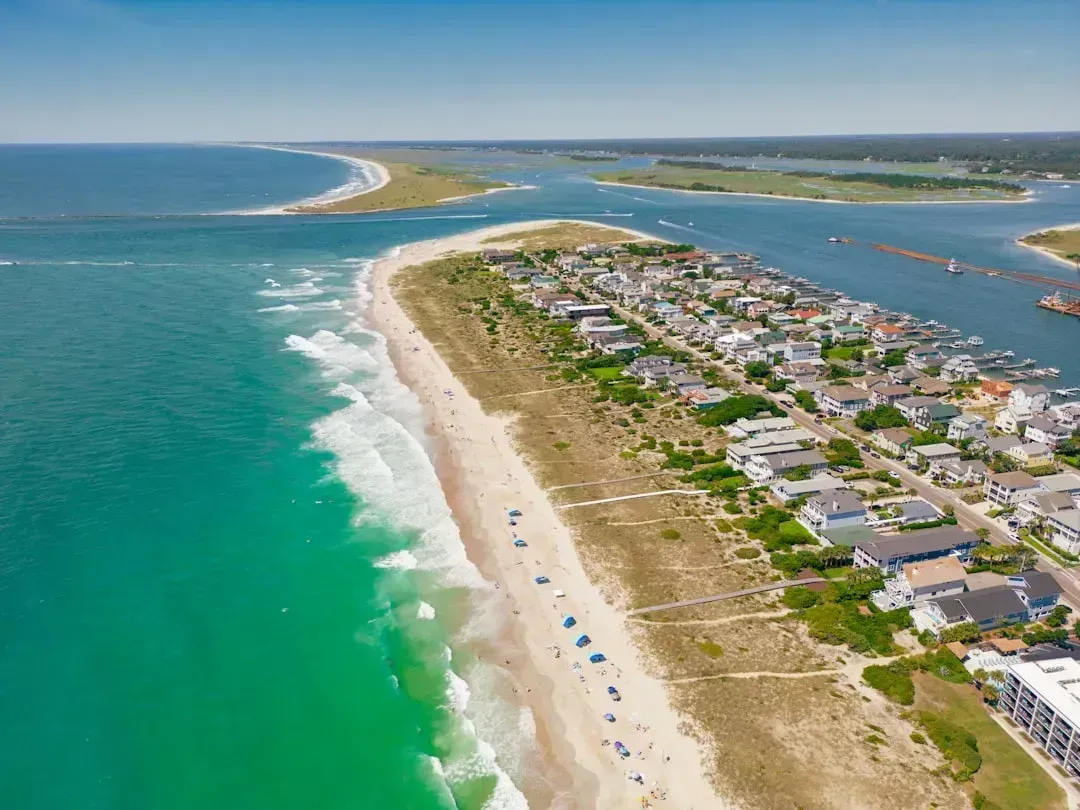
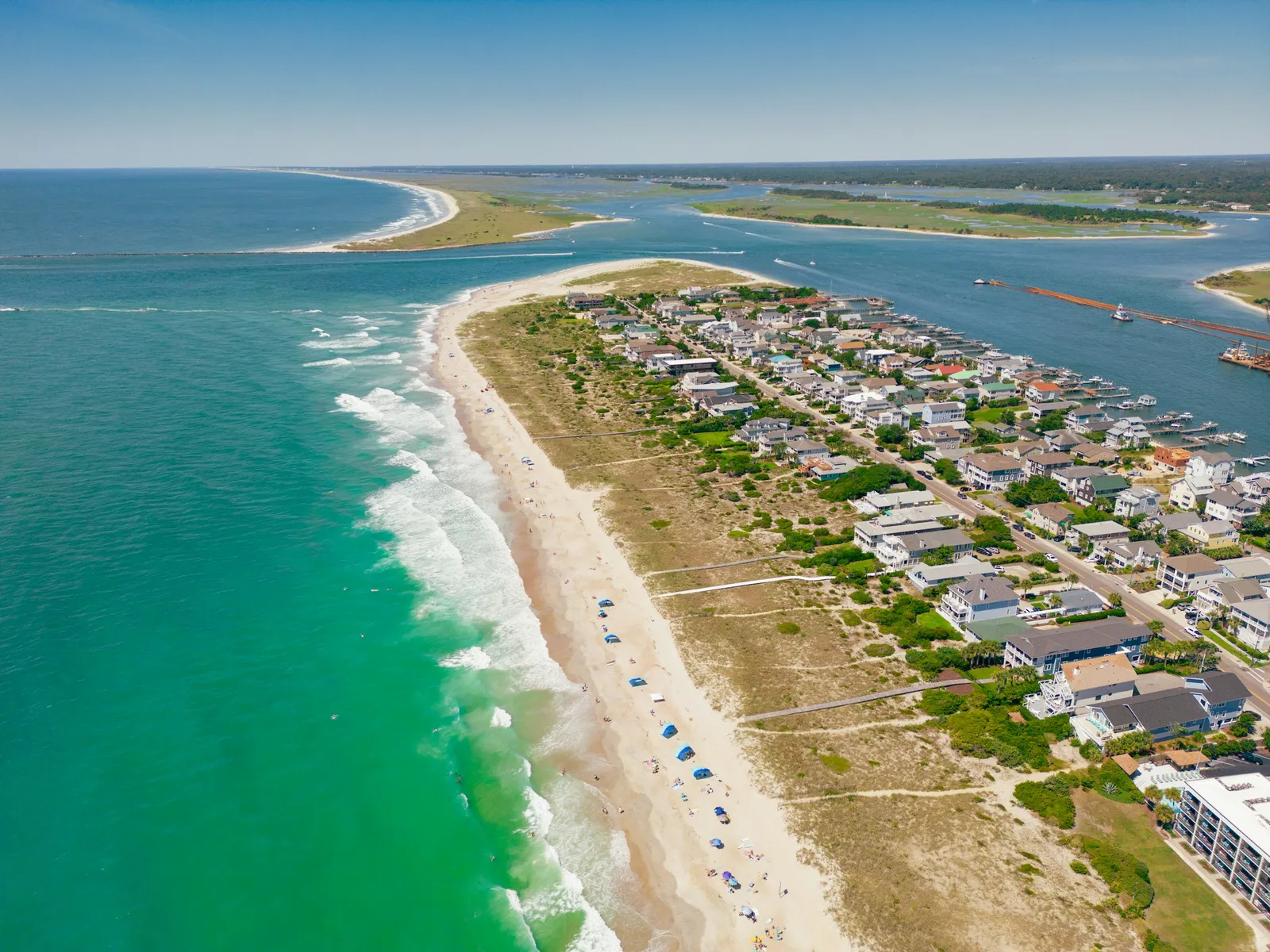
North Carolina has quietly become one of the states where the pullback is most visible outside the usual headline markets of California and Florida. States like North Carolina have seen major insurers either raise premiums dramatically or exit the market altogether. The pattern tracks closely with rising storm damage along the state’s barrier islands and low-lying coastal counties.
Flood coverage has become its own separate headache for buyers in the region. Private flood carriers have expanded into North Carolina’s coastal towns in recent years, sometimes undercutting federal rates, but that competition comes with a catch. If the carrier goes insolvent or decides to stop writing in North Carolina, as some have done, homeowners may be forced back to FEMA at a higher rate later.
The Gulf Coast’s long memory of Katrina
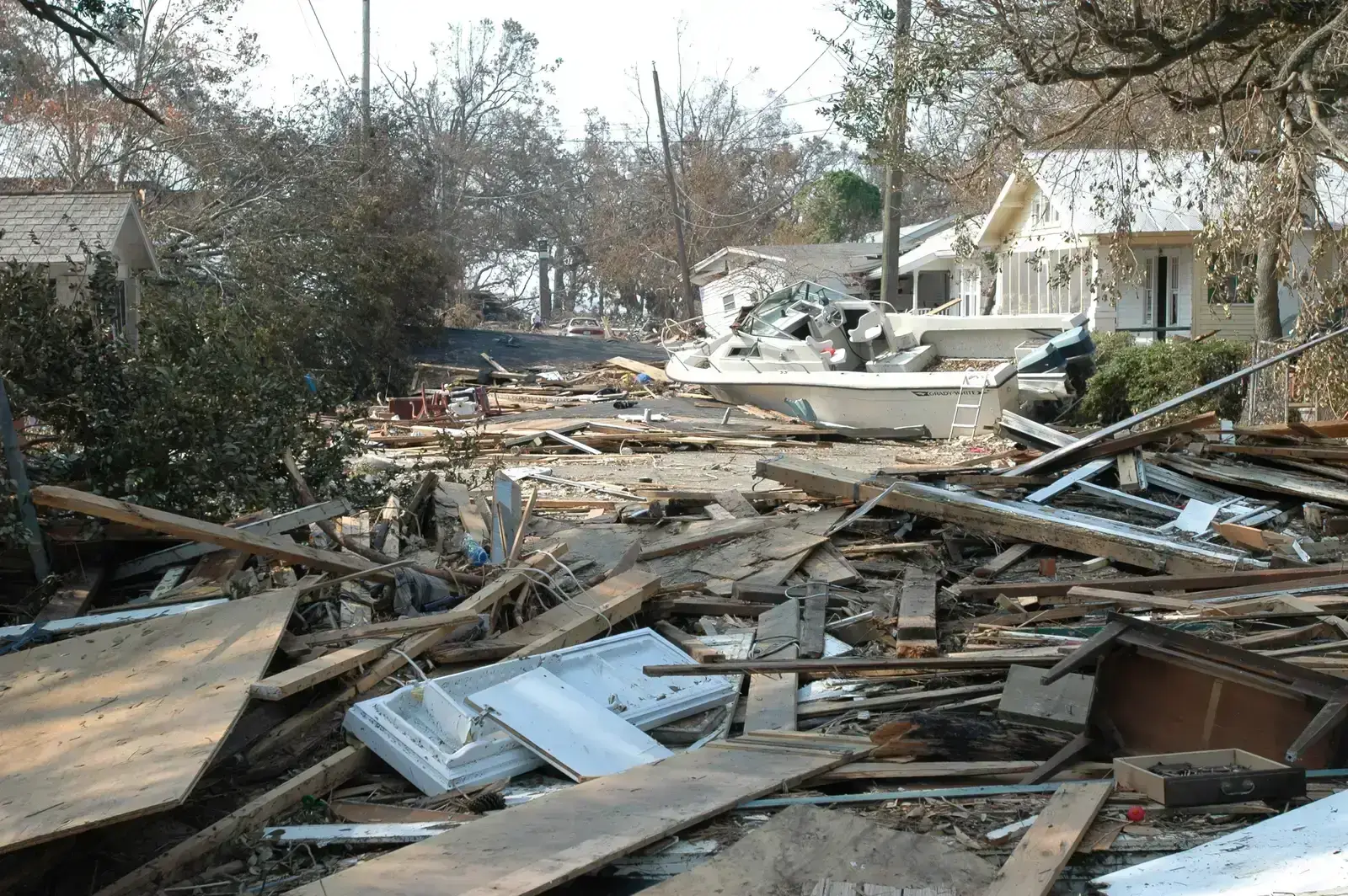
To understand why insurers treat the Gulf Coast with such caution today, it helps to look back at the moment that set the modern pattern in motion. Since the hurricane made landfall along the Gulf Coast, Allstate Corp., the industry’s second-largest company, ceased writing homeowners policies in Louisiana, Florida and coastal parts of Texas and New York state. That single event reshaped how carriers think about concentrated coastal risk for a generation.
The underlying calculation has not really changed since then, even as the tools for measuring risk have grown far more precise. Reinsurance markets, which insurers rely on to spread their own exposure, treat the Gulf as one of the most concentrated catastrophe zones in the world. When reinsurance gets expensive, primary insurers in Texas, Louisiana, Mississippi and Alabama tend to feel it first, often through tighter underwriting rather than public announcements.
The Mountain West’s wildfire urban interface
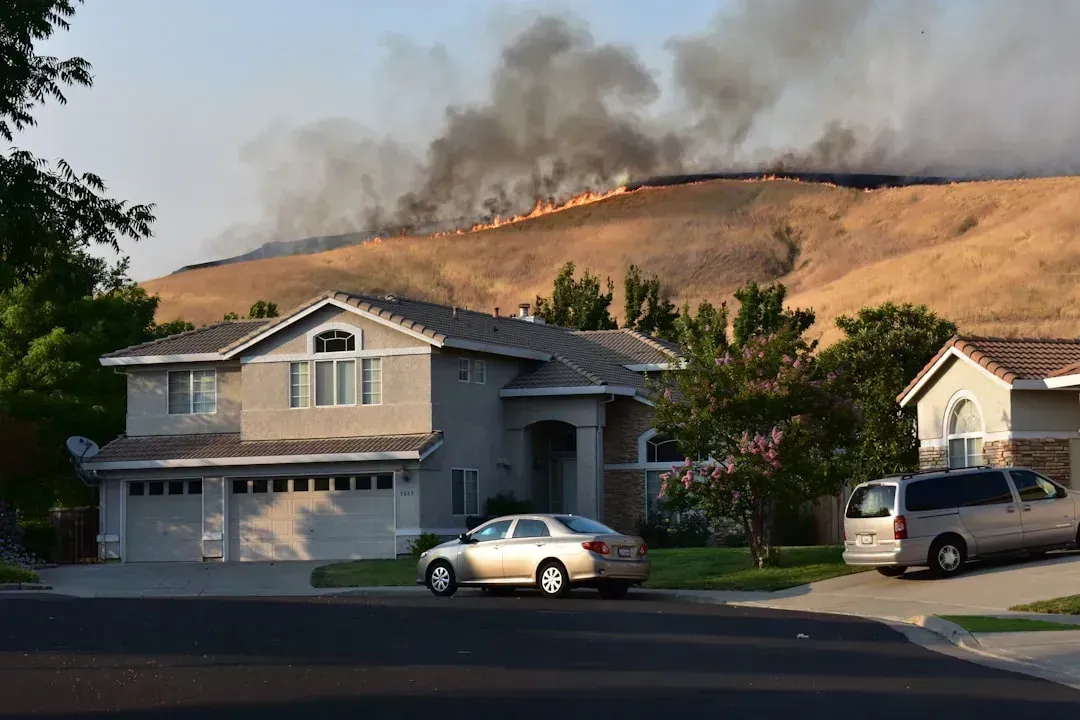
Wildfire risk is no longer a California-only story. Communities across Colorado, and other parts of the interior West sitting at the edge of forested terrain, have started to see the same underwriting caution that reshaped California years earlier. At least five large U.S. property insurers, including Allstate, American Family, Nationwide, Erie Insurance Group and Berkshire Hathaway, have told regulators that extreme weather patterns caused by climate change have led them to stop writing coverages in some regions, exclude protections from various weather events and raise monthly premiums and deductibles.
That regulatory disclosure was built on a voluntary survey covering many states, not just the obvious coastal ones. Major insurers say they will cut out damage caused by hurricanes, wind and hail from policies underwriting property along coastlines and in wildfire country, according to a voluntary survey conducted by the National Association of Insurance Commissioners. For homeowners in fast-growing mountain suburbs, that has meant more properties getting pushed toward state fair-access plans that were originally designed for a much smaller slice of the market.
The Northeast’s coastal towns are not immune
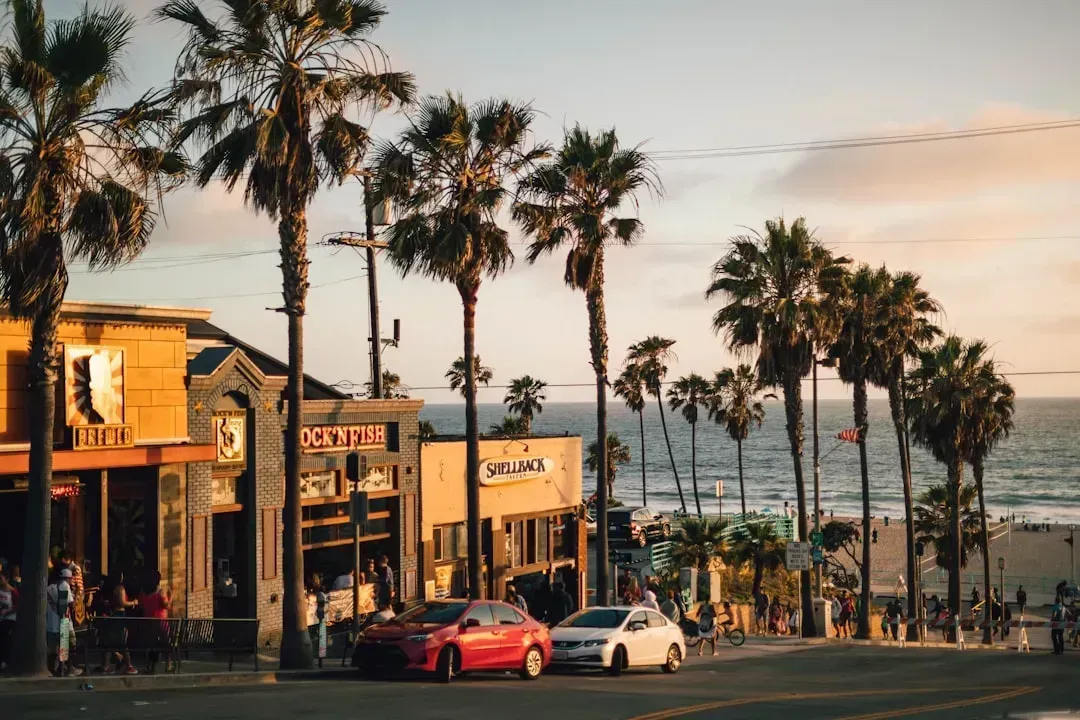
It is easy to assume the insurance retreat is a Sun Belt phenomenon, but carriers have pulled back along parts of the Northeast coast as well. The same Katrina-era pullback that hit the Gulf also touched New York state and stretched as far as Cape Cod. Other firms have pulled back from the Gulf Coast to Cape Cod, notifying Florida of plans to cancel 500,000 policies.
That regional caution has never fully disappeared. Coastal Massachusetts, Long Island and parts of New Jersey continue to carry wind and named-storm deductibles that look more like Florida policies than a typical inland homeowners plan. Insurers point to the same combination of rebuilding costs and storm surge exposure that drives decisions everywhere else along the Atlantic.
State backstop plans are absorbing the overflow

When private insurers step back, someone still has to offer coverage, and in most states that job falls to a government-created insurer of last resort. Citizens Property Insurance is Florida’s state-run insurer of last resort for homeowners who cannot find affordable private coverage. These plans were originally designed as a small, temporary safety net rather than a mainstream option.
California’s version works on a similar principle but with a narrower focus. California intended the insurer, called the FAIR Plan, as a backstop for homeowners unable to secure insurance on the private market because they live in areas the state classifies as at high risk for wildfire due to vegetation, terrain and weather. As enrollment climbs in these plans, the financial exposure gets spread more broadly across all policyholders in the state, not just the people living in the riskiest spots.
Flood coverage faces its own separate crisis
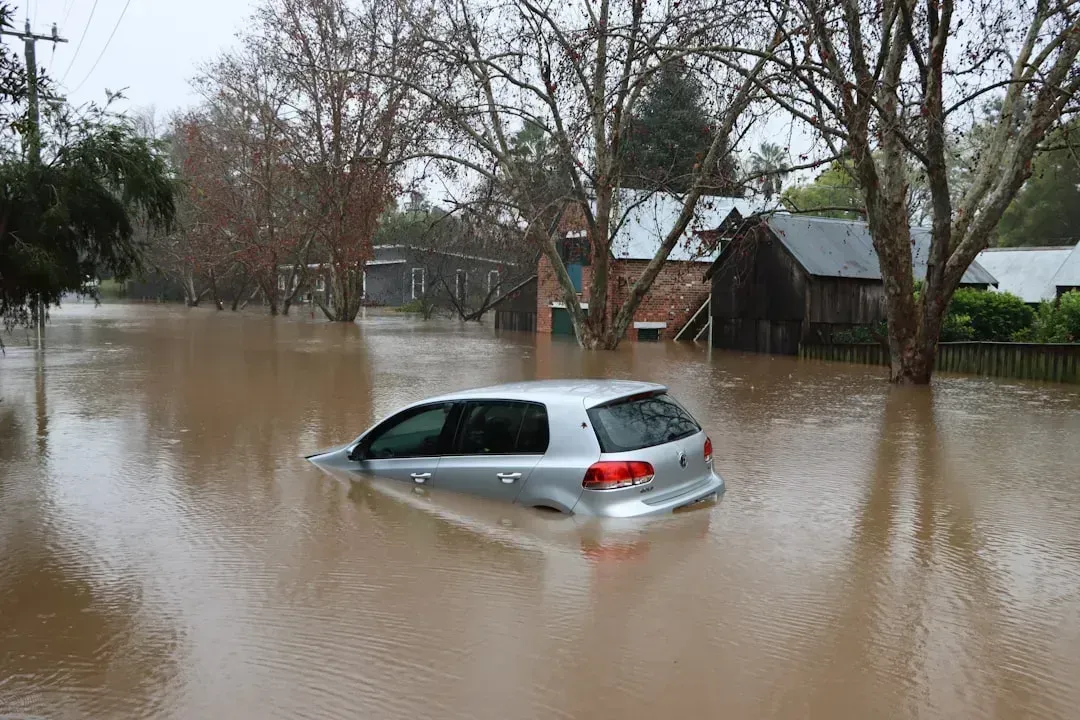
Flood insurance runs on a different track than wildfire or wind coverage, and it comes with its own layer of uncertainty tied directly to Washington. The National Flood Insurance Program was authorized by Congress only through January 30, 2026. Lapses in reauthorization have happened before, and each one freezes new policy sales at exactly the wrong moment for buyers trying to close on a home.
Private insurers have moved into the gap, sometimes offering better pricing in lower-risk coastal zones than the federal program can match. In 2026, private insurers like Lloyd’s of London and Neptune are often beating FEMA prices in lower risk coastal zones. Even so, flood risk awareness among homeowners still lags behind the actual exposure. Data cited in Insurance Information Institute materials shows that 22% of homeowners report being at risk of flooding, and 78% of that group have purchased flood insurance, with 43% through the NFIP and 35% through private insurers.
What is actually driving the pullback

The forces behind this retreat are not mysterious, even if the letters homeowners receive rarely spell them out. Climate-linked disasters are simply happening more often and doing more damage each time. Federal data shows disaster declarations linked to climate events have doubled compared with historical averages, while insurance premiums nationwide rose nearly 9% faster than inflation between 2018 and 2022.
Rising litigation costs add another layer of pressure, particularly in liability-heavy markets. One of the most significant threats businesses face this year is the continued rise of nuclear verdicts, jury awards exceeding $10 million, and these eye-opening payouts are becoming increasingly common, particularly in certain regions, driving liability premiums sharply upward. Combine that with construction costs that have not fully settled since the inflation spikes of recent years, and it becomes easier to see why insurers keep tightening rather than loosening their grip on the riskiest zip codes.
Where the market goes from here
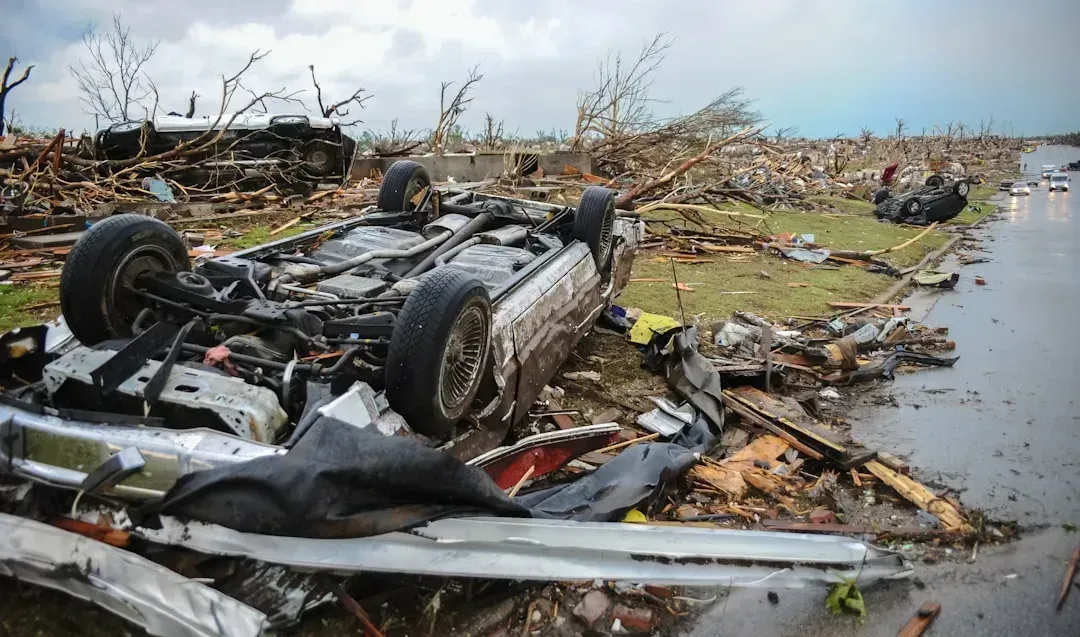
Not every signal points toward further retreat. Florida’s reforms have coaxed roughly a dozen new carriers into the state, and reinsurance costs have started easing in several coastal markets after a couple of calmer storm seasons. Yet caution remains the industry’s default setting rather than the exception.
Analysts covering the 2026 hurricane season have been blunt about that point. For primary carriers, there is little appetite to reverse recent underwriting changes, and many will look to maintain or strengthen wind and named-storm deductibles in high-hazard coastal zones, continue close scrutiny of roof age and vulnerability, secondary modifiers and flood exposure. A quieter hurricane season or two might slow the pullback in a few states, but the underlying math that pushed insurers away from these regions in the first place has not gone anywhere.
