


- Phantom Energy Sucking Power 24/7 – 7 Home Electronics Quietly Inflating Utility Bills - November 14, 2026
- A Million-Mile Storm Raging for Centuries – 6 Violent Weather Wonders in Our System - November 14, 2026
- Animals Flee Hours Before the Tremor – 7 Natural Warnings Before Disasters Strike - November 14, 2026
1. Mariana Trench
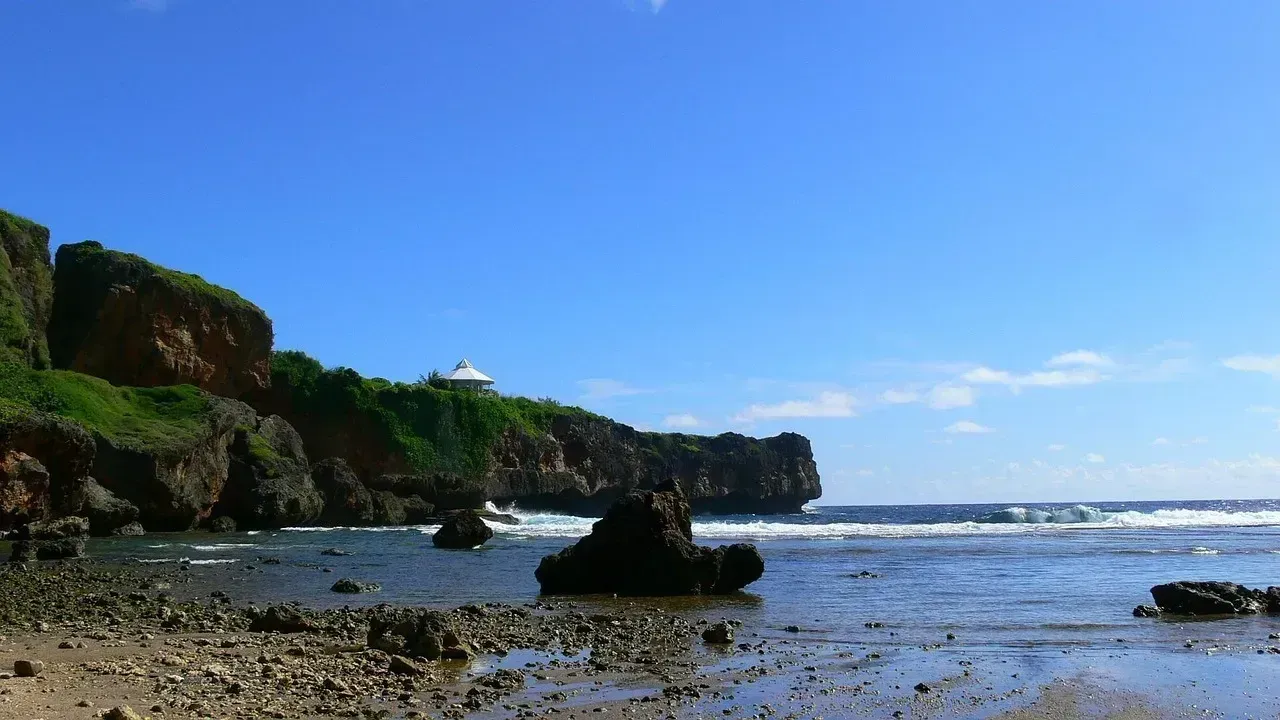
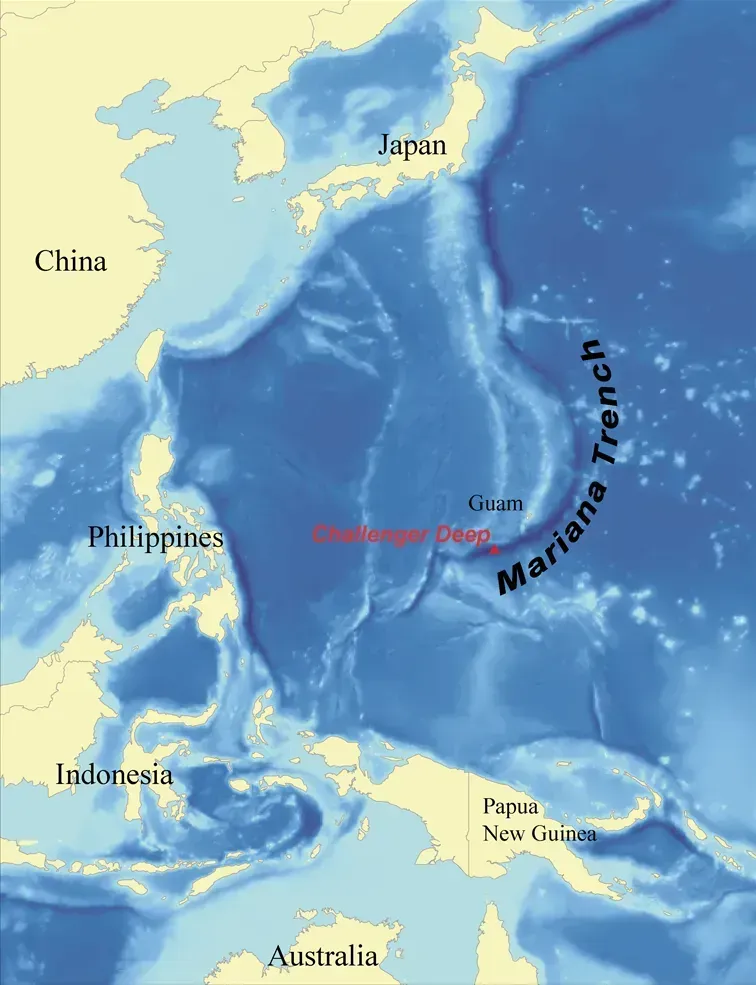
The Mariana Trench holds the title nobody can take away: deepest point on Earth. The deepest observed seafloor depth was 10,935 m (±6 m at 95% confidence interval) below mean sea level, based on a careful 2020 series of submersible dives that used pressure-based measurements rather than older sonar estimates. That spot, called Challenger Deep, sits at the southern end of the Mariana Trench in the western Pacific Ocean, approximately 340 kilometers southwest of Guam.
The trench’s history stretches back further than most people realize. The site was first identified during the HMS Challenger expedition of 1872 to 1876, when soundings on March 23, 1875, recorded a preliminary depth of 8,184 meters using a weighted hemp line. Only a handful of people have ever reached the bottom, and each new expedition, including detailed mapping in 2019 and 2020, keeps refining the number by a few meters in either direction.
2. Tonga Trench
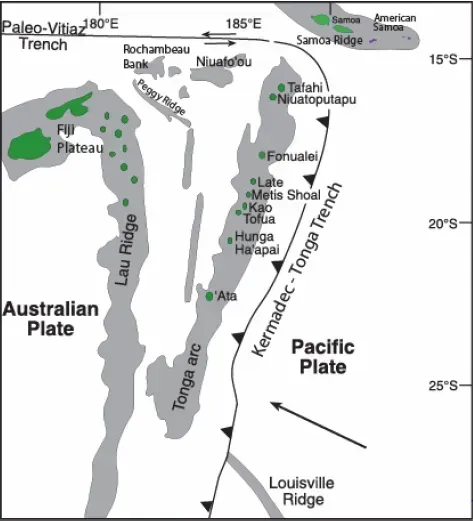
Second place goes to the Tonga Trench, tucked into the southwest Pacific at the northern end of the Kermadec Tonga Subduction Zone. The Tonga Trench lies around 10.882 km below sea level, with its lowest point known as Horizon Deep. That makes it the second deepest point on Earth after the Challenger Deep and the deepest trench in the Southern Hemisphere.
What’s striking about Tonga isn’t just the number, it’s the geology behind it. The trench stretches 2,500 km from New Zealand’s North Island northeast to the island of Tonga, formed by the subduction of the Pacific plate by the Tonga plate. Life still finds a way down there too; marine scientists have found that the sediments of Horizon Deep house a community of roundworms, a reminder that even at these depths, biology doesn’t simply give up.
3. Philippine Trench
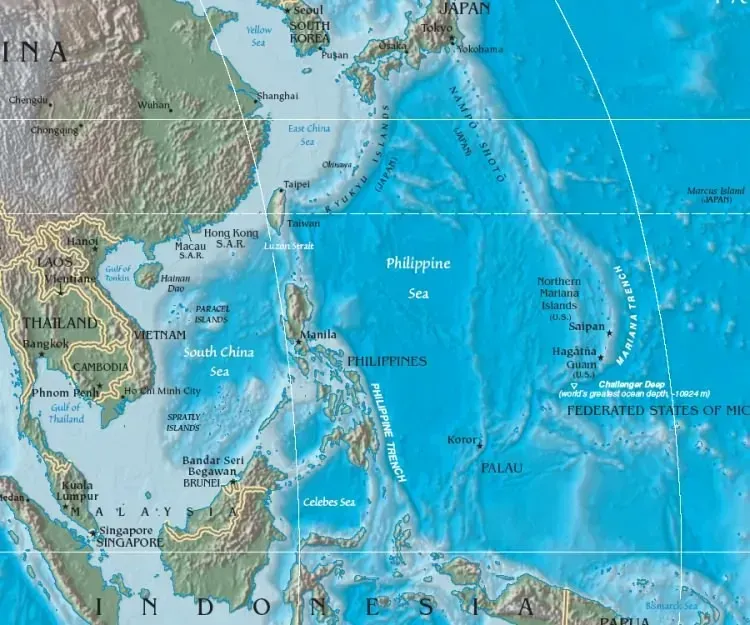
Sitting east of the Philippine archipelago, this trench holds the third deepest point on the planet. The Galathea Depth in the Philippine trench is 10.54 km below sea level, a figure confirmed across multiple independent surveys over the decades. Some sources refer to this same spot by a slightly different name.
The Philippine Trench has a width of 30 km and reaches a depth of 10,540 m at its deepest point, Emden Deep, also sometimes known as the Galathea Deep or Galathea Depth. The naming split traces back to different survey expeditions that mapped the trench decades apart, each claiming or crediting a slightly different vessel. Geologically, the trench formed through the collision of tectonic plates along the Philippine Sea plate boundary, a zone still active enough to generate regular earthquakes.
4. Kuril-Kamchatka Trench
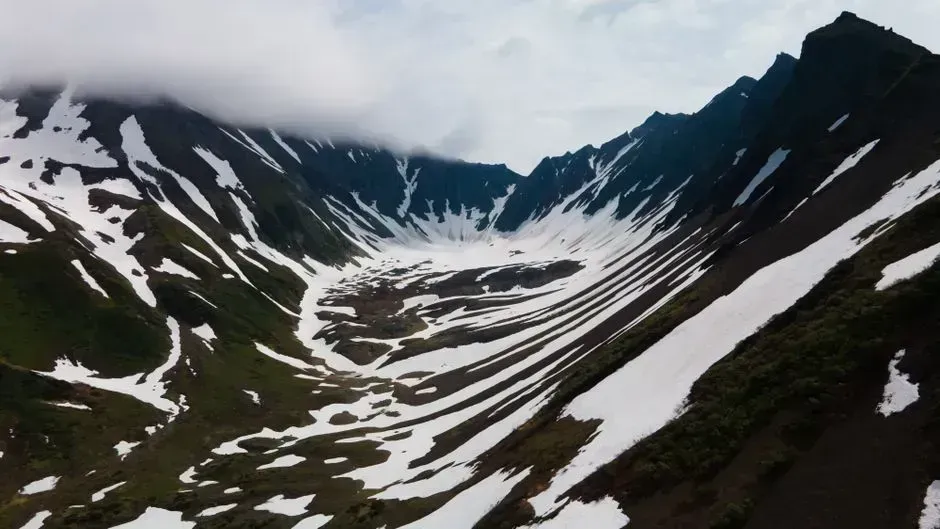
Moving north into colder waters, the Kuril-Kamchatka Trench runs along the Pacific side of Russia’s Far East. The Kuril-Kamchatka Trench, also known as the Kuril Trench, is the fourth deepest ocean trench in the world, lying southeast of Russia’s Kamchatka plateau in the Pacific Ocean. Depth estimates for this trench vary a bit more between sources than for some of the others, generally landing somewhere around 10,500 meters at its lowest recorded point.
This region isn’t just about depth. Kuril-Kamchatka hosts some of the world’s largest megathrust earthquakes, a consequence of the same subduction forces that carved the trench in the first place. The remoteness of the area, combined with the harsh climate above the water, means it’s one of the least visited of the six trenches on this list, despite its size.
5. Kermadec Trench
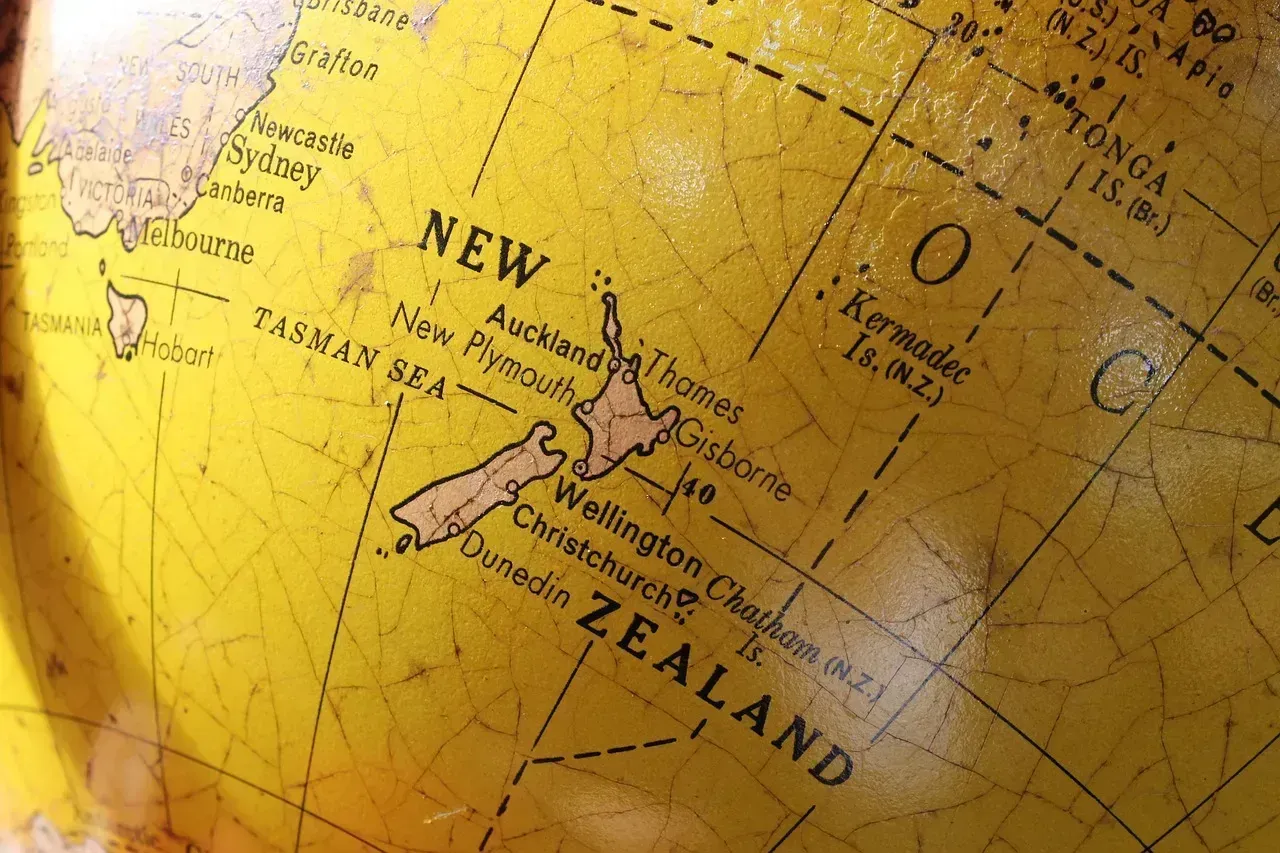
South of Tonga, in waters closer to New Zealand, lies the Kermadec Trench. It is the fifth deepest trench in the world, reaching a maximum depth of 10,047 meters at its lowest point, and is approximately 1,200 km long, part of the Tonga-Kermadec arc in the Pacific Ocean. Together with its northern neighbor, it forms one long, connected subduction system running along the edge of the Pacific plate.
The trench is notable for what lives in it as much as for how deep it goes. The trench is home to various species, including a giant amphipod, which measures approximately 34 cm in length at the bottom. It also gained a somber bit of attention when the Nereus, an unmanned research submarine, imploded because of the high pressure at a depth of 9,990 meters while exploring the Kermadec Trench, a stark demonstration of just how unforgiving these depths remain even for purpose built machines.
6. Izu-Ogasawara Trench
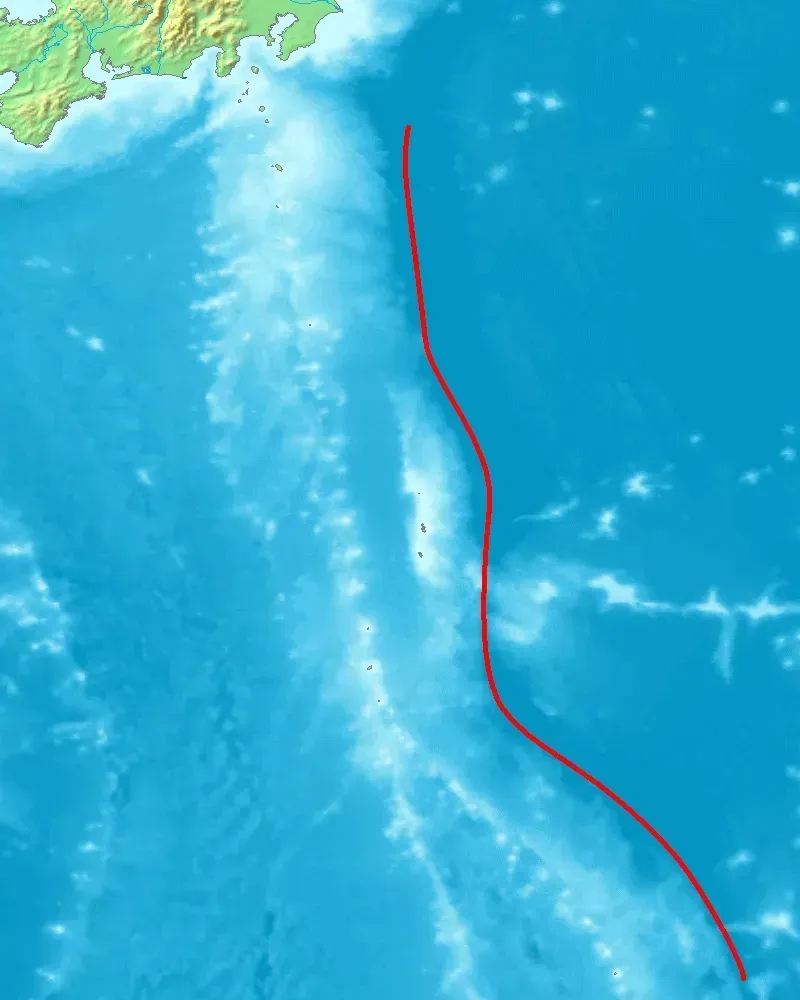
Rounding out the list is the Izu-Ogasawara Trench, sometimes called the Izu-Bonin Trench, found in the western Pacific near Japan. The trench has a maximum depth of 9.78 km and stretches from Japan to the northern section of the Mariana Trench, acting as an extension of the Japan Trench. Geographically it sits almost like a bridge, linking two of the Pacific’s most active subduction zones into one long chain of deep sea trenches.
Despite ranking sixth by depth, this trench has produced one genuinely remarkable record. The lowest recorded fish on video ever is a juvenile snailfish in the Izu Ogasawara Trench at a depth of 8,336 meters. That single observation reshaped assumptions about how far down vertebrate life can actually survive, pushing the theoretical limit for fish deeper than most biologists had previously guessed.
Why These Six Numbers Keep Shifting
Anyone comparing sources on trench depth will notice the figures don’t always match perfectly, and that’s not sloppiness, it’s the nature of measuring something under nearly eight tons of pressure per square inch. Early surveys relied on weighted lines and echo sounding, methods with real margins of error. Modern teams now use pressure sensors and submersible transects, refining depths down to a few meters of uncertainty rather than tens or hundreds.
That precision matters for science, even if the practical difference between 10,935 meters and 10,994 meters means little to anyone but oceanographers. Each new expedition, like the 2020 submersible dives at Challenger Deep, adds a small correction to the record. It’s a slow, careful process, and it’s part of why depth rankings for these trenches occasionally shuffle by a few meters without any real change happening below the surface.
