


- The Planet Where It Rains Liquid Glass – 7 Alien Worlds Defying Known Physics - November 14, 2026
- Stars Consuming Entire Worlds – 6 Planetary Systems Swallowing Their Own Worlds - November 14, 2026
- The Ground Liquefies Like Water – 6 Silent Fault Lines Geologists Watch Closely - November 14, 2026
1. Bald Eagle
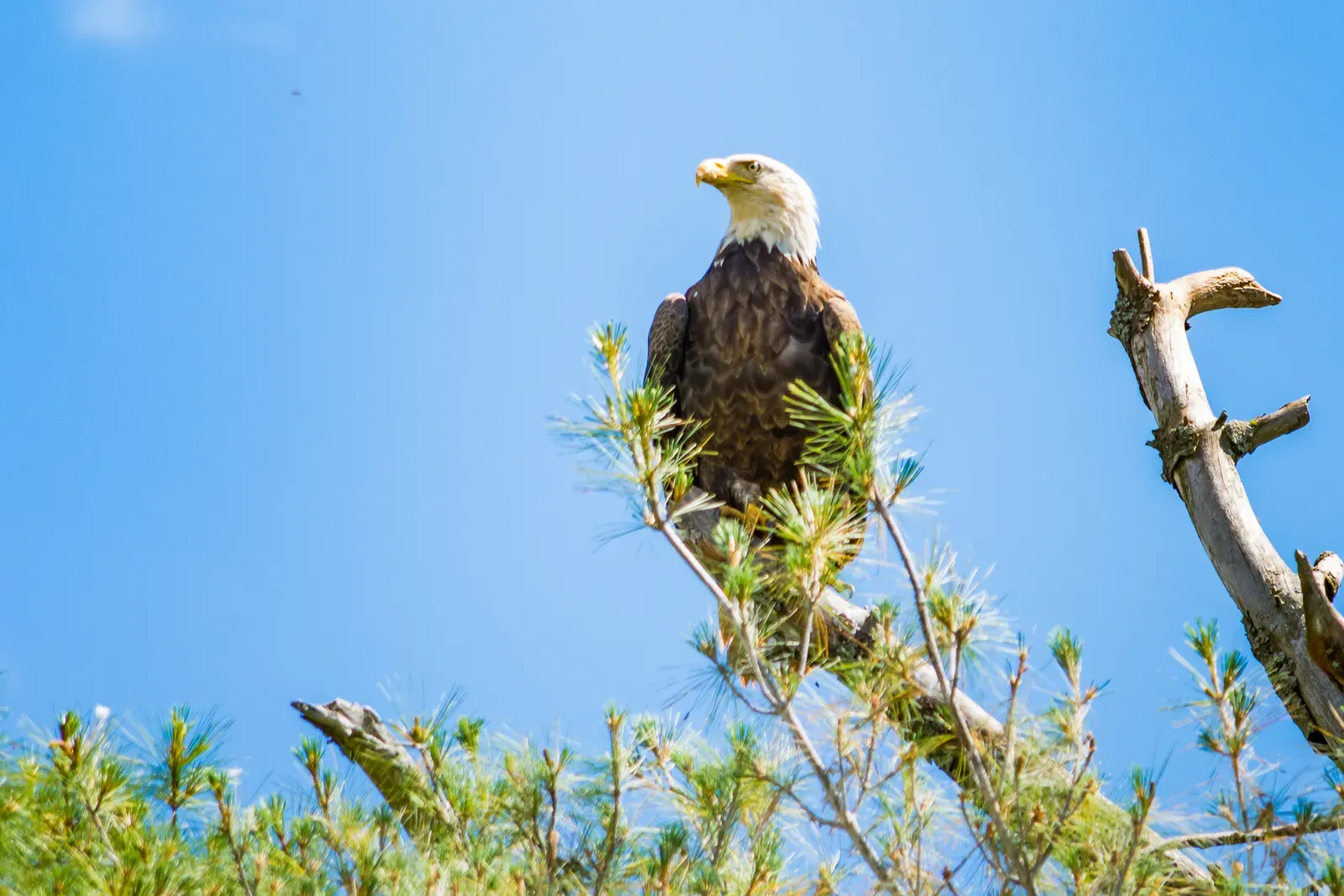
The bald eagle is probably the clearest example of a species clawing back lost ground. In 1963, researchers counted only 417 nesting pairs across the lower 48 states, a number tied directly to a species that had fallen to near-extinction levels due to the effects of pesticides, as well as other factors like habitat loss and illegal shooting. That collapse has reversed dramatically, with Maryland alone now estimated to hold over 1,400 breeding pairs, up from 390 pairs recorded in 2004.
The expansion has pushed the birds into places that surprised even longtime observers. Not only has the bald eagle population grown, but the range of the species has expanded as well, with eagles now found in urban and suburban environments and even spotted in places where they were once thought to be extinct, such as the desert Southwest and urban areas along the East Coast. In interior California, researchers tracking nesting territories from 2011 through 2024 found the population climbing by an annual average of 19% from four known nesting pairs in 2011 to 31 pairs in 2024, filling in valleys the species had abandoned decades earlier.
2. Osprey
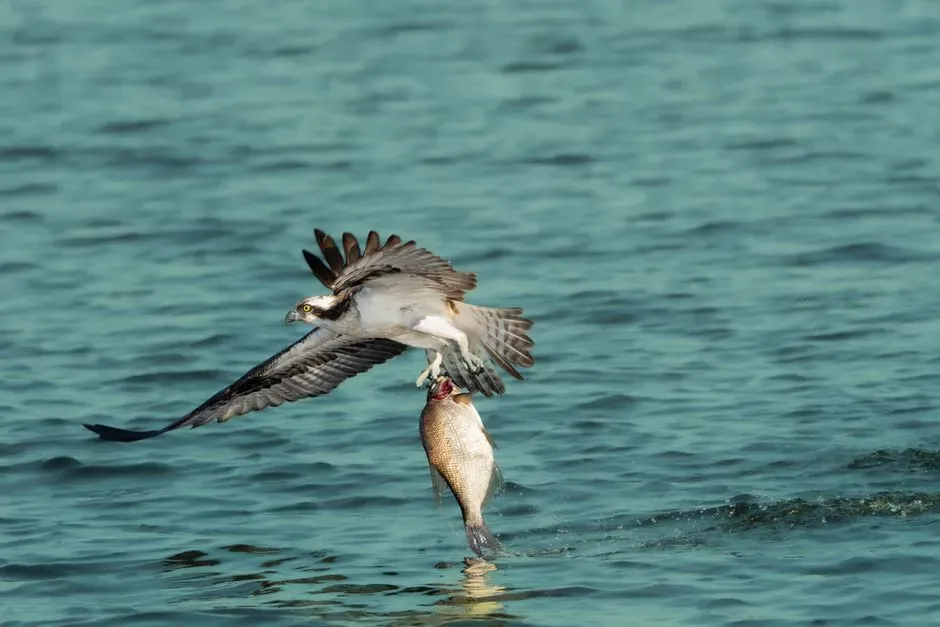
Ospreys suffered many of the same pressures as bald eagles, since both species sit near the top of aquatic food chains and absorbed the same pesticide contamination. Recovery came fast once DDT was banned, with California’s central interior population increasing dramatically beginning in the 1990s and since leveling off, with a modest 4.2% annual increase over 2020 to 2024. That leveling off is not a bad sign. It generally means the birds have filled most of the habitat available to them, rather than running out of momentum.
What makes the osprey’s return notable is how visible it has become along rivers and reservoirs that had gone decades without a nesting pair. Long-term birders in the Northeast now count osprey among the species that simply were not present when they first started watching the skies in the 1970s, a shift one field naturalist described among a list of birds now breeding in areas where they weren’t in 1970, having benefited from habitat protection and restoration, less shooting of birds and, in the case of the raptors, bans of certain pesticides such as DDT.
3. Peregrine Falcon
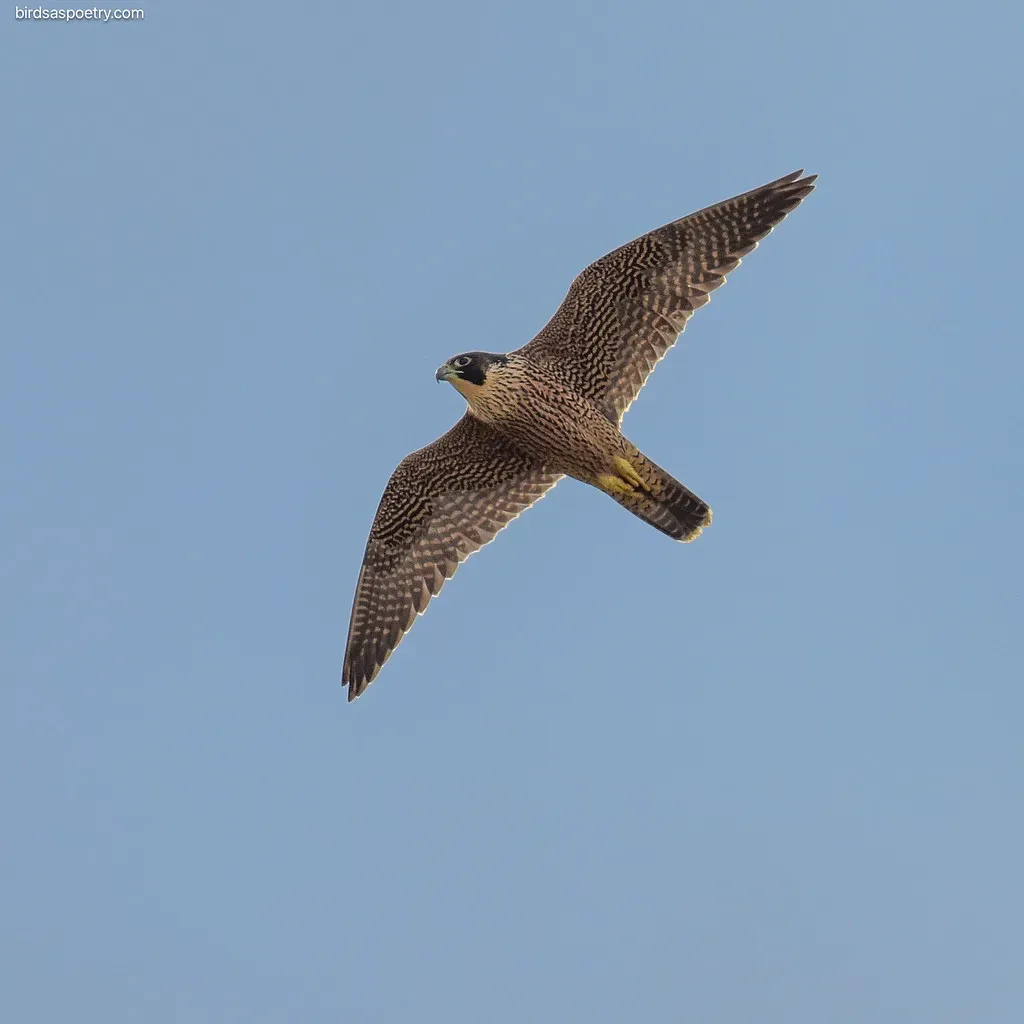
Peregrine falcons went through one of the steepest declines of any North American bird before rebounding through a mix of captive breeding and legal protection. The species was reintroduced into cities and river gorges throughout the 1970s and 1980s, and it has since spread into regions that had not hosted a nesting pair in half a century. Wisconsin’s early urban revitalization efforts for the species, which paired peregrines with skyscrapers and bridges instead of natural cliffs, became a template used across the continent.
Today peregrines nest on buildings in Chicago, New York, and dozens of other cities where they were entirely absent through the mid-twentieth century. That urban adaptation is part of why the species now appears on lists of birds that returned to areas after decades away, alongside ospreys, bald eagles, and other predators that suffered under the same pesticide-driven collapse.
4. Sandhill Crane
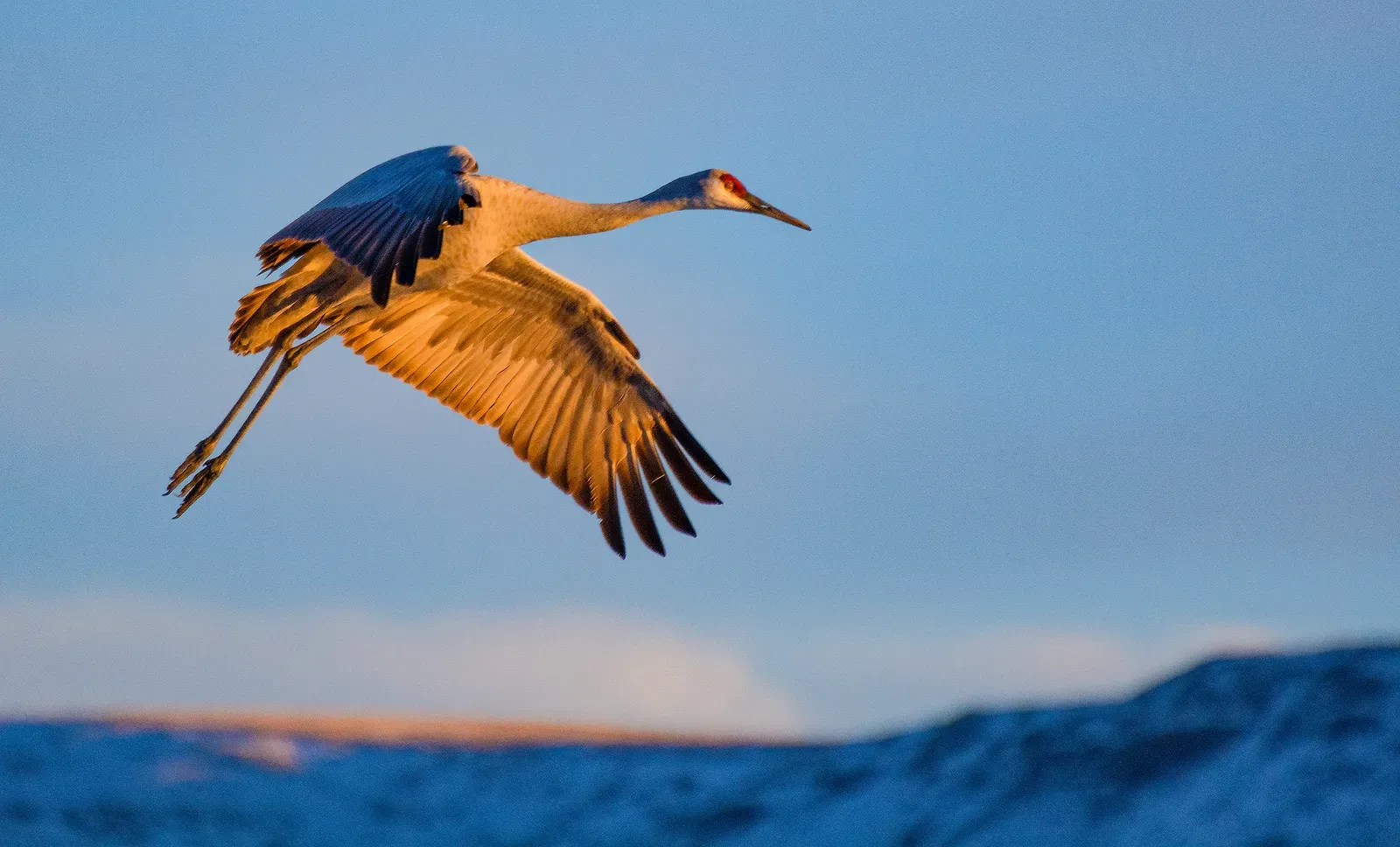
Sandhill cranes offer one of the more dramatic range recoveries among North American birds. The population has grown to the point that over 90,000 sandhill cranes exist in the U.S., and they can be found breeding across the Great Lakes states, New England and eastern Canada, regions where the tall, trumpeting birds had disappeared for generations. Their return has been steady enough that many younger birders in these areas have never known a spring without them.
The comeback has not been universally welcomed. They aren’t beloved everywhere, however, since in some areas the cranes cause crop damage in cornfields. Still, from a conservation standpoint, a five-foot-tall bird reclaiming wetlands and farmland it vacated a century ago counts as a genuine success story, even if it complicates life for a few farmers along the way.
5. Trumpeter Swan
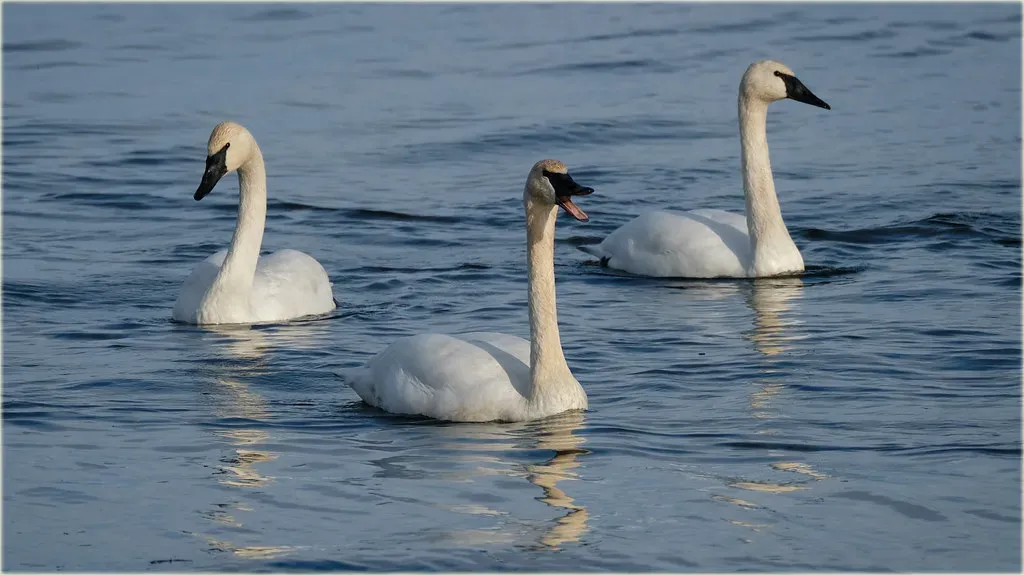
Trumpeter swans were hunted to near disappearance across much of their historic range by the early twentieth century, with only a small remnant population surviving in remote pockets of the American West. Restoration programs, including reintroduction efforts in states like Wisconsin, worked to rebuild breeding populations in regions where the birds had been absent for generations. Public television coverage from the era captured the scale of that effort, describing a trumpeter swan recovery program looking at the effort to reintroduce the trumpeter swan in Wisconsin.
That patient work has paid off gradually rather than dramatically. Trumpeter swans now breed in parts of the upper Midwest and Northeast where they had not nested in living memory, joining a short list of large waterbirds that conservationists consider genuinely restored rather than merely stabilized. Long-term birders in the Northeast now count the species among those now breeding in my area, but weren’t in 1970.
6. Wild Turkey
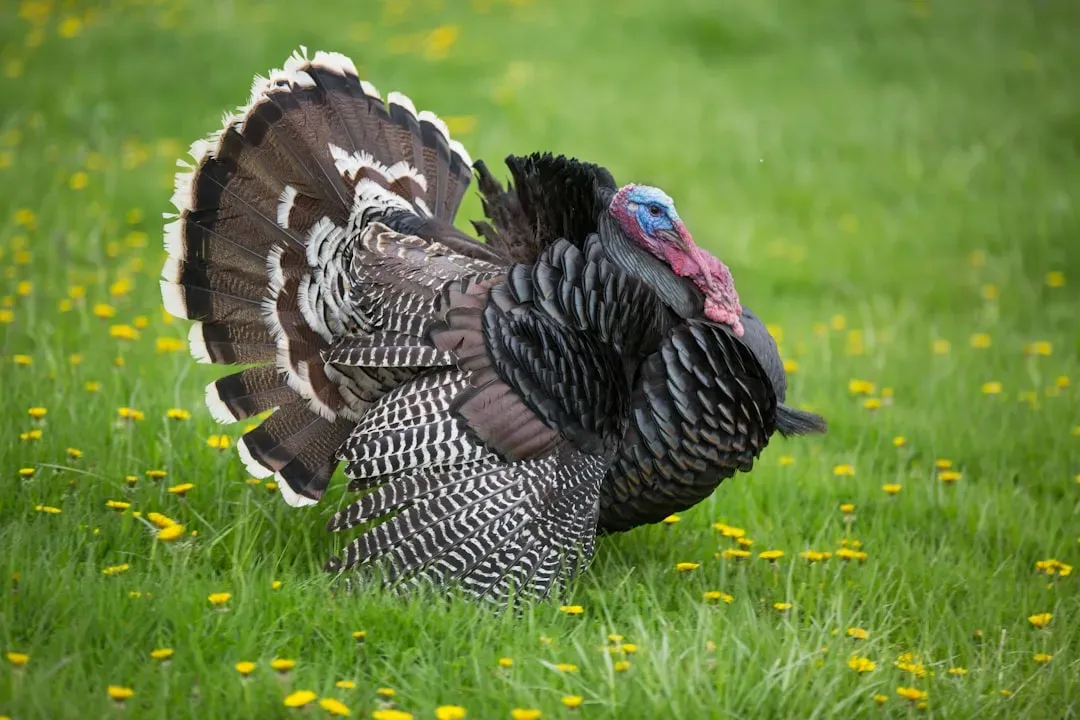
Wild turkeys nearly vanished from large parts of North America by the early 1900s, driven out by unregulated hunting and the clearing of forest habitat. Pennsylvania’s experience was typical of the broader pattern, where through habitat recovery, science-based strategy, and community dedication, Pennsylvania successfully restored its wild turkeys after the species had all but disappeared from the state.
Trap and transfer programs run by state wildlife agencies moved birds from surviving populations into forests that had gone without turkeys for generations. The approach worked well enough that wild turkeys are now a familiar sight in suburban yards and roadside fields across regions that had no resident population as recently as the 1970s, another entry on the growing list of birds that have reclaimed lost ground.
7. Great Egret
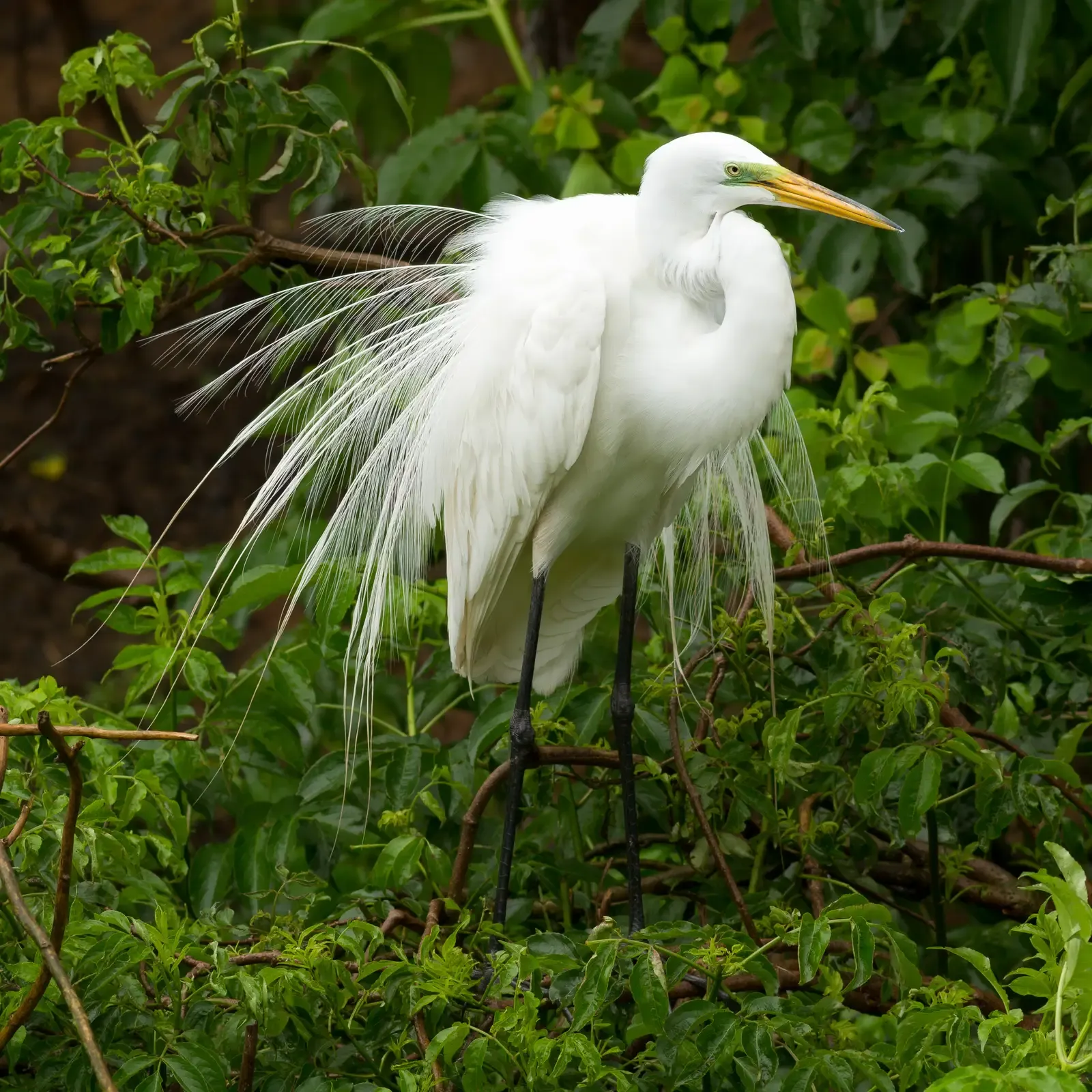
Great egrets were pushed to the edge of extinction in parts of North America by the plume trade of the late 1800s and early 1900s, when their feathers were prized for hats and fashion. Legal protection under early conservation laws allowed populations to slowly rebuild, and the species has since expanded well beyond the wetland strongholds where it barely survived.
Field observers in the Northeast now count great egrets among birds breeding locally that were simply not present decades earlier, describing them as part of a group of species now breeding in my area, but weren’t in 1970, having benefited from habitat protection and restoration. The tall white herons now nest in marshes and river corridors across a much wider swath of the continent than they occupied through most of the twentieth century.
8. Pileated Woodpecker
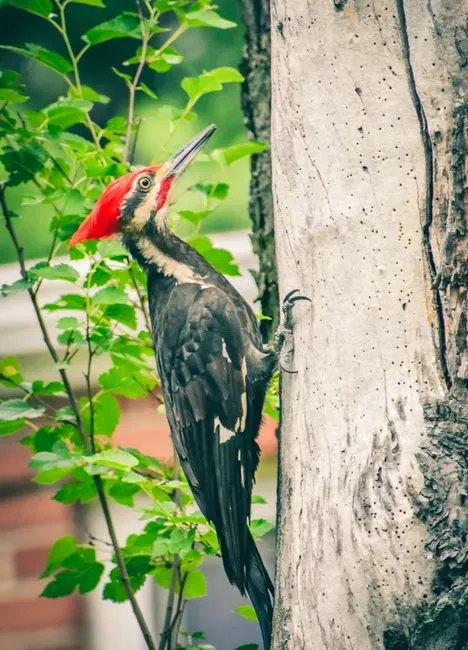
Pileated woodpeckers, the large, crow-sized birds behind the classic cartoon woodpecker look, were once considered at serious risk as old-growth forest disappeared across the eastern United States. Without mature trees to excavate for nesting cavities and food, the species retreated into whatever fragments of older forest remained. Conservation writers now describe how pileated woodpeckers appeared to be at risk of extinction as their habitat disappeared in the early 20th century, but they have since rebounded.
Regrowing forests across much of the East gave the birds room to expand again, and pileated woodpeckers now show up in suburban neighborhoods that would have seemed unlikely habitat a few decades ago. One recent account described a pileated woodpecker foraging in a suburban neighborhood, a bird that will excavate holes in trees, telephone poles and even wooden house siding to extract carpenter ants and beetle larvae or to create a nest cavity. That kind of sighting, once rare, has become almost routine in some regions.
9. Whooping Crane
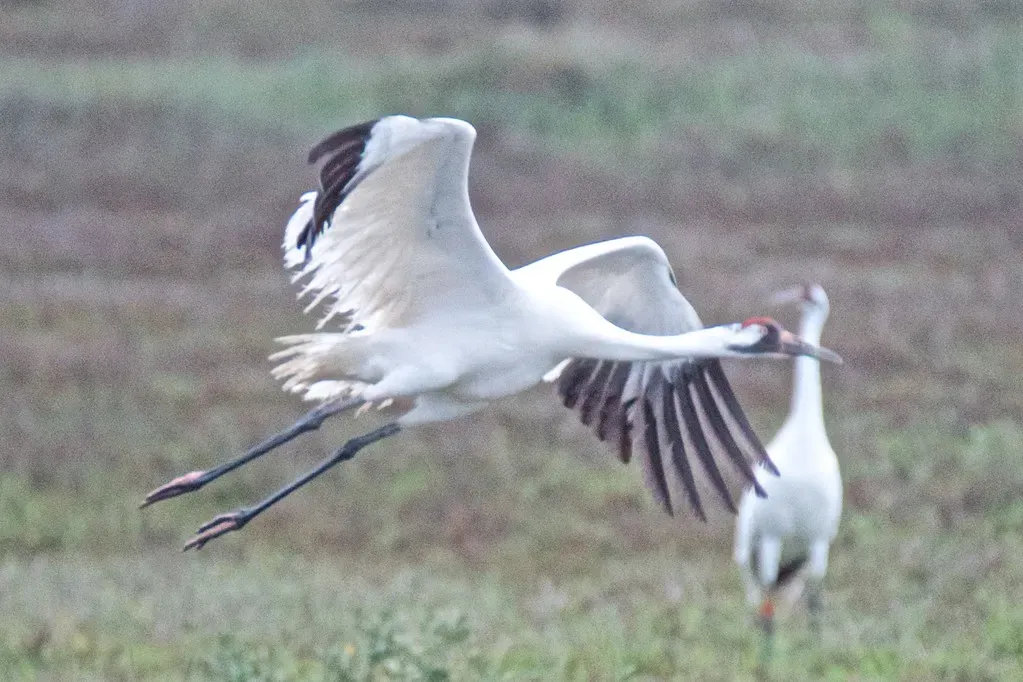
Whooping cranes remain one of the rarest birds in North America, but their story belongs on any honest list of species clawing back territory. The population dropped to roughly a couple dozen birds by the mid-twentieth century, confined to a single wintering ground in Texas and a remote breeding site in Canada. Decades of captive breeding, careful habitat protection, and international cooperation between the United States and Canada have allowed the species to slowly expand its footprint.
Reintroduction efforts have since established a second migratory population in the eastern United States, along with a non-migratory flock in Louisiana, a state the species had not occupied in generations. Progress remains fragile given how few birds exist overall, but the expansion into new wintering and breeding sites represents real ground regained rather than simple population growth within an unchanged range.
10. California Condor
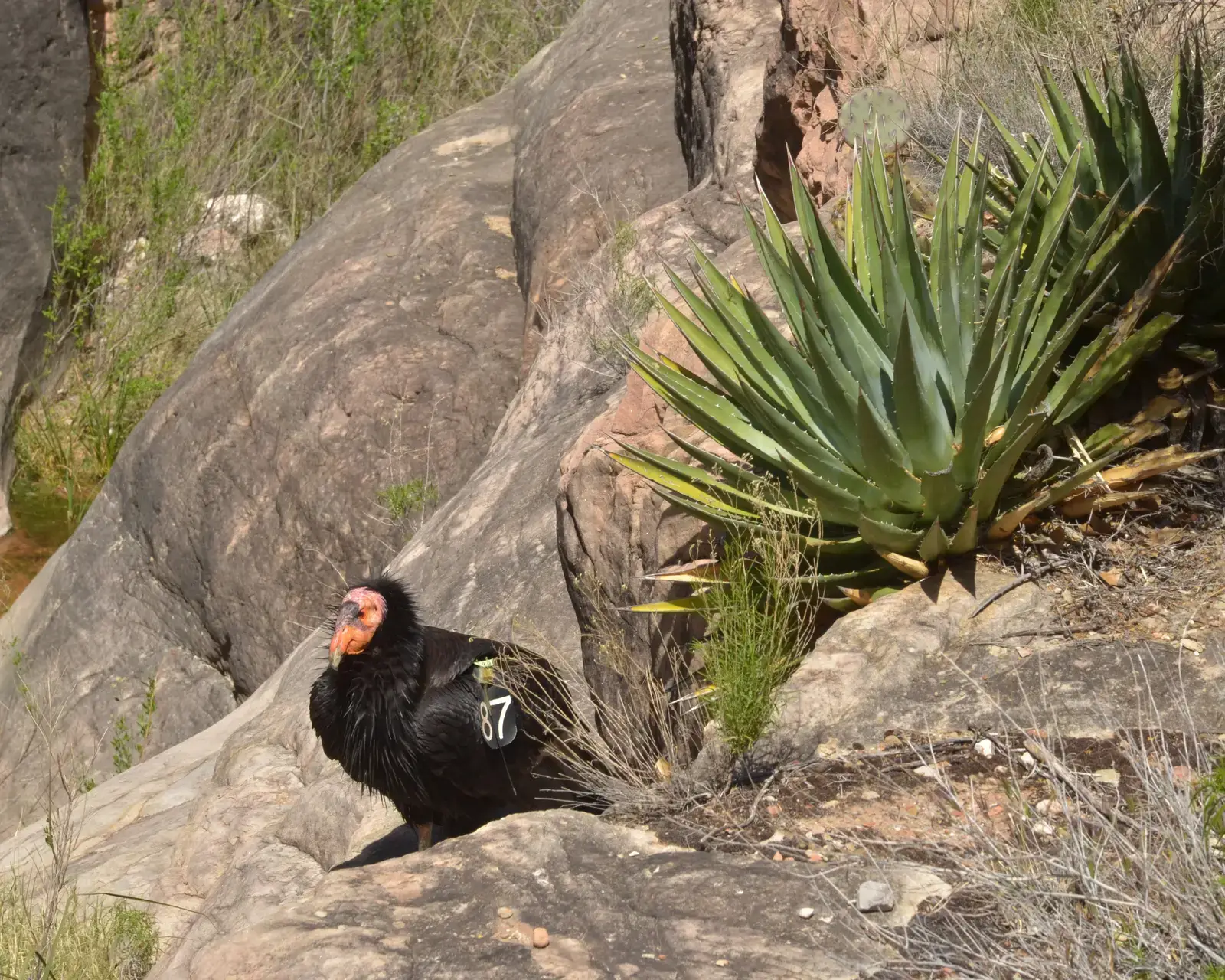
Few recoveries illustrate the idea of a species returning to lost ground more starkly than the California condor. By 1987, the entire wild population had been captured for a last-resort breeding program, with zero birds left flying free. Lead poisoning, habitat loss, and low reproductive rates had pushed North America’s largest land bird to the absolute edge.
Captive-bred condors have since been released back into parts of California, Arizona, Utah, and Baja California, regions the species had not soared over in living memory. The population remains small and heavily managed, and lead poisoning from ammunition fragments in carcasses continues to threaten individual birds. Even so, the sight of a condor circling over the Grand Canyon or California’s coastal cliffs again marks one of the most dramatic range recoveries any North American bird has managed. The pattern across these ten species is not identical. Some, like the bald eagle and osprey, recovered mainly once a specific toxin left the environment. Others, like the wild turkey and trumpeter swan, needed direct human intervention through reintroduction programs to get back into old territory. What they share is a reminder that range loss is not always permanent, and that removing the original cause of decline can open the door for a species to find its way home, sometimes decades after anyone expected it to.
