

South America is a continent of striking contrasts when it comes to greenhouse gases. On one end, you have sparsely populated nations with vast rainforests and small industrial bases that barely register on global emissions charts. On the other, you have massive economies with sprawling agriculture, heavy industry, and energy-hungry cities that push their national totals into the hundreds of millions of tons each year. Looking at recent data helps clarify just how uneven this picture really is.
Using total annual carbon dioxide equivalent emissions figures compiled from World Bank data for 2023, the gap between the continent’s smallest and largest emitters is enormous. Below are the six countries producing the least carbon pollution overall, followed by the three that dominate the region’s emissions totals.
1. Suriname
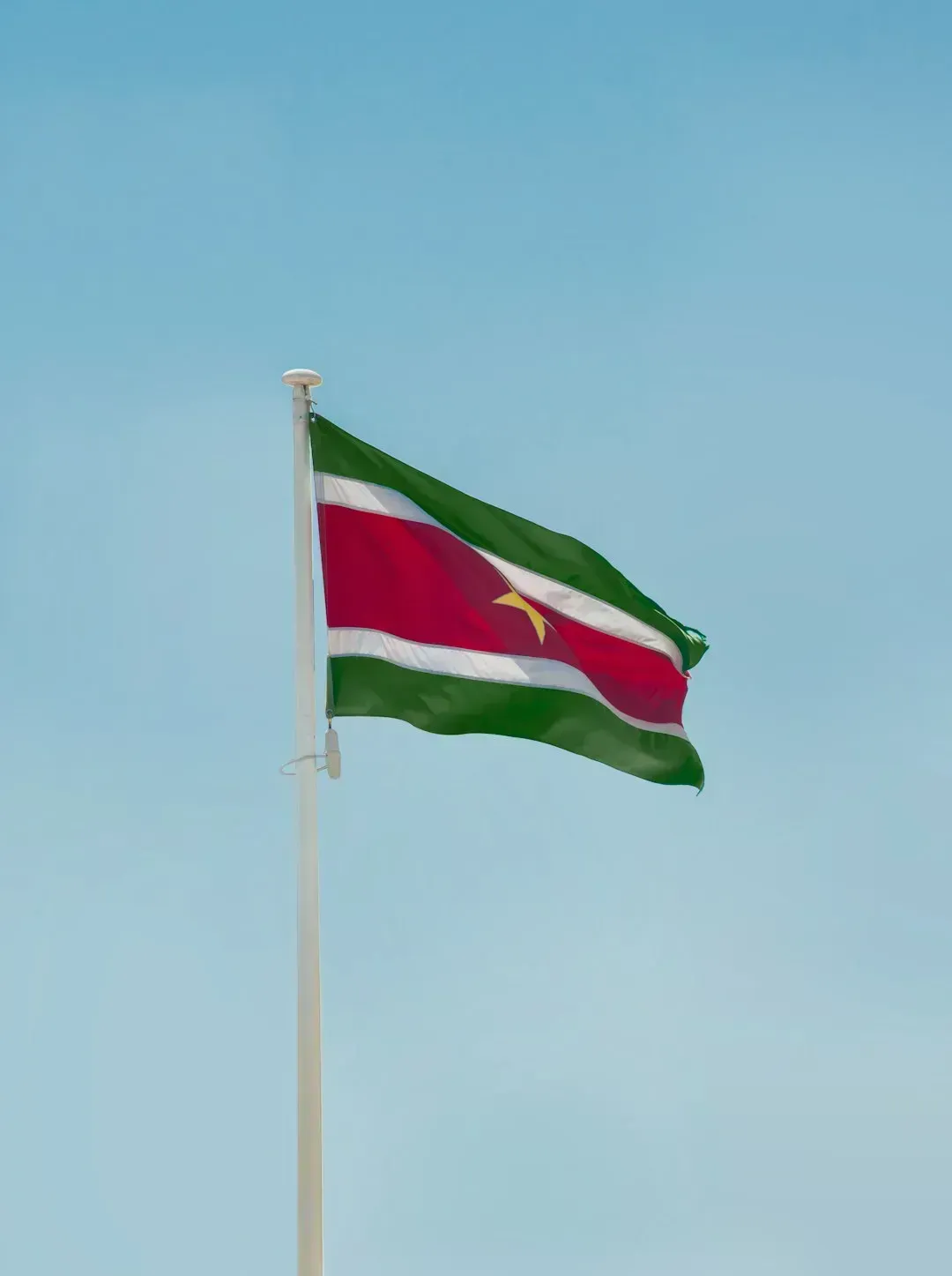
Suriname sits at the very bottom of South America’s emissions ladder, and it isn’t particularly close. The lowest value in the region was found in Guyana at 3 Mt CO2 eq, with Suriname tied at the same figure. With a population under a million people and an economy that leans on forestry, mining, and small-scale agriculture rather than heavy industry, the country simply doesn’t generate the kind of fossil fuel demand seen elsewhere on the continent.
Much of Suriname’s land remains covered in dense tropical forest, which historically has made it one of the few carbon-negative countries in the world when land use and forestry offsets are factored in. That reputation has made Suriname a frequent reference point in international climate discussions, even though its economic footprint on the global stage remains tiny.
2. Guyana
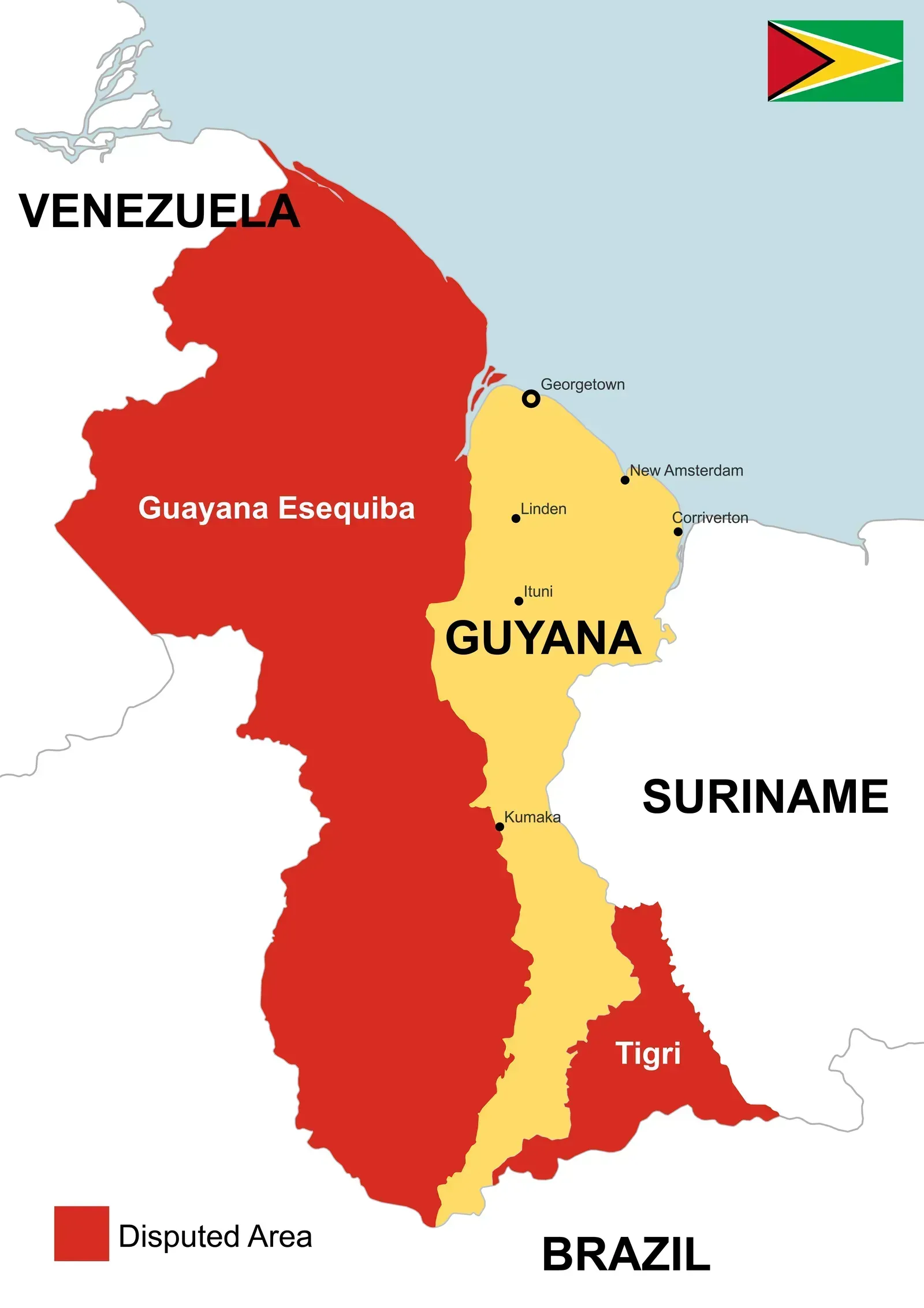
Guyana shares the title of lowest total emitter in South America, recording just 3 Mt CO2 eq in the most recent measured year. Like its neighbor Suriname, Guyana benefits from a small population, extensive forest cover, and an economy that until recently was dominated by agriculture, bauxite, and gold rather than heavy manufacturing.
That said, Guyana’s emissions story is shifting quickly. The country has become one of the world’s fastest-growing oil producers following major offshore discoveries, and analysts widely expect its domestic emissions profile to climb as extraction and associated infrastructure expand. For now, though, its historical baseline keeps it near the bottom of the regional rankings.
3. Paraguay
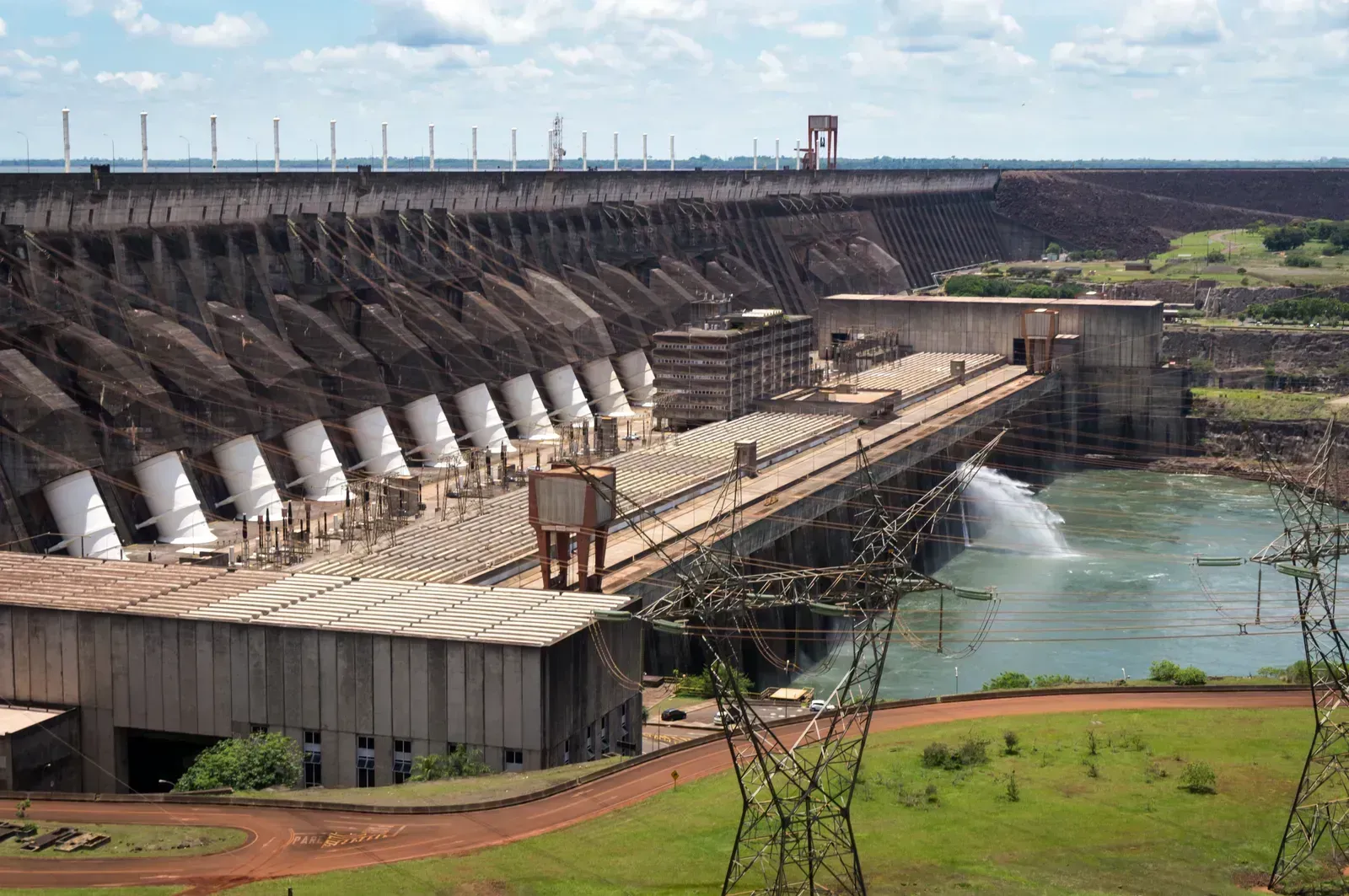
Paraguay’s total emissions sit around 8 Mt CO2 eq, placing it among the cleanest performers in South America on a national scale. Paraguay generates the overwhelming majority of its electricity from massive hydroelectric dams, including the Itaipu facility it shares with Brazil, which keeps the country’s power sector emissions unusually low for a nation with meaningful agricultural output.
Interestingly, when researchers look at emissions per capita rather than totals, Paraguay actually ranks lowest in the region. The lowest per capita value was found in Paraguay at 1.21 metric tons of carbon dioxide equivalent per capita, underscoring how clean its energy mix really is even as its cattle ranching and soy farming sectors continue to expand.
4. Uruguay
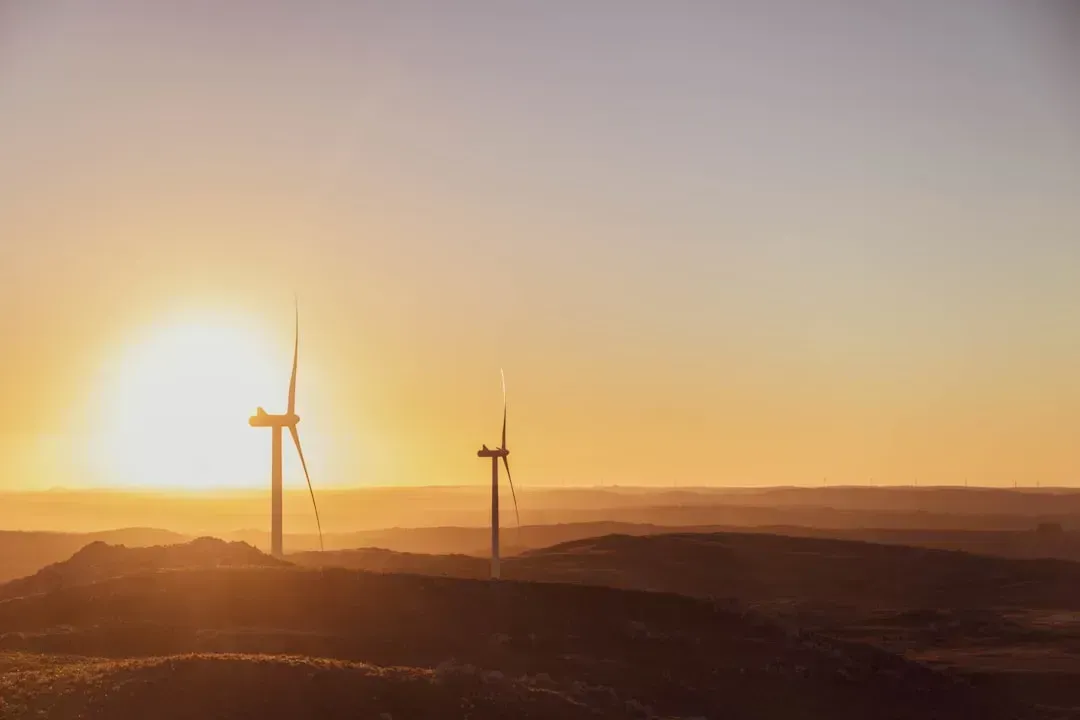
Uruguay posts total emissions of roughly 9 Mt CO2 eq, a remarkably small figure for a country with a fairly developed economy and a population of around 3.4 million. Uruguay has invested heavily in wind and solar power over the past decade and a half, transforming its electricity grid into one of the greenest in the Americas.
The country still faces emissions pressure from its enormous cattle industry, since Uruguay is one of the world’s largest beef exporters relative to its size, and methane from livestock counts toward its greenhouse gas totals. Even so, its combination of renewable power and a small industrial base keeps overall numbers modest compared to its larger neighbors.
5. Bolivia
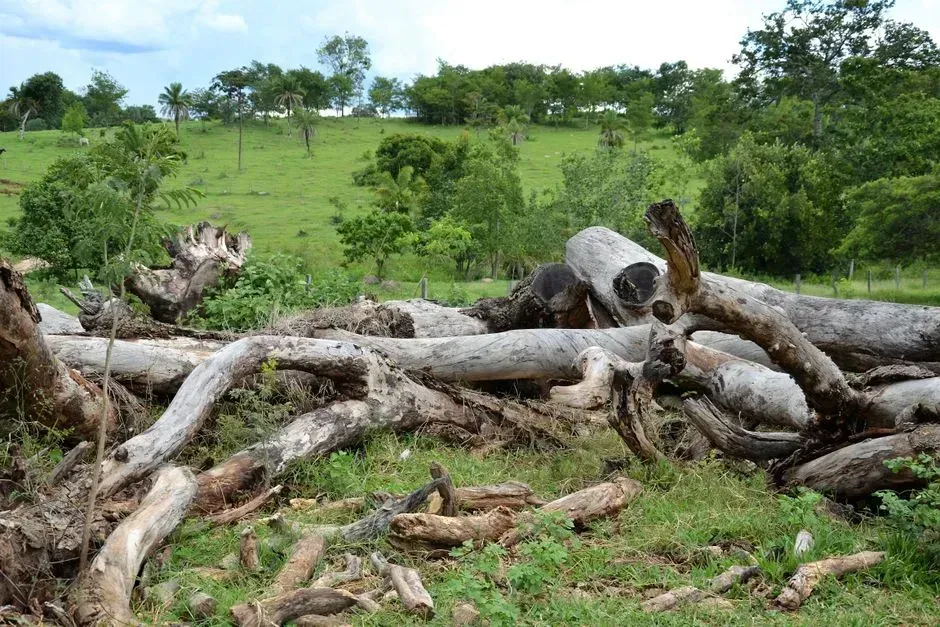
Bolivia’s total emissions come in around 24 Mt CO2 eq, a figure shaped by its relatively small population and an economy still centered on mining, natural gas extraction, and subsistence agriculture rather than heavy manufacturing. The country’s landlocked geography and lower level of industrialization compared to neighbors like Argentina and Chile also help keep totals contained.
Deforestation remains a genuine concern in Bolivia, particularly in the lowland regions where agricultural expansion has accelerated forest loss in recent years. While this land use pressure complicates the country’s broader environmental picture, it doesn’t get captured in the standard fossil fuel and industrial emissions figures that place Bolivia among the lower emitters in the region.
6. Ecuador
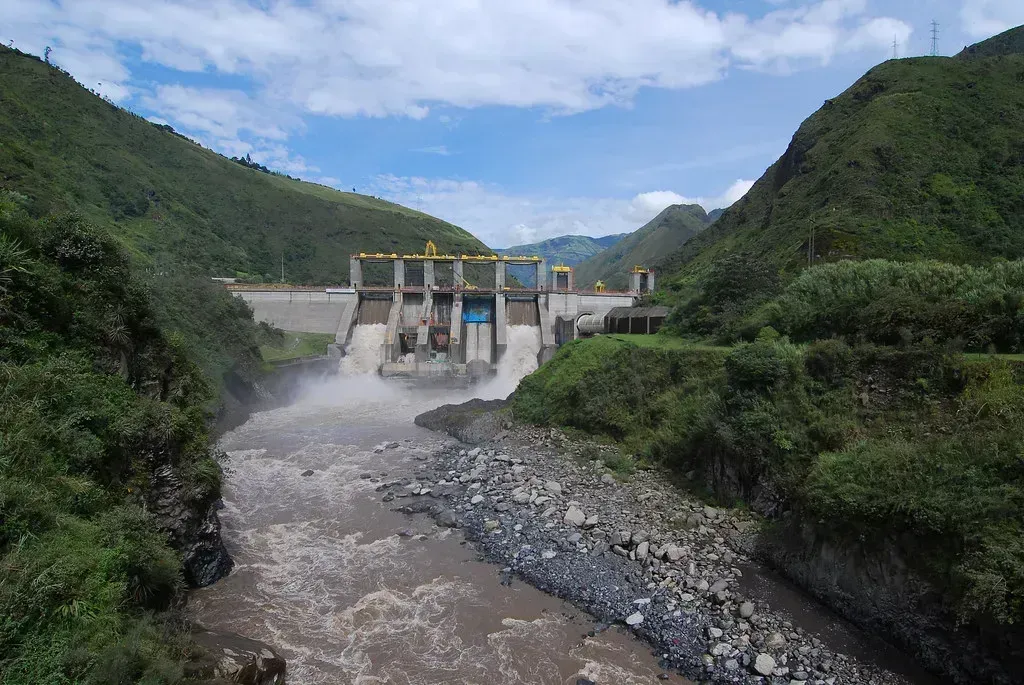
Ecuador rounds out the list of lowest emitters with total output near 45 Mt CO2 eq. The country relies heavily on hydroelectric power for its domestic electricity needs, which has helped moderate emissions from its power sector even as oil extraction remains a major part of its export economy.
Ecuador’s position is a bit of a balancing act. It is a meaningful oil producer, yet its relatively small population of roughly 18 million and its clean electricity mix keep per capita and total figures well below those of the continent’s largest economies. Ecuador’s per capita figure of 2.27 metric tons sits comfortably in the middle of the pack for South America, reflecting that mixed profile.
7. Brazil
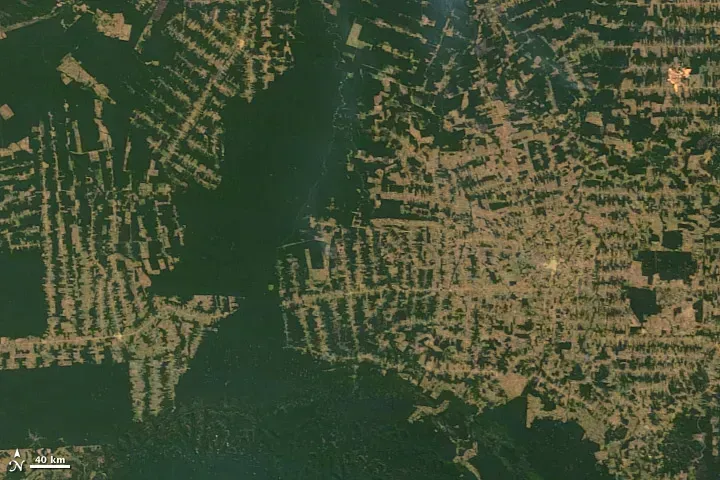
Brazil stands alone at the top of South America’s emissions rankings by a wide margin. The highest value in the region was found in Brazil at 480 Mt CO2 eq, more than double the combined total of the next two highest emitters on the continent. As the largest economy and most populous nation in South America, with well over 200 million residents, Brazil’s scale alone explains much of this gap.
Agriculture, cattle ranching, and deforestation in the Amazon basin are major contributors to Brazil’s emissions profile, alongside a sizable industrial and transportation sector. The country has made real strides in renewable electricity generation, particularly hydropower, yet land use change and forest loss continue to weigh heavily on its overall greenhouse gas accounting, making Brazil a central focus of global climate negotiations involving South America.
8. Argentina
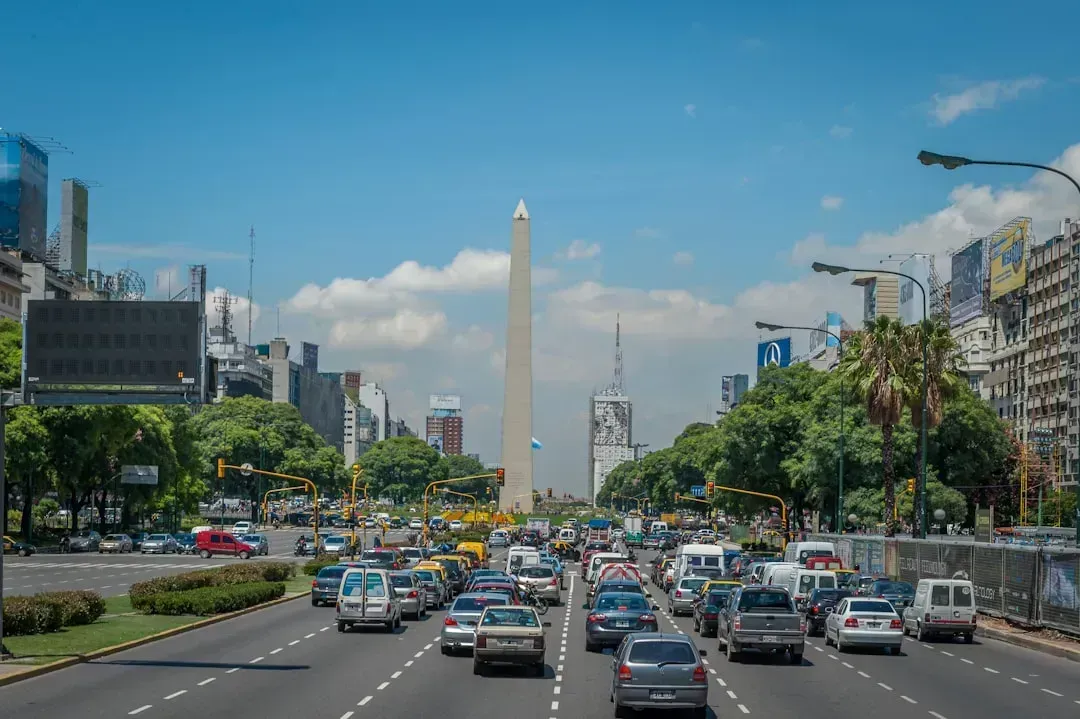
Argentina holds the second spot among the region’s top emitters, with total emissions around 184 Mt CO2 eq according to recent World Bank figures. This puts Argentina well ahead of every other South American nation besides Brazil, driven by its large agricultural sector, extensive cattle industry, and a diversified industrial and energy base.
On a per person basis, Argentina’s numbers are even more striking. Argentina ranks third highest in the region for per capita emissions at 4.04 metric tons of carbon dioxide equivalent per capita, reflecting the country’s relatively high level of industrialization and energy consumption compared to many of its neighbors. Beef production, in particular, remains a significant source of methane emissions tied to Argentina’s export-driven economy.
9. Colombia
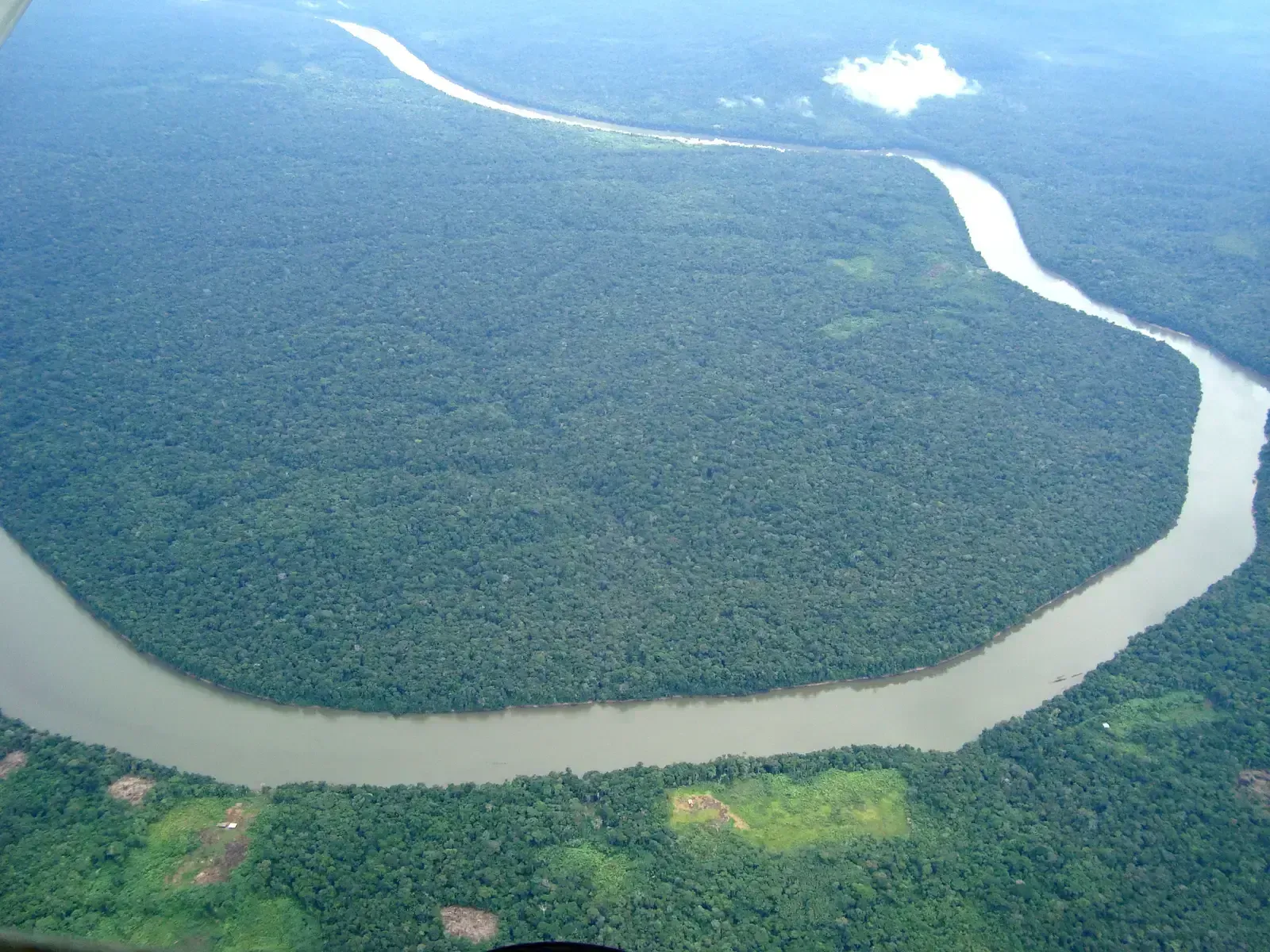
Colombia claims the third-highest total emissions in South America, sitting at roughly 101 Mt CO2 eq. With a population exceeding 50 million and a growing economy built on agriculture, mining, and energy production, Colombia’s emissions footprint has expanded alongside its economic development in recent years.
Deforestation in Colombia’s portion of the Amazon and other forested regions adds meaningfully to the country’s overall climate impact, even though its per capita emissions figures remain moderate compared to Argentina or Chile. Colombia has set ambitious climate targets in recent years, including commitments tied to reducing deforestation, though translating those goals into measurable emissions reductions remains an ongoing challenge for policymakers in Bogotá.
Taken together, these numbers tell a story that goes well beyond simple rankings. South America’s smallest emitters, places like Suriname, Guyana, Paraguay, Uruguay, Bolivia, and Ecuador, benefit from a mix of small populations, abundant hydropower, and forest cover that keeps their carbon footprints modest. Meanwhile, Brazil, Argentina, and Colombia carry the weight of the continent’s largest economies, biggest populations, and most extensive agricultural and industrial sectors, which naturally pushes their totals far higher.
What’s worth remembering is that total emissions and per capita emissions can tell very different stories, and neither number alone captures the full climate picture for any single country. As oil development accelerates in places like Guyana and agricultural pressure continues to reshape land use across the region, these rankings are unlikely to stay static for long.

- The Shoreline Sucked Dry in Seconds – 5 Tsunami Signals Beachgoers Mistake for Low Tide - November 14, 2026
- 9 Dark-Sky Destinations Around the World Where the Stars Look Unreal - November 14, 2026
- The Fault Line That Never Slips – 7 Locked Seismic Zones Overdue for a Massive Release - November 14, 2026
