

- Phantom Energy Sucking Power 24/7 – 7 Home Electronics Quietly Inflating Utility Bills - November 14, 2026
- A Million-Mile Storm Raging for Centuries – 6 Violent Weather Wonders in Our System - November 14, 2026
- Animals Flee Hours Before the Tremor – 7 Natural Warnings Before Disasters Strike - November 14, 2026
Venice, Italy
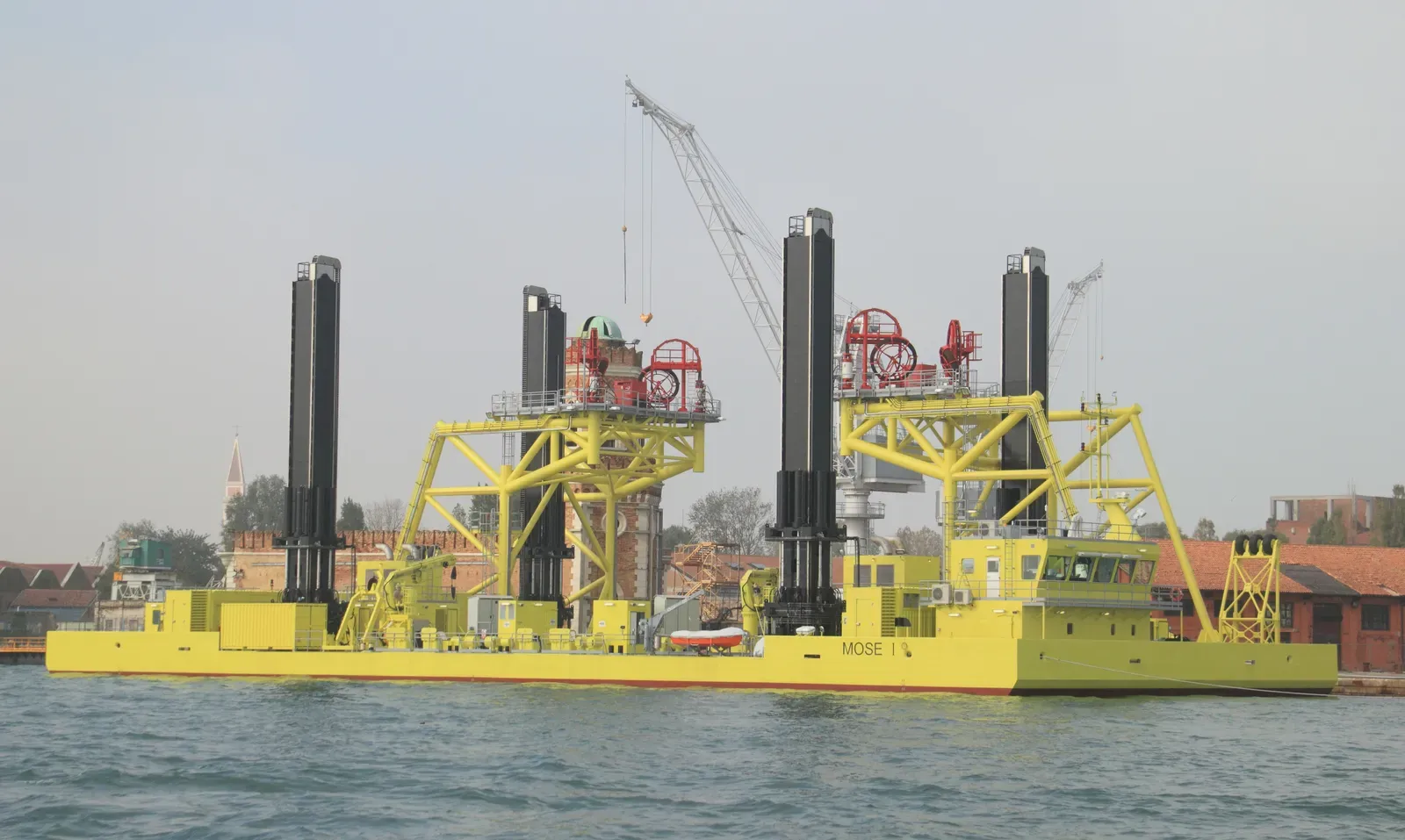
Venice’s answer to a sinking, flooding future is the MOSE system, a network of movable gates that seal off the lagoon from the Adriatic Sea. That system of 78 yellow gates, installed at the inlets of Lido, Malamocco, and Chioggia, now keeps the most beautiful and fragile city in the world dry. Getting there was not cheap or quick. The final cost of the project was approximately €7 billion.
The investment is starting to show its value, even as it strains city budgets in new ways. In 2024 alone, the Mose protected the city on more than thirty occasions, preventing economic damage estimated between 200 and 400 million euros. That pace has only picked up. Venice’s MoSE flood barrier system reached an unprecedented level of activity this winter, with 30 activations in just 23 days from January 28 to February 19, 2026, incurring costs of approximately €6 million. Officials are already talking about what comes after MOSE, since experts urge proactive planning for additional infrastructure in coming decades to sustain Venice beyond MOSE’s projected limits.
Jakarta, Indonesia
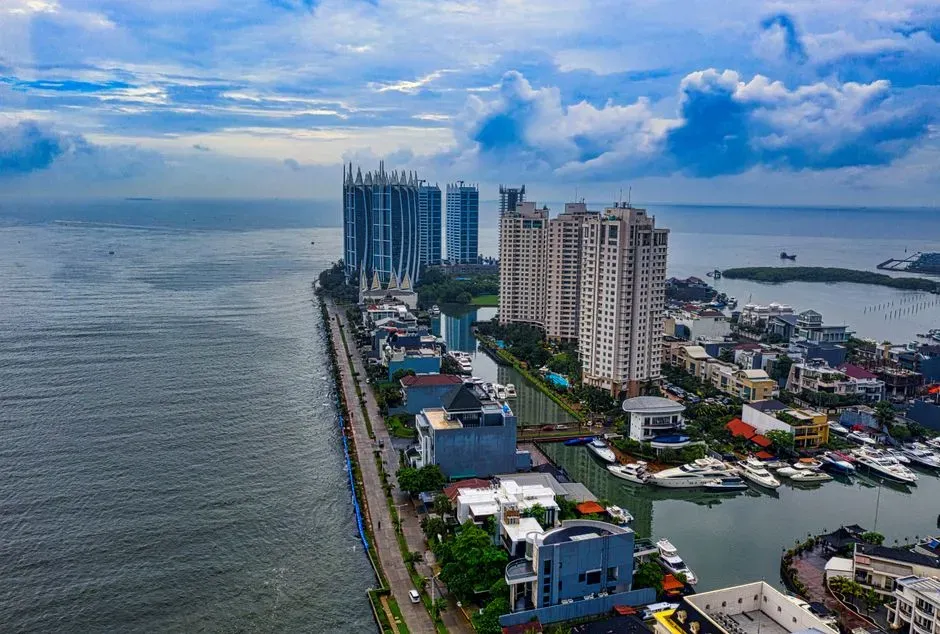
Indonesia’s capital faces a problem even more severe than Venice’s, since parts of the city are sinking faster than the sea is rising. The proposed fix is the Great Garuda Sea Wall, a bird-shaped barrier meant to enclose Jakarta Bay entirely. Parts of Jakarta are sinking more quickly than Venice, and the city has lost 13 feet of elevation over the past 30 years. The scale of the response matches the scale of the threat, with the project requiring a total of USD $40 billion in investments.
Financing such an enormous plan has required creative arrangements. Apart from private sector involvement, the project will also be funded by the country’s state budgets for many more years to come. International partners have chipped in for the groundwork, as the Dutch and South Korean governments have committed a combined total of $19 million to support the Garuda project, money meant to cover feasibility studies for later phases. Even the earliest stages carry a hefty price tag, since the initial two stages alone are expected to necessitate funding amounting to $10.5 billion.
New York City, United States
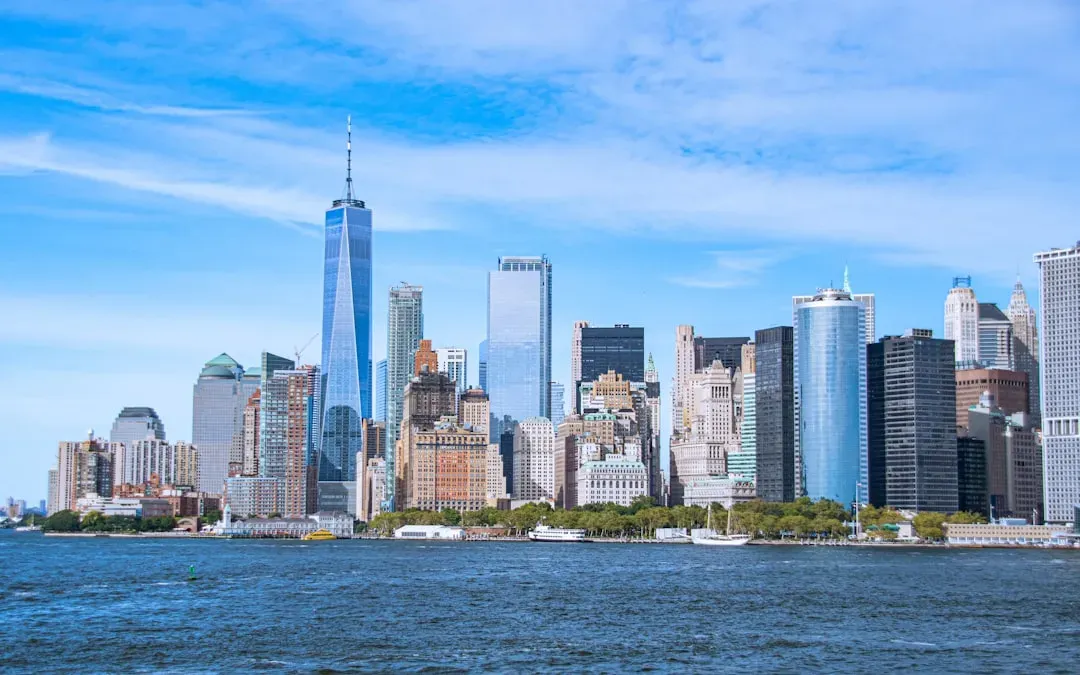
Superstorm Sandy in 2012 remains the reference point for nearly everything New York has built since. That single storm caused roughly nineteen billion dollars in damage across the city, a number that reshaped how officials think about waterfront risk. One of the clearest results is the East Side Coastal Resiliency project, where a USD $1.45 billion budget is reshaping 4 km of Manhattan’s shoreline by 2026, changing the way New York City responds to extreme storms and rising sea levels.
That project is just one piece of a much larger push. In Lower Manhattan, the City, State, and Federal governments have committed over $2.7 billion in capital investments for climate adaptation projects. Nearby, another major effort is taking shape south of the East Side work, where the $1.7 billion construction cost would be paid by the federal government, with state and local governments tasked with maintenance. Looking further out, the broader Lower Manhattan Coastal Resiliency plan is even bigger in scope, since the plan, projected to cost $5 billion to $7 billion, reimagines the shoreline of Lower Manhattan and creates a 21st-century resilient waterfront to withstand severe coastal storms and rising sea levels.
Miami, United States
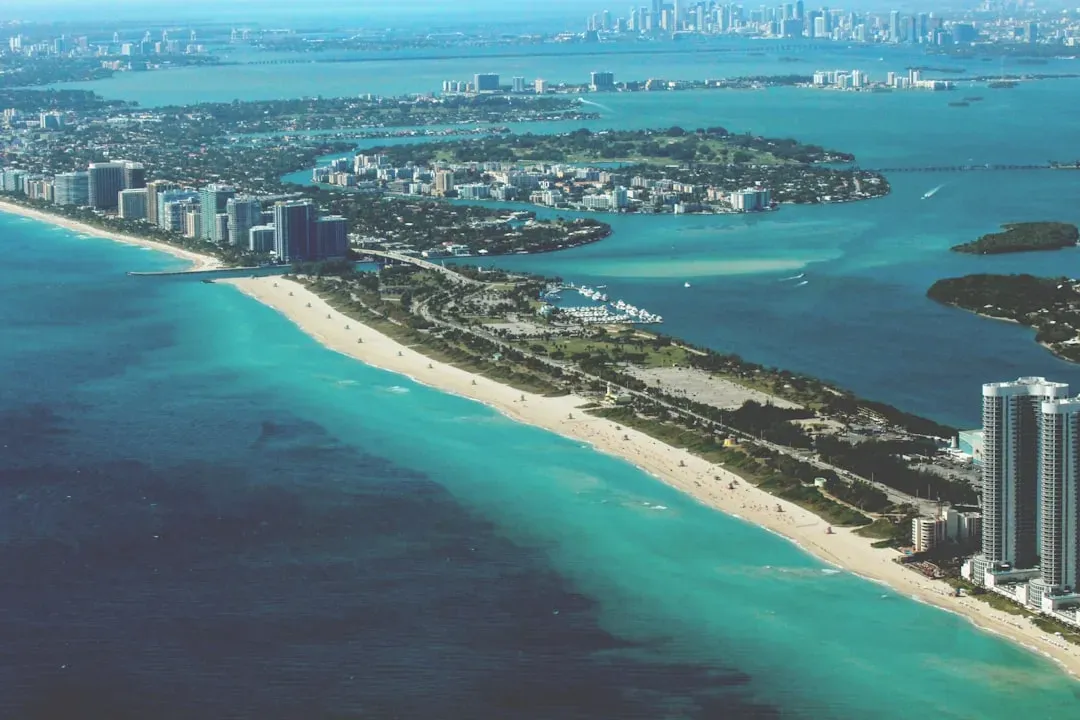
Miami’s flooding problem is less dramatic than a storm surge breaching a wall, and more a matter of water simply seeping up through porous limestone during high tides. The city and county have responded with a mix of raised roads, new pumps, and grant-funded studies. Miami Beach alone has leaned heavily on state support, since Miami Beach has successfully received over $79 million from the Resilient Florida Program to-date to fund projects around the city.
The city’s own bond funding adds another layer to that effort. The Miami Forever Bond set aside $192 million for flood prevention, money directed toward pump stations and drainage upgrades across vulnerable neighborhoods. Miami Beach had already committed to a much larger, longer-running program before that, given that the current program in question was a $600 million stormwater management effort assessed with support from the Rockefeller Foundation’s 100 Resilient Cities initiative. County officials argue the money is well spent, pointing to research showing that building-level adaptations such as floodproofing, elevation, and the addition of permeable surfaces will generate $9 for every $1 invested and support 3,190 job years, through 2040.
Rotterdam, Netherlands
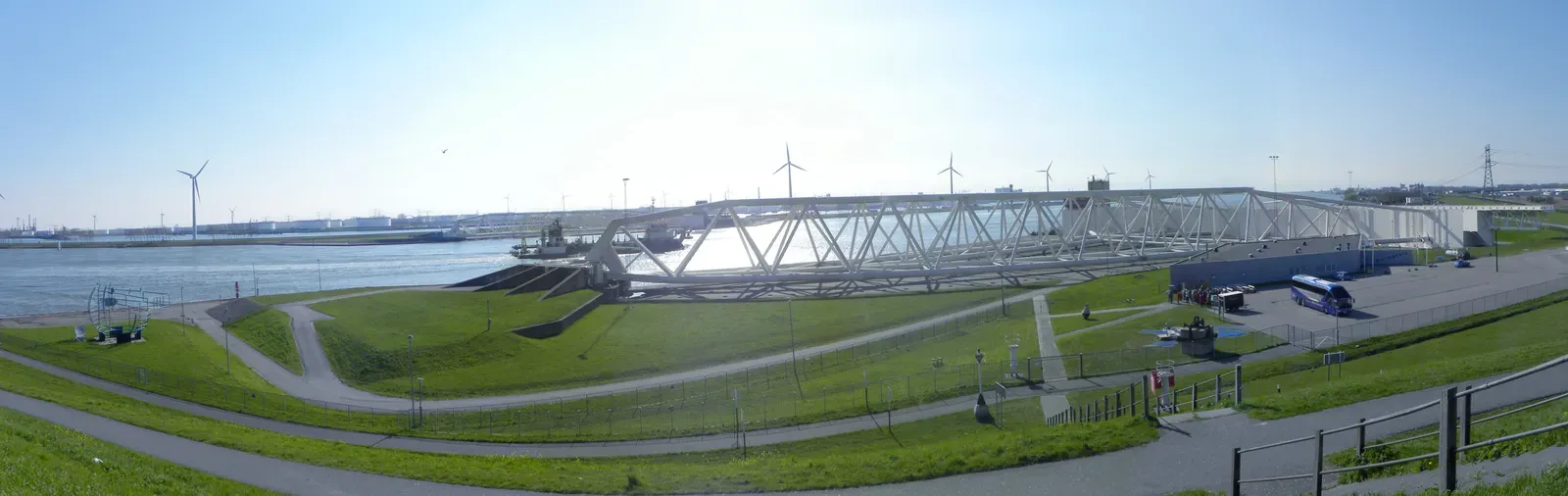
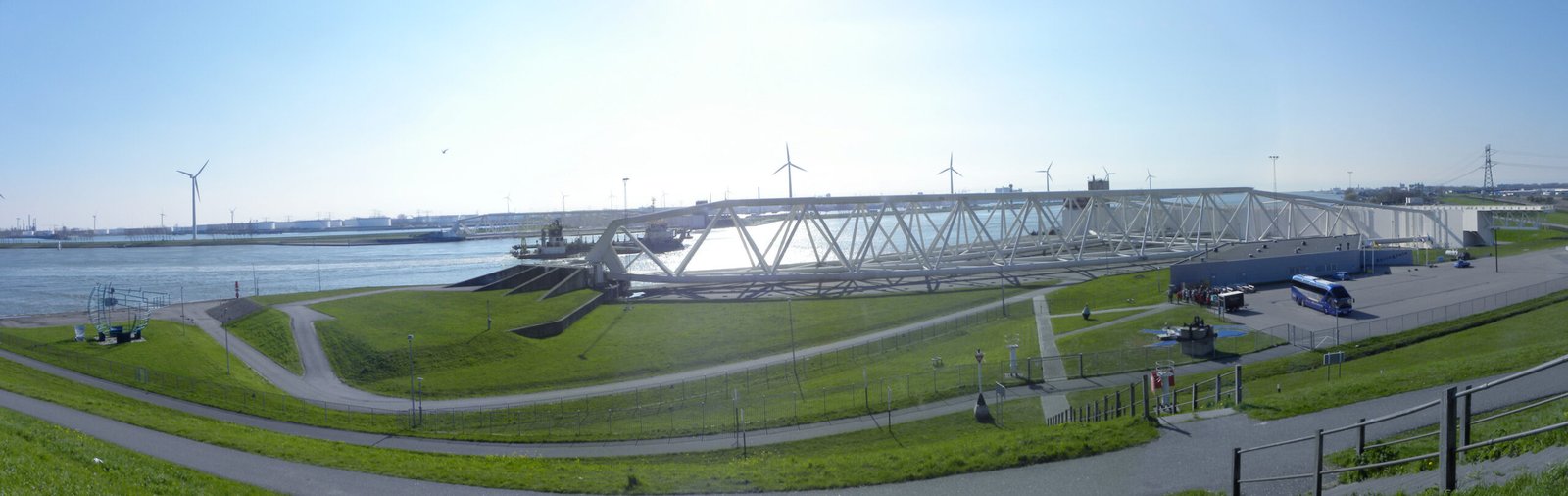
No country has spent longer or more consistently on flood defense than the Netherlands, and Rotterdam sits at the center of that effort. The city is protected by the Maeslantkering, part of the wider Delta Works system built after catastrophic flooding in 1953. Each arm of the Maeslantkering barrier can protect the port city of Rotterdam against storm surges up to three metres higher than normal. Building that entire national system was not a one-time expense, since the system cost tens of billions of euros over more than four decades and includes thousands of kilometres of dikes and canals that can carry away excess water and levees along the coasts.
Upkeep alone now runs into serious money every year. The Netherlands spends €1 billion every year maintaining large-scale flood defences like these. Even that may not be enough going forward, as one Dutch water official noted that the Netherlands currently invests about 1% of its gross domestic product in water defense, but that figure needs to roughly double. Newer river-focused projects have added to the tally too, including a program where a €2.3 billion “Room for the River” project, making floodplains at more than 30 locations on four rivers, is credited with saving the country from the worst flooding this year.
London, United Kingdom
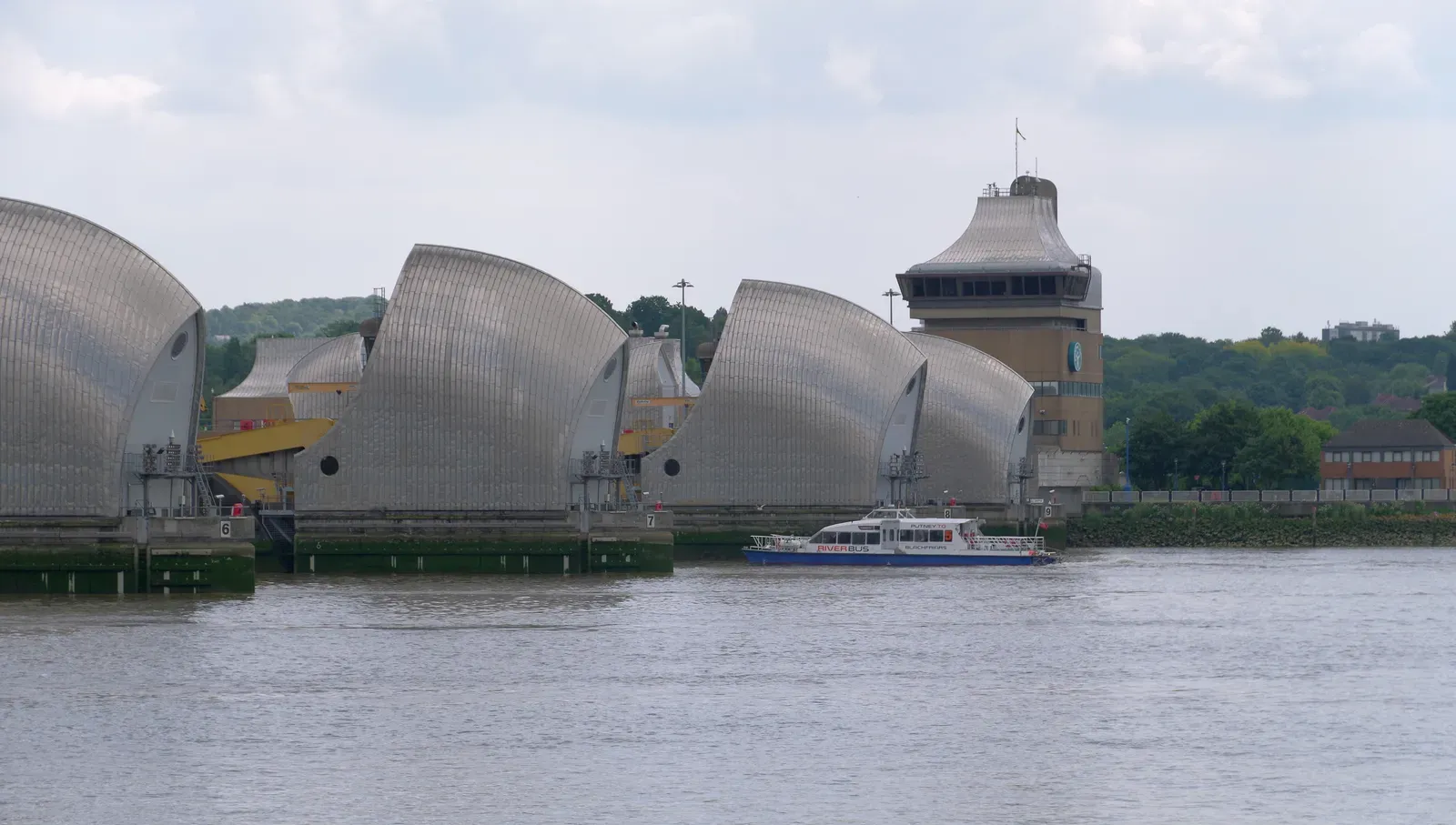
London’s Thames Barrier has guarded the city since the early 1980s, but its designers always knew it wouldn’t last forever. The construction of the Thames Barrier cost GBP 535 million in 1982, about GBP 1.7 billion or EUR 2.5 billion in 2007 terms, according to the UK Environment Agency. That single structure is only part of a much longer estuary-wide strategy now under review.
The bill for keeping the Thames Estuary safe through the rest of the century is considerably larger than the original barrier ever cost. For the period 2023 to 2100, expected costs run around £16.2 billion, covering land for future flood defences, maintenance and upgrades, habitat creation, and replacing the Thames Barrier by 2070. That estimate has already grown substantially from earlier projections, since the estimated cost of putting the Thames Estuary 2100 plan into action has increased by around 50% since 2012. Environment Agency planners are now working on new ways to close the funding gap, exploring options that include private and philanthropic partners rather than relying solely on the national budget.
New Orleans, United States
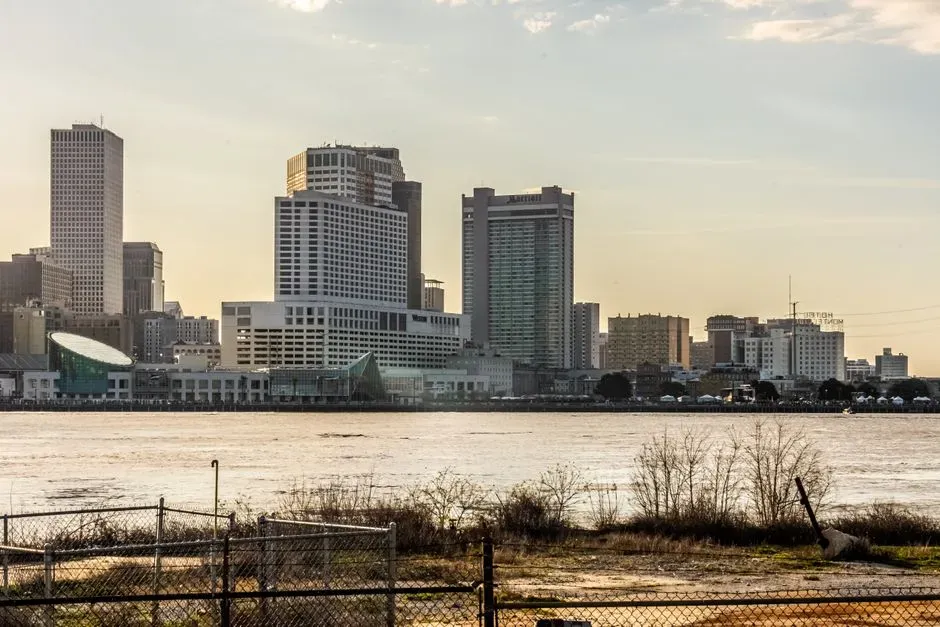
New Orleans rebuilt its entire flood protection system after Hurricane Katrina exposed how fragile the old levees really were. The result, completed by the US Army Corps of Engineers, is a network of floodwalls, pump stations, and a massive surge barrier across the eastern edge of the metro area, widely reported at a cost of roughly fourteen and a half billion dollars. It remains one of the largest civil works projects the Corps has ever undertaken in a single American city.
That system protects against storm surge, but it does little to slow the separate crisis of coastal land loss along Louisiana’s shoreline. State officials have paired the levee investment with a decades-long coastal master plan, a multibillion-dollar effort focused on marsh restoration, barrier islands, and sediment diversions meant to rebuild the wetlands that once buffered the city from the Gulf. Both efforts now compete for federal attention and funding at the same time that subsidence continues to lower parts of the city each year, a slow-moving problem that no single barrier can fully solve.
The bigger picture
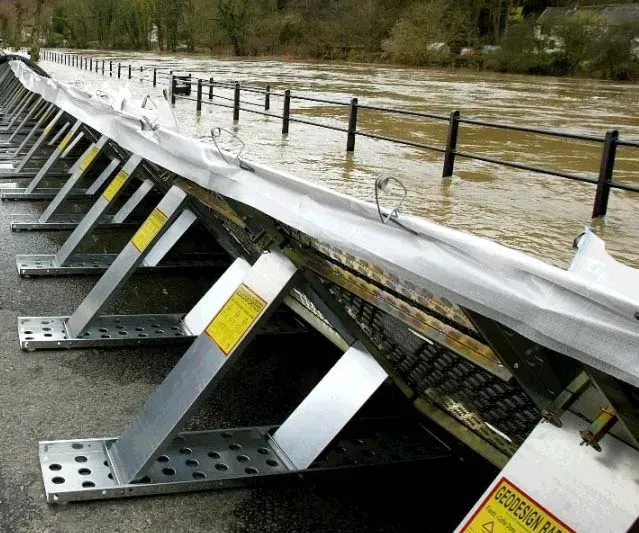
These seven cities sit on different coastlines, speak different languages, and answer to very different governments, yet they’ve all reached a similar conclusion. Flood defense is no longer a side project tucked into a public works budget. It has become one of the largest, most expensive, and most politically fraught investments a coastal city can make.
What ties these efforts together is not just the size of the numbers, though those are hard to ignore. It’s the recognition that water doesn’t wait for budgets to catch up, and that the cost of doing too little tends to arrive all at once, in a single storm or a single tide.
