

Pollen seasons are measurably longer than they used to be
The core finding driving much of the current concern is straightforward and well documented. Research suggests that human-caused warming was a primary driver of longer pollen seasons, about 20 days longer on average, across North America from 1990 to 2018. That is not a rounding error or a single bad year. It is two decades of consistent lengthening, measured across dozens of monitoring stations.
A separate and more recent analysis adds another layer. The freeze-free growing season lengthened in 87% of the 198 U.S. cities analyzed, by 21 days on average from 1970 to 2025. Doctors point out that this figure rarely gets mentioned alongside routine seasonal advice, even though it explains why symptoms now start earlier and drag on longer than patients remember from childhood.
Some regions are seeing far bigger jumps than the national average
National averages can flatten out what is actually a very uneven story. The Northwest has gained 31 days, the Southwest 22, the Southeast 19, and the Northeast 17. Those numbers matter because they show the impact is not spread evenly, it is concentrated in specific pockets of the country.
Raleigh offers a striking local example of how sharp these regional differences can be. Raleigh’s allergy season has lengthened by 41 days, more than a month, between 1970 and 2025, nearly twice the national average growth of 21 days since 1970. A climate scientist involved in that analysis noted that “As temperatures rise, freeze-free seasons are stretching in every region of the country, giving plants weeks of extra time to grow and release pollen.”
Pollen concentrations themselves are climbing, not just the timing
Duration is only half of the equation. The amount of pollen in the air during any given week has also been rising, and this is the part doctors say gets least attention. Pollen concentrations in North America increased 21% between 1990 and 2018, alongside the 20-day extension of the pollen season.
Higher carbon dioxide levels appear to be a direct contributor to this trend, not just an indirect one through warmer temperatures. Temperature and precipitation alter daily pollen emission maxima by negative 35 to 40 percent and increase the annual total pollen emission by 16 to 40 percent due to changes in phenology and temperature-driven pollen production, and increasing atmospheric CO2 may increase pollen production further, with doubling production in conjunction with climate increasing end-of-century emissions up to 200 percent. That is a projection, not a current measurement, but it signals where the trend line is headed if nothing changes.
Diagnosed allergy rates are already higher than most people assume
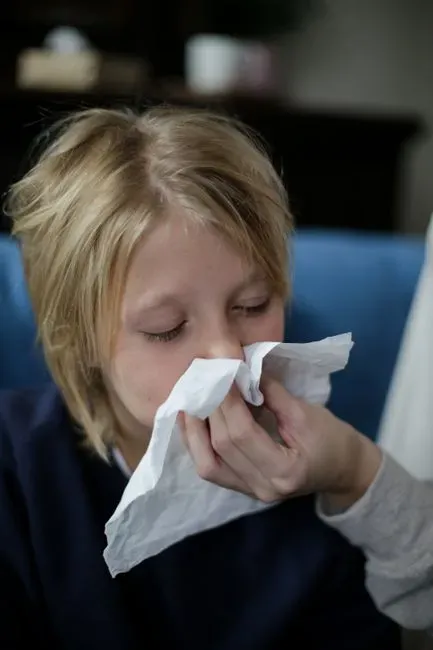
Ask people to guess how common seasonal allergies are, and most underestimate it. The federal data tells a different story than casual impressions suggest. A quarter of adults and 20% of children and adolescents in the U.S. have a diagnosed seasonal allergy, according to 2024 reports by the CDC’s National Center for Health Statistics.
Breaking that down by age reveals something doctors find particularly worth flagging: allergies are not just a childhood nuisance that people outgrow. The age range with the highest prevalence of seasonal allergies was 45 to 65 years at 27.7%, followed by 65 to 74 years at 25.5%, 6 to 11 years at 25%, 18 to 44 years at 24.3%, 12 to 17 years at 24%, 75 years and older at 21.7%, and 0 to 5 years at 11.6%. Middle-aged and older adults carry a heavier burden than the stereotype of the sneezing schoolkid suggests.
Treatment guidelines are struggling to keep pace with the new normal
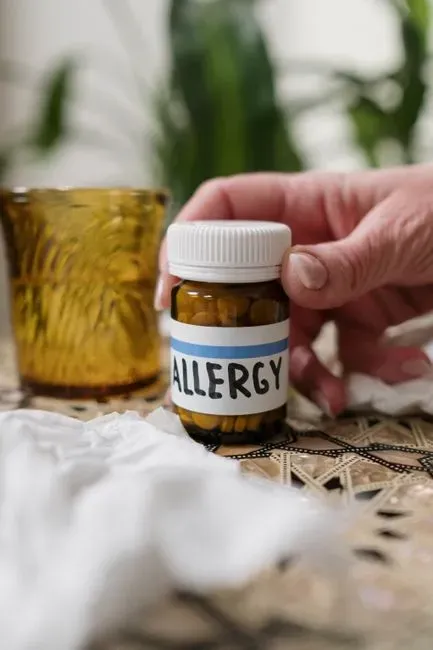
Perhaps the most practical concern raised by allergists is that clinical guidance has not caught up with how much the underlying exposure has shifted. Pollen seasons are starting earlier, lasting longer, and producing more allergen than they did when most current allergy treatments were first studied, and about 1 in 4 US adults and 1 in 5 children live with seasonal allergic rhinitis, tens of millions of people whose treatment plans were built on guidance that hasn’t been fully updated in over a decade.
That gap is starting to close. The 2026 ARIA-EAACI seasonal allergy guidelines now favor combination intranasal antihistamine plus corticosteroid sprays as first-line treatment for moderate to severe symptoms. Even so, doctors note that many patients are still following advice, and dosing habits, that predate the longer exposure windows now common in most of the country.
Emergency room visits reveal a hidden cost most people never see
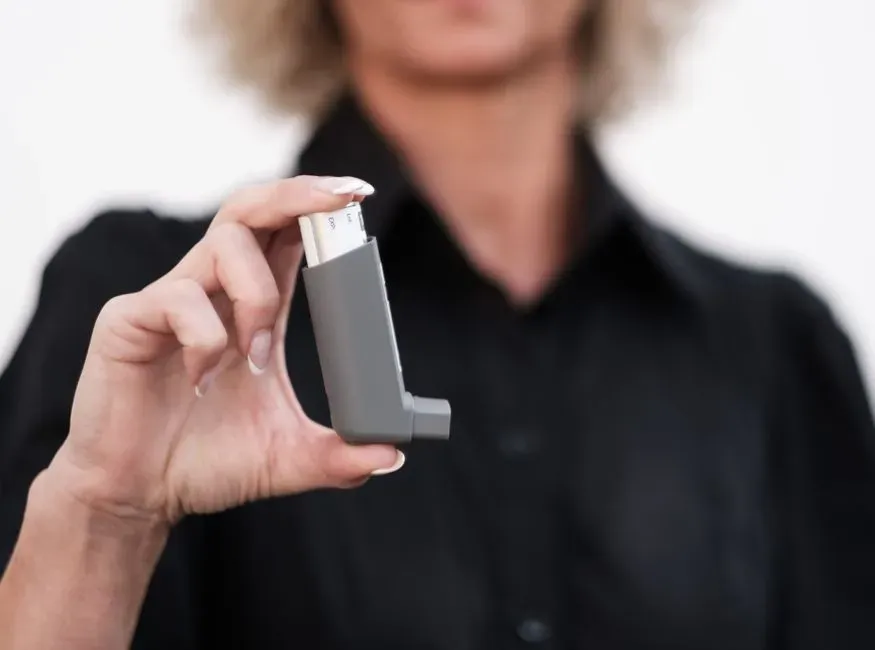
Sneezing and itchy eyes are the visible side of allergy season. The invisible side shows up in hospital records. Oak pollen exposure already leads to more than 20,000 emergency room trips in the United States each year, mostly for children younger than 18, with damages estimated at 10.4 million dollars. And that figure covers just one type of pollen from one category of tree.
Projections suggest this burden is likely to grow rather than level off. Under a severe warming scenario, researchers found that emergency room visits could increase 10 percent by 2090 in the studied regions as oak pollen seasons grow, while a moderate warming scenario would avert half of that increase. The scale of that projected increase rarely appears in seasonal allergy coverage, which tends to focus on symptom relief tips rather than system-wide strain.
Sleep, work, and daily functioning take a bigger hit than commonly acknowledged

Long before allergies land someone in an emergency room, they quietly erode quality of life in ways that are easy to dismiss as minor. A survey of allergic rhinitis patients found the toll to be considerably larger than assumed. Doctors surveyed 1,001 American adults and children with allergic rhinitis about their feelings and experiences, and the impact of the condition had been previously underestimated, the authors concluded.
The specific numbers from that research are worth sitting with. Nine out of 10 participants said allergies interfered with their sleep, with 40 percent saying symptoms interfered a lot, more than half felt irritable, frustrated, and unable to perform at their best, and they missed an average of nine or ten days of work or classes a month during allergy season. That is not a mild inconvenience. It is a recurring disruption that touches employment, education, and household routines every year.
Climate change is reshuffling which cities face the worst exposure
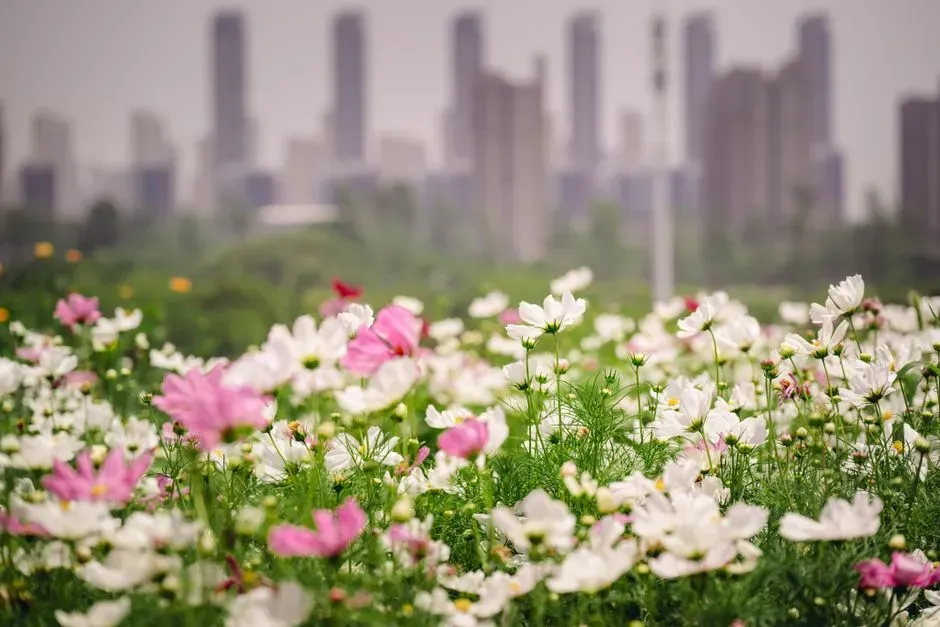
For years, the worst allergy cities clustered predictably in the Southeast. That pattern has started to break down, and not in a way that is easy to predict. The top cities in the 2026 Allergy Capitals report were all over the map instead of focused in the Southeast like in years past, with Boise, Idaho, claiming the number one spot due to higher-than-average pollen and an earlier, longer season.
Colorado Springs offers an even more dramatic illustration of how quickly rankings can shift. Colorado Springs’ jump from #84 to #15 in a single year is statistically remarkable, a 69-rank move in the wrong direction for residents, caused by tree pollen peaking earlier and higher, grass pollen lasting longer, and weed pollen starting earlier and reaching higher concentrations. Doctors in newly affected regions say patients are often unprepared, since local pharmacies and allergists have not historically stocked or planned for this level of demand.
Air pollution is making the same amount of pollen feel worse
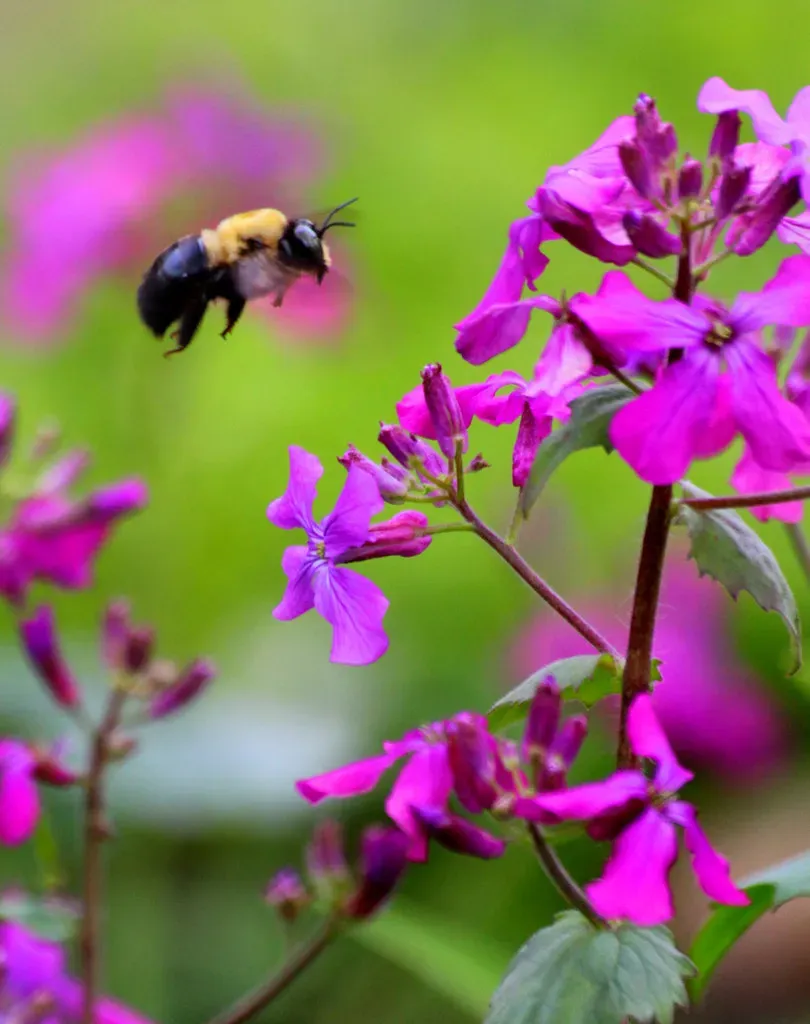 Air pollution is making the same amount of pollen feel worse (LadyDragonflyCC – >;<, Flickr, CC BY 2.0)
It is not only how much pollen is in the air. It is also what that pollen is mixed with. Air pollution can alter pollen proteins, making them more allergenic and inflammatory. That means two people breathing identical pollen counts in different cities can experience very different symptom severity depending on background air quality.
There is also a more acute weather-related risk that gets far less public attention than routine seasonal counts. A lesser-known phenomenon called thunderstorm asthma can trigger severe asthma attacks when storms break pollen grains into tiny particles that travel deep into the lungs. This is a genuine clinical concern in high-pollen regions during storm season, not a rare curiosity, and doctors say patients are rarely warned about it in advance.
Mental health effects are an underreported piece of the picture
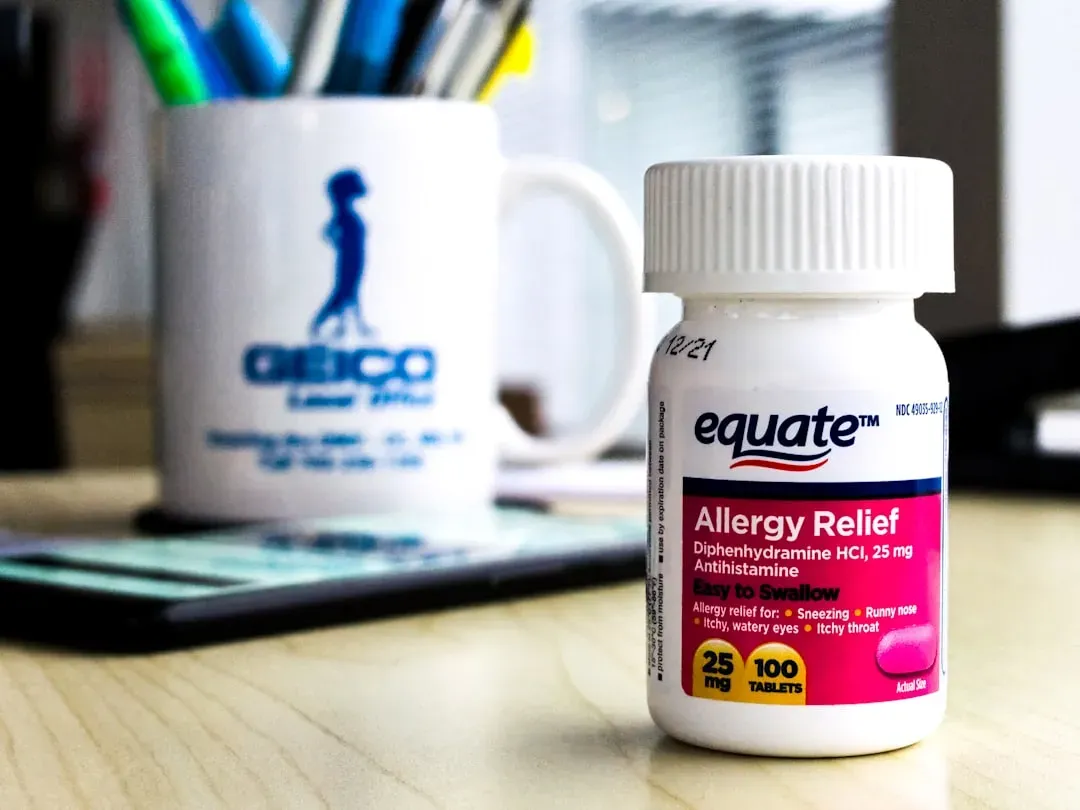
The connection between allergies and mood is one of the least discussed angles, even though the data behind it is not new. Up to 25% of people with seasonal allergies report feeling more anxious and depressed during allergy seasons, according to experts. That figure alone suggests allergy season carries a psychological cost that standard treatment conversations tend to skip over entirely.
A more specific study adds detail to that broader pattern. A study published in the Journal of Affective Disorders found that individuals suffering from allergies reported 30% higher levels of anxiety and 40% more depression symptoms than those without allergies. Allergists increasingly recommend that patients experiencing unusual irritability or low mood during peak pollen weeks consider whether their allergy management plan needs adjusting, rather than assuming the feelings are unrelated.
Final thoughts
None of this points to a single dramatic headline. It points instead to a slow accumulation of evidence, season after season, showing that allergy exposure has genuinely changed shape over the past few decades. Longer seasons, higher pollen loads, more emergency visits, and a quieter toll on sleep, work, and mental health all add up to something bigger than the sum of its parts.
Doctors are not asking for panic. They are asking for the data to be taken as seriously indoors, in clinics and public health messaging, as it clearly is outdoors in the pollen count itself.
