


Louisiana

Louisiana has become something of a cautionary tale in the insurance world. Between 2020 and 2022 alone, 11 home insurance companies in Louisiana became insolvent while 11 others, including AIG, left the state entirely. That exodus has only continued, with reporting indicating a total of 20 insurance companies have left Louisiana in the past two years.
The state’s civil courts haven’t helped its reputation either. Legal reform groups have flagged Louisiana for years over verdict sizes, though there’s some cautious optimism now. The state remains on the watch list to see how 2025 civil justice reforms impact the courts. Until those reforms prove durable, adjusters working Louisiana claims tend to move carefully, aware that a single case can spiral into a much larger legal fight than the initial damage estimate suggests.
Florida

Florida’s insurance market has been through a genuine crisis, and litigation is the biggest reason why. At one point, Florida accounted for 79% of insurance lawsuits in the U.S., and Hurricane Ian alone caused $113 billion in damage. That combination of catastrophic storm losses and an outsized share of the nation’s insurance lawsuits made the state one of the toughest places for carriers to stay profitable.
Reforms passed in recent years appear to be having an effect, and the numbers are starting to move in a better direction. Rate decreases for state-backed Citizens Insurance were announced in 2025, with a further average decrease of 8.7% expected across the state starting with spring 2026 renewals. Still, the scars from years of litigation-driven instability haven’t fully healed, and many adjusters remain cautious about how quickly claims can turn contentious in Florida courtrooms.
California
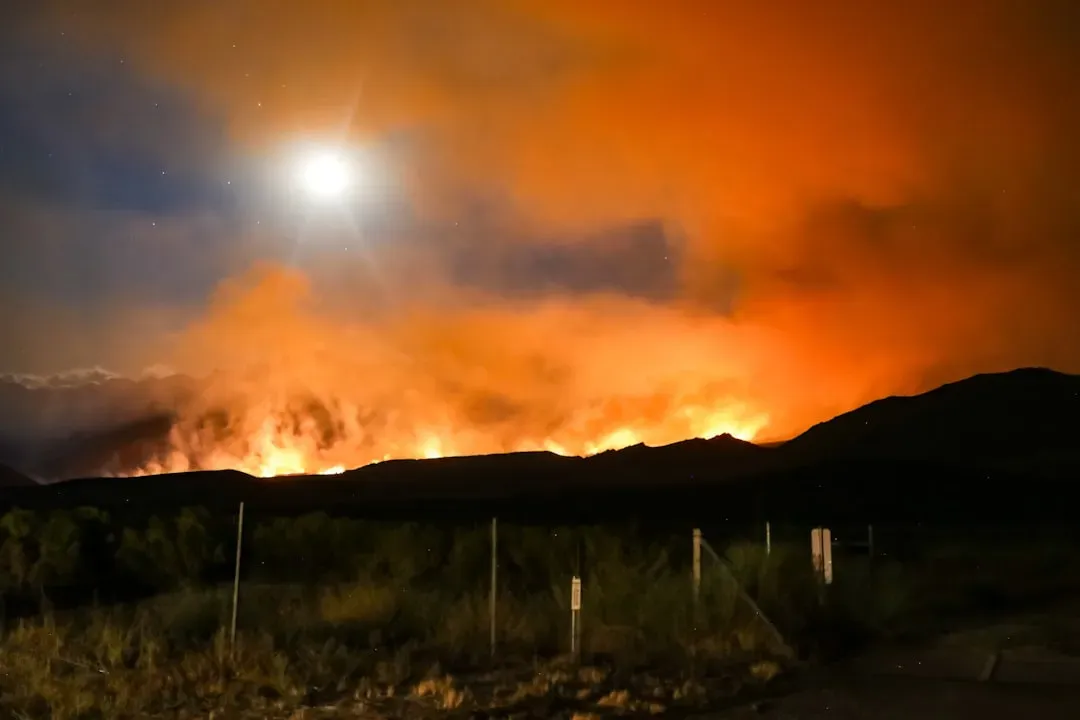
California presents a different kind of risk profile, one built around both catastrophic wildfire exposure and an increasingly aggressive legal environment. Los Angeles now holds the dubious distinction of topping the nation’s list of difficult jurisdictions. The jurisdiction separated itself as the worst of the worst in 2025, seeing an eye-popping $1 billion nuclear verdict, fraud allegations exposing abusive litigation practices, and courts entertaining novel liability theories that expand defendants’ exposure.
On top of that legal exposure, the physical risk keeps climbing too. State Farm and Allstate have stopped accepting new home insurance policies in California due to wildfires. When two of the largest insurers in the country retreat from writing new business, it signals just how carefully the remaining carriers, and their adjusters, have to tread when handling claims in the state.
New York

New York’s challenge looks less like wildfire smoke and more like a paperwork problem gone rogue. The state’s no-fault auto insurance system has become a magnet for staged accidents and inflated medical billing schemes. Staged automobile accidents are driving New York insurance premiums to staggering levels, and an analysis found New York’s personal injury protection insurance costs were more than 200% higher than New Jersey and over 500% higher than Massachusetts.
The fraud extends well beyond individual drivers filing exaggerated claims. In January 2025, Uber filed a RICO lawsuit against a law firm, alleging it conspired with other attorneys and medical providers to inflate medical bills and drain Uber’s insurance payouts. For adjusters, that environment means every claim gets an extra layer of scrutiny, since the line between a legitimate accident and a manufactured one has become harder to draw with confidence.
South Carolina
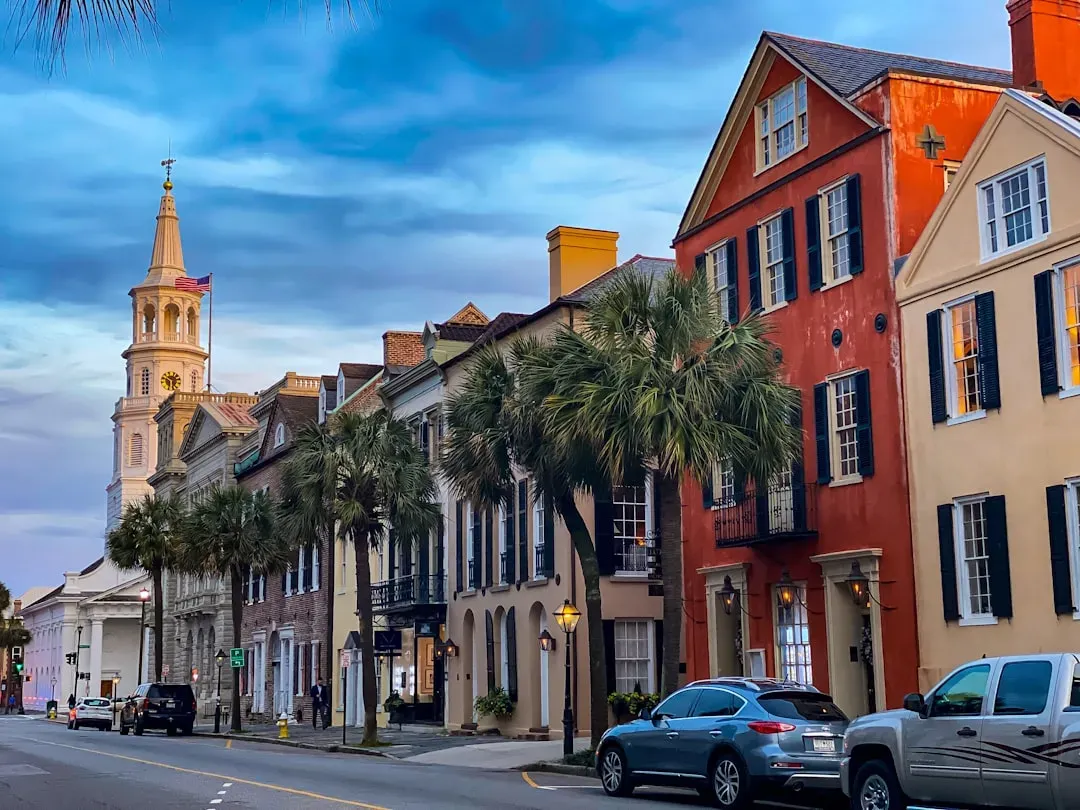
South Carolina rarely gets mentioned in the same breath as Florida or California, yet it belongs on this list for a specific reason: asbestos litigation. The state has repeatedly landed on national rankings of the most difficult jurisdictions for defendants. South Carolina Asbestos Litigation has held a spot among the nation’s most cited problem jurisdictions in recent years.
Beyond the courtroom, the state has also weathered its own version of an insurer exodus tied to catastrophe risk along the coast. More than 12 insurance carriers in South Carolina became insolvent from 2021 to 2023, while another six opted to exit the state entirely. That double pressure, aggressive litigation combined with coastal storm exposure, has made South Carolina a place where claims professionals proceed with unusual caution.
What’s Driving the Pattern
Taken together, these five states share a common thread even though the specific pressures differ. Some are dealing with climate-driven catastrophe losses that make underwriting a losing bet in certain zip codes. Others are wrestling with legal systems that plaintiffs’ attorneys have learned to navigate very effectively, producing verdicts that dwarf the original claim value.
Georgia offers an interesting counterpoint here worth noting briefly. After spending several years at or near the top of the Judicial Hellholes list, the state dropped to the Watch List after the Governor and legislature delivered a landmark legal reform package. It’s a reminder that this list isn’t permanent. States can work their way off it, and states that look stable today could slide onto it tomorrow if litigation trends or climate losses shift.
The Bottom Line for Homeowners and Drivers
None of this means people in these states are without coverage options. It does mean the process can look and feel different: slower claim reviews, more documentation requests, and a noticeably more cautious tone from the adjuster on the other end of the phone. In states with heavy litigation activity or fraud exposure, insurers train their staff to treat every file as a potential dispute long before it becomes one.
For residents, the practical takeaway is straightforward. Keep thorough records, respond to adjuster requests promptly, and understand that a slower process in these five states usually reflects systemic pressure on the insurer rather than something personal about your individual claim. The states themselves are working, with varying degrees of success, to fix the underlying problems that created this caution in the first place.
