

The grid is far older than most people realize
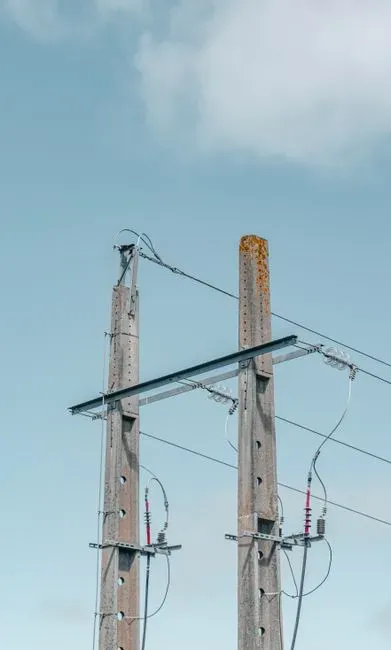
Utility companies love to talk about innovation and smart grid technology, but the physical backbone of the system tells a different story. Transformers are just one element of the aging grid, and roughly 70% of all U.S. transmission lines are over 25 years old, more than halfway through their lifespans. That’s not a minor detail. It means the majority of the wires and towers carrying electricity to homes and businesses were built before smartphones existed.
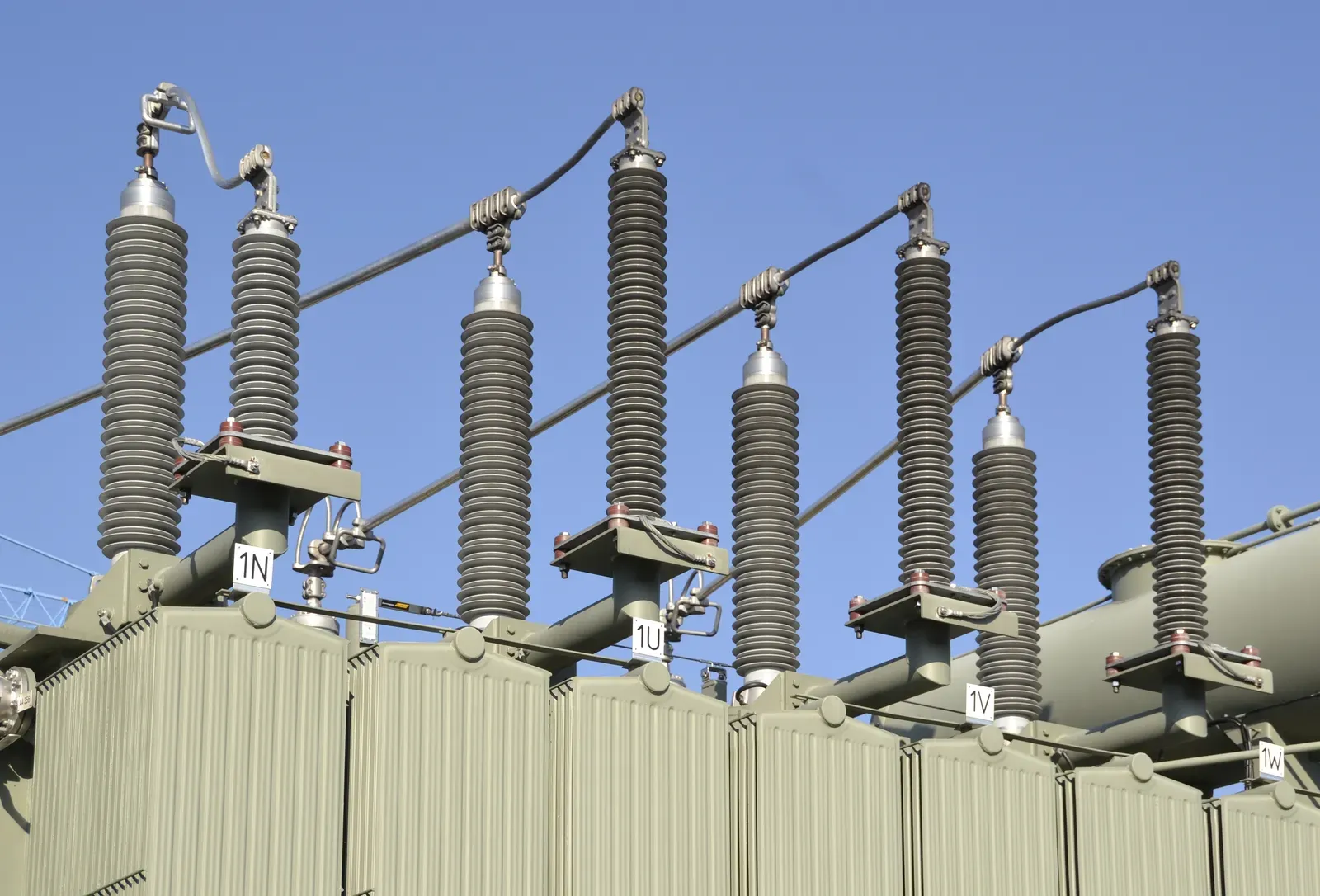
The transformer situation is arguably worse. As of 2025, 55% of U.S. transformers were more than 33 years old. Replacing them isn’t simple either, since increased electricity demand will require the United States to have 260% more transformers by 2050. Utilities rarely lead with these figures in customer communications, probably because they raise uncomfortable questions about why replacement has lagged for so long.
Data centers are quietly rewriting demand forecasts

Ask a utility spokesperson about rising rates and you’ll likely hear about inflation or storm damage. What often goes unsaid is how much artificial intelligence infrastructure is reshaping the entire demand picture. Data centers alone are expected to demand 35 gigawatts of electricity by 2030, up from 17 gigawatts in 2022, growing roughly 10% per year.
This isn’t a distant, theoretical concern. AI data centers and new factories are driving power needs that could double by 2030. Utilities are quietly renegotiating who pays for the new transmission lines and substations these facilities require, and in many cases, residential customers are footing part of that bill without a clear explanation of why their rates keep climbing.
Power plants are retiring faster than replacements arrive
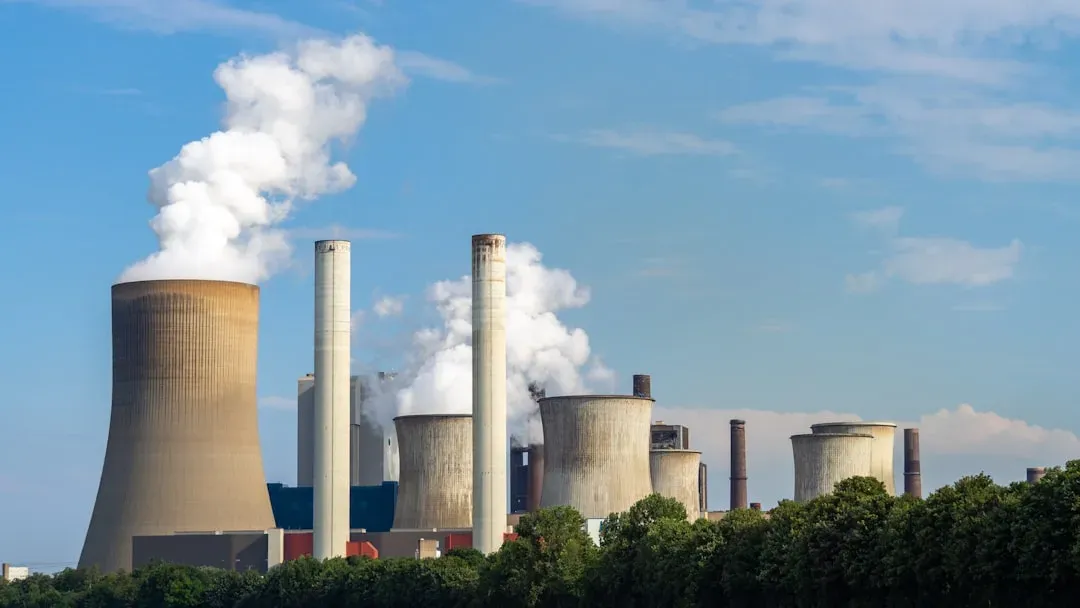
There’s a supply side to this problem that gets far less attention than it deserves. According to a Department of Energy analysis, about 104 gigawatts of steady power from coal, gas, and nuclear plants are set to close, while only 22 gigawatts of new steady power are planned to replace it. That’s a massive mismatch, and it’s happening at the same time demand is climbing.
Some utilities have quietly acknowledged the strain by delaying planned retirements. Several coal-fired plant retirements scheduled for 2025 were postponed to 2026, while approximately 1% of the operating natural gas fleet is scheduled for retirement in 2026, a combination equating to almost 11 gigawatts of utility-scale electric generating capacity. These delays rarely make headlines, but they reflect genuine anxiety about keeping the lights on during peak demand periods.
Rate hikes are funding more than just repairs
Utility companies frame rate increases almost exclusively around infrastructure needs and storm recovery. The reality is more complicated. From 2021 through the latest available 2025 filings, the electric utilities examined in one report collected more than $200 billion in net income, with approximately $186 billion in profit between 2021 and 2024 alone.
Some individual cases are striking. In February 2025, Florida Power and Light filed a petition requesting a rate increase of nearly $9 billion, the largest rate hike in U.S. history, including a request to raise the return on equity for stakeholders from 10.6 percent to 11.9 percent. Nationally, in 2025, electric and gas utilities requested nearly $31 billion in rate increases, more than double the $15 billion requested in 2024.
Outages are lasting longer, not just happening more often
Frequency gets most of the attention in outage coverage, but duration is quietly becoming the bigger story. Power outages across the United States are getting longer, according to a survey by JD Power, which cited increased frequency and severity of extreme weather events. The average length of the longest power outage has increased in all regions since 2022, from 8.1 hours to 12.8 hours by the midpoint of 2025.
The regional differences are notable too. Customers in the South reported the longest outages, averaging out at 18.2 hours, followed by the West at 12.4 hours. In South Carolina specifically, customers experienced an average of 53 hours of outages in 2024, much of it due to Hurricane Helene, which left 1.2 million customers in the state without electricity.
Weather is exposing a system never built for this climate
Utilities often describe extreme weather as an unpredictable act of nature, sidestepping the fact that the grid itself wasn’t engineered for current conditions. The nation’s electrical grid wasn’t built for the present day climate, since electricity is mostly transmitted through above ground transformers, transmission wires, and utility poles exposed to high winds, heavy rain, ice, lightning, and extreme heat. That vulnerability shows up consistently in the data.
The trend has been building for years. From 2000 to 2023, about 80% of major power outages in the U.S. were due to weather events, and the number of such outages in the last decade was double that of the first decade of the century. A regional study of the Midwest found something even starker: in reviewing the 100 worst power outage days in the central United States between 2014 and 2024, researchers found that 100% were caused by extreme weather.
Substations are becoming targets, physical and digital
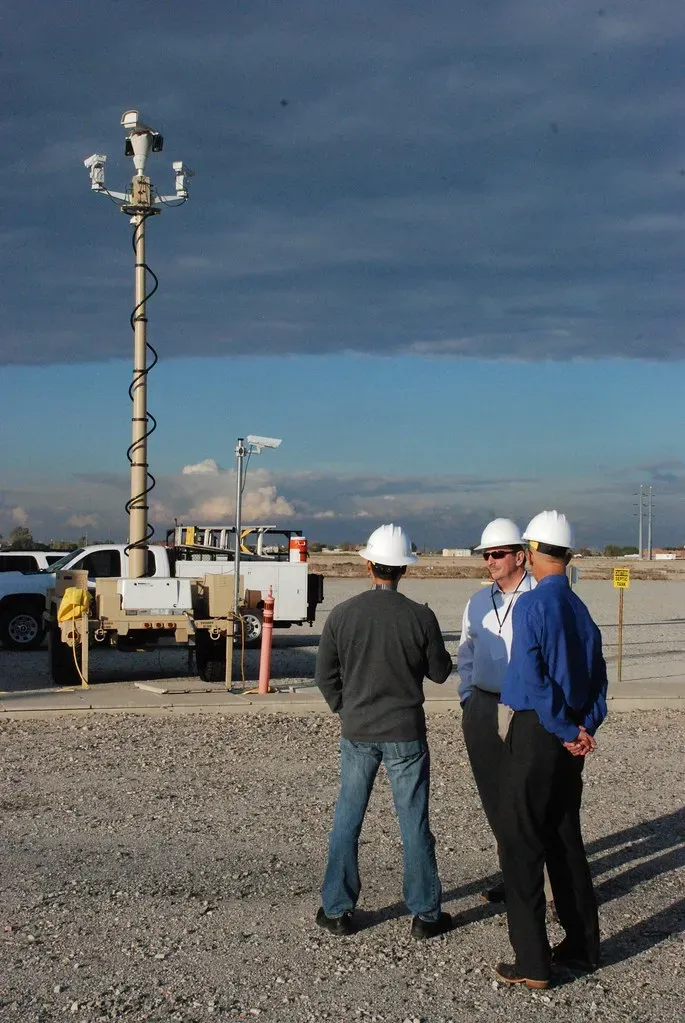
Security threats to the grid rarely surface in utility customer newsletters, yet the trend lines are hard to ignore. There’s been a significant rise in substation attacks, up 50% in 2023 from just 23% in 2021, making clear that attackers don’t distinguish between physical and digital entry points, even though many utilities still do. That organizational gap between physical and cyber security teams is itself part of the problem.
The scale of digital threats has grown just as sharply. In 2024, Check Point Research documented 1,162 cyberattacks on utilities, a 70 percent increase compared with the same period in the prior year. Meanwhile, there were 220 physical security intrusions in the Western Interconnection reported to the Department of Energy in 2024, more than double the number reported in 2023.
The investment gap is bigger than utilities admit
When utilities discuss infrastructure spending, the figures often sound impressive in isolation. Compared to what’s actually needed, they fall short. Despite federal funding through 2026 to modernize the electric grid, the sector still faces a $578 billion investment gap. That gap doesn’t close on its own, and it tends to get passed along to ratepayers in installments.
Looking further ahead, the scale grows even larger. Globally, about $5.8 trillion is forecast for grid upgrades between 2026 and 2035, with the U.S. alone expecting investments of about $1 trillion over the coming decade. Utilities rarely frame rate hikes as installments toward that trillion dollar figure, even though that’s effectively what’s happening.
Permitting delays are quietly slowing every fix
Even when utilities want to build faster, the approval process itself has become a bottleneck that gets little public attention. Policies and permits are key to success, and while governments are pushing modernization, long siting and approval timelines can slow progress and affect costs for consumers. New transmission corridors, in particular, face years of regulatory review before a single pole goes up.
This delay compounds every other issue on this list. Aging equipment stays in service longer than planned, renewable integration projects stall waiting for interconnection approval, and hardening projects meant to withstand the next storm season sit in queues. Utilities acknowledge the permitting problem in policy testimony far more openly than they do in customer facing messaging.
Federal officials are warning about a much steeper risk curve
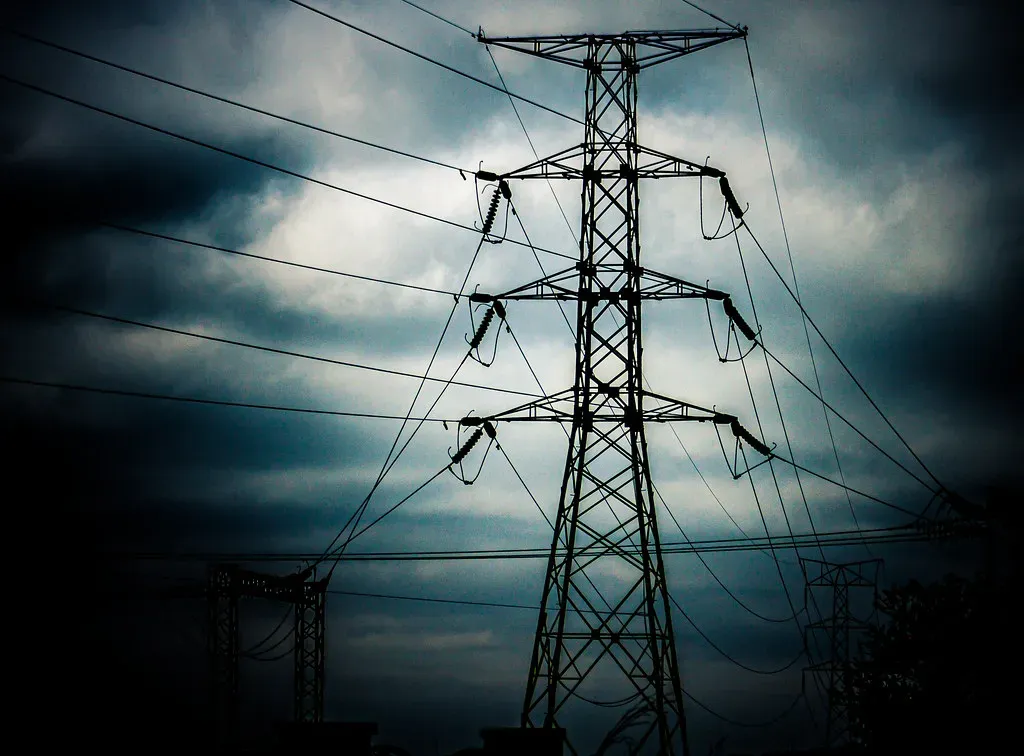
Perhaps the most striking admission hasn’t come from utilities themselves, but from federal regulators reviewing the system they oversee. A July 2025 report from the Department of Energy carried a serious warning, stating that blackout hours could increase 100 times by 2030. That’s not a minor caveat buried in a footnote. It’s a projection suggesting the current trajectory is unsustainable without significant intervention.
The Department’s broader assessment echoed that concern directly. The key finding was that the current approach to grid planning is no longer sustainable and changes are needed to meet the projected demand growth. Utilities have been far quieter about this specific projection than about their own modernization announcements, even though it came from the same regulatory ecosystem they operate within.
Final thoughts