

1. The old risk models stopped working years ago
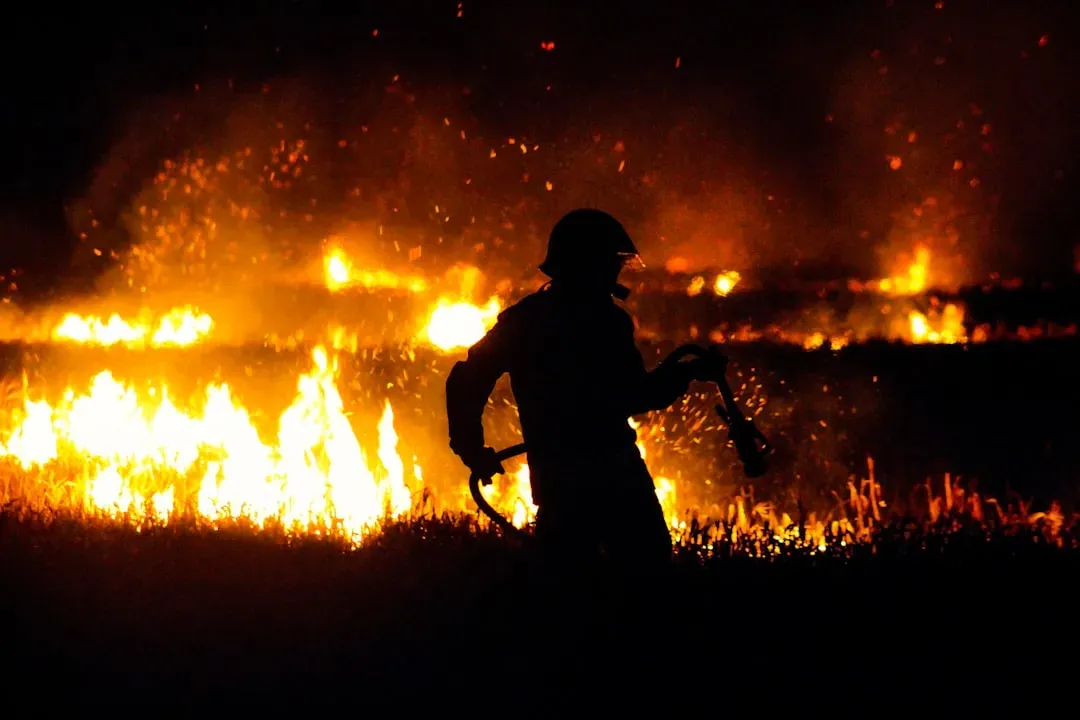
For decades, insurers priced catastrophe risk using historical loss data, essentially betting that the next twenty years would resemble the last twenty. That assumption has broken down. Insurers have pushed regulators, including in California, to let them use forward-looking probabilistic catastrophe models instead of relying only on historical data, precisely because insurers argued that the growing risks of wildfire due to climate change warranted the use of probabilistic modeling for the catastrophe load or portion of the rate as opposed to relying on past experience.
That’s a quiet admission that the past is no longer a reliable guide. Adjusters who’ve worked wildfire and hurricane claims for fifteen or twenty years will tell you the same thing in less technical terms: the losses they’re seeing now simply don’t match the frequency or severity written into the actuarial tables they trained on.
2. Nonrenewal, not price, is the industry’s real lever

Rate hikes get headlines, but nonrenewal is the quieter and more consequential tool. In one five-year stretch, insurers canceled nearly 2 million homeowner’s policies in the face of rising climate risks, over four times the number that would normally be expected in a year. Many homeowners never see it coming until the letter arrives.
Data on nonrenewal patterns backs this up directly. Analysts have found that areas facing greater wildfire and hurricane threats had higher nonrenewal rates in recent years, with more than 30,000 policies nonrenewed since 2018 in parts of California at extreme fire risk. Adjusters process the claims that come before those nonrenewals, and they’re often the first to notice when a neighborhood’s loss ratio starts climbing toward the threshold that triggers an exit.
3. Some zip codes are already functionally uninsurable
Executives rarely use the word “uninsurable” in public testimony, but the behavior of major carriers says otherwise. State Farm stopped underwriting new residential property in California, and the company plans to cut a million existing policies by 2028, according to reporting cited in recent climate-finance research. In addition to halting new policies in California, State Farm intends to cut 1 million existing plans by 2028.
Federal Reserve Chair Jerome Powell has been unusually direct about where this trend leads. He told lawmakers that “if you fast-forward 10 or 15 years, there are going to be regions of the country where you can’t get a mortgage.” Adjusters working those same regions today describe communities where finding any private carrier willing to write a new policy has already become close to impossible.
4. Reinsurance costs are the real number driving your premium

Homeowners tend to assume their rate reflects the risk to their specific house. In practice, a huge share of the increase traces back to what insurers themselves pay for reinsurance, essentially insurance for insurance companies. The amount of money insurers have paid out when extreme weather damages or destroys property has grown by between 5% and 7% annually in recent years, and if that trend holds, the industry will face close to $145 billion of insured losses globally in 2025, according to the reinsurer Swiss Re.
Reinsurance markets price risk globally and adjust fast when catastrophe losses spike anywhere in the world. That’s part of why premiums in a quiet Midwestern suburb can jump even without a single major local disaster, a dynamic adjusters see reflected in pricing memos long before customers hear an explanation.
5. Rebuilding costs matter almost as much as the disaster itself
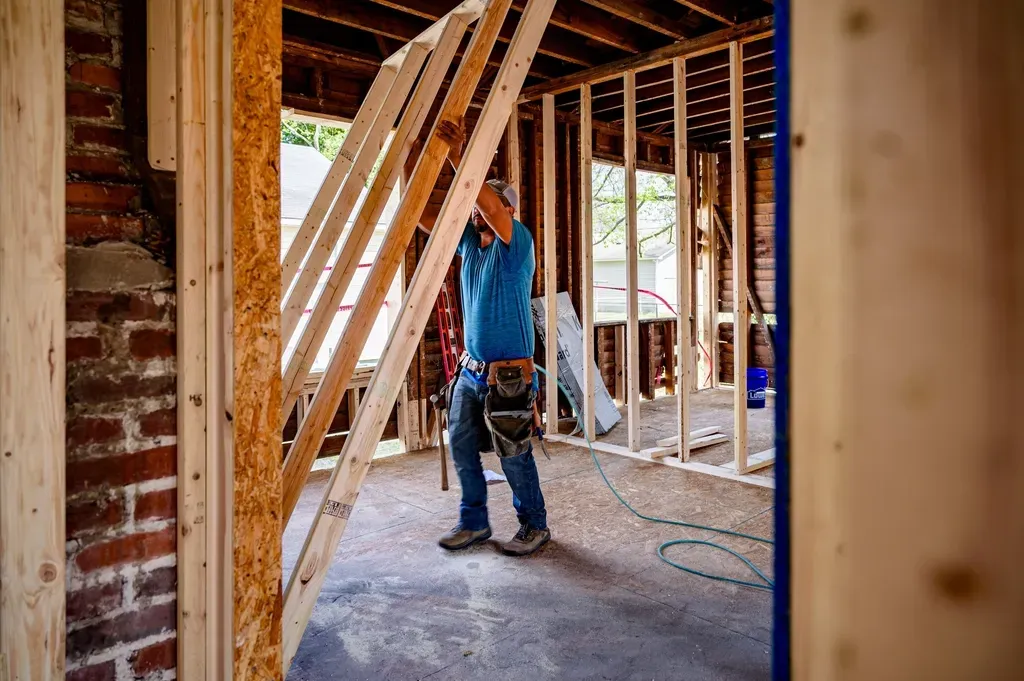
Climate-driven disasters get the attention, but the cost of rebuilding afterward is its own separate driver of the crisis. As one recent analysis put it plainly, when homes get damaged or destroyed, inflation has made it more expensive to rebuild. Add in an aging housing stock, and the math gets worse.
The average American home is decades old and wasn’t built with today’s fire or wind codes in mind. Damage to homes from extreme weather events may be exacerbated by an aging housing stock, as the average age of a home in the United States is 40 years old, according to the U.S. Census Bureau, and many of these homes may be less resilient to certain threats, such as wildfires. Adjusters see this firsthand every time an older roof or outdated electrical system turns a moderate storm into a total-loss claim.
6. Public plans of last resort are quietly absorbing the risk private insurers won’t
When private carriers pull back, homeowners don’t simply go without coverage, they shift to state-run FAIR plans, which were never designed to carry this much weight. California’s version of that program has grown enormously in just a few years. The California FAIR Plan had 140,000 policyholders in 2018, and since then, the Plan has more than tripled in size, with over 610,000 policies in force as of June 2025, 97% of which were home-insurance policies.
That growth isn’t a sign of a healthy backstop, it’s a sign of a private market in retreat. Regulators have already had to respond to the strain directly, and in February 2025, California regulators approved a $1 billion assessment by the FAIR plan on insurers operating in the state, a cost that eventually flows back toward policyholders regardless of whether they personally filed a claim.
7. Mitigation upgrades rarely pay off the way homeowners expect

Insurers love to talk about resilience discounts for fire-resistant landscaping or storm-proofed roofs, and those programs are real. The trouble is the discount often doesn’t match the investment, and it means nothing if it doesn’t affect the underwriting decision itself. As one housing researcher put it, the savings are often small, and if insurers don’t consider what homeowners have done to protect their property when they’re deciding whether to write or renew coverage, “the discount doesn’t help you.”
There are exceptions worth noting. A homeowners association in the Sierra Nevada convinced an insurer to write coverage after demonstrating that forest thinning and prescribed burns reduced risk, a rare case where mitigation actually moved underwriting, though even that arrangement covers only the association’s forested and recreational land, not homes, and it’s still “incredibly challenging” for residents to secure coverage for the properties themselves.
8. Industry trade groups downplay in public what firms plan around in private
This is perhaps the most striking gap of all. Internally, insurers build entire pricing strategies around escalating climate losses. Publicly, their trade associations have pushed back hard against new climate-risk supervision, with one global review finding that most industry groups “downplayed the systemic risk climate change poses to the insurance industry and suggested that additional risk is unnecessary,” according to InfluenceMap’s analysis of consultation responses.
One trade group went as far as arguing that catastrophic events are too rare to justify structural change, stating that “these events occur reasonably rarely, so it would be a waste of resources to scale up permanently waiting for the next one to occur.” Adjusters, who file the claims after each of those supposedly rare events, tend to find that framing hard to square with what’s sitting in their inbox every storm season.
The pattern across all eight points is consistent: the industry’s internal risk assessments and business decisions have moved well ahead of its public messaging. Rates, nonrenewals, and underwriting rules already reflect a harsher view of climate risk than most official statements admit to. For homeowners, the practical takeaway isn’t complicated. Pay attention to what carriers are doing in your zip code, not just what they’re saying in a press release, because the adjusters processing the claims already know which one to trust.
- Insurers Ranked Every State by Climate Risk – This One Came in Dead Last - August 18, 2026
- I Asked 3 Water Engineers How Bad the Next Drought Will Be – Their Answers Didn’t Match - August 18, 2026
- The Real Reason Some Cities Are Becoming Unlivable in Summer – And It’s Not Just Heat - August 18, 2026
