


- Phantom Energy Sucking Power 24/7 – 7 Home Electronics Quietly Inflating Utility Bills - November 14, 2026
- A Million-Mile Storm Raging for Centuries – 6 Violent Weather Wonders in Our System - November 14, 2026
- Animals Flee Hours Before the Tremor – 7 Natural Warnings Before Disasters Strike - November 14, 2026
The assumption everyone makes about air conditioning

The widespread belief goes something like this: if a home has an air conditioner, the people inside are protected from heat related death. It treats AC ownership as a kind of insurance policy, something that either exists in a household or doesn’t. Public health messaging often reinforces this by focusing almost entirely on access, urging people to get a unit installed before summer arrives.
The trouble is that having a machine in the window or a vent in the ceiling doesn’t guarantee it’s doing anything. Most who die from heat-related illness do not have or use AC and are exposed to heat in their homes. That single detail, buried in a New York City health advisory, quietly upends the simple story most people carry around in their heads.
What actually happens inside homes during heat waves
Public health researchers who study heat deaths keep running into the same uncomfortable fact. “Many people who die of extreme heat die inside their homes,” Jaime Madrigano, a public health researcher with Johns Hopkins University, has explained, adding that many of those people are not adequately running air conditioning when they succumb. That distinction between owning and running matters enormously.
Madrigano’s team has been tracking indoor conditions directly rather than relying on assumptions. Very blunt preliminary data showed that even with air conditioning, many people are not able to maintain a comfortable temperature in their home environment, with a fourth of participants recording inside temperatures well over 80 degrees Fahrenheit. A unit sitting quietly in a window while the room bakes does nothing for anyone.
Phoenix’s uncooled deaths: a case study in false security
Maricopa County, Arizona, home to Phoenix, keeps some of the most detailed heat mortality records in the country, and its numbers are blunt. In Arizona’s Maricopa County, home to Phoenix, 156 of 645 heat-related deaths in a recent year occurred indoors in uncooled environments. That’s not a small side note. It’s roughly a quarter of all heat deaths in one of the hottest metro areas in America, happening indoors, where people were supposed to be safe.
The explanation isn’t usually that these homes lacked cooling equipment entirely. In most cases, a unit was present but was not working, was without electricity, or was turned off, according to public health officials. Mobile home residents face particular exposure here, since their housing heats up faster and retains less protection from outside temperatures.
New York City’s numbers tell the same story
New York City’s health department has tracked heat stress deaths for years, and its 2025 report echoes what Phoenix found. Of people exposed to dangerous heat at home, about a quarter had an electric fan present and on, indicating that using an electric fan without an AC cannot always prevent death during extreme heat for people who are at highest heat risk. Fans get treated as a cheap substitute, but the data suggests that substitution often fails the people who need protection most.
Earlier NYC reports found something even starker among people who died from heat stress at home. Among New Yorkers who were exposed in homes, and for whom there was information about the presence or absence of an AC, none had or were using AC. That’s not a gap in access alone. It reflects a pattern where the people most vulnerable to heat are also the least likely to be running cooling equipment when it counts.
Money, not access, is often the real barrier
Owning an air conditioner and being able to afford running it are two very different things. Air conditioning is the most effective protection during a heat wave, but owning and using AC can be a financial burden. Electric bills spike dramatically during heat waves, and for households already stretched thin, the choice between cooling and other essentials is real.
Barriers extend beyond the cost of electricity itself. Some barriers to adequate air conditioning include poorly functioning units and financial constraints that make it difficult to pay utility bills. A broken compressor that never gets repaired, or a bill that goes unpaid until service is cut, produces the exact same outcome as never having owned a unit at all.
Fans: the backup plan that isn’t enough
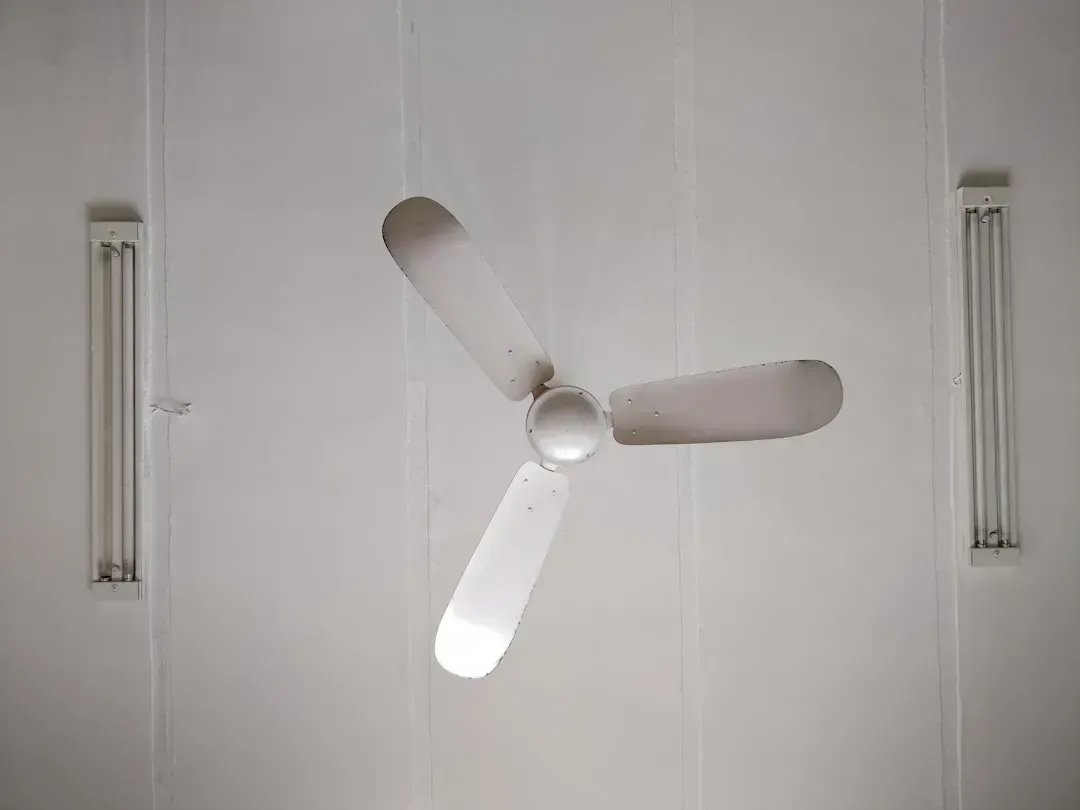
Fans feel like a reasonable middle ground when air conditioning isn’t available or affordable, and for moderate heat they can genuinely help by moving air across the skin. The problem is physics catches up once temperatures climb high enough. Research summarizing this threshold effect notes that fans work by enhancing evaporative cooling from the skin surface, which requires the air moving across the skin be below body temperature, and when air temperature exceeds roughly 95 to 98°F, a fan moves hot air across the skin and can increase heat gain rather than cooling.
This is precisely why fan ownership shows up so often in mortality data without actually preventing deaths. A fan running in a room that has already reached body temperature or higher isn’t cooling anyone. It’s just circulating dangerous air more efficiently, which explains why health officials increasingly frame fans as a supplement to AC rather than a replacement for it.
Nursing homes and other congregate care settings

Older adults in long term care face some of the sharpest consequences of gaps in cooling, and a large 2025 study in JAMA Internal Medicine put hard numbers on it. This case-crossover study of 73,578 resident deaths from 2010 to 2023 found that extreme heat was associated with significantly increased odds of mortality in nursing homes without AC compared to those with AC, with odds ratios of 1.11 versus 1.03 respectively. The gap is smaller than intuition might suggest, but it’s consistent and measurable across more than a decade of records.
Modeling what would happen with universal coverage produced a striking figure. If an AC mandate had been implemented in 2010, it would have been associated with 131 fewer deaths on extreme heat days across the 336 homes studied. That’s a meaningful number of lives tied directly to a policy choice about equipment, not just individual behavior.
Race and inequality shape who survives

Heat death data consistently shows that risk isn’t distributed evenly across a city or a country. Air conditioning access differs across race and class, and Black New Yorkers and low-income New Yorkers are less likely to own or use an AC during hot weather because of the cost. New York’s own health advisory is direct about the underlying cause of this pattern.
The department has explicitly named the mechanism behind these disparities rather than treating them as incidental. Structural racism acts through multiple pathways to place Black New Yorkers at greater risk, with a heat stress death rate twice that of White New Yorkers. Framing heat death purely as an individual failure to buy a unit ignores decades of housing policy, income disparity, and neighborhood investment that shape who can actually afford to stay cool.
The paradox: AC itself contributes to outdoor heat
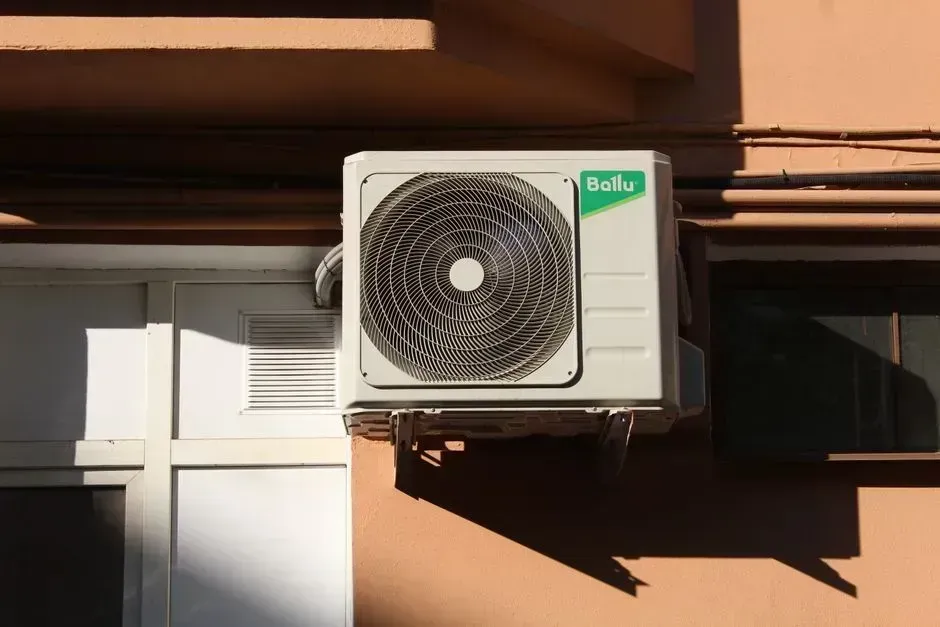
Here’s a wrinkle that rarely makes it into casual conversation about staying cool. Air conditioners cool the inside of a building by pumping heat outside, which means widespread AC use actually raises outdoor temperatures in cities, a phenomenon researchers in Japan quantified directly. Anthropogenic heat from AC use slightly augmented daily urban temperatures by 0.046°C in the 2000s, rising to as much as 0.181°C under future warming scenarios, and this temperature rise was attributable to roughly 3 to 3.5 percent of heat-related deaths.
Even accounting for that tradeoff, the same research found the net effect of AC still strongly favors survival. About 36 to 47 percent of heat-related deaths could be averted by air conditioning use under various urban warming scenarios. The takeaway isn’t that AC backfires. It’s that treating it as a simple, cost-free fix skips over real complications that city planners and public health officials now have to weigh.
What actually works: policy and behavior change
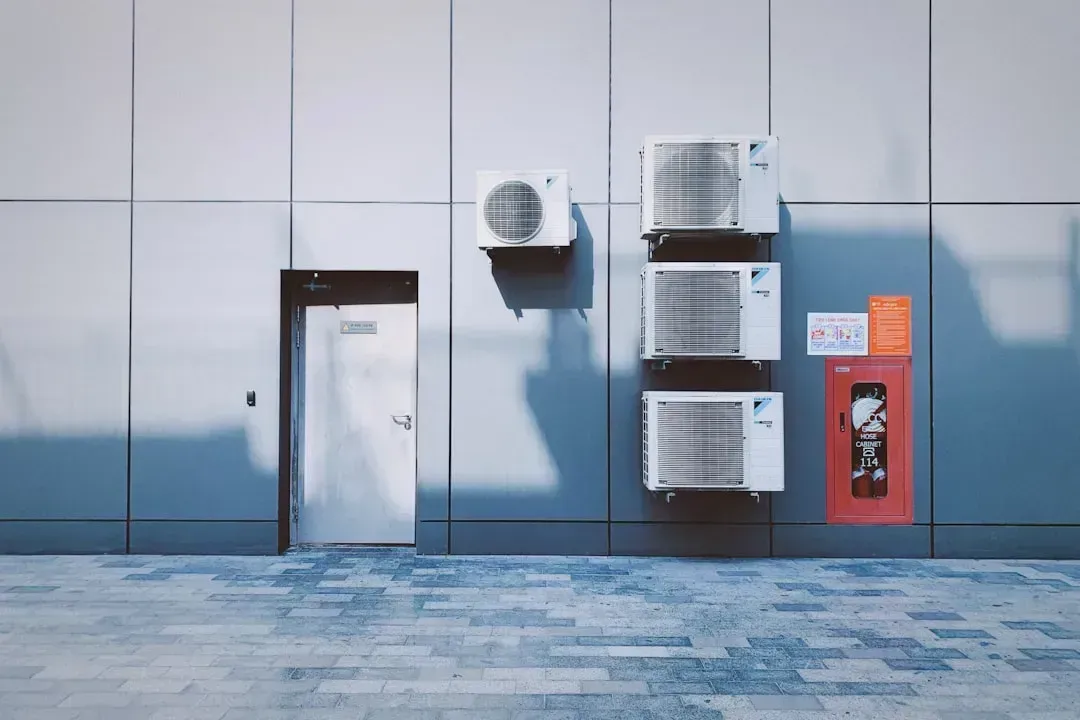
Historical data makes clear that air conditioning, when actually used, is genuinely one of the most powerful tools against heat mortality ever developed. Research by Alan Barreca and colleagues looking at heat mortality rates over the twentieth century found that the mortality impact of very hot days fell by 75 percent, most of it after 1960, as households adopted air conditioning. That’s an extraordinary drop, and it’s real.
The gap isn’t between homes with AC and homes without it in the abstract. It’s between AC that’s running, affordable, and functional, and AC that exists on paper but sits idle for reasons ranging from a broken unit to a bill nobody could pay. Programs that subsidize both the equipment and the electricity bill, along with simple interventions like checking in on neighbors during heat waves, address the actual gap far better than distributing units alone ever could.
