
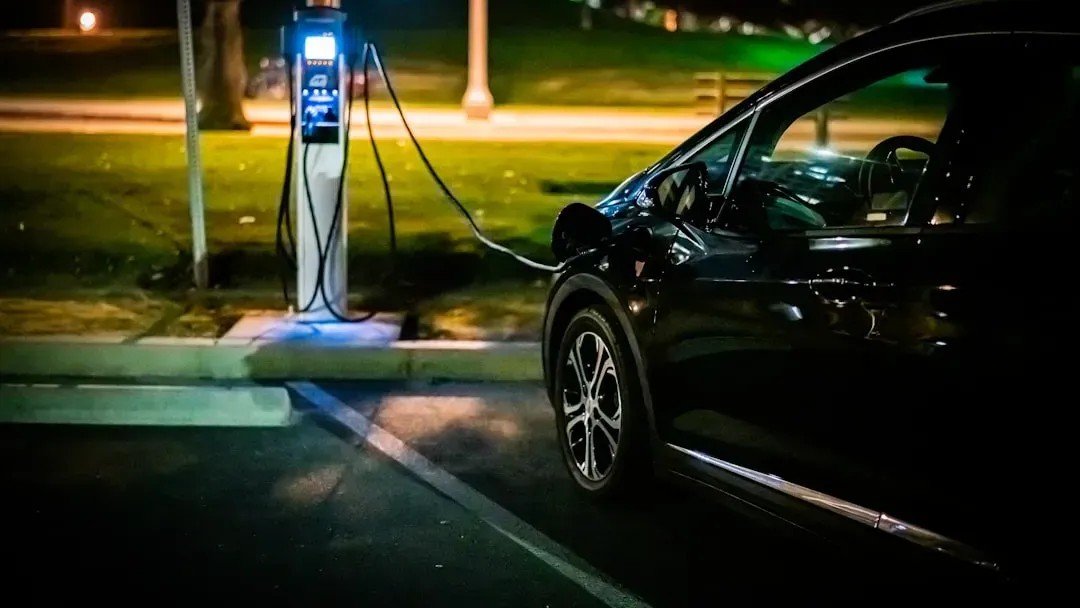
Electric vehicles have arrived at the center of the global conversation about climate and transportation. Sales records keep falling, government pledges keep multiplying, and the headlines stay largely celebratory. Electric car sales exceeded 17 million globally in 2024, reaching a sales share of more than 20%. That is a genuine milestone worth acknowledging.
Yet behind the momentum, a set of quieter, more complicated problems is building. These are not arguments against the EV transition. They are honest complications that deserve more airtime than they typically get, because ignoring them doesn’t make them go away.
The Battery Mining Problem Nobody Likes to Advertise

Electric vehicles are sometimes called “zero-emission vehicles.” The batteries that go into them are not zero-emission at all. The raw materials required, particularly lithium, cobalt, and nickel, must be extracted from the earth through processes that carry significant environmental costs. The environmental impacts of lithium and cobalt mining, though lower than fossil fuel production, include energy-intensive extraction methods that result in pollution, land degradation, and potential groundwater contamination.
The South American Lithium Triangle consisting of Chile, Argentina, and Bolivia has experienced heavy water depletion due to intensive lithium extraction in the area. In Chile alone, roughly two-thirds of the region’s water was used for lithium extraction. Cobalt mine sites often contain sulfur, which generates sulfuric acid when exposed to air and water, infiltrating rivers, streams, and aquatic life. These are not theoretical future risks. They are active problems today.
The Human Cost Buried in the Supply Chain

Child labor is being used in the Congo to mine cobalt, and roughly four in five industrial cobalt mines in the DRC are owned or financed by Chinese companies. This is a dimension of the EV boom that rarely appears in manufacturer marketing materials or government transition plans. The clean car on a showroom floor connects to a supply chain that, in some cases, reaches back to deeply troubling labor conditions.
About 40 percent of the carbon footprint of an EV battery comes from the mining, conversion, and refining of active materials where nickel, manganese, cobalt, and lithium are processed into cathode powder. So the environmental debt is front-loaded, incurred before the vehicle has driven a single kilometer. Electric vehicle batteries require mining natural resources, processing them, and manufacturing the materials into batteries, which is energy intensive – roughly three times more energy intensive than the batteries in internal combustion vehicles.
A Charging Infrastructure That Still Hasn’t Caught Up
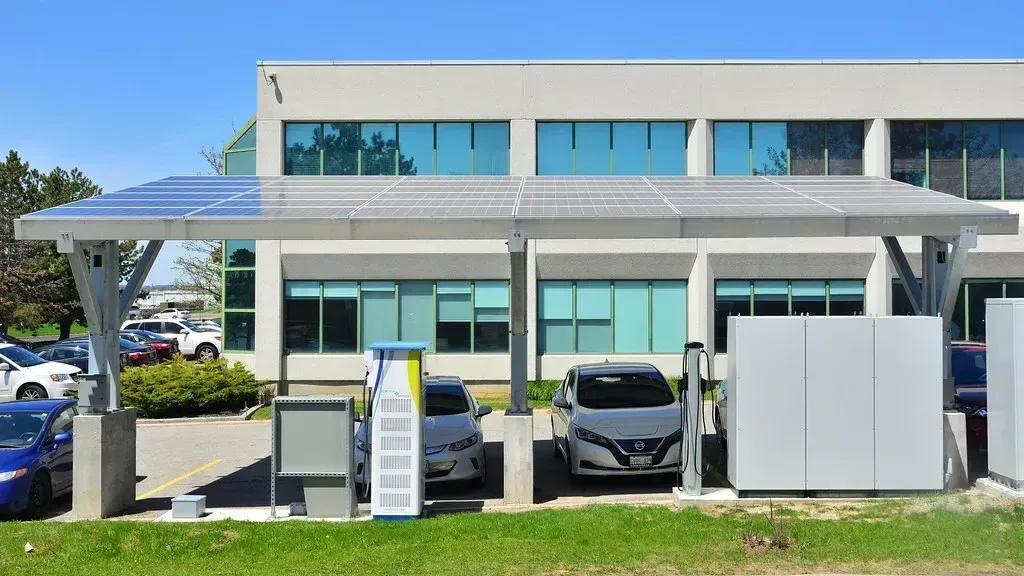
In both the United States and United Kingdom, which have higher rates of access to home chargers than China, public charger build-out has not kept pace with EV deployment, and the number of electric light-duty vehicles per public charging point has increased. In Europe, over three-quarters of all highways have a fast-charging station at least every 50 kilometers, compared with less than half of US highways. The gap is real and it’s slowing mainstream adoption.
Globally, public charging capacity for light-duty EVs would need to grow by almost ninefold by 2030 to support EV sales implied by stated government policies. That’s an extraordinary amount of infrastructure to build in less than a decade. Megawatt chargers impose significant loads on grids, often requiring upgrades that could significantly slow down or limit deployment, and are more expensive than fast chargers, which could result in higher charging prices for consumers.
The Strain on an Aging Electrical Grid
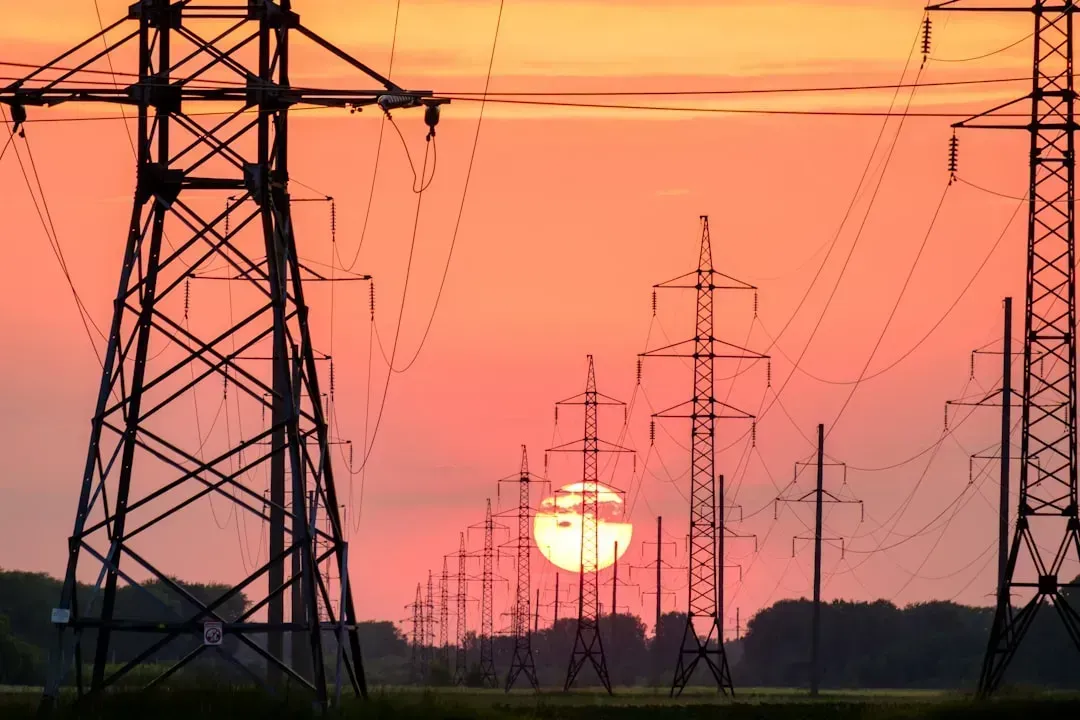
Home EV charging is straining old grid infrastructure, requiring urgent upgrades. This is a challenge that often gets glossed over in the excitement about electrification. The increasing widespread adoption of EVs poses significant challenges for local distribution grids, many of which were not designed to accommodate the heightened and irregular power demands of EV charging. Components such as transformers and distribution networks may experience overload, voltage imbalances, and congestion, particularly during peak periods.
Modeling studies suggest that only about 7 percent of distribution feeders may be overloaded by EVs in 2025, but that figure is projected to grow to 27 percent by 2030 and roughly half of all feeders by 2035. Domestic charging makes up 85% of all EV installations and will likely remain dominant throughout the decade, which means the stress falls primarily on residential grid infrastructure that wasn’t built for this purpose.
Battery Replacement Anxiety and the Real Cost of Ownership
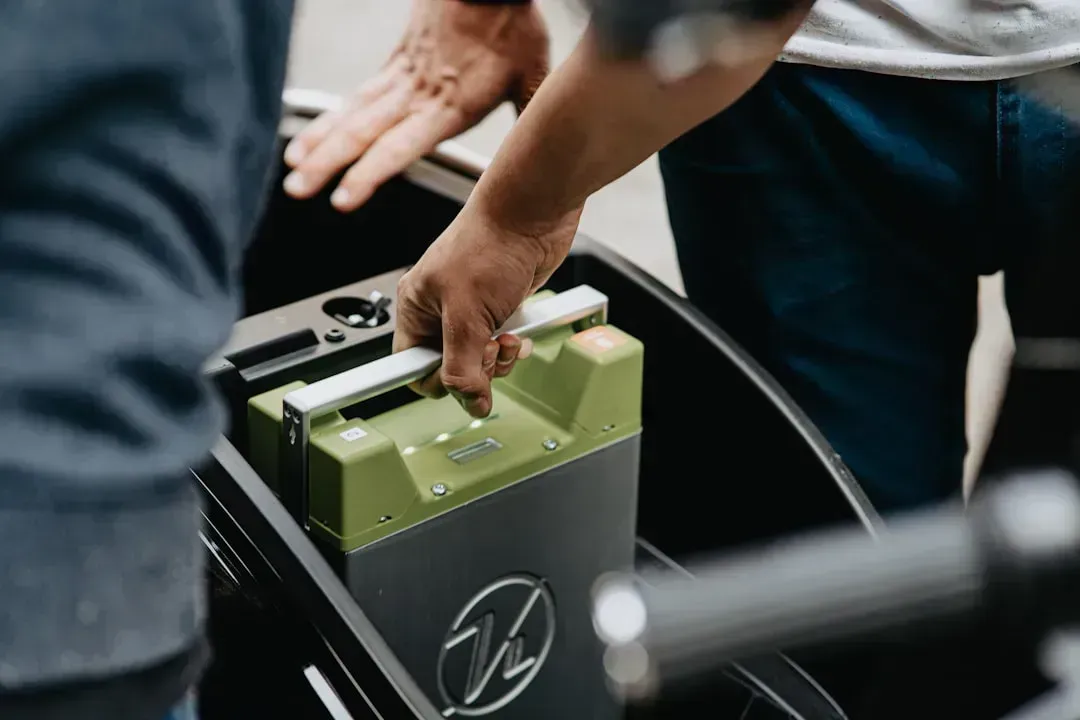
Despite the terms of battery warranty coverage, concerns over the costs of replacing EV batteries persist. In previous AAA surveys, more than half of respondents expressed concerns about battery replacement costs. Those concerns aren’t entirely irrational. A battery replacement can cost tens of thousands of dollars, and while the situation is improving, it remains a meaningful financial risk for owners of older vehicles.
In the early ownership years, when cars lose their value most rapidly, battery electric vehicles typically depreciate by two to six percentage points more annually than internal combustion engine vehicles. Depreciation could accelerate in the near term before improving. Freezing temperatures can reduce EV range by roughly a third, adding further unpredictability for drivers in colder climates who are already calculating whether an EV fits their lifestyle.
The Affordability Gap That Excludes Most Buyers
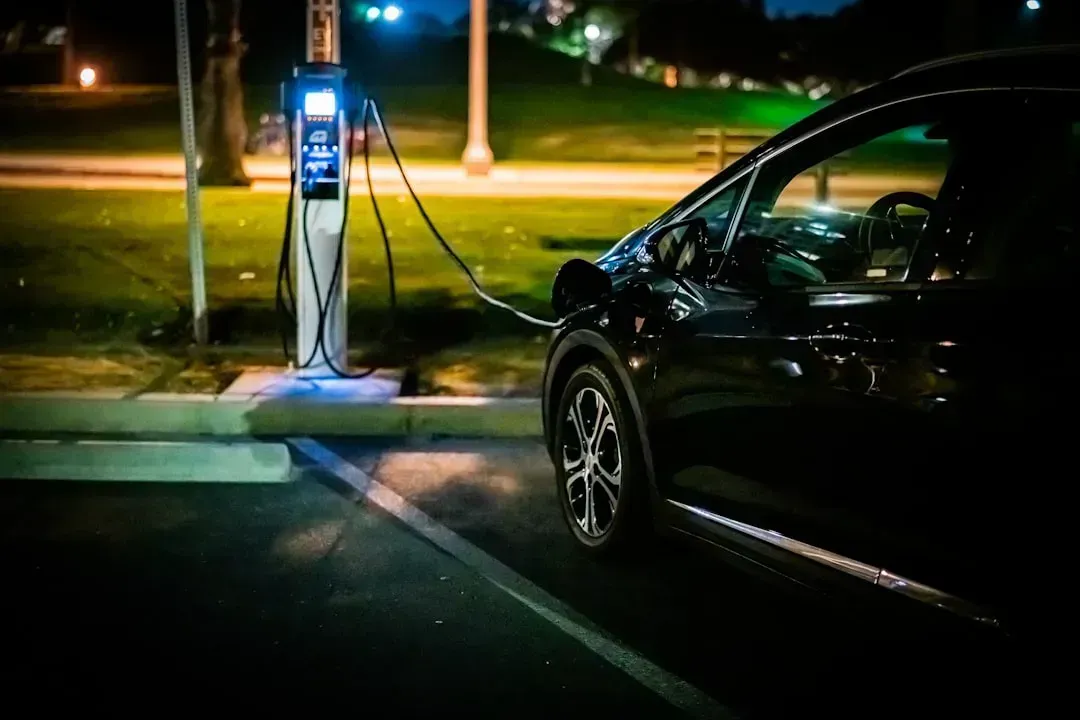
In 2025, the average price of an electric vehicle in the United States ranged from $56,000 to $62,000, while in Europe it ranges between roughly €47,000 and €53,000. Those are not middle-class numbers in most households. The EV transition, as currently structured in Western markets, is largely a transition for people who can already afford new cars at a premium price point.
Updated analysis from mid-2025 showed that expected supply of BEVs in the $75,000-plus price segment has actually increased, while volumes in the more accessible $40,000 to $45,000 band have shrunk. The lack of vehicles available below $45,000 could threaten broader EV adoption. Meanwhile, Chinese EVs are priced in the $10,000 to $20,000 range without significant compromises on range, a price point that Western automakers have so far struggled to match.
The Battery Recycling System That Isn’t Ready Yet
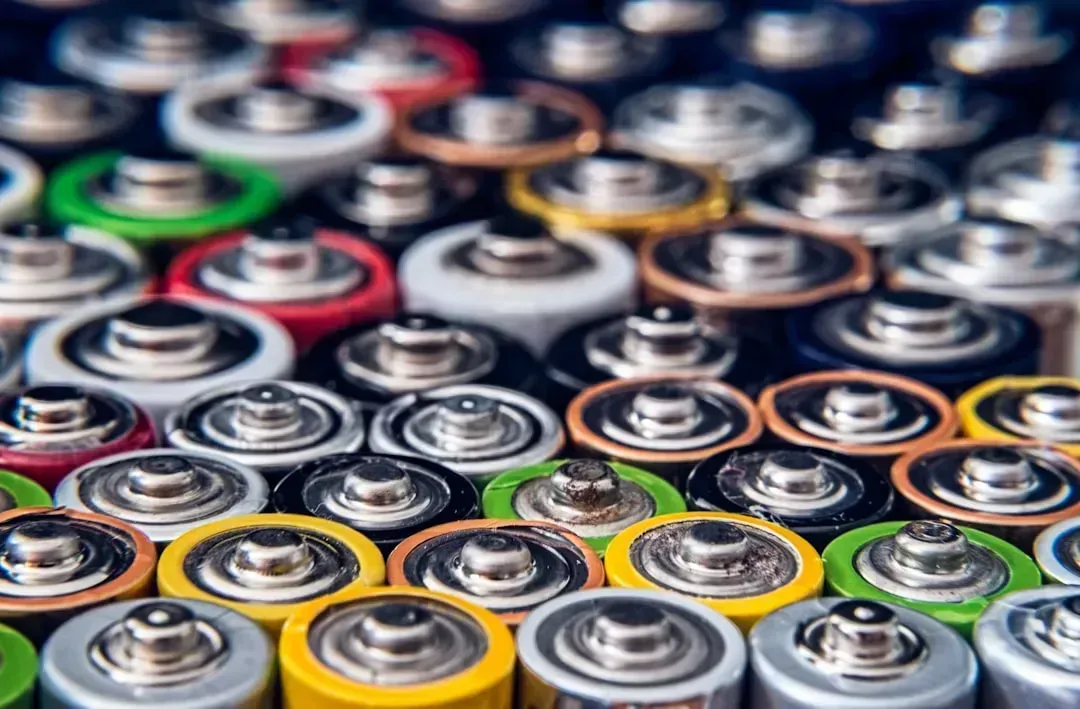
The battery recycling sector, still nascent, will be core to the future of EV supply chains. Global recycling capacity reached over 300 gigawatt-hours per year in 2023, of which more than 80 percent was located in China, with Europe and the United States accounting for under 2 percent each. That imbalance matters a great deal when tens of millions of batteries will eventually reach end of life.
Despite growth in recycling capacity, most of the material available for recycling until 2035 will be production scrap, not end-of-life batteries. In fact, up to 30 percent of batteries never make it past the manufacturing stage at newly launched factories due to quality control issues and are immediately earmarked for recycling. When a battery is at the end of its life cycle, it is usually disposed of as e-waste in landfills, which can result in hazardous compounds leaching into the soil and can cause large fires that are extremely difficult to control.
China’s Grip on the Global EV Supply Chain

As of 2024, China controlled over 75 percent of global lithium-ion battery manufacturing capacity and produced 70 percent of all EVs worldwide. Manufacturing of battery cells and the production of key battery components such as cathodes, anodes, separators, and electrolytes is heavily concentrated in China. This creates a structural dependency that Western governments are only beginning to fully reckon with.
Many Western carmakers have reduced vertical integration by outsourcing major components to specialized suppliers over the past few decades, leaving them at a significant disadvantage as the automotive industry pivots hard toward electrification. This dependence creates potential geopolitical risks, as disruptions in the supply chain could have significant impacts on EV production and availability. The transition to clean transport has, somewhat ironically, created a new set of geopolitical vulnerabilities.
The Policy Dependency Problem
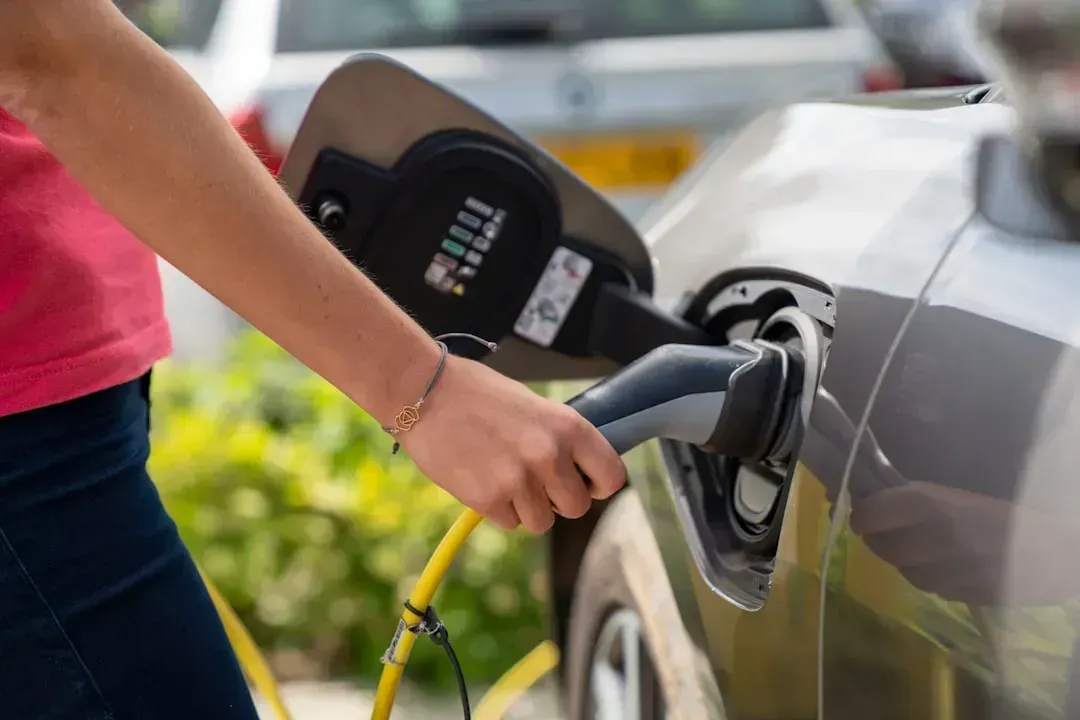
The Chinese government phased out EV subsidies by the end of 2022. This gradual reduction between 2020 and 2022 triggered a short-term spike in EV sales followed by a nearly 20 percent decline in early 2022, underscoring the market’s reliance on subsidies. The lesson from China is stark: when the financial incentives disappear, so can the momentum. The electric sales share either stalled or decreased in several larger EU markets, such as Germany and France, largely as a result of subsidies being phased out or reduced. In Germany, subsidies ceased at the end of 2023.
Policy support for EVs in the US has changed significantly over the last year, including elements of the Inflation Reduction Act that are being removed or threatened, as well as the potential removal of California’s ability to set its own emissions standards. The electric share of new car sales in the U.S. has plateaued at roughly 10% since 2023, and the Trump administration has implemented policies and regulatory changes that have slammed the brakes on the shift to EVs. The broader point is this: an energy transition that depends heavily on subsidy cycles rather than genuine cost parity remains fragile.
The Towing and Real-World Use Problem
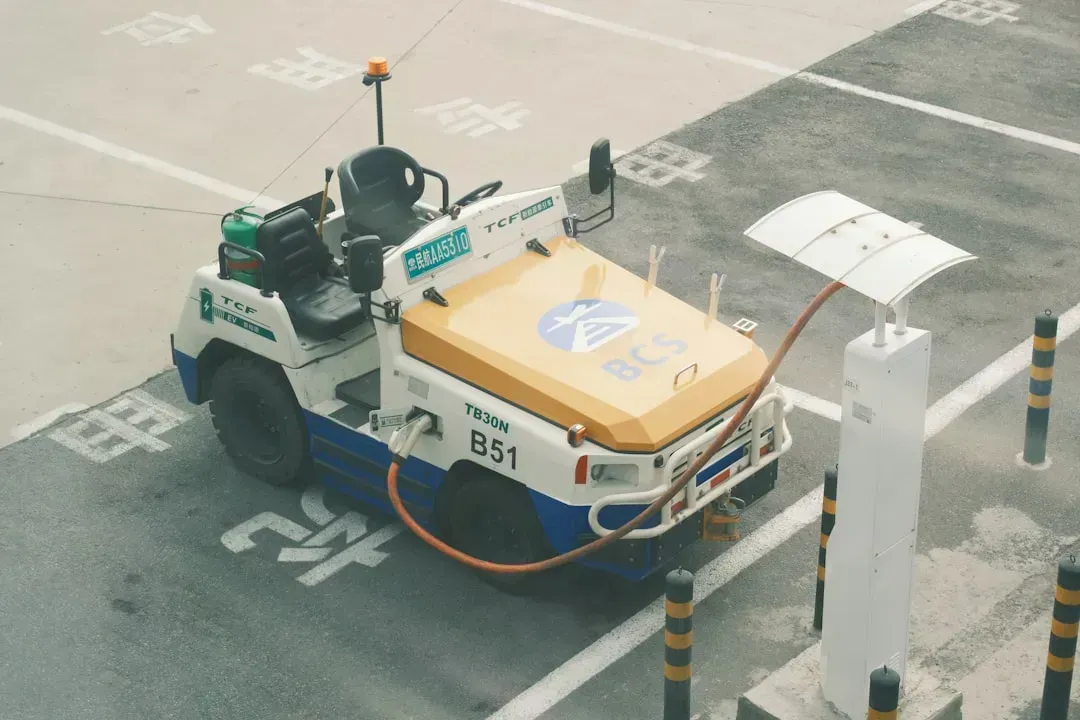
EV pickup trucks offer significantly more torque than traditional piston trucks, especially from a standing stop. However, the heavier the load or trailer, the less range. Towing can cut the range by as much as half. For large segments of the working population in countries like the United States, that limitation is not a minor inconvenience. It’s a practical dealbreaker.
EV pickup trucks provide a much lower payload limit than combustion pickup trucks. While the maximum payload for a Ford F-150 is 2,440 pounds, the F-150 Lightning EV with the extended range battery has a 1,900-pound payload limit. The US auto market is also structurally unique, with SUVs and trucks accounting for about 80 percent of American new car sales, compared to less than 50 percent globally. This structural mismatch between EV strengths and American driving habits is a genuine friction point that rarely receives proportionate attention in the broader EV narrative.

