
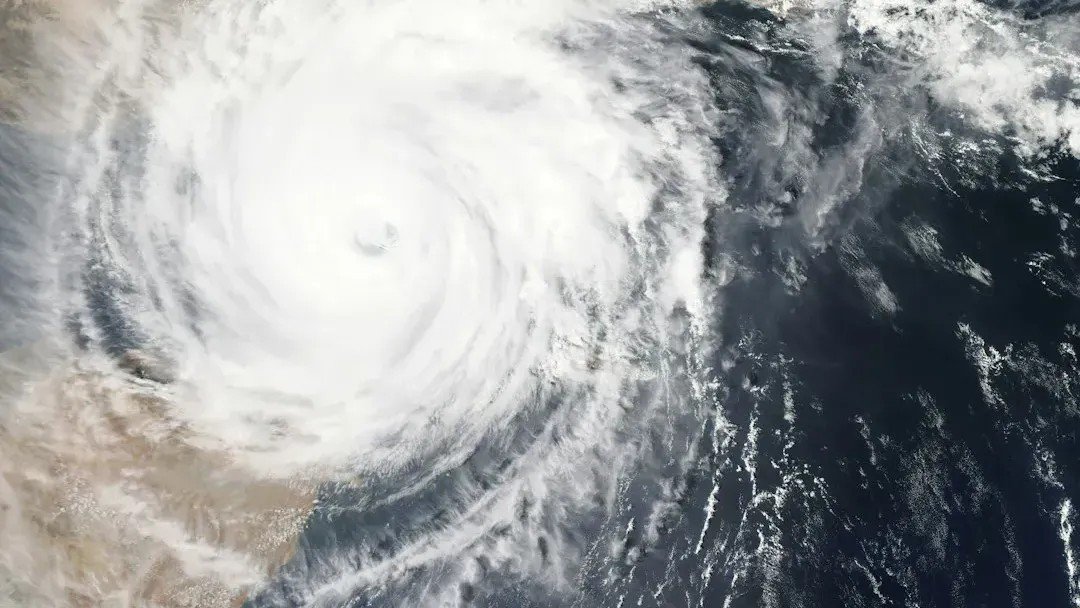
Weather is one of those subjects where almost everyone feels like an expert. People grow up absorbing rules of thumb from grandparents, school teachers, and the occasional dramatic news segment. Most of it sounds plausible enough. Some of it even contains a grain of truth. The problem is that a few of these widely repeated beliefs are not just wrong – they’re the kind of wrong that can get people hurt.
Meteorology has advanced enormously over the past decade. The National Hurricane Center publishes data each year about how its forecasts have aligned with reality, and the trend shows a steady decline in track errors since the 1970s – back then, a storm forecast issued 36 hours ahead was likely off by roughly 230 miles, while in the 2020s that error has shrunk to roughly 57 miles. The science has never been more precise. The myths, unfortunately, have kept pace with it.
Myth 1: Opening Windows During a Tornado Equalizes Pressure and Protects Your Home

This common myth holds that opening your home’s windows during a tornado will equalize barometric pressure before impact, thereby minimizing damage to your house. It sounds scientific, but meteorologists say it simply isn’t true. The barometric pressure inside your house is the same as what it is outside, regardless of whether the windows are open or not – and cracking them open actually puts you at greater personal risk.
Opening a window during a tornado makes you far more susceptible to flying debris that can come through the opening at lethal speed. Meteorologists consistently advise people to avoid being anywhere near windows during a tornado and instead seek shelter in an enclosed, windowless room such as a basement, bathroom, or interior closet. Wasting even 30 seconds opening windows when you should be moving to shelter is a trade-off no one should make.
Myth 2: Lightning Never Strikes the Same Place Twice
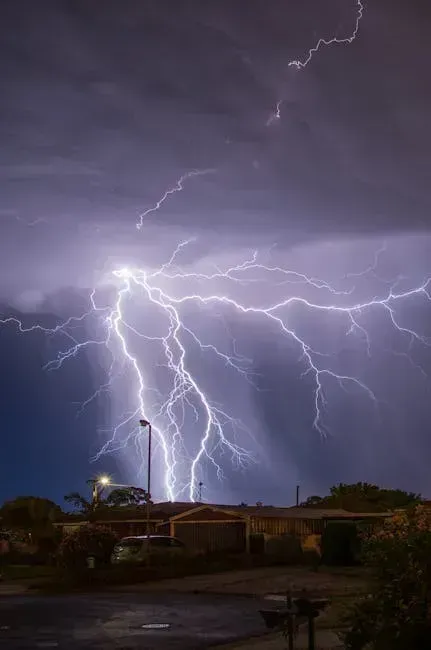
Lightning can and does strike the same place repeatedly – the Empire State Building was once struck eight times in a single storm. Lightning actually hits the ground multiple times in what’s visible to us as a single strike. Tall structures, isolated trees, and elevated terrain are all preferred targets, and they get hit again and again for the same physical reasons every time.
Lightning can strike over 30 miles away from a storm – these are known as “bolts from the blue,” and they’re exactly why meteorologists emphasize watching radar for your specific location rather than simply looking at the sky above you. Clear sky overhead is not a safety guarantee. If a storm is in your broader region, you’re still in range.
Myth 3: Tornadoes Won’t Strike Big Cities
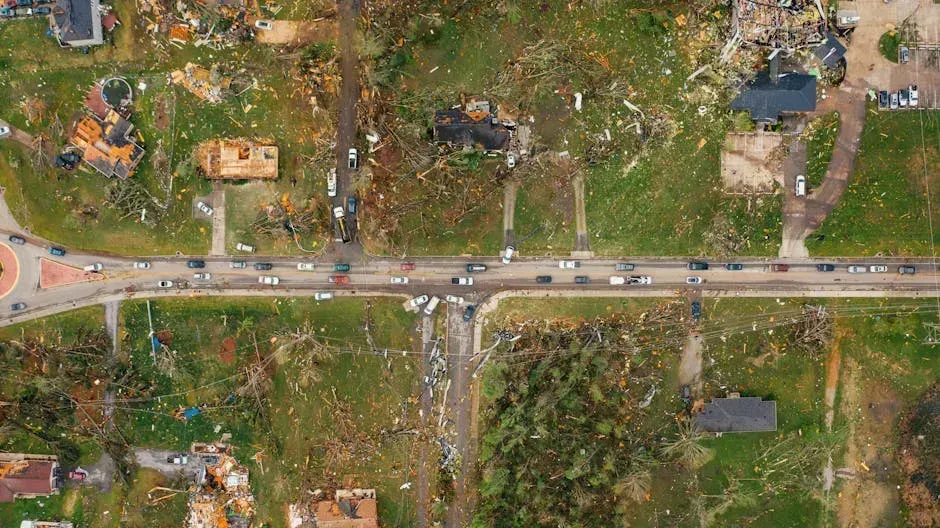
This urban legend has been thoroughly debunked by meteorologists, though it persists partly because major tornado strikes on cities are statistically rare simply due to land area math. The 2023 tornado that struck Little Rock, Arkansas, tore through dense neighborhoods and commercial districts, proving that concrete and steel offer no magical protection. Urban geography does nothing to steer or weaken a mature tornado.
Moore, Oklahoma has been hit by multiple strong tornadoes, including the catastrophic EF5 in 2013 that leveled entire subdivisions. The myth may exist because urban heat islands can sometimes disrupt early storm formation, but they are nowhere near powerful enough to stop a determined tornado. Believing otherwise is one of the more dangerous forms of geographical overconfidence a person can hold.
Myth 4: Cloudy Days Mean You’re Safe from Sunburn
This dangerous myth sends thousands of people to dermatologists every summer with painful surprises. UV rays punch right through clouds – up to roughly four fifths of them, according to the Skin Cancer Foundation’s 2024 guidelines – and some of the worst sunburns happen on overcast beach days when people skip sunscreen entirely. The sky looking grey is not the same as UV radiation being absent.
Clouds can actually worsen UV exposure by reflecting radiation back downward, creating a kind of double-dose effect. Water, sand, and snow amplify this reflection further, which is why skiers and beachgoers often get burned in unexpected places like under the chin or inside the nostrils. Overcast conditions can, in some ways, give a false sense of protection that clear sunny days don’t.
Myth 5: Big, Heavy Vehicles Can Safely Drive Through Floodwater
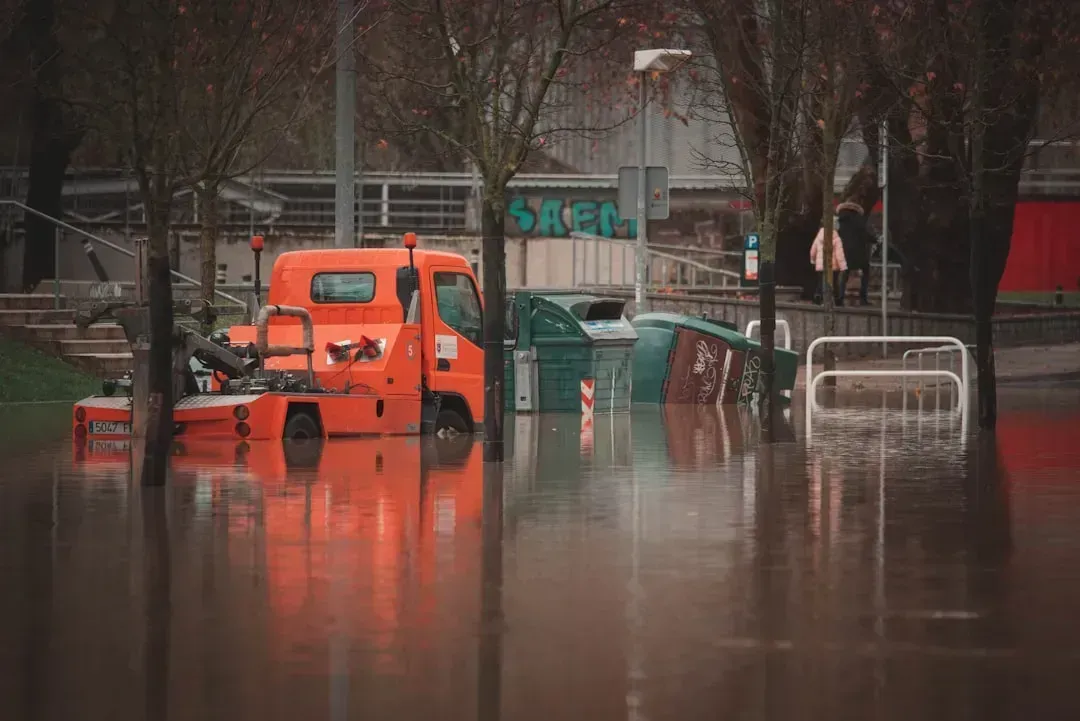
Many people believe that the larger the vehicle, the deeper the floodwater it can safely navigate. This is false. Two feet of moving water can float most vehicles, including SUVs and pickups, and if the water is moving rapidly, even large vehicles can be swept away entirely. The weight and clearance of a truck provides far less protection against moving water than most drivers assume.
NOAA data confirms that in the United States, floods kill more people annually than tornadoes, hurricanes, or lightning. Flash floods can occur anywhere, including densely populated urban areas, where excessive water can overwhelm drainage systems with alarming speed. The phrase “turn around, don’t drown” exists for a reason, and it applies to every vehicle on the road.
Myth 6: Humans Can Steer or Manufacture Major Storms
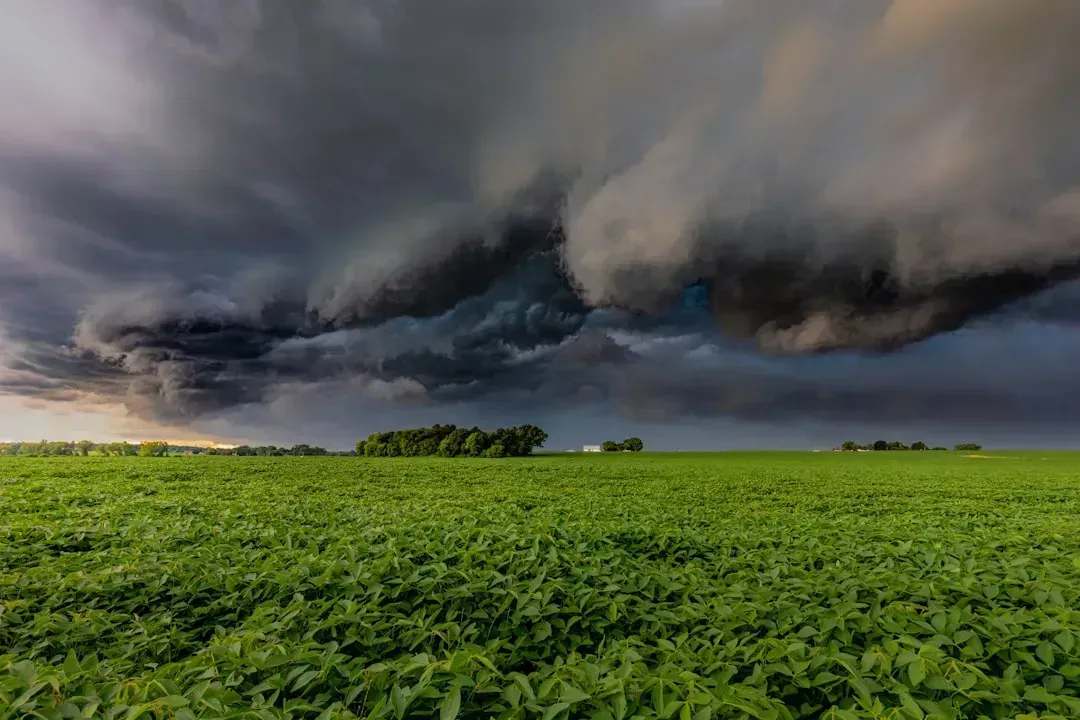
Conspiracy theories about government weather control have exploded on social media, but the reality is far less dramatic. Cloud seeding does exist and can increase rainfall by roughly five to fifteen percent under perfect conditions, according to 2024 research from the American Meteorological Society. Creating or steering hurricanes, tornadoes, or major storms is completely beyond current technology.
The energy involved in large weather systems equals hundreds of nuclear bombs – no human technology can generate or control forces that massive. China used cloud seeding during the 2008 Olympics to reduce rain during ceremonies, but that’s a localized nudge compared to the scale of a real storm system. Weather modification remains limited to small-scale, highly localized effects that require very specific atmospheric conditions to work at all. In 2024, viral social media posts claimed that radar and research technologies were used to steer Hurricane Helene – claims that Science Feedback reviewed and found to be incorrect, completely mischaracterizing what those technologies actually do.
Myth 7: Cold Weather Proves Global Warming Isn’t Real
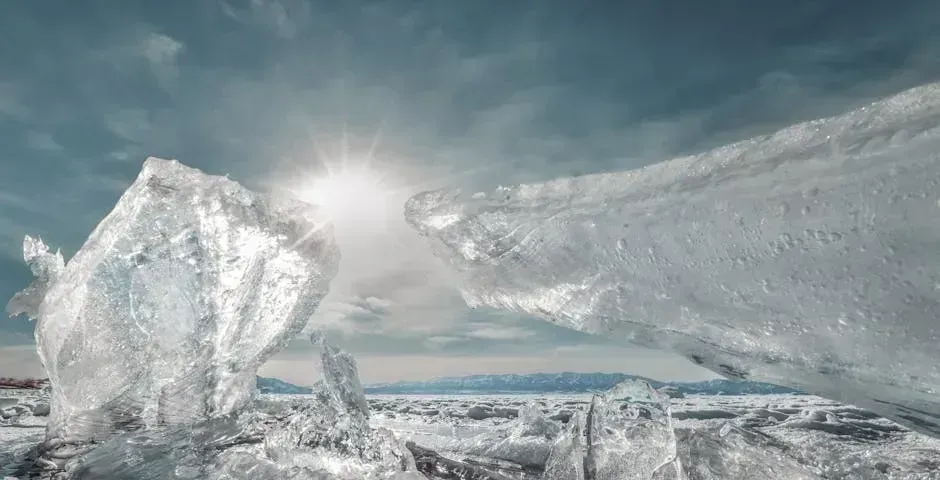
Weather describes the short-term, day-to-day atmospheric conditions at a specific time and place, while climate is the long-term pattern measured over decades. Even with occasional cold days, the planet’s average temperature keeps rising faster than at any time in at least 10,000 years – and the last decade from 2015 to 2024 has been the warmest on record, according to NASA and the World Meteorological Organization.
Cold extremes can absolutely coexist with global warming. A warmer atmosphere holds more moisture, which can fuel heavier snowfalls, and shifts in high-altitude wind currents can push Arctic air southward, creating intense local cold while the globe as a whole continues warming. Short-term cold snaps will continue even as global temperatures rise, and natural seasonal variation will persist – winter will still feel colder than summer – even though the overall baseline temperature is meaningfully higher than it was a century ago.
Why These Myths Are Especially Dangerous Now
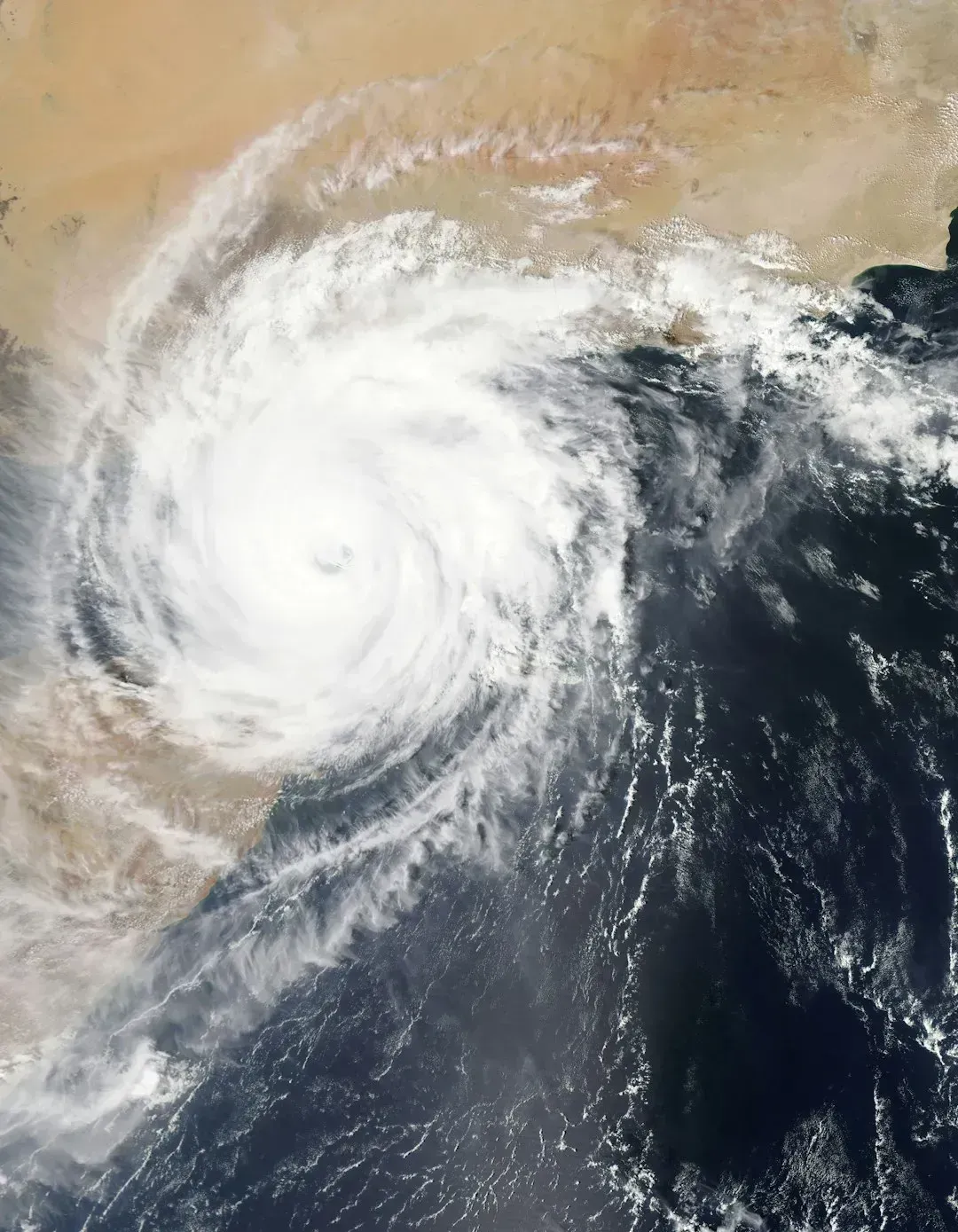
As storm forecasting has advanced to historic levels of accuracy, the spread of misinformation online has kept pace. Meteorologists have been falsely accused of steering hurricanes, and some have reported threats of violence or personal attacks as a direct result. Despite the strength of modern forecasting, meteorologists say they face unprecedented skepticism and hostility.
The number of climate-related hazards has increased fivefold over the past 50 years, and in 2024 alone, nearly 46 million people were displaced due to weather-related disasters. The economic toll is accelerating as well, with average annual disaster costs rising from roughly 70 to 80 billion dollars per year between 1970 and 2000, to between 180 and 200 billion dollars per year from 2001 to 2020. Clinging to weather myths isn’t just intellectually inconvenient – it comes with a measurable cost in lives and dollars.
The Gap Between Folk Wisdom and Modern Science
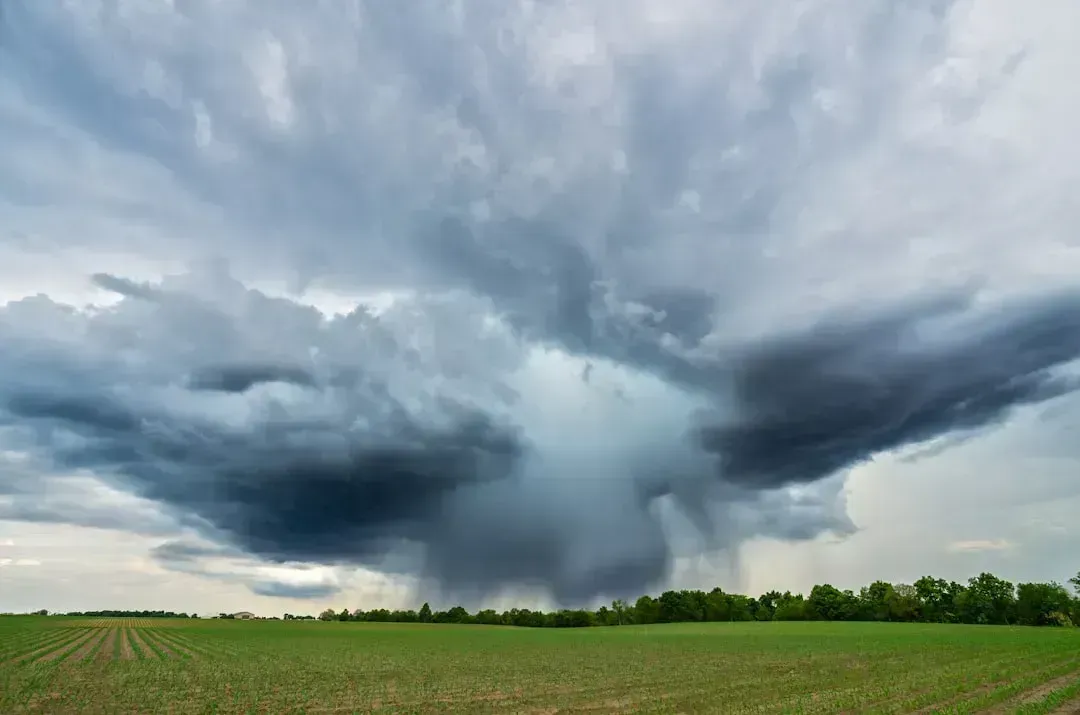
Many of these myths were passed down through the generations when science was in its infancy and the mechanisms behind weather events were poorly understood. That’s a fair origin story. The problem is that folk wisdom tends to calcify while science moves forward, and the gap between the two has never been wider or more consequential than it is today.
Modern storm tracking relies on data collected from satellites, radars, and weather buoys, all integrated into models that give forecasters a detailed understanding of expected storm behavior – accounting for wind speed, atmospheric pressure, temperature, and humidity simultaneously. The tools exist to keep people safe. The myths are often the only thing standing in the way of that protection reaching them in time.

