
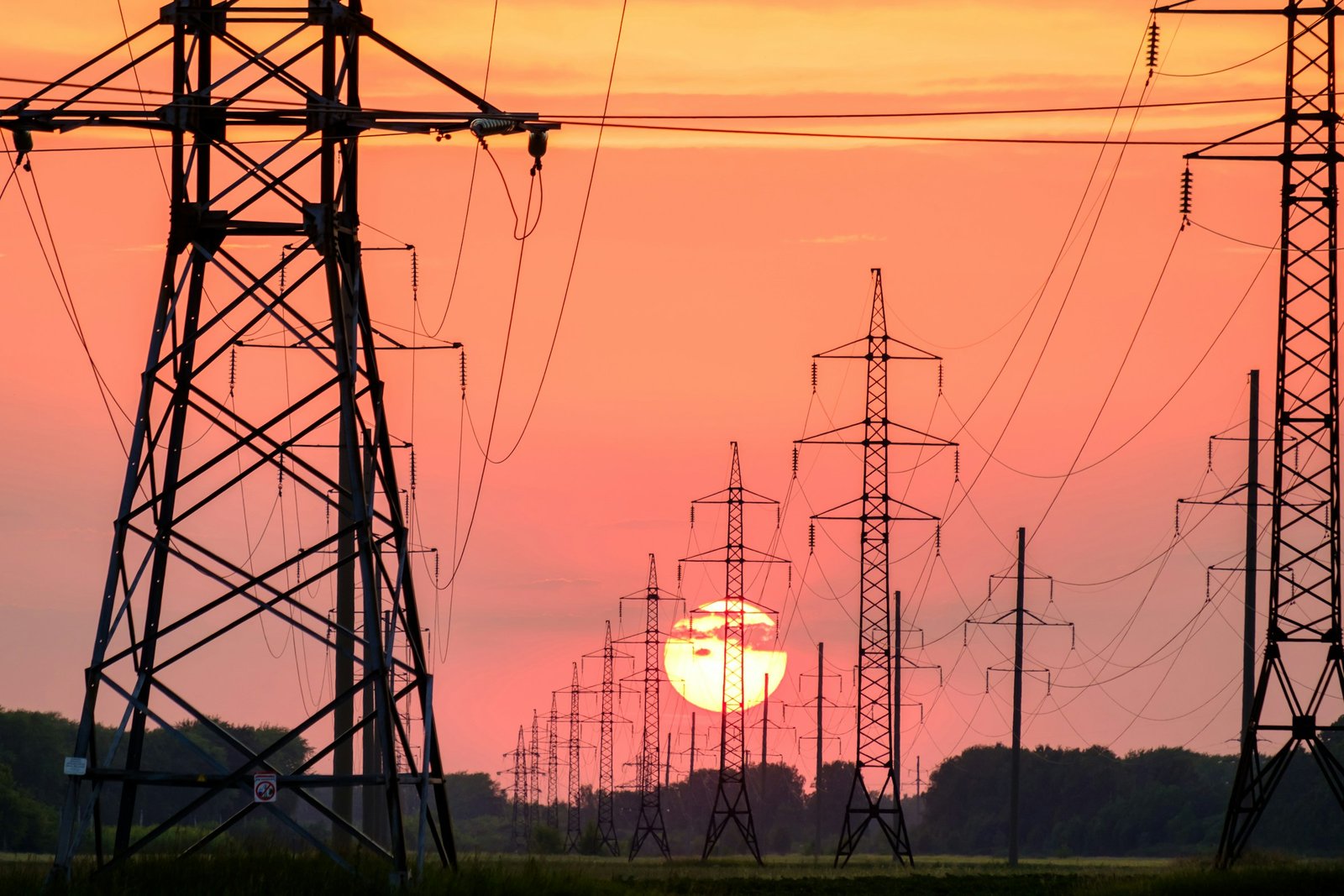
Ask most homeowners in Georgia, the Carolinas, or Alabama why their lights flicker more often than they used to, and they’ll probably mention hurricanes or the occasional summer storm. That answer isn’t wrong, but it’s incomplete. Grid engineers who study the region’s power system point to something less visible than a downed tree limb, a shift happening inside substations and transmission planning offices that most residents never see.
The Southeast’s outage problem has layers. Weather is the part everyone notices, but underneath it sits a slower, structural change in how much electricity the region needs and how fast that demand arrived. Understanding both pieces helps explain why outages aren’t just a storm-season inconvenience anymore.
A grid designed for a different century
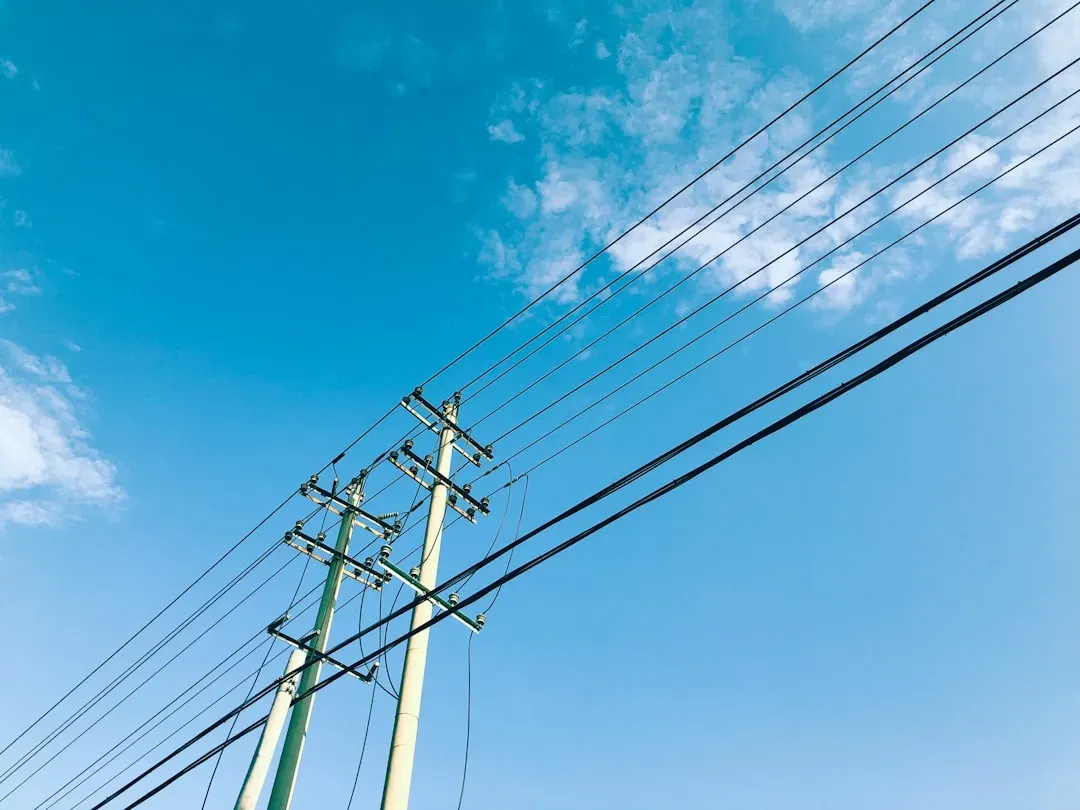
Much of the transmission and distribution equipment carrying power across the Southeast was built decades ago, when the population was smaller and demand patterns were far more predictable. The nation’s electrical grid wasn’t built for the present-day climate, since electricity is mostly transmitted and distributed through above-ground transformers, transmission wires, and utility poles that are exposed to extreme weather such as high winds, heavy rain, ice, lightning, and extreme heat. That exposure matters more with each passing decade of wear.
Engineers describe this as a compounding problem rather than a single failure point. Due to the increase in extreme weather conditions and aging infrastructure, power outage events are occurring with increasing frequency. Wooden poles rot, transformers overheat, and connections corrode long before anyone notices a problem, which means routine wear now interacts with newer stresses in ways the original system was never designed to handle.
The obvious culprit: hurricanes and severe storms
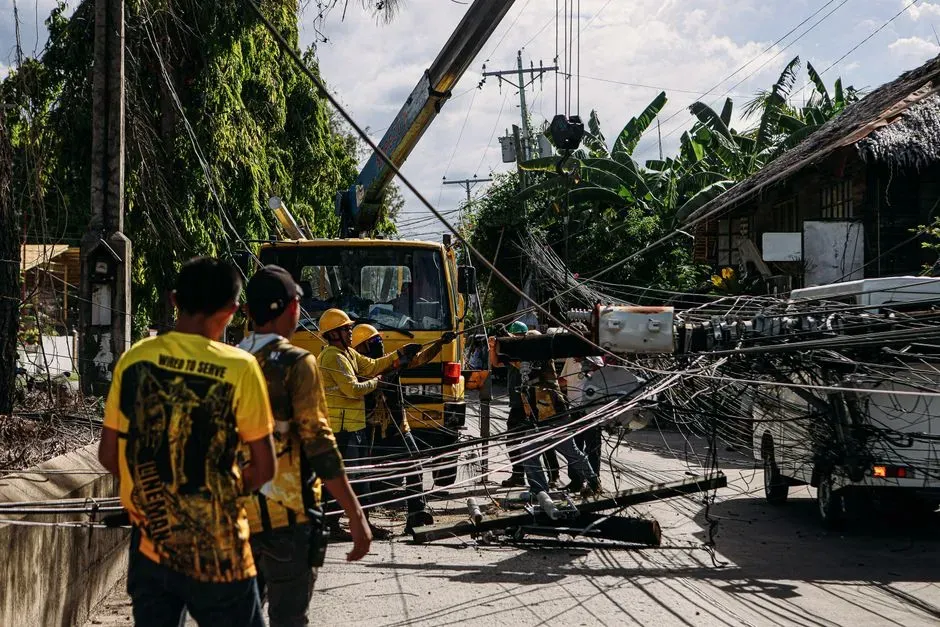
No conversation about Southeastern outages skips the weather. Hurricane Helene in 2024 knocked out power to about 5 million customers across the U.S. Southeast, leaving neighborhoods dark for days in a region that generally expects reliable service. Satellite images from that storm showed entire metro areas, including Atlanta, going dark almost overnight.
The data backs up what residents already sense. The Southeast experienced the most weather-related major outages of any U.S. region between 2000 and 2023, with 360 recorded events, ahead of the South, Northeast, and Ohio Valley. Storms remain the most visible trigger, but engineers caution that weather alone doesn’t explain why recovery times have grown longer even in years without a major hurricane.
- Hurricane Helene (2024): Roughly 5 million customers across the Southeast lost power
- Regional ranking: 360 weather-related major outages between 2000–2023, the most of any U.S. region
The hidden driver: an unprecedented demand surge
This is the piece grid engineers keep returning to when asked what’s really changed. The primary drivers behind rising commercial outages are aging electrical transmission infrastructure, an increase in severe, highly destructive weather events, and a massive surge in baseline power demand from industrial manufacturing, electric vehicle charging, and regional population shifts. That third factor, demand growth, is the one most homeowners never think about until their utility announces a rate increase.
For years, electricity consumption in the United States barely moved. After years of flat use, U.S. electricity use reached an all-time high in 2024 and keeps rising. The Southeast, with its warm climate, growing population, and business-friendly regulatory environment, has absorbed a disproportionate share of that new load, and the grid built for the old normal is straining to keep pace. Nationally, analysts now describe grid electricity demand rising an estimated 2.4% in 2025, a pace not seen in a generation.
Data centers reshaping the regional grid
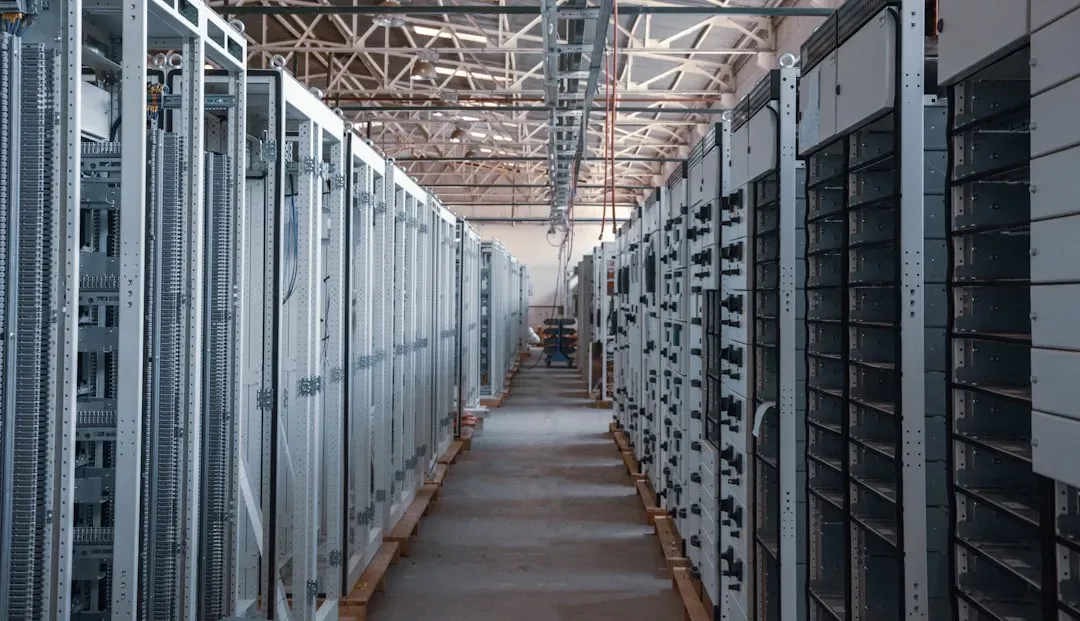
Nowhere is the demand story more concrete than in the data center boom spreading across Virginia, Georgia, and North Carolina. Georgia and North Carolina show strong growth in data center activity, reflecting continued concentration in major regional markets. These facilities run around the clock and require enormous, steady blocks of power that utilities must plan for years in advance.
Virginia illustrates how dramatic this shift can be. Virginia hosts nearly 600 data centers, with many more on the way, and in 2024 data centers accounted for almost 40 percent of all electricity used in the state. Georgia is following a similar trajectory, and utility planners across the region now treat data center interconnection requests as a routine, if enormous, part of their forecasting.
- Virginia: Nearly 600 data centers; almost 40% of statewide electricity use in 2024
- Georgia & North Carolina: Fast-rising data center markets adding sustained, round-the-clock load
Retiring power plants and shrinking safety margins
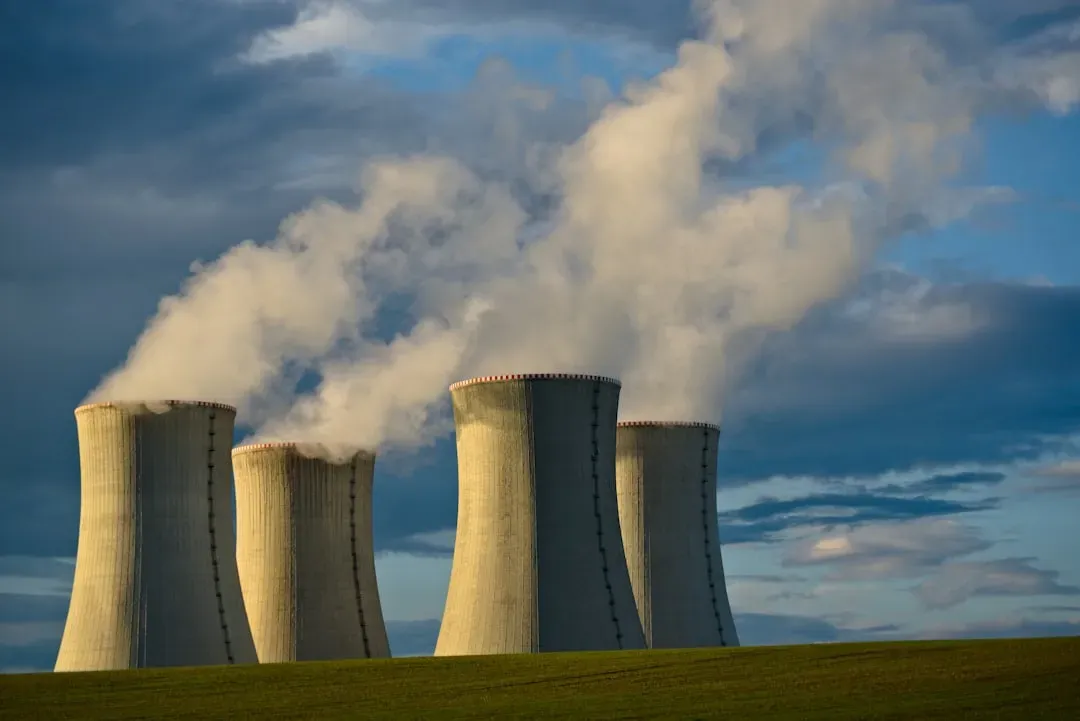
Grid engineers also flag a supply-side squeeze that gets far less attention than storms or data centers: the retirement of aging coal and gas plants that once provided a dependable cushion during peak demand. In the Southeastern Electric Reliability Council-Central region, NERC identified a potential shortfall in planned reserves over the 2025 to 2027 period, as demand forecasts increase faster than the transitioning resource mix grows. That timing gap matters because the region is simultaneously adding gas and solar capacity while retiring older coal units on a schedule that doesn’t always line up with rising load.
The problem isn’t unique to one utility footprint. NERC’s own long-term outlook has accounted for nearly 79 GW of fossil-fired and nuclear generator retirements that are anticipated through 2034 across North America, and ahead of the 2025 summer peak alone, 7.4 GW of conventional generation, including 2.1 GW of coal capacity, had already retired. Solar and batteries are filling much of that gap, but engineers note these resources behave differently than the always-on plants they’re replacing, which is exactly why safety margins feel thinner even when the lights mostly stay on.
- SERC-Central outlook: Elevated risk of reserve shortfalls projected for 2025–2027
- National retirements: Nearly 79 GW of fossil and nuclear capacity retiring through 2034
- 2025 summer: 7.4 GW of conventional generation retired ahead of peak season, including 2.1 GW of coal
Population growth pushing local grids to new limits
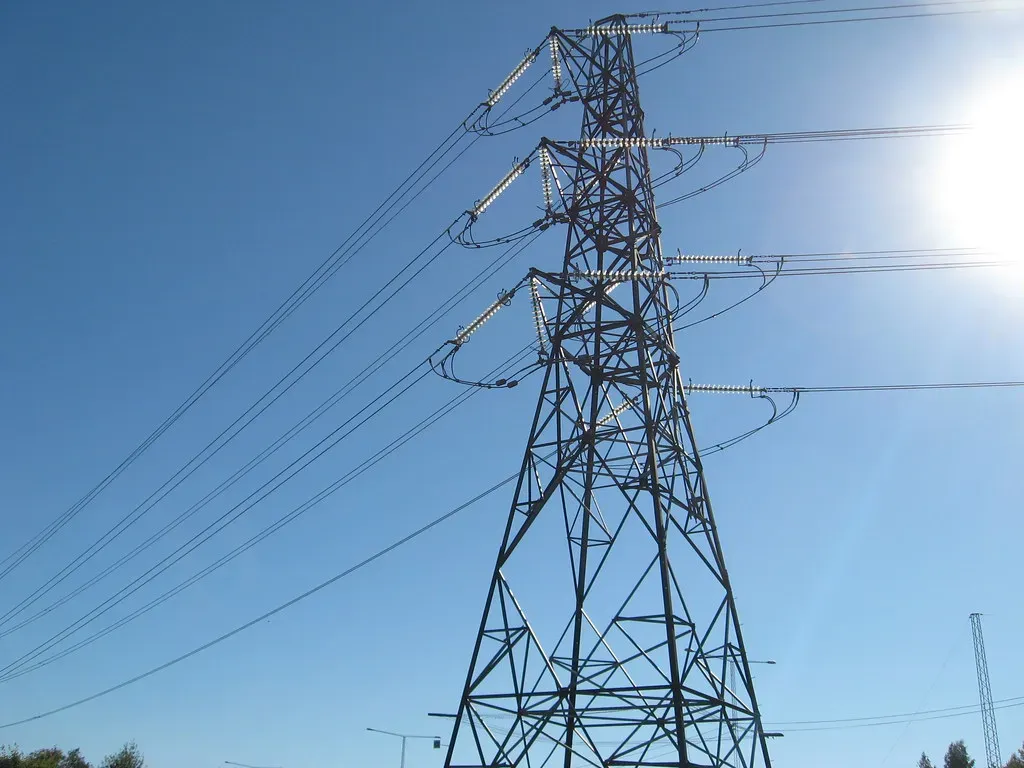
Weather and power plants get the headlines, but engineers say the steady arrival of new residents is just as disruptive to local distribution systems. The South had the fastest median population growth rate of any U.S. region in 2024 and was the only region that had more residents move in from other parts of the country than moved out. That growth isn’t evenly spread across big cities; much of it is landing in suburban and exurban counties where the wires were sized for a much smaller number of homes.
Census data confirms the pattern is heavily concentrated along the coast. Many of the fastest-growing counties in the country sit along the southeast coast, in Florida, Georgia, South Carolina, North Carolina, and Virginia. Small communities like Jasper County, South Carolina, are absorbing rapid subdivision growth, and utilities in these fast-growing corridors are racing to string new lines and add substations before local circuits become overloaded during peak-demand afternoons.
Electric vehicles and industrial growth add new pressure
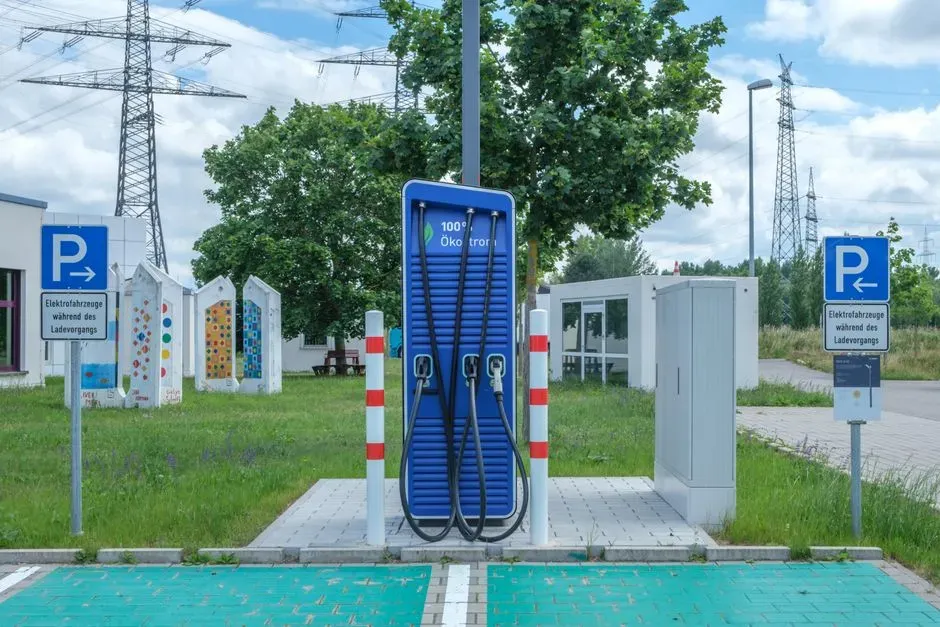
Electric vehicles are still a smaller piece of the Southeast’s demand puzzle than data centers, but the charging infrastructure behind them is expanding fast. The total number of fast charging ports across the region grew to more than 7,400 in 2023, a 41 percent increase over the previous year, with Kentucky, Tennessee, Louisiana, and South Carolina seeing the biggest year-over-year changes in fast-charging ports. Each new fast-charging site adds a concentrated load that local distribution equipment wasn’t originally sized to handle.
Layered on top of that is a wave of EV and battery manufacturing plants that have landed across Georgia, Tennessee, and the Carolinas in recent years, each one requiring its own substantial interconnection. Combined with legacy industrial demand, these facilities push utilities to plan for load growth that looks nothing like the flat, predictable curves of a decade ago. Engineers say this combination of transportation electrification and industrial expansion is exactly the kind of demand utilities are still catching up to.
- Charging growth: Southeast fast-charging ports rose 41% in a single year (2023)
- Leading states: Kentucky, Tennessee, Louisiana, and South Carolina saw the sharpest gains
How utilities are racing to catch up
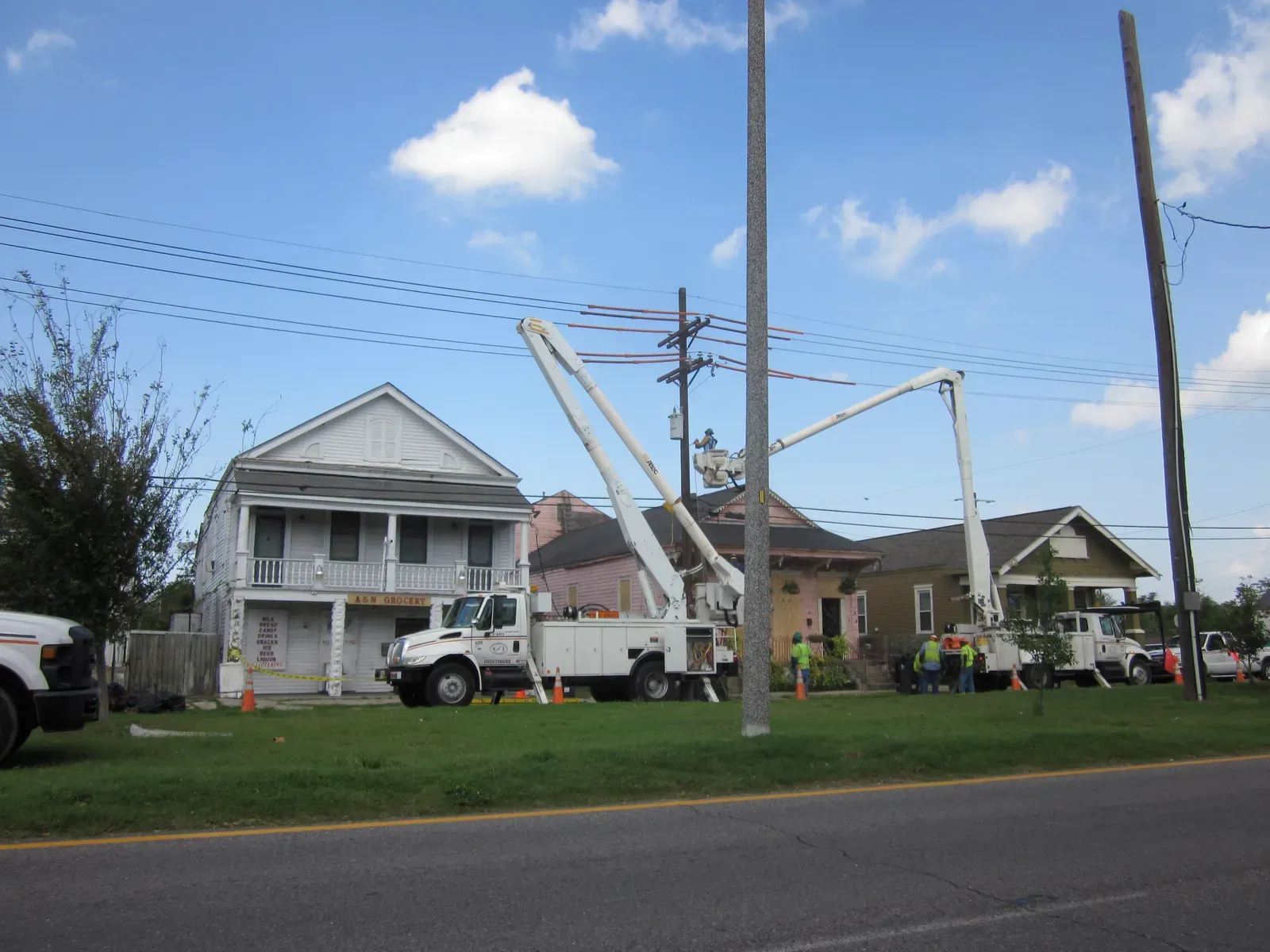
Facing all of these pressures at once, major Southeastern utilities have begun pouring unprecedented sums into grid hardening and modernization. Duke Energy, for example, is updating its capital investment plan to $145 billion over the next decade, including roughly $75 billion earmarked to modernize and harden its transmission and distribution infrastructure. That spending covers everything from stronger poles to smarter substations designed to isolate faults before they cascade into widespread outages.
The early results are measurable. Duke Energy has invested more than $10 billion since 2022 to strengthen grid resilience, replacing or upgrading roughly 400,000 wooden poles and more than 1,300 miles of power lines. During Hurricane Helene, that investment was put to the test directly: zero of the upgraded steel and concrete poles across the Carolinas transmission system required replacement, which significantly accelerated restoration efforts. It’s a small but telling sign that hardened infrastructure can blunt the impact of the next major storm.
- 10-year plan: $145 billion total, ~$75 billion for grid modernization and hardening
- Storm resilience so far: $10B+ invested since 2022; ~400,000 poles and 1,300+ miles of lines upgraded
- Hurricane Helene test: Zero upgraded steel/concrete poles failed in the Carolinas
What it means for the region going forward
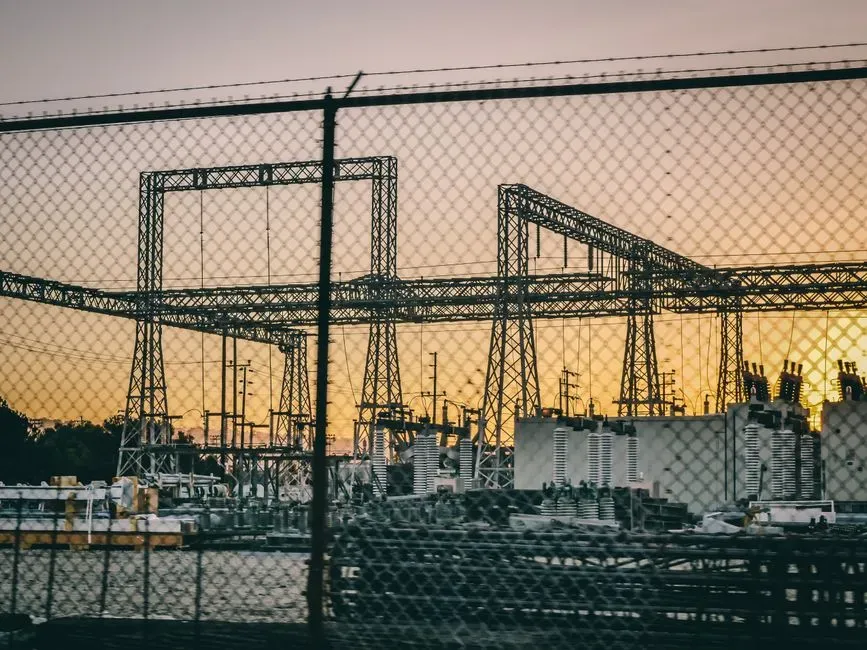
Put together, the picture grid engineers describe isn’t a single crisis but a set of overlapping trends arriving at the same time: aging equipment, fiercer storms, retiring power plants, and demand growth from data centers, EVs, and new residents all landing on a system that was never designed to absorb them simultaneously. Regulators seem to agree that the risk is real; parts of the Southeast are already flagged as an elevated-risk region for potential energy shortfalls during extreme weather in national reliability assessments.
None of this means the lights are going out for good, but it does mean the region’s multibillion-dollar grid upgrades are racing against a moving target rather than a fixed one. Homeowners and business owners in fast-growing Southeastern communities should expect a stretch of years where rate increases, construction crews, and occasional outages are the visible cost of a grid catching up to a region that grew faster than anyone planned for.

- The Shoreline Sucked Dry in Seconds – 5 Tsunami Signals Beachgoers Mistake for Low Tide - November 14, 2026
- 9 Dark-Sky Destinations Around the World Where the Stars Look Unreal - November 14, 2026
- The Fault Line That Never Slips – 7 Locked Seismic Zones Overdue for a Massive Release - November 14, 2026
