


- Phantom Energy Sucking Power 24/7 – 7 Home Electronics Quietly Inflating Utility Bills - November 14, 2026
- A Million-Mile Storm Raging for Centuries – 6 Violent Weather Wonders in Our System - November 14, 2026
- Animals Flee Hours Before the Tremor – 7 Natural Warnings Before Disasters Strike - November 14, 2026
Mobile, Alabama takes the crown
By nearly every major measure of average annual precipitation, Mobile is the rainiest city in the United States, receiving an average annual rainfall of 67 inches and about 59 rainy days per year. Other sources put the number slightly lower or higher depending on the exact measurement period, but the range consistently sits in the mid to upper 60s of inches per year.
Data from the National Weather Service in Mobile shows the average rainfall in the city per year is just over 66 inches, putting it ahead of most if not all larger metro areas. That’s more than double what a typical American city sees in a year, and it’s enough to make Mobile a perennial fixture at the top of these rankings.
Why the Gulf Coast dominates the rankings
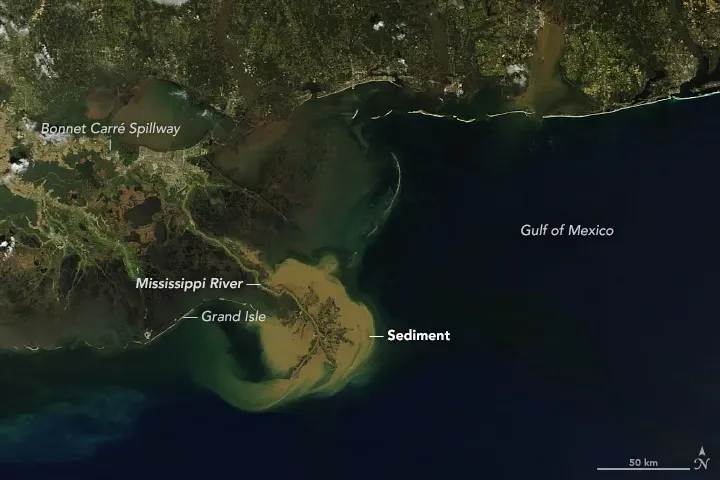
Located on the Gulf of Mexico, Mobile’s winters tend to be mild and rainy, and the area is subjected to tropical storms and hurricanes during hurricane season. That geography isn’t unique to Mobile. Eight out of the 10 rainiest cities in the US are located on the coast of the Gulf of Mexico, contributing to their overall wet and warm conditions.
Coastal cities receive more rainfall than inland cities because warm ocean water causes high evaporation, which is then carried over the land by sea breezes. Add in the Gulf’s role as a launching pad for tropical systems each summer and fall, and you get a recipe for consistently soggy weather that inland cities simply can’t match.
Pensacola runs a close second
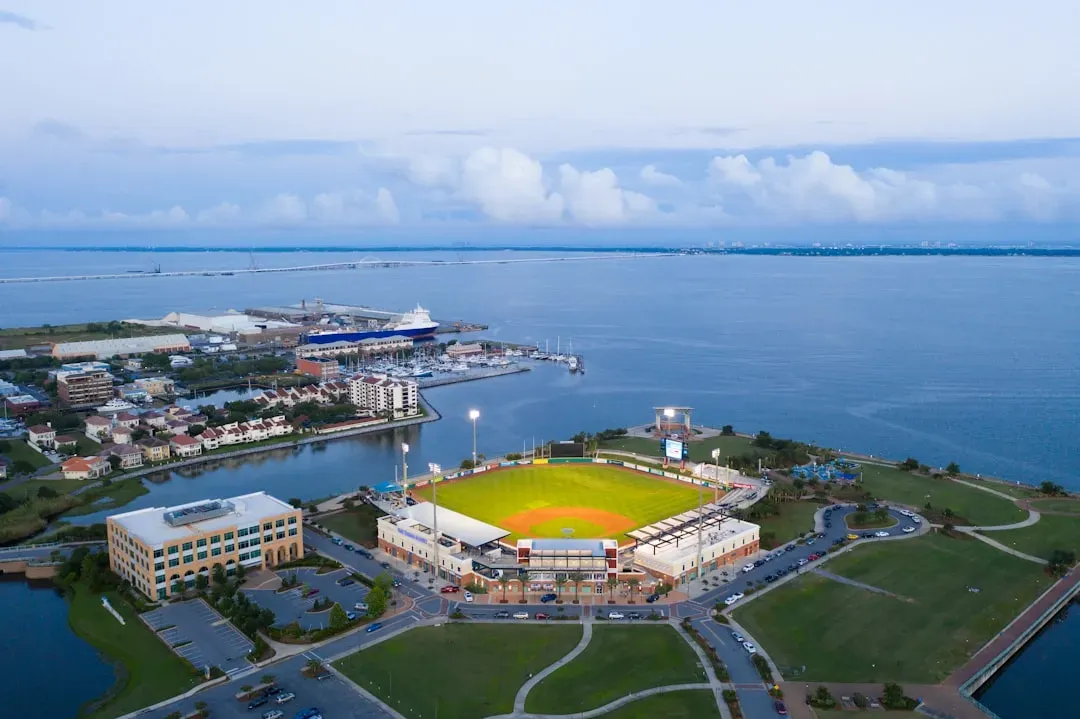
Just a short drive east along the Florida Panhandle, Pensacola shares nearly identical weather patterns with Mobile. Pensacola, located on the western tip of Florida, shares similarities with Mobile in terms of climate and proximity to the Gulf of Mexico, and with a humid subtropical climate, the city experiences approximately 65 inches of rainfall annually, with weather influenced by the warm waters of the Gulf, making it susceptible to tropical storms and hurricanes.
Other data sources have listed Pensacola as an even wetter outlier in some years, occasionally edging out Mobile depending on the specific 30-year climate window used. Wetter cities than Miami include Ft. Lauderdale and Pensacola in Florida, Hilo Hawaii, and Gulfport Mississippi. That kind of back-and-forth between neighboring Gulf cities is common, since a single active hurricane season can shift the rankings from one year to the next.
New Orleans and its low-lying vulnerability
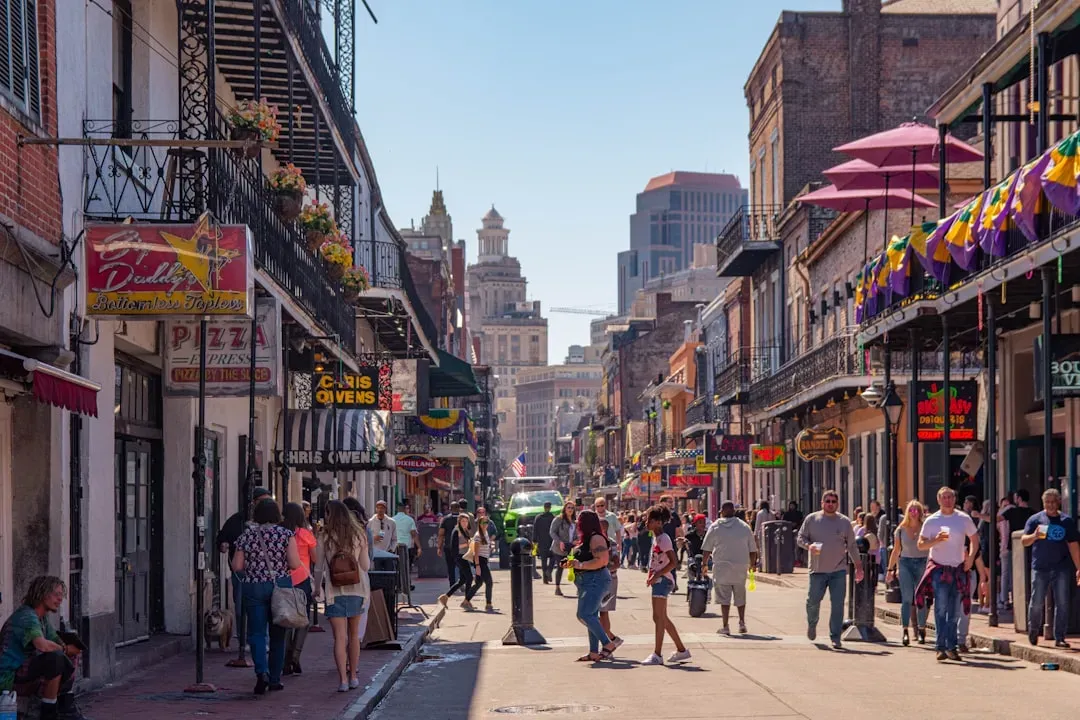
New Orleans rarely tops the absolute list, but it’s consistently near the very top, and its geography makes every inch of rain matter more. CurrentResults lists New Orleans at about 63.4 inches of annual precipitation, making it one of the wettest major U.S. cities, with rain shaped by Gulf moisture, thunderstorms, tropical weather, and the city’s low-lying geography.
What makes New Orleans a distinct case is how differently that rain arrives compared to a drizzly city like Seattle. New Orleans, where it usually rains over five feet a year, receives more precipitation than any big city in the USA except Miami, yet it has far fewer wet days than many other cities, ranking just 31st among large US cities in the number of days with precipitation. In other words, when it rains in New Orleans, it tends to really rain.
South Florida’s tropical downpours

Move down the Atlantic side of Florida and the totals climb even higher in some rankings. Recent city-ranking summaries using annual precipitation totals place Fort Lauderdale at about 68.77 inches of annual precipitation. That’s enough to challenge Mobile for the top overall spot depending on which dataset and time frame you’re looking at.
West Palm Beach tells a similar story just up the coast. West Palm Beach experiences a tropical rainforest climate characterized by high temperatures and significant rainfall, receiving an average annual precipitation of around 62 inches, with weather patterns influenced by its proximity to the Atlantic Ocean and warm ocean currents providing moisture for regular afternoon showers. These South Florida totals come almost entirely from short, intense summer thunderstorms rather than the steady drizzle people associate with the Northwest.
Miami’s numbers are high, but its rhythm is different

Miami often gets lumped in with the rainiest cities, and for good reason. Miami is one of the rainiest major cities in the United States by total annual precipitation, with CurrentResults listing the city at about 67.4 inches of annual precipitation, making it the wettest major U.S. city by that measure in some rankings.
But the way that rain falls sets Miami apart from a place like Seattle in an important way. Fort Lauderdale, and by extension nearby Miami, can have a very different rain rhythm from a place like Seattle, since Seattle is famous for cloudiness and drizzle, while South Florida often receives heavier rain in shorter bursts, meaning it may not always feel rainy all day even though its annual totals are very high. That distinction matters more than people realize when comparing “rainy” cities against each other.
Lafayette and the Cajun country totals
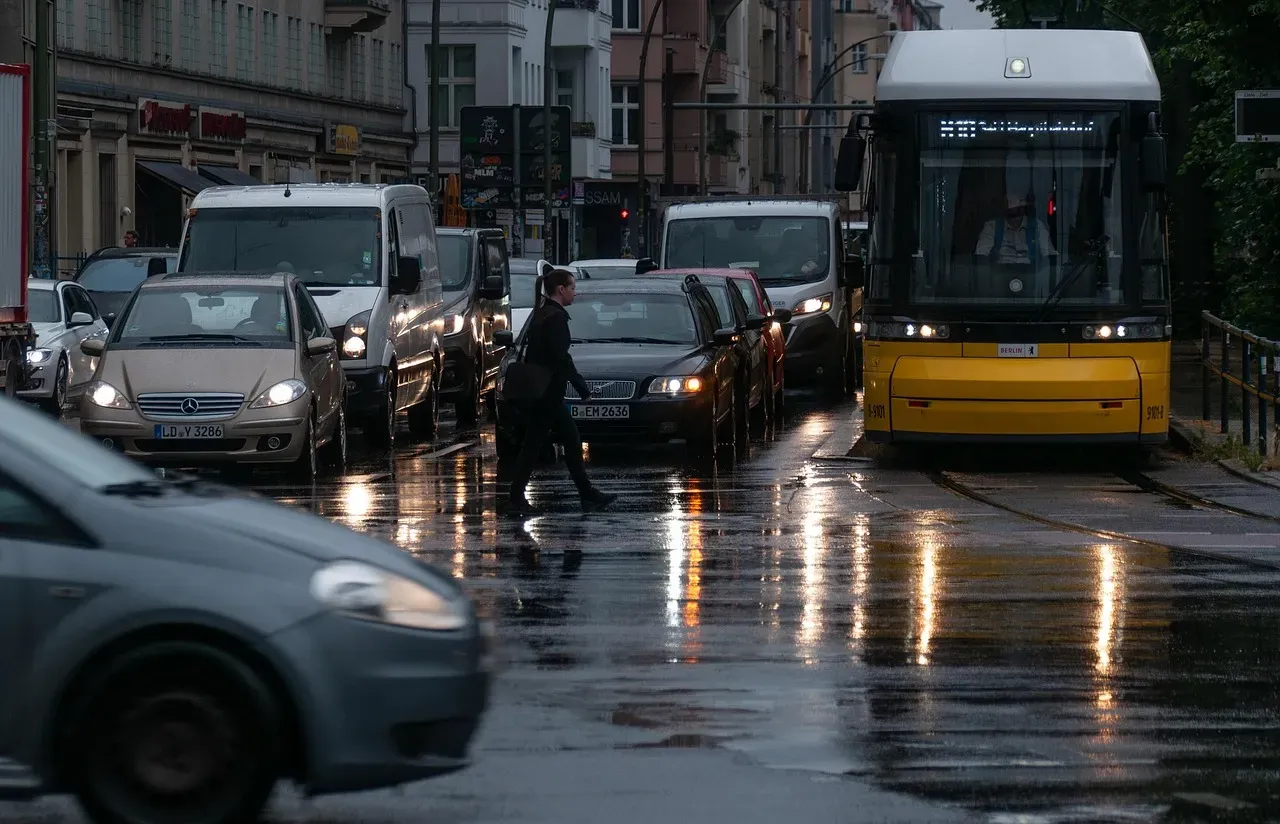
Louisiana shows up again further west, in a smaller but still notably wet corner of the state. Lafayette, Louisiana, is situated in the southwestern part of the state and experiences a humid subtropical climate, seeing an average annual precipitation of around 61 inches, influenced by its proximity to the Gulf of Mexico, which contributes to warm temperatures and high humidity levels.
Lafayette’s inclusion on nearly every version of this ranking underscores just how consistently the Gulf Coast, from Texas through Louisiana, Mississippi, Alabama, and into the Florida Panhandle, dominates the rainfall conversation. Few regions of the country combine warm water, high humidity, and storm frequency in quite the same way.
So where does Seattle actually rank
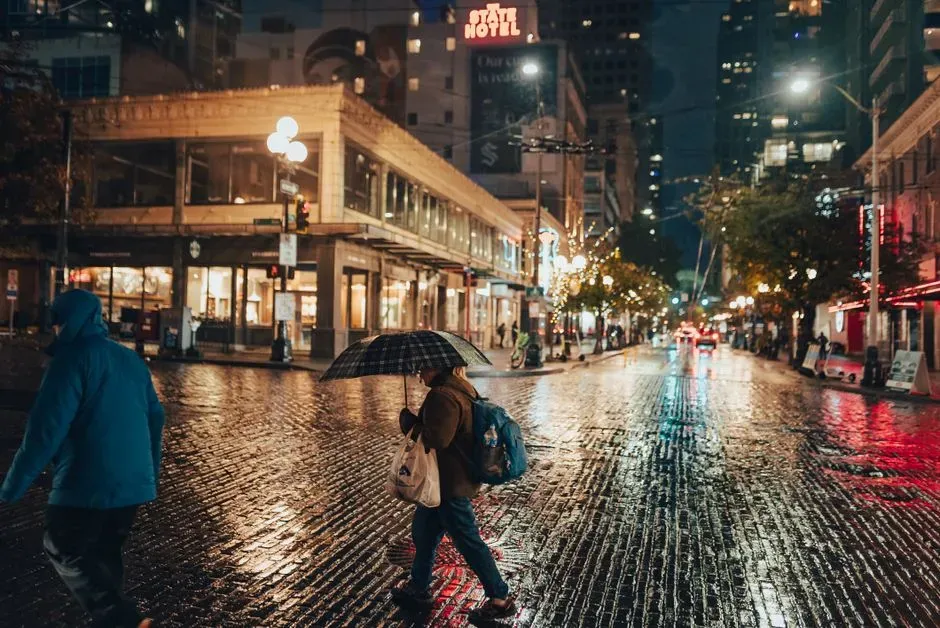
Seattle’s reputation comes from something real, just not from total rainfall. Seattle has a reputation for having many rainy days per year, but it falls behind other major cities in terms of average annual rainfall with its 39 inches of precipitation per year. That’s roughly half of what Mobile or Fort Lauderdale receive annually.
Part of the reason lies in local geography that most people never consider. Seattle is actually often in a rain shadow behind the Olympic Mountains, meaning it receives less rainfall than cities to the north and south, and especially west of the mountains, with Olympia, WA, around an hour south of Seattle, receiving nearly 50 inches of rain per year over 163 days. Seattle’s fame for rain is really a fame for gray skies and frequent light drizzle, not for volume.
Beyond the contiguous states: Hilo and Ketchikan

Once Alaska and Hawaii enter the conversation, the entire ranking changes shape. Hilo receives the most annual rainfall totals of any U.S. city, averaging more than 120 inches of rain per year, and this tropical city sees 267 days of rainfall on average. That’s nearly double Mobile’s total and puts Hilo in a category of its own.
Southeast Alaska offers its own version of extreme wetness, driven by entirely different weather mechanics. Sitka, Alaska, sits along the outer coast of the Inside Passage, and on average this southeastern Alaskan city gets nearly 90 inches of total precipitation every year, with the official rainy season occurring between September and November, though October is usually the wettest month. Cities like these are typically excluded from “major city” rankings simply because of their smaller populations, but their rainfall totals dwarf anything in the Lower 48.
When the metric changes to rainy days instead of inches

Total rainfall and number of rainy days tell two very different stories, and this is where the Great Lakes region enters the picture. The rainiest city in the U.S. by that measure is Syracuse, NY, seeing rain or snow on nearly half of the days each year, with much of the area’s precipitation coming from lake-effect storms.
This distinction explains a lot of the public confusion around Seattle’s reputation in the first place. Seattle also logs 156 days with rain or snow on average each year, but it falls just short in the tie-breaker metric of total average annual precipitation at 37.49 inches. Frequent light rain and heavy total rainfall are simply not the same thing, and cities like Seattle and Mobile sit on opposite ends of that spectrum.
