
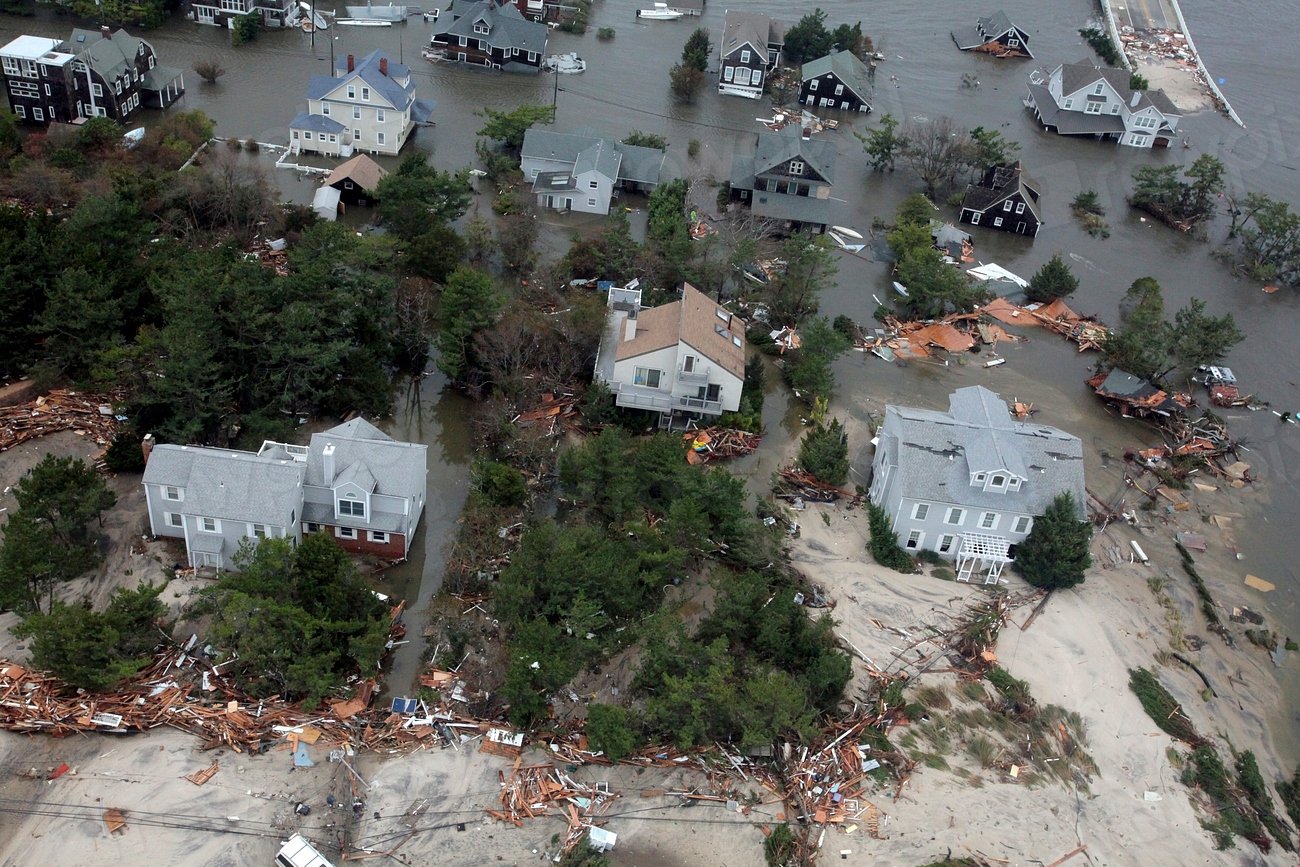
1. Freshwater flooding follows the storm inland, not just the surge
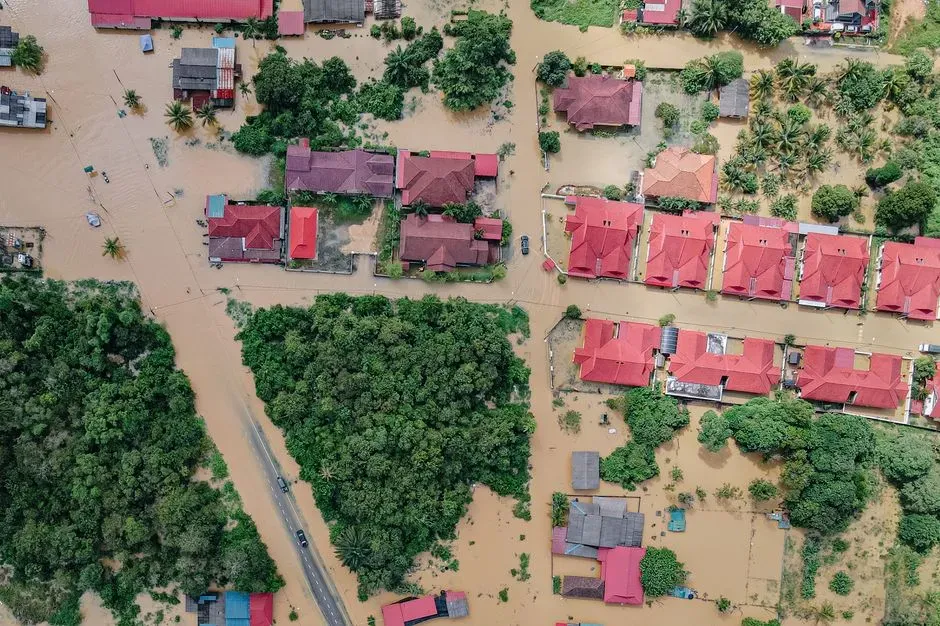
I assumed flooding was mostly a beach problem, something tied to storm surge pushing seawater onto shorelines. That is not the full picture. Approximately 25 percent of U.S. hurricane deaths from 1963 to 2012 occurred in inland counties, with more than half of tropical hurricane deaths related to freshwater flooding.
The mechanism is simple once you think about it. When these powerful storms move over land, they lose wind strength but continue to dump massive amounts of rain into streams, rivers and lakes, posing a serious threat that accounts for more than half of hurricane-related deaths each year. My new home sits nowhere near a coast, yet the local river still rises fast whenever a tropical system stalls anywhere near us.
2. Hurricanes can spin off tornadoes far from where they made landfall
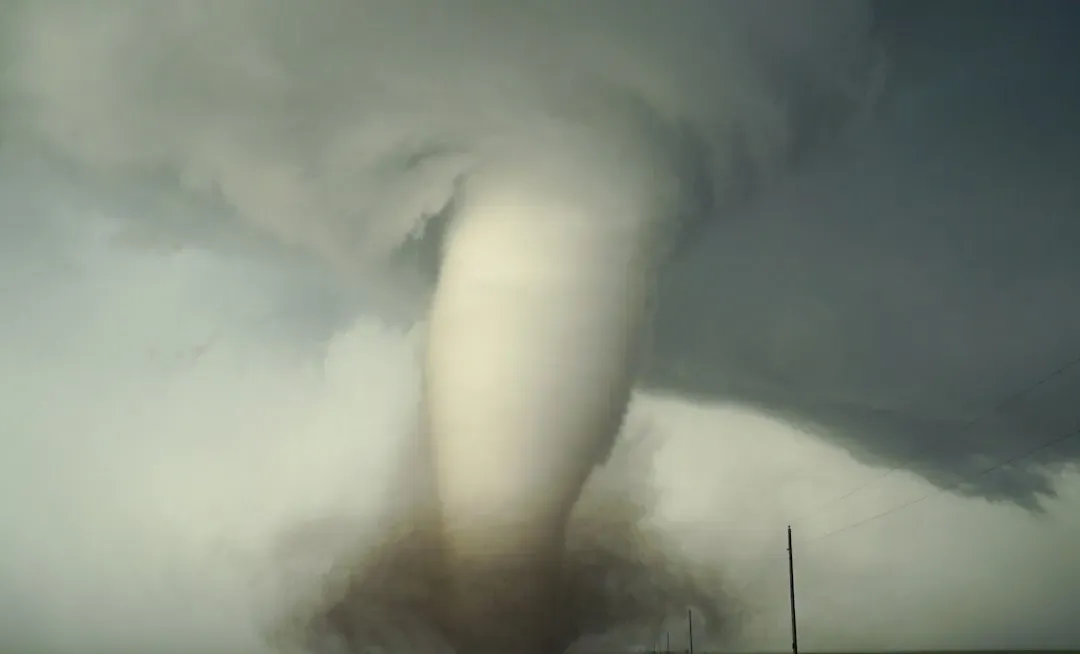
This one genuinely rattled me the first time it happened. I had pictured tornadoes as a Midwest problem, not something a weakening tropical storm would drag hundreds of miles inland.
The data says otherwise. Hurricane Harvey, in addition to the 60 inches of rain it dumped on Houston, dropped 29 tornadoes in the region and 86 tornadoes across the Southeast in total. Even storms that stay weak can produce a surprising outbreak. Hurricane Milton’s outer bands triggered a destructive tornado outbreak with 45 plus confirmed tornadoes across the Florida peninsula, several rated EF3.
3. Losing power for days is still very much on the table
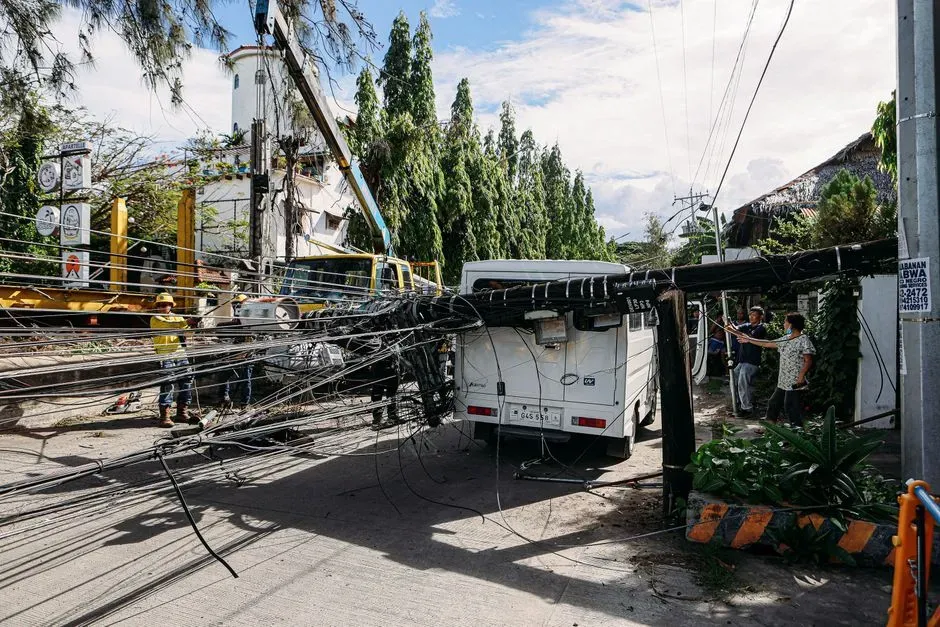
I figured being inland meant a quicker return to normal service. Utility crews would fix downed lines near the coast first, and my area would barely notice. That has not matched reality.
Wind and saturated ground still take down trees and power lines well away from any coastline. Milton alone cut power to more than three million customers statewide and prompted water rescues even in inland areas like Orlando. Multi-day power outages deserve their own mention, since in Florida’s heat, losing electricity for days is a real concern for anyone relying on medical equipment or air conditioning. I now keep a battery bank charged year round, something I never bothered with near the beach.
4. Wind speeds barely drop off as fast as you’d hope
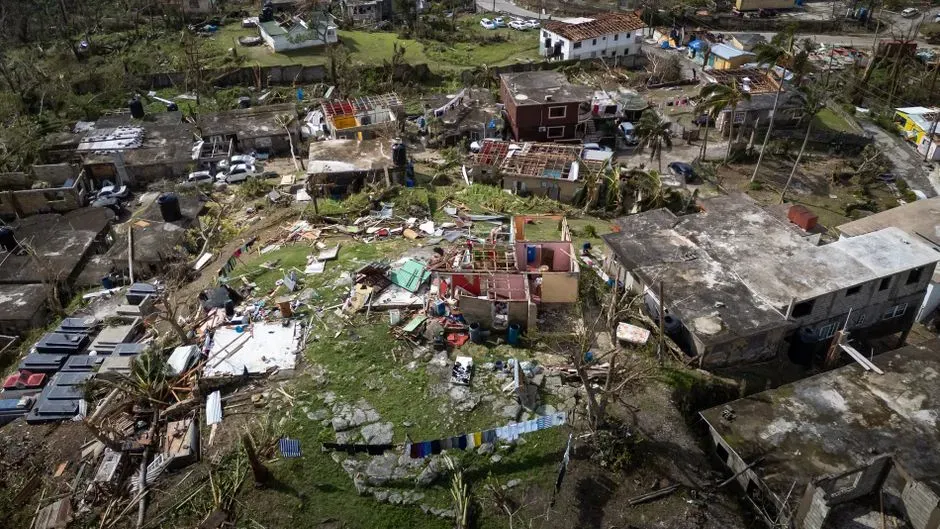
I had this vague notion that hurricane winds basically evaporate once a storm crosses the coastline. Category 4 monster becomes a breeze by the time it reaches me, or so I thought.
The historical record tells a different story. Winds can stay above hurricane strength well inland, and in 2004, Hurricane Charley made landfall at Punta Gorda on the southwest Florida coast and produced major damage well inland across central Florida with gusts of more than 100 mph. Even a storm that has clearly weakened can still snap tree limbs and rip off shingles far from where it first touched land.
5. Storms weaken, but they don’t always weaken fast enough
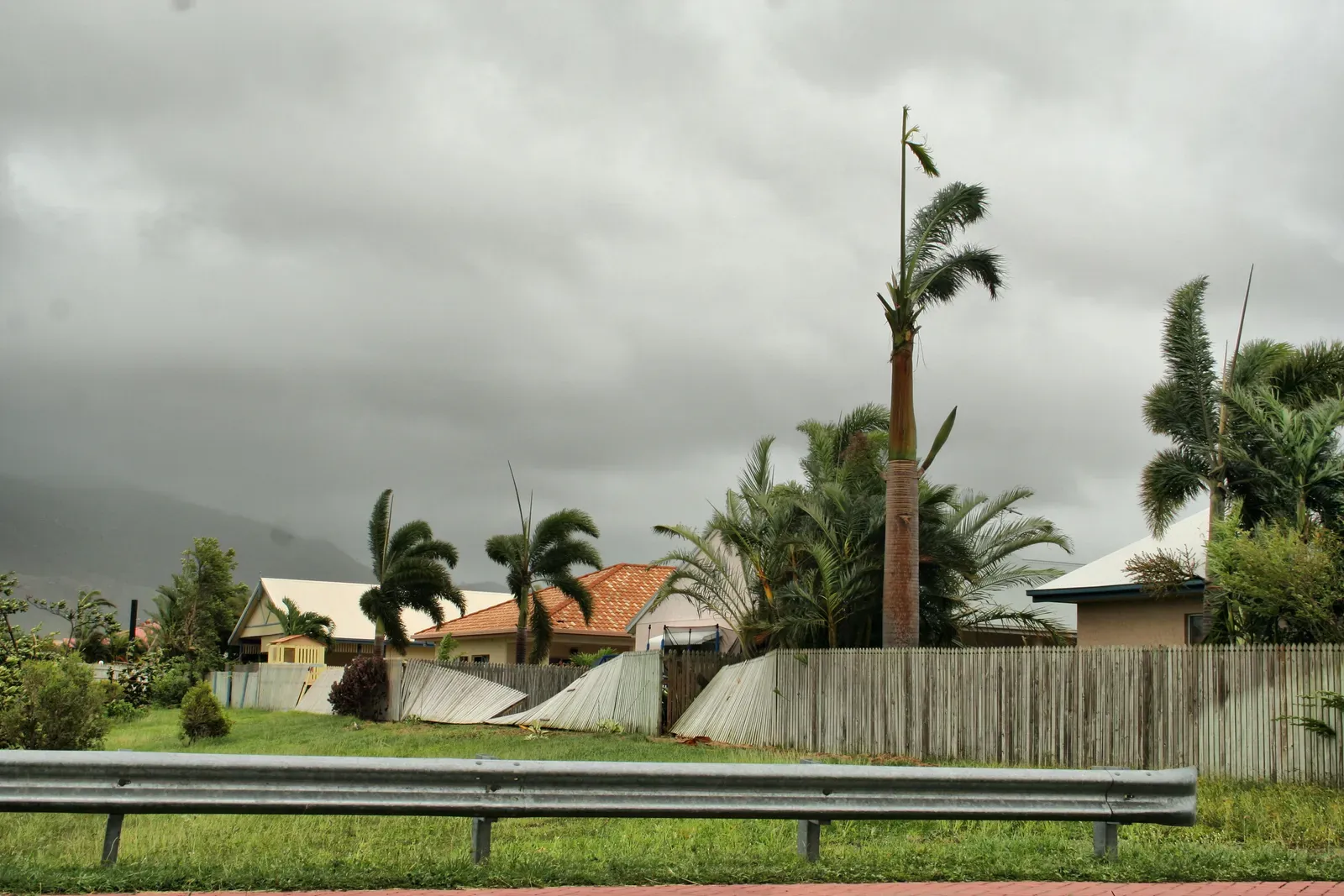
There is a comforting half truth that gets repeated a lot in inland real estate circles, something along the lines of hurricanes running out of steam once they lose the ocean underneath them. That part is technically accurate, but the timing rarely works in your favor.
Hurricanes weaken over land once cut off from the warm water that fuels them, and a Category 4 or 5 storm hitting either coast has often dropped to a Category 1 or a tropical storm by the time its core reaches central inland areas. A tropical storm still packs enough wind and rain to knock out power and flood a low spot in your yard, which is exactly what happened to me during my first inland hurricane season.
6. Trees turned out to be a bigger threat than the wind itself
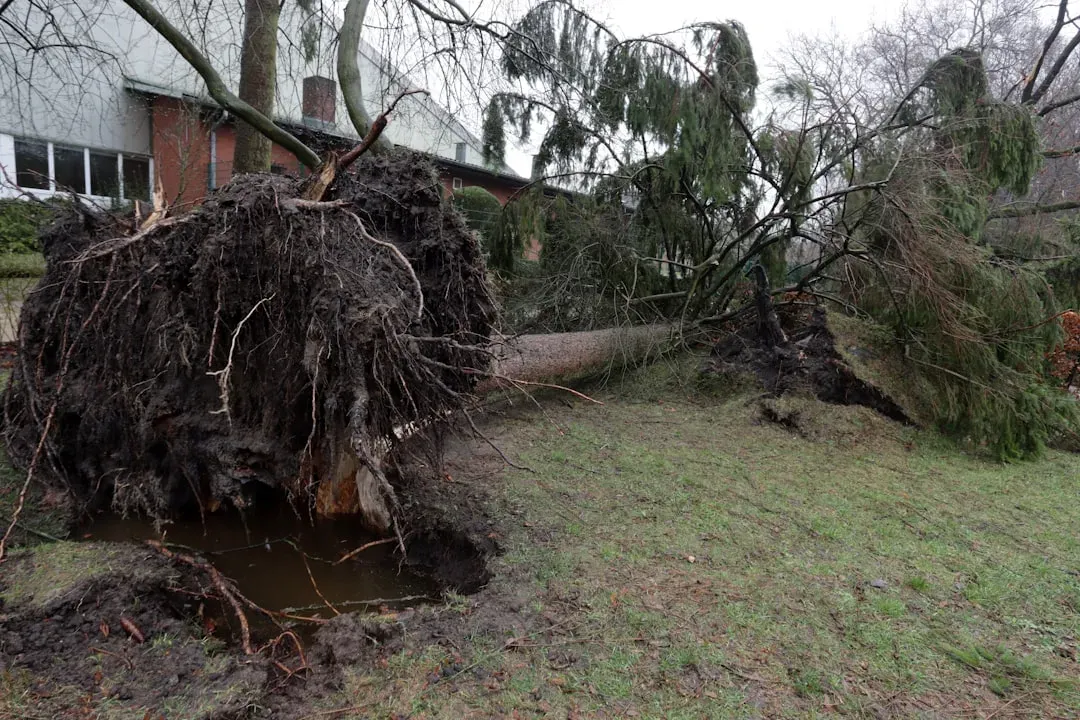
Coastal living trained me to worry about storm shutters and flying roof debris. What I did not fully appreciate was how much older, taller tree canopy inland neighborhoods tend to have compared with newer coastal developments built with hurricanes in mind from day one.
Saturated soil combined with sustained wind is a bad combination for mature oaks and pines. Preparedness guidance consistently flags this risk well before a storm arrives, recommending residents trim or remove trees close enough to fall on your home as a basic precaution. I never once thought about tree removal budgets until I moved somewhere with a lot more shade.
7. Climate trends are quietly pushing hurricane impacts further inland
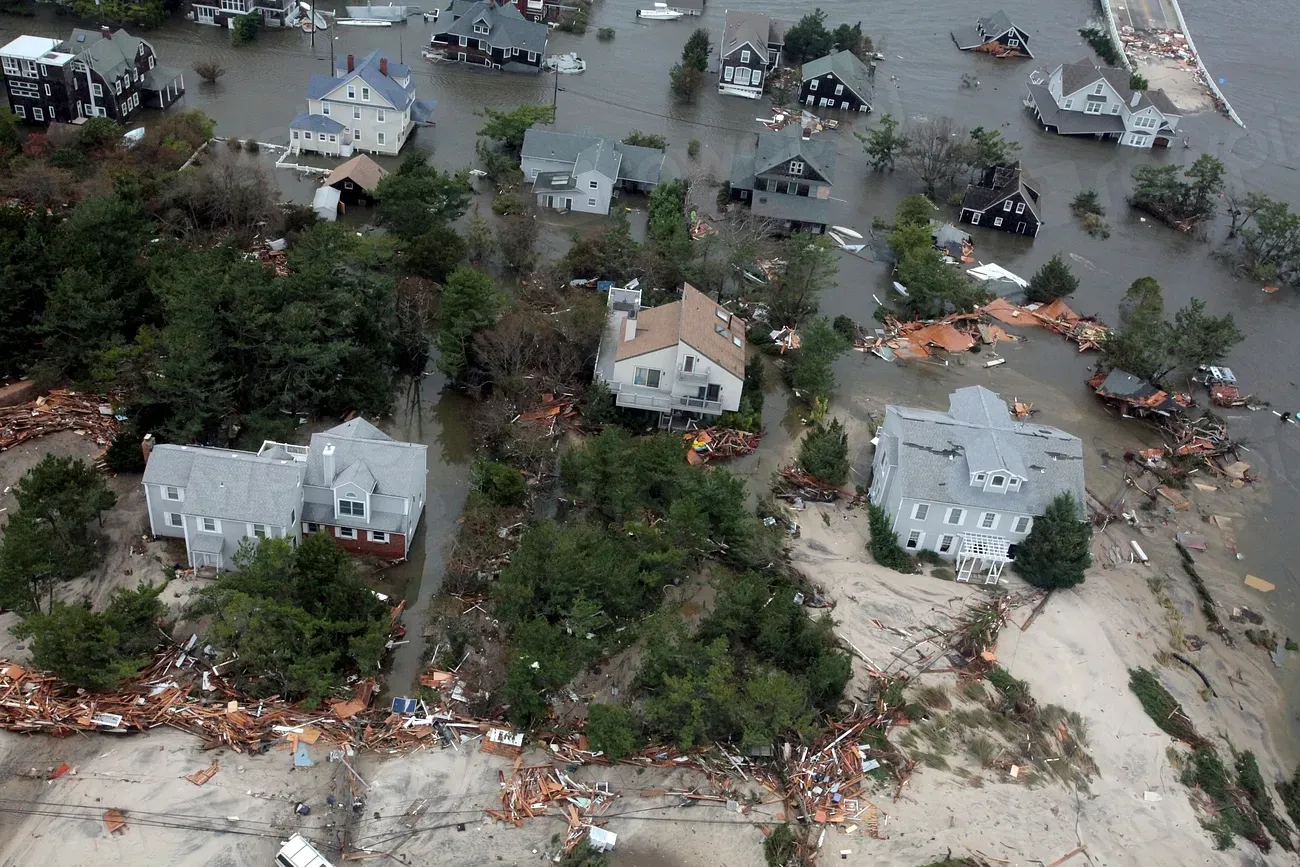
The last surprise was less about a single storm and more about a slow shift researchers have been documenting for years. I had assumed inland risk was static, a fixed distance from the coast that made a location permanently safer once you crossed it.
Recent research suggests that boundary is moving. A study prepared by scientists at the National Center for Atmospheric Research notes that the costs of tropical cyclones have doubled over the last 15 years, meaning inland areas could be hit much harder in future tropical storms. That kind of finding does not mean inland living is a bad choice, but it does mean the safety margin I imagined when I moved is probably narrower than I thought.
None of this makes me regret leaving the coast. Storm surge alone was worth escaping, and that threat truly is gone for good. But hurricane season inland is not the quiet, low-stakes affair I expected. I still keep a go bag packed, I still watch the forecasts closely from June through November, and I have made peace with the fact that moving away from the water was never the same thing as moving away from the storm.
- The Shoreline Sucked Dry in Seconds – 5 Tsunami Signals Beachgoers Mistake for Low Tide - November 14, 2026
- 9 Dark-Sky Destinations Around the World Where the Stars Look Unreal - November 14, 2026
- The Fault Line That Never Slips – 7 Locked Seismic Zones Overdue for a Massive Release - November 14, 2026
