


The sunniest surprise sits in Northern California
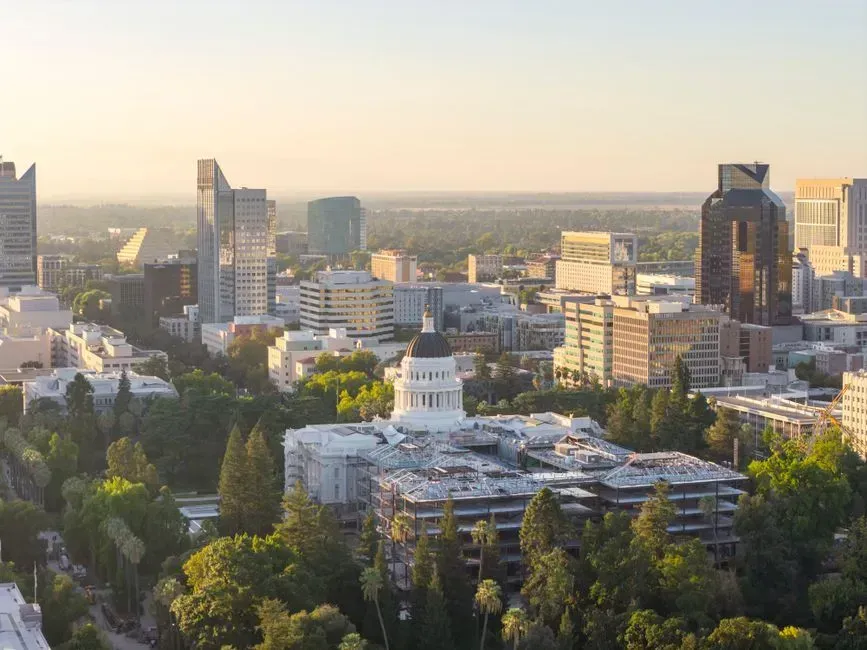
Redding, California, tucked into the northern end of the Sacramento Valley, holds a spot at the very top of national sunshine rankings that catches a lot of people off guard. Redding boasts an impressive 88% annual average possible days of sunshine, making it the sunniest city in California and the second sunniest in the United States. That statistic comes straight from National Oceanic and Atmospheric Administration climate records, not a tourism brochure.
What makes the number stand out even more is who it beats. Redding leaves popular sun soaked destinations like Las Vegas, Nevada at 85%, Tucson, Arizona at 85%, El Paso, Texas at 84%, Reno, Nevada at 79%, Flagstaff, Arizona at 78%, San Diego, California at 68%, and even Phoenix, Arizona at 85% in the shade. In other words, the city famous for casinos and the city nicknamed the Valley of the Sun both come in below a place many Americans couldn’t locate on a map.
How meteorologists actually measure sunshine

None of this makes sense without understanding what “percent of possible sunshine” actually means. NOAA defines this as the total time that sunshine reaches the surface of Earth expressed as the percentage of the maximum amount possible from sunrise to sunset with clear sky conditions. That is a very different measurement from simply counting days that felt warm or pleasant.
It also differs from raw sunshine hours, which favor places with longer daylight windows regardless of cloud cover. Because the percentage metric accounts for how much of the available daylight actually gets filled with sun, it rewards consistency over sheer volume. A shorter winter day that stays completely clear can score just as well, proportionally, as a long summer day that stays clear too.
Arizona’s famous cities fall just short
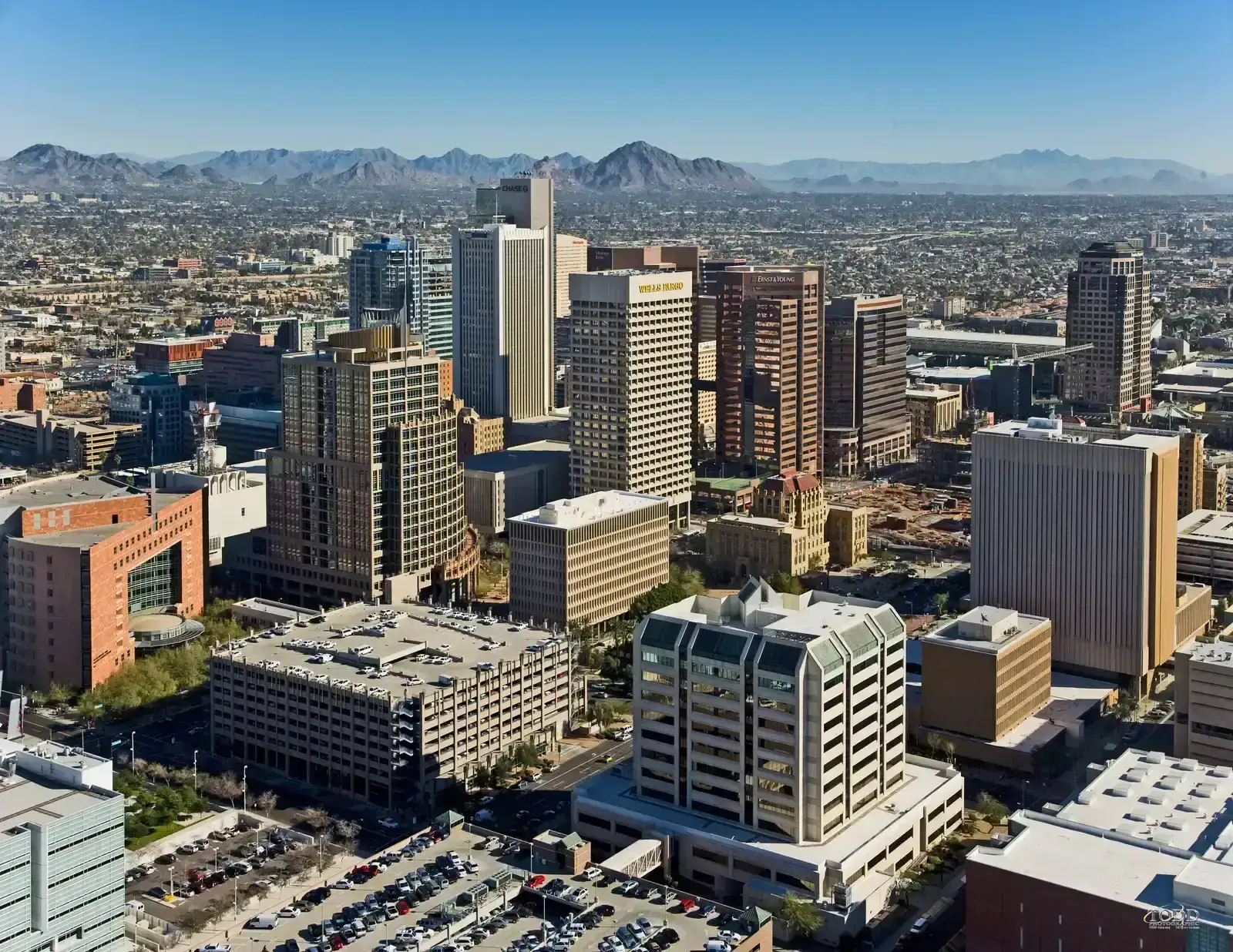
Phoenix and Tucson have earned their sunny reputations honestly, and they still rank near the top of nearly every national list. Move.org’s data analysis shows Phoenix and Tucson tied for the sunniest city in the U.S., with Las Vegas, El Paso, Reno, and Pueblo rounding out the top five. That is a genuinely impressive showing for two cities in the same state.
But impressive is not the same as first place. When Redding’s 88% figure is placed next to Phoenix and Tucson’s shared 85%, the math simply favors the Northern California city. It is a small gap in percentage terms, yet in climate science that difference is treated as statistically meaningful rather than a rounding error.
The small Arizona town that technically beats everyone
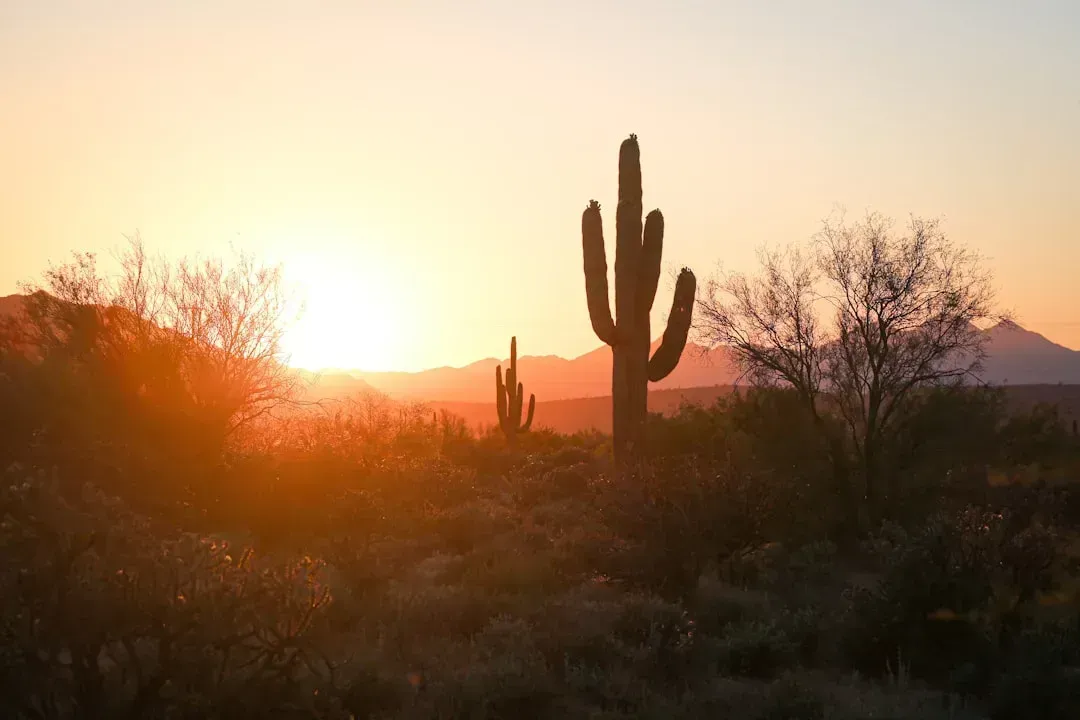
There is an important asterisk here, and honesty requires including it. Yuma, Arizona, a border city most Americans have never visited, actually posts even higher numbers than Redding. The city averages more than 4,000 hours of sunshine annually and enjoys clear skies roughly 90% of the time. Yuma has been recognized by Guinness World Records as the Sunniest City on Earth.
So why doesn’t Yuma get the headline treatment in most modern rankings? Yuma doesn’t appear on many lists because NOAA didn’t look at every single city in the United States, even though it’s widely cited as the sunniest town in the United States. Its smaller population and limited inclusion in standard comparative city datasets mean that when analysts compare major, well tracked metropolitan areas against each other, Redding often ends up being the highest ranking city that actually shows up on the list.
The geography behind Redding’s clear skies
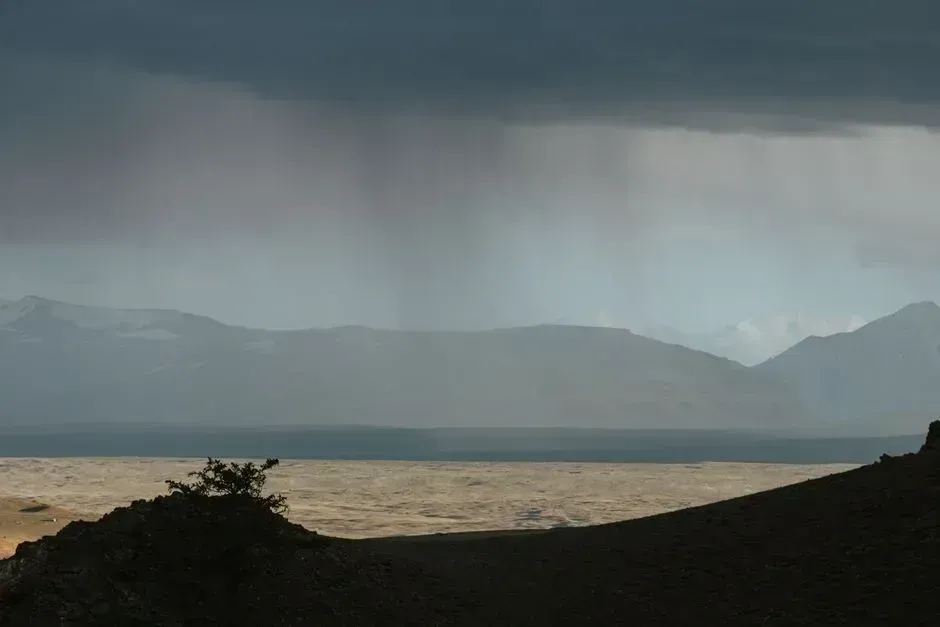
Redding’s sunshine advantage is not an accident of luck. Its location in the Central Valley and surrounding mountains contribute to its sunny and warm climate. Mountains to the east and west help block incoming storm systems before they reach the valley floor, similar to the rain shadow effect that keeps deserts dry.
The regional pattern reinforces this further. Redding’s prime location in the northern Sacramento Valley means sunny days are the norm, not the exception. Combined with California’s broader Mediterranean climate pattern of dry summers, the setup produces long stretches where clouds simply have nowhere to form.
A city that has built its identity around the sun
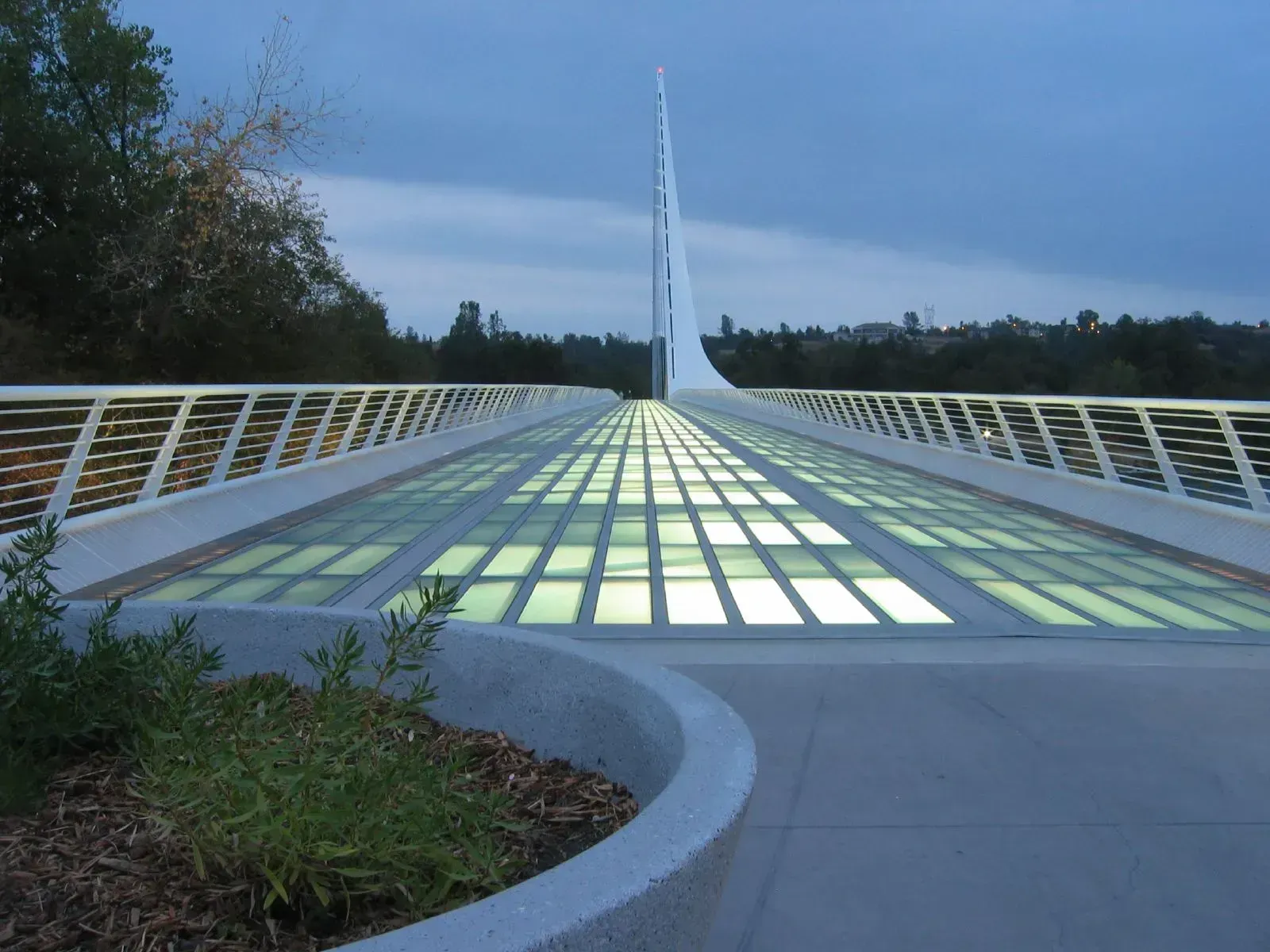
Locals in Redding do not treat the sunshine statistic as trivia. The city’s most photographed landmark leans directly into it. The Sundial Bridge is a popular pedestrian bridge found in Redding and one of the biggest working sundials in the world, and visitors can catch it in action on any of the more than 300 sunny days the city sees each year.
With a population of roughly ninety thousand people, Redding remains small enough to feel unhurried while still offering real infrastructure and services. Redding’s cost of living is far more affordable than many other California cities, so residents can enjoy the sunshine without breaking the bank. That combination of clear skies and manageable expenses has quietly made the city attractive to people relocating from pricier parts of the state.
Sacramento and Fresno aren’t far behind
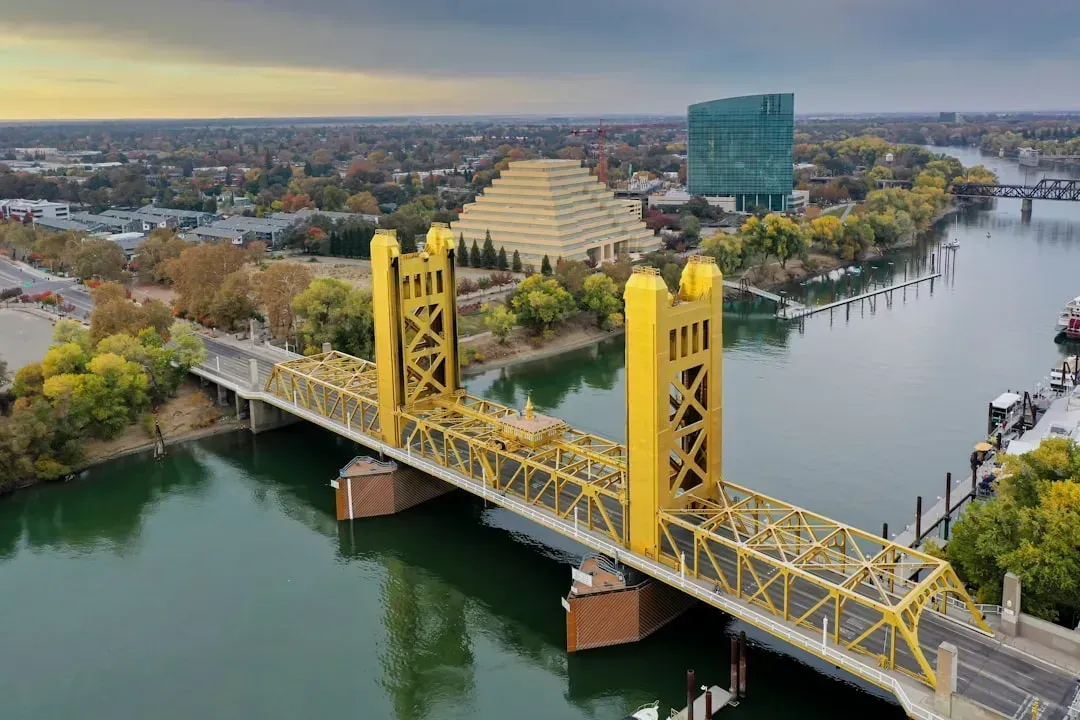
Redding does not hold its advantage alone. Nearby Central Valley cities post strong numbers of their own, especially once summer arrives. During the summer months, Redding, Fresno and Sacramento take over as the sunniest spots in the country, ahead of even the Arizona desert.
Sacramento in particular reaches remarkable heights during peak season. At Sacramento the sun shines 96% of the time in the summer, and all but nine days in those two months have mainly clear skies. Fresno holds its own too, with Redfin data putting the city at roughly 194 mostly sunny days a year, a total that outpaces plenty of destinations more commonly associated with year round sun.
The one season where the sunshine dims a little

No climate story is complete without acknowledging its limits, and Redding’s does have one. Winter tells a different story than summer across most of California’s Central Valley. Prepare for hot summers and rainy winters, but that doesn’t prevent locals from getting outdoors and enjoying beautiful nature on the famous bike trails of the city.
Sacramento’s winter numbers give a sense of how sharp that seasonal swing can be regionally. During winter, clouds move in and Sacramento sees sun for less than half of the daylight hours. Redding sits in the same broader climate zone, so its winter months bring noticeably more cloud cover and rain than the dazzling summer stretch that earns it national attention.
What all that sun means for daily life

Beyond bragging rights, consistent sunshine has practical effects on how people live day to day. Regular exposure to sunlight accounts for up to 90% of human vitamin D intake, which improves immune function, muscle function, and mood. Residents of high sunshine cities often point to more consistent outdoor activity throughout the year as one of the quieter benefits.
There are practical downsides too, particularly around summer heat and water use in a valley climate. Still, for homeowners considering solar power or families weighing where to plant roots, a city that reliably delivers clear skies offers a kind of predictability that harder to forecast climates simply cannot match.
Final thoughts

The lesson here isn’t that Arizona’s reputation is undeserved. Phoenix, Tucson, and especially Yuma genuinely earn their place near the top of any honest sunshine ranking. What the data actually shows is that assumptions about geography and climate don’t always hold up once you look past the obvious candidates.
Redding’s rise to the top of California’s sunshine rankings, and its edge over cities like Phoenix and Tucson, is a reminder that clear skies show up in unexpected corners of the map. Sometimes the most reliable sunshine isn’t found where the postcards say it should be.
