
Why the Old Climate Safety Map No Longer Works
For years, conventional wisdom pointed people toward the Pacific Northwest or the Northeast as the safest bets from climate disruption. That map has shifted. In 2024 alone, the world witnessed the hottest year on record globally, with July marking the planet’s warmest month ever recorded. Events that once seemed regional are now rewriting the livability calculus everywhere.
In 2024, nearly half of U.S. homes faced at least one type of severe climate risk. More frequent wildfires, floods, and storms can lead to higher insurance premiums, reduced coverage availability, and rising out-of-pocket expenses for maintenance and repairs. The financial pressure alone is pushing millions of Americans to rethink where they want to put down roots.
The Freshwater Advantage Nobody Talks About Enough
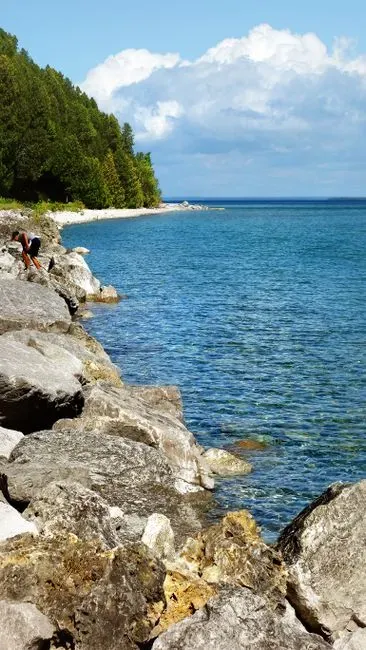
Michigan’s two peninsulas have ample freshwater, as the Great Lakes contain roughly ninety percent of North America’s supply, alongside lower temperatures and vast swaths of undeveloped land. When droughts tighten their grip on the Southwest and the Colorado River system struggles, that statistic stops being a trivia fact and starts being a survival advantage.
The Great Lakes region is frequently touted as one of the most climate-resilient places in the U.S., in no small part because of its enviable water resources. The warming climate is desiccating the Southwest and bearing down on the Deep South, while Great Lakes officials are promoting their ecologically stable and water-rich region as a sensible place to do business in the 21st century and beyond.
What the Scientists and Researchers Are Actually Saying

Sixteen academics and scientists interviewed by MLive all deem Michigan a climate haven, and internationally renowned researcher Parag Khanna believes the Great Lakes region, and Michigan in particular, will be the best place to live by 2050. That’s a striking consensus from people whose job is to model future risk, not sell real estate.
Researchers anticipate that warming winters, ample reserves of fresh water, and forests not prone to wildfire are ecological benefits that will attract millions of new residents to the Great Lakes region. By 2100, Michigan can expect to become home for at minimum tens of thousands fleeing rising ocean waters alone, though a more extensive analysis suggests that estimate is a vast undercount.
Michigan’s Low Disaster Risk in Hard Numbers
Michigan takes the top spot in at least one major climate index, with its fairly low susceptibility to most major climate threats, and ranks no lower than twentieth out of 48 states in any single major risk category. That kind of consistent, across-the-board resilience is rare. Most states ace one category while failing another.
With more than 3,200 miles of shoreline touching four of the five Great Lakes, Michigan’s varied climate constantly tests its resilience, and according to property data firm Cotality, it rates Michigan as the third best in the country for hardening properties against climate risks. Michigan also received a strong grade in preparedness from Climate Central, noting actions the state has taken to adapt and improve resilience to climate-related drought.
People Are Already Moving There for Climate Reasons

The ready access to nature and winter sports prompted one Oregon family to relocate to Michigan’s Keweenaw Peninsula in 2021. With roughly a third of Michigan’s territory home to only about three percent of its population, the Upper Peninsula can appear a dream place to start over. Their story is far from unique. It’s a pattern playing out across the region.
Portland, where the family came from, saw twenty-five days of temperatures at or above ninety degrees Fahrenheit in one recent year. Houghton, Michigan, by contrast, had just two. That gap captures, more plainly than almost any chart, why the migration conversation around Michigan is gaining momentum.
The Southwest and South Are Driving People Out

The South faces the harshest climate change effects, with all but one of the ten most impacted states located there. Meanwhile, Oklahoma residents paid an average of nearly six thousand dollars per year for home insurance in 2024, one of the highest rates in the nation. Costs like these are a form of slow attrition on household finances.
There is an increasing chance that future waves of migrants from Florida, Arizona, California, and beyond could move to Great Lakes cities as extreme weather events in those regions prompt people to rethink where they want to live, with hurricanes in Florida already leading to insurance companies fleeing the Sunshine State. The insurance market, in many ways, is the most honest indicator of climate risk in America right now.
Michigan’s Growing Economic Case as a Climate Destination
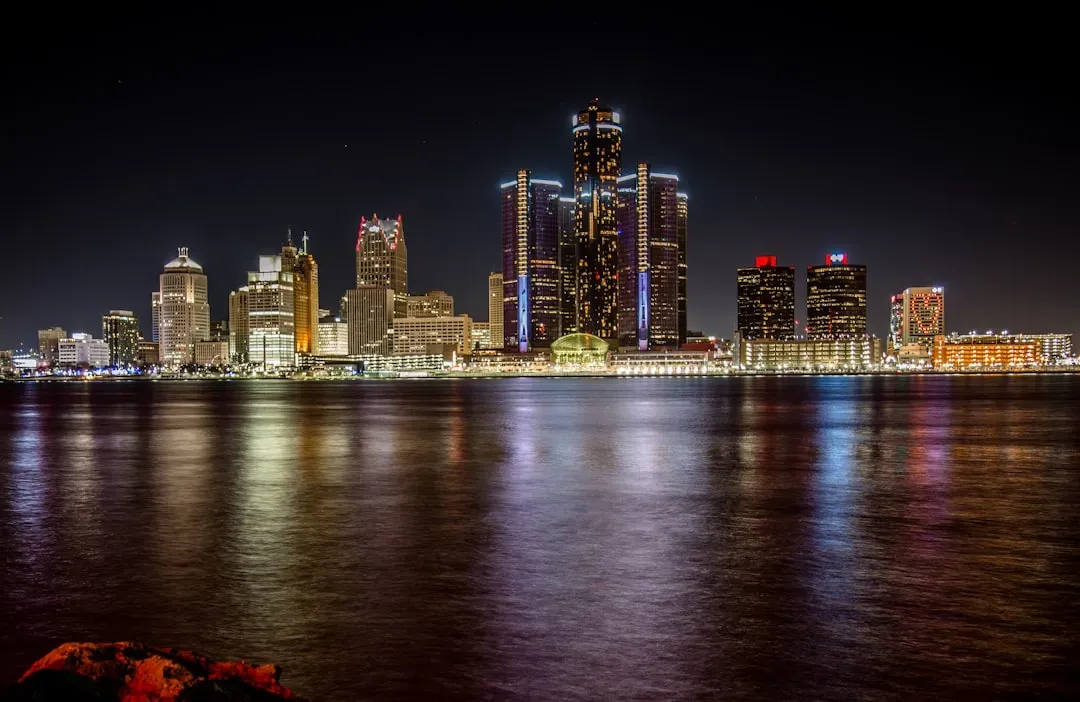
Climate haven may well become Michigan’s next branding strategy, with economic development leaders already framing the state’s relative climate stability as a genuine competitive advantage. Cities like Grand Rapids and Detroit, long associated with industrial decline, are being reassessed through a completely different lens.
Detroit, with its relatively affordable housing and large amounts of empty acreage poised for renewal and development, has a lot going for it to absorb newcomers. A growing population carries obvious financial advantages for a city, with taxpayers contributing to city coffers in ways that fund better services, and a larger population potentially meaning greater congressional representation.
The Real Challenges Michigan Still Faces
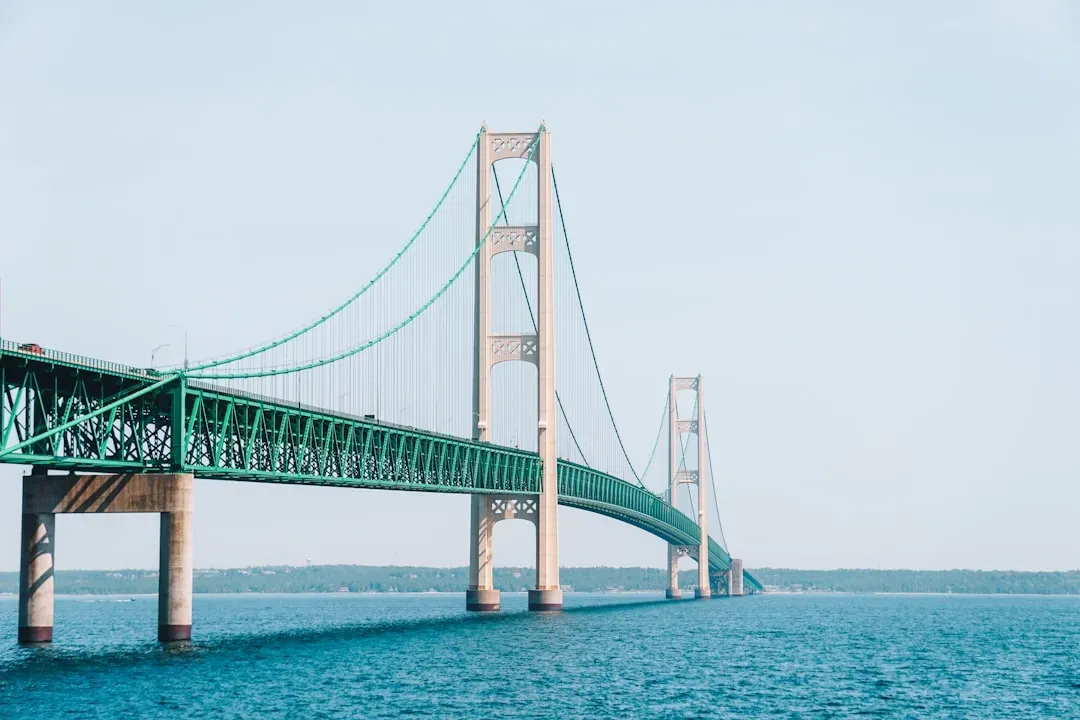
No one credible is calling Michigan a perfect sanctuary. Climate change threatens water quality, availability, and aging water infrastructure by exposing existing vulnerabilities and creating new ones. Bigger rainstorms that dump several inches in a few hours have overwhelmed flood-protection infrastructure, and the Great Lakes themselves have witnessed sharp swings from record-high water levels to levels that recently dipped below the long-term average.
The Upper Peninsula already faces healthcare shortages, with an inadequate number of inpatient psychiatric hospital beds, and other facilities that have the required infrastructure face staff shortages. Infrastructure and services have not yet scaled to meet the demands that a genuine population surge would create. That gap is the state’s most pressing planning challenge heading into the coming decades.
The Broader Great Lakes Region Is Positioning Itself
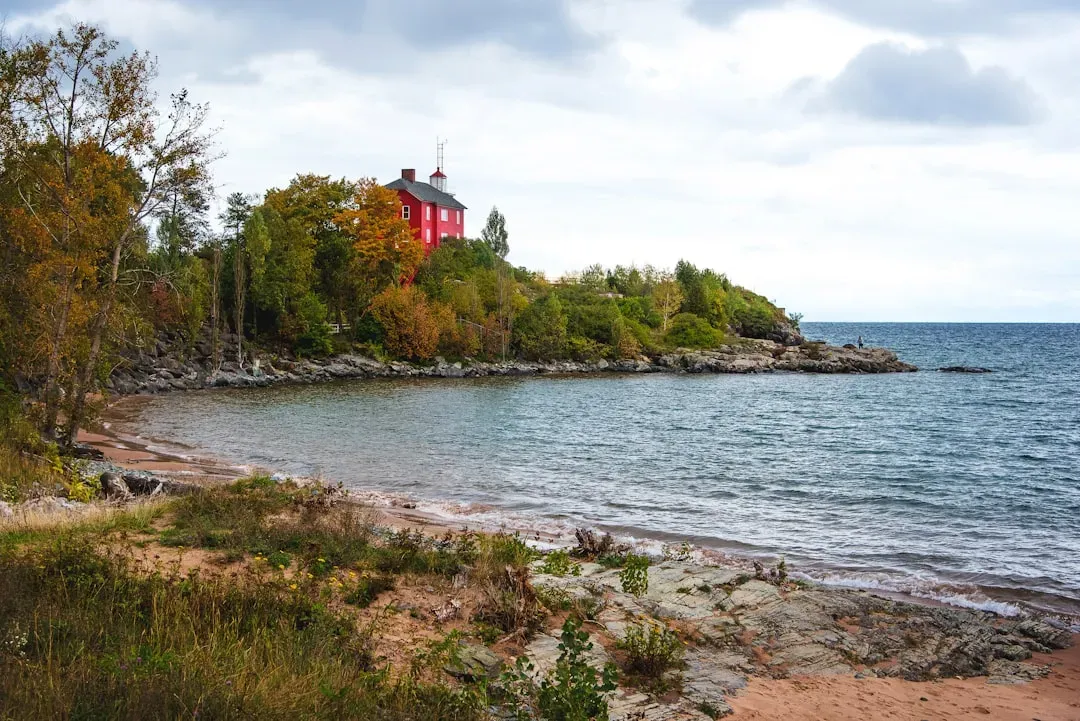
Researchers have identified Buffalo, Rochester, Duluth, Minneapolis, Madison, Milwaukee, Detroit, and Burlington as cities that could provide climate refuge in the future. The Great Lakes corridor, stretching from Minnesota through Michigan and into western New York, is quietly emerging as the most coherent climate-resilient zone in the continental United States.
As people question how livable the world will be in a warming future, a narrative around climate migration and climate havens has emerged, with these areas touted by researchers, public officials, and city planners as natural refuges from extreme climate conditions, and some already welcoming people escaping the effects of climate change elsewhere. Michigan sits at the center of that emerging geography, holding more fresh water, more forest cover, and more undeveloped land than almost any state east of the Mississippi.
What This Means for Anyone Paying Attention
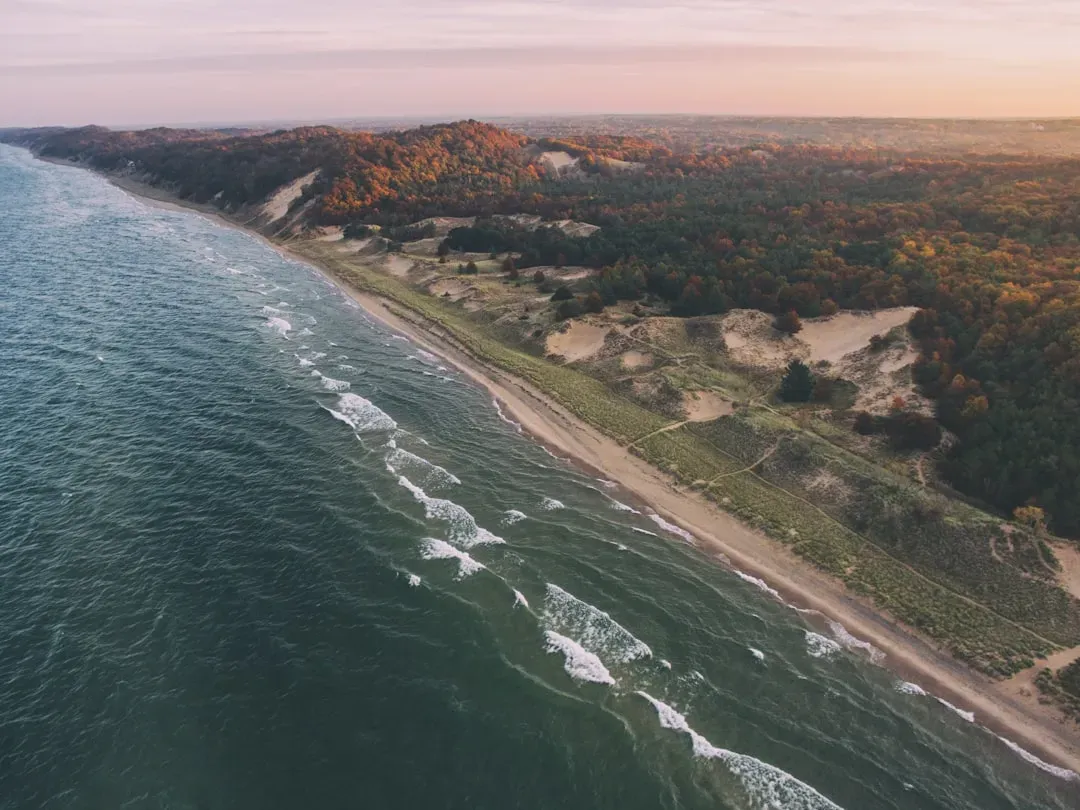
Recent studies show that roughly thirty percent of Americans are considering relocating due to climate change. That is an enormous latent demographic force, and it is just beginning to move. The states that plan for that influx now will be far better positioned than those that scramble to respond later.
Michigan is not immune. No place is. A climate haven will not be immune from the impacts of the climate crisis, since the whole planet will feel the effects of global warming, but the idea is that a climate haven will experience these impacts more moderately than others. In a world where perfect safety is off the table, Michigan’s combination of freshwater abundance, low wildfire risk, inland geography, and significant infrastructure capacity makes it the most compelling unexpected answer to one of the defining questions of this century: where do you actually want to be?

- The Shoreline Sucked Dry in Seconds – 5 Tsunami Signals Beachgoers Mistake for Low Tide - November 14, 2026
- 9 Dark-Sky Destinations Around the World Where the Stars Look Unreal - November 14, 2026
- The Fault Line That Never Slips – 7 Locked Seismic Zones Overdue for a Massive Release - November 14, 2026
