

- Top 6 Countries With the Most Extreme Temperature Swings - September 23, 2026
- The Snowbird Backlash: Why Ski Towns Are Pushing Back on Winter Tourists - September 23, 2026
- 11 Ways Different Generations Have Adapted Their Homes to the Weather - September 23, 2026
Drought used to be thought of as a regional inconvenience, a bad harvest year here, a low reservoir there. That framing no longer fits. Recent data shows nearly a third of the planet’s land surface now experiences drought conditions in any given year, yet the pain is wildly concentrated in a handful of places where the consequences ripple through food supplies, energy grids, and human lives.
Some regions are quietly recovering after brutal multi-year dry spells, while others are sliding deeper into crisis at the very same moment. Understanding where the world’s droughts are actually landing, rather than treating “drought” as one global phenomenon, is the only way to make sense of why some countries are rationing electricity while others are watching reservoirs refill.
A Planet Getting Drier, But Not Equally
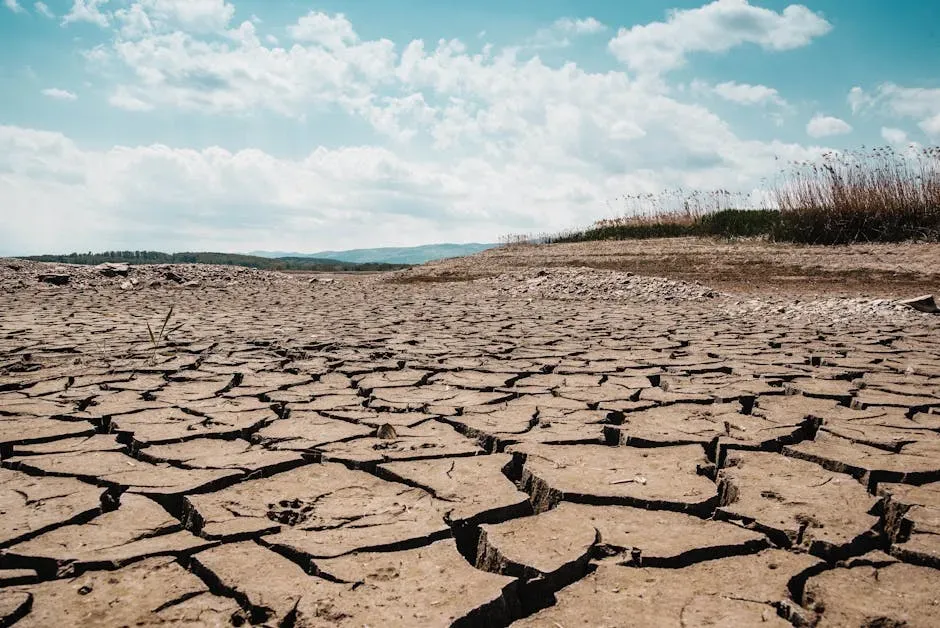
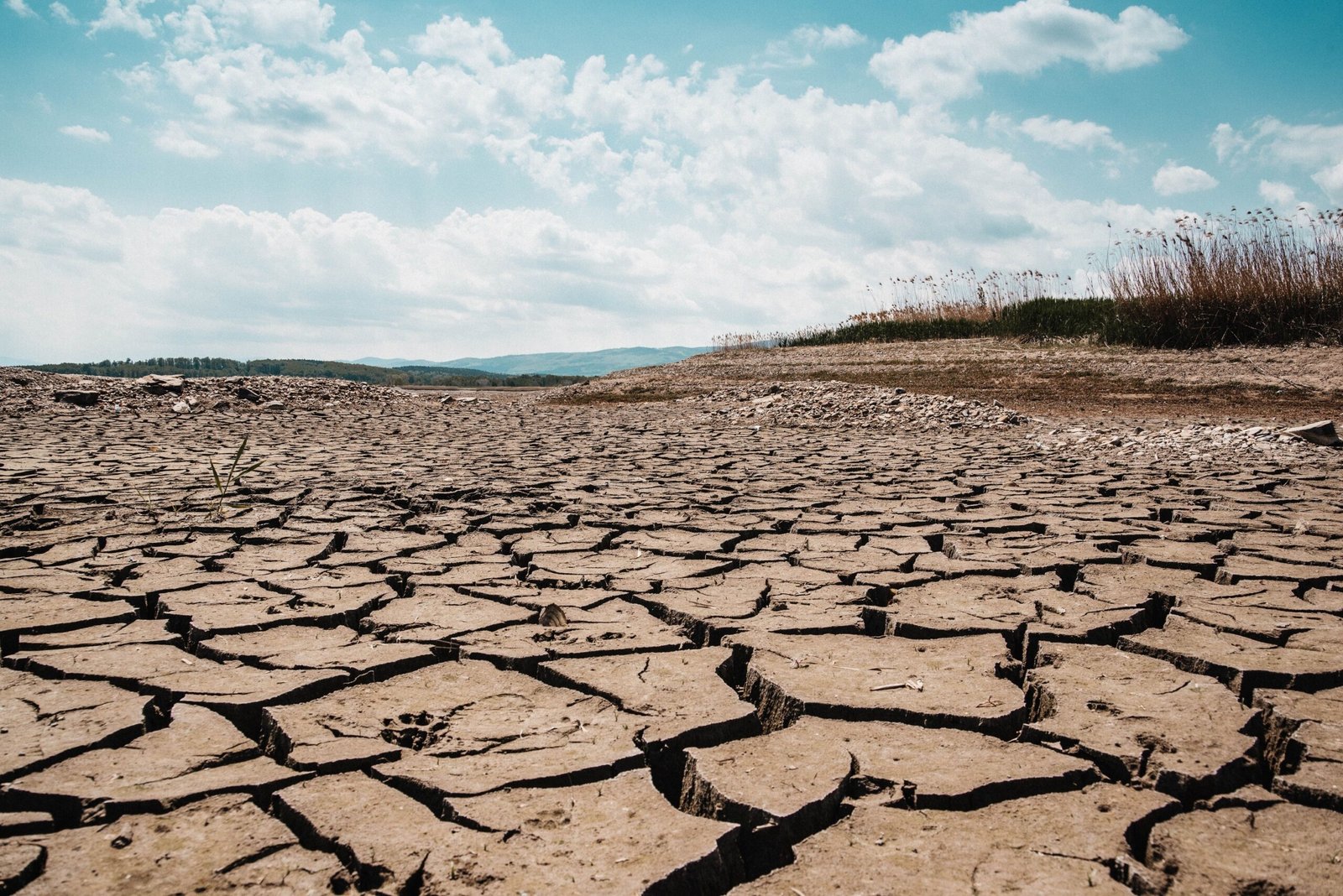
The scale of the problem sounds abstract until you see the numbers side by side. Global annual drought in 2025 affected roughly 30% of the global land surface, with about 1.2% experiencing extreme drought conditions. That is a staggering jump from historical norms. By the end of 2025, roughly 30 percent of the global land surface was gripped by drought, a near-tripling from the 10 percent recorded in the 1990s.
What makes this trend unsettling is not just the spread but the mechanism behind it. A key finding of recent research is a structural shift in the mechanisms driving drought, transitioning from traditional precipitation deficits to a pattern dominated by evaporative demand, even without extreme rainfall shortages. In plain terms, the air itself is thirstier now, pulling moisture out of soil and plants even when rainfall isn’t dramatically below average. The year 2025 ranked as the sixth most drought-affected year since 1950.
The Horn of Africa: A Region Stuck in Crisis Mode
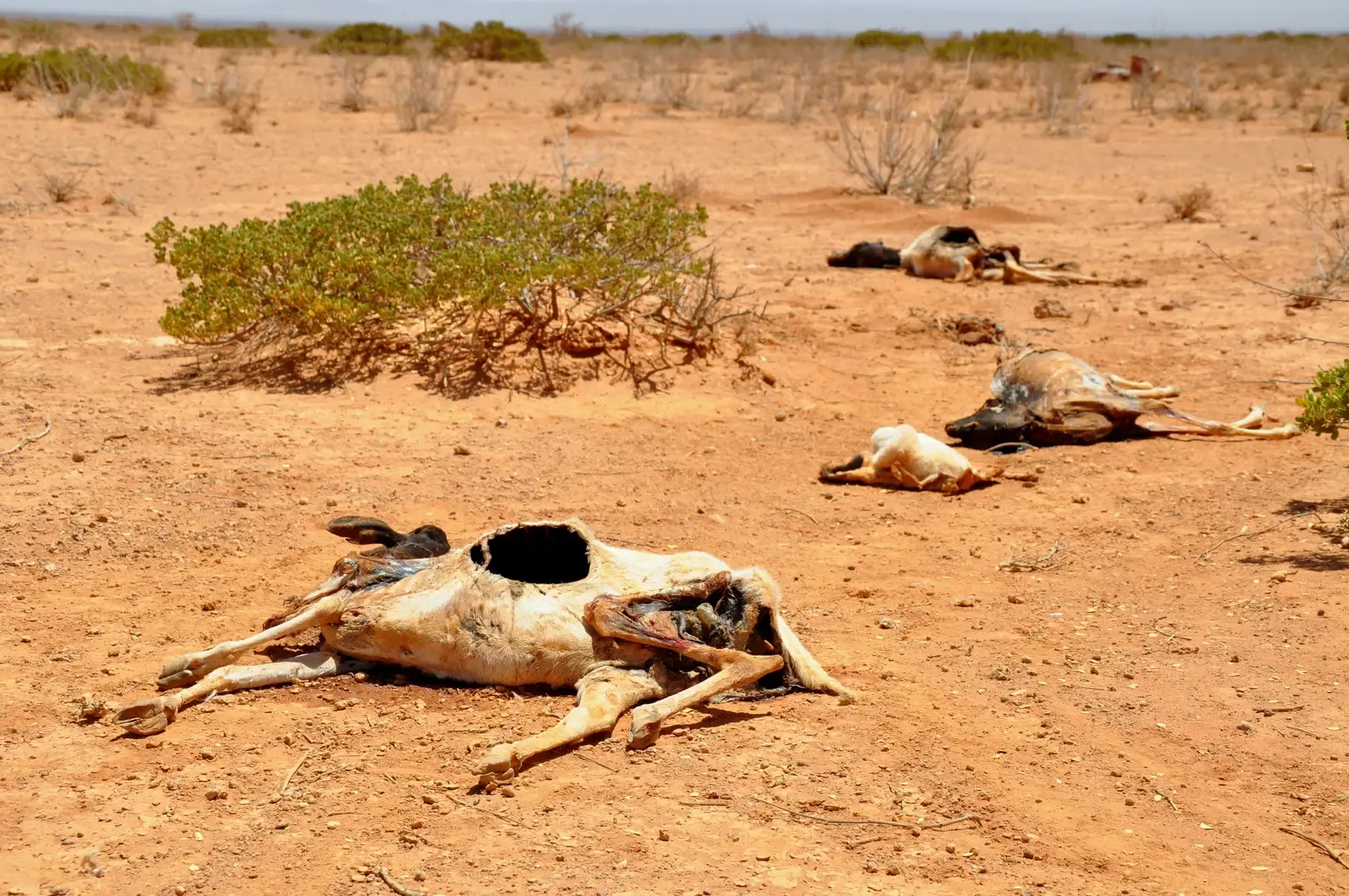
If there’s a single place that epitomizes the human cost of modern drought, it’s the Horn of Africa. Ethiopia is currently considered the most drought-stricken country in the world, located in the Horn of Africa and experiencing the longest and most severe drought ever recorded there. The scale of need is enormous, with more than ten million people in Ethiopia requiring assistance due to the effects of drought, many dependent on government and humanitarian agencies for survival.
The suffering isn’t confined to one country. The rainy season of 2022 was recorded as the driest in over 40 years, with an estimated 43,000 people dying in Somalia in 2022 alone. Conditions have hardly stabilized since. As of early 2026, the Horn of Africa is facing worsening drought as La Niña and negative Indian Ocean Dipole conditions persist, with forecasts showing a high likelihood of continued below-normal rainfall threatening agriculture, livestock, water resources and food security. Research using satellite indices has pinpointed exactly where the damage concentrates, finding that the eastern and southeastern Horn of Africa are major drought hotspots, experiencing severe droughts 70 to 100 percent of the time.
Southern Africa’s Domino Effect: From Dry Rivers to Dark Cities
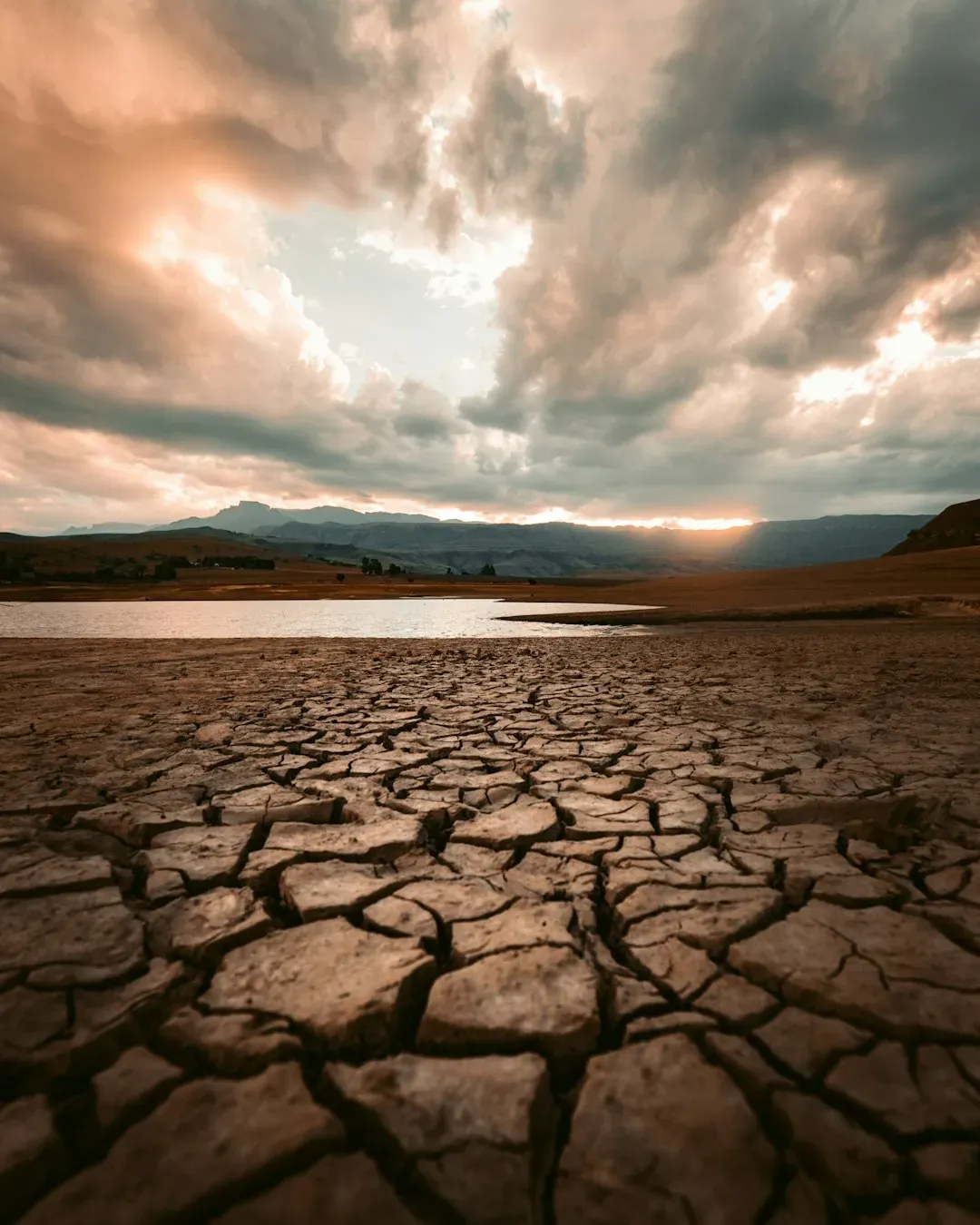
Southern Africa offers perhaps the clearest example of how drought cascades beyond agriculture into energy and industry. The region’s dependence on hydropower turned a rainfall deficit into a full-blown blackout crisis. As a result of drought, Zambia suffered one of the world’s worst energy crises: in April, the Zambezi River plummeted to 20 per cent of its long-term average, and the country’s largest hydroelectric plant, the Kariba Dam, fell to 7 per cent generation capacity, causing electricity blackouts of up to 21 hours a day. That has real economic teeth, as this has led to the shuttering of hospitals, bakeries, and factories, further compounding the devastation.
The food security numbers are just as stark. Southern Africa, already drought-prone, was devastated with roughly one sixth of the population, some 68 million people, needing food aid in August 2024. Crop failures compounded the crisis across multiple countries, since in Ethiopia, Zimbabwe, Zambia, and Malawi maize and wheat crops failed repeatedly, and in Zimbabwe alone the 2024 corn crop was down 70 percent year on year, while maize prices doubled and 9,000 cattle died of thirst and starvation.
The Mediterranean’s Rollercoaster: From Emergency Restrictions to Overflowing Dams
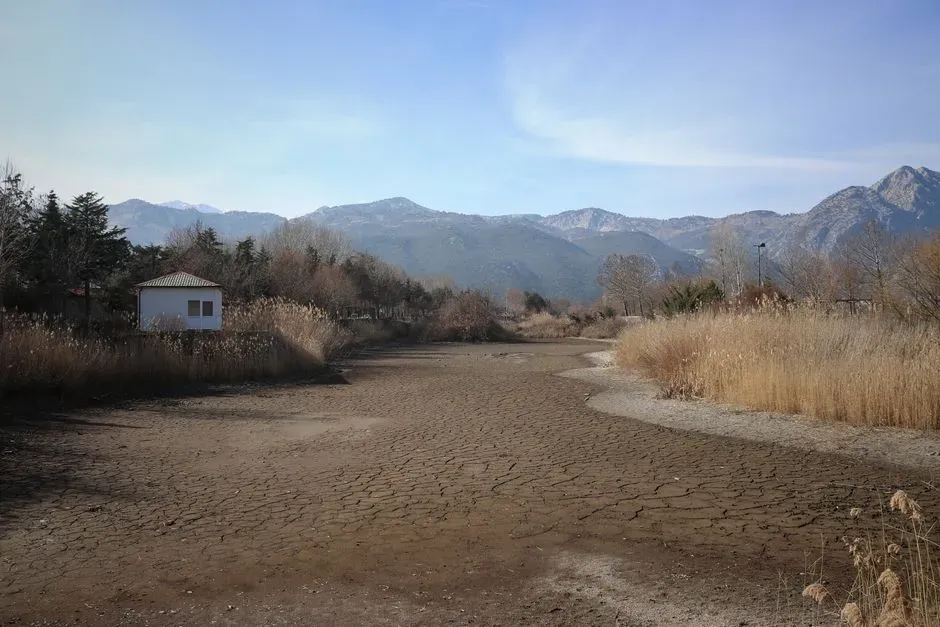
Few regions illustrate the volatility of modern drought better than the Mediterranean basin. Just two years ago, the situation looked dire. Water use restrictions were implemented in Morocco, Spain, and Sicily, and on 1 February 2024 a drought emergency with strict water restrictions was declared in the Spanish region of Catalonia, as water reserves fell below 16 percent. Morocco was arguably hit hardest, with six consecutive years of drought resulting in critically low levels of water in reservoirs, with average dam filling at about 23 percent.
The turnaround since then has been dramatic. In early 2026, Morocco finally declared the end of its seven-year drought after months of heavy rain and snow, with recent downpours refilling dams and turning dry waterfalls into torrents. Spain has followed a similar arc, with reservoirs now sitting at above 58 percent full in every major river basin, with Catalonia, once under emergency restrictions in early 2024, back to about 88 percent by mid-2026. Still, experts caution the underlying water scarcity hasn’t disappeared, since for farmers, city dwellers and policymakers, it is clear that the country’s water crisis is far from over.
North America’s Slow-Motion Megadrought
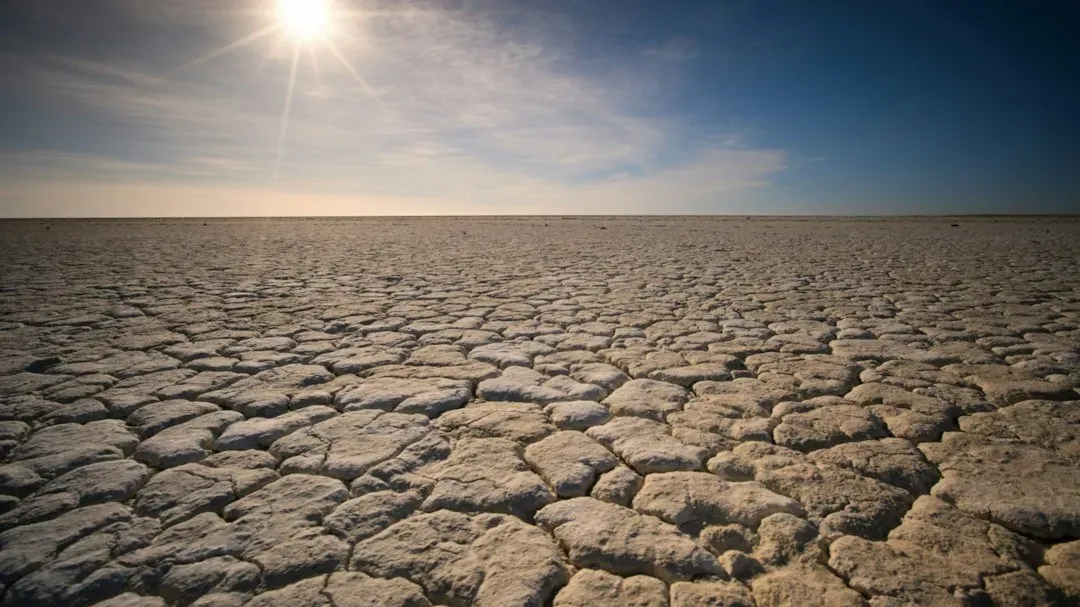
While the Mediterranean’s drought broke, North America’s has simply persisted for decades. The ongoing megadrought affecting Mexico and the United States, which has persisted for more than twenty years, is likely the most severe in 1,200 years. This isn’t a single bad season; it’s a multi-decade shift in baseline aridity across the American Southwest.
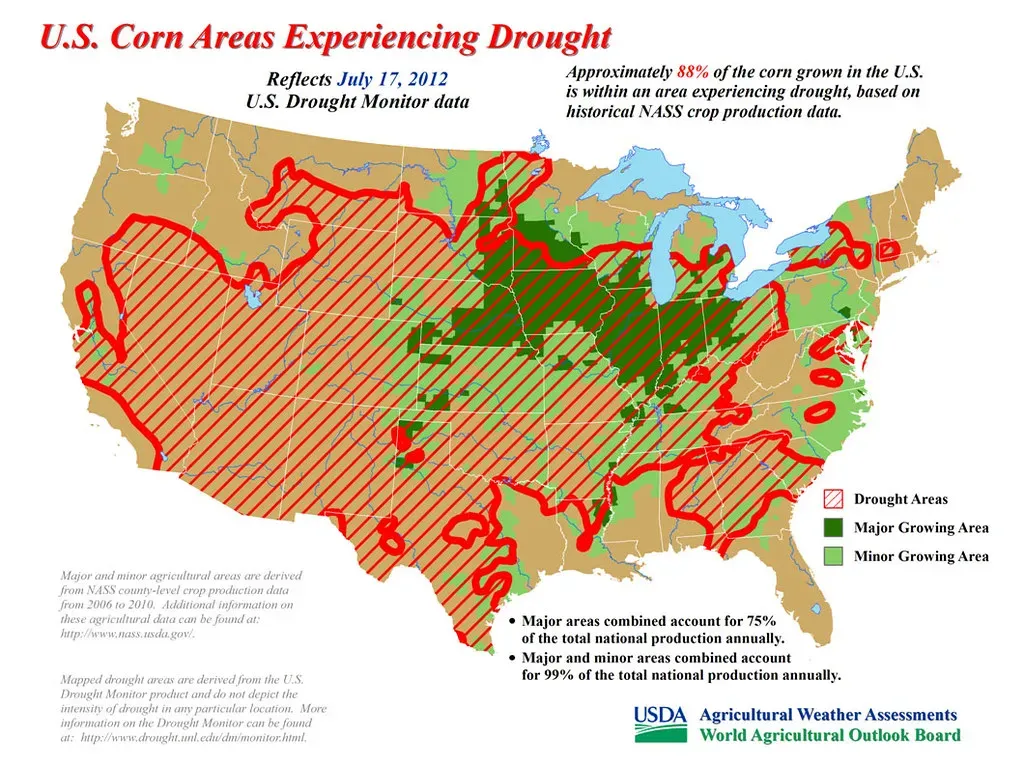
The current footprint remains substantial. Recent monitoring data indicates that regions like the Western United States, parts of Australia, and several areas in Africa are bearing the brunt of prolonged dry spells, with the U.S. Drought Monitor reporting that over 72 percent of land in Western U.S. states was experiencing drought. Unlike the Mediterranean’s dramatic recovery, the American Southwest’s dryness reflects a longer climatological baseline shift that doesn’t reverse in a single wet winter.
South America’s Rivers Running Dry
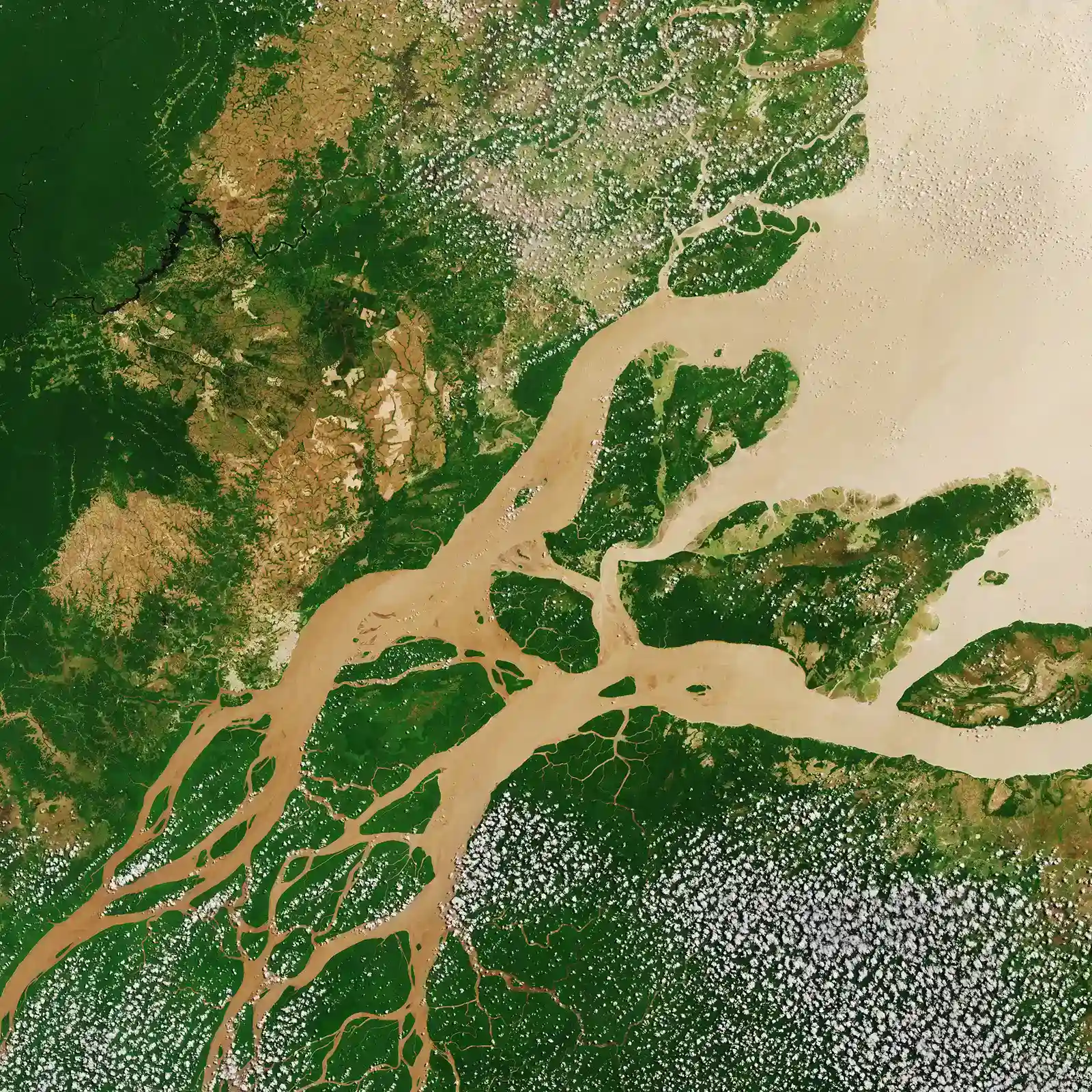
The Amazon basin, long thought of as one of the wettest places on Earth, has become an unlikely drought hotspot. Eastern Amazonia and southern Brazil saw severe hydrological stress in 2025, with the Madeira river at multi-decadal lows and the Pantanal wetlands suffering dramatic reductions in surface water. When a river system that size runs critically low, the effects reach far beyond ecology, disrupting river transport, fisheries, and regional rainfall patterns that other parts of the continent depend on.
This matters globally because the Amazon plays an outsized role in moisture recycling across South America. Scientists tracking global drought patterns have flagged this kind of disruption as particularly concerning, noting that regional drought hotspots are closely associated with compound events, including severe soil moisture depletion, snow drought impacts on high-mountain headwater regions, and weakening of terrestrial moisture recycling. When forests that normally generate their own rainfall through evapotranspiration start drying out, the feedback loop can deepen drought rather than resolve it.
Africa’s Wider Pattern: Five Recurring Hotspots
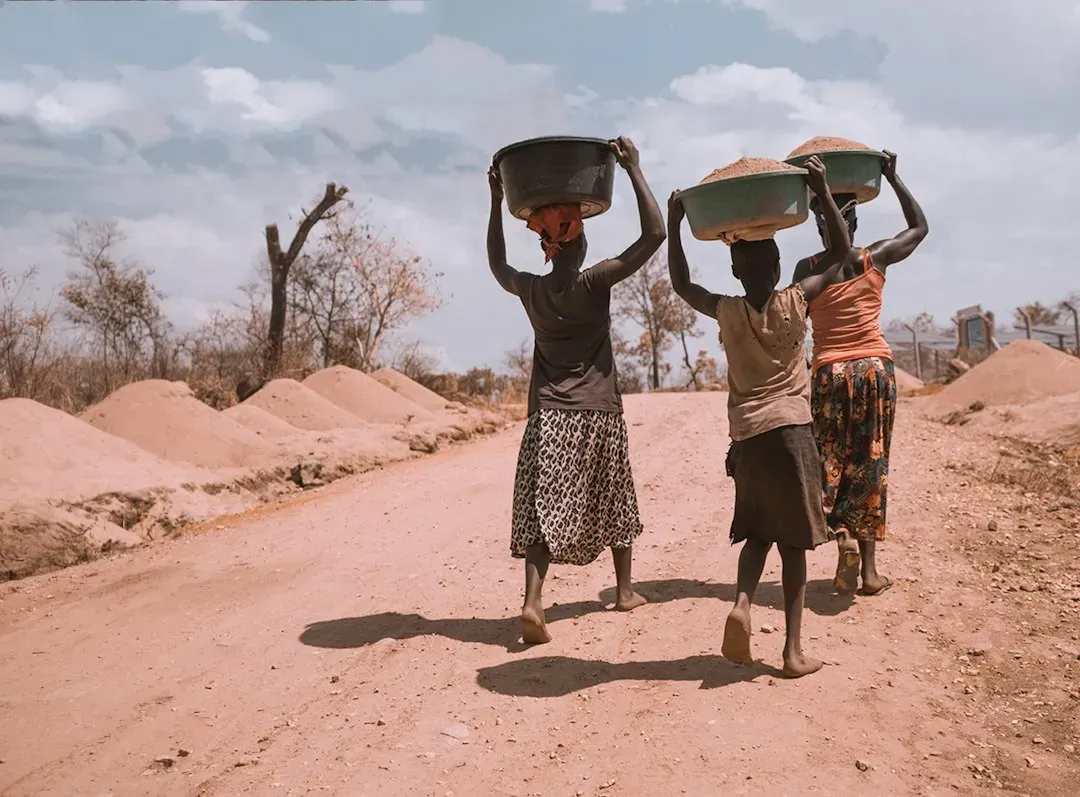
Zooming out from single crises, researchers have identified a consistent geography to Africa’s drought vulnerability. A recent scientific synthesis found that a practical tiered definition tailored to African conditions identifies five recurrent hotspots: the Sahel, the Greater Horn of Africa, southern Africa, the margins of the Congo Basin and the Guinea Coast. These aren’t random locations; they’re areas where rainfall deficits often coincide with heat, rapid soil moisture loss and reduced streamflow, producing compound events whose impacts exceed those of any single driver.
This compounding effect explains why African drought crises tend to escalate so quickly into humanitarian emergencies rather than staying contained as agricultural setbacks. The interplay between heat, dry soil, and low rivers means a modest rainfall shortfall can snowball into a full-scale food security crisis within a single growing season, particularly in regions already living close to the margin.
Why the Map Keeps Shifting
Perhaps the most important lesson from comparing these regions is that drought hotspots aren’t fixed. Morocco and Spain moved from emergency to surplus within roughly two years. Meanwhile, the Horn of Africa has cycled through drought, brief relief, and renewed drought since 2020, driven partly by the El Niño effect, with the negative conditions of the Indian Ocean Dipole also a contributor. Climate oscillations like La Niña, El Niño, and the Indian Ocean Dipole are increasingly the swing factors that decide which region gets hit next.
What ties these disparate stories together is the growing role of heat itself as a drought amplifier, independent of rainfall. As global land temperatures continue setting records, more regions are likely to experience what scientists call evaporative-demand-driven drought, conditions that can emerge and intensify even without a dramatic drop in precipitation. That shift means the list of vulnerable regions may keep expanding, even into places that historically weren’t considered drought-prone.
Living With an Unevenly Thirsty World
The throughline across all these regions is that drought has stopped behaving like a predictable, localized weather event. It behaves more like a moving crisis that lands hardest wherever heat, water infrastructure, and economic vulnerability intersect. Ethiopia and Somalia remain trapped in a punishing cycle, Zambia’s power grid buckled under a dried-up river, and Spain went from emergency rationing to comfortably full reservoirs in the space of two years.
That unevenness is the real story. Drought isn’t a single global event that everyone experiences the same way; it’s a patchwork of regional emergencies, each shaped by its own rainfall patterns, river systems, and resilience. Watching where that patchwork shifts next may matter just as much as tracking how severe any single drought becomes.
