- Phantom Energy Sucking Power 24/7 – 7 Home Electronics Quietly Inflating Utility Bills - November 14, 2026
- A Million-Mile Storm Raging for Centuries – 6 Violent Weather Wonders in Our System - November 14, 2026
- Animals Flee Hours Before the Tremor – 7 Natural Warnings Before Disasters Strike - November 14, 2026
The grid is older than most of the equipment in your house
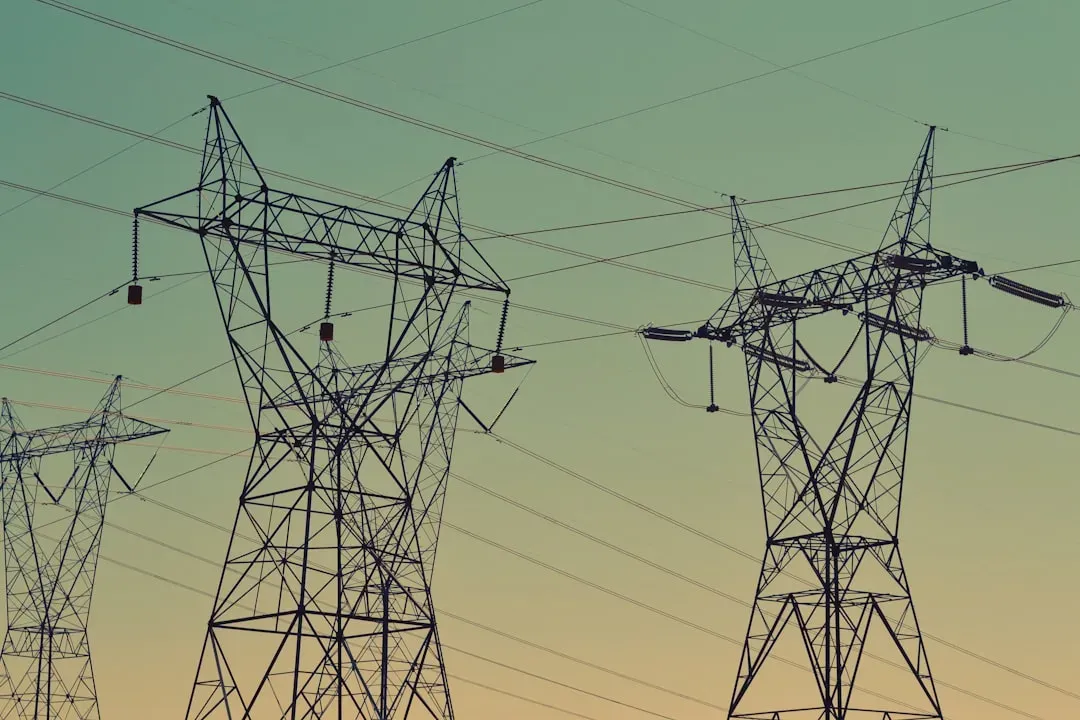
A huge share of the wires and substations delivering power to American homes were built for a country that used far less electricity and never experienced heat waves this intense or this frequent. Roughly 70% of U.S. power transmission infrastructure is 25 years old or older, a key contributor to failure rates. That statistic alone explains why so many outages during heat waves aren’t dramatic storm events, they’re quiet equipment failures in neighborhoods with older gear.
The trend is measurable, not anecdotal. Major power outage frequency has tripled since 2003, and average annual outage duration per customer has increased roughly 40% since 2000. Utilities know this. They just tend to frame it as a long-term modernization challenge rather than something that might hit your block this July.
Heat physically breaks the equipment, not just the demand
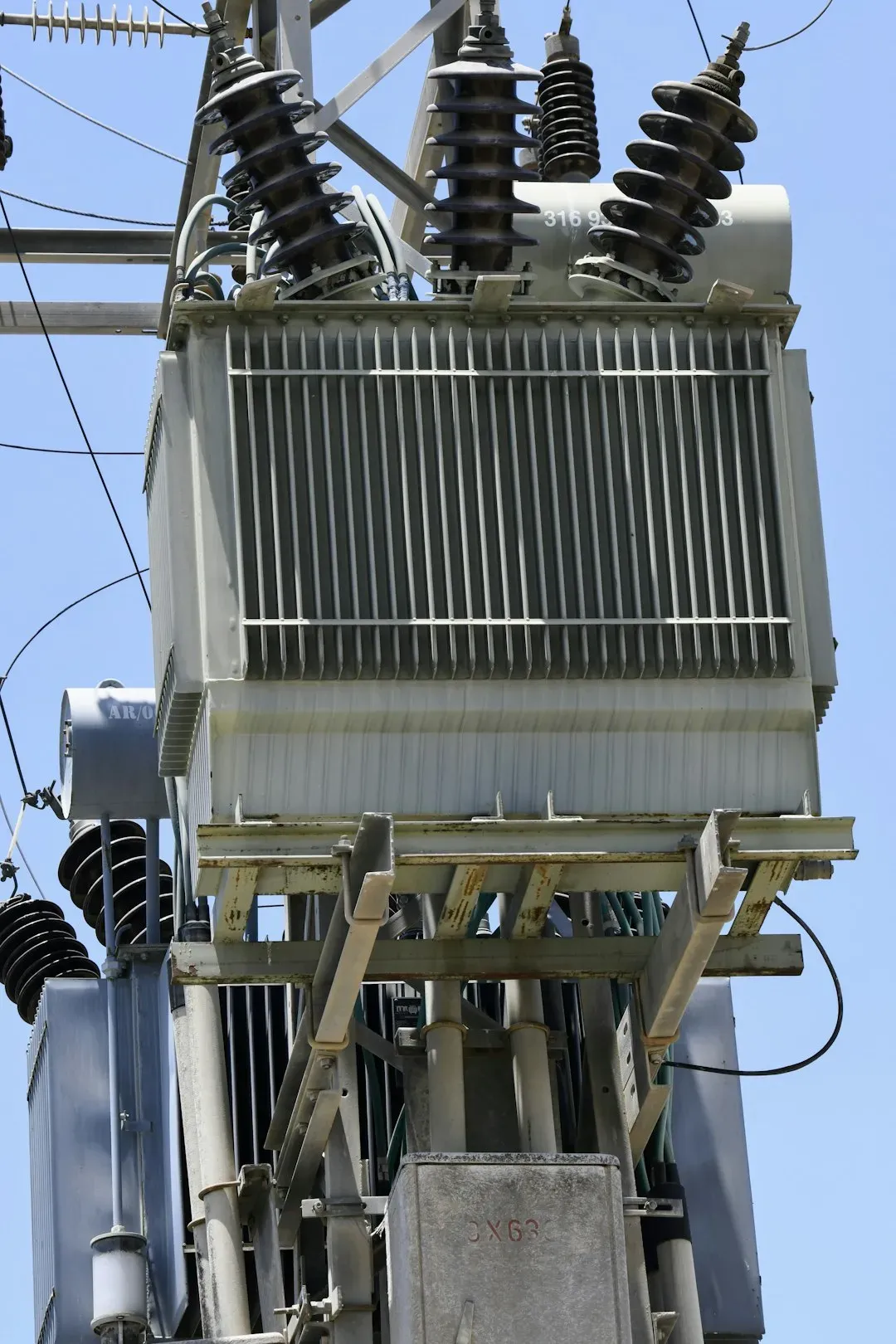
There’s a mechanical reality utilities rarely explain in plain language: heat doesn’t just increase how much power people use, it degrades the machines delivering that power. Transformers, cables, and other equipment produce more heat when they are working under heavy loads, and when the air around these parts is already hot, these parts can get too hot, work less well, or even break down. It’s a double squeeze, more demand and less capacity to handle it, happening at the exact same time.
The engineering details back this up. Insulation life in oil-filled transformers roughly halves for every 10C above rated winding temperature, and industry standards derate self-cooled distribution transformers when the 24-hour average ambient temperature exceeds 30C. Even line capacity itself shrinks in extreme heat, since at 100 degrees there is a reduction in distribution line capacity by 7 to 8%. None of this is secret exactly, but it rarely gets mentioned when a utility is asking customers to just turn their thermostats up a few degrees.
Demand records aren’t outliers anymore, they’re the pattern
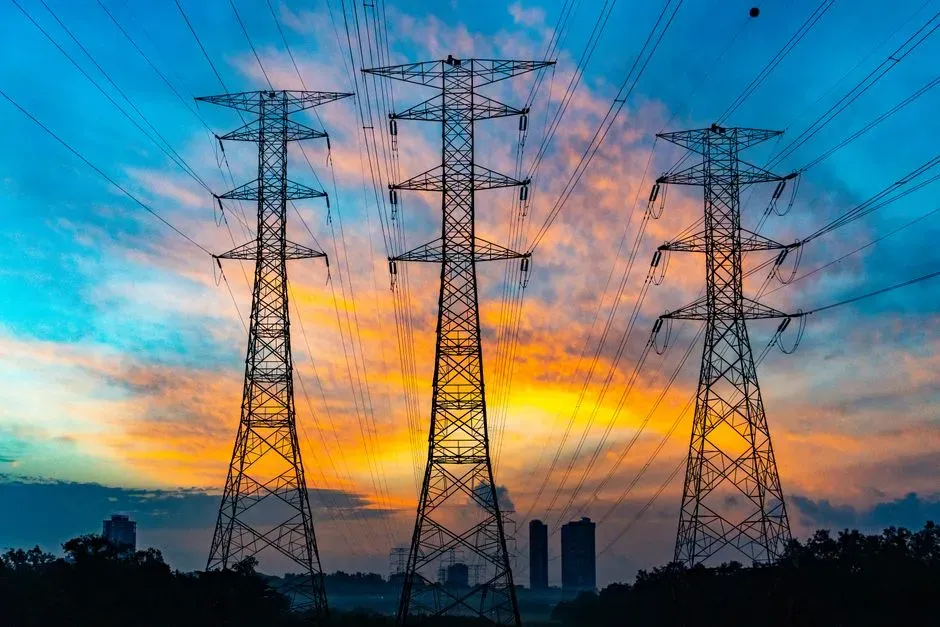
Every summer now seems to bring a new “record demand” headline, and that’s not marketing exaggeration. During the early July 2026 heat wave, PJM, which serves the mid-Atlantic and Midwest, projected electricity demand surpassing the 2006 record, hitting 166,241 megawatts. That’s not a fluke year. It’s a trajectory.
Federal forecasters see the same climb happening nationwide. The EIA’s May 2026 outlook projected cooling degree days roughly 4% above 2025, with the third quarter running 8% above the same period last year. Grid planners talk about this in terms of margins and reserves, but what it actually means for a household is simple: the buffer that used to exist between normal demand and dangerous demand is shrinking every year.
Blackouts follow a hidden checklist before anyone loses power
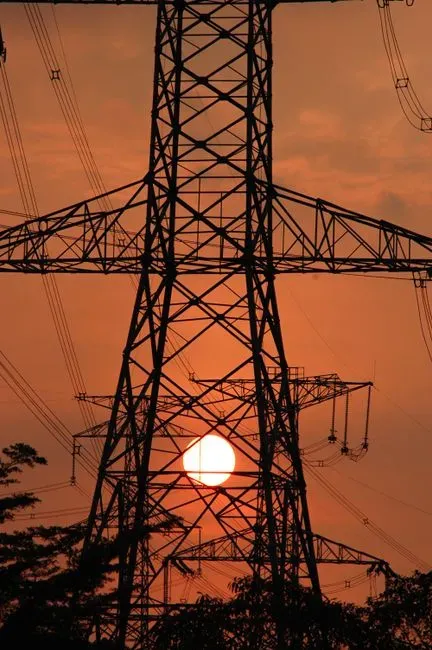
What utilities describe publicly as “grid stress” usually involves a sequence of quieter moves most customers never see. Grid operators run through a ladder of steps before anyone goes dark, including conservation appeals, paying big users to cut back, shifting data centers to backup power, and dimming voltage. Voltage reduction in particular is almost invisible to a typical household, yet it’s a routine tool used to buy time.
Con Edison, serving New York City, is a good example of how this plays out in practice. The utility turned on its emergency center and warned of scattered outages, noting it can dim voltage 5% across the system to keep the lights on. Rolling blackouts, the visible last resort, only happen after all of these quieter interventions fail to bring demand back in line with supply.
Replacement parts can take over a year to arrive
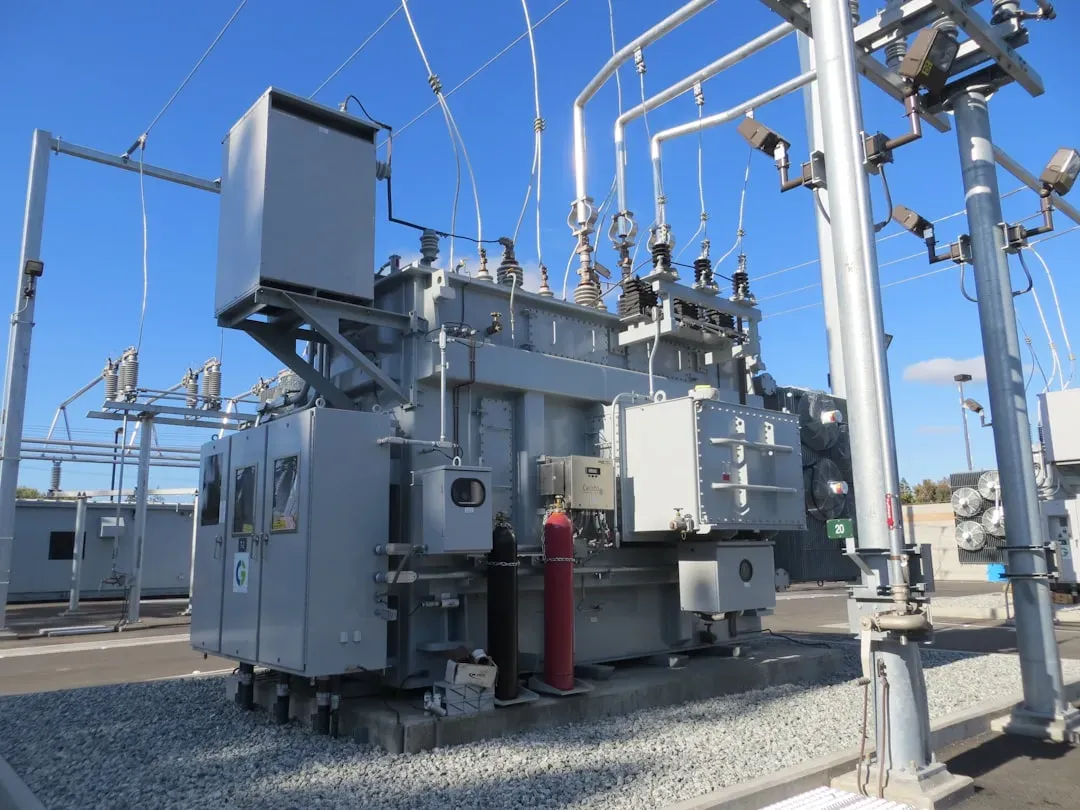
One detail utilities rarely volunteer is just how long it takes to fix major equipment once it fails. Large transformers aren’t sitting on a shelf somewhere waiting to be swapped in. Large distribution transformers fail, and with a global lead time of 12 to 18 months and an average U.S. transformer age of over 40 years, replacements are not fast or guaranteed.
This shortage isn’t theoretical either. Following hurricanes Helene and Milton, Duke Energy needed to replace about 16,000 transformers, according to its November earnings report, which was more transformers than other utilities typically require in an entire year. When a heat wave causes widespread transformer failures on top of a supply chain already stretched by storm damage elsewhere, the recovery timeline for your neighborhood depends on factors that have nothing to do with your local weather.
Regions quietly rely on borrowing power from each other
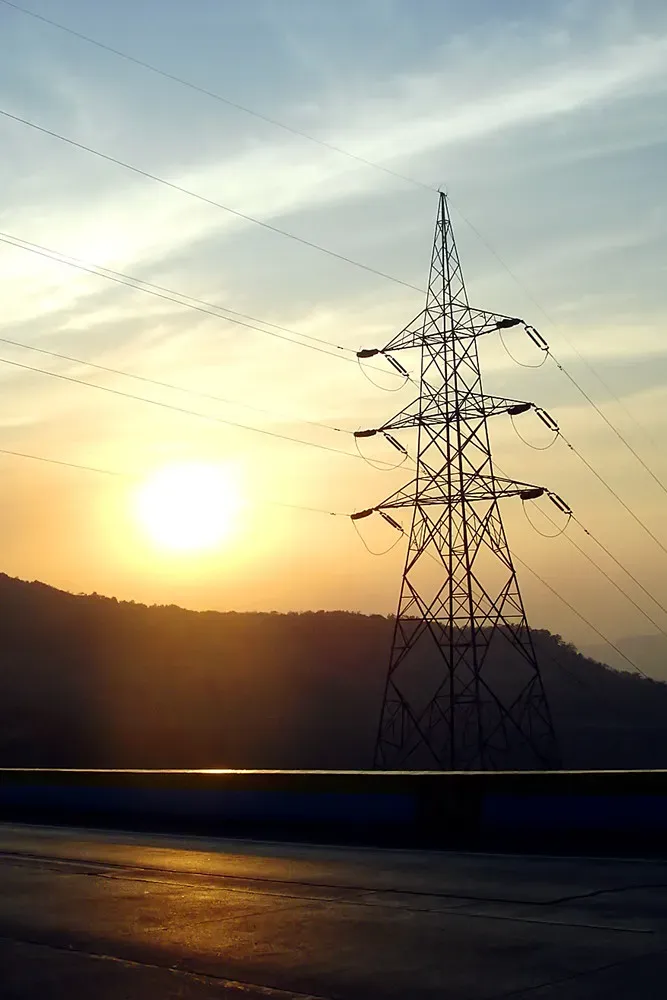
Grid operators often present regional interconnection as a strength, and it usually is, but it also creates a hidden vulnerability during widespread heat events. New England is a clear case. ISO New England could face challenges meeting demand because it imports some of its low-cost electricity from Canada, and Canada was also going through a significant heat wave at the same time.
This matters because heat waves rarely stay confined to one region anymore. When the same dome of hot air covers multiple grids at once, the assumption that a neighboring system can send emergency power starts to break down. New England buys cheap power from Canada, which is in its own heat wave and may have less to share. Utilities don’t advertise this dependency loudly, because it complicates the reassuring message that the system has backup options.
Data centers are quietly eating into the same capacity as your air conditioner
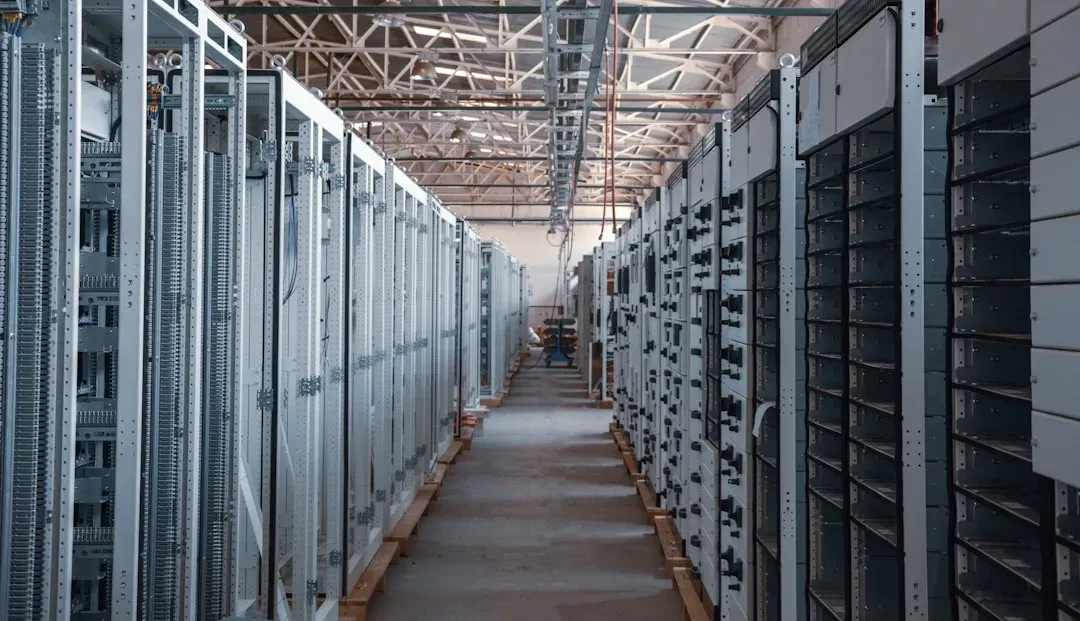
The explosive growth of data centers and industrial electrification is colliding directly with heat driven demand, and it’s changing the shape of the risk. Gas-fired power burn is forecast to reach 11 Bcf per day above the 2015 baseline this summer, driven substantially by data center load, projected to grow 25% from 44 GW in 2025 to 55 GW in 2026. That’s load growth happening on the same wires and substations serving residential air conditioning.
Grid operators are also flagging a newer, subtler risk tied to this growth. NERC has warned that large data centers and industrial facilities pose risks of sudden load loss, which can trigger frequency disturbances, voltage instability, and cascading outages. In other words, it’s not just that data centers add demand, it’s that their operating patterns can destabilize the grid in ways smaller, more predictable residential load never did.
A small frequency drop can cascade into a regional collapse
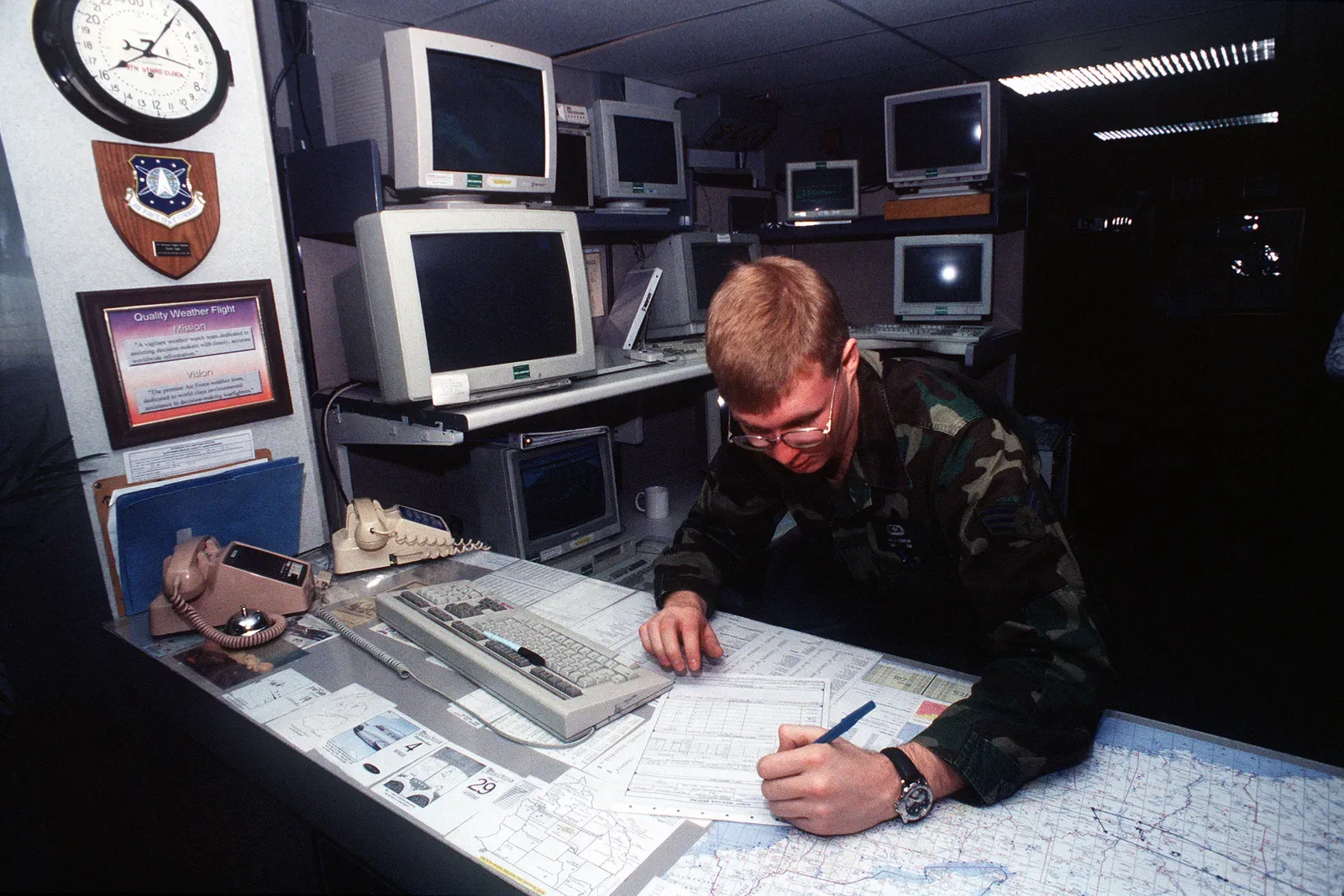
Most people picture a blackout as a slow overload, but some of the worst failures happen almost instantly through a mechanism most customers never hear explained. The grid requires real-time supply-demand balance within a narrow frequency band, and when a major generator trips offline during peak demand, frequency drops, triggering automatic protection relays that trip additional generators to prevent damage. That chain reaction can spiral quickly.
This isn’t a hypothetical scenario dreamed up for worst-case planning documents. This cascade can collapse an entire grid region within seconds, the same mechanism behind the 2003 Northeast Blackout. During extreme heat, when equipment is already running closer to its limits, the margin for a single tripped generator to spiral into a wider collapse gets noticeably thinner.
The real danger shows up when heat and blackouts happen together
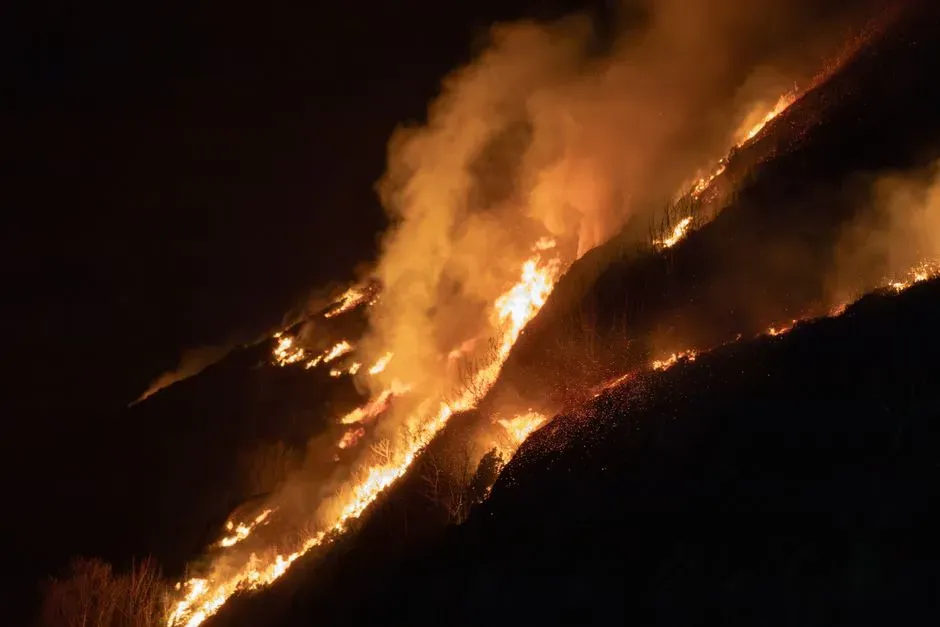
Utilities tend to discuss outages and heat waves as separate problems, but researchers studying public health outcomes see them as one compound risk. Major electrical grid blackout events affecting 50,000 or more customers increased by more than 60% over the most recent five-year reporting period, and when such events coincide with heat wave conditions, population exposure to extreme heat can reach dangerously high levels as air conditioning systems become inoperable. That overlap is exactly when the consequences stop being an inconvenience and start being a public health emergency.
The infrastructure meant to handle that overlap often isn’t sized for it. A concurrent heat wave and blackout event would require a far more extensive network of emergency cooling centers than is presently established in most cities, along with mandated back-up power generation. This is the scenario utilities plan for internally but rarely explain to customers in advance, since it requires admitting the current safety net has real gaps.
The takeaway for anyone living through the next heat wave