
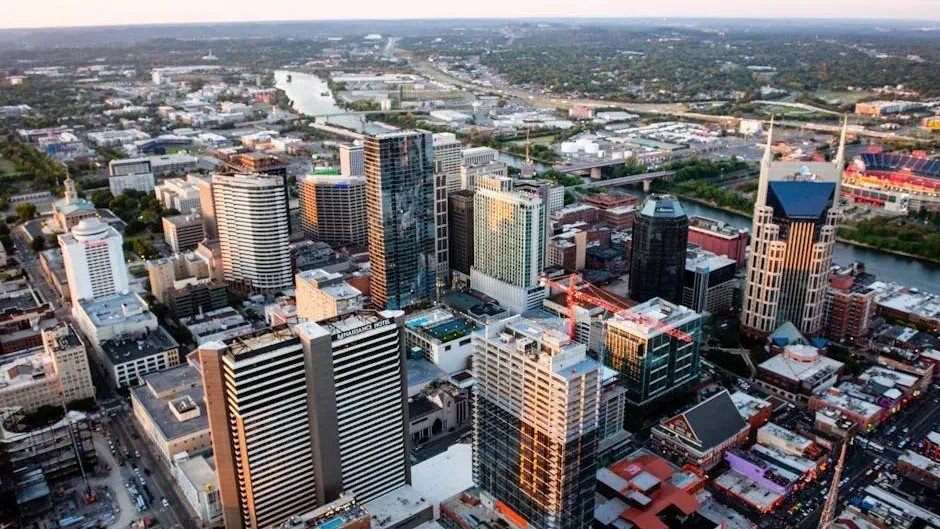
For most of the 20th century, Appalachia meant out-migration. Families packed up and headed north along what locals called the Hillbilly Highway, chasing factory wages in Cincinnati and Detroit that their home counties simply couldn’t provide. Between 1950 and 1970, approximately 3 million people left the Appalachian region, one of the largest peacetime internal migrations in American history. That story, repeated for decades, became the defining image of the region. Now, quietly but unmistakably, the script has flipped.
Today, buyers from California, New York, and Florida are showing up at open houses in western North Carolina, eastern Tennessee, and the Virginia highlands. Property values are climbing in places that once saw steady decline. The mountains haven’t changed. What changed is everything around them – the cost of coastal living, the rise of remote work, a growing unease about climate risk, and a national housing shortage that has pushed buyers toward places they previously overlooked.
The Price Gap That Started Everything
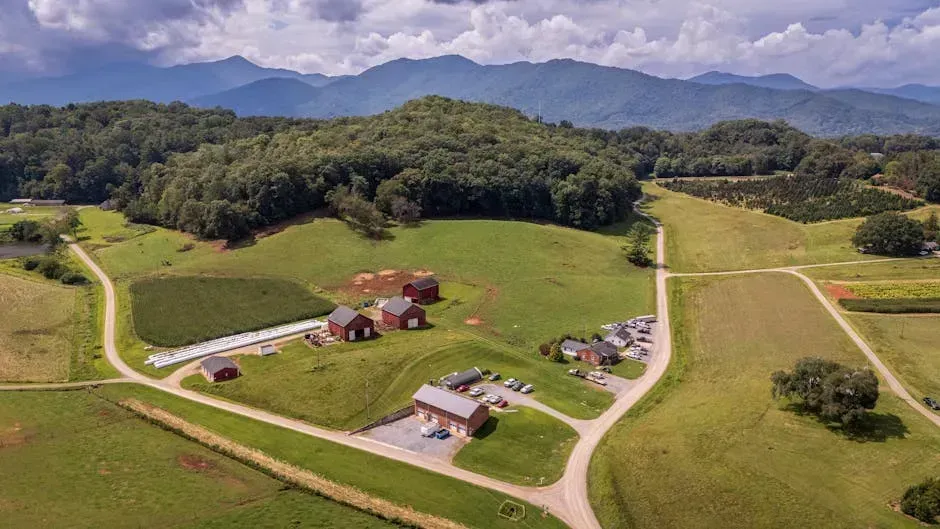
Appalachia has long been a refuge for those seeking a quieter, more affordable life, but in recent years a surge of newcomers – retirees, remote workers, and families fleeing high-cost cities – has transformed the region’s economic and cultural fabric. The numbers behind that shift are striking. As of March 2024, Zillow reported the average home value in Abingdon, Virginia, was around $263,000, a far cry from the $600,000 average in Naples, Florida.
West Virginia’s median home price stands at approximately $119,600, making it one of the most affordable states in the country. That kind of gap is simply impossible to ignore for a buyer who just sold a starter home in a coastal metro for twice that amount. West Virginia leads the nation in price-to-income ratio at 2.9, meaning homeownership there is more genuinely accessible for average earners than almost anywhere else in America.
Remote Work Unlocked the Mountains

Remote work pulled demand forward in markets like Asheville, and it hasn’t fully gone back in the box. Nationally, roughly 14 percent of U.S. workers usually worked from home in 2023, more than double 2019 levels. That shift gave millions of people something genuinely new: the freedom to choose where they lived based on lifestyle rather than commuting distance.
The rise of remote and hybrid work has decoupled income from geography for millions of Americans. Workers who once had to live near a major metro to access good jobs can now choose where to live based on lifestyle and budget. Appalachia, with its comparatively low housing costs and high scenic appeal, landed squarely in that conversation. Programs have emerged aimed at attracting remote workers to Eastern Kentucky, offering them various incentives to relocate, while also ensuring high-speed broadband access to make working remotely feasible.
Chattanooga and Knoxville Lead the Charge

Chattanooga has transformed significantly over the past decade, becoming a hub for innovation and tech startups. With initiatives like the Gig City project offering some of the fastest internet speeds in the country, Chattanooga attracts remote workers and entrepreneurs. Neighborhoods such as Southside, North Shore, and Highland Park experienced significant appreciation, with home values rising by nearly 7 percent in 2024.
According to U-Haul’s 2024 Growth Index, Tennessee ranked among the top states for inbound moves, and Chattanooga is benefiting from this migration boom. Knoxville tells a similar story. As of late 2025, the average home value in the Knoxville metro area was a solid $357,171, reflecting steady appreciation over the past year, with homes going pending in about 24 days. That’s a competitive pace that signals real, active demand rather than speculative froth.
Retirees Choosing Mountains Over Miami
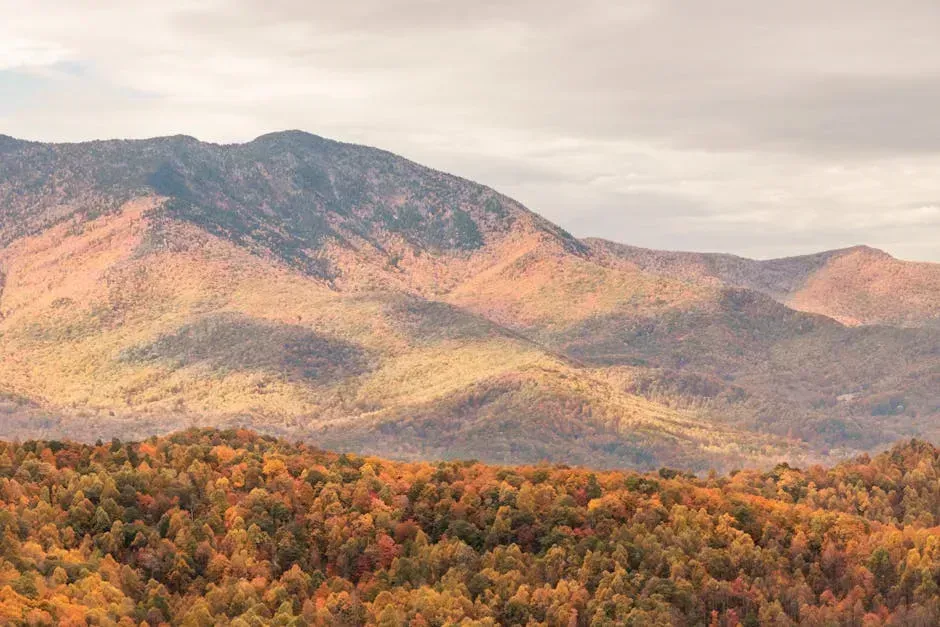
Between April 2020 and July 2022, the population in southern Appalachian counties with retirement or recreational areas grew by nearly 4 percent, a rate well above the national average. This surge is driven by the region’s appealing features: warm summers, mild winters, wide-open spaces, stunning scenery, and relatively affordable living costs. The comparison with Florida keeps coming up – and for good reason.
Recent years have seen an influx of retirees to Appalachia, particularly from Florida. Between April 2020 and July 2022, retirement and recreational counties in southern Appalachia experienced a population growth of nearly 4 percent, surpassing the national average of under 1 percent. This trend reflects a desire for more affordable living and a slower pace of life. No state income tax in Tennessee, four distinct seasons, and a fraction of the insurance costs that Florida homeowners now face – the math for retirees is increasingly obvious.
Population Shifts Are Reshaping the Region’s Demographics

Between 2010 and 2022, Appalachia’s population grew by 3.4%, adding nearly 873,000 residents. However, this growth was uneven. Southern Appalachia, encompassing parts of Georgia, South Carolina, North Carolina, and Tennessee, experienced a notable nearly 12 percent increase, with some counties in Appalachian Georgia seeing gains averaging over 18 percent.
Meanwhile, migration patterns within the region itself are also shifting. Rural people in Eastern Kentucky who once would have taken the so-called Hillbilly Highway north are now moving to neighboring counties and settling in places like London and Somerset. As a result of this migration trend, many counties in Eastern Kentucky have seen population growth for the first time in decades. The combination of inward migration from outsiders and less outward migration from locals is a double-edged driver pushing demand.
Climate Risk Elsewhere Is Sending Buyers Here

Rising insurance premiums and disaster risks in California and Florida are pushing residents inland. Safer, more stable regions – like the Appalachian Mountains and parts of the Midwest – are seeing increased attention as “climate havens.” Both the EPA and NASA have projected that central Appalachia is expected to experience comparatively less severe impacts from climate change in the coming decades, which has drawn serious attention from researchers and buyers alike.
With its mountainous terrain, water resources, and ecological diversity, the Central Appalachia region across West Virginia, Kentucky, North Carolina, and other states stands to be a refuge for climate migrants fleeing droughts, floods, wildfires, and other calamities in other U.S. regions. Real estate professionals in Appalachia report that buyers from outside the area have begun seeking properties in the region as a hedge against climate disruptions. That motivation, once a fringe consideration, has become a mainstream one.
Homeownership Rates and ARC Data Tell a Bigger Story
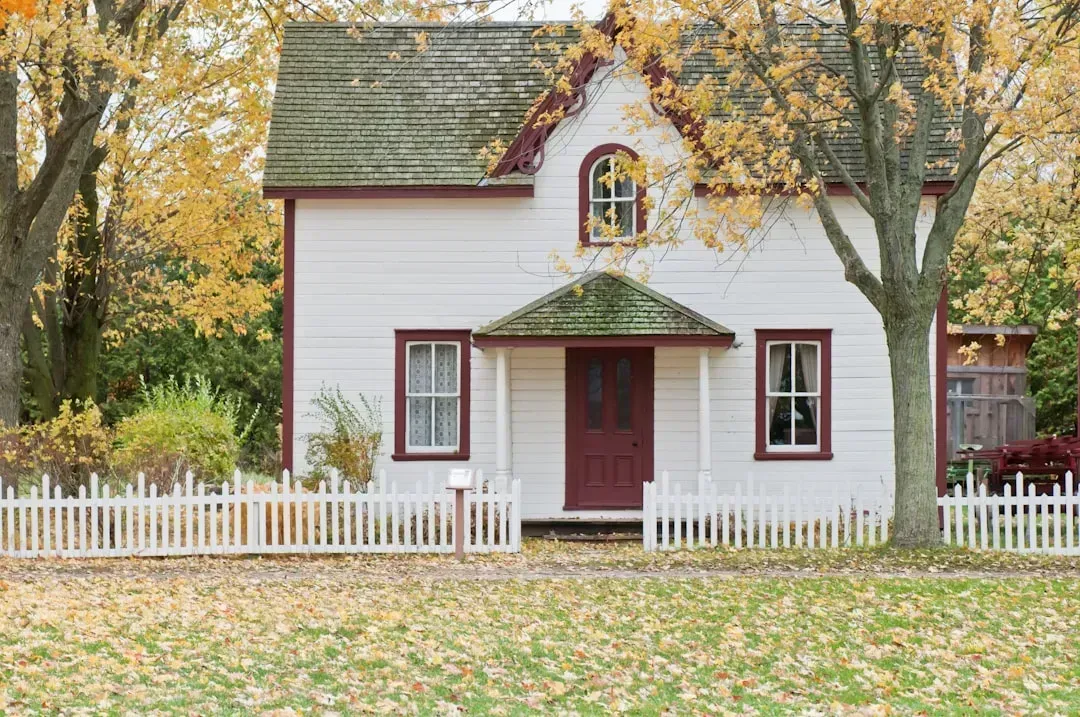
New data released in June 2025 by the Appalachian Regional Commission shows that rates of labor force participation and homeownership continue to improve in Appalachia. Among occupied housing units, homeownership in the region was nearly 7 percentage points higher than in the U.S. overall. That speaks to something structural about how people relate to property in this region – a culture of ownership that has long been embedded in mountain communities.
The share of households in Appalachia that are cost burdened – where housing costs are 30 percent or more of monthly income – is nearly 7 percentage points lower than the U.S. average. For buyers exhausted by the financial stress of coastal living, that statistic is quietly transformative. It suggests that owning a home in Appalachia can still leave room in the budget for actual life.
Rising Prices and the Displacement Problem

The growing demand has led to a dramatic rise in housing costs. In the Appalachia region of Virginia, for instance, the median home sale price soared to $155,000 in December 2024, marking a 94 percent increase from the previous year. Such spikes are not isolated. Across the broader region, the same forces that make Appalachia attractive to newcomers are beginning to price out the people who have lived there for generations.
Across the region, property values are climbing, making it increasingly difficult for locals to afford homes in their own communities. While economic growth and revitalization are welcome, the rising cost of living threatens to displace those who have called the region home for generations. As property taxes and housing prices escalate, some residents find themselves priced out of their neighborhoods, forced to relocate or sell family land. It’s a tension that planning officials, community advocates, and local governments are only beginning to grapple with seriously.
Asheville and Western North Carolina After Helene

North Carolina’s population grew by about 165,000 people from mid-2023 to mid-2024, one of the largest gains in the nation. Not every new resident lands in Asheville, but the overall state momentum matters: more people moving into NC increases pressure on desirable destination markets, especially places with strong lifestyle appeal and limited buildable land. Hurricane Helene’s devastation of western North Carolina in late 2024 introduced a new layer of complexity to that story.
Despite the destruction, long-term fundamentals in the Asheville market have held. Asheville’s labor market matters because local payrolls support local housing. Total nonfarm employment in the Asheville metro stood at roughly 192,000 as of late 2025, with unemployment at 3.6 percent. Even with seasonal tourism patterns and broader economic shifts, the region has maintained a baseline level of employment that supports housing demand. Recovery investment has also begun flowing into the region, which some analysts believe will further stimulate construction and property activity through 2026.
What Investors Are Watching in 2026
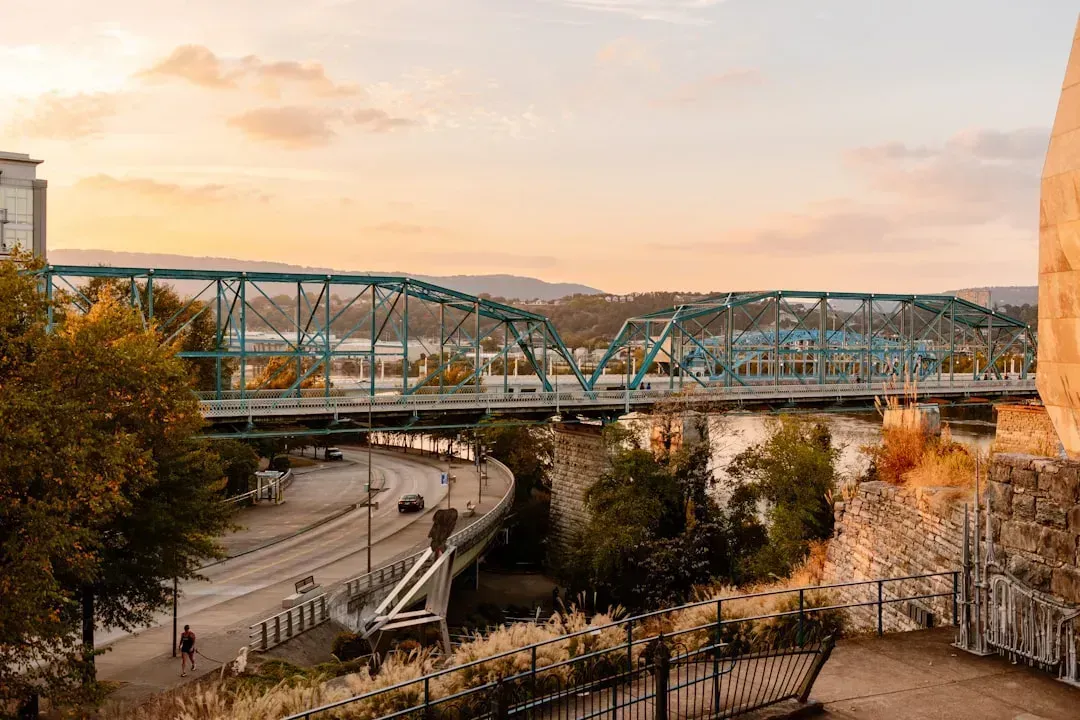
Realtor.com predicts a slight dip in sales growth for Tennessee overall in 2026, yet cities like Chattanooga and Knoxville might see price increases. Home prices in Morristown, Tennessee, might jump by over 6 percent by the end of 2026. Investors looking at the broader Appalachian corridor are watching these secondary and tertiary cities closely, because the premium markets like Asheville have already repriced significantly.
Tennessee is attracting investors because of its strong economic growth, affordability, and population gains. With a GDP increase of nearly 5 percent in 2024 and a 1.3 percent population growth rate, cities like Nashville, Memphis, and Knoxville are fueling housing demand. Tennessee’s no state income tax policy makes it tax-friendly for residents, all while offering a lower cost of living compared to many other U.S. regions. For investors running cash-flow calculations, those two factors alone shift the math considerably compared to higher-tax coastal states.

- The Shoreline Sucked Dry in Seconds – 5 Tsunami Signals Beachgoers Mistake for Low Tide - November 14, 2026
- 9 Dark-Sky Destinations Around the World Where the Stars Look Unreal - November 14, 2026
- The Fault Line That Never Slips – 7 Locked Seismic Zones Overdue for a Massive Release - November 14, 2026
