


- The Planet Where It Rains Liquid Glass – 7 Alien Worlds Defying Known Physics - November 14, 2026
- Stars Consuming Entire Worlds – 6 Planetary Systems Swallowing Their Own Worlds - November 14, 2026
- The Ground Liquefies Like Water – 6 Silent Fault Lines Geologists Watch Closely - November 14, 2026
Science tends to be remembered through its loudest moments. The atomic bomb. The moon landing. The sequencing of the human genome. These are the milestones that make it into textbooks, documentaries, and headlines. The experiments that reshape how scientists think, rather than what they build, often pass by without ceremony.
Some of the most consequential scientific work in history was met, at first, with confusion or outright indifference. A null result in a basement laboratory, a single-cell technique published in a specialist journal, a failed attempt to measure something that turned out not to exist. These quiet pivots deserve more attention than they get.
The Experiment That Found Nothing – and Changed Everything

In the late nineteenth century, Albert Michelson and Edward Morley designed an intricate experiment aimed at detecting the presence of “aether,” a hypothesized medium through which light waves were thought to travel. The scientific community expected the experiment to confirm what everyone believed. It did the opposite.
Contrary to all expectations, Michelson and Morley observed no significant difference in the speed of light in any direction. This null result was initially met with skepticism, as it directly challenged the prevailing aether theory. The fact that there was no luminiferous aether turned out to be a huge advance for modern science, as it meant that light must have been inherently different from all other waves known at the time.
Why a Failed Measurement Became the Most Important Result in Physics
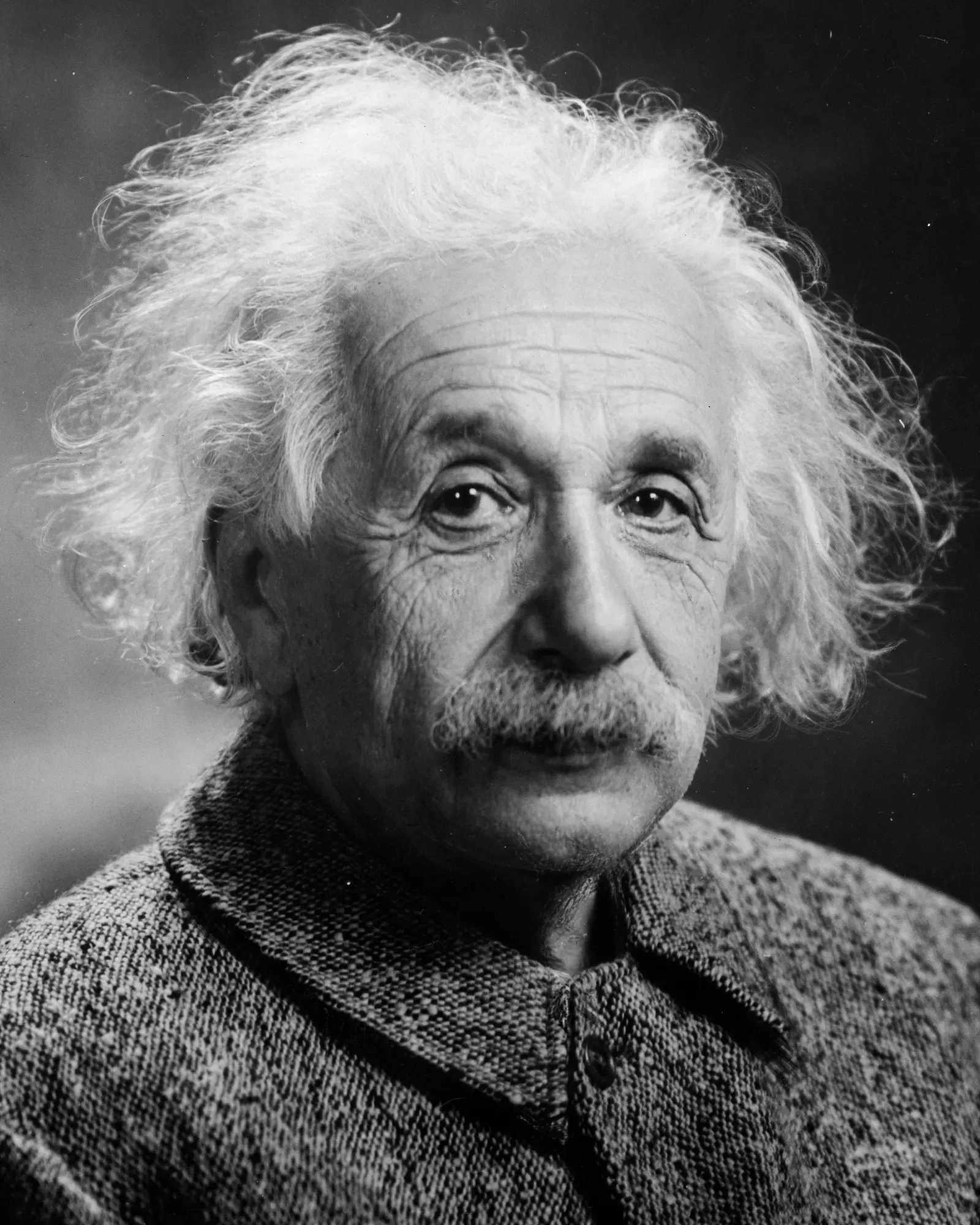
The Michelson-Morley experiment was perhaps the most important negative experiment in the history of science. Its null result led directly to Einstein’s Special Relativity. The chain of events that followed is staggering to consider, all because two scientists failed to find what they were looking for.
The resolution came eighteen years later, when Einstein’s theory of special relativity arrived. With it came the recognition that the speed of light is a universal constant in all reference frames, that there is no absolute space or absolute time, and that light needs nothing more than space and time to travel through. It became a classic example of how empirical evidence can overturn long-standing theories and assumptions.
The Quiet Dispute About Credit and Influence

One of the most debated topics in the history of special relativity has been the precise role played by the Michelson-Morley experiment in Einstein’s creation of the theory. Einstein himself gave conflicting accounts over the years. The story of who influenced whom is more tangled than most textbooks suggest.
Historian Gerald Holton differentiates between Einstein’s responses when asked about Michelson’s influence and his spontaneous comments about the genesis of special relativity. When volunteering explanations, Einstein consistently emphasized the role of the Fizeau water tube experiment and stellar aberration rather than Michelson’s work. Regardless of that complexity, Albert Michelson won the Nobel Prize in 1907 for his work developing the interferometer and the advances made because of his measurements.
How Methodology Itself Became the Breakthrough
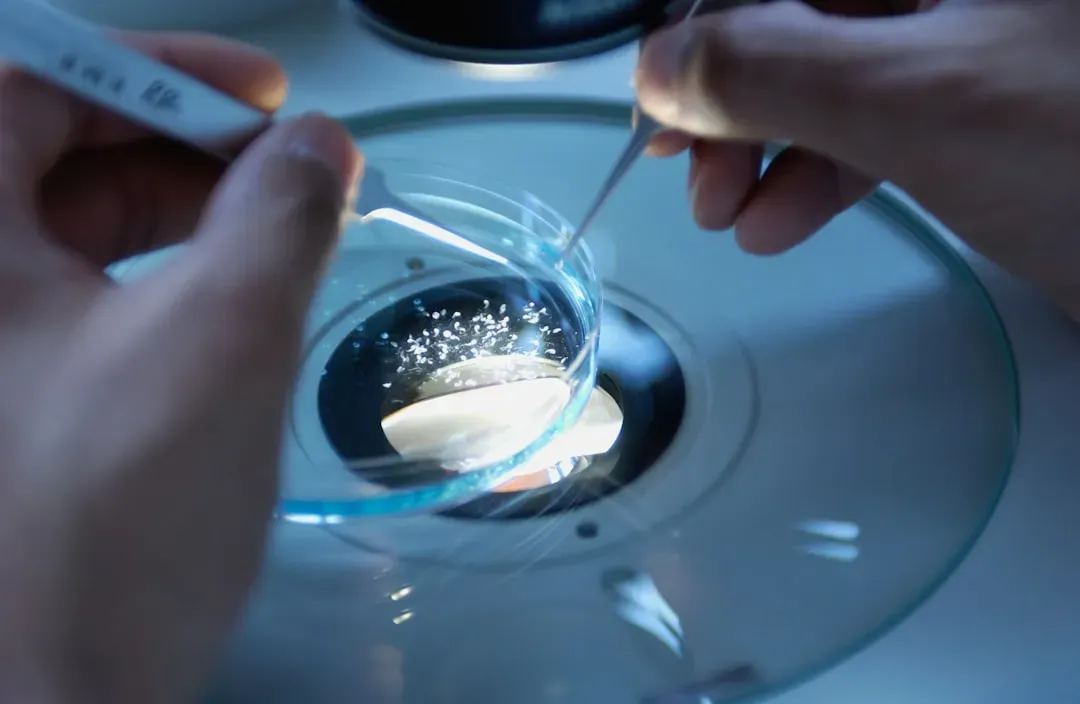
The experiment’s methodology, emphasizing precision and careful control of variables, continues to be a model for scientific investigation. This is a point that rarely gets enough attention. The instrument Michelson built was, in many ways, as consequential as the result it produced. Precision tools redefine what questions science can even ask.
A select group of experiments have stood the test of time in showcasing humanity at its most inquiring and intelligent. Whether elegant or crude, and often with a touch of serendipity, these singular efforts have delivered insights that changed our view of ourselves or the universe. The pattern repeats across centuries: the real revolution is sometimes in the ruler, not the measurement.
The Single-Cell Revolution Nobody Announced

Closer to the present, a quieter kind of transformation has been taking place in molecular biology. Single-cell RNA sequencing technologies have established themselves as key tools for dissecting genetic sequences at the level of individual cells, revealing cellular diversity and allowing for the exploration of cell states and transformations with exceptional resolution. Most people outside the field have never heard of it.
Unlike bulk sequencing, which provides population-averaged data, single-cell RNA sequencing can detect cell subtypes or gene expression variations that would otherwise be completely overlooked. Researchers have developed bespoke tools for single-cell sequencing that have dramatically advanced a technology already transforming how scientists understand disease states, including scanning more than twenty-one million cells from every major mouse organ across five stages of life.
What Single-Cell Sequencing Revealed About Aging

These findings revealed that certain cell populations change in every organ, both in the same way and at the same time, during specific stages of life. This suggests that aging is not a linear process but instead a developmental stage sparked by specific molecular cues. That reframing alone has significant implications for medicine, pharmacology, and how we think about the biology of getting older.
Technologies such as single-cell RNA sequencing, spatial transcriptomics, and epigenomic profiling produce vast datasets that capture molecular states across millions of individual cells, revolutionizing the ability to investigate biological systems at the cellular level. The market for single-cell analysis technologies was estimated at over four billion US dollars in 2023 and is projected to grow rapidly through 2030.
AI Quietly Rewired the Engine of Discovery
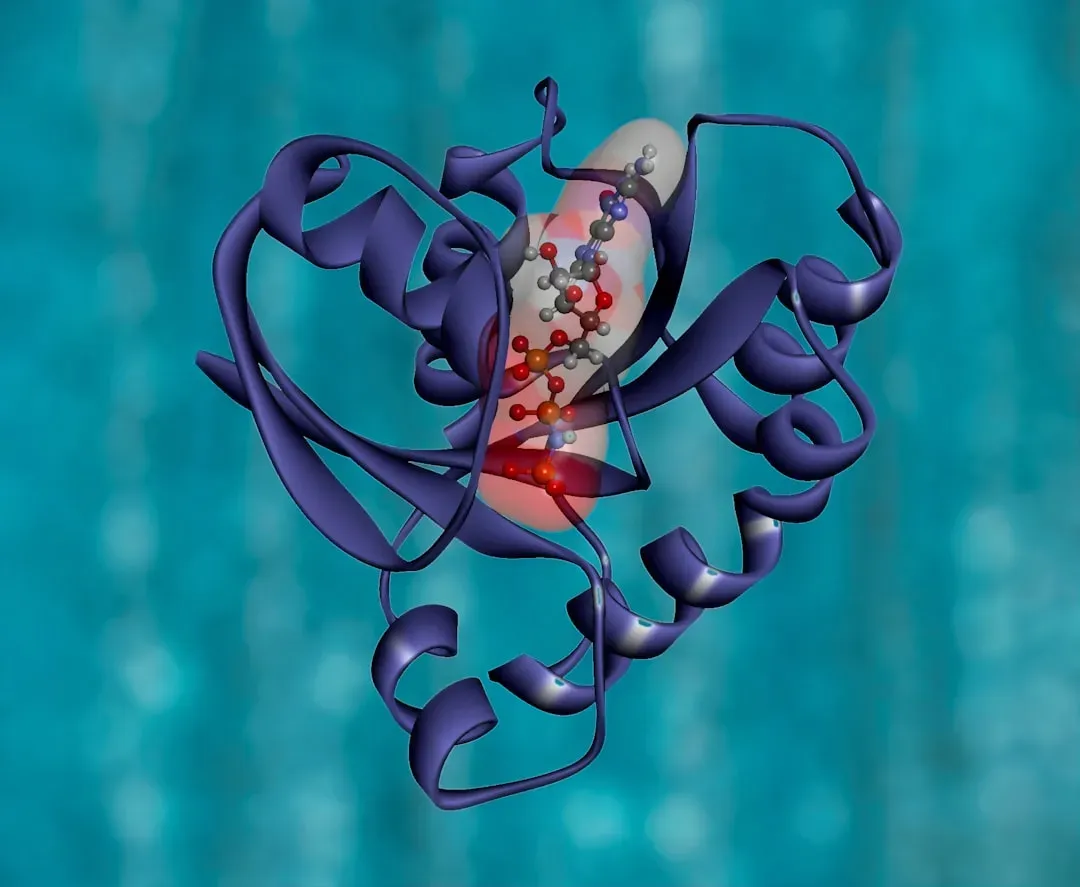
There is another transformation worth naming: the arrival of large language models and AI tools in active scientific research. The most visible example of accelerated discovery is the dramatic progress in protein structure prediction, culminating in the 2024 Nobel Prize. Problems that might once have consumed decades of experimental work can now be approached computationally, guiding laboratory effort and reducing the cost of exploration.
The field of antibiotics, long mired in stagnation, has been revitalized by deep-learning models able to screen millions of candidate molecules. Systems using such techniques have already identified compounds with entirely novel mechanisms of action, raising the real possibility of rebooting an area of research that had been considered commercially unviable and methodologically exhausted. It happened without a single press conference.
Nature’s Own Overlooked Experiments

Sometimes the experiment science missed for decades was hiding in plain sight in the natural world. The heart cockle has developed what appears to be the first known use of fiber optics in nature, using biological structures in its shell to channel sunlight to photosynthetic algae living inside. Researchers published this finding in 2024, and it drew modest coverage at best.
By mimicking that biological strategy, researchers built an ultra-sensitive microphone more compact than standard ones. Building on this invention, scientists said spider silk could continue to revolutionize sound technology, from helping identify hearing loss early to picking up low-frequency sounds known to precede tornadoes. A clam and a spider silk thread quietly handed engineers a new design philosophy.
The Pattern Science Keeps Repeating

Look across enough of these stories and a pattern emerges. The experiments that ultimately matter most are rarely the ones that confirm what we expected. They are the ones that produce a strange result, a null finding, a baffling anomaly that nobody quite knows what to do with. Einstein’s theory made a new reinterpretation of the Michelson-Morley experiment possible by associating it with a novel phenomenon, namely the invariance of the speed of light, a phenomenon that was not even the one originally investigated in the experiment.
Scientific discoveries continue to demonstrate the importance of examining the world that surrounds us, from cosmic objects to the human body to prehistoric remains. The quiet experiments, the ones conducted without fanfare and published without ceremony, often turn out to be the ones that actually moved the needle. The only thing missing was an audience paying attention at the right time.
