


- Planetarium Educators Share the 8 Questions Visitors Ask Most Often - October 16, 2026
- 8 Pieces of Space Hardware That Fell Back to Earth, and Where They Landed - October 16, 2026
- 8 Space Technologies From the 1960s That Ended Up in Everyday Homes - October 16, 2026
1. Flown status versus unflown status
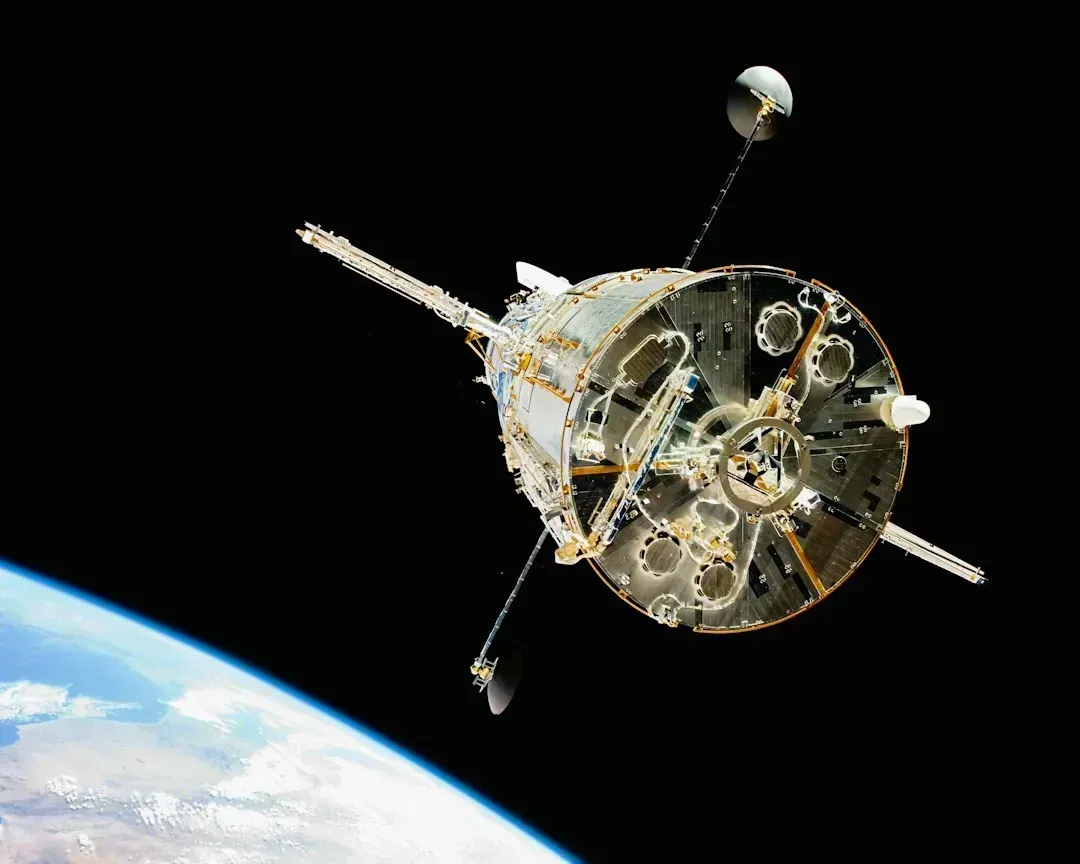
The single biggest factor in space memorabilia pricing is whether an item actually left Earth. Flown items physically traveled to space, and for Apollo missions sometimes to the lunar surface, making them the rarest and most valuable tier and carrying the highest authentication burden. That distinction alone can separate a fifty dollar patch from one worth tens of thousands.
Unflown or mission-related items such as training hardware, ground equipment, contractor pieces, and period NASA photographs and patches never left Earth but are still genuinely tied to the program, and this unflown material tends to be more affordable and a better starting point for new collectors. For most buyers, that’s actually where the hobby begins. Chasing flown material without deep pockets and patience usually leads to disappointment or, worse, fraud.
2. Documented provenance and chain of custody

A patch or piece of hardware is only as valuable as the paper trail behind it. Value comes from period manufacture and, ideally, provenance, since a patch documented as crew-owned or issued through an official channel is worth far more than a decorative reproduction. That sentence sums up why two visually identical patches can sell for wildly different amounts.
Auction houses have leaned into this reality in recent years. Serious dealers now emphasize provenance and chain of custody, not a certificate of authenticity alone, as what actually decides authenticity. A certificate without supporting history is essentially a piece of paper; a documented ownership record tracing back to an astronaut or NASA contractor is the real asset.
3. Manufacturer and era of production
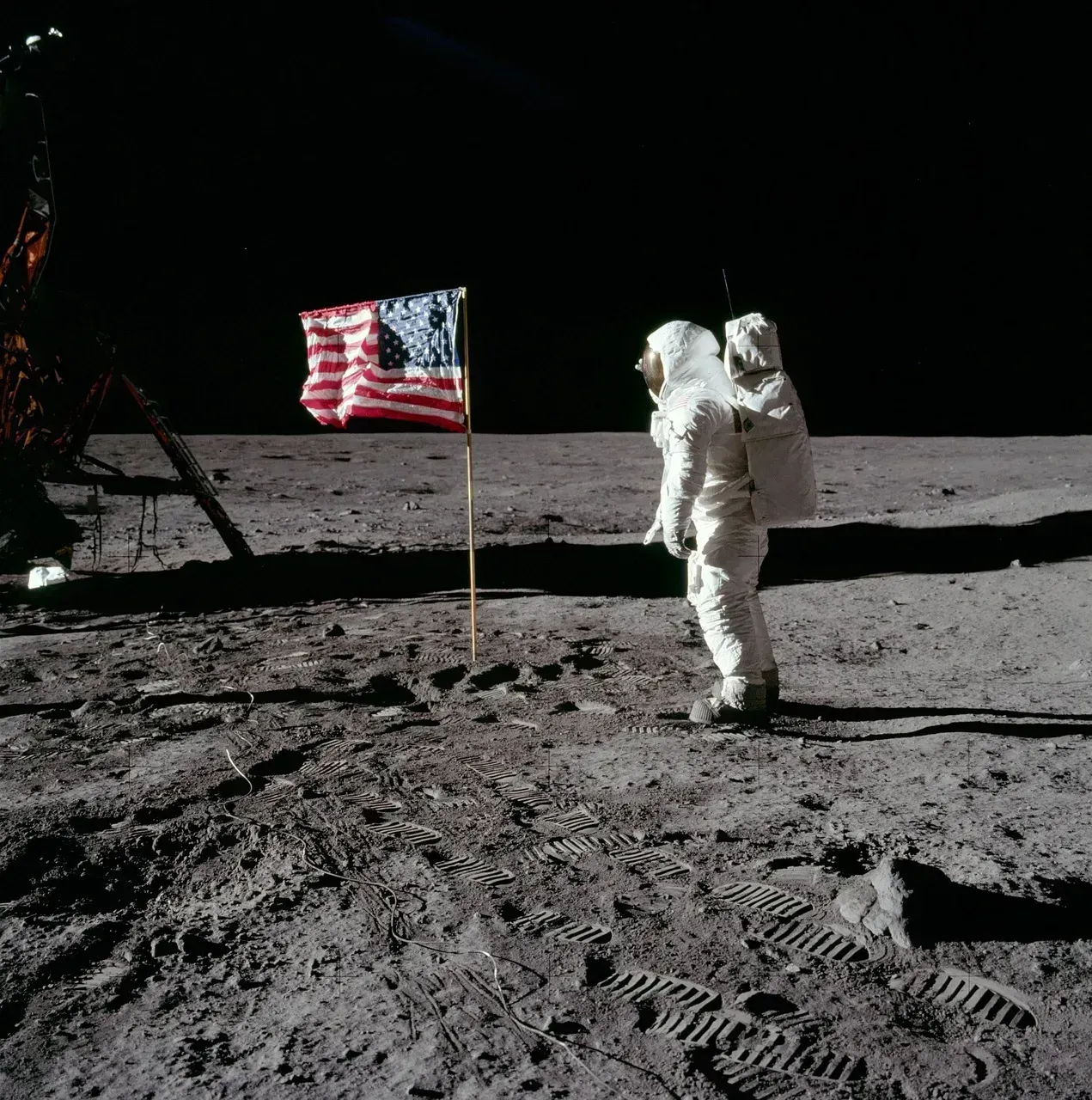
Not every mission patch was created equal, even among genuine period pieces. During the Apollo project several companies produced high quality versions of the mission patches at the time, with AB Emblem, the official NASA supplier, and Lion Brothers being the two most famous, and most serious collectors focus on patches from these two makers. Knowing which company stitched a given patch, and roughly when, is basic homework for any serious buyer.
Timing complicates things further. Although it’s often assumed Lion Brothers Apollo-era patches were only made during the missions themselves, the company actually continued producing them through around 1982. That extended production window means a patch’s fabric, stitching style, and backing material all become clues collectors use to date a piece more precisely than a simple “Apollo era” label would suggest.
4. Mission significance and historical firsts
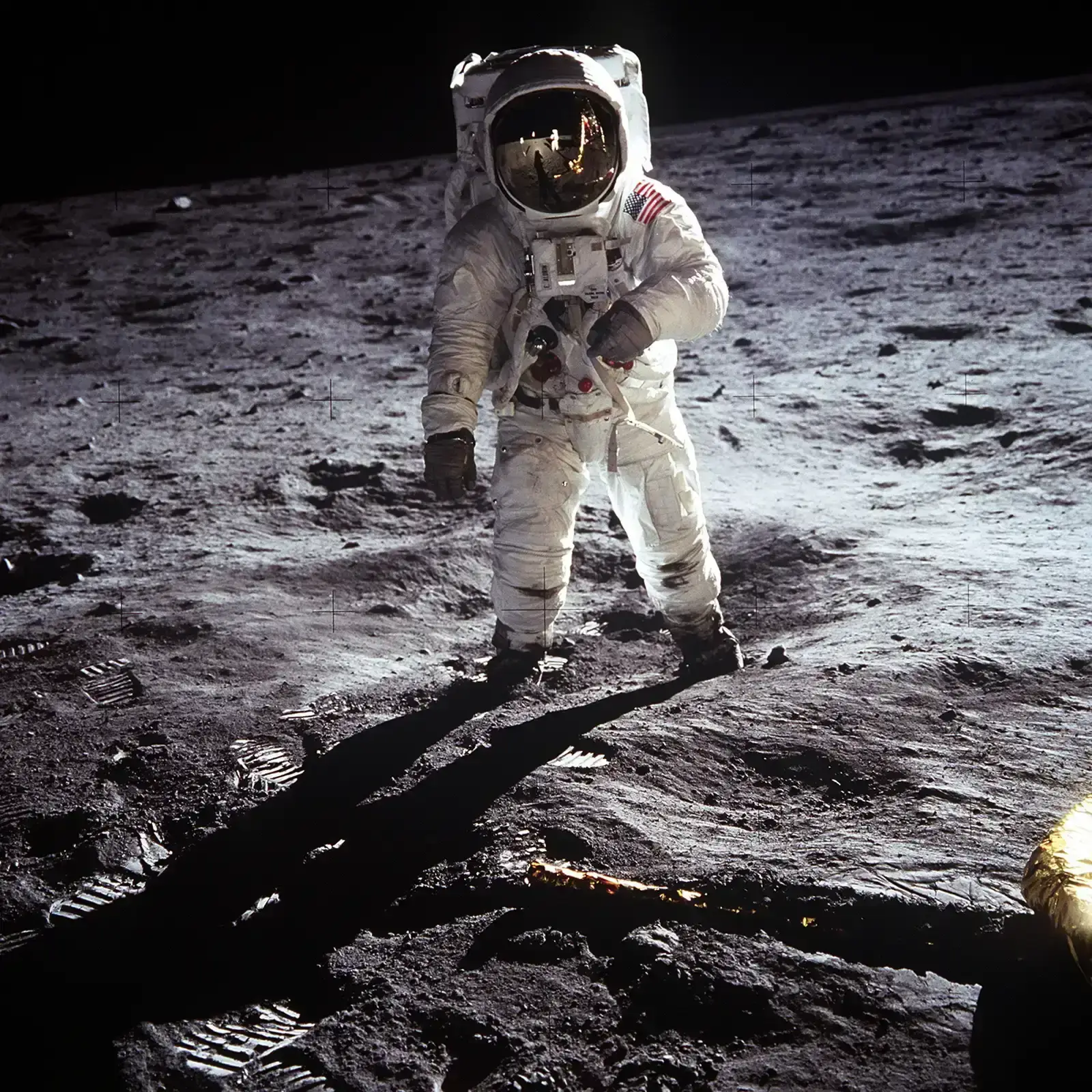
Some missions simply carry more weight in the public imagination, and pricing reflects that directly. The most sought-after space memorabilia continues to be items from the Apollo 11 moon mission, since collectors greatly desire anything associated with the first moon landing, and those items continue to sell for the highest prices during space memorabilia auctions. A patch tied to a historic first will almost always outperform one from a routine resupply mission, regardless of condition or rarity.
This effect isn’t limited to lunar missions either. Early orbital flights, first spacewalks, and milestone crew compositions all carry a premium because they mark a specific point where spaceflight history shifted. Collectors are essentially paying for proximity to a moment, not just an object.
5. Astronaut association and personal ownership

Items once owned by a specific, well-known astronaut carry a distinct premium over generic mission memorabilia. A recent example illustrates the point clearly: a collection of more than 50 pieces of memorabilia previously owned by Sally Ride, the first American woman to reach space, sold at auction for more than $145,000. Within that same sale, the diary Ride kept during her second spaceflight alone went for nearly $10,000.
The pattern holds across other astronaut estates too. When RR Auction handled personal collections belonging to figures like Charlie Duke, Dave Scott, and Wally Schirra, the direct link to a named, recognizable individual pushed prices well above what comparable unattributed items would fetch. Fame and documented personal use function almost like a second layer of provenance.
6. Autograph authenticity and third-party grading

Signed material occupies a strange position in this market, valuable when genuine and worthless, or worse legally risky, when not. Astronaut signatures are among the most forged items in autograph collecting, so signed material should be backed by reputable third-party authentication from graders such as Beckett, JSA, or PSA, alongside supporting provenance. Skipping that step is one of the fastest ways to overpay for a fake.
Signed items also benefit from context that reinforces their story. A flown item signed by both the astronaut and a fellow crew member, especially when framed with a matching certificate of authenticity signed by both parties, tends to carry stronger buyer confidence. Layered documentation like that gives a signature added weight beyond the ink itself.
7. Rarity of the specific item type
Beyond flown status, some categories are just inherently scarcer than others, and that scarcity shows up in price. Embroidered mission patches are one of the most accessible entry points into the hobby, though the challenge is that patches have been reproduced continuously for decades, so a modern replica and a period-correct example can look nearly identical at a glance. That reproduction problem means true rarity often has to be proven rather than assumed.
Certain categories skip that ambiguity entirely because so few examples exist at all. Large flown hardware components, original mission-used checklists, and early crew photographs with period-correct printing markings are inherently limited in number, since only a handful were ever produced or preserved. Original period NASA photographs, including the famous “red number” and other era-marked prints, are popular precisely because they combine genuine history with relative affordability, though buyers still need to check print type, era-correct paper and markings, and condition.
Taken together, these seven factors explain why the space memorabilia market rewards patience and research over impulse buying. A patch that looks identical to another in a photograph can carry a completely different value once flown status, provenance, manufacturer, mission significance, personal association, authentication, and category rarity are all weighed together. For anyone entering this hobby, the safest approach is simple: verify before you buy, and never assume a certificate alone tells the whole story.