

A generation ago, house hunting mostly came down to school districts, commute times, and whether the kitchen had been updated since the 1990s. Today, a growing number of buyers are pulling up flood maps and wildfire risk scores before they even schedule a showing. The shift is not dramatic or sudden, but it is measurable, and it is changing how homes get priced, insured, and sold across the country.
What makes this moment different from past waves of climate awareness is that the financial consequences have become impossible to ignore. Insurance premiums, HOA fees, and mortgage performance data are all starting to reflect risk in ways that show up directly on a monthly statement, not just in a scientific report.
A Quarter of American Homes Now Carry Severe Climate Exposure
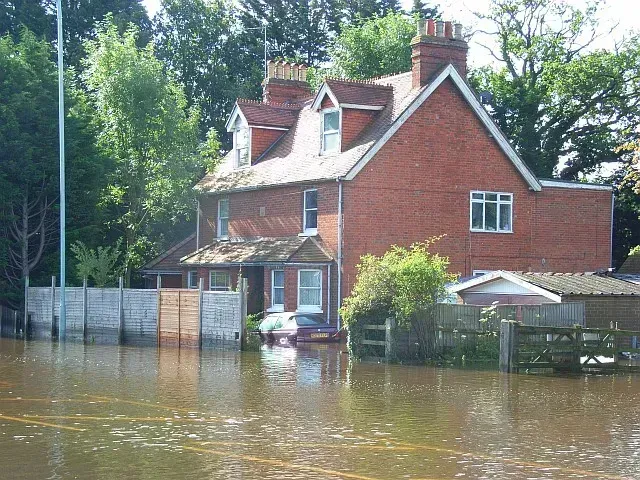
Recent industry data paints a striking picture of how widespread the exposure has become. More than 23% of U.S. homes face severe or extreme climate risk from wind, flood or wildfire, according to Realtor.com’s Housing and Climate Risk Report for 2026. That is not a fringe concern limited to coastal towns or fire-prone canyons anymore.
The dollar figures attached to that exposure are just as notable. Some 23.1% of U.S. homes, representing $11.2 trillion in value, face severe or extreme risk from wind, flood or wildfire, and buyer demand in some of the most exposed markets remains just as strong, or stronger, than in lower-risk areas nearby. The scale of that number puts climate risk on par with some of the biggest structural forces already shaping the housing market.
Buyers Say They Care, But Behavior Tells a More Complicated Story

Survey data suggests awareness has grown substantially. According to industry research cited by real estate analysts, 83% of buyers have considered at least one climate risk when entering the real estate market. That figure alone suggests climate risk has moved from a niche worry to something close to a mainstream checklist item.
Yet stated concern and actual purchasing decisions do not always line up. Analysts at Realtor.com found that buyers are not seeking risk, but in markets where affordability has long been an issue, price is the dominant signal, and high-risk homes happen to offer the discount that makes ownership possible. In other words, plenty of buyers know the risk exists and choose to accept it anyway, because the alternative is being priced out entirely.
Even a Major Wildfire Disaster Only Slowed Interest Temporarily
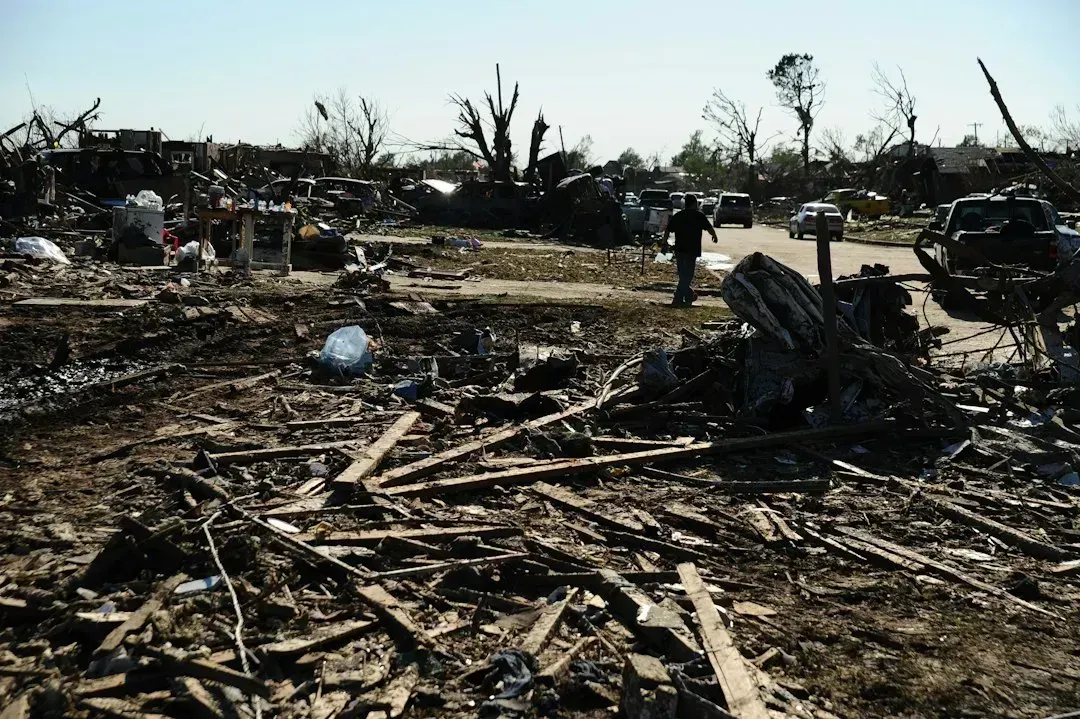
The 2025 Southern California wildfires offered a real-world test of how much a catastrophic event actually changes buyer psychology. The results were sobering in a different way than expected. Following the 2025 Southern California wildfires, buyer interest in high-risk homes only dropped 10% for a month before recovering.
That kind of rebound suggests something important about human decision-making around disaster. Memory fades fast when a location still offers proximity to jobs, family, or simply a lifestyle people are unwilling to give up. It also hints that unless a disaster directly touches a specific property, many buyers still treat these events as isolated incidents rather than warning signs for an entire region.
Flood Insurance Is Quietly Becoming Harder to Keep
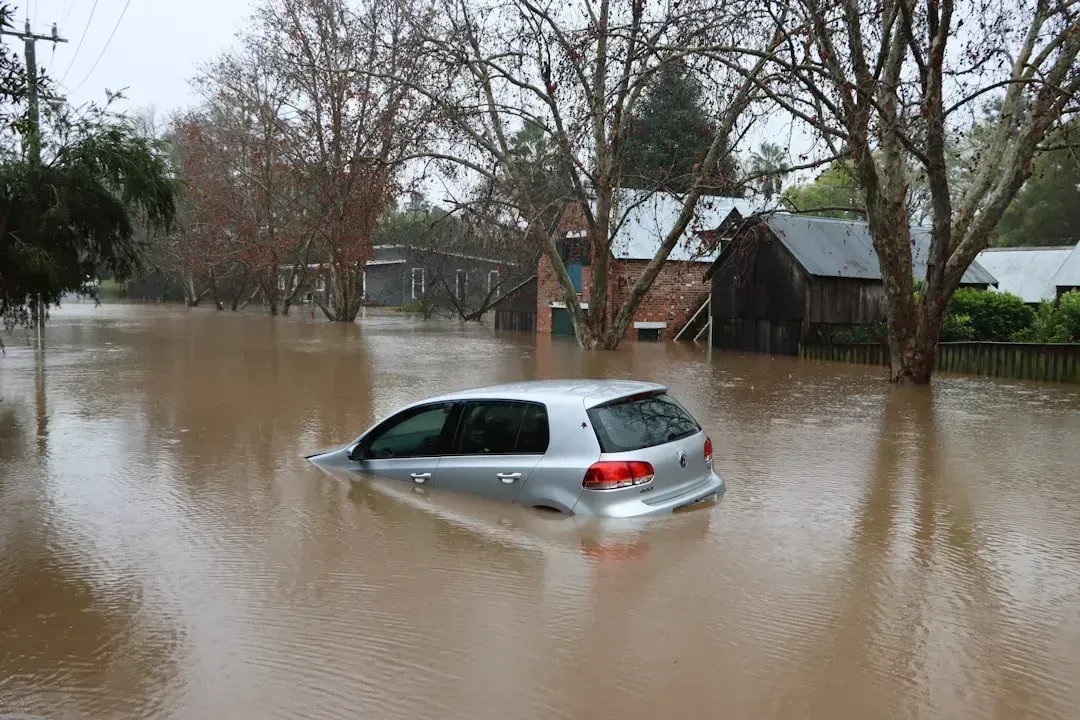
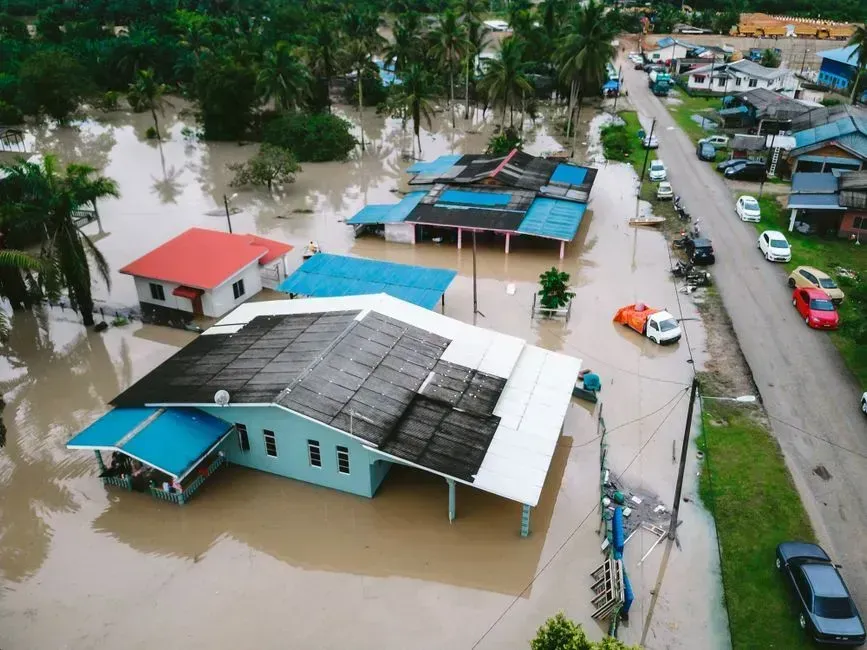
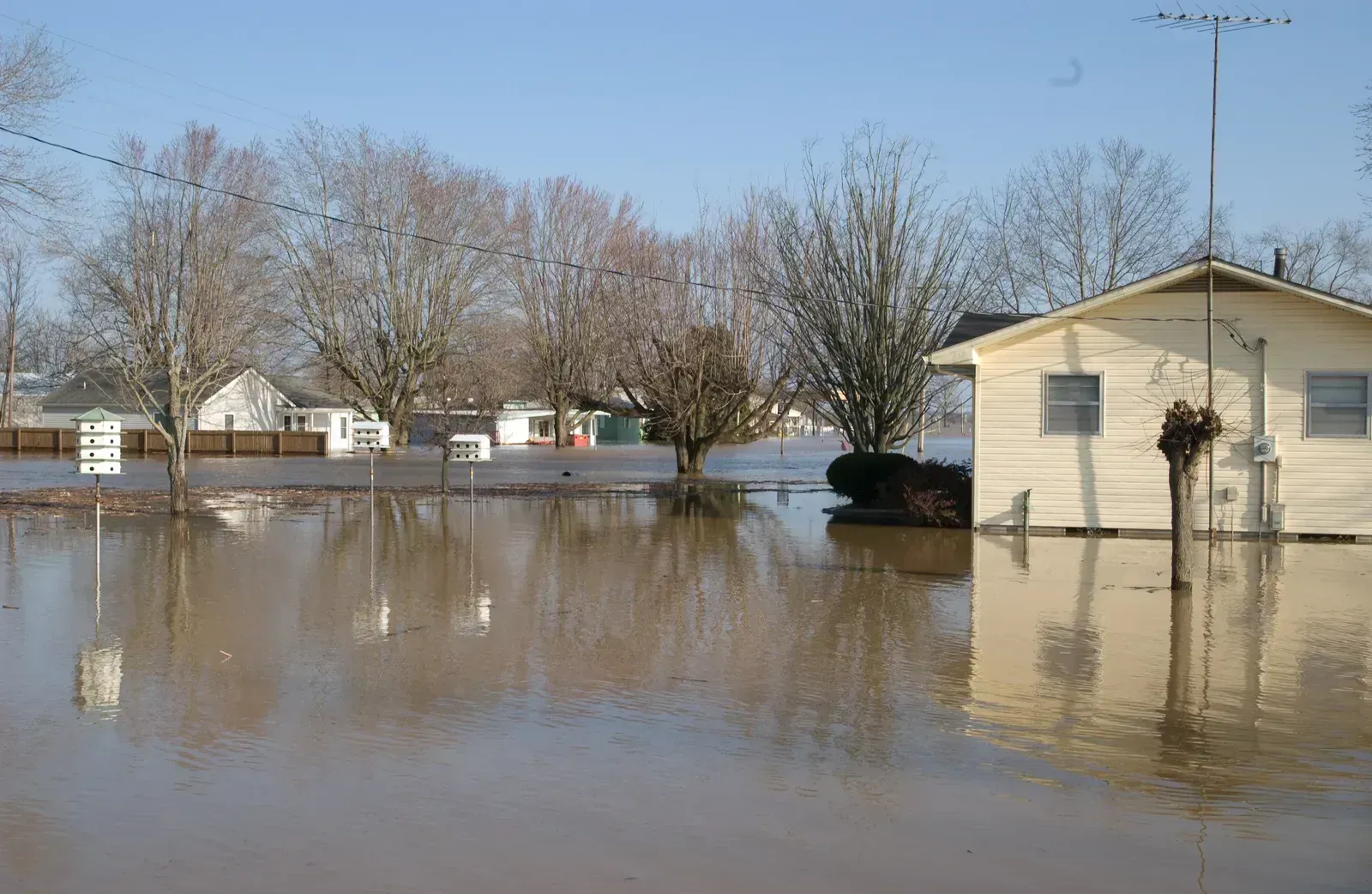
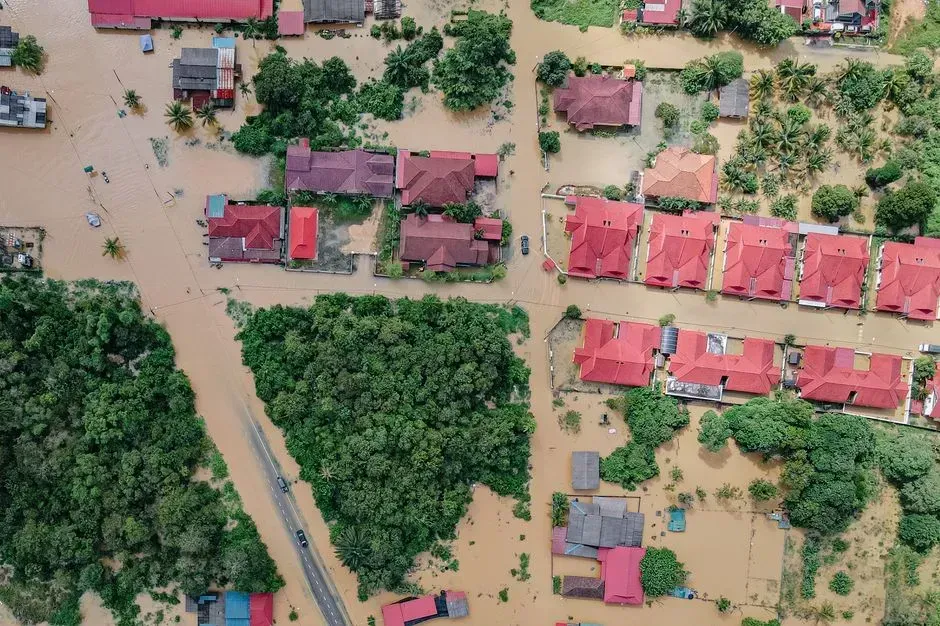
While overall flood risk levels have stayed fairly stable, the insurance market backing that risk has not. The number of homes facing extreme flood risk, around 6%, was about unchanged year-over-year from 2025 to 2026, but the number of NFIP contracts dropped by about 4.5% year-over-year, with the new scoring system leading to higher premiums and some households choosing to forego flood coverage completely. That is a meaningful gap between exposure and protection.
The states losing coverage fastest are not all obvious flood zones either. States that saw the highest drops in NFIP contracts included Texas with a 7.8% drop, Oklahoma with a 6.9% drop, Mississippi with a 6.6% drop, Alabama with a 6.5% drop and Minnesota with a 6.2% drop. Some buyers may not even realize how thin their protection has become until a claim gets denied or a premium notice arrives.
Premiums Are Rising Fast Enough to Reshape Affordability

The cost of flood coverage specifically has climbed in a way that is hard to overlook. Median annual premiums are also climbing, projected to nearly double over time, from $689 in December 2022 to $1,288. For a buyer stretching to afford a mortgage payment, that kind of increase can be the difference between a home staying affordable and becoming a financial strain.
Homeowners association fees tell a similar story in high-risk zones. Homeowners in high-risk areas already pay a median $192 a month in HOA fees, 53.6% more than homeowners in lower-risk areas. These costs often get overlooked during the excitement of house hunting, only to become a source of financial pressure once the closing paperwork is signed.
Wildfire Activity Has Roughly Doubled in Scale Over Two Decades
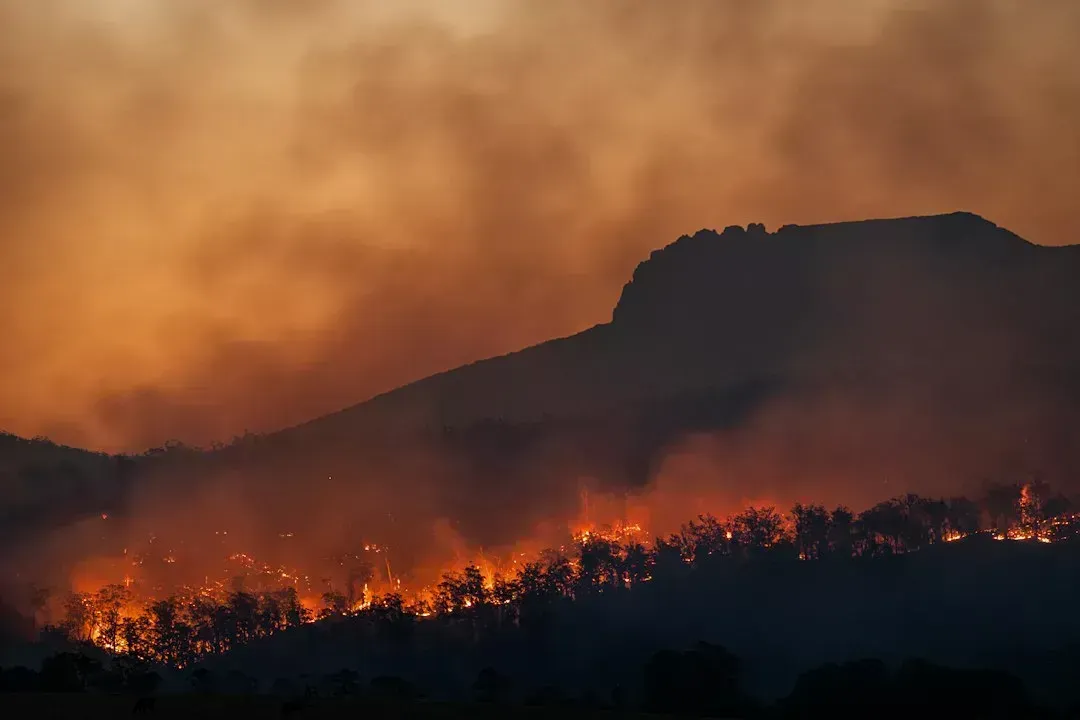
The physical reality behind rising insurance costs is not abstract. Wildfires now burn more than twice as many trees each year as they did two decades ago. That kind of long-term trend line is exactly what actuaries and underwriters use to justify steeper premiums in fire-prone states.
The broader pattern of billion-dollar disasters backs this up at a national level. From 1980 to 2024, the United States averaged 9 weather disasters annually causing more than $1 billion in losses, but over the past five years that number has increased to 23 per year. For homebuyers, that acceleration means the risk calculus they are running today looks nothing like what their parents faced when buying a first home decades ago.
A Slow but Real Migration Toward Lower Risk Regions Is Underway

Some buyers are not just tolerating risk, they are actively relocating away from it. A survey revealed that nearly 1 in 11 movers, about 8.8%, now cite climate risks as a direct reason for relocating. That is still a minority of movers, but it represents a meaningful and growing segment.
Longer-range projections suggest this trend has much further to run. First Street’s study projects that average home-insurance premiums will rise 29.4% in the next three decades and that the number of Americans who will consider climate risks when moving will soar, from 5.2 million in 2025 to 55 million in 2055. If those projections hold even loosely, climate-driven relocation could become one of the defining demographic stories of the next generation, reshaping which regions grow and which ones stagnate.
Mortgage Performance Is Starting to Reflect Climate Stress

Climate risk is no longer just a talking point in academic papers, it is showing up in loan performance data. Industry monitoring firms have confirmed this directly. Those climate risks are impacting mortgage performance and property values in “clear and measurable ways,” according to ICE Mortgage Technology.
The mechanism behind that impact is fairly straightforward once you follow the money. A key way that happens is through the capitalization of higher property insurance, taxes, HOA costs or even rising utility bills into property values, and as ongoing monthly costs of a given property increase, the amount a future buyer may be willing or able to pay for that asset typically diminishes. Lenders and mortgage-backed security investors are watching this closely, because it affects risk pricing across the entire housing finance system, not just individual homeowners.
Disclosure Rules Remain Inconsistent Across the Country
One of the biggest obstacles buyers face is simply getting clear information before they sign a contract. Advocacy groups and lawmakers have pushed for more transparency, arguing that many homebuyers and renters remain unaware of their immediate exposure, let alone their longer-term exposure, largely because real-estate platforms and MLS systems often do not disclose climate risk. That gap leaves buyers making one of the largest financial decisions of their lives without a full picture.
Even when disclosure tools exist, they have not always survived industry pushback. In recent years, real estate and rental marketplaces have started to show these dangers on home listings to equip buyers with basic climate-threat information, but one of the most popular marketplaces recently took down its climate scores following pushback from the housing industry, which claims the data is unreliable and negatively impacts the market. That kind of back and forth suggests the disclosure debate is far from settled, and buyers in many states are still left to research risk on their own.
Some Regions Are Positioned to Gain as Others Face Long Term Decline
Not every part of the country faces the same trajectory. Some traditionally overlooked states may actually benefit from the reshuffling. Regions historically considered less populous, such as North Dakota and Montana, are forecasted to grow due to their climate resilience.
Meanwhile, researchers have mapped out starkly different futures for different neighborhoods across the country. The report identifies five distinct neighborhood trajectories in climate migration and insurance increases: Climate Abandonment at 26% of census tracts, Risky Growth at 31%, Tipping Point at 27%, Economic Decline at 11%, and Climate Resilient at 5%. That kind of granular breakdown suggests the coming decades will not produce one uniform national story, but rather thousands of local ones playing out street by street.
The Bottom Line for Today’s Buyers
Climate risk has moved from background noise to a genuine factor in how Americans choose where to live, even if price still wins out more often than not. The data shows a market caught between two forces: rising awareness of long-term danger and the immediate pressure of affordability that pushes people toward exactly the homes experts warn about.
For now, that tension is unlikely to resolve cleanly. Buyers who take the time to check flood maps, ask about insurance history, and understand how HOA fees might climb are simply better equipped than those who don’t, regardless of which state or price bracket they end up choosing.

- How and When to Watch the Orionid Meteor Shower This October - November 12, 2026
- Blue whales vanish from the Galápagos, and scientists suspect El Niño - November 11, 2026
- 8 Famous Battles That Were Decided by the Weather - November 11, 2026
