
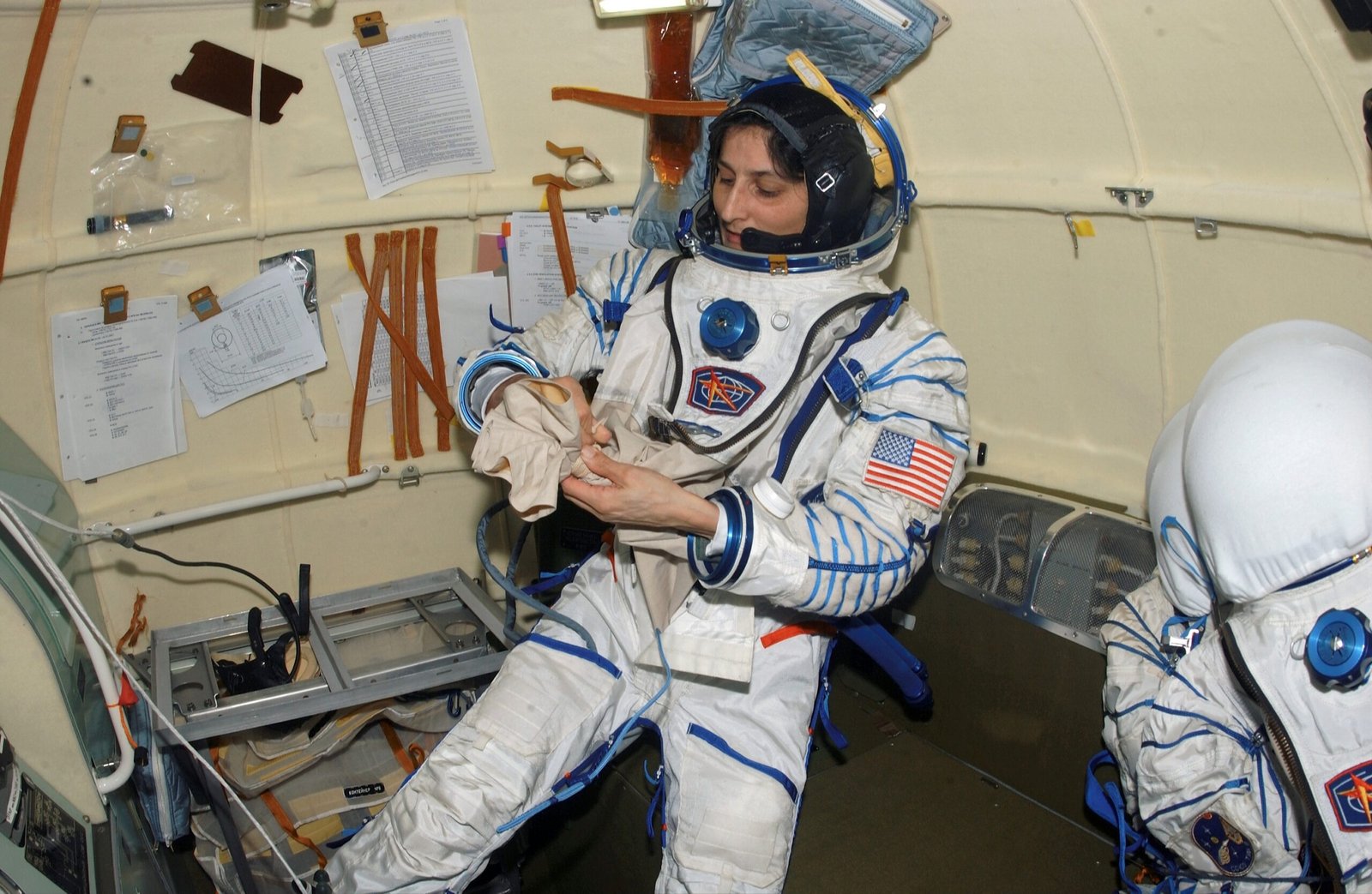
1. Managing menstruation with limited water and no real plumbing
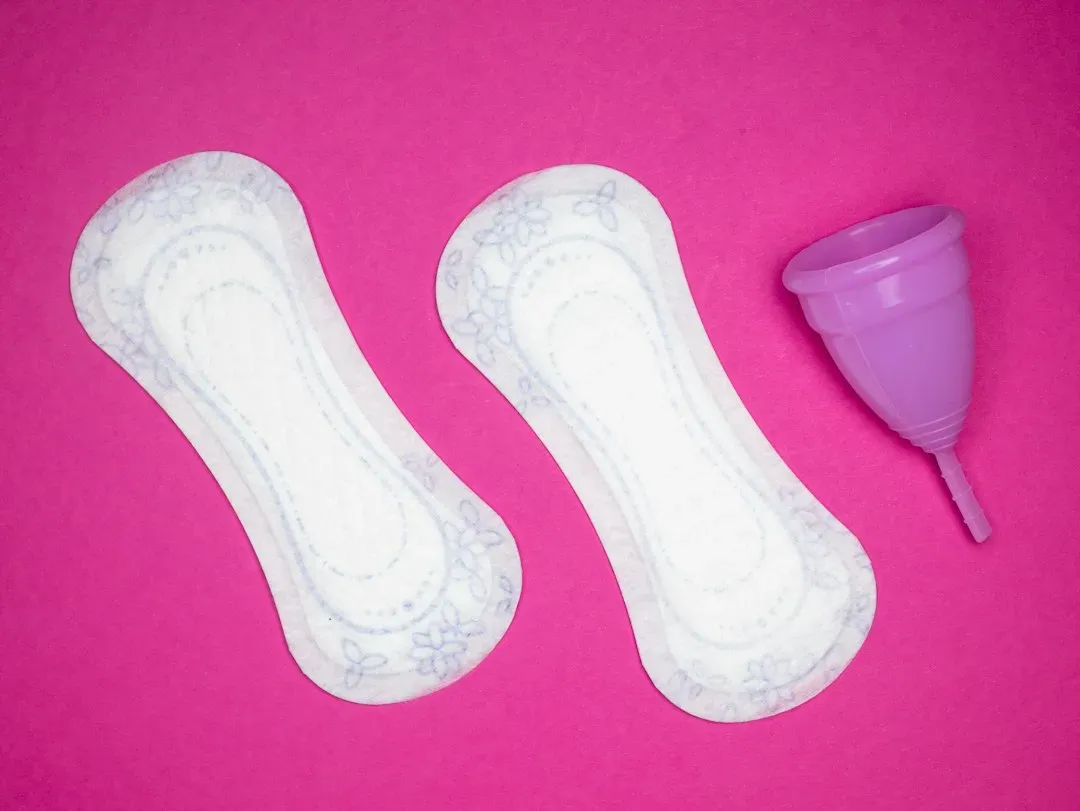
Periods do not stop just because gravity does, and female astronauts have had to work out solutions since the earliest shuttle flights. The first reports of menstrual devices in space begin with the historical first flight of Sally Ride on the Shuttle in 1983. That mission set off a decades long conversation about what women actually needed on board, rather than what engineers assumed.
Today most long duration crew members choose hormonal suppression, largely because of the practical mess involved otherwise. The toilets on the American side of the International Space Station are designed to recycle water from urine, but they aren’t designed to handle menstrual blood, so minimizing bleeding means more reclaimed water on board. Astronaut Rhea Seddon recalled that early on, women simply pushed NASA to treat menstruation as a “non-problem until [it becomes] a problem.” Those who do choose to menstruate still have full supplies available, but the logistics of changing a pad or tampon while floating are far from simple.
2. Washing hair and staying clean without a shower
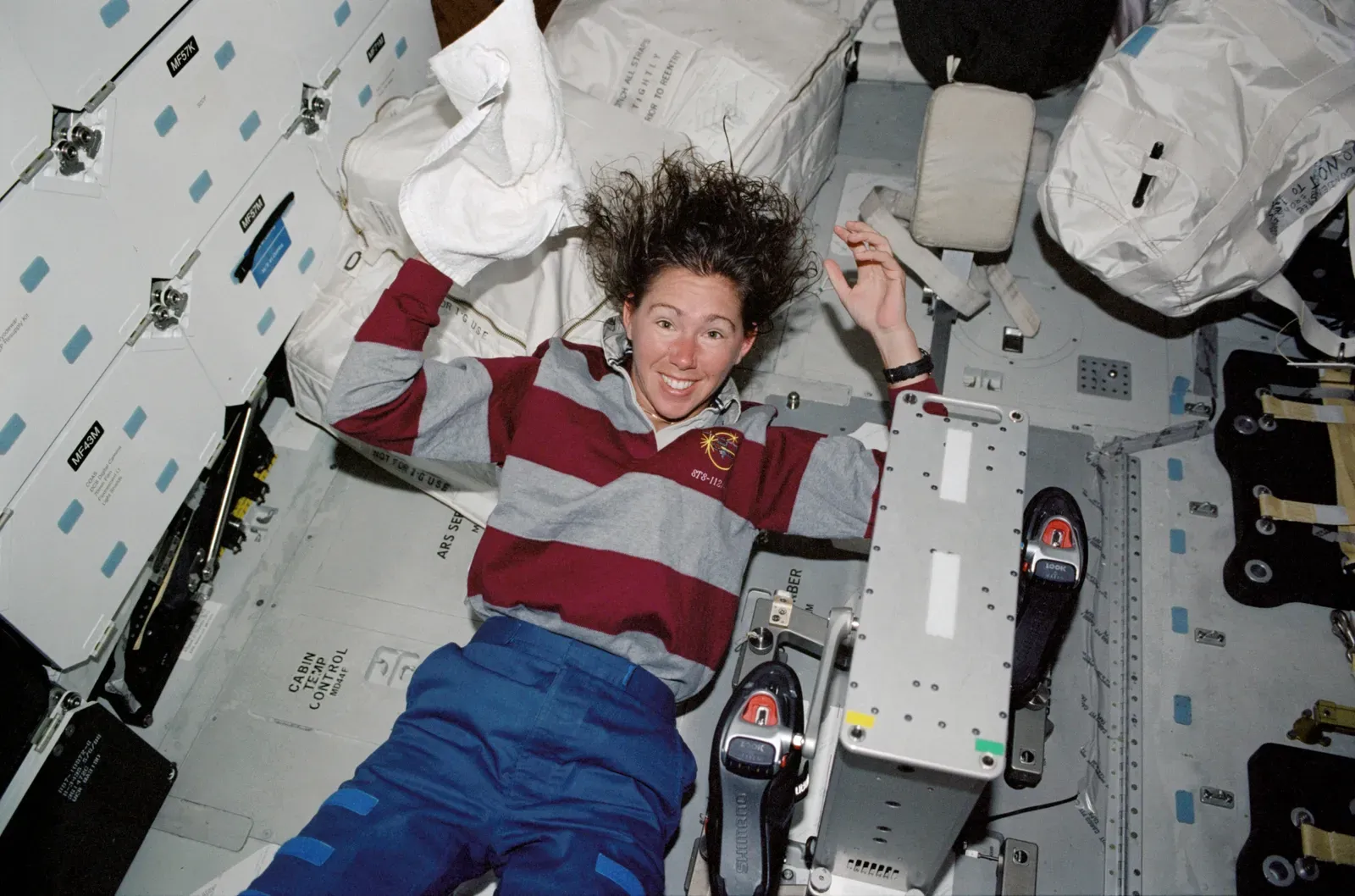
There is no shower stall on the ISS, and that single fact changes almost everything about personal hygiene. Italian astronaut Samantha Cristoforetti called her cleaning spot the “hygiene corner,” and she cited several challenges to keeping clean in space, including the lack of space, limited water and the effects of microgravity.
Hair care in particular takes real planning. NASA astronaut Karen Nyberg’s routine involves a bag of warm water, a bottle of no-rinse shampoo, originally developed for hospital patients that couldn’t shower, a towel and a comb. Jessica Meir, who has curly hair, described a similar workaround where she uses a carefully measured squeeze of water from a pouch, guiding the liquid down to her roots and massaging her scalp by hand. Even the leftover water does not go to waste. As the water in her hair dries, it evaporates into the air, and the ISS’s air conditioning system collects that moisture and recycles it into drinking water.
3. Learning a completely different kind of toilet
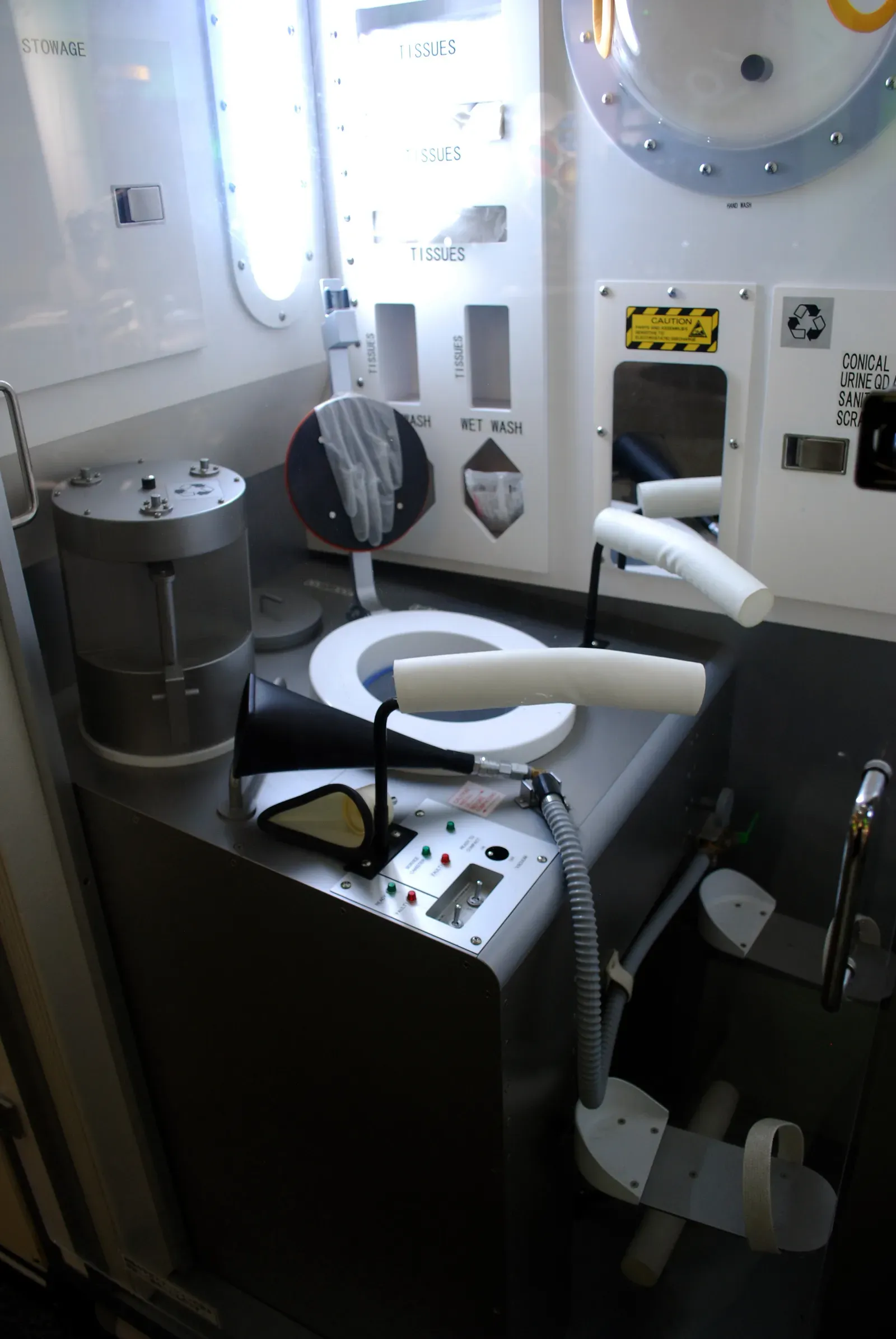
Using the bathroom in orbit runs on suction rather than gravity, and it took real training to get comfortable with it. Space toilets throughout the couple decades of spaceflight history have combated the problem of trying to do business in zero gravity with the same principle: suction. Astronauts use a personal funnel, and interestingly, a female astronaut’s funnel is cup shaped and easily molds to her body when the toilet’s suction is activated.
Even brushing teeth becomes a small puzzle without a sink. Cristoforetti admitted she prefers to spit out toothpaste rather than swallow it, joking that “I really don’t like to do that, so I spit it out. It’s not the most elegant thing, but you have to do what you have to do.” These are the kinds of details that rarely make it into official mission summaries but shape every single day on board.
4. Spacesuits that were never built with women’s bodies in mind
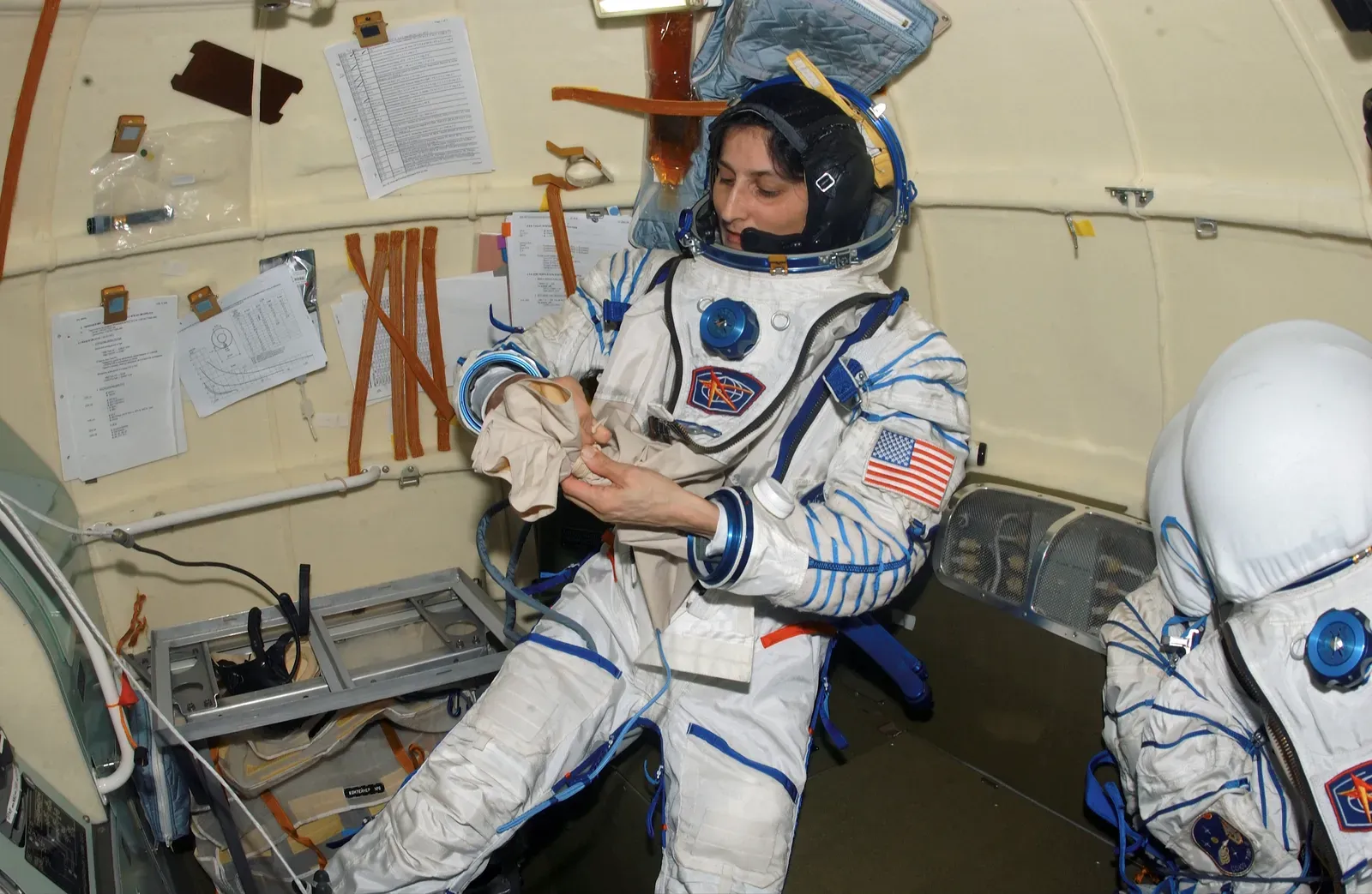
Perhaps the most publicly discussed challenge came in 2019, when NASA had to cancel what would have been the first all female spacewalk. The issue was not a lack of women assigned to the mission but a shortage of properly fitted gear, since Anne McClain and Christina Koch both needed a medium hard upper torso, and there was only a single functional one in that size on board.
Astronaut Linda Godwin has pointed out that fit problems go beyond convenience and affect actual performance during spacewalks. She explained that “on average, female crew members are likely to have shorter shoulder widths, which means the flexing of the suit’s arms at the shoulder joint will not be at their anatomical shoulder. This limits reach to some extent.” Sullivan noted that even the smaller suit sizes used decades ago were often still too large for many women, a gap that space agencies are still working to close.
5. Hours of daily exercise just to slow bone loss
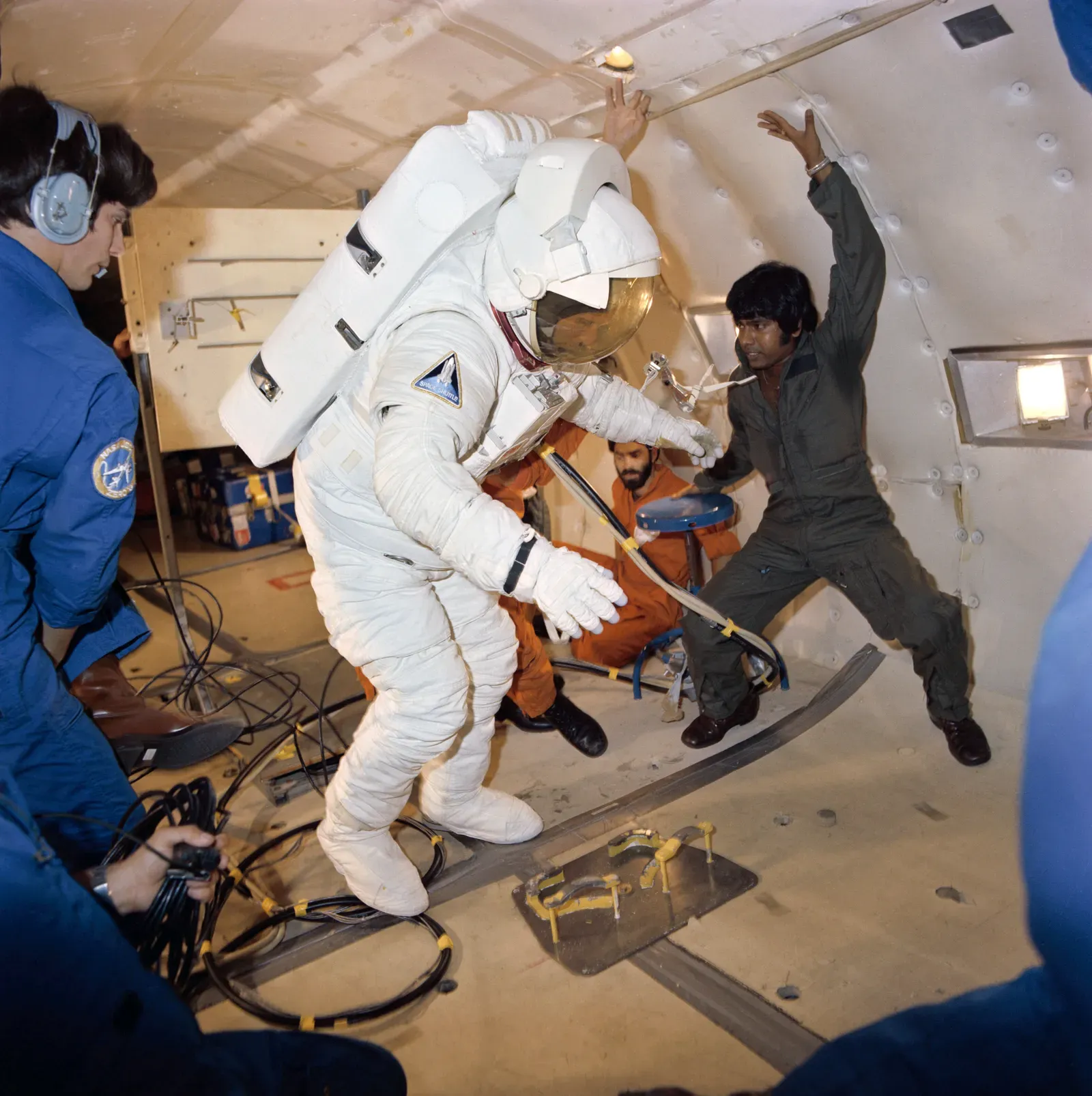
Microgravity is quietly aggressive toward the skeleton, and astronauts of every gender fight it with a strict routine. Research shows that Russian cosmonauts and US crewmembers on board the ISS lost bone mineral density of the lumbar spine at the rate of roughly one percent per month, markedly accelerated compared with rates of age related loss on Earth.
What makes this especially relevant for women is the comparison researchers keep drawing. Samantha Cristoforetti has spoken about bone health specifically because the rapid bone loss astronauts experience in space’s conditions of microgravity is similar to the rapid loss of bone mass that occurs in postmenopausal women on Earth. To counter it, crew members currently commit to roughly two hours of exercise daily on resistance and cardio machines, a routine that eats into an already packed schedule.
6. Sleep disrupted by sixteen sunrises a day
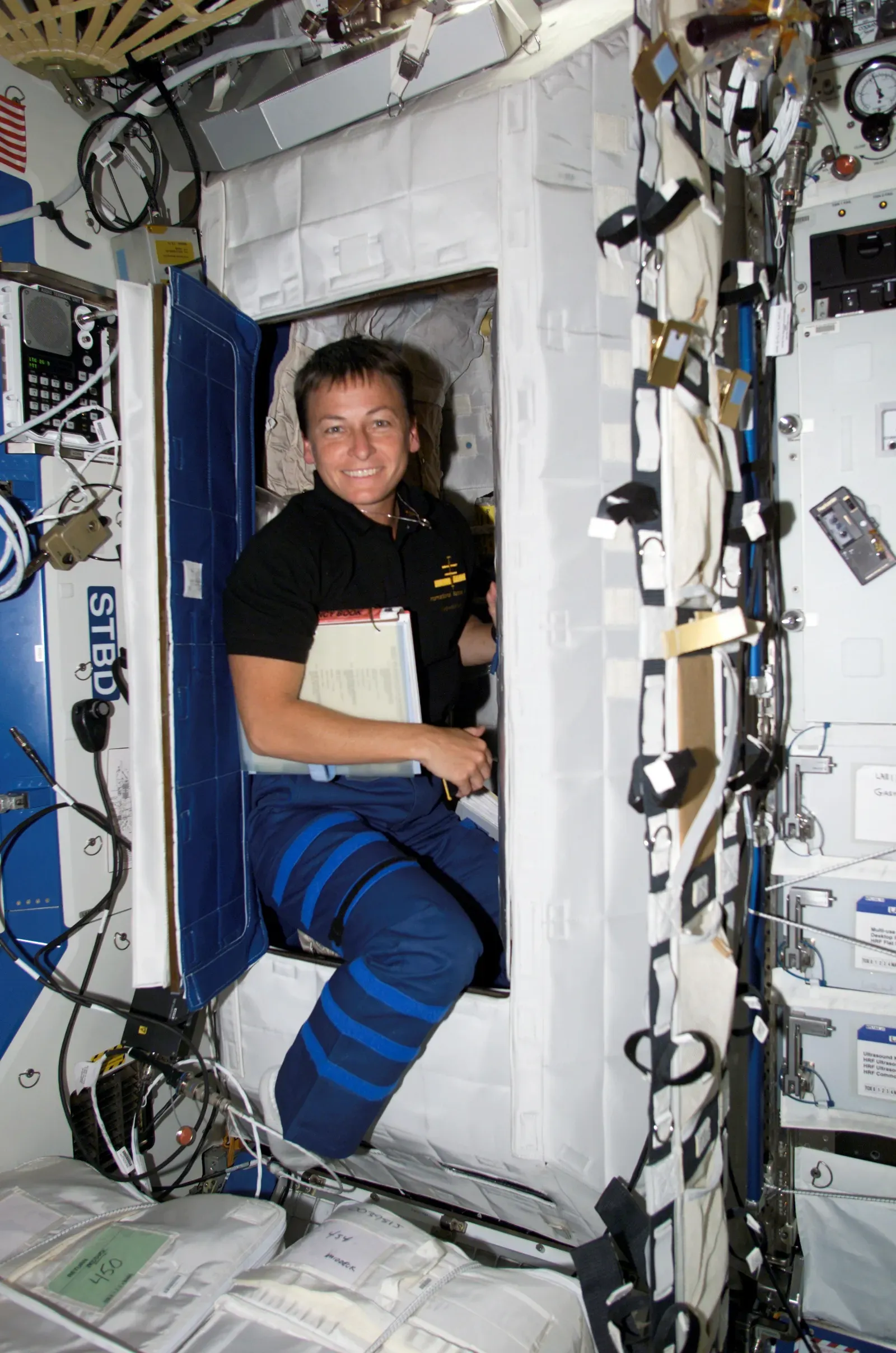
The ISS orbits Earth so quickly that a normal day and night cycle simply does not exist up there. As one NASA sleep researcher put it, while the space station affords incredible views of Earth, the sixteen sunrises an astronaut witnesses a day can wreak havoc on circadian rhythm, the body’s natural clock for sleeping and waking.
Astronauts do have private crew quarters that help, and astronauts have dark, quiet and private crew quarters on the space station conducive to good sleep, but that won’t always be the case on other space missions. Future trips to the Moon and Mars, with smaller capsules and less predictable schedules, are expected to make this problem noticeably harder to manage.
7. Feeling the emotional distance from family back home
Physical separation from loved ones is one thing; astronauts describe a deeper kind of distance that sets in over months. Canadian astronaut David Saint-Jacques, speaking from orbit, said plainly that “you’re very, very far away from the people you love on Earth and that can make you sad perhaps.”
That sentiment is echoed across mission reports, and NASA itself acknowledges the risk directly. According to the agency, the prolonged isolation and confinement that astronauts face in space can increase risks of behavioral issues and psychiatric disorders, such as anxiety and depression. Video calls and care packages from family help, but they are a thin substitute for actually being there for a birthday or a difficult week back home.
8. Constant close quarters with almost no true privacy
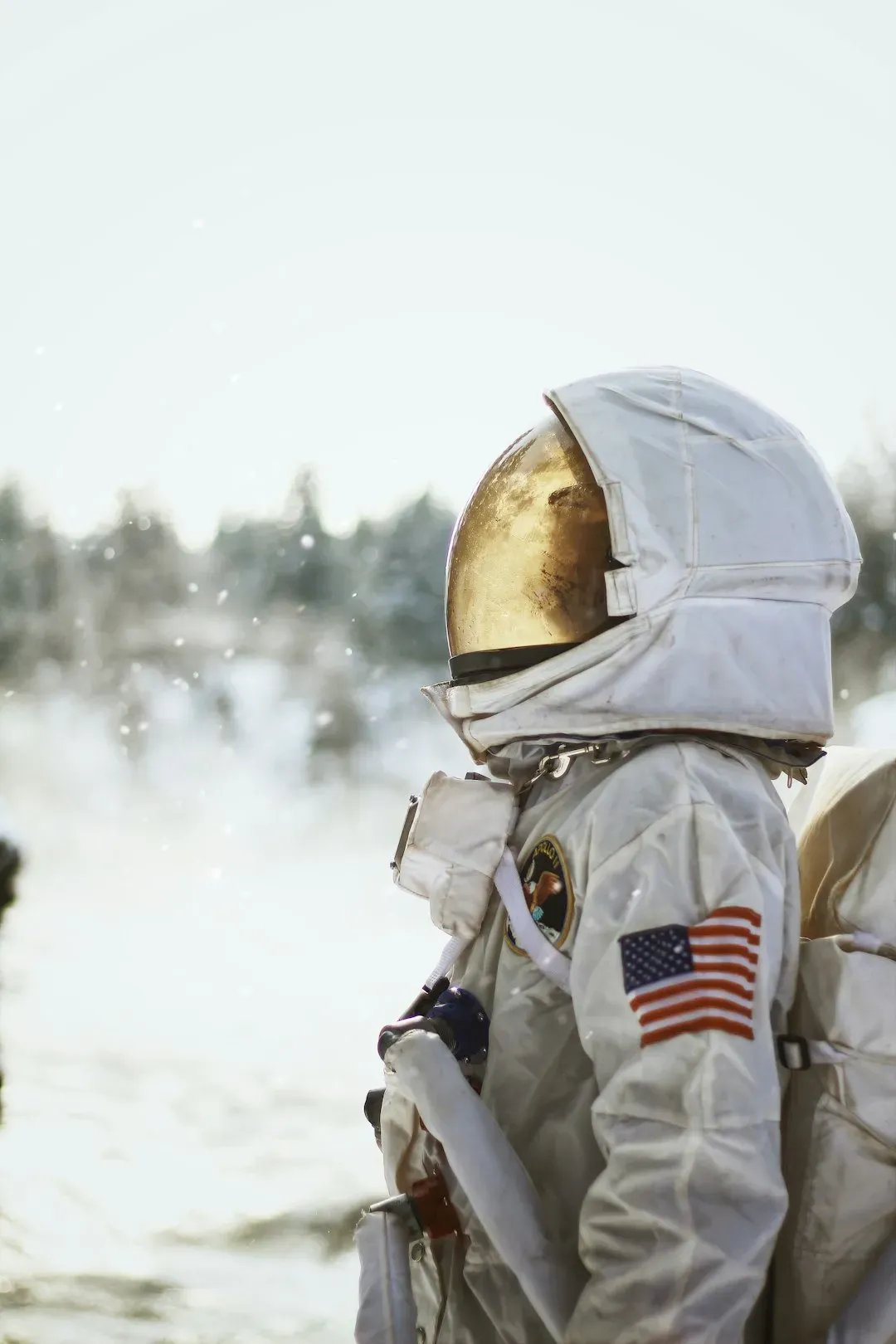
Even with individual sleeping compartments, astronauts note that solitude is essentially impossible on a space station. Saint-Jacques observed that though astronauts are separated from significant others on their home world, they never have any time alone on a space mission, and you’re always with the same people on board, so if conflict arises, you have nowhere to go.
That lack of space applies to hygiene routines, personal calls, and simple moments of quiet, all of which happen within earshot of crewmates. Analog missions on Earth, like the two week Mars Desert Research Station simulations in Utah, are partly designed to study exactly this kind of friction before crews ever leave the ground. The women who have flown long duration missions describe adapting to it as a skill in itself, one that takes as much practice as any technical procedure.
None of these challenges are secret complaints buried in mission logs. They come from on record interviews, NASA research summaries, and astronauts speaking candidly about what six months or more in orbit actually feels like day to day. As missions stretch toward the Moon and eventually Mars, many of these same issues, from suit sizing to menstrual product design to sleep in cramped capsules, are the ones engineers are racing to solve before the next generation of women even leaves the launch pad.
- Time Moving Measurably Slower Near Orbit – 5 Relativistic Quirks Astronauts Face - November 13, 2026
- 6 Things Scientists Monitor in Space That Most People Never Think About - November 13, 2026
- I Asked AI and a Waste Auditor How to Cut My Household Trash – Where They Disagreed - November 12, 2026
