


- Will travel insurance cover weather-related flight delays and cancellations? - November 11, 2026
- 8 Cities Where the Weather Changes So Fast Locals Carry Everything - November 11, 2026
- 10 Traditional Building Techniques From Hot Climates Architects Are Revisiting - November 10, 2026
Most of what we launch into orbit eventually comes down. Usually it burns up high in the atmosphere, and nobody notices. Now and then, though, something big enough or tough enough survives the trip and reaches the ground or the sea.
The eight cases below span almost five decades, from Cold War space stations to a lander launched in 1972. Some fell in empty ocean, while others landed uncomfortably close to people. Here’s where each one ended up.
Skylab Over Western Australia, 1979
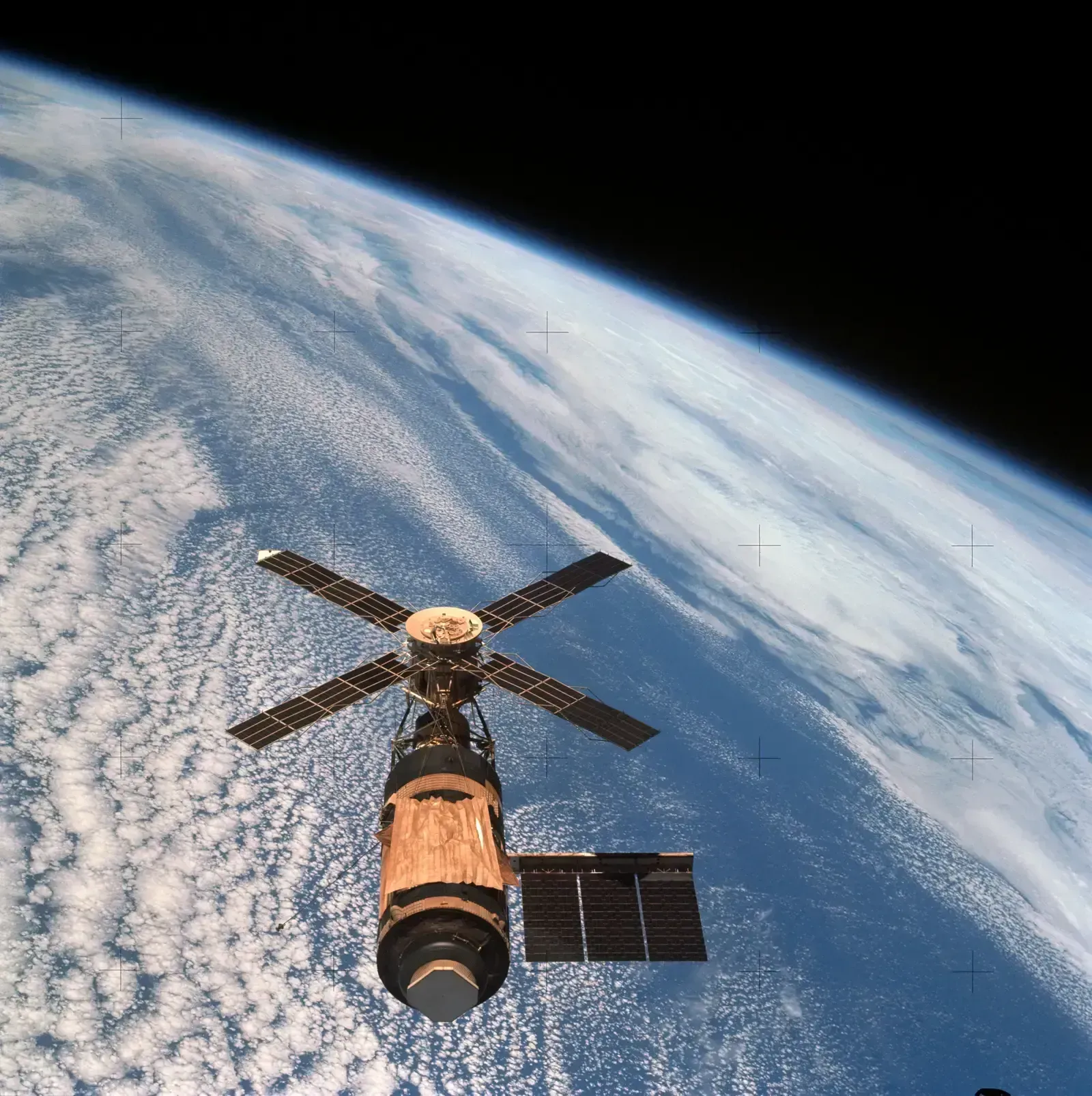
Skylab was America’s first space station, and it weighed roughly 77 tonnes. When its orbit decayed faster than planned, it came down on July 11, 1979. Most of the debris fell into the Indian Ocean, but some pieces landed in sparsely populated parts of Western Australia.
The area around Esperance was where residents collected fragments. The local council famously issued NASA a littering fine, and the bill was symbolically settled decades later. No one was hurt, which was a relief given how uncontrolled the descent was.
Salyut 7 and Kosmos 1686 Over Argentina, 1991
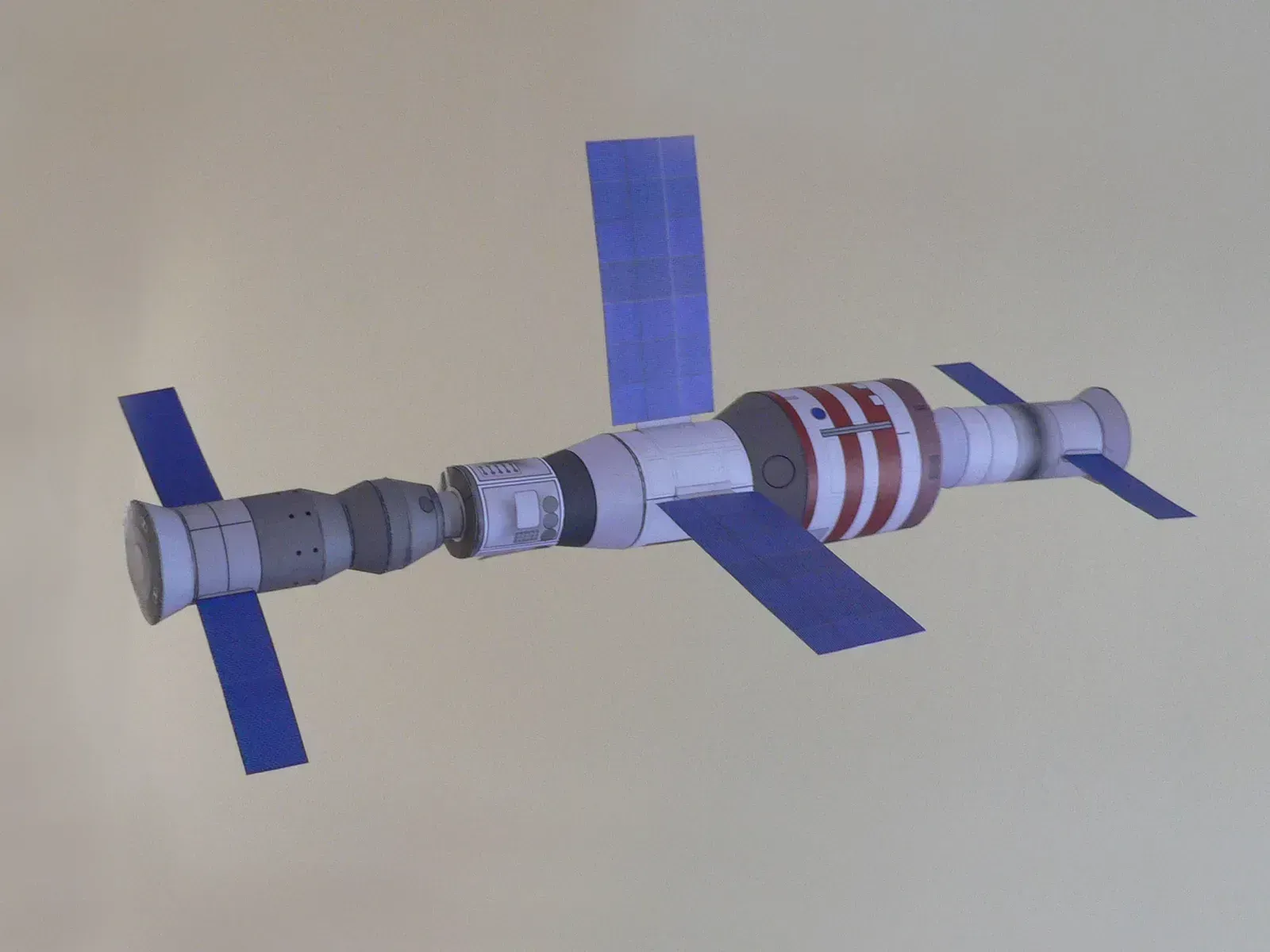
Salyut 7 was a Soviet space station, docked to the Kosmos 1686 module when it was left in a decaying orbit. The pair reentered on February 7, 1991. Debris scattered over parts of Argentina, and the town of Capitán Bermúdez is the place most often linked to the fall.
Fragments were recovered, and the event became a lasting local curiosity. Salyut 7 had been abandoned for years, so its descent was effectively out of anyone’s hands. Argentina’s sparse population in the area helped keep the incident harmless.
Mir in the South Pacific, 2001
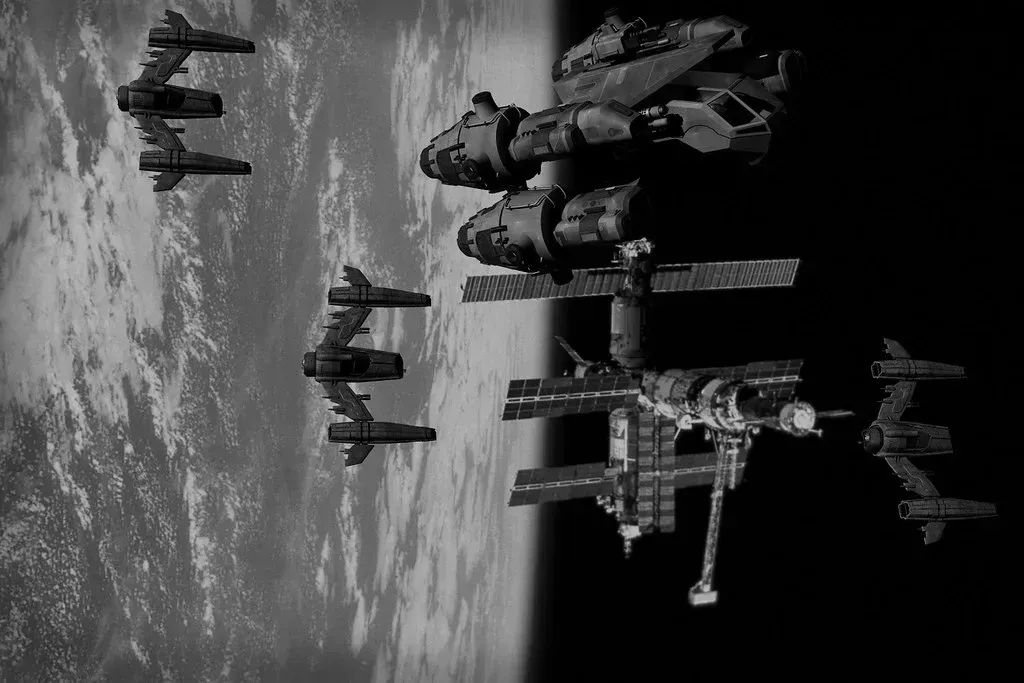
Mir was different, because Russia brought it down on purpose. After about fifteen years in orbit, the 120 tonne station was steered into the atmosphere on March 23, 2001. Controllers aimed for a remote stretch of the South Pacific, east of New Zealand and Fiji.
Much of the station burned up, though pieces were expected to survive and splash into the sea. The target zone is a region used for retiring large spacecraft, chosen because ships and aircraft rarely pass through. It remains the model for a clean, controlled disposal of a giant structure.
Tiangong 1 in the South Pacific, 2018
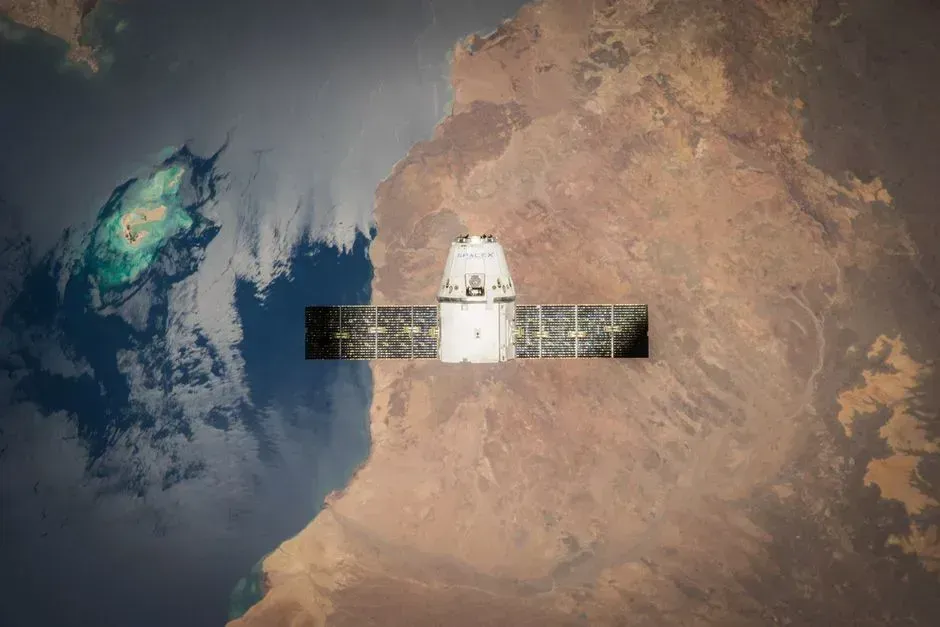
China’s first space lab, Tiangong 1, stopped responding to ground control in 2016. It weighed about 8.5 tonnes, and for two years experts tracked its slow, unsteerable decline. On April 2, 2018, it reentered over the South Pacific.
Predictions had spanned a huge swath of the globe until the final hours, which is typical for uncontrolled objects. The ocean outcome was the most statistically likely, since water covers most of Earth’s surface. No debris was reported on land.
Long March 5B Core Stage Near the Maldives, 2021
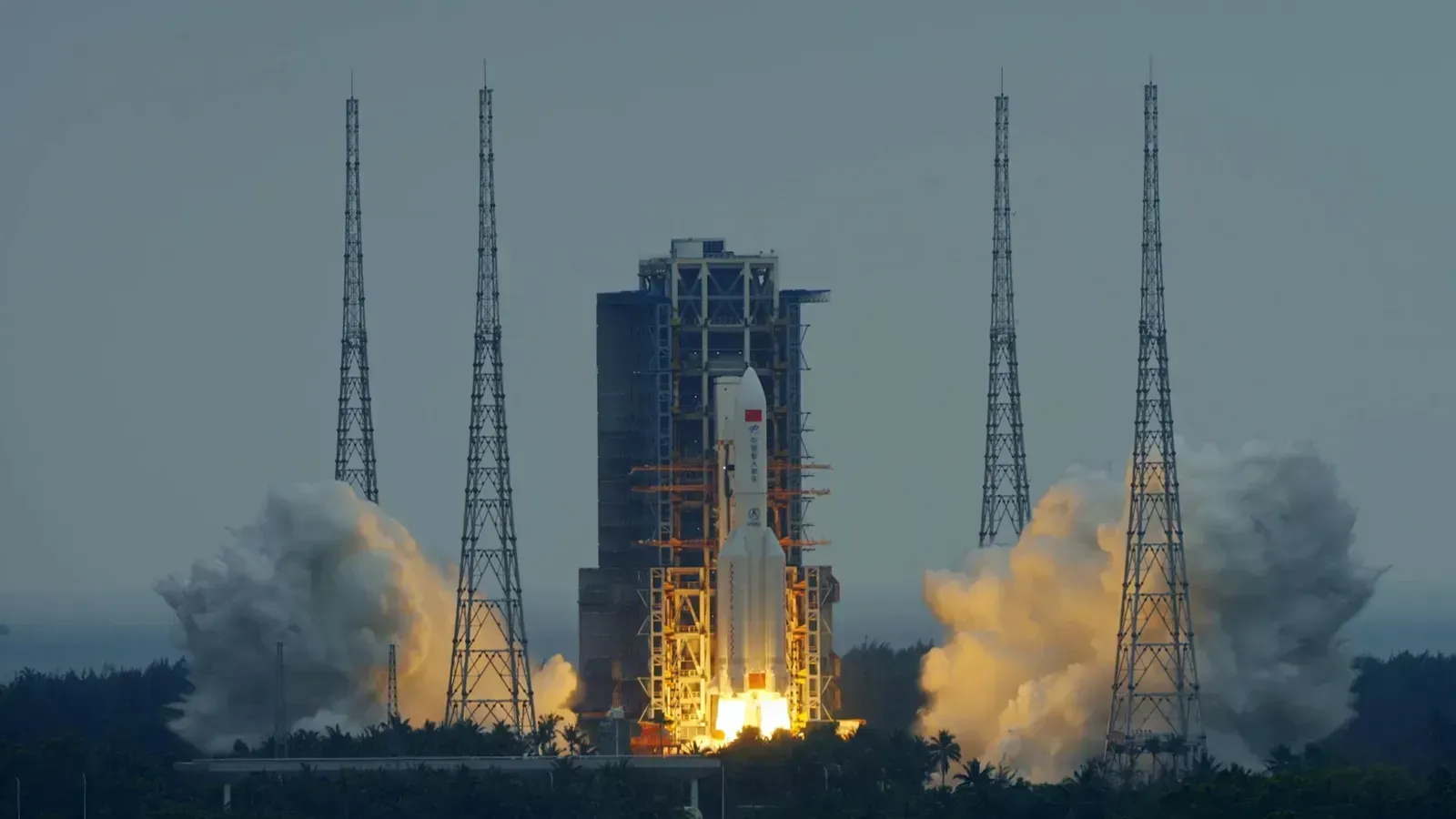
Rocket stages usually drop away early, but the Long March 5B core stage went all the way to orbit. At around 20 tonnes, it was among the largest objects to make an uncontrolled return in recent years. It came down on May 9, 2021, over the Indian Ocean near the Maldives.
China’s space agency reported the splashdown, and tracking organizations agreed on the region. The episode sparked debate about launch designs that leave huge stages in unpredictable orbits. Later Long March 5B flights drew similar scrutiny.
ISS Battery Debris in a Florida Home, 2024
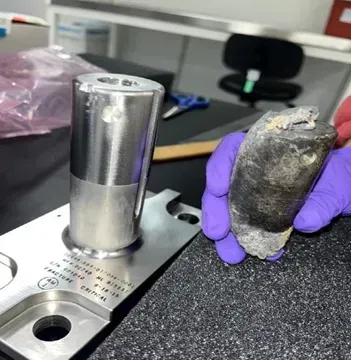
This one hit a house. On March 8, 2024, a metal object crashed through a home in Naples, Florida, and NASA later confirmed it was a piece of discarded equipment from the International Space Station. The material came from old batteries released from the station in 2021, on a cargo pallet that weighed several tonnes.
The surviving fragment was a small cylinder of a heat resistant alloy, weighing under a kilogram. NASA examined it at Kennedy Space Center and said the pallet had been expected to burn up completely. Nobody was injured, though the family’s home was damaged.
ERS 2 Over the Pacific, 2024

The European Space Agency’s ERS 2 was an Earth observation satellite launched in 1995. After finishing its mission, it was lowered to a much lower orbit to shorten its remaining life. It reentered on February 21, 2024, and ESA reported the fall took place over the Pacific.
The agency presented it as a case study in tracking and predicting an uncontrolled return. Most of the roughly two tonne spacecraft was expected to burn up. ESA said no significant debris threat was anticipated.
Kosmos 482 in the Indian Ocean, 2025
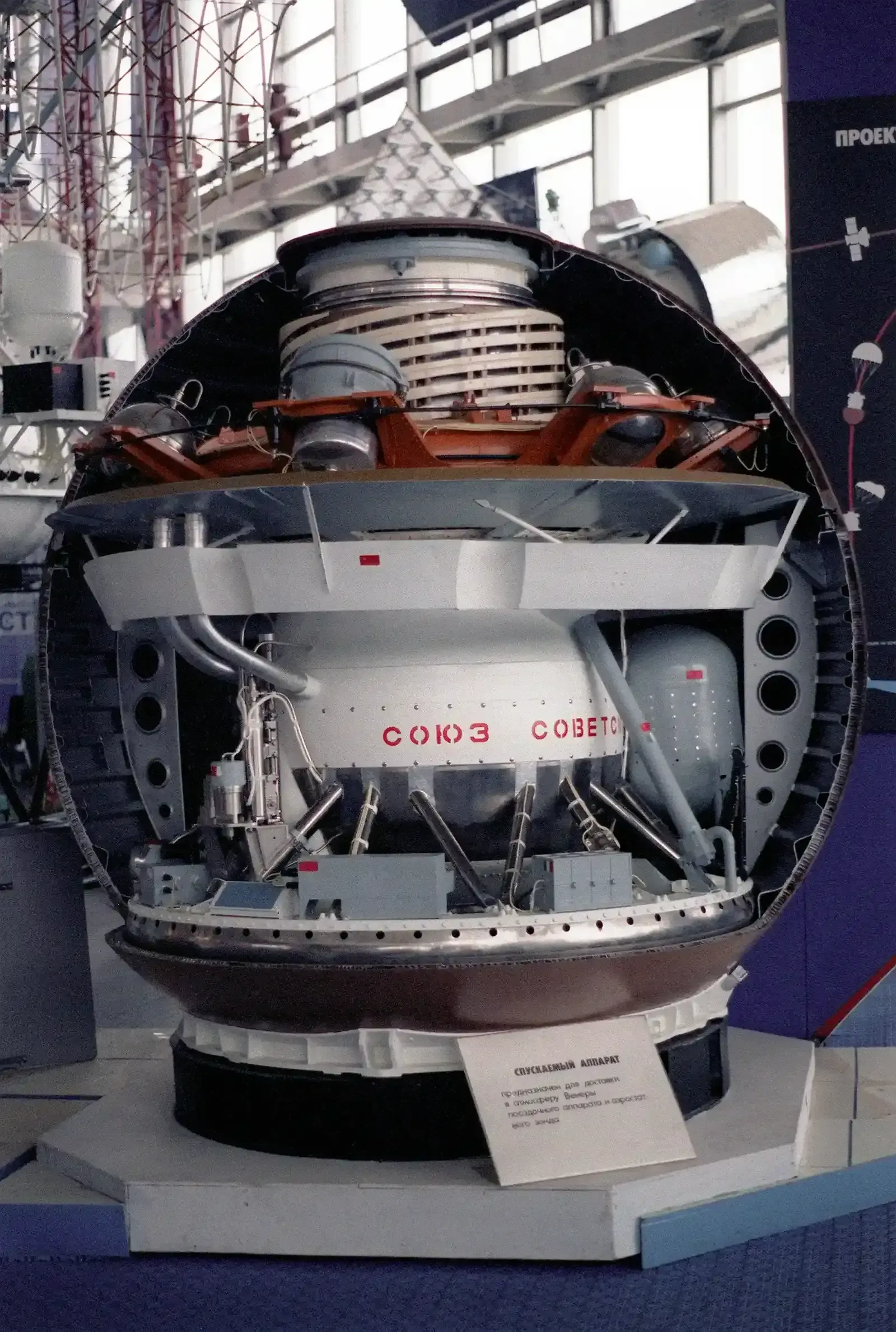
Kosmos 482 was meant to reach Venus. Launched in 1972, a rocket failure left its lander stuck in Earth orbit for more than fifty years. The spherical lander weighed around 500 kilograms and was built to survive Venus’s harsh atmosphere, which is why scientists thought it might survive reentry.
It finally came down on May 10, 2025. Russia’s space agency said it landed in the Indian Ocean, west of Jakarta, Indonesia. No damage on land was reported.
