


- NASA invites students to design a moon base in $1 million challenge - November 11, 2026
- Why Some People Can Feel a Storm in Their Joints, According to Experts - November 11, 2026
- 7 Foods That Taste Better on a Rainy Day, According to Chefs - November 11, 2026
NASA’s Nancy Grace Roman Space Telescope was once a headline act for 2027. It launched on a Falcon Heavy from Kennedy Space Center on August 30, 2026, well ahead of the old schedule, so it won’t appear on this list.
That leaves a crowded calendar of other missions, from exoplanet hunters to lunar landers. Dates in spaceflight slip often, so treat every month below as a current target and not a promise.
Aspera, a Small Telescope for the Gas Between Galaxies
NASA plans to launch the small UV telescope Aspera in January 2027, designed to map hot gas in the circumgalactic and intergalactic medium of nearby galaxies. That gas is the thin material surrounding galaxies, and it’s hard to see.
Mapping it helps astronomers understand how galaxies take in and push out matter over time. Launch listings project a ride on a Rocket Lab Electron from New Zealand, with a date at the end of January. The mission is small, but it targets a real gap in what we know.
PLATO, Europe’s Search for Earth-Like Worlds
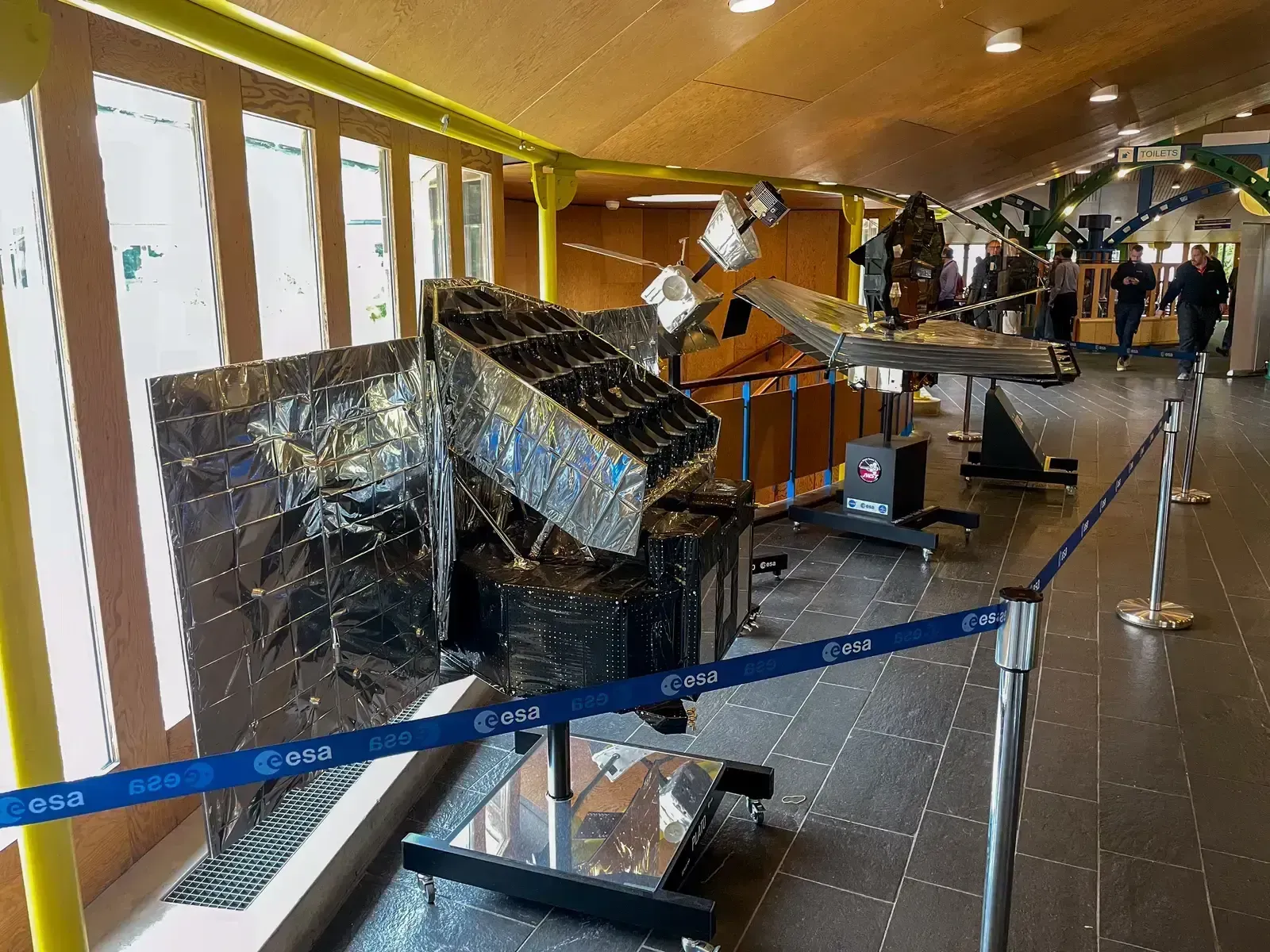
ESA’s PLATO stands for PLAnetary Transits and Oscillations of stars. It completed testing in conditions simulating space, with launch on an Ariane 6 reported for January 2027. Other listings give March 2027, so the exact month is still moving.
The spacecraft carries 26 small telescopes and will operate at the Sun Earth L2 point. Its job is to watch for the tiny dips in starlight that reveal transiting planets. It will also study stellar oscillations, which let scientists measure star ages more precisely.
Blue Moon Pathfinder Mission 1
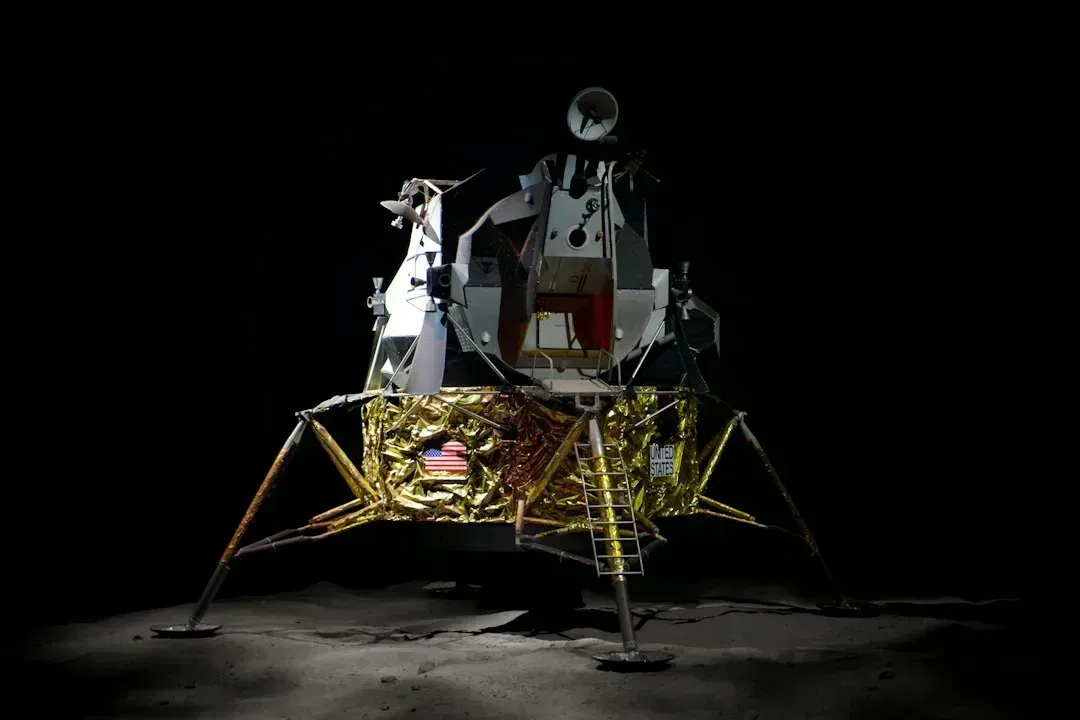
NASA and Blue Origin plan an early 2027 launch of the first uncrewed Blue Moon Mark 1 mission, meant to test technologies needed for future crewed lunar landers. It’s less about science on the surface and more about proving the machinery works.
Engineers will be watching landing performance and the systems a larger lander would depend on. Success here would feed straight into NASA’s plans for returning astronauts to the Moon.
Xuntian, China’s Wide View Space Telescope
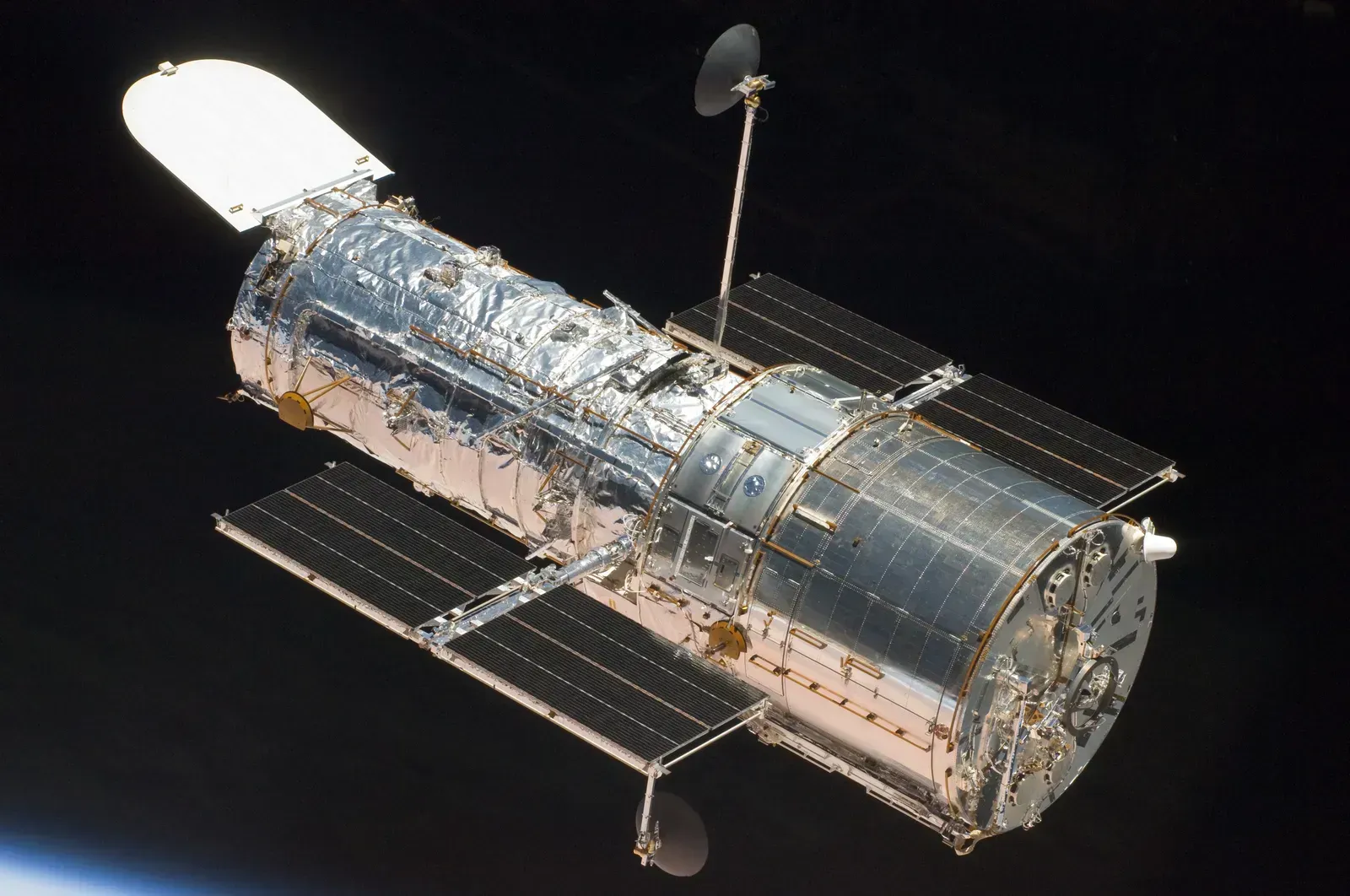
China plans to launch Xuntian in early 2027, a large space telescope that will co-orbit with the Tiangong space station. The arrangement means the telescope can dock with the station for servicing, which is unusual for an observatory of this size.
Xuntian is built for wide area surveys of the sky, the kind of work used to study galaxies, dark matter and dark energy. Its timeline has shifted before, so the start of 2027 is a target and not a guarantee.
eXTP, an X-ray Observatory for Extreme Physics
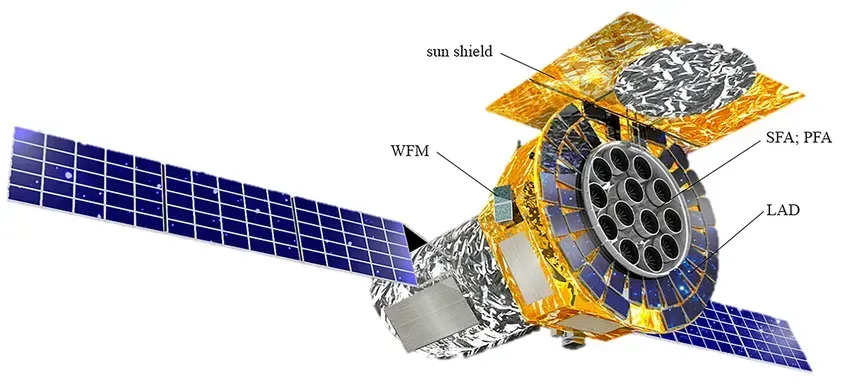
China also plans to launch the eXTP X-ray observatory in 2027. Its name stands for enhanced X-ray Timing and Polarimetry mission.
The mission is designed to study matter under extreme conditions, such as around black holes and neutron stars, where gravity and magnetic fields are far beyond anything a lab can create. Measuring X-ray polarization adds a second layer of clues about how those objects work.
Artemis III as a Low Earth Orbit Test
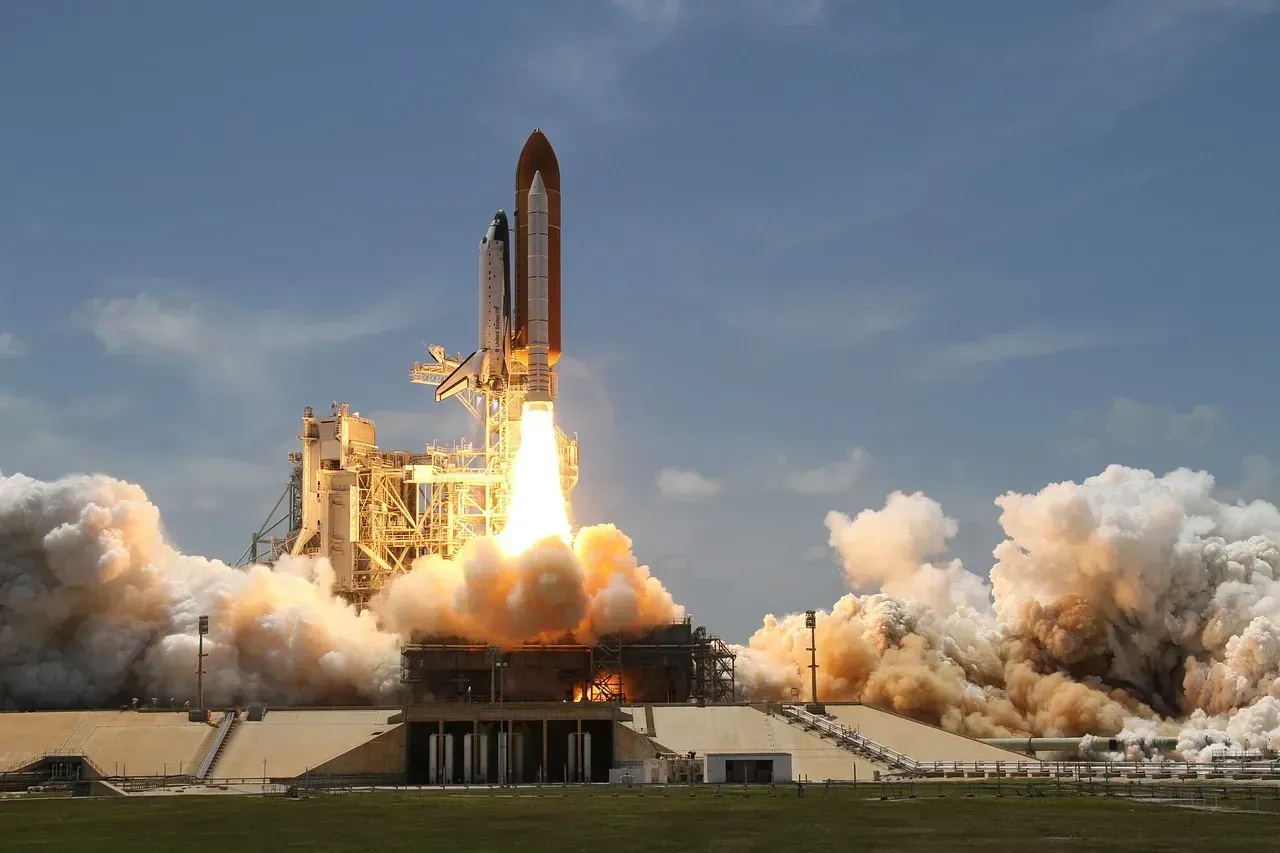
Artemis III has changed role. It is now planned to send a crew of four on a low Earth orbit mission, where Orion will rendezvous and dock with one or both commercial lunar landers from SpaceX and Blue Origin. Launch listings show June 2027 from Kennedy Space Center.
The crew will test life support, communications and propulsion on the docked vehicles. They will also test the new extravehicular activity suits. A lunar landing is now expected later, with Artemis IV planned for 2028 to land astronauts near the Moon’s south pole.
Gaganyaan-5, India’s Next Human Spaceflight Step

ISRO’s Gaganyaan-5, also called H2, is listed for the third quarter of 2027 on an HLVM3 rocket from Satish Dhawan Space Centre. It’s part of India’s Gaganyaan human spaceflight programme.
The focus is on proving the systems that keep people alive and bring them home safely in low Earth orbit. Public details are thin and Indian schedules have moved before, so the date deserves caution.
NEO Surveyor and the Hunt for Hazardous Asteroids
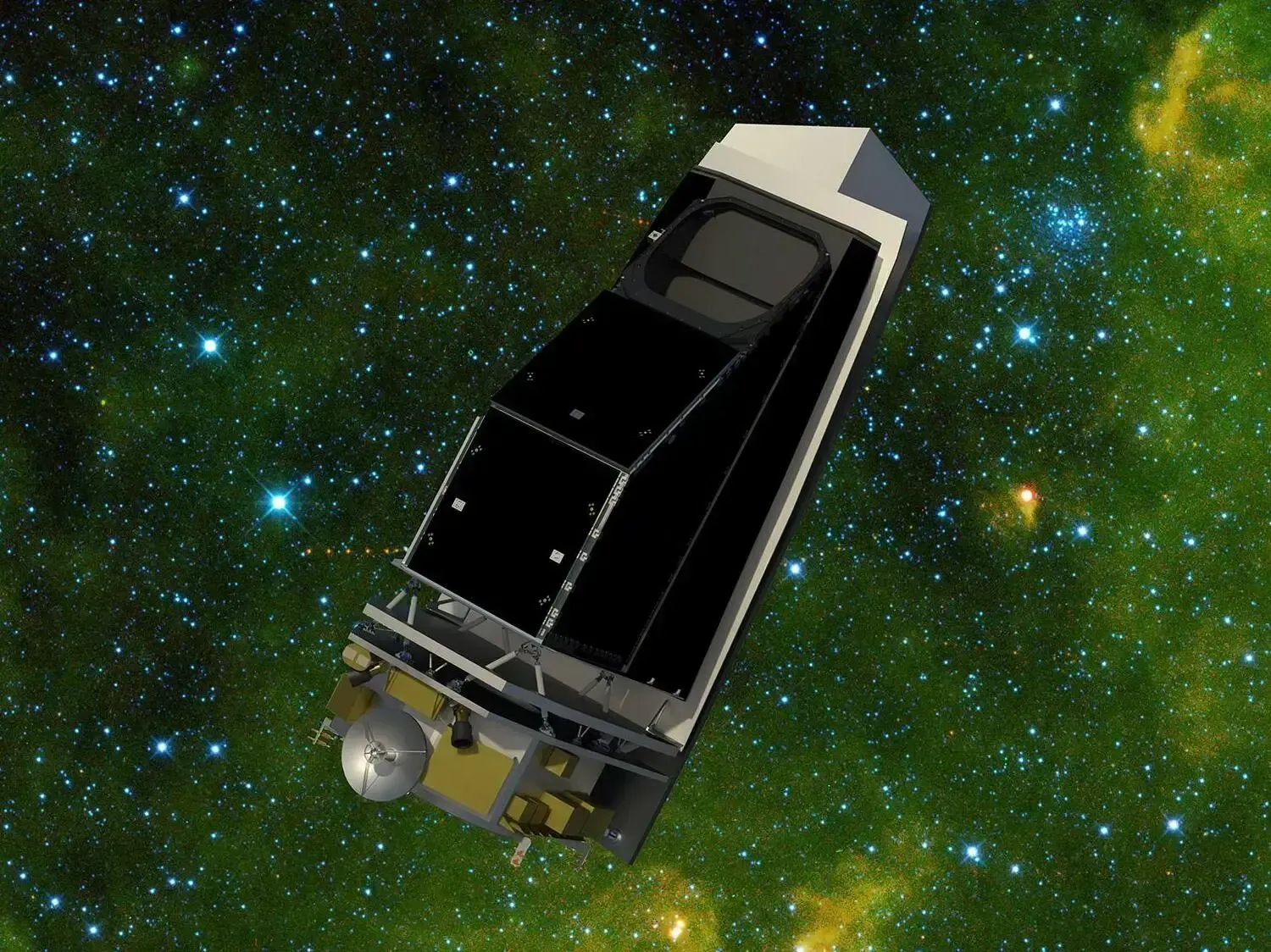
NASA describes NEO Surveyor as its first infrared space telescope purpose built to find potentially hazardous asteroids and comets, with launch no earlier than September 2027. It carries a 50 centimeter telescope and will sit near the Sun Earth L1 point.
Infrared is the right tool because asteroids glow with their own heat, even when they’re dark in visible light. The goal is to catalog large numbers of objects that could threaten Earth. The agency’s reasoning is simple: nothing can be done about a hazard that hasn’t been found.
VIPER and Blue Moon Mark 1 at the Lunar South Pole
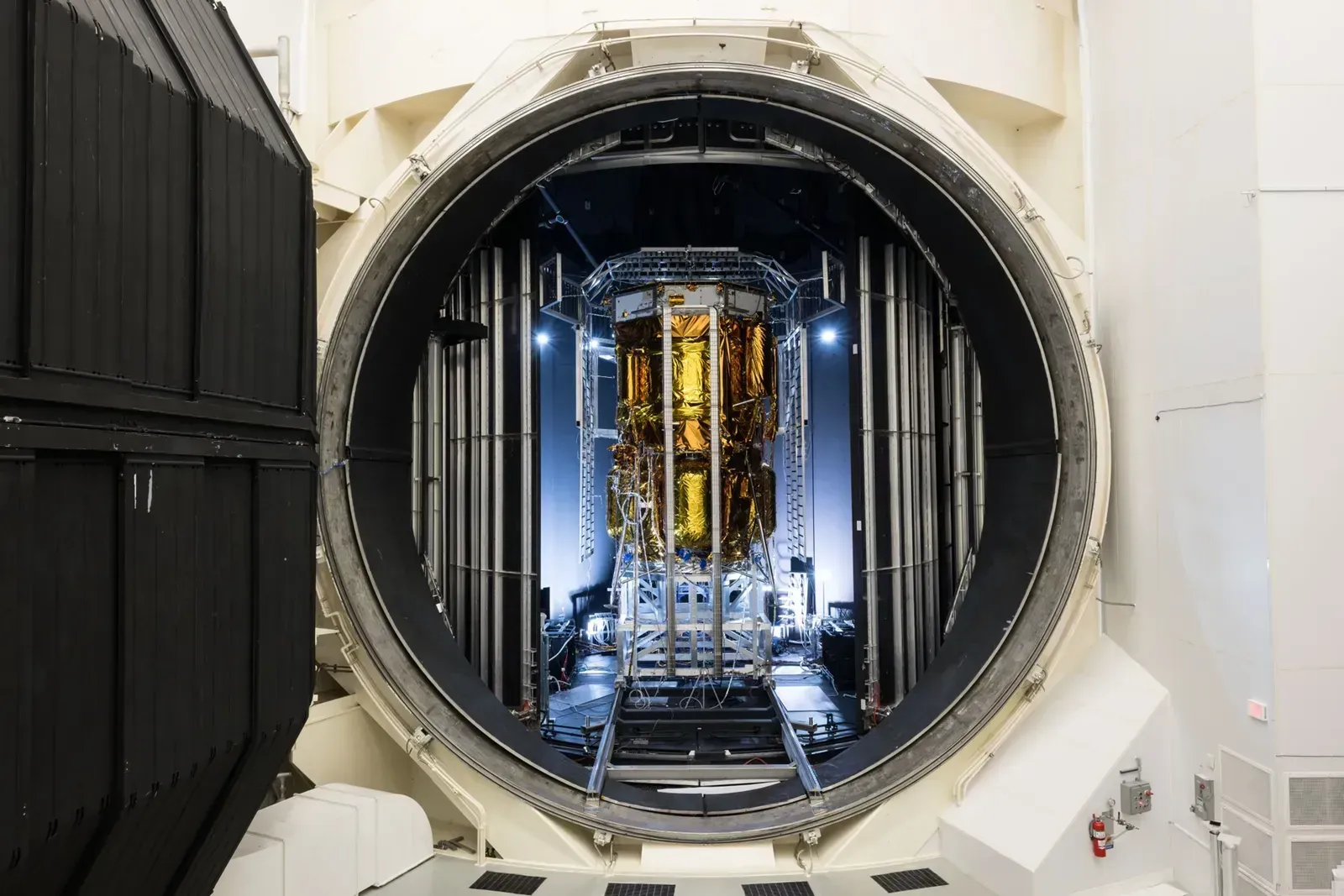
A mission table lists late 2027 for NASA’s VIPER rover to be delivered on Blue Origin’s Blue Moon Mark 1, headed for the lunar south pole. The rover is a water ice prospector.
Water ice trapped in permanently shadowed regions could supply drinking water and rocket propellant for future crews. VIPER’s measurements would show how much ice exists and where it’s most accessible. The schedule depends on the earlier Blue Moon pathfinder flight going well.
