


- VR tool shows how rising seas could flood Fort Lauderdale - November 12, 2026
- NASA invites students to design a moon base in $1 million challenge - November 11, 2026
- Why Some People Can Feel a Storm in Their Joints, According to Experts - November 11, 2026
Space weather forecasters rarely get a quiet week to themselves, and early October 2026 is a good example. NOAA’s Space Weather Prediction Center (SWPC) issued a G1 (Minor) geomagnetic storm watch for October 2 and later extended it to October 4. That is a short turnaround between two possible events, which is why this one feels “sooner than usual.”
The evidence doesn’t point to anything dramatic, though. The storms in question are at the mildest end of NOAA’s scale, and the first one didn’t even arrive as expected. Here’s what’s driving the forecast, why timing is so hard to pin down, and what even a small storm can touch.
What Forecasters Are Actually Watching
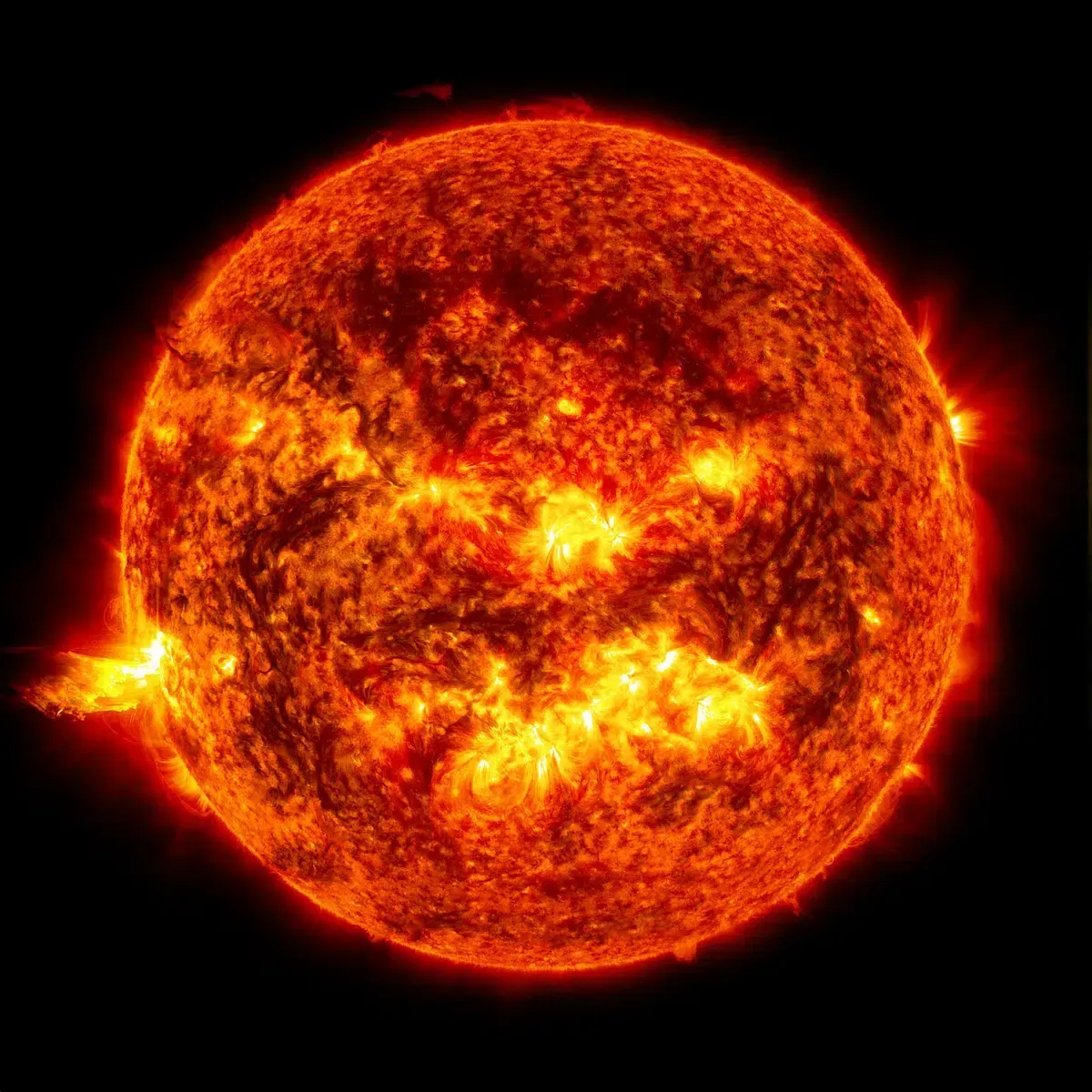
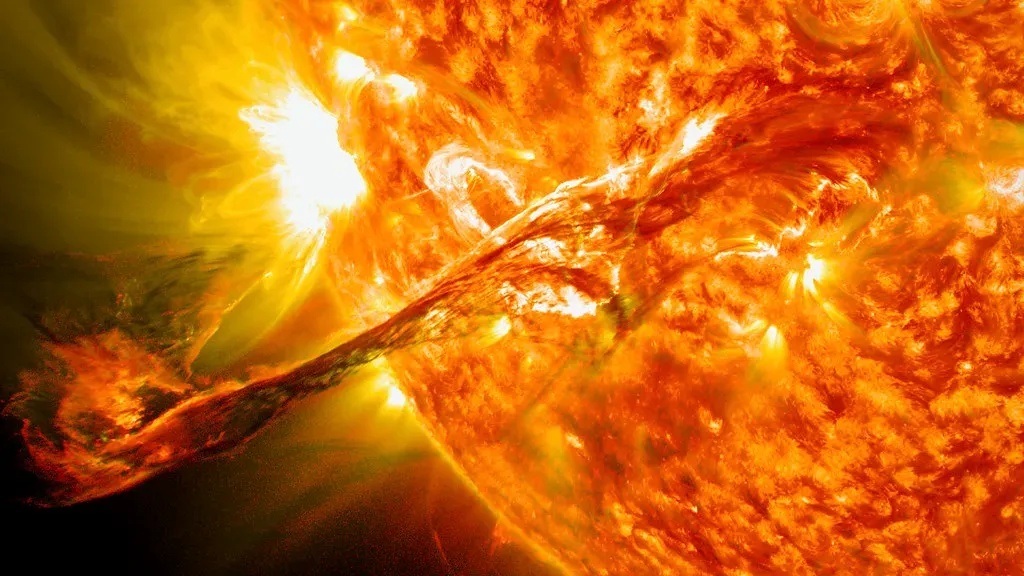
The trigger was a solar event on September 28. SWPC issued its G1 watch after a large filament eruption and an associated coronal mass ejection (CME). A CME is, in simple terms, a moving blob of solar materials and magnetic fields.
Not every CME points at us. The Royal Observatory of Belgium described this one as a partial-halo CME about 200° wide, moving at roughly 500 km/s, with most material directed westward. That made a glancing blow the expected scenario, not a direct hit.
Why the Timing Looks So Tight
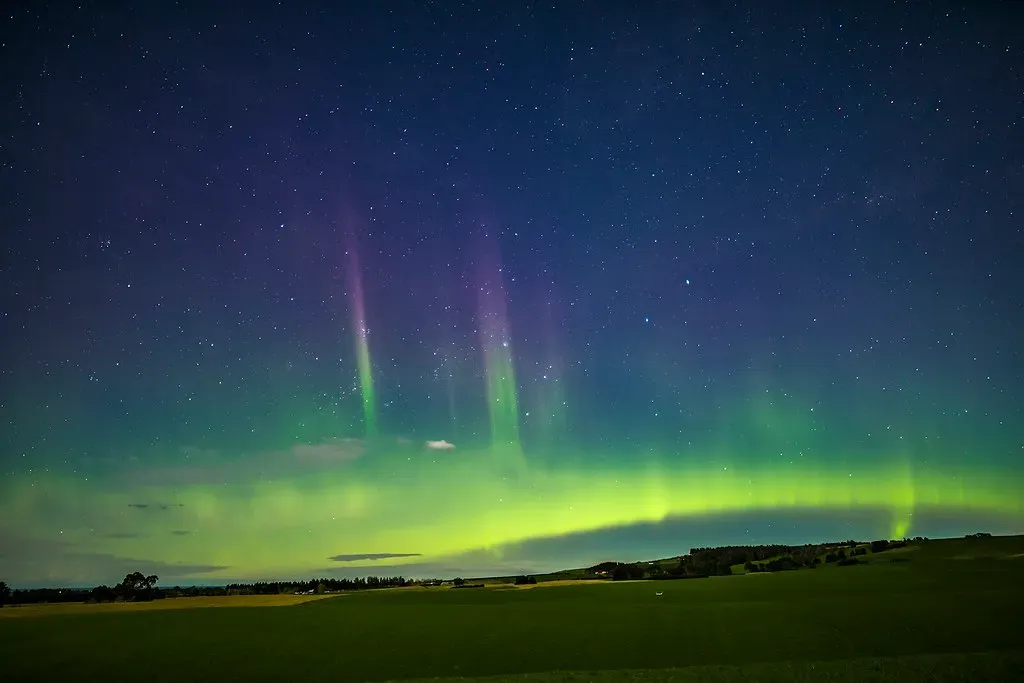
Two separate sources of disturbance overlap here. Besides the September 28 CME, fast solar wind from a large coronal hole was expected to reach Earth by October 3, possibly bringing G1 storms and auroras. Coronal holes are regions where the sun’s magnetic field opens out into space and lets fast solar wind escape.
On top of that, a second blob of solar material was expected to deliver a glancing blow on October 4. SWPC’s October 1 watch listed G1 for October 2, nothing for October 3, and G1 again for October 4. So the “next” storm follows hard on the heels of the previous one, which is the real reason the schedule feels compressed.
The First Arrival Fell Short
This is a useful reality check. The anticipated solar material did arrive, but it didn’t trigger the expected G1 storm. According to EarthSky, it brought only a mild disturbance, and no G1 storm registered.
Forecasters hadn’t been fully aligned beforehand either. One account noted that NASA’s ensemble gave a 95% chance the peak Kp would stay between 2 and 4, below the G1 line, while NOAA called G1 likely. That blog is a secondary source, but it matches the public forecasts, and it shows how much uncertainty remains at the low end.
Why Arrival Times Are Hard to Predict
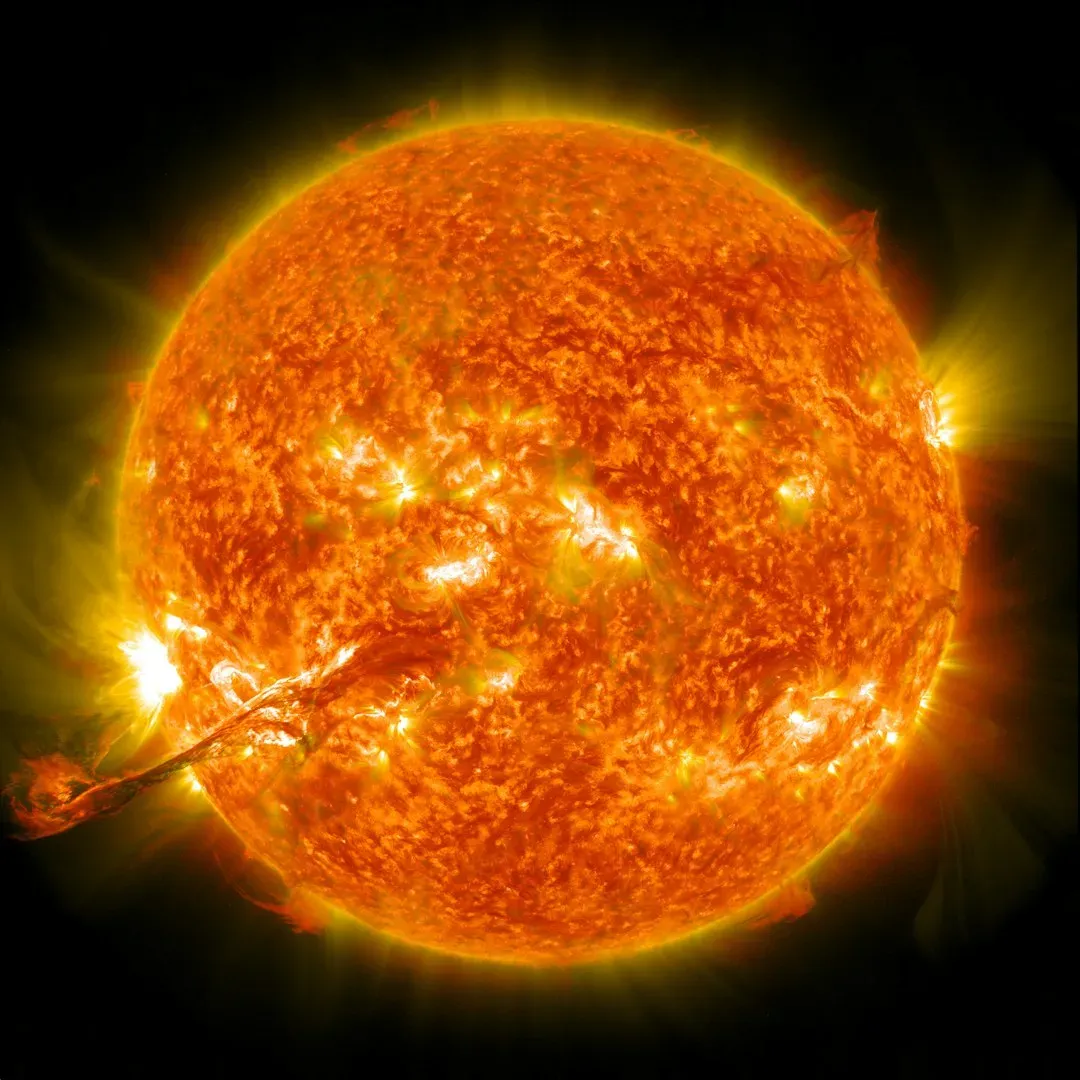
Forecasting a CME’s arrival is more art than clockwork. NASA’s model run for this event predicted shock arrival around 03:15 UTC on October 2, with an uncertainty of plus or minus seven hours. That’s a window of fourteen hours for a single prediction.
Glancing blows add another layer of doubt, since a small shift in direction can change the result from a minor storm to almost nothing. Forecasters update their numbers as new data comes in. That’s normal practice, not a sign of failure.
Where We Stand in the Solar Cycle
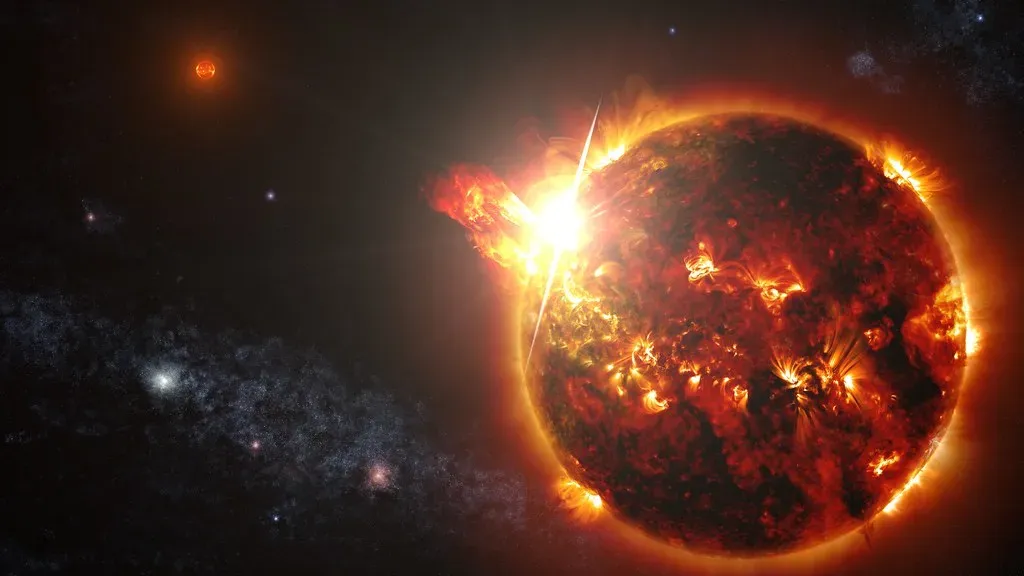
Solar Cycle 25 has been active, and its peak produced real headlines. The May 2024 event reached G5 (Extreme) level with a highest Kp of 9, and it was the most powerful geomagnetic storm to affect Earth since March 1989. In October 2024, NOAA issued a G4 (Severe) watch after a fast CME.
Current conditions look much calmer. NOAA’s October 3 report says solar activity has been very low, with four numbered sunspot regions on the disk. It also puts the chance of M-class flares at 5% per day and X-class at 1%.
What a Minor Storm Could Disrupt

G1 storms are the lowest rung on the scale, and their effects are usually limited. The main one is visible: aurora, which can show up at higher latitudes. Minor impacts on satellites or power systems are possible in principle, but I couldn’t find any reports of damage tied to this week’s events.
Stronger storms are a different matter. During May 2024, some high-frequency radio communications were disrupted and several airlines rerouted polar flights. Even then, the European Space Agency reported no long-term satellite damage. That’s a good guide for proportion: big storms cause noticeable disruption, and a G1 is far below that.
What the Forecast Says for the Coming Days
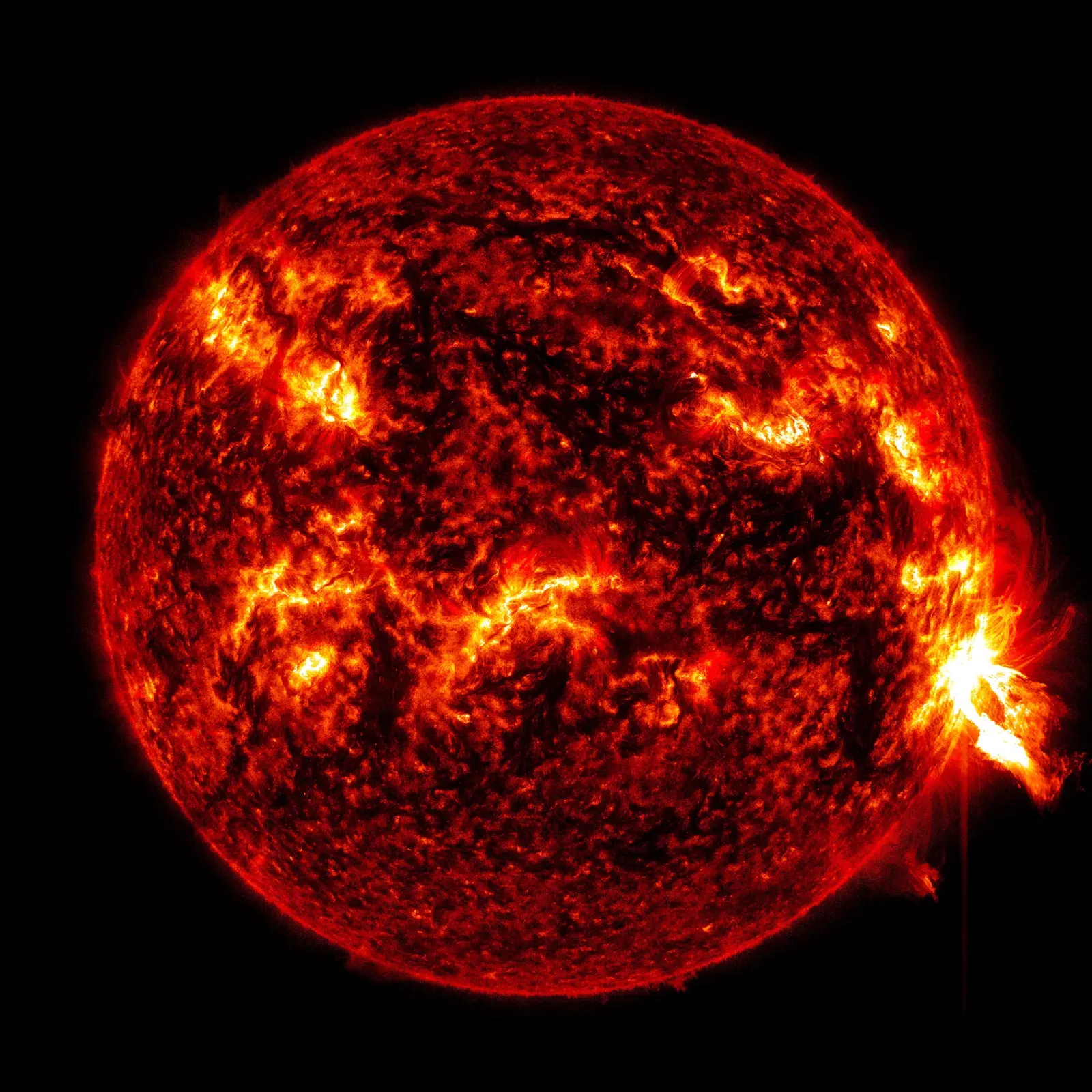
NOAA’s latest outlook expects unsettled to minor storm levels on October 4, then quiet to active levels on October 5 and 6. Flares aren’t expected to be a concern, and proton event probability sits at 1%.
If you’re hoping for auroras, treat it as a chance, not a promise. The first CME’s modest showing is a reminder that these forecasts carry real uncertainty. Check SWPC’s live products, since they’re updated frequently.
Conclusion
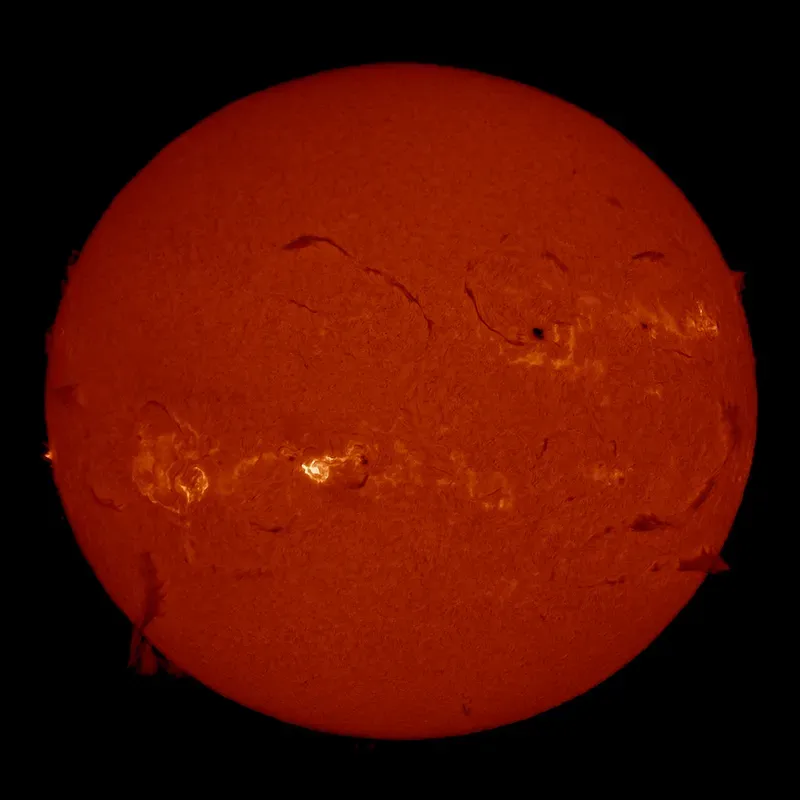
The next solar storm is “sooner” mainly because two minor disturbances are bunched together, one from a September 28 CME and one from a coronal hole and a second CME. Neither looks capable of serious disruption, and the first already underperformed. The real lesson is about humility: space weather forecasting has improved a lot, yet a glancing blow can still surprise the people watching it most closely.
