


- The Planet Where It Rains Liquid Glass – 7 Alien Worlds Defying Known Physics - November 14, 2026
- Stars Consuming Entire Worlds – 6 Planetary Systems Swallowing Their Own Worlds - November 14, 2026
- The Ground Liquefies Like Water – 6 Silent Fault Lines Geologists Watch Closely - November 14, 2026
Water heating is one of the quieter line items on a household energy bill. It’s easy to ignore until someone suggests there’s a cheaper way to do it. A heat pump water heater is that suggestion, and it’s built on a different idea from the tank in most basements.
The pitch is simple: use less electricity for the same hot showers. The reality has more moving parts than the pitch, though. Here are seven lessons that tend to surprise people once they actually go down this road.
The Efficiency Gains Are Real, but They Depend on Your Starting Point
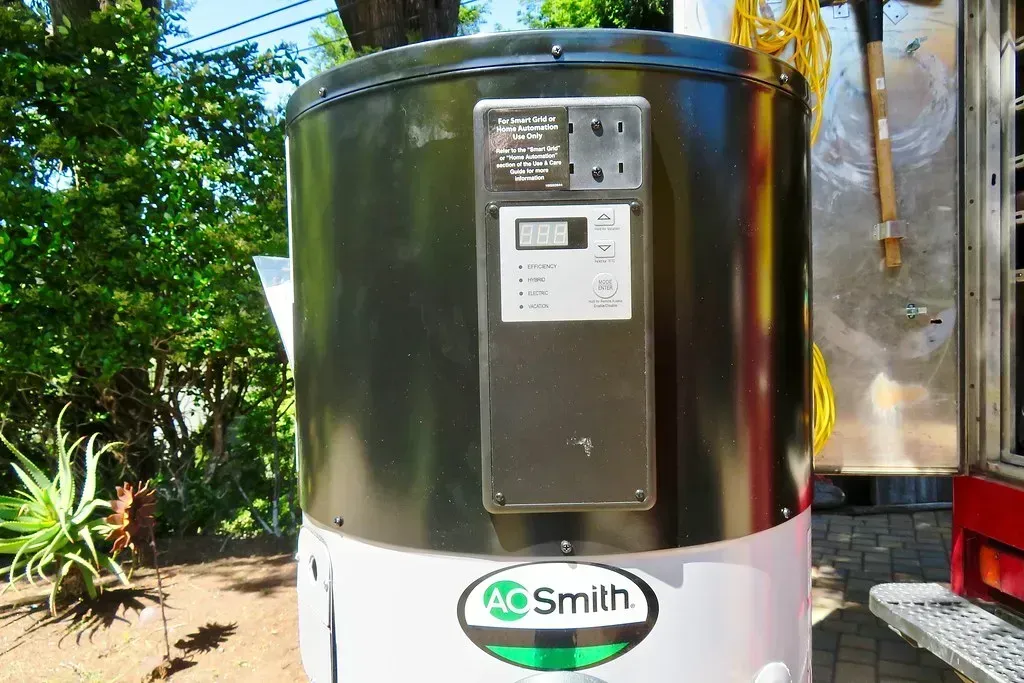
A heat pump water heater moves heat from the surrounding air into the tank instead of generating it directly. Consumer Reports says these units can be as much as three times as energy efficient as conventional models that use electrical resistance or a flame. That’s a large gap on paper.
Your actual savings depend on what you’re replacing. Swapping out an old electric resistance tank is where the biggest drop in kilowatt hours usually shows up. Replacing a cheap natural gas heater may save much less money, because gas can cost less per unit of energy than electricity in some regions.
The Federal Tax Credit Is Gone for 2026 Installs
For a couple of years, the federal government made the math friendlier. The Energy Efficiency Home Improvement credit covered 30 percent of the cost, up to $2,000, for an electric heat pump water heater. That helped offset the higher sticker price.
That window has closed. The One Big Beautiful Bill Act, signed July 4, 2025, ended the credit early. Systems installed in 2026 don’t qualify, regardless of when they were purchased or ordered. If you installed in 2025, you can still claim it when you file.
Local Rebates Can Matter More Than You’d Expect

With the federal money gone, state and utility programs carry more weight. For higher income households in 2026, those state and utility programs are the main option. Some states also run their own credits separate from federal ones.
Funding can be uneven, too. One of California’s main statewide rebate programs, for example, has exhausted its funding. Check your utility’s current offers before you buy, and confirm whether the rebate requires paperwork filed ahead of installation.
Sizing Isn’t the Same as With Your Old Tank
Many people assume a new heater should match the old tank’s gallon rating. Heat pump models don’t always behave that way. They heat more slowly than a gas burner, which changes how large a tank you need.
Energy Star notes that, to counteract the slower recovery of 120V heat pump water heaters compared to gas, it’s typically advised to go up two sizes from the gas model. A bigger tank means more physical space and a higher price. It’s worth talking through household size and shower habits with the installer before you pick a model.
The Unit Needs Room to Breathe
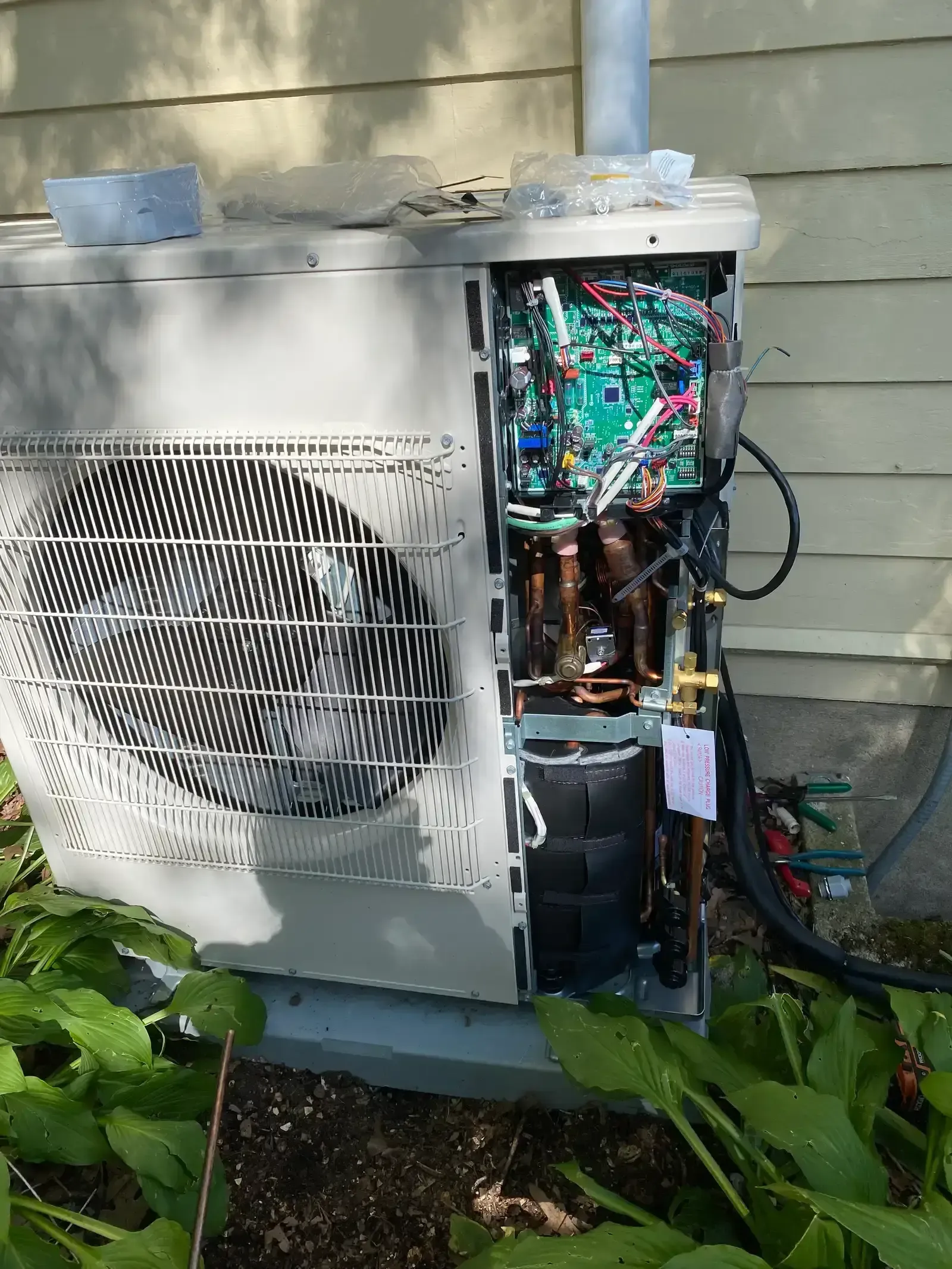
Because it pulls heat from the air around it, the unit needs enough open space and airflow. A tight closet or small utility nook can hurt performance. Manufacturers publish minimum room volume and clearance requirements, and they vary by model.
There’s a side effect worth knowing about. The heater cools and dries the air nearby, which can feel pleasant in a warm garage and less welcome in a small, already chilly basement. It also produces condensate, so a drain or pump is part of the planning.
Your Electrical Setup May Decide Everything
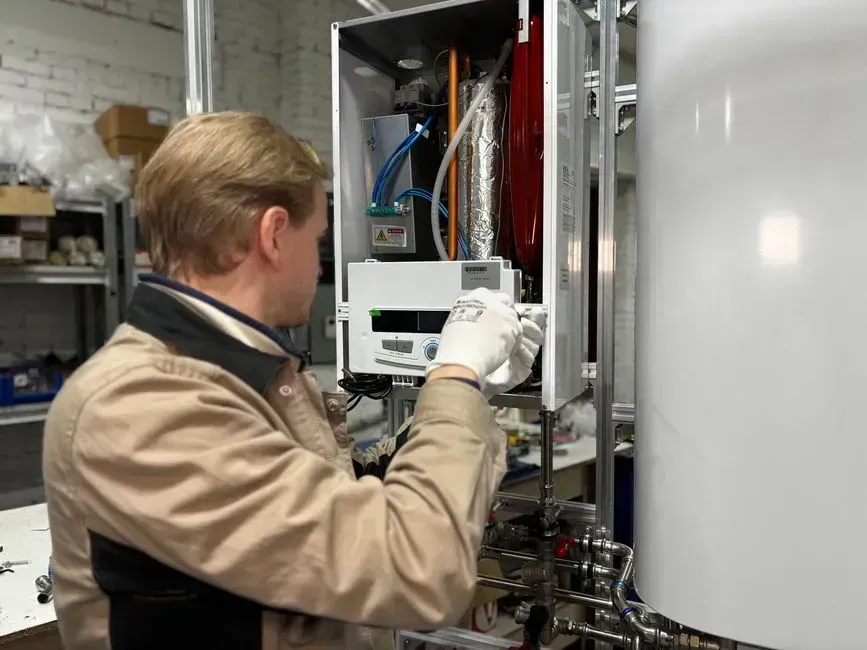
Heat pump water heaters come in different electrical configurations, including 120V versions meant to plug into a standard outlet and 240V versions. The plug in type can make a swap easier in homes with limited panel capacity. Still, the right choice depends on your panel, your wiring, and what the installer finds on site.
That’s why a quick site visit beats guessing. Surprises like an older panel or a tight run for new wiring can add cost. Getting more than one quote helps you compare not just prices, but what each contractor expects to do.
Where This Leaves a Buyer in 2026
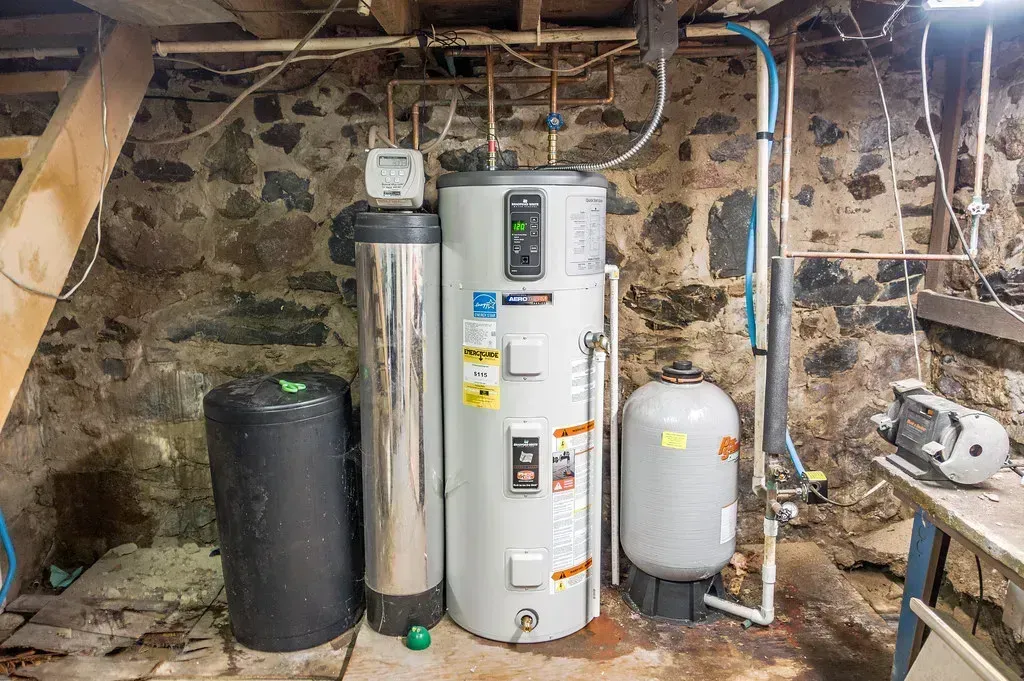
The technology hasn’t changed, but the incentives have. A heat pump water heater now makes the most sense when you’re replacing an electric resistance unit, have adequate space, and can find a local rebate. Check sizing, electrical needs, and drainage with a qualified installer before committing.
Look for the Energy Star label, compare quotes, and run your own numbers using your utility rates. That gives you a realistic picture of what the switch will do for your bills.
