

- Phantom Energy Sucking Power 24/7 – 7 Home Electronics Quietly Inflating Utility Bills - November 14, 2026
- A Million-Mile Storm Raging for Centuries – 6 Violent Weather Wonders in Our System - November 14, 2026
- Animals Flee Hours Before the Tremor – 7 Natural Warnings Before Disasters Strike - November 14, 2026
Moving to Upstate New York for four real seasons sounds simple enough. You picture crisp autumn mornings, a proper winter, a green spring and a warm summer. Most of that does arrive, yet the details are where the surprises hide.
This isn’t a scientific survey, just a practical look at what newcomers commonly run into. I’ve kept the claims general where the evidence is mixed, and I’ve stuck to well-known facts about the region’s climate, geography and daily life.
1. Lake-Effect Snow Is Wildly Local
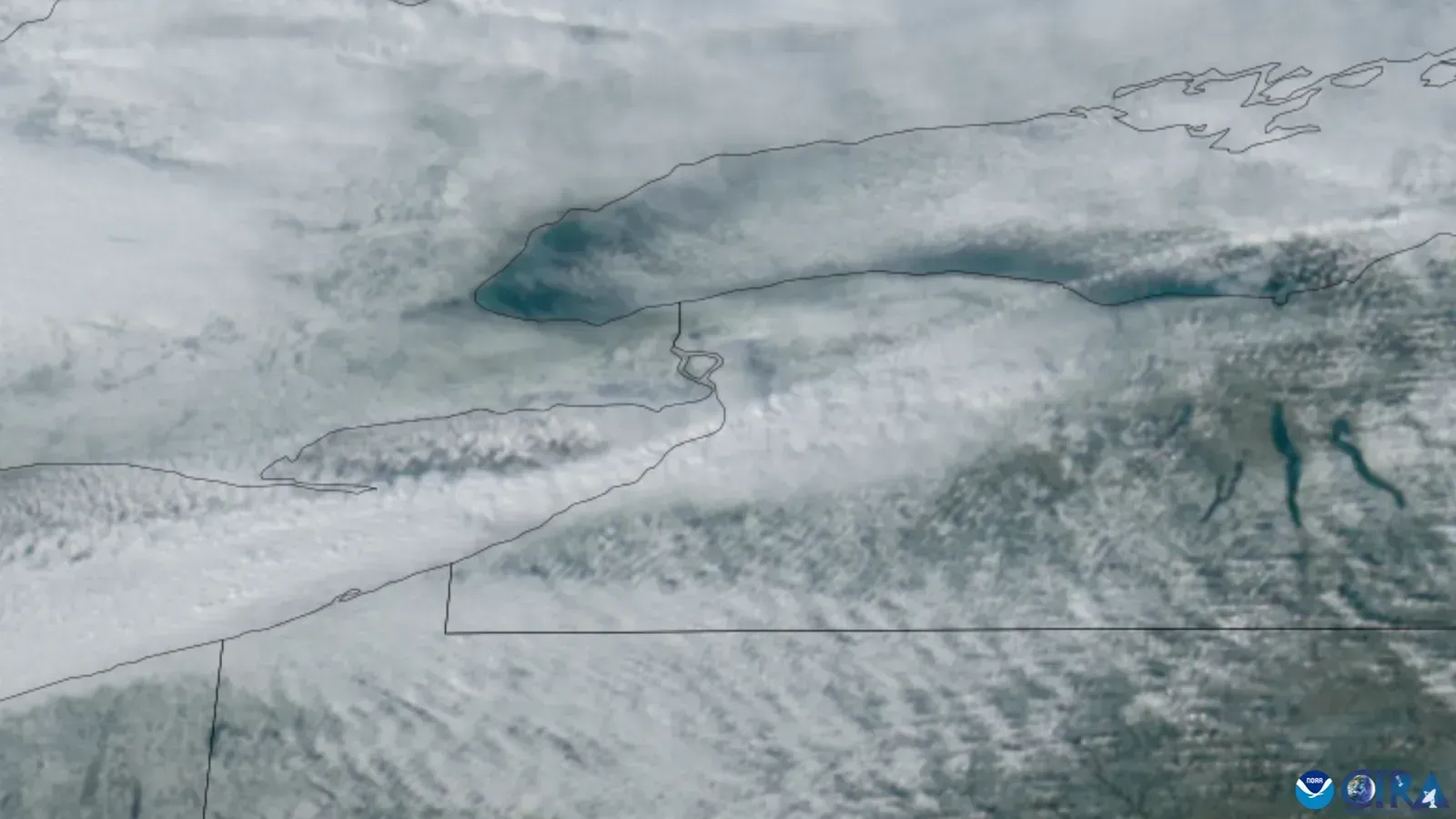
I assumed snow would fall evenly across the region. It doesn’t. Cold air moving over the relatively warm Great Lakes picks up moisture and dumps it as snow downwind, which is why places east of Lake Erie and Lake Ontario are known for heavy, narrow bands of snowfall.
The National Weather Service describes these bands as sometimes dropping huge amounts in one area while a town a few miles away stays nearly clear. In practice, that means checking the forecast for your exact town, not just the nearest city. Your commute can change dramatically over a short drive.
2. Winter Lasts Longer Than the Calendar Says
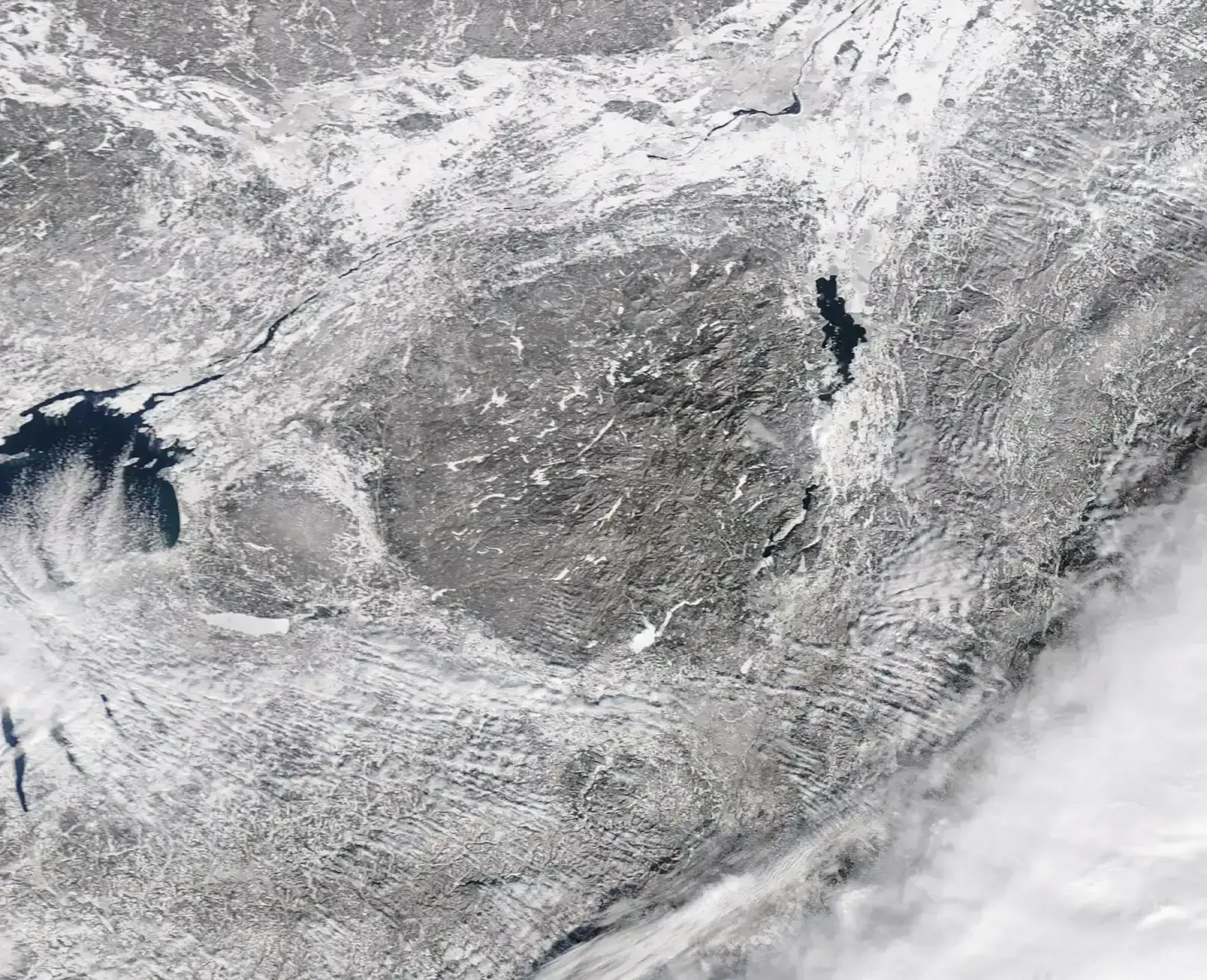
Winter officially begins in late December, but it often feels established well before that. Snow in November is common in parts of the region, and cold snaps can linger into spring. Areas near the Adirondacks and the Tug Hill Plateau are especially known for long snow seasons.
That stretches how you plan. Snow tires, a decent shovel and a mindset about indoor hobbies become part of the routine. Many locals lean into winter sports like skiing, snowshoeing and skating instead of simply enduring the season.
3. Fall Foliage Is a Serious Seasonal Event
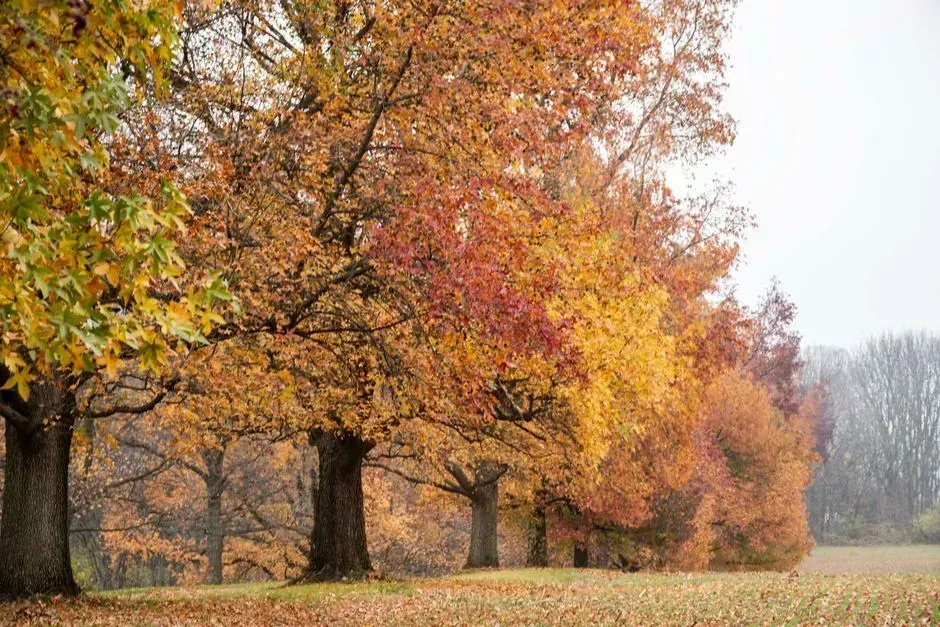
I knew the leaves would be pretty. I didn’t realize how much the whole region organizes itself around them. The state’s tourism office, I Love NY, publishes a foliage report each autumn, and peak color typically moves from the Adirondacks and higher elevations first, then south and to lower ground later.
Weekend traffic near popular scenic spots can be real, so mid-week visits help. Apple orchards, cider donuts and farm stands also become part of the fall landscape. It’s a cliché that actually lives up to itself.
4. Mud Season Is Its Own Season
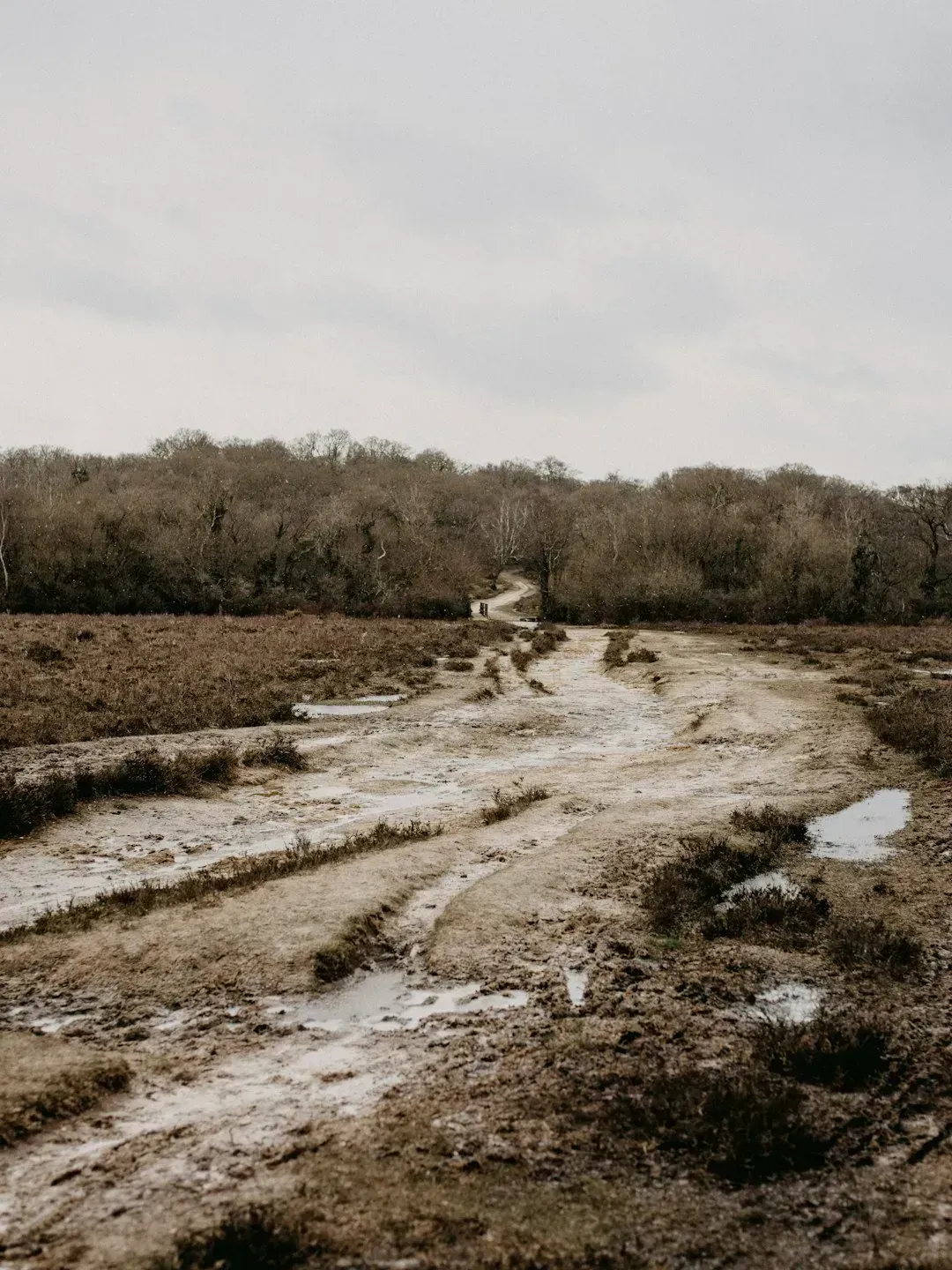
Spring doesn’t arrive in a single graceful moment. Thawing ground, melting snow and rain create the muddy stretch that many in the Northeast jokingly count as a fifth season. Dirt roads and trails can turn soft and messy.
Practical gear matters here. Waterproof boots and a mat by the door will save your floors. Hiking officials in the Adirondacks regularly ask people to avoid muddy high-elevation trails in spring to limit erosion, so it’s worth adjusting your plans.
5. Summer Is Green, Humid and Full of Bugs

Summers are warm and often humid, and the greenery is lush. Yet the outdoors comes with insects. Black flies and mosquitoes are a known part of late spring and summer in wooded areas, and ticks are a genuine concern across the Northeast.
The New York State Department of Health recommends tick checks and repellent after time outdoors, because ticks can carry Lyme disease. I didn’t expect to build that into my routine, but it quickly became habit. Long pants on trails and a quick check afterward go a long way.
6. You Really Do Need a Car

Cities like Albany, Syracuse, Rochester and Buffalo have public transit, but much of Upstate is rural or spread out. Groceries, healthcare and work often mean driving some distance. Rural bus service tends to be limited compared with the New York City area.
That makes vehicle choice and maintenance a bigger deal. Road salt used in winter is hard on cars, so regular washing and rust protection matter. All-wheel drive helps some people, though good tires matter more than most newcomers expect.
7. Housing Costs Are Lower, but Other Costs Aren’t
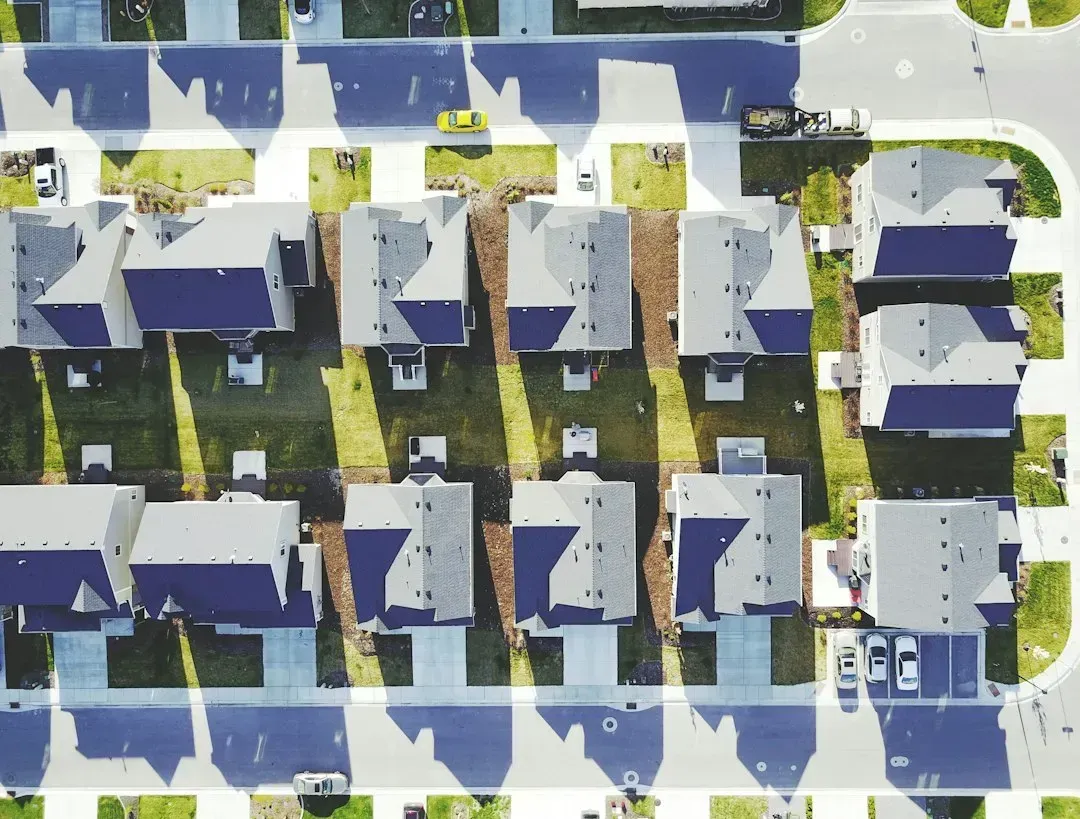
Compared with downstate New York, home prices in many Upstate metro areas are noticeably lower, which draws plenty of people north. Still, that isn’t the full picture. Housing markets in places like the Capital Region and parts of the Hudson Valley have tightened in recent years, and inventory has been limited.
Property taxes in New York are also among the higher ones in the country, and heating an older home through a long winter adds up. Budgeting for taxes, fuel and maintenance gives a more honest sense of affordability than the sticker price alone.
8. Small Communities Shape Daily Life
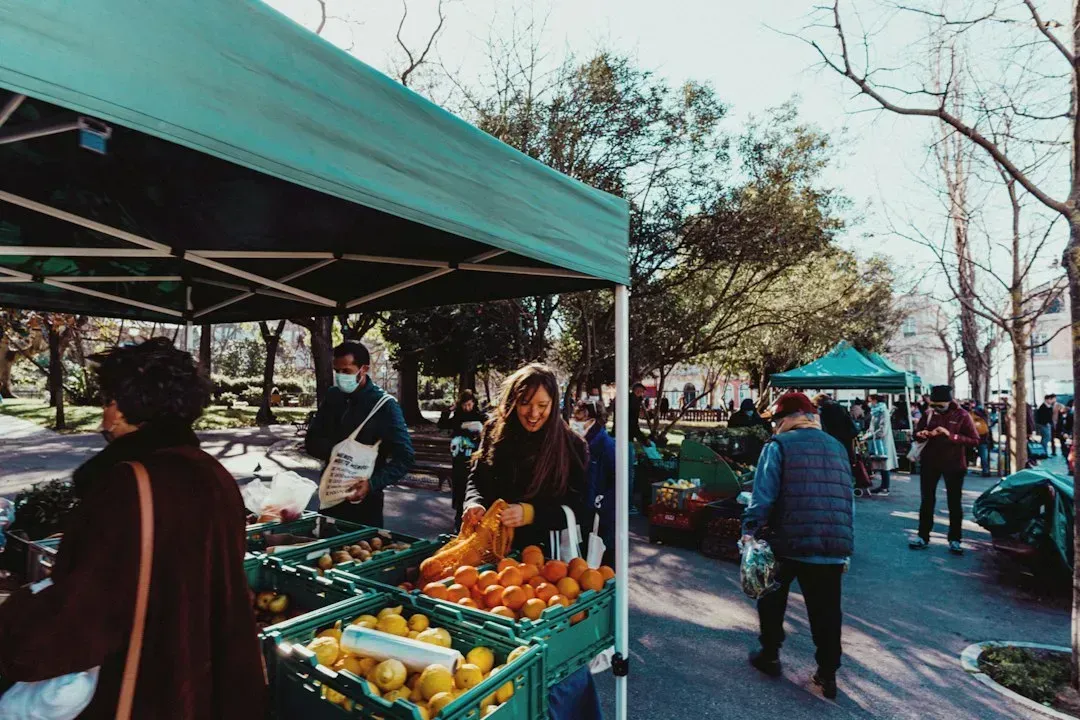
The social rhythm surprised me most. Farmers markets, school events, volunteer fire departments and local festivals carry real weight in smaller towns. Neighbors often help each other during storms, plowing or sharing news about road conditions.
Making friends can take time, since people have established networks. Showing up consistently at local events tends to help more than anything else. Over time, the seasons themselves become a shared language.
Four real seasons deliver everything the postcard promises, plus a few practical lessons. Come prepared for the snow, the mud and the ticks, and the rest feels like a bargain. Honestly, once you’ve watched the first October hillside turn red, the shoveling seems easier to forgive.
