

American spaceflight has a very American look in popular memory. Rocket launches from Florida, mission control in Houston, and flag patches on flight suits all reinforce it. Yet the story of how the country reached orbit and beyond includes many people who arrived from somewhere else.
Some came as adults with rocket expertise, others as teenagers with little English. All of them ended up shaping missions, hardware, or the public’s picture of who belongs in space. Here are nine whose birthplaces might surprise you.
Wernher von Braun
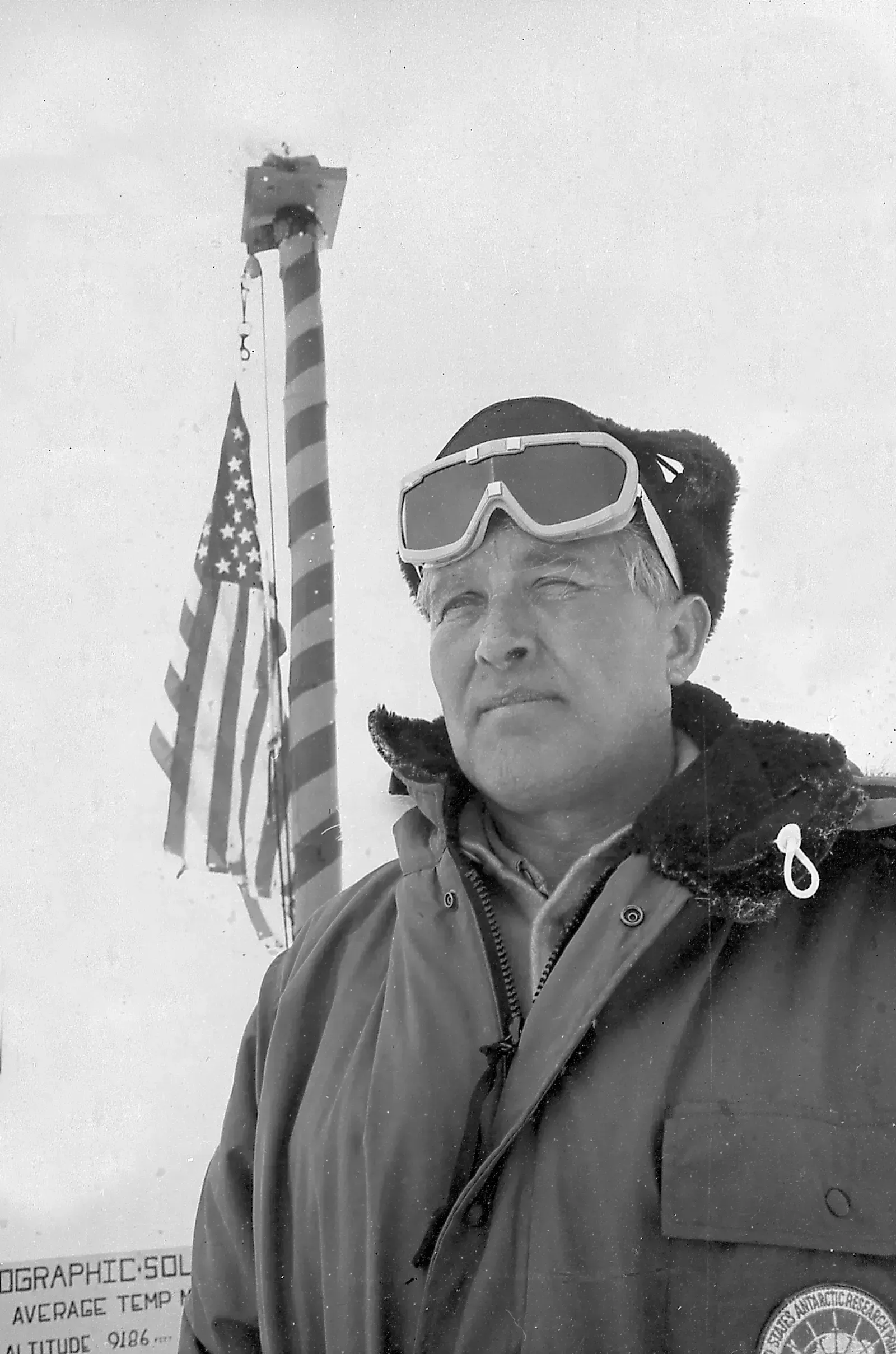
Von Braun was born in 1912 in Wirsitz, then part of Germany and now in Poland. After World War II he was brought to the United States under Operation Paperclip, which recruited German rocket specialists. He became a U.S. citizen in 1955.
He led the Marshall Space Flight Center in Huntsville, Alabama, starting in 1960. His team developed the Saturn V, the rocket that carried Apollo crews to the Moon. His legacy is complicated because of his earlier work on weapons for Nazi Germany, but his role in Apollo is undisputed.
Kurt Debus
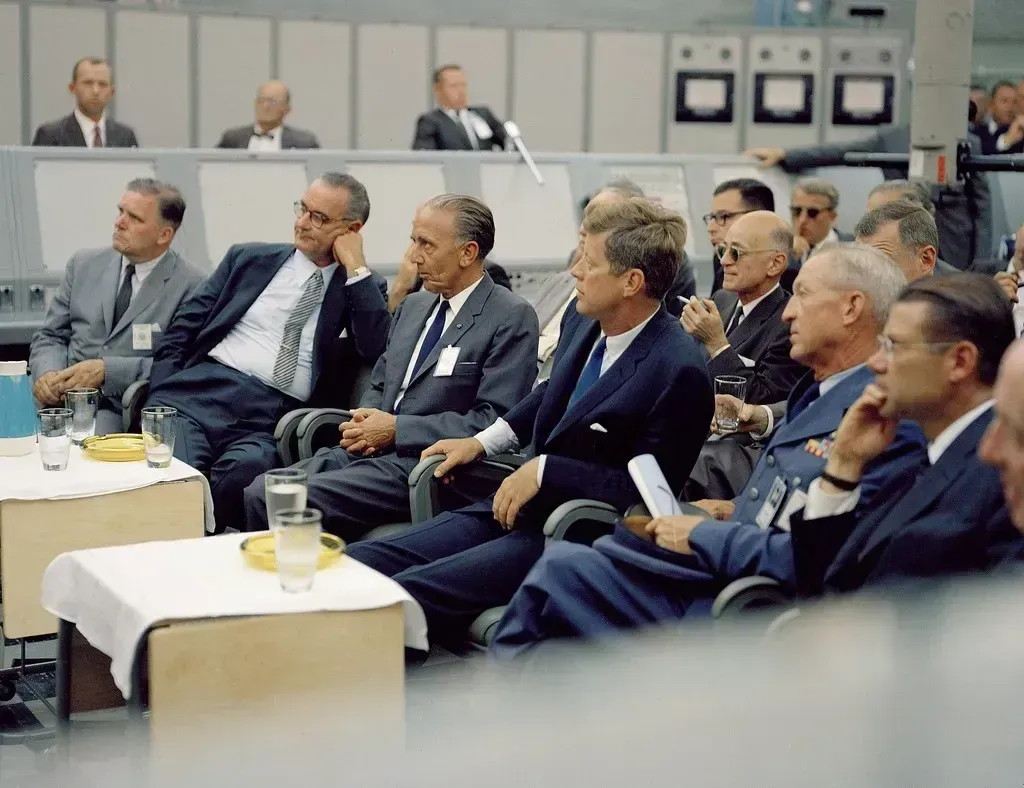
Debus was born in 1908 in Frankfurt an der Oder, Germany. Like von Braun, he came to the U.S. after the war as part of the Paperclip effort. He worked on rocket testing and launch operations, first with the Army and later with NASA.
In the early 1960s he became the first director of NASA’s launch operations facility in Florida. It grew into the Kennedy Space Center, and he led it through the Apollo era until 1974. Every Moon landing mission left Earth from a launch complex he helped build and run.
Franklin Chang Díaz
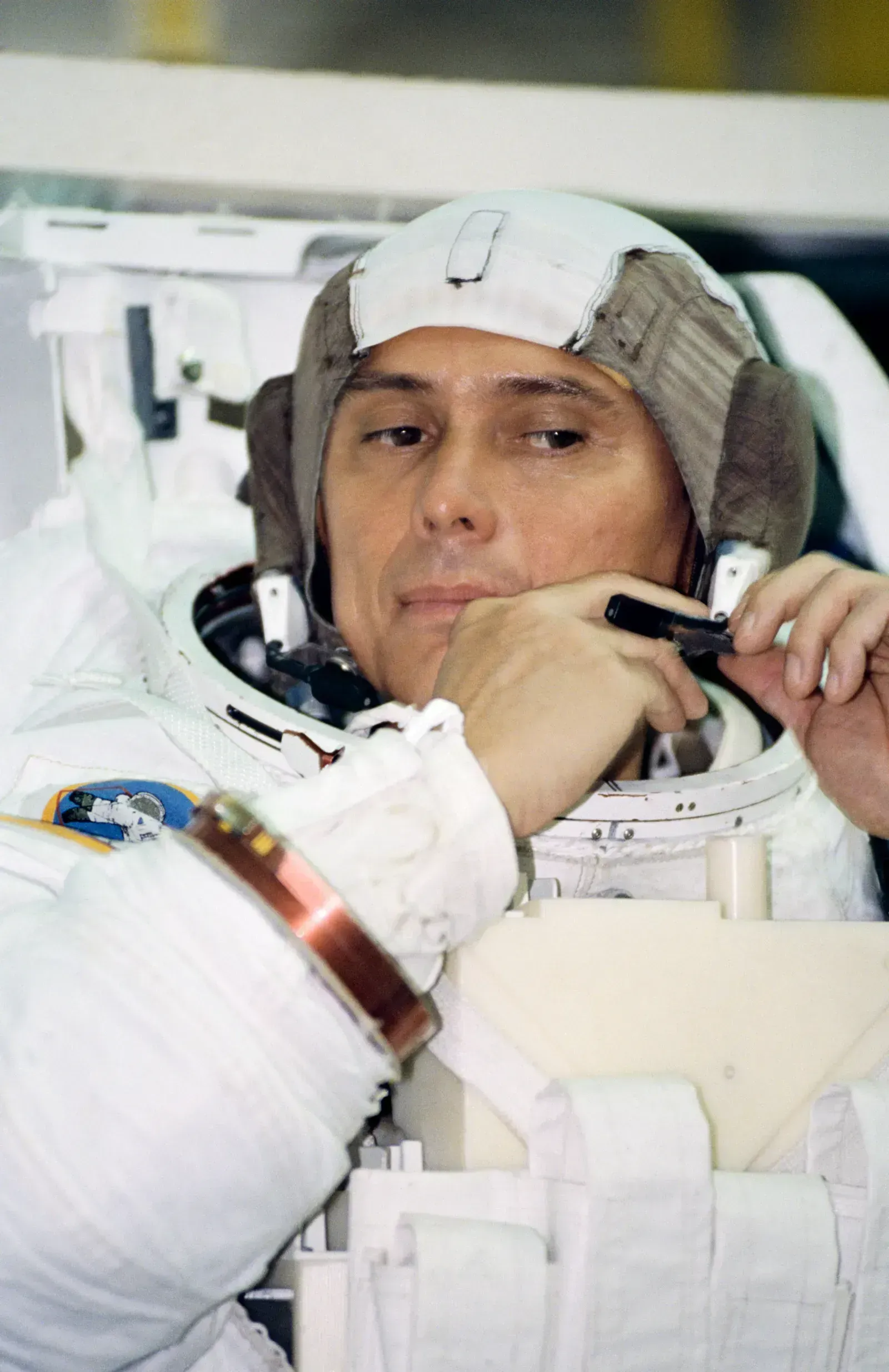
Chang Díaz was born in 1950 in San José, Costa Rica. He moved to the United States as a teenager, finishing high school in Connecticut. He later earned a doctorate in applied plasma physics at MIT.
NASA selected him as an astronaut in 1980. He flew seven space shuttle missions between 1986 and 2002, a total that tied the record at the time. After leaving NASA, he founded Ad Astra Rocket Company to develop plasma based propulsion.
Kalpana Chawla
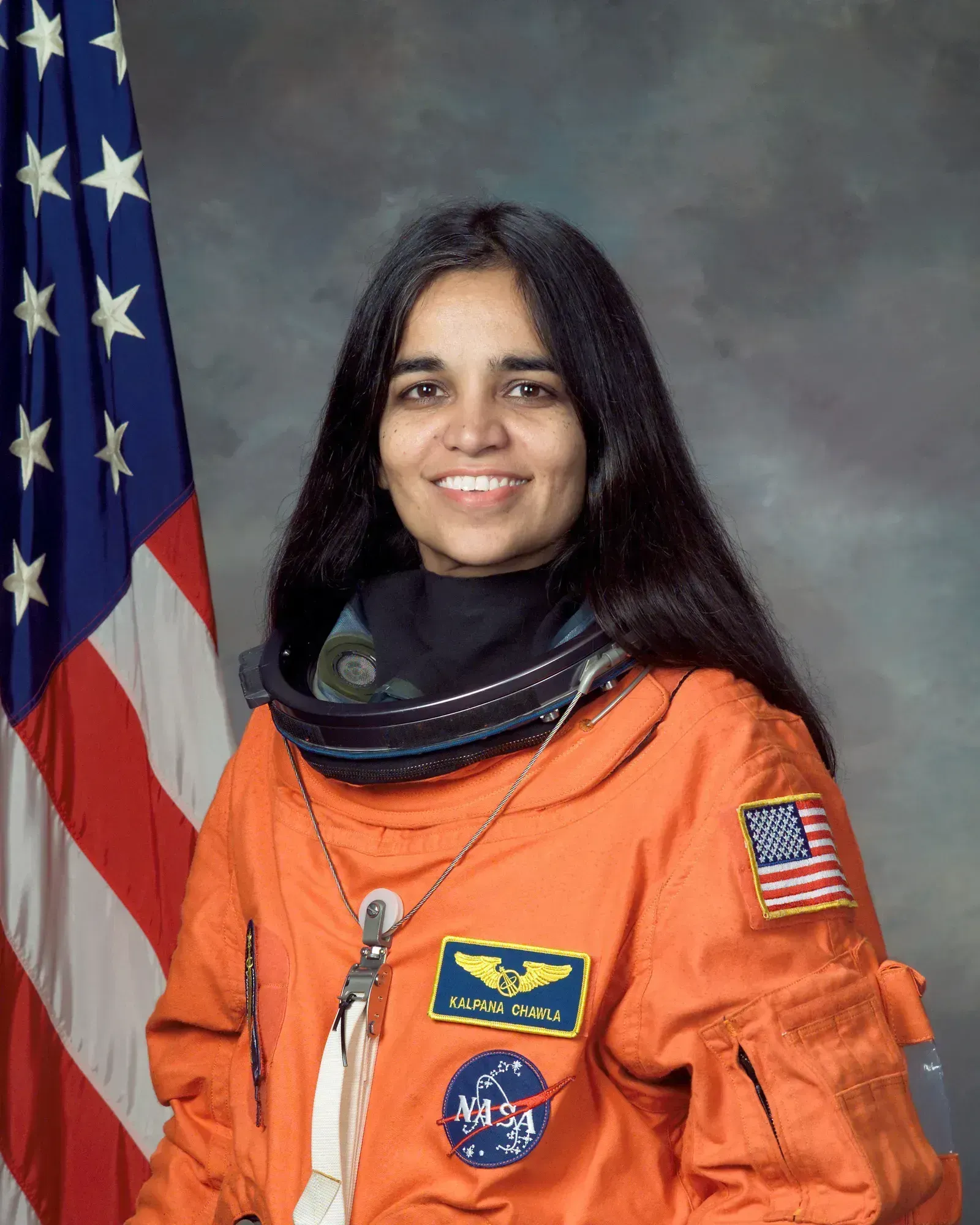
Chawla was born in Karnal, India. She studied aeronautical engineering at Punjab Engineering College before moving to the United States in the early 1980s. She went on to earn a doctorate in aerospace engineering at the University of Colorado.
She joined NASA’s astronaut corps in 1994 and flew her first mission, STS-87, in 1997. She died on February 1, 2003, when the space shuttle Columbia broke apart during reentry. She remains widely remembered as the first woman of Indian origin to fly in space.
Carlos Noriega
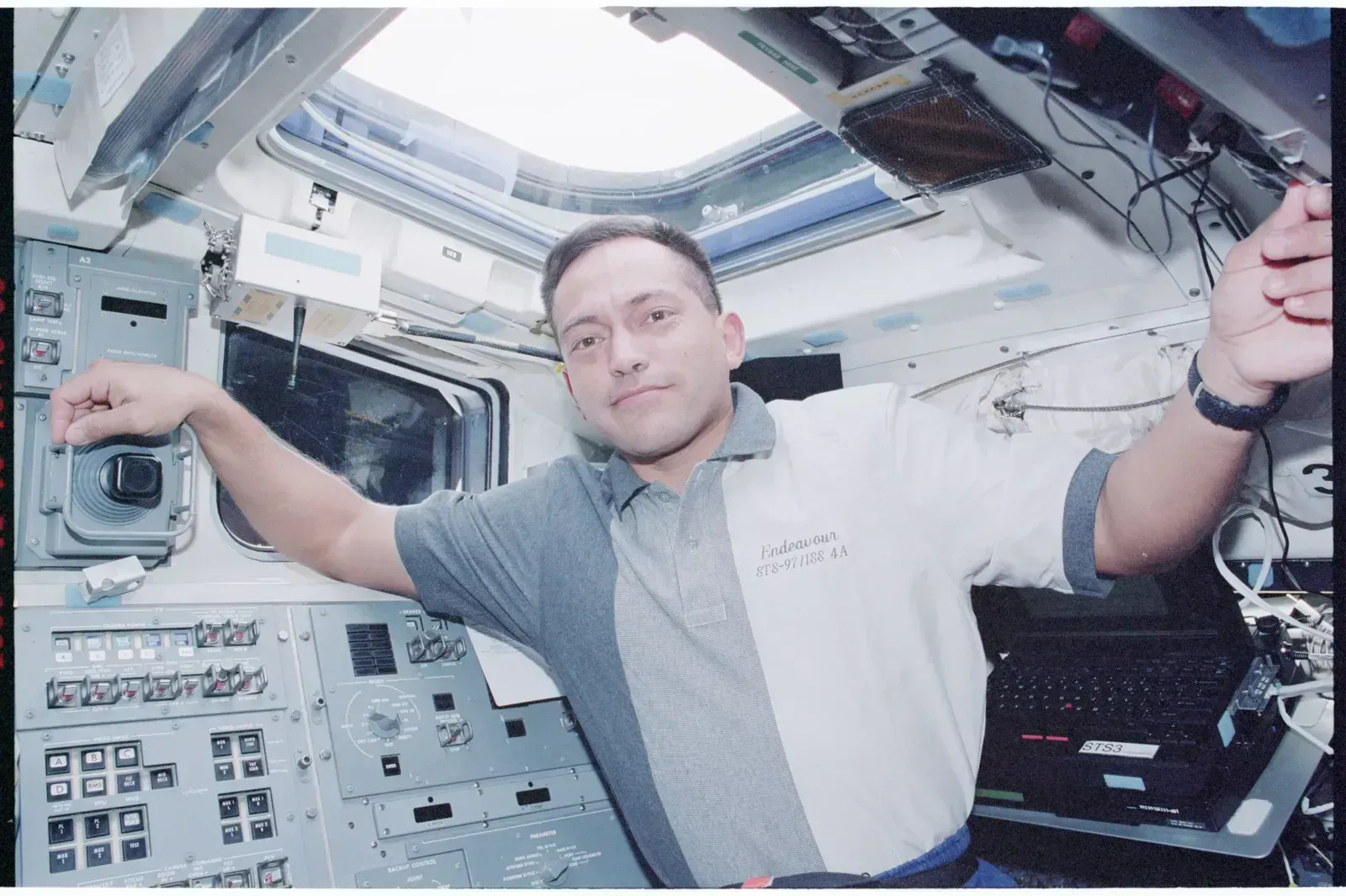
Noriega was born in Lima, Peru, and grew up in California after his family moved to the United States. He served in the U.S. Marine Corps and studied at the Naval Postgraduate School. NASA chose him as an astronaut in 1994.
He flew twice on the space shuttle. The first mission, STS-84 in 1997, docked with the Russian space station Mir. In 2000 he flew on STS-97, which helped install solar arrays on the International Space Station.
Piers Sellers
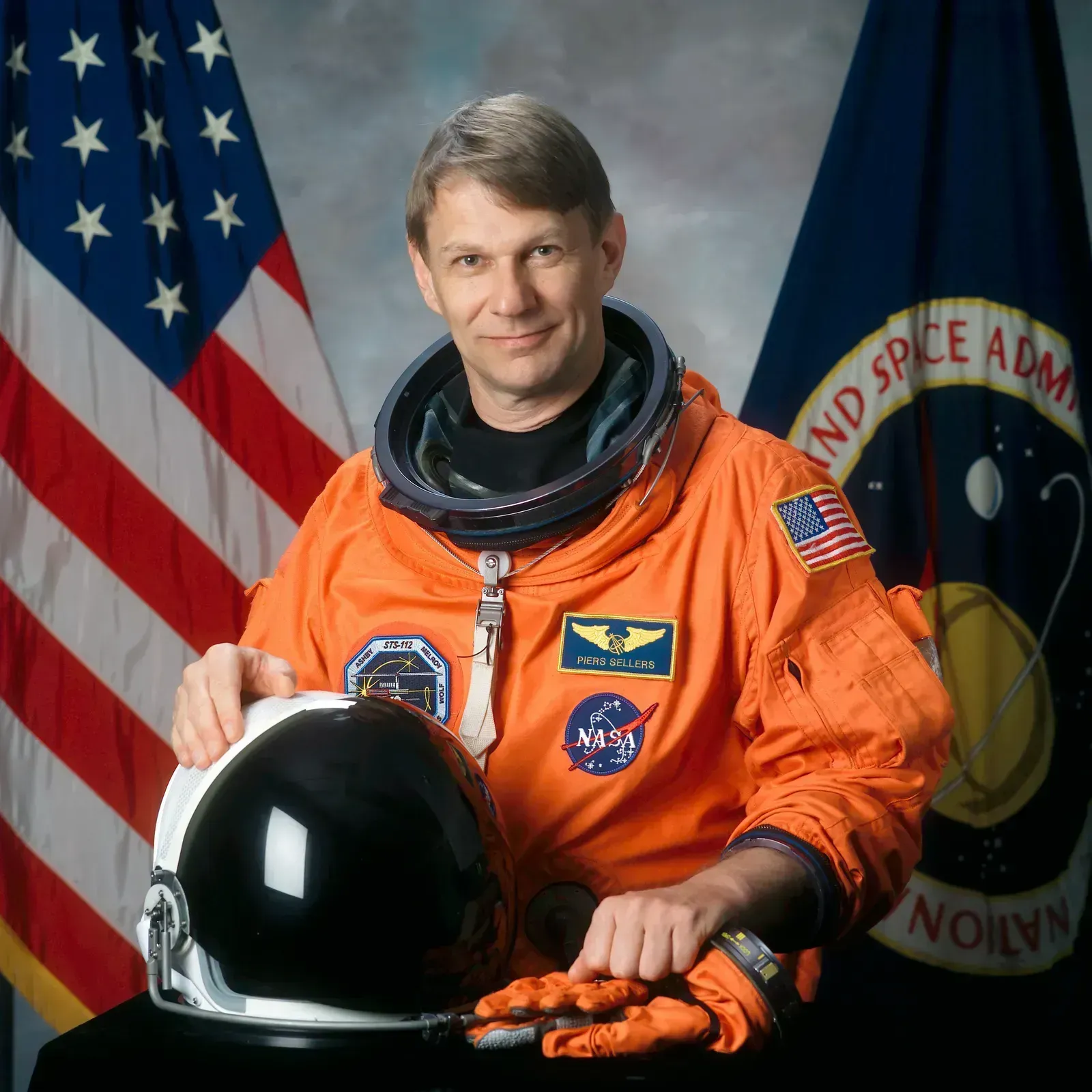
Sellers was born in Sussex, England, and trained as a climate scientist. He earned his doctorate at the University of Leeds and worked at NASA’s Goddard Space Flight Center studying how vegetation and the atmosphere interact. He became a U.S. citizen in 1991 and was selected as an astronaut a year later.
He flew three shuttle missions, in 2002, 2006, and 2010, all tied to building the International Space Station. Across those flights he performed six spacewalks. He died in December 2016 after a diagnosis of pancreatic cancer.
Michael Foale
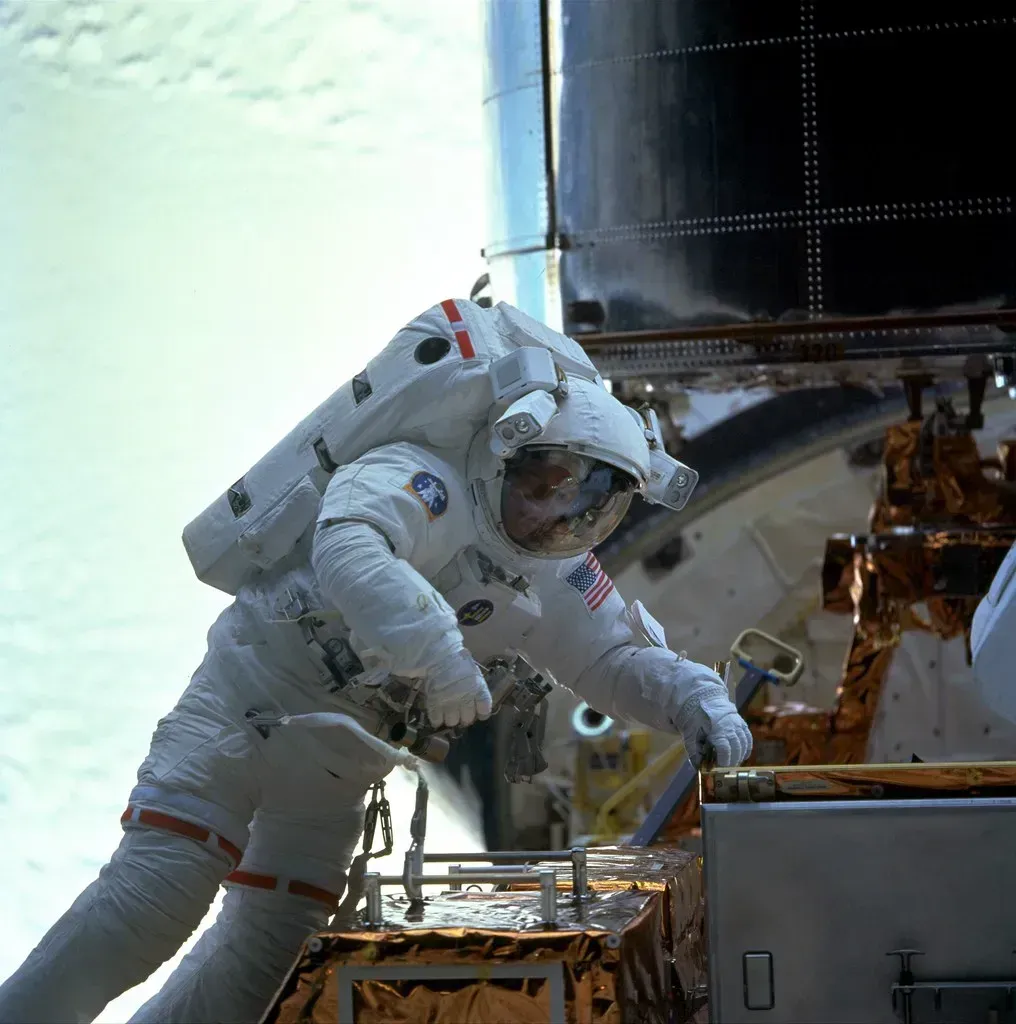
Foale was born in Louth, Lincolnshire, in England, and studied physics at Cambridge. He holds both British and American citizenship, and his mother was American. NASA selected him as an astronaut in 1987.
Over six spaceflights, he lived aboard both Mir and the International Space Station. He was aboard Mir in 1997 when a Progress cargo ship collided with the station, one of the most serious incidents of the shuttle and Mir era. He also took part in a Hubble Space Telescope servicing mission.
Gregory Chamitoff
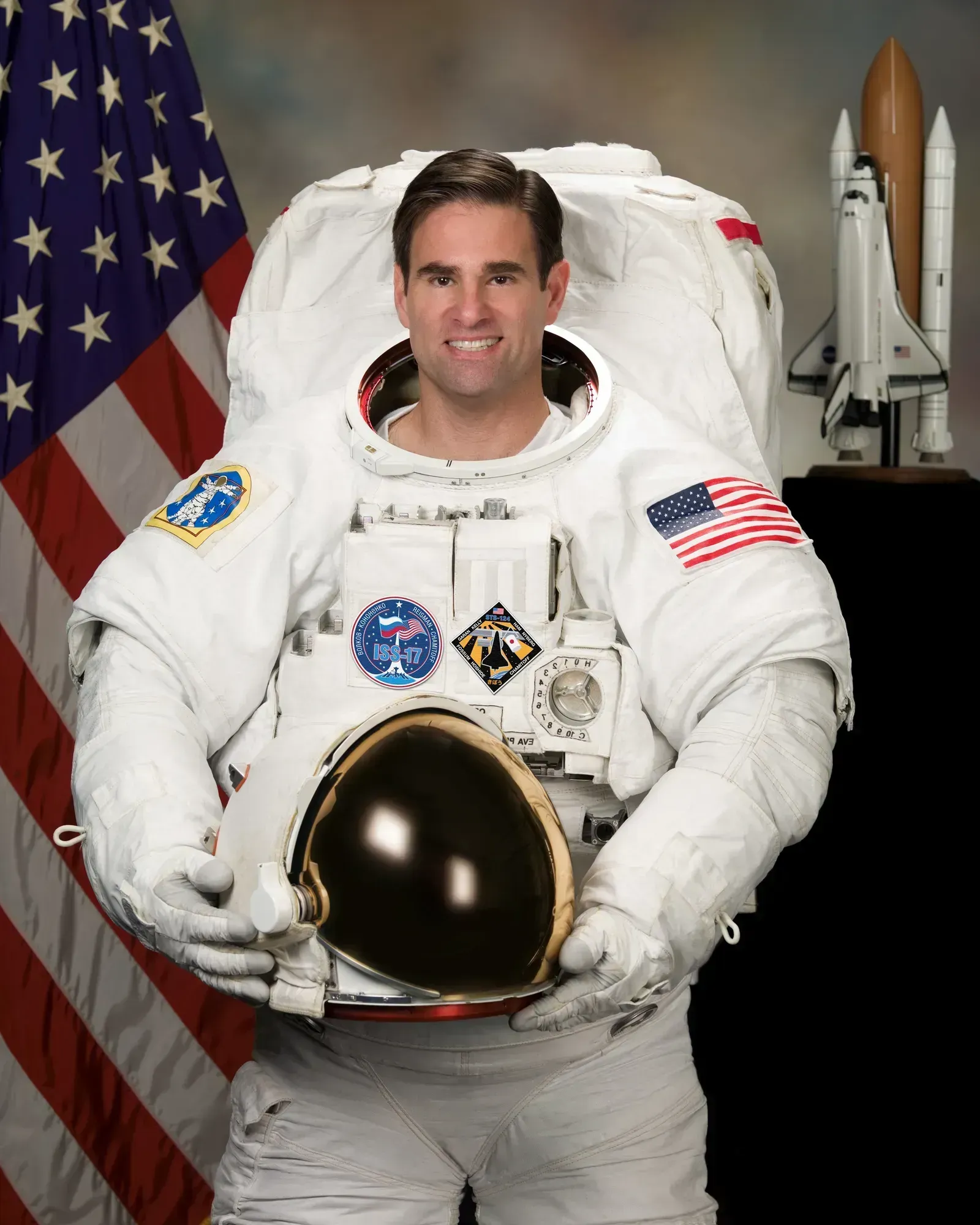
Chamitoff was born in Montreal, Canada. He went on to study engineering in the United States and earned his doctorate at MIT. NASA selected him as an astronaut in 2004.
He launched to the International Space Station in May 2008 as a member of Expedition 17 and stayed until March 2009, serving as a flight engineer. In 2011 he returned to orbit on the shuttle mission STS-134, one of the final flights of the program.
Elon Musk
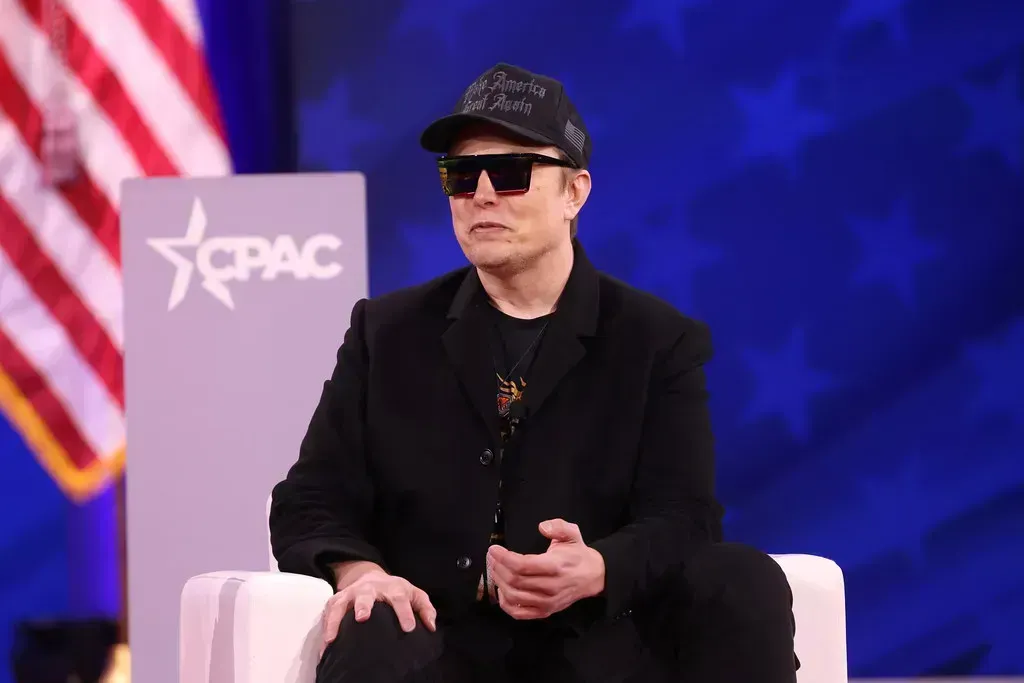
Musk was born in 1971 in Pretoria, South Africa. He later moved to Canada and then to the United States, and he became a U.S. citizen in 2002. That same year he founded SpaceX.
SpaceX’s Falcon 1 reached orbit in 2008, and the company grew into NASA’s main provider of crew transportation to the International Space Station. Its Crew Dragon spacecraft carried NASA astronauts for the first time in May 2020. The company’s Starship vehicle is still being developed and tested.

- The Shoreline Sucked Dry in Seconds – 5 Tsunami Signals Beachgoers Mistake for Low Tide - November 14, 2026
- 9 Dark-Sky Destinations Around the World Where the Stars Look Unreal - November 14, 2026
- The Fault Line That Never Slips – 7 Locked Seismic Zones Overdue for a Massive Release - November 14, 2026
