

- 10 Traditional Building Techniques From Hot Climates Architects Are Revisiting - November 10, 2026
- 2026 Atlantic hurricane season winding down? El Niño eases late-season storm threat - November 10, 2026
- Could the Great Pacific Garbage Patch be altering the ocean’s color? - November 10, 2026
Most of us check the weekly forecast before making plans, whether it’s a wedding, a hike, or just laundry day. The number NOAA gives for that seven-day outlook sounds reassuring at first glance.
What that figure means in practice is less obvious. Forecast reliability shifts with the timeframe, the type of weather, and the way accuracy gets measured.
What NOAA Actually Says About Seven Days
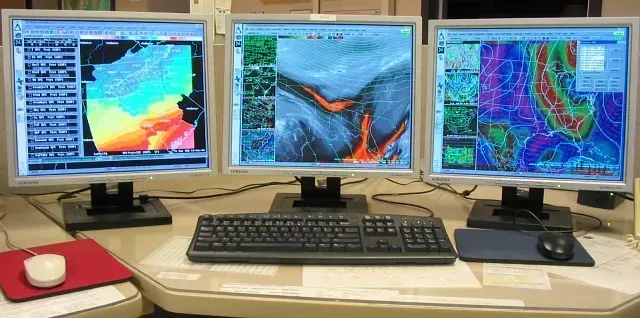
NOAA’s educational pages state that a seven-day forecast can accurately predict the weather about 80 percent of the time and a five-day forecast approximately 90 percent of the time. The same guidance appears on both the SciJinks site and NOAA’s satellite service pages.
The figure is a general estimate, not a guarantee for any single day or place. It works best as a rule of thumb for how much weight to give the week ahead.
How the Numbers Fall Off Over Time
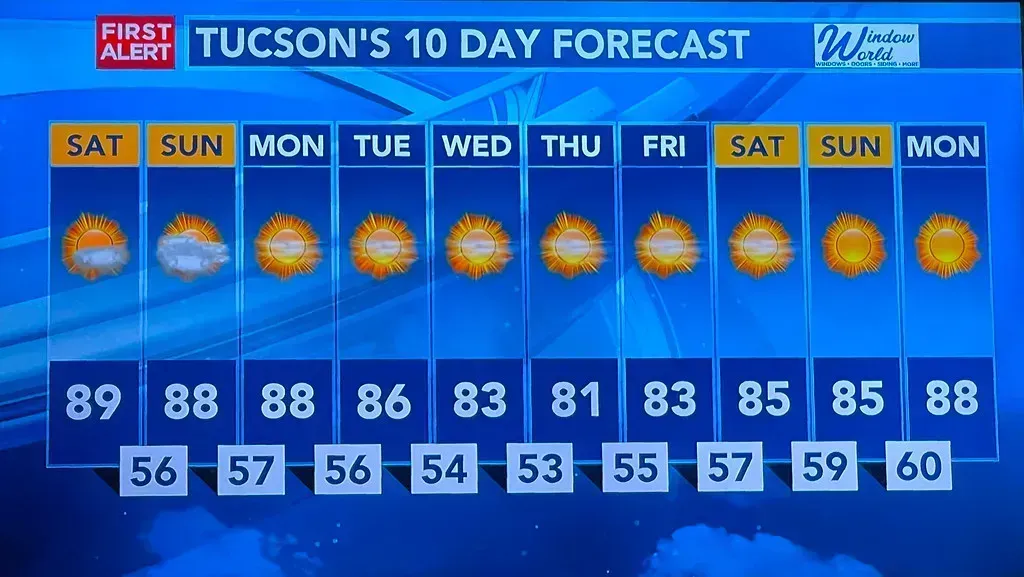
Reliability slips as you look further out. A forecast of ten days or longer is only right about half the time.
One 2026 explainer describes the decline as sharp after day seven, and notes that one in five days is meaningfully wrong at NOAA’s stated seven-day level. That’s a fair reminder that 80 percent still leaves room for surprises.
Why the Atmosphere Resists Long Range Predictions
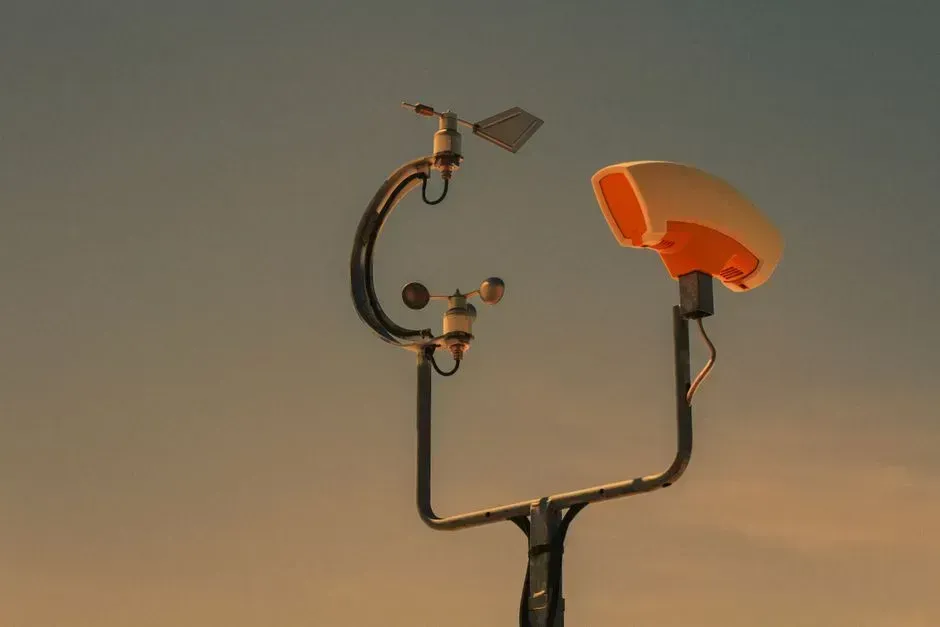
Forecasts come from computer programs called weather models. Since we can’t collect data from the future, models have to use estimates and assumptions to predict future weather.
The atmosphere also never sits still. Those estimates are less reliable the further you get into the future. Small errors in today’s starting conditions compound over time, which is one reason the last days of a week-long outlook wobble the most.
What 80 Percent Doesn’t Mean
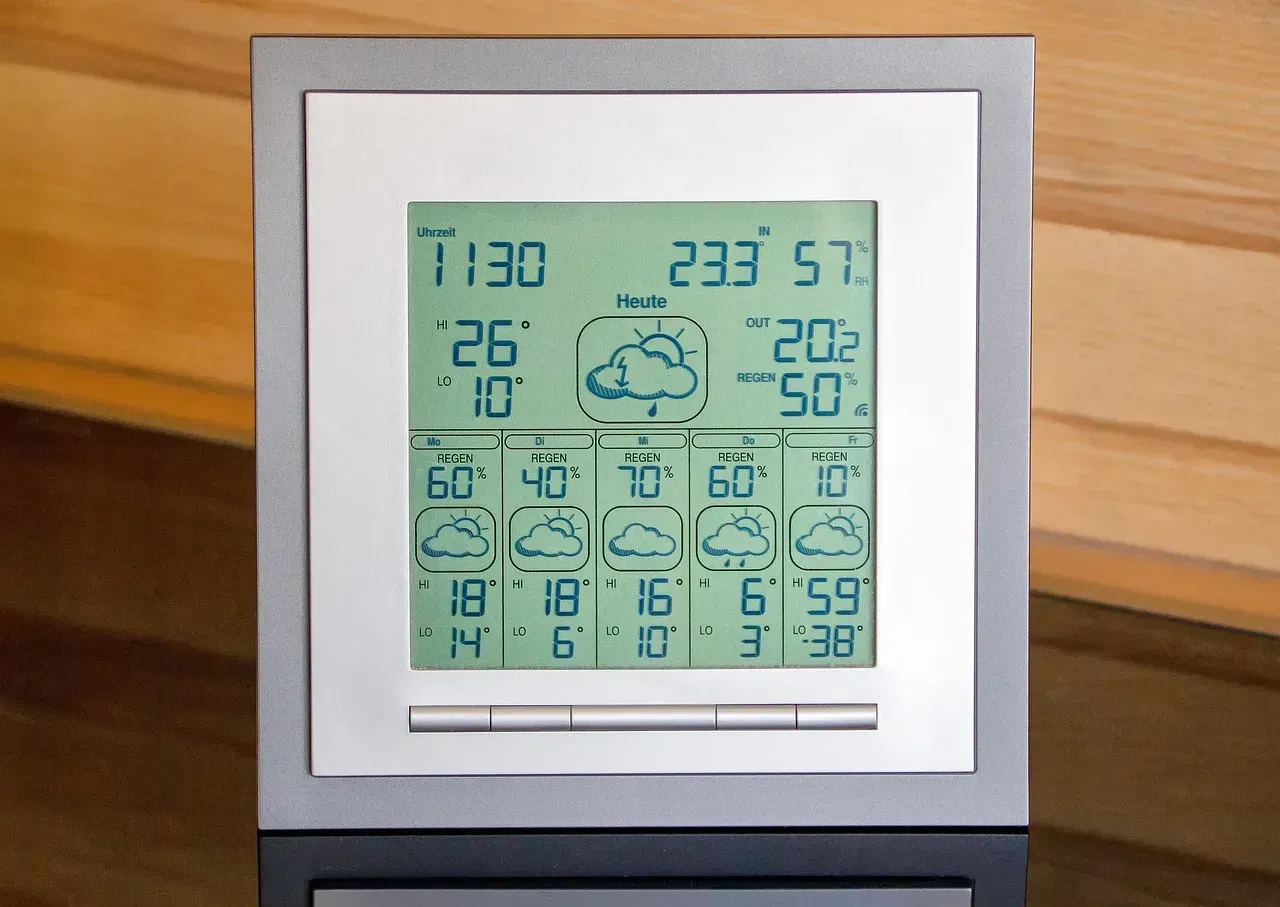
It’s tempting to read the figure as an 80 percent chance that every detail on day seven will be right. One 2026 analysis cautions that the percentage does not mean every detail shown for the seventh day has an 80% chance of being correct.
Accuracy can be judged in several ways. Meteorologists may evaluate temperature, rainfall, wind, storm movement, cloud cover, or other conditions separately. A forecast can nail the overall pattern and still miss some specifics.
Temperature Errors Grow Day by Day

Temperature is a good example of the slow drift. According to one summary, high temperature forecasts at the three to four day mark are typically within 3 to 4 degrees of what actually happens.
Later in the week, the gap widens. By day seven, that error grows to about 5 to 6 degrees Fahrenheit on average. That’s the difference between grabbing a light jacket and skipping it.
Rain Is Harder to Pin Down

Precipitation tends to be trickier than temperature. One forecasting service estimates that precipitation forecasts are about 80-85% accurate for days 1-3, dropping to 60-65% accuracy by days 6-7. That’s a private company’s estimate rather than a NOAA figure, so treat it as illustrative.
Timing is often the culprit. A forecast may correctly predict a rainy day but miss the exact time the rain begins. Fast-changing events such as thunderstorms and fog are especially hard to call far ahead.
The Role of Satellites
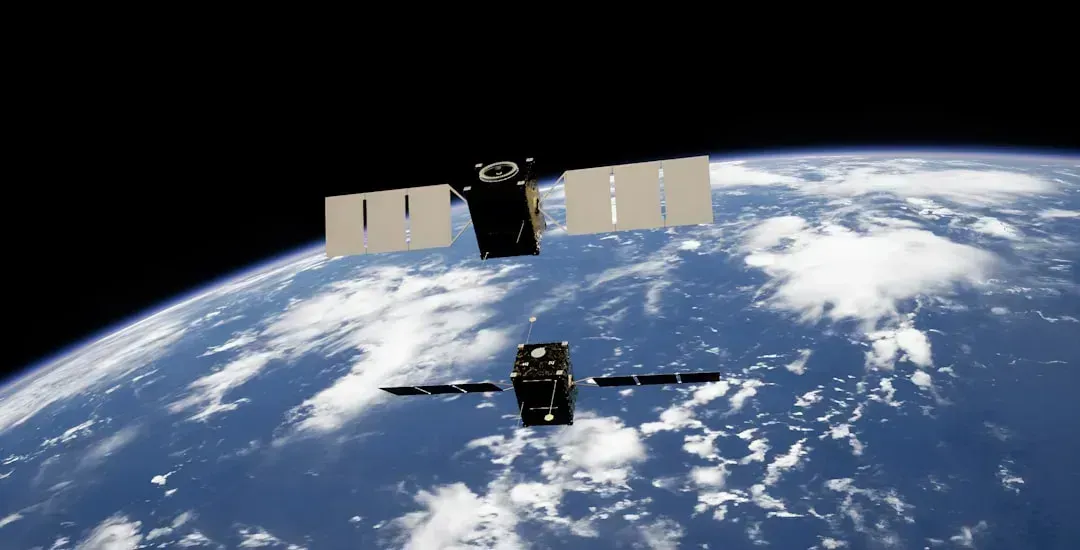
Much of the raw data behind forecasts comes from space. Satellites in NOAA’s Joint Polar Satellite System orbit approximately 500 miles above Earth. Because they orbit while the Earth is rotating below, these satellites can see every part of Earth twice each day.
NOAA says this global view helps meteorologists accurately predict long-term forecasts, up to 7 days in the future. Geostationary satellites add a steady view of current conditions over a fixed region.
Why Your Apps Don’t Always Agree
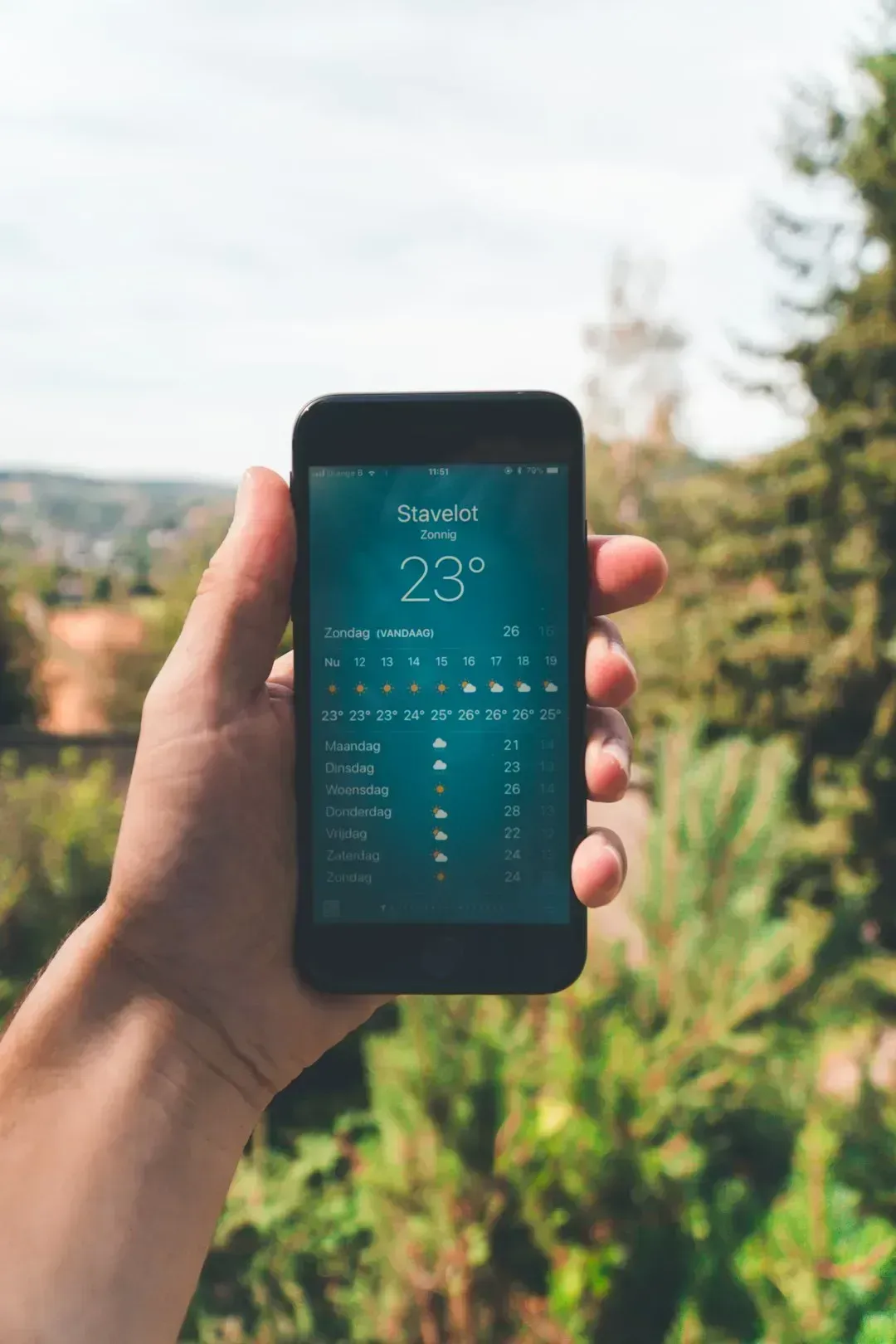
Two weather apps can show different weekends for the same town. Apps may use different models, observation points, update times, and automated forecasting systems.
Small differences are normal, especially several days out. Small differences between them are normal. When apps disagree widely, that often signals real uncertainty in the atmosphere itself.
