

Most people have seen hail that rattles a car roof or dents a grill. Few have seen a stone of ice that weighs almost two pounds. On the evening of July 23, 2010, that is what landed in a small town in central South Dakota.
Sixteen years on, the Vivian hailstone still holds the U.S. record for both diameter and weight. The details of how it formed, how it was measured and why it still stands are worth a closer look.
A Supercell Over Central South Dakota

The National Weather Service in Aberdeen says thunderstorms developed over central South Dakota in the late afternoon and early evening of July 23, 2010, and several quickly became severe in an environment favorable for supercells. One very strong supercell moved southeastward across parts of Stanley, Jones, and Lyman counties.
Storm reports from that evening show the hail growing as the storm moved along. Early reports were of stones around an inch and a quarter to an inch and three quarters. By 6:10 PM, law enforcement reported softball size hail, 4.75 inches, in Vivian.
What Else the Storm Did to Vivian

Hail wasn’t the only hazard. Vivian was one of the hardest hit locations, with extremely large hail, destructive winds to 80 mph, and a brief tornado reported. Weather.com adds that the supercell produced an 85 mph wind gust near town, which lies about 30 miles south of Pierre.
Vivian is a very small community. The storm damaged homes and property, and residents were dealing with the cleanup for some time afterward.
The Numbers on the Stone

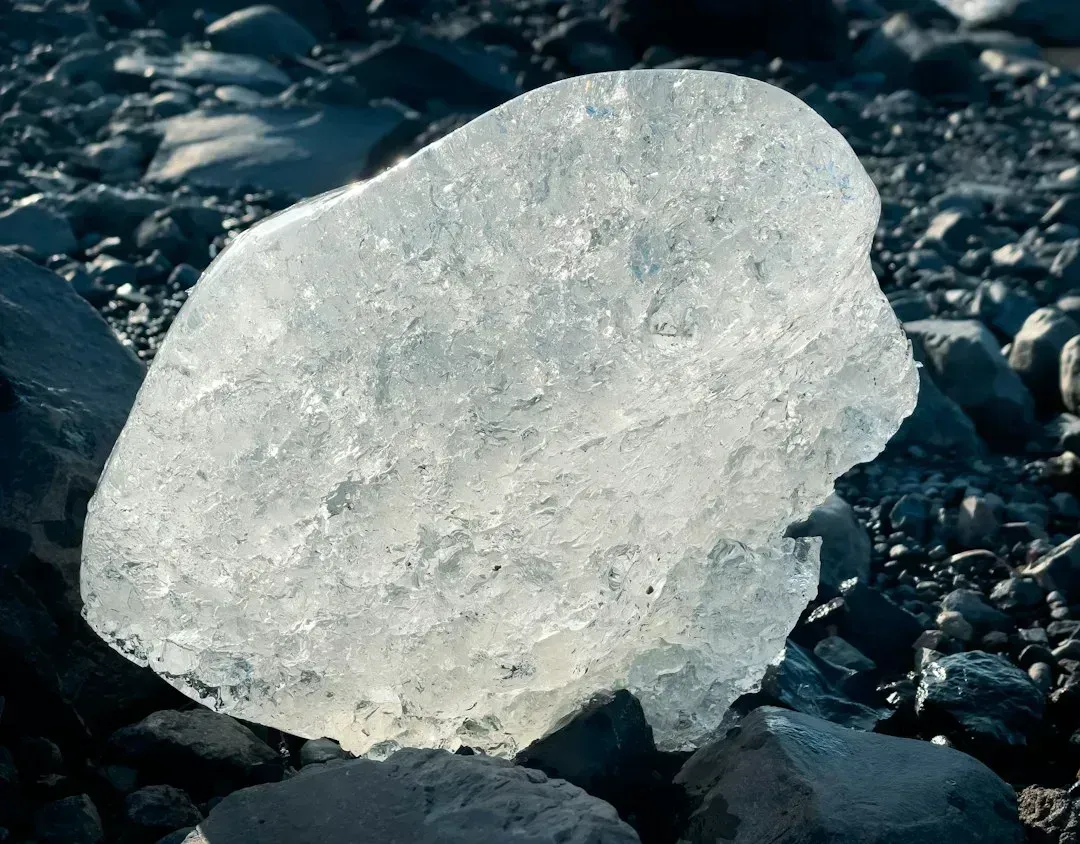
The record stone was measured by the Aberdeen weather office. It was 8.0 inches in diameter, 18.625 inches in circumference, and 1.9375 pounds. That works out to just under two pounds of solid ice.
The stone wasn’t a neat sphere. It was oblong, so its official diameter is its longest measurement. That length counted the spiky bumps on its surface.
Who Found It and How It Was Saved

The stone was found by a local rancher. Les Scott, the resident who found it, said it was 11 inches across when he first went outside. That figure is his estimate and isn’t the official measurement.
Weather.com reports that he saved several of the giant hailstones in a freezer. That decision made it possible for forecasters to visit and take proper measurements the next morning.
How the Record Was Verified
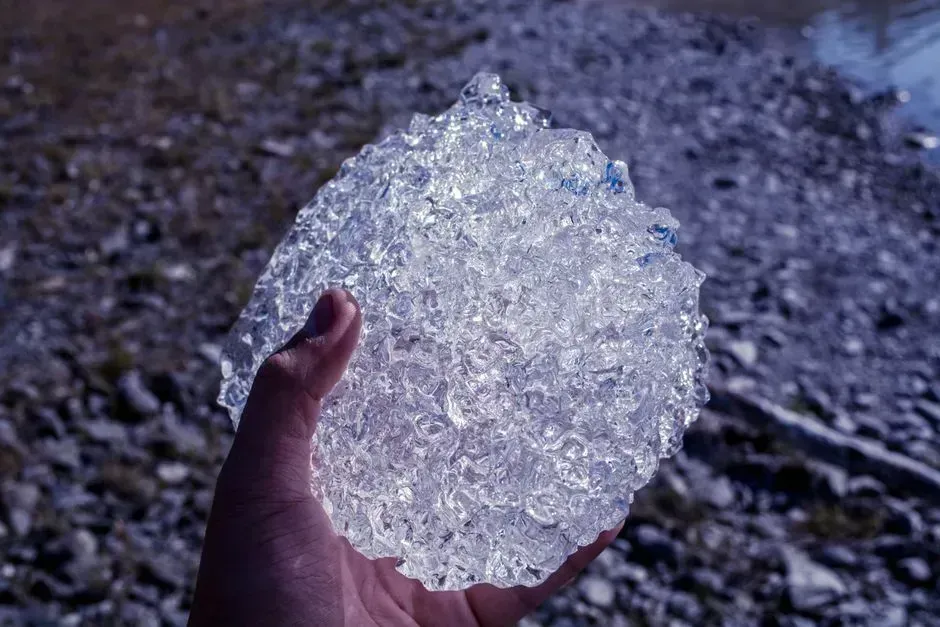
The stone’s dimensions were reviewed by the National Climatic Data Center’s extremes committee. The committee’s memo says the stone was unanimously acknowledged, by a vote of 3-0, as a new U.S. record for diameter and weight. The Aberdeen office got credit for its handling of the stone.
The weight came from an everyday tool. Several days later, the stone was weighed on a scale from the Vivian post office, at 1 pound 15 ounces. The memo also notes that the stone was almost certainly larger on impact than when it was measured, since it melted somewhat.
The Records It Replaced
Two older records fell at once. They were 7.0 inches, set in Aurora, Nebraska on June 22, 2003, and 1.67 pounds, set in Coffeyville, Kansas on September 3, 1970. The Vivian stone beat the diameter record by a full inch.
Aurora keeps a claim of its own. The committee found the Vivian circumference valid, but noted a stone with greater circumference fell in Aurora in 2003. So Vivian’s title rests on diameter and weight.
Conditions Inside the Storm
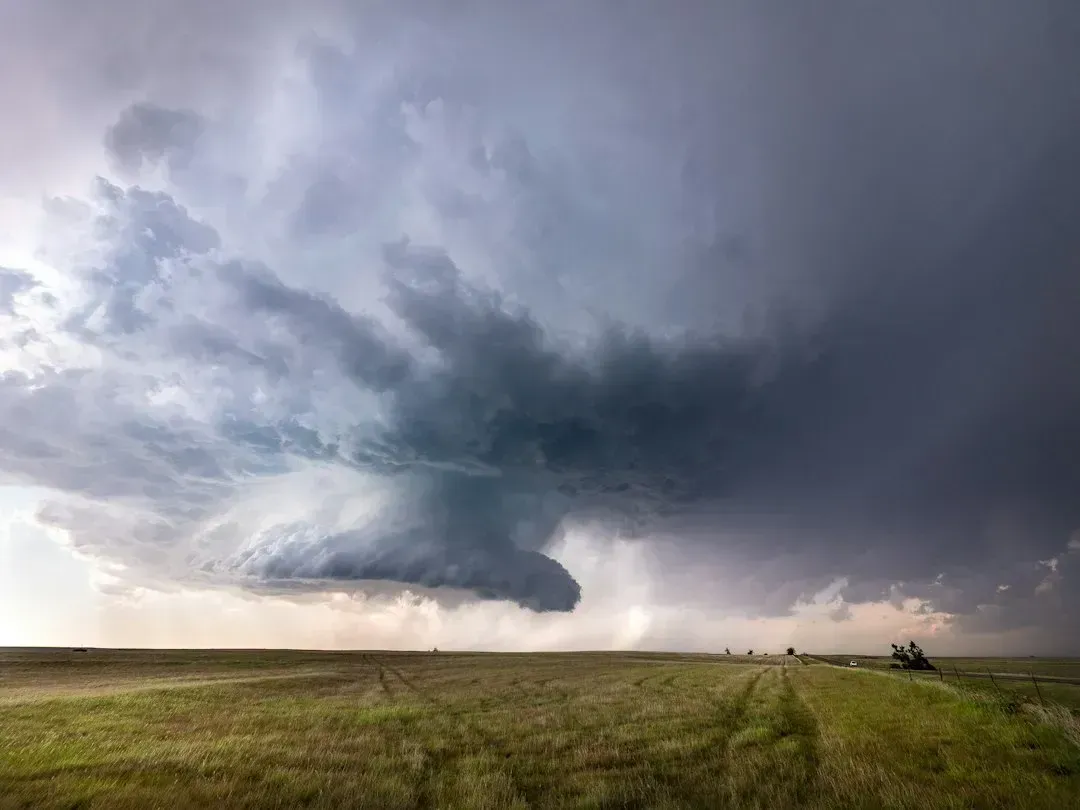
Big hail needs a strong updraft. Hailstones grow by cycling through the updraft repeatedly, gathering a new layer of ice on each pass. A nearly two pound stone needs an updraft powerful enough to hold it aloft through many of those trips.
The atmosphere that day was primed for it. It was extremely humid, with ground temperatures in the high 90s and about minus 96 degrees at the top of the storm, according to a weather balloon. The committee memo also refers to very large values of instability in the atmosphere.
How It Compares Worldwide

In the U.S. it stands alone. Globally, the picture is a little different for weight. The heaviest hailstone on Earth weighed 2.25 pounds and fell in the Gopalganj district of Bangladesh on April 14, 1986.
Even so, the Vivian stone is the heaviest on record in the Western Hemisphere, according to the World Meteorological Organization. Other countries have logged large stones too, and Argentina and Italy have both been the subject of recent hail research.

- The Shoreline Sucked Dry in Seconds – 5 Tsunami Signals Beachgoers Mistake for Low Tide - November 14, 2026
- 9 Dark-Sky Destinations Around the World Where the Stars Look Unreal - November 14, 2026
- The Fault Line That Never Slips – 7 Locked Seismic Zones Overdue for a Massive Release - November 14, 2026
