

- The Planet Where It Rains Liquid Glass – 7 Alien Worlds Defying Known Physics - November 14, 2026
- Stars Consuming Entire Worlds – 6 Planetary Systems Swallowing Their Own Worlds - November 14, 2026
- The Ground Liquefies Like Water – 6 Silent Fault Lines Geologists Watch Closely - November 14, 2026
Every October, the same scene repeats on thousands of streets. Rakes come out, blowers roar, and paper bags line the curb. It feels responsible, but conservation groups now argue that much of this routine works against the yard.
The Xerces Society for Invertebrate Conservation has spent years promoting a simpler approach. Its Leave the Leaves campaign asks people to do less in fall, and the reasoning is grounded in how insects, birds, and soil actually get through winter. Here are seven chores worth reconsidering.
Raking Every Leaf Off the Lawn
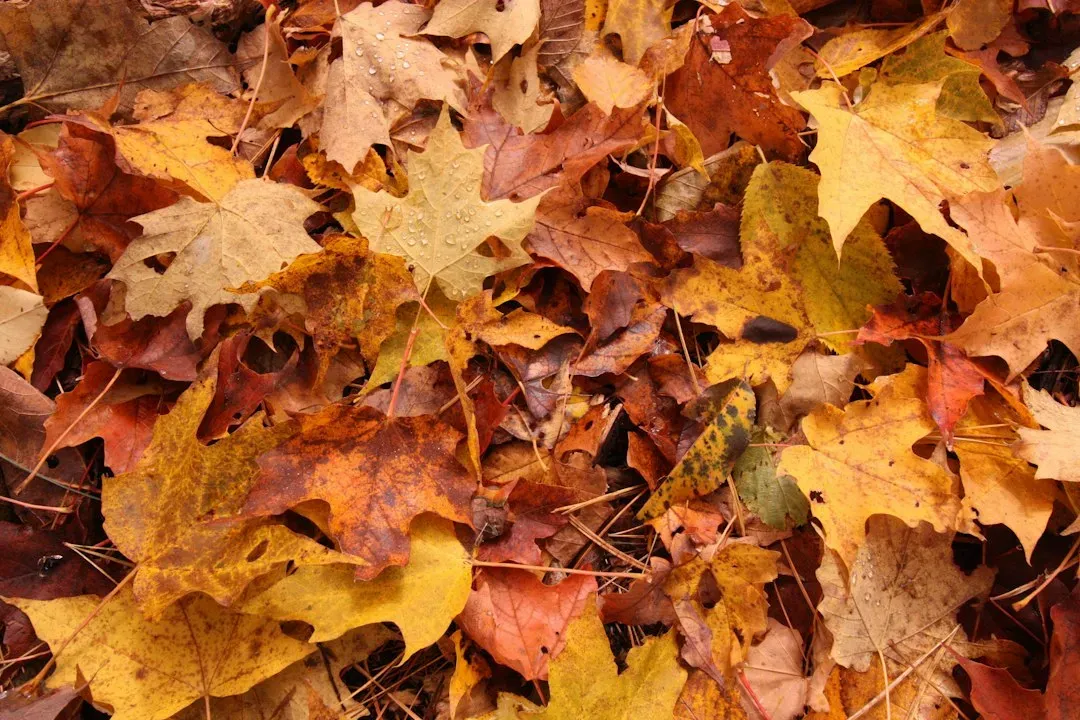
A layer of leaves works as insulation. Many animals hide within it, or in the soil beneath it, to escape the cold, including quite a few butterflies. Strip the ground bare and you remove the blanket they were counting on.
Not every leaf has to stay where it lands. You can rake them into garden beds, around tree bases, or into other designated areas. Moving leaves is fine. Getting rid of them is the part that causes harm.
Bagging Leaves for the Curb
Bagged leaves take more than plant matter with them. There’s a good chance you’re tossing out animals that have already settled in. That includes creatures too small to notice while you work.
Many moths and butterflies don’t migrate. A majority stay put and overwinter as an egg, caterpillar, chrysalis, or adult, using fallen leaves as cover. Red-banded hairstreaks, for example, lay eggs on fallen oak leaves, which become the caterpillars’ first food.
Shredding Leaves With the Mower
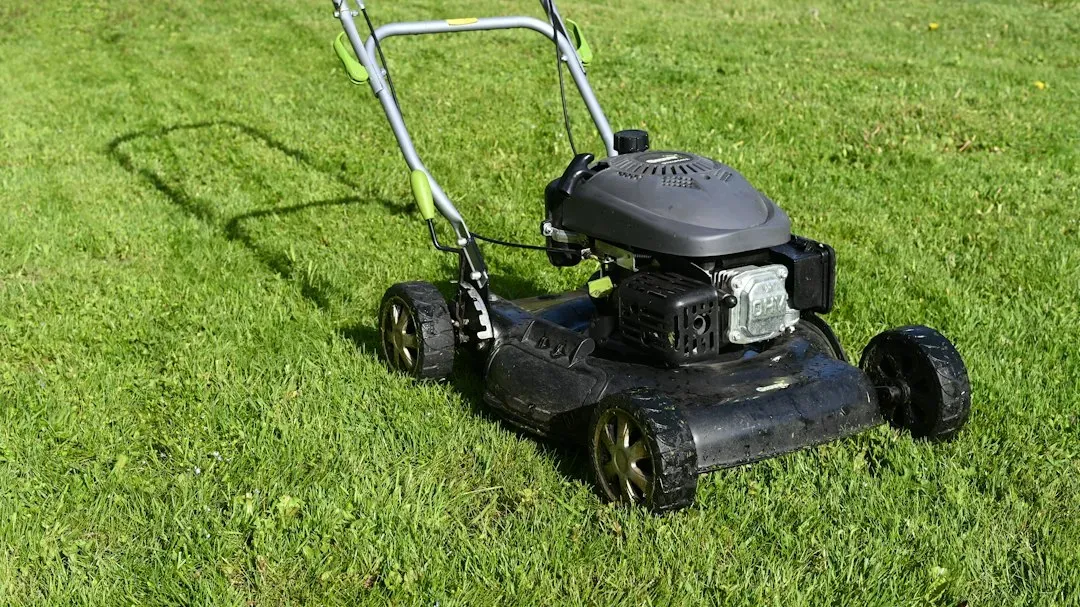
Mowing over leaves is often suggested as a tidy compromise, and it does make a light mulch. Dried leaves on a lawn can be mowed to break them up as organic lawn mulch. Still, ecologists lean toward keeping leaves intact where wildlife is a priority.
The reason is cover. Wild Ones suggests raking or using a leaf vacuum to capture whole leaves rather than shredding them with a mower. Whole leaves leave gaps and pockets that small animals can use, while confetti does not.
Reaching for the Gas Leaf Blower
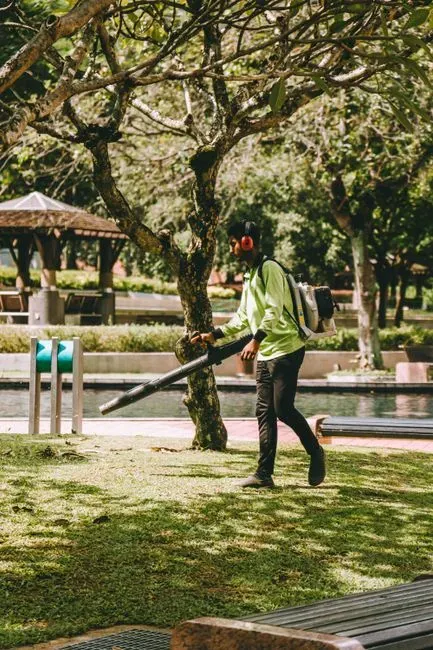
Blowers scatter leaves and the creatures inside them. Xerces notes that raking or electric blowing keeps leaves whole for the best cover and protects the insects and eggs already living there. So the tool matters, and so does how hard you push it.
There’s a human side as well. A local climate group in Evanston, Illinois, recommends that you protect the hearing and respiratory health of yard workers and passersby and skip the leaf blower. A quieter fall helps more than the insects.
Cutting Down Every Plant Stem
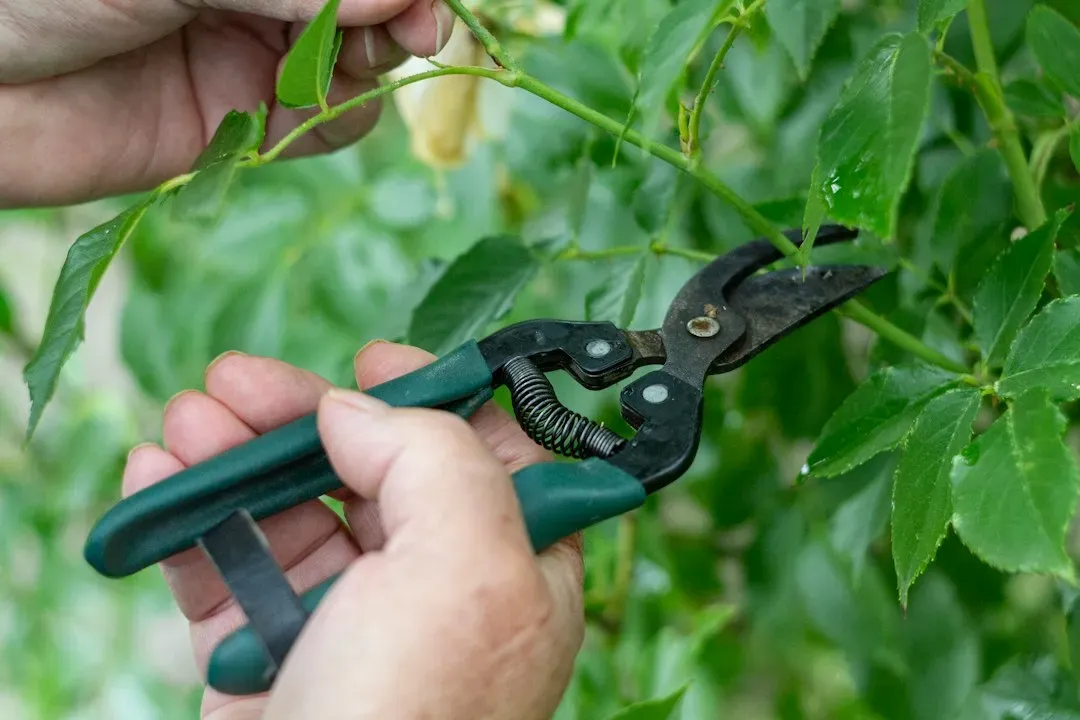
Dead stalks look untidy, though they’re doing quiet work. Many native bees nest within stems, flower heads, or pieces of wood. Cut everything to the ground and those nesting spots vanish.
Seed heads matter too. Xerces staff describe letting wildflowers go to seed for the birds and letting the vegetable garden bolt to provide resources for pollinators. Spring is the safer time to cut back, once the weather has settled.
Hauling Away Branches and Brush
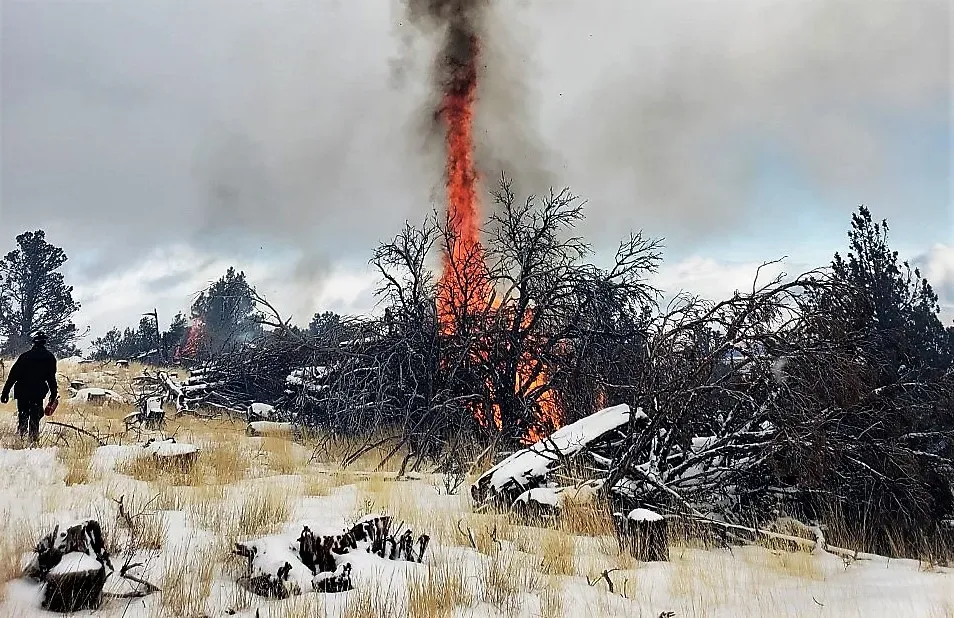
Fallen sticks and trimmings can be habitat rather than waste. Leaves, brush piles, fallen logs, plant stems, and flower heads aren’t trash. They’re natural homes for wildlife. A pile doesn’t need to be large or in view.
One Xerces staff member piles trimmed branches in out of the way spots. They can shelter overwintering bumble bees or butterflies, and spotted towhees have nested in them. It’s a small change with visible results.
Leaving Garden Beds Bare and Buying Mulch
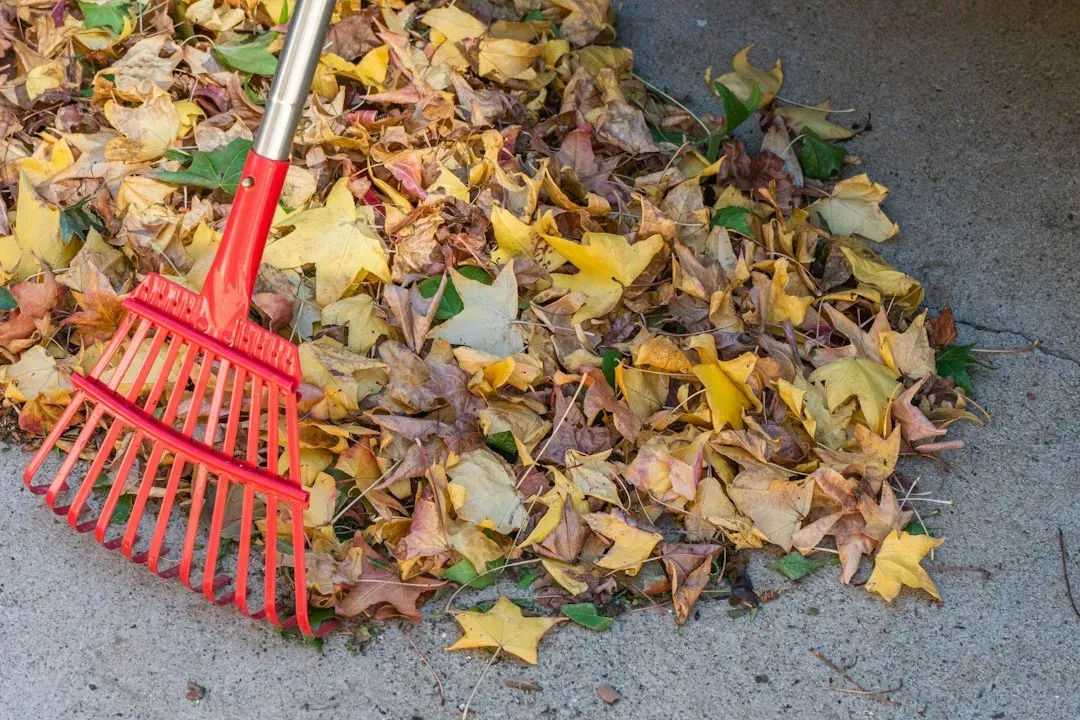
Fallen leaves are free mulch, and they do real work in the soil. They can suppress weeds, retain moisture, and boost nutrition. That can mean fewer bags of store bought mulch and fewer trips to the garden center.
The soil food web benefits, too. Xerces describes the yellow spotted millipede, whose juveniles eat humus, the rich organic layer of decayed plant and animal matter on the forest floor. A yard with a leaf layer keeps that recycling going.
Where to Start
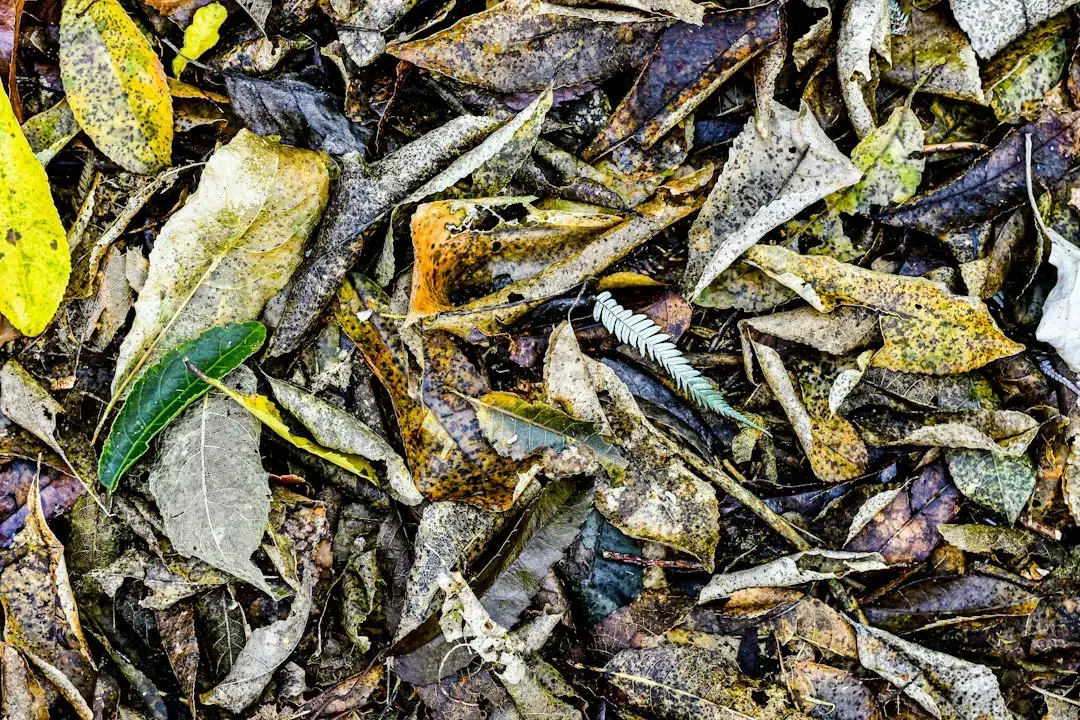
You don’t need to go all in. Most people won’t give their entire yard over to nature, so a leaf covered corner, a bed of mulch, or a spot under a tree is a reasonable first step. The Homegrown National Park project makes a similar point, noting that even small shifts toward leaving leaves where they fall matter.
Birds gain as well. Species such as the eastern towhee and ovenbird forage in leaf litter. Xerces also offers yard signs, which let neighbors know your yard is playing an important role in the ecosystem.
