


- 10 Traditional Building Techniques From Hot Climates Architects Are Revisiting - November 10, 2026
- 2026 Atlantic hurricane season winding down? El Niño eases late-season storm threat - November 10, 2026
- Could the Great Pacific Garbage Patch be altering the ocean’s color? - November 10, 2026
Ask a New Yorker about lightning and the Empire State Building, and you’ll probably hear that it gets hit all the time. That’s true, though the exact number depends on who is counting and how.
The figures in circulation run from about 20 to 100 strikes a year. The gap comes down to method, and the physics behind it is well understood.
What the Official Numbers Say
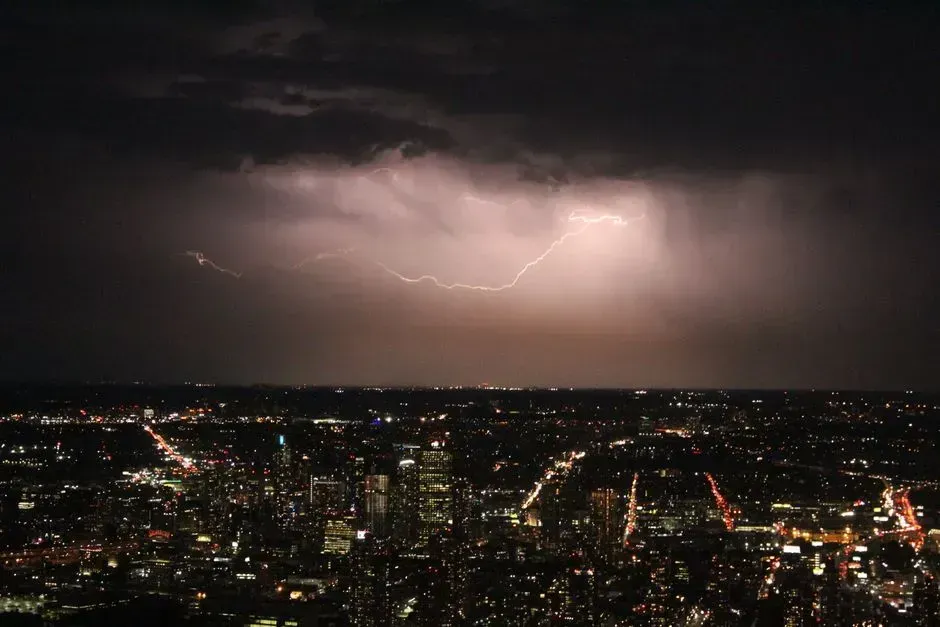
According to the National Weather Service, the Empire State Building is hit by lightning an average of 25 times per year. New York City’s emergency management office repeats that figure on its thunderstorm preparedness page. The building’s own website also gives about 25 times per year.
Some sources go lower and some go higher. One widely shared photo caption says it happens more than 20 times per year on average. Another source puts the range wider, at between 25 and 100 times every year.
Why a Range Instead of One Figure
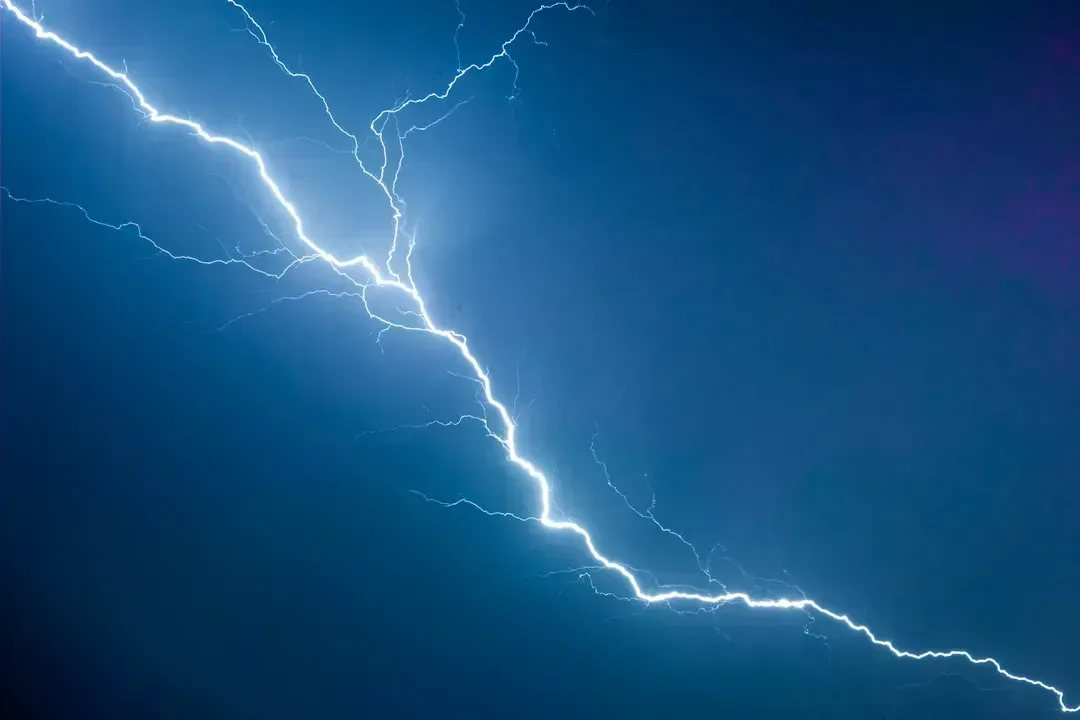
Nobody stands on the roof with a clicker. Counts come from lightning detection networks, building records and photographs, and each captures a slightly different slice.
Strike totals also swing from year to year with the weather. A summer with many thunderstorms over Manhattan will produce more hits than a quiet one. Treat about 20 to 25 a year as a reasonable average, not a fixed schedule.
Height Does Most of the Work
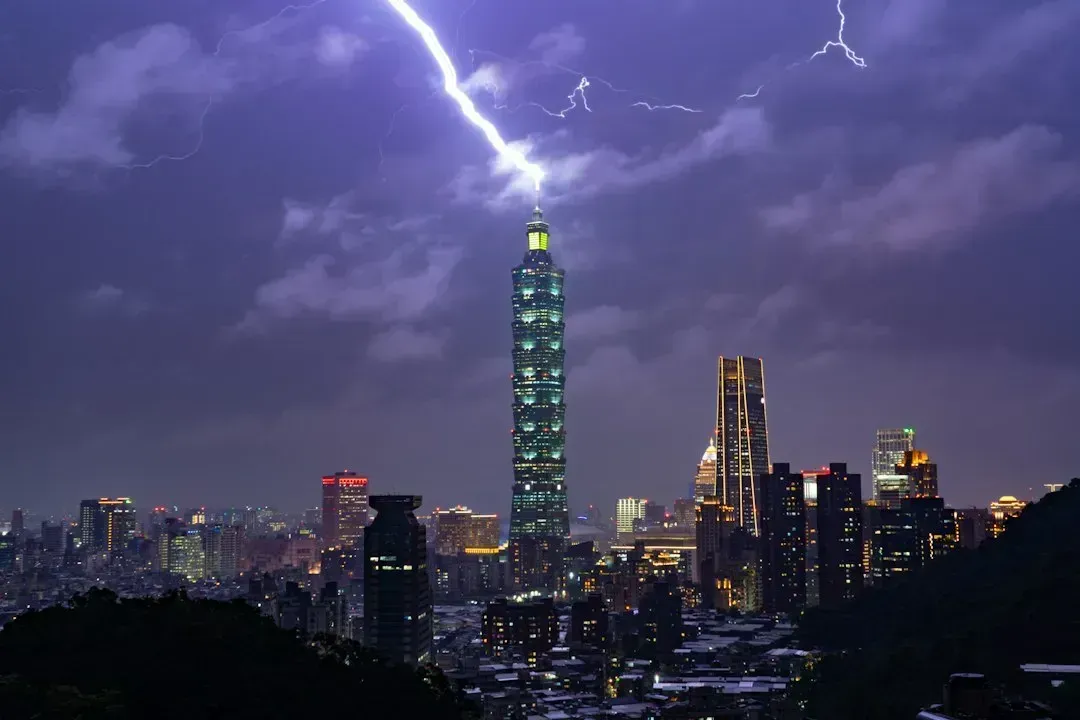
The building stands 1,454 feet tall including its antenna, and that matters a great deal. Tall structures are especially vulnerable because there is less of a gap between the cloud and the ground.
A pointed metal tip also concentrates the electric field around it. That makes the spire a preferred spot for a lightning channel to start. The steel frame and metallic construction make the building an excellent conductor, as one 2026 explainer puts it.
The Lightning Rod at the Top
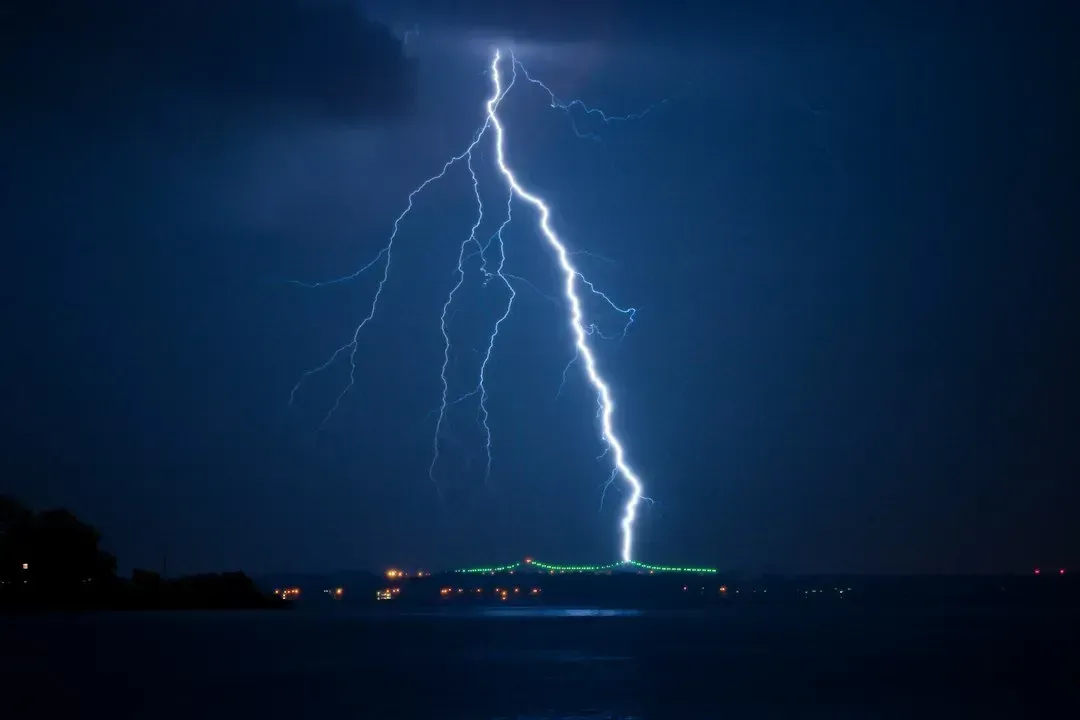
The building isn’t simply absorbing these hits. A copper lightning rod at the top of its spire lets the electricity travel through a wire into the ground, where it is safely discharged.
Without that path, the current would look for another route. It could ground itself through the building’s wiring, or through people working on one of its 103 floors. A rod gives it a controlled, low resistance way out.
The Eight Strikes in 24 Minutes
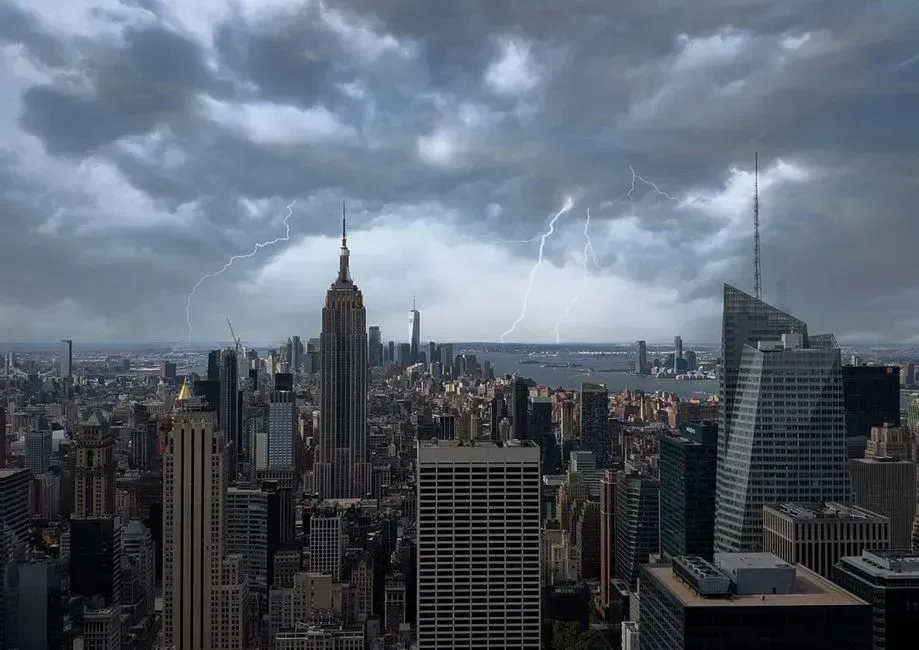
One storm is often cited as the most striking example. In one storm, it was hit eight times in 24 minutes. Photographers captured it during a thunderstorm in 2011, according to a fact-checking write-up.
The episode shows that strikes tend to cluster. A single active storm cell can deliver several bolts in one evening. Then the building may go weeks without a hit.
Why “Lightning Never Strikes Twice” Fails

The saying is a metaphor, not meteorology. It began as a way to describe rare coincidences, then drifted into supposed fact, even though it contradicts what scientists observe.
Tall, isolated structures are struck again and again. Meteorologists and photographers know that lightning does strike twice, especially at tall buildings. The Empire State Building is a textbook case.
How It Compares With Other Skyscrapers
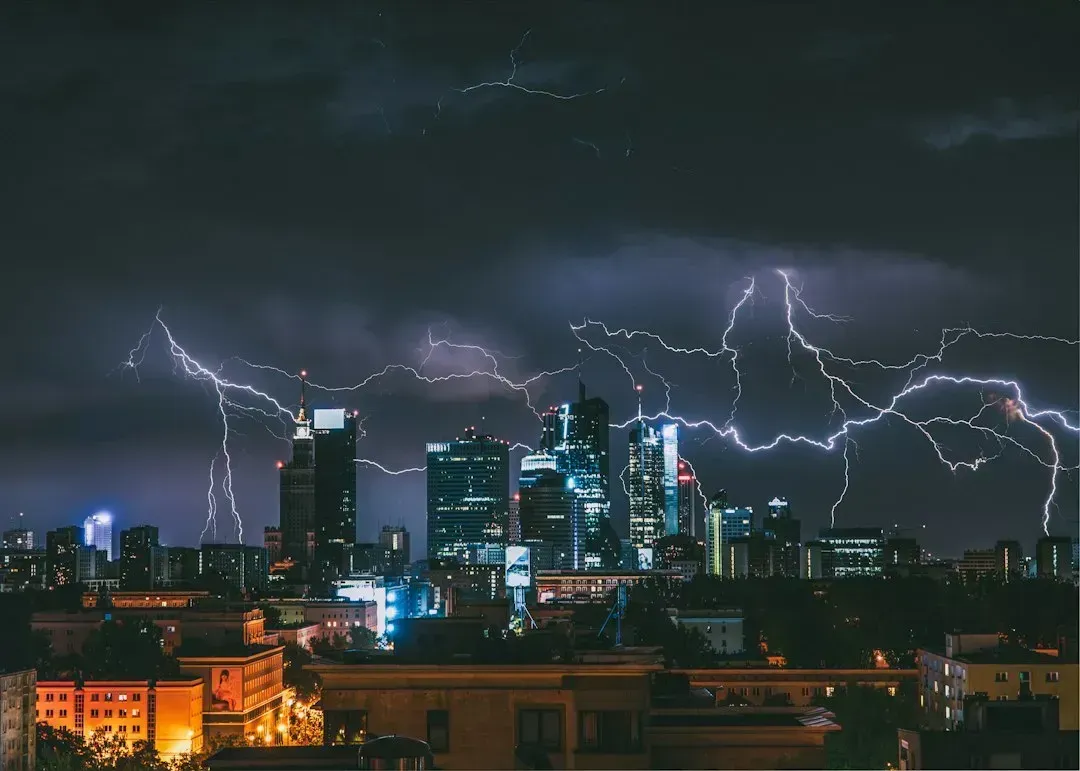
Vaisala tracks lightning worldwide, and AccuWeather used its data to compare U.S. towers for 2015 to 2020. The Empire State Building was struck about 50 times in that period. That works out to roughly ten a year by that particular count, lower than the commonly quoted average.
Another tower did much better, or worse. Chicago’s Willis Tower was hit with 250 lightning strikes between 2015 and 2020. Strike counts vary with building height, material and suppression systems, and local storm climate plays a role too.
What Lightning Does to Buildings Without Protection
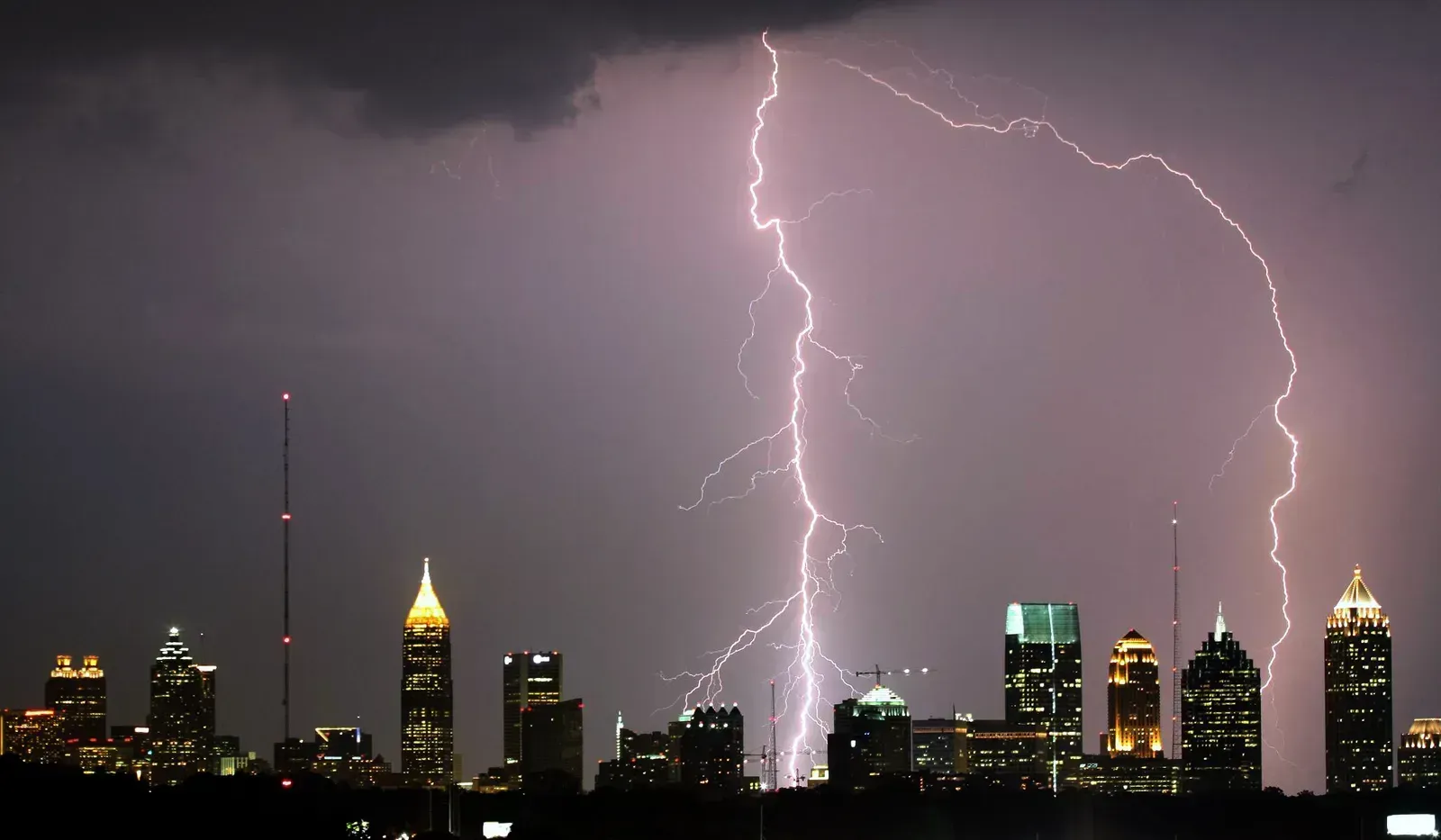
The stakes are real. The average lightning strike carries about 15 million volts, according to one lightning protection company. That is enough to start fires and wreck electronics.
Across the country, lightning causes more than 26,000 fires and between 5 and 6 billion dollars in property damage every year, by the same source’s estimate. Skyscrapers with proper rods avoid most of that. As NY1 reported, buildings in the city are hit dozens of times per year, usually without damage.
Staying Safe When Storms Roll In
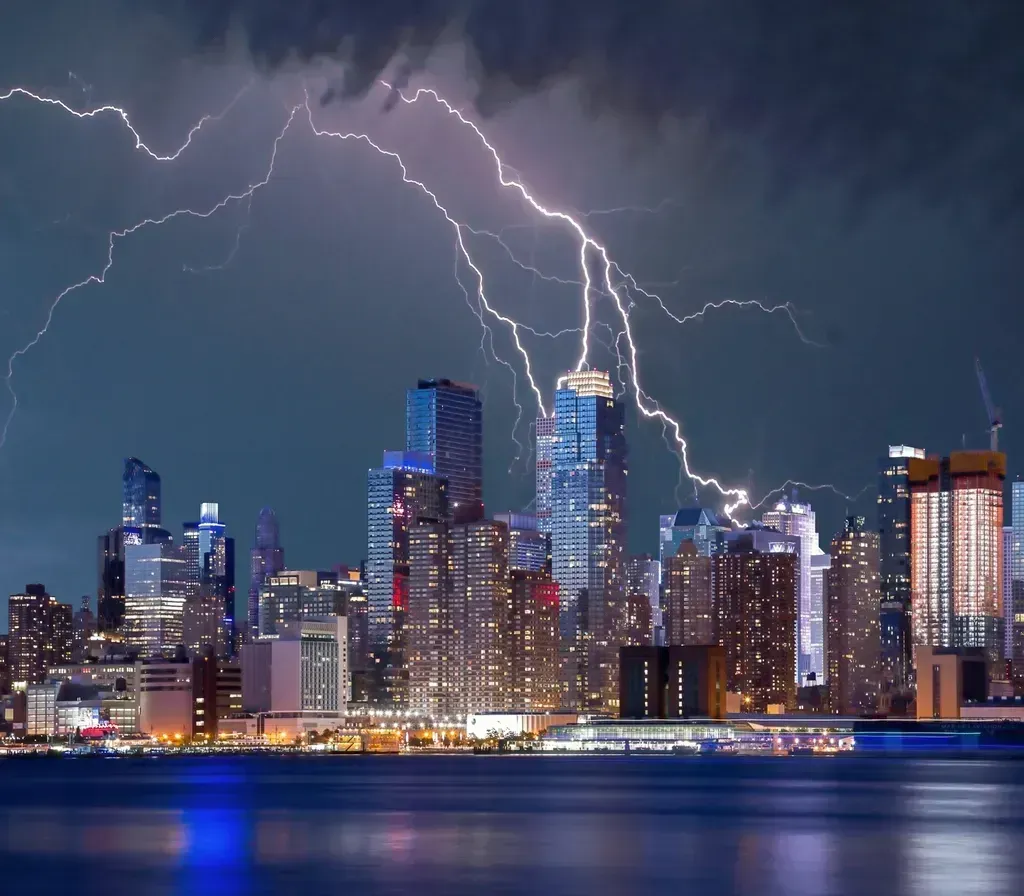
The building’s protection doesn’t extend to people on the street or in open areas. New York’s emergency management office suggests a simple habit: see lightning, then count the seconds before you hear thunder. If the gap is short, get indoors.
The city also classifies its own risk level. New York State is considered to have a moderate occurrence of lightning, at 3.8 strikes per square mile each year. The Empire State Building, with its height and rod, simply attracts far more than its share of that.
