


- 9 Items Experienced Skywatchers Bring Along That Beginners Always Wish They’d Packed - November 12, 2026
- I Moved to Tornado Alley in Oklahoma – 7 Things I Did Not Anticipate About Storm Season - November 12, 2026
- VR tool shows how rising seas could flood Fort Lauderdale - November 12, 2026
Baby Boomers, born between 1946 and 1964, are now roughly in their early sixties to late seventies. Over their lifetimes, the way Americans think about air, water, wildlife and the climate has changed a great deal. Many of the rules people take for granted today didn’t exist when the oldest Boomers were children.
The events below aren’t a complete list, and historians could argue over the order. Still, each one marked a real turn in public attitudes or law, and Boomers watched every one of them unfold in real time.
The First Earth Day in 1970
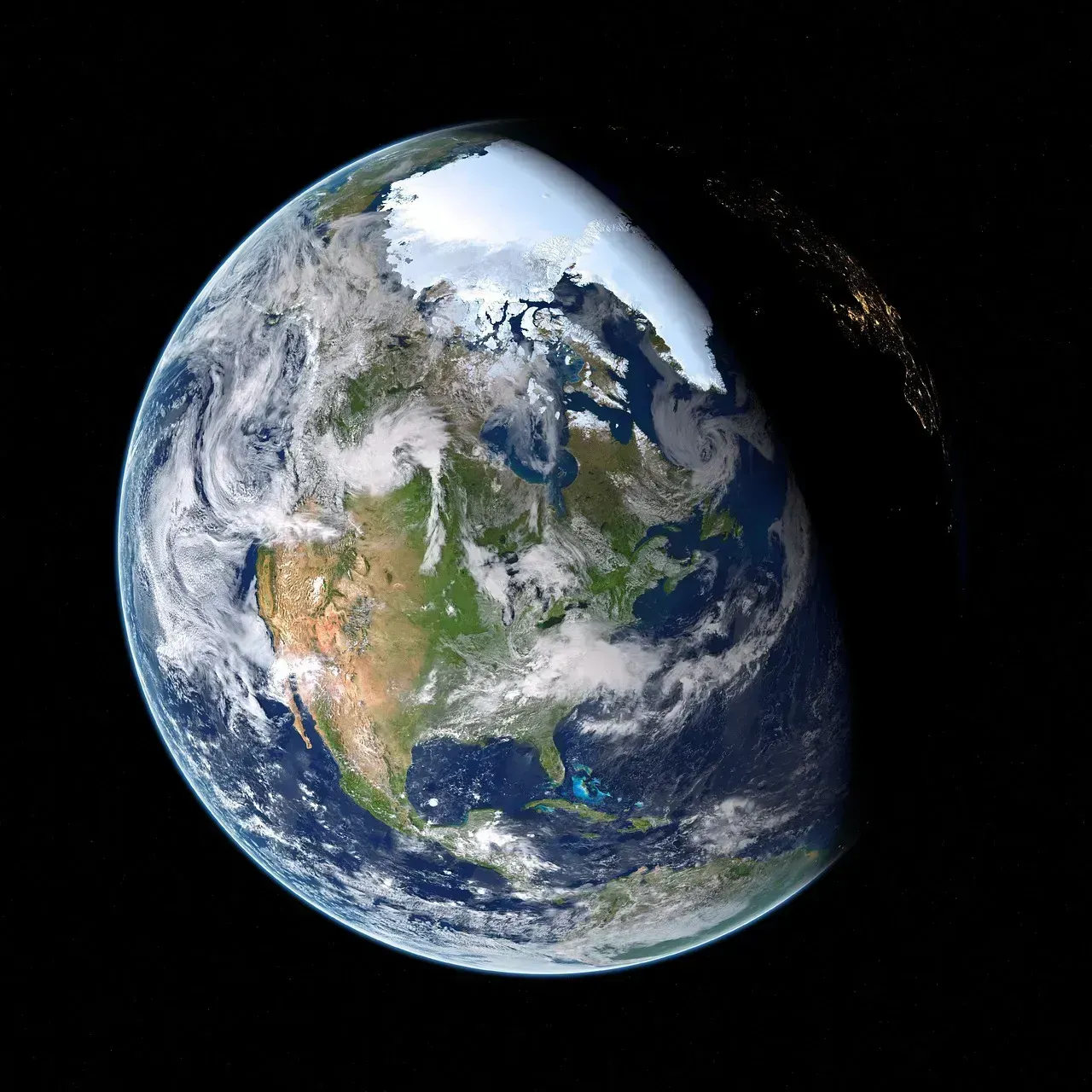
On April 22, 1970, millions of people took part in the first Earth Day. Estimates commonly put turnout at about twenty million Americans, spread across campuses, city streets and small towns. Senator Gaylord Nelson of Wisconsin was the main organizer, and the event grew out of a mood shaped by oil spills and polluted rivers.
Many Boomers were teenagers or young adults then, so this was their first large civic moment around the environment. It also showed politicians that environmental concern could draw a crowd across party lines. Earth Day is now observed in many countries every year.
The Creation of the EPA
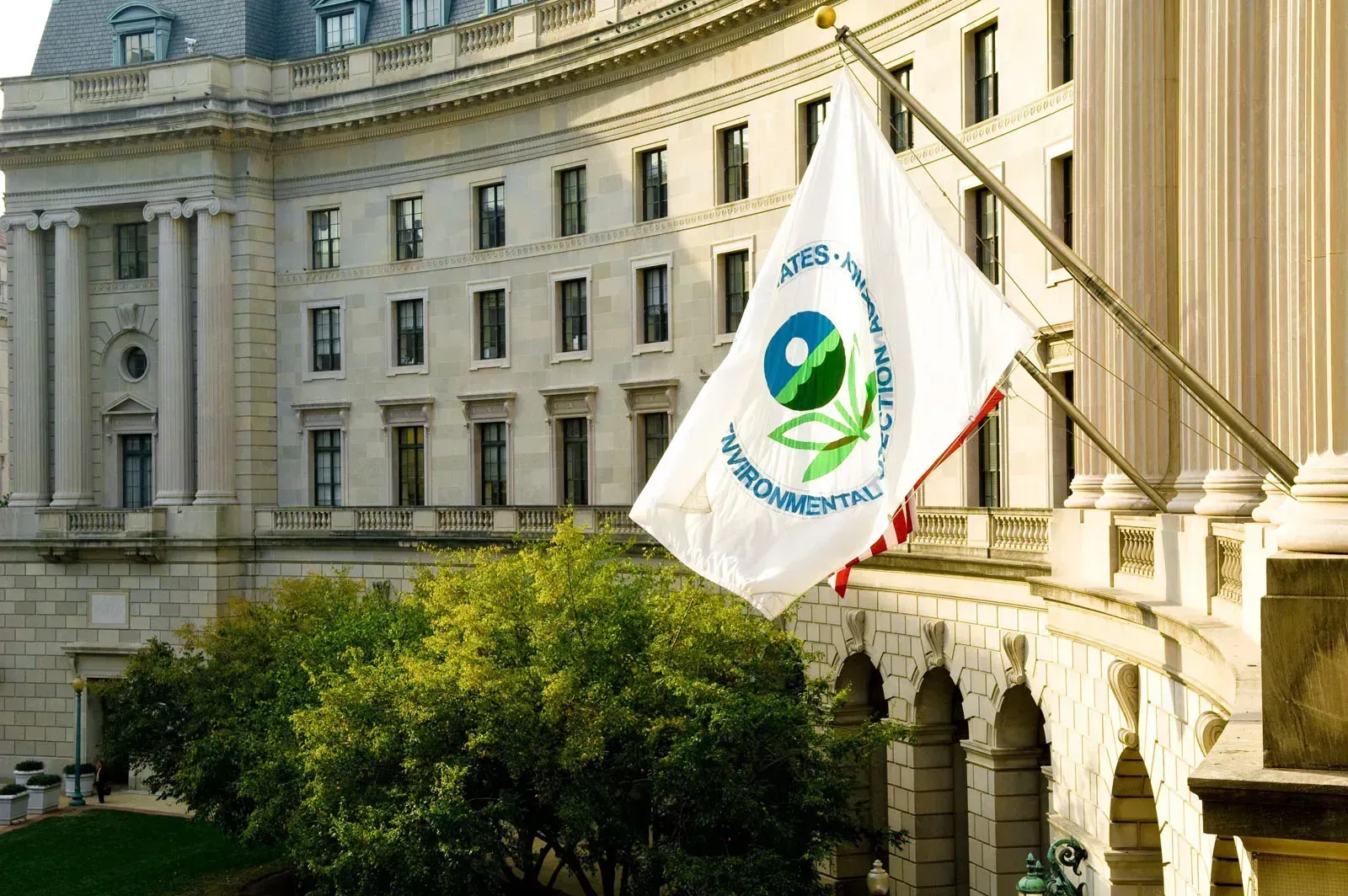
The Environmental Protection Agency began operating in December 1970. President Richard Nixon set it up by executive order, pulling together programs that had been scattered across several federal departments. The idea was to have one agency responsible for setting and enforcing pollution standards.
For Boomers, that meant a permanent federal watchdog appeared while they were entering adulthood. The agency has been argued over ever since, but its basic role, writing and enforcing national environmental rules, has lasted more than five decades.
The Clean Air Act and the Clean Water Act

Congress passed the Clean Air Act of 1970, which gave the EPA authority to set national air quality standards. Two years later came the Clean Water Act of 1972, which aimed to limit the discharge of pollutants into the nation’s waters. Congress passed the water law over a presidential veto.
The Cuyahoga River in Ohio, which caught fire in 1969, became a symbol of why these laws were wanted. Over the decades that followed, Boomers saw leaded gasoline phased out and smog controls become standard on cars. Rivers and lakes that had been treated as open drains gradually became places people fished and swam again.
Silent Spring and the DDT Ban
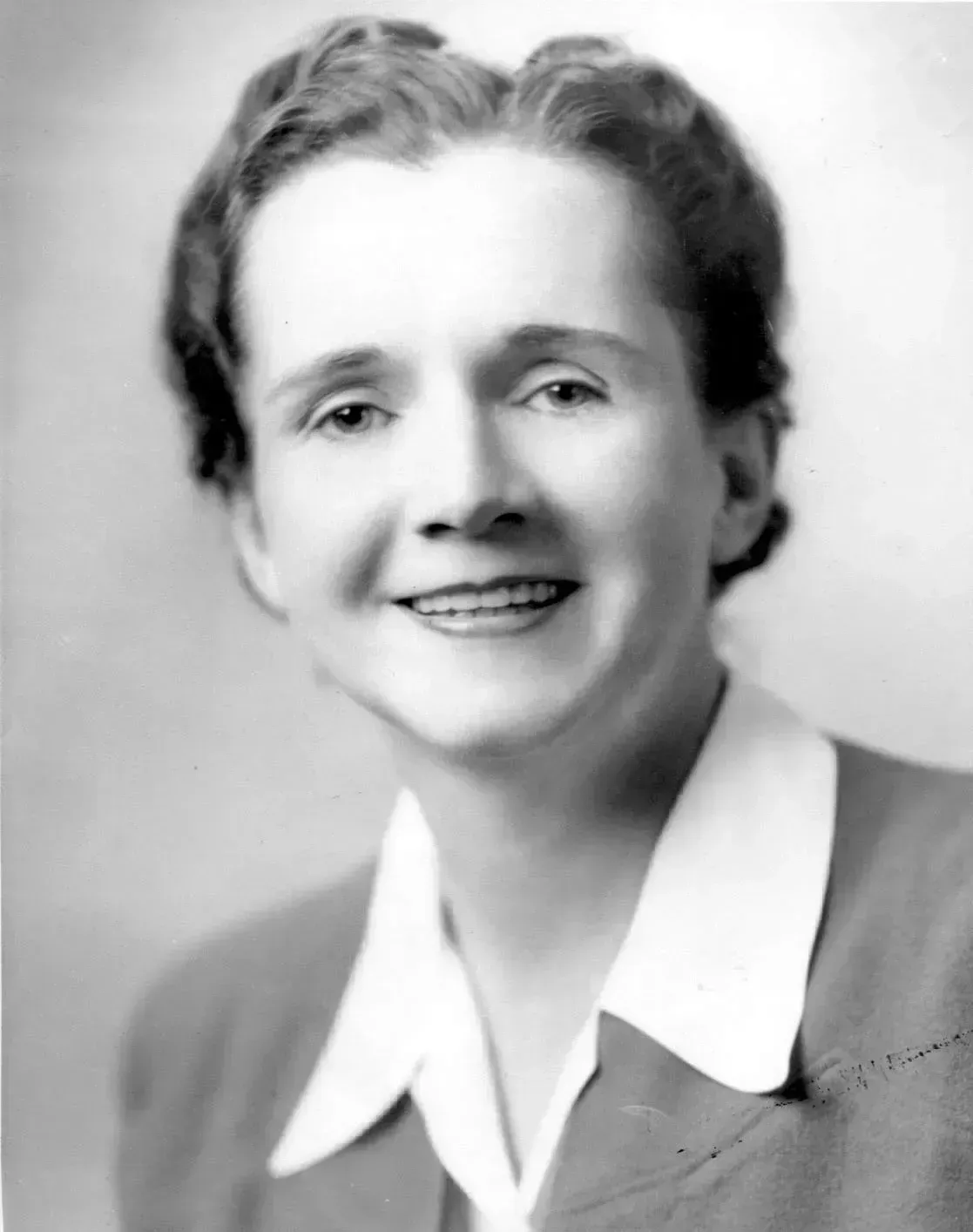
Rachel Carson published Silent Spring in 1962, when the oldest Boomers were in their teens and the youngest weren’t yet born. The book warned that pesticides, DDT in particular, were harming birds and other wildlife. It is widely credited with helping to spark the modern environmental movement.
The EPA banned most uses of DDT in the United States in 1972. Bald eagles, peregrine falcons and brown pelicans were among the species that later recovered. Boomers essentially lived from the warning to the payoff.
The Endangered Species Act of 1973

President Nixon signed the Endangered Species Act in December 1973. It gave the federal government power to protect threatened animals and plants, and to safeguard the habitat they depend on. The law passed with very large majorities in Congress, which is hard to imagine today.
Boomers saw the bald eagle removed from the endangered list in 2007, a high point for the law. The gray wolf and the American alligator are also often mentioned as species that gained from federal protection. Debates over how the act should be applied have continued into the 2020s.
Love Canal and the Creation of Superfund
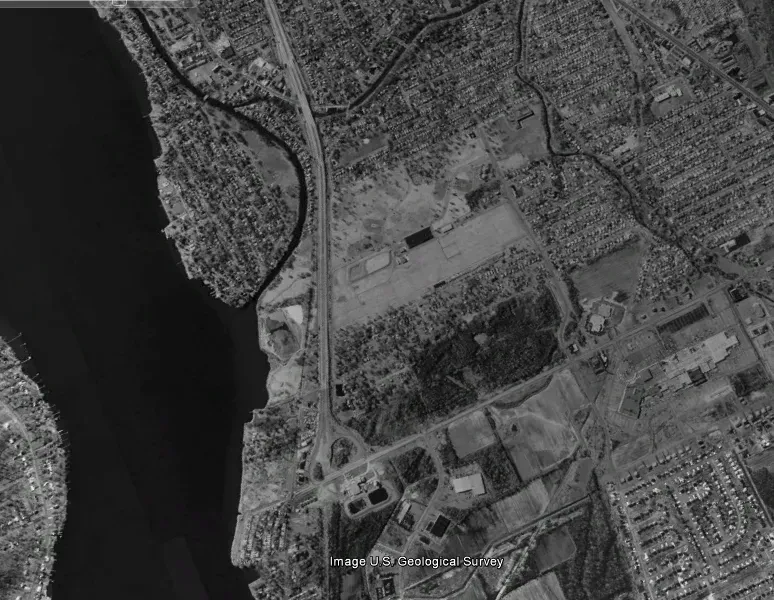
In the late 1970s, residents of the Love Canal neighborhood in Niagara Falls, New York, discovered that their homes sat on a buried chemical waste site. President Jimmy Carter declared a federal emergency there in 1978, and hundreds of families were relocated. The story made toxic waste a household concern.
Congress responded in 1980 by passing the law known as Superfund, formally the Comprehensive Environmental Response, Compensation, and Liability Act. It let the government clean up contaminated sites and pursue those responsible for the pollution. Many Boomers were raising young families when this happened, which made the issue feel personal.
The Ozone Hole and the Montreal Protocol
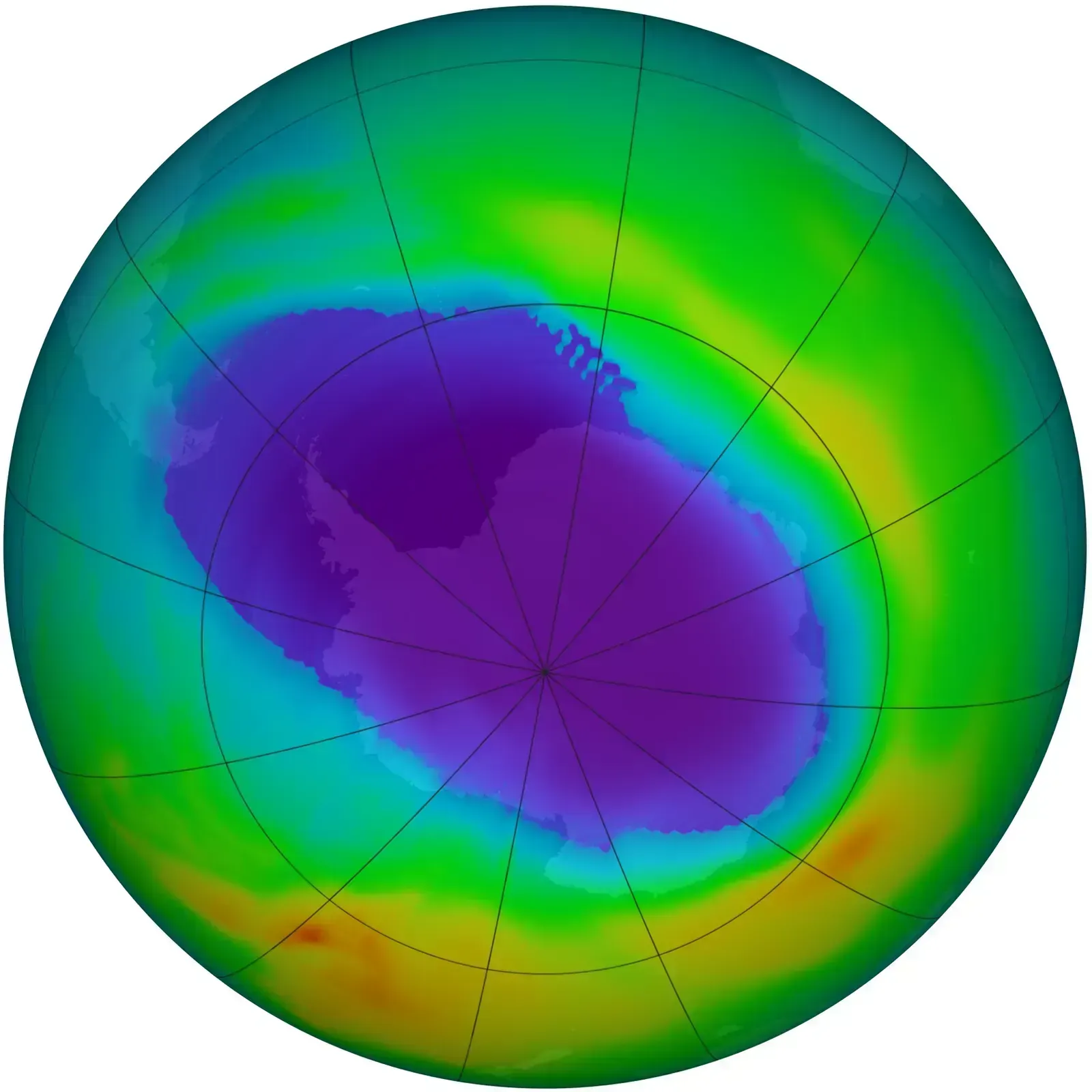
In 1985, scientists reported a large seasonal hole in the ozone layer over Antarctica. Chemicals called CFCs, once common in aerosol sprays and refrigerators, were identified as the cause. Just two years later, countries signed the Montreal Protocol to phase them out.
The treaty is often held up as one of the most successful international environmental agreements. United Nations scientific assessments have projected that the ozone layer should recover to 1980 levels around 2040 for most of the world, and later for Antarctica. Boomers watched the problem appear, get named and start to be fixed within one working lifetime.
Climate Change Moves to the Center of the Debate

In June 1988, NASA scientist James Hansen told a U.S. Senate committee that global warming was already under way. That same year the Intergovernmental Panel on Climate Change was established to assess the science. The topic moved from research journals into mainstream news.
Decades of negotiations followed, including the Kyoto Protocol in 1997. In December 2015, nearly two hundred countries adopted the Paris Agreement, which set goals for limiting warming. Boomers have lived through the whole arc, from a single Senate hearing to a global framework that is still being tested.
