

Spaceflight is rehearsed to a degree few other human activities are. Crews spend years in simulators, and flight controllers run through failures that may never happen. Even so, the record includes moments no checklist fully anticipated.
The nine episodes below span from the early 1960s to the 2010s. Each one started with something going wrong, and each was settled by people improvising with the tools and knowledge they had on hand.
Apollo 12 Is Struck by Lightning Twice
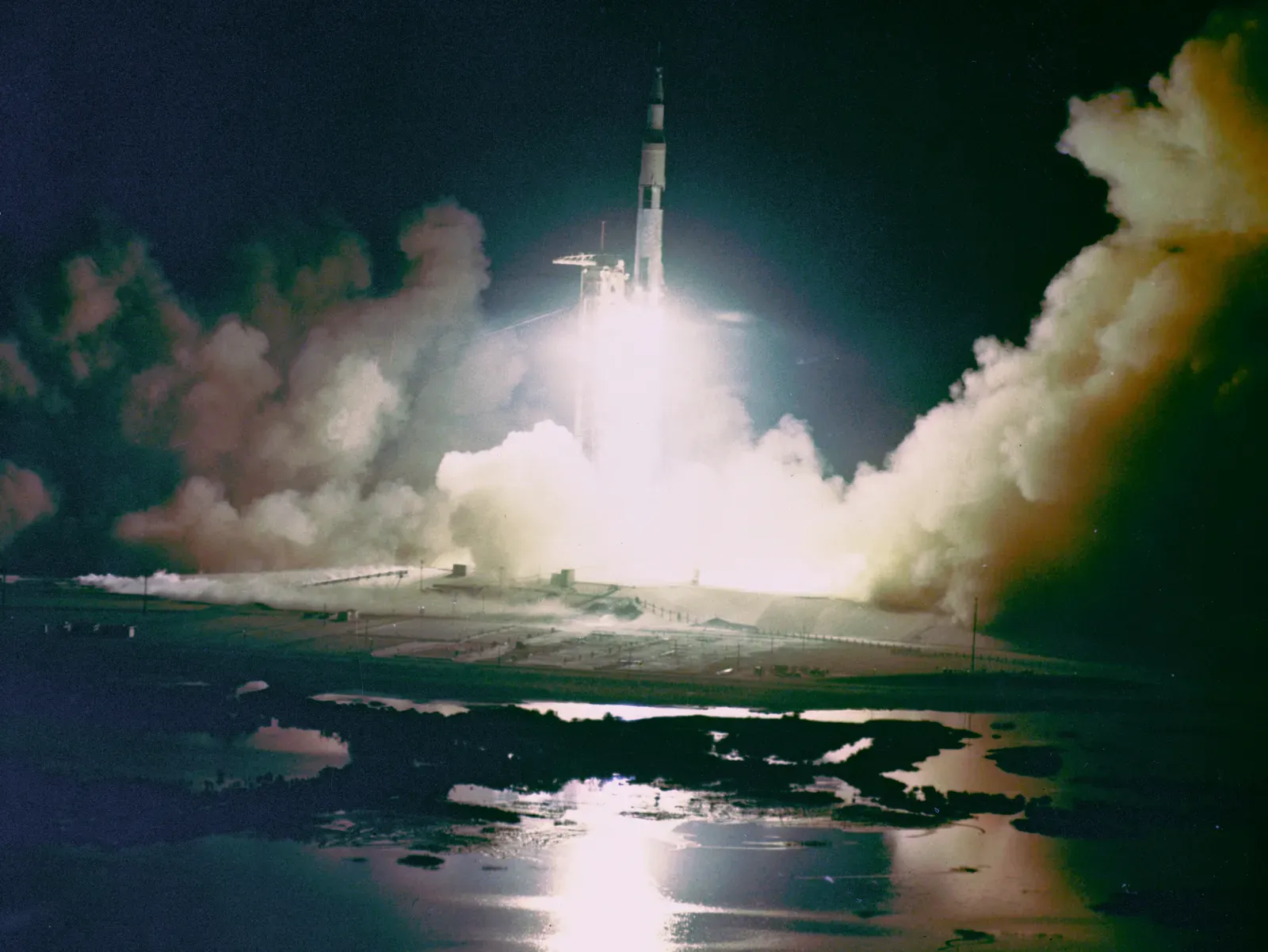
Apollo 12 lifted off from Kennedy Space Center on November 14, 1969, in rain and low clouds. Roughly half a minute into the flight, a lightning discharge ran through the exhaust plume and the vehicle. It happened again a short time later, and the command module lit up with warning lights as the fuel cells dropped offline and the platform guiding the spacecraft tumbled.
Flight controller John Aaron recognized the odd telemetry pattern from an earlier test and suggested a switch change to an auxiliary signal conditioning setting. Astronaut Alan Bean then brought the fuel cells back online. The crew, Pete Conrad, Richard Gordon and Bean, realigned the guidance platform in Earth orbit and continued to the Moon.
Gemini 8 Spins Out of Control
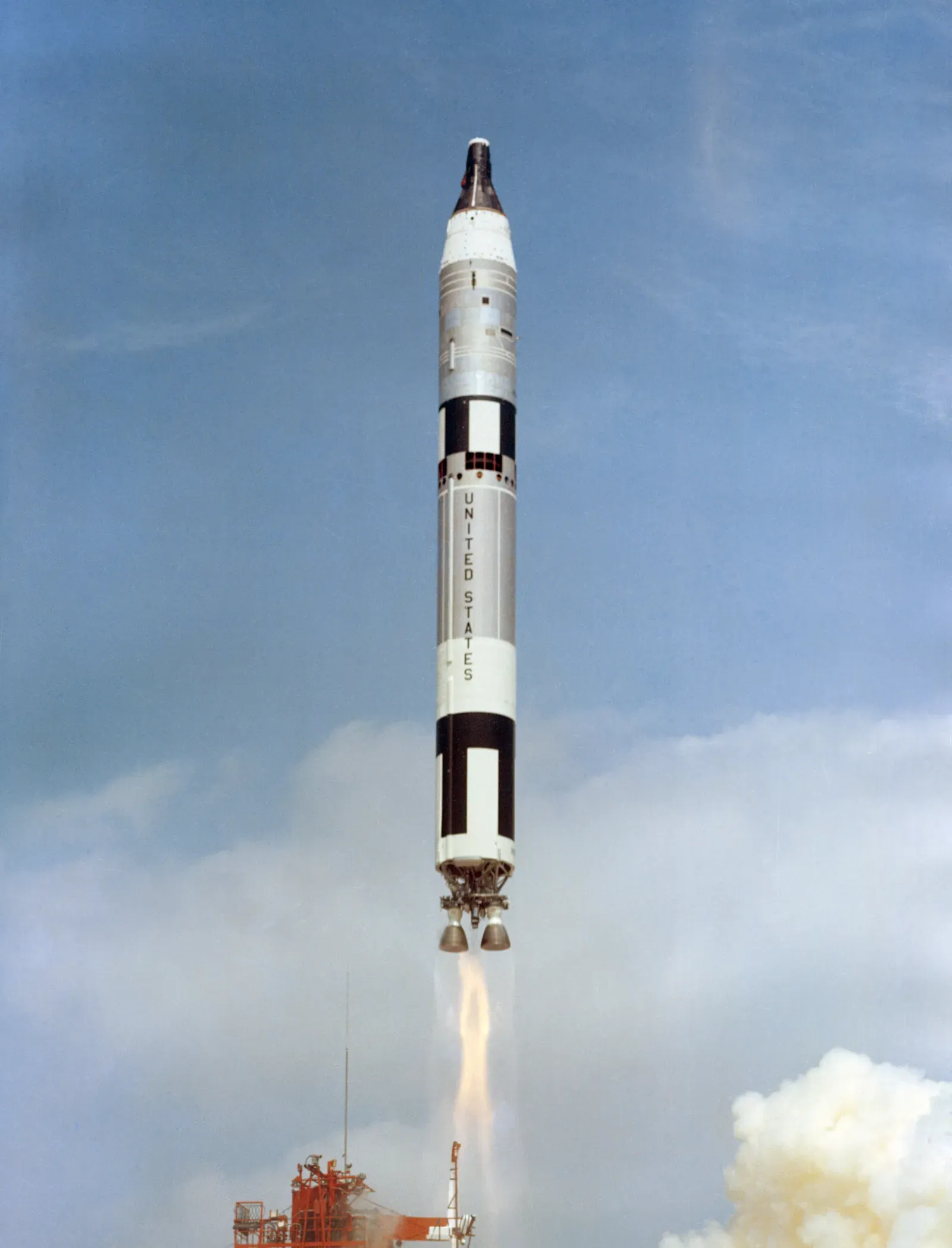
On March 16, 1966, Neil Armstrong and David Scott performed the first docking of two spacecraft in orbit, linking Gemini 8 with an uncrewed Agena target vehicle. Soon afterward the linked pair began to roll unexpectedly. Armstrong undocked, hoping the trouble was with the Agena, but the Gemini capsule then spun faster, reaching about one rotation per second.
Near blackout conditions were a real risk, so Armstrong shut down the main maneuvering thrusters and used the reentry control system to stop the spin. The cause was later traced to a stuck thruster on the Gemini spacecraft itself. Under mission rules, using the reentry thrusters meant coming home early, and the crew splashed down in the western Pacific after about ten hours in space.
Apollo 13 Loses Its Oxygen Tank
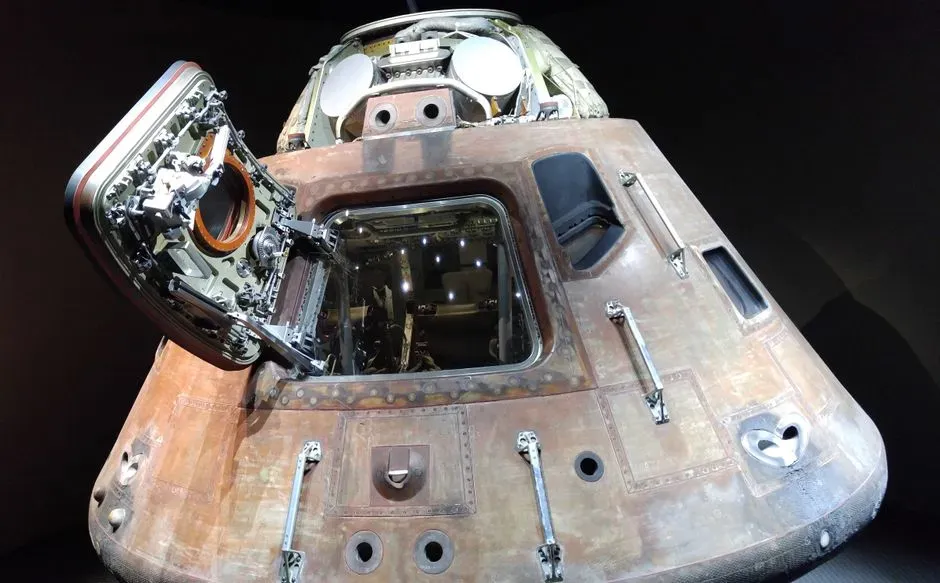
Apollo 13 launched on April 11, 1970, and about two days later an oxygen tank in the service module ruptured. The explosion crippled the electrical and life support systems of the command module. Jim Lovell, Jack Swigert and Fred Haise moved into the lunar module, which became a lifeboat far beyond its design duration.
One of the most famous problems was rising carbon dioxide. The command module’s scrubber cartridges were square and the lunar module’s receptacles were round, so ground teams devised an adapter from materials on board, including tape, plastic and cardboard. The crew splashed down safely in the Pacific on April 17, 1970.
Apollo 11 Lands Amid Computer Alarms
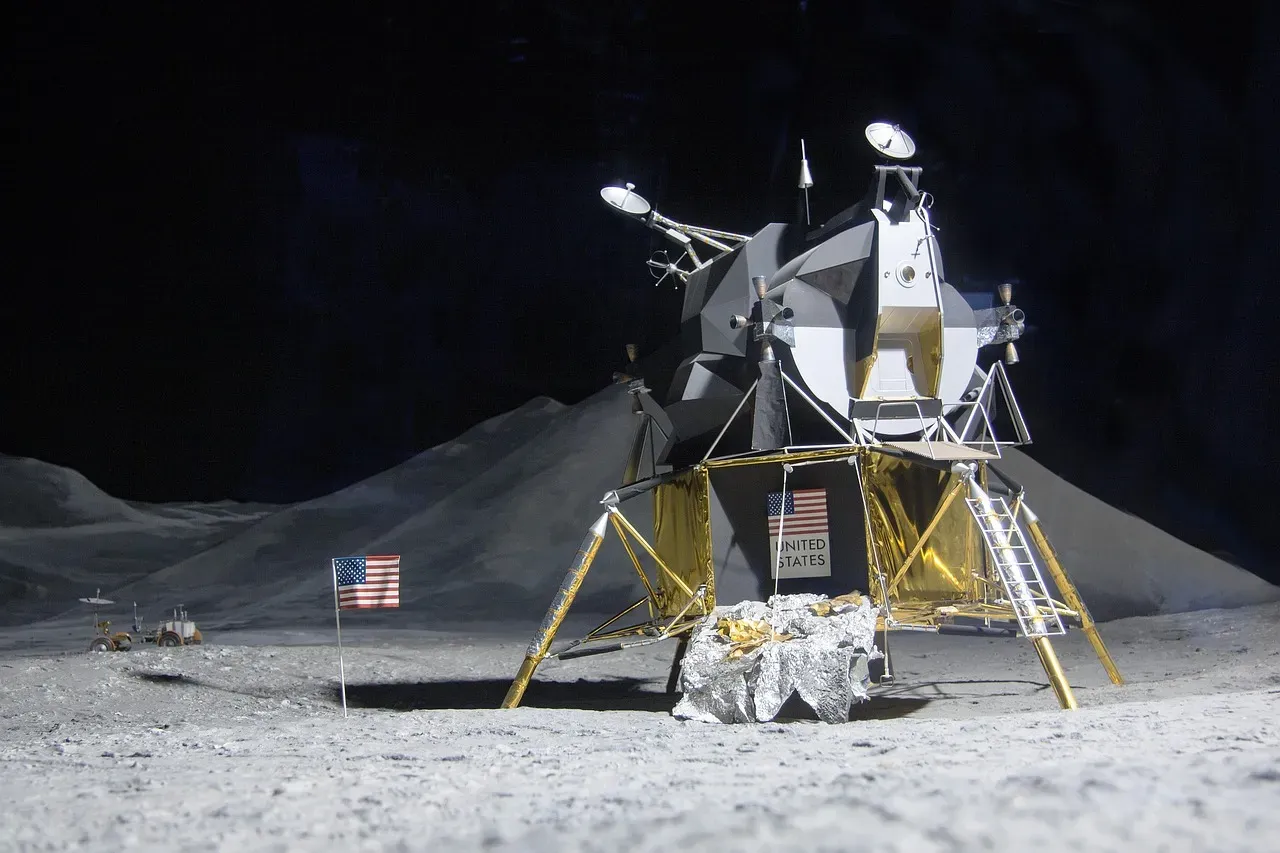
During the descent to the Moon on July 20, 1969, the lunar module’s guidance computer began throwing program alarms coded 1202 and 1201. They signaled that the computer was overloaded with tasks, and the crew had not seen them in that form during training. Controllers in Houston, including guidance officer Steve Bales, judged that the computer was still doing its important work and allowed the landing to continue.
Armstrong then noticed the automatic guidance was heading toward a field of boulders near a crater. He took semi manual control and flew farther downrange to find a smoother spot. The lander touched down with little fuel to spare, a detail that has been debated in the decades since, but the margin was clearly thin.
Apollo 11 and the Broken Circuit Breaker
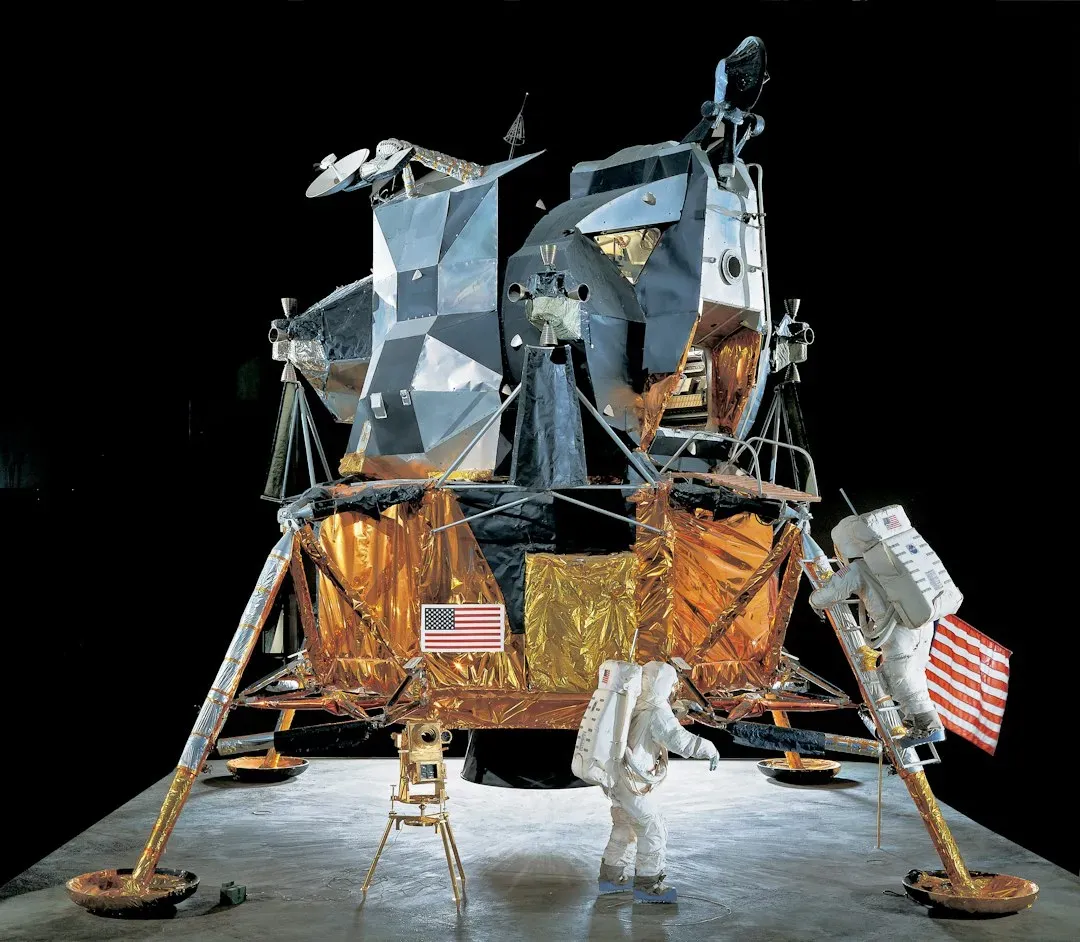
After the moonwalk, Buzz Aldrin noticed something wrong inside the cramped lunar module. A circuit breaker on the panel that armed the ascent engine had broken off, probably knocked by his bulky backpack. Without it working, the crew might not have been able to fire the engine to leave the Moon.
Mission staff studied the problem and found that the engine could still be armed if the breaker’s internal contact was pushed in. Aldrin used a felt tip pen to do it, and the ascent engine ignited as planned on July 21, 1969. It remains one of the most striking small fixes in the entire Apollo program.
Skylab Launches Without Its Shield
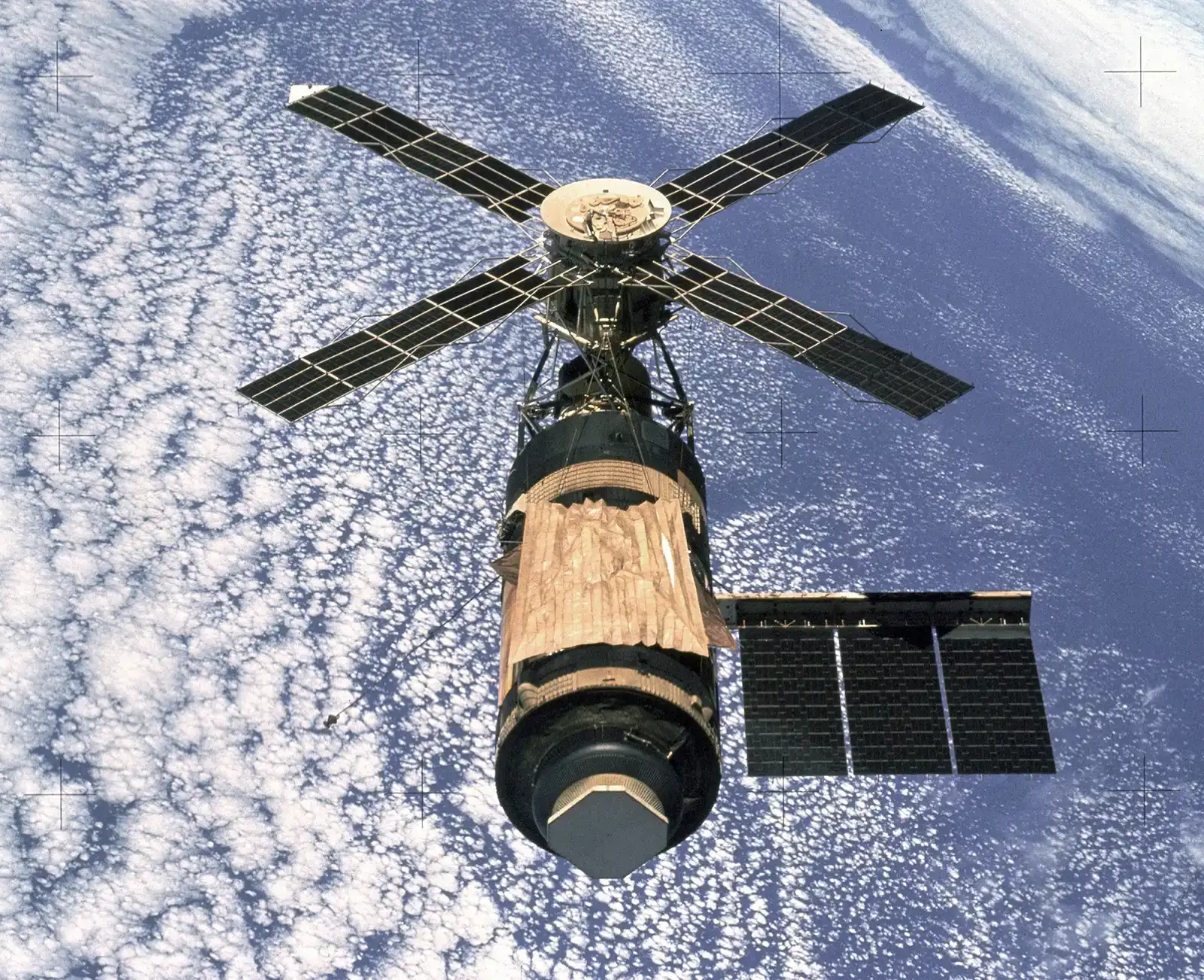
Skylab, the first American space station, was launched on May 14, 1973. During ascent, the micrometeoroid shield, which also served as a thermal barrier, tore away and took one of the main solar arrays with it. Another array was jammed shut by debris, leaving the station short of power and overheating inside.
The first crew launch was delayed while engineers designed a fix. Pete Conrad, Joseph Kerwin and Paul Weitz arrived on May 25 and deployed a parasol style sunshade through a science airlock, which cooled the interior. They then freed the stuck solar wing during a spacewalk and stayed aboard for about four weeks.
Faith 7 and a Manual Return
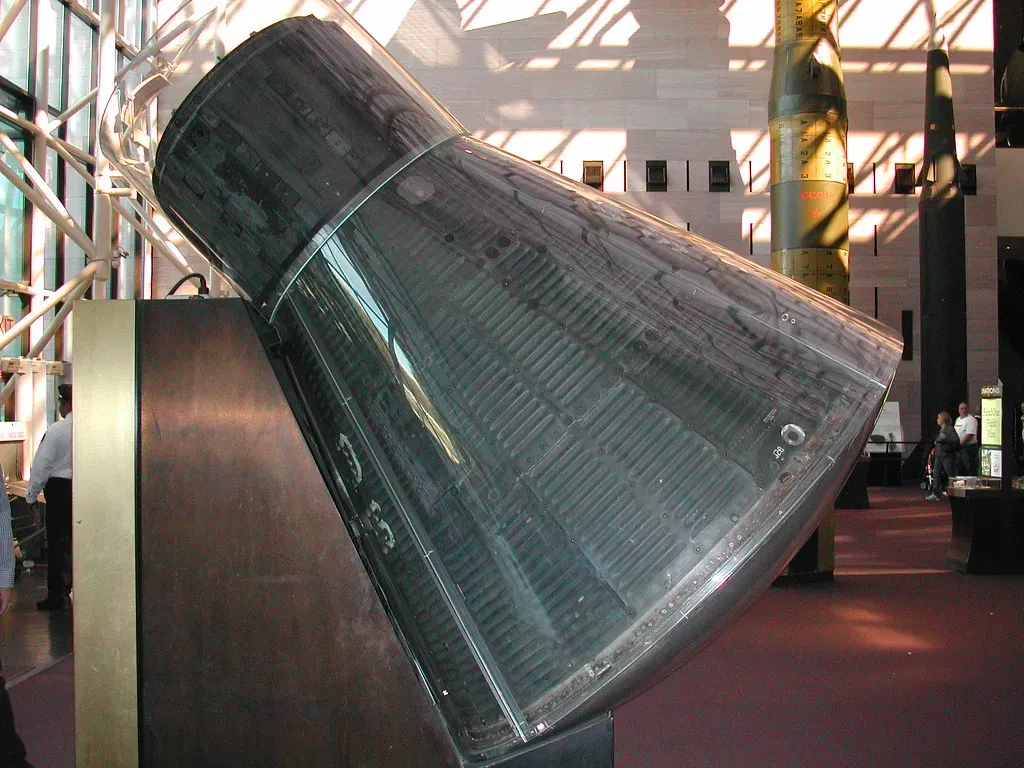
Gordon Cooper flew Mercury Faith 7 in May 1963, the last and longest of the Mercury missions, with twenty two orbits. Late in the flight, electrical problems knocked out the automatic control system and several key instruments. Cooper had to work out his own reentry procedure.
He used his wristwatch for timing and lined up the capsule by sighting the horizon and stars through the window. He then fired the retrorockets by hand and guided the capsule through reentry. Faith 7 splashed down very close to its recovery ship, the USS Kearsarge, in the Pacific.
Apollo Soyuz Returns With Toxic Fumes
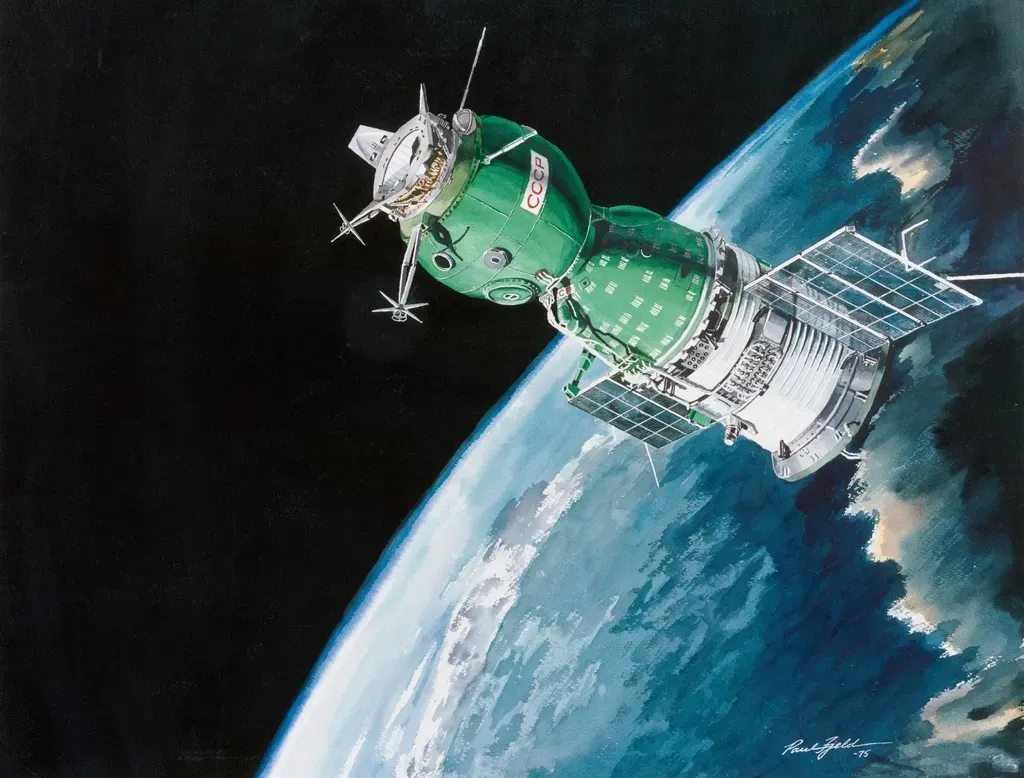
The Apollo Soyuz Test Project in July 1975 was a milestone of Cold War cooperation, with American and Soviet crews meeting in orbit. The trouble came during the Apollo crew’s descent on July 24. A switch had not been set correctly, which allowed reaction control thrusters to fire while the cabin vents were open, and propellant fumes drifted into the capsule.
Vance Brand briefly lost consciousness, while Tom Stafford managed to put oxygen masks on the crew. The capsule landed in the Pacific near Hawaii, and all three astronauts were treated in the hospital for lung irritation. They recovered, though the episode remains one of the more sobering endings to an otherwise celebrated mission.
Luca Parmitano’s Helmet Fills With Water
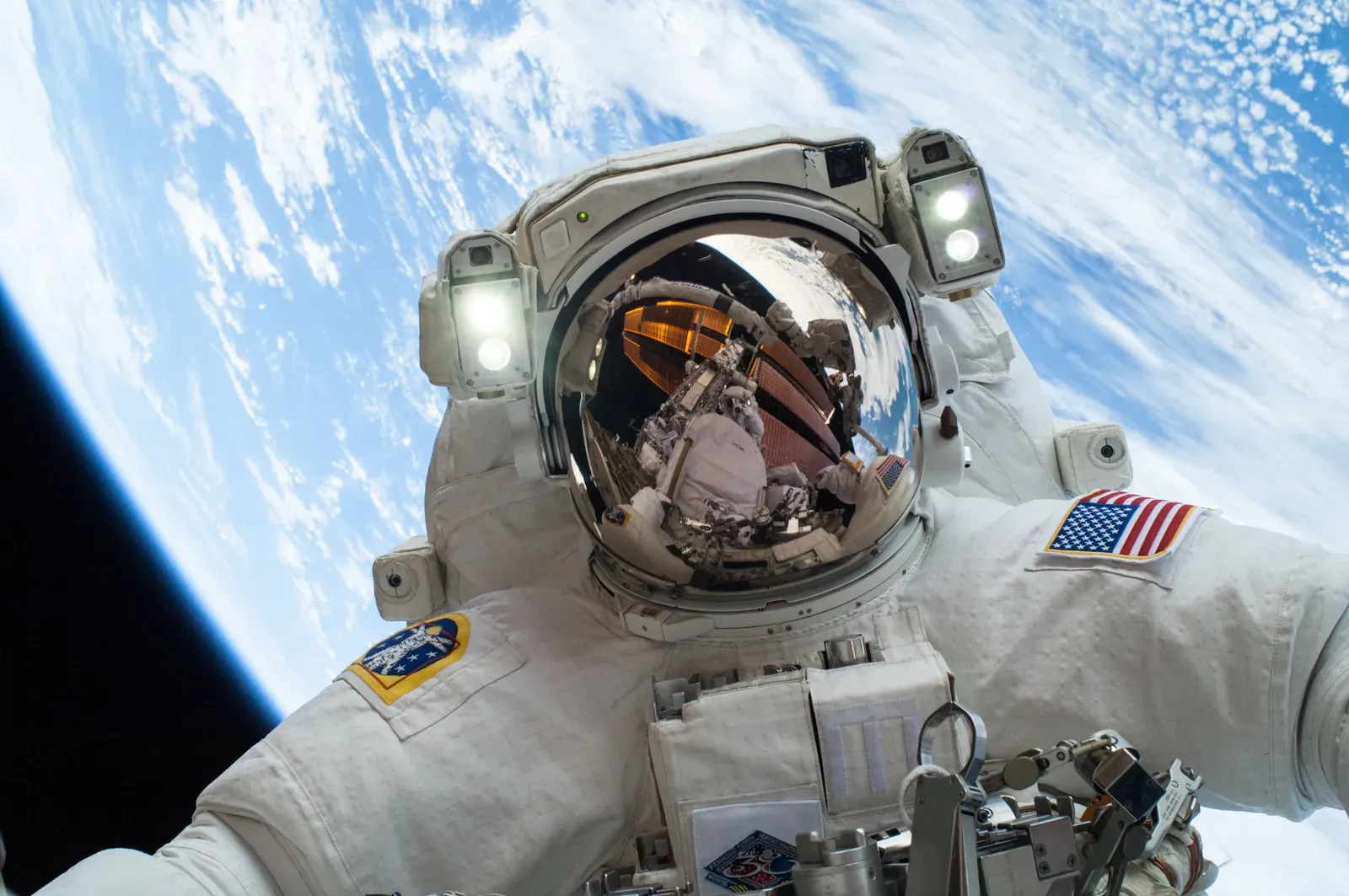
On July 16, 2013, Italian astronaut Luca Parmitano was outside the International Space Station on a spacewalk when he noticed water collecting in his helmet. Over the next minutes it grew, covering his eyes, ears and nose, and he lost sight and had trouble hearing. Fellow astronaut Chris Cassidy and the ground team called off the spacewalk after roughly an hour and a half.
Parmitano made his way back toward the airlock largely by memory and by following his tether. Both astronauts got inside safely, and he was unhurt. Investigators traced the leak to contamination that clogged part of the suit’s cooling system, and NASA changed procedures and equipment before spacewalks resumed.

- Time Moving Measurably Slower Near Orbit – 5 Relativistic Quirks Astronauts Face - November 13, 2026
- 6 Things Scientists Monitor in Space That Most People Never Think About - November 13, 2026
- I Asked AI and a Waste Auditor How to Cut My Household Trash – Where They Disagreed - November 12, 2026
