

- Phantom Energy Sucking Power 24/7 – 7 Home Electronics Quietly Inflating Utility Bills - November 14, 2026
- A Million-Mile Storm Raging for Centuries – 6 Violent Weather Wonders in Our System - November 14, 2026
- Animals Flee Hours Before the Tremor – 7 Natural Warnings Before Disasters Strike - November 14, 2026
Leaving the astronaut corps rarely looks like walking away from a dead end. For many of these people, it happened right after a landmark flight or a moment of public fame. Their next chapters took them into classrooms, courtrooms, Congress, and the ocean floor.
The eight stories below are drawn from well documented public records. Each one shows that an astronaut’s training and reputation can open doors far from the launch pad.
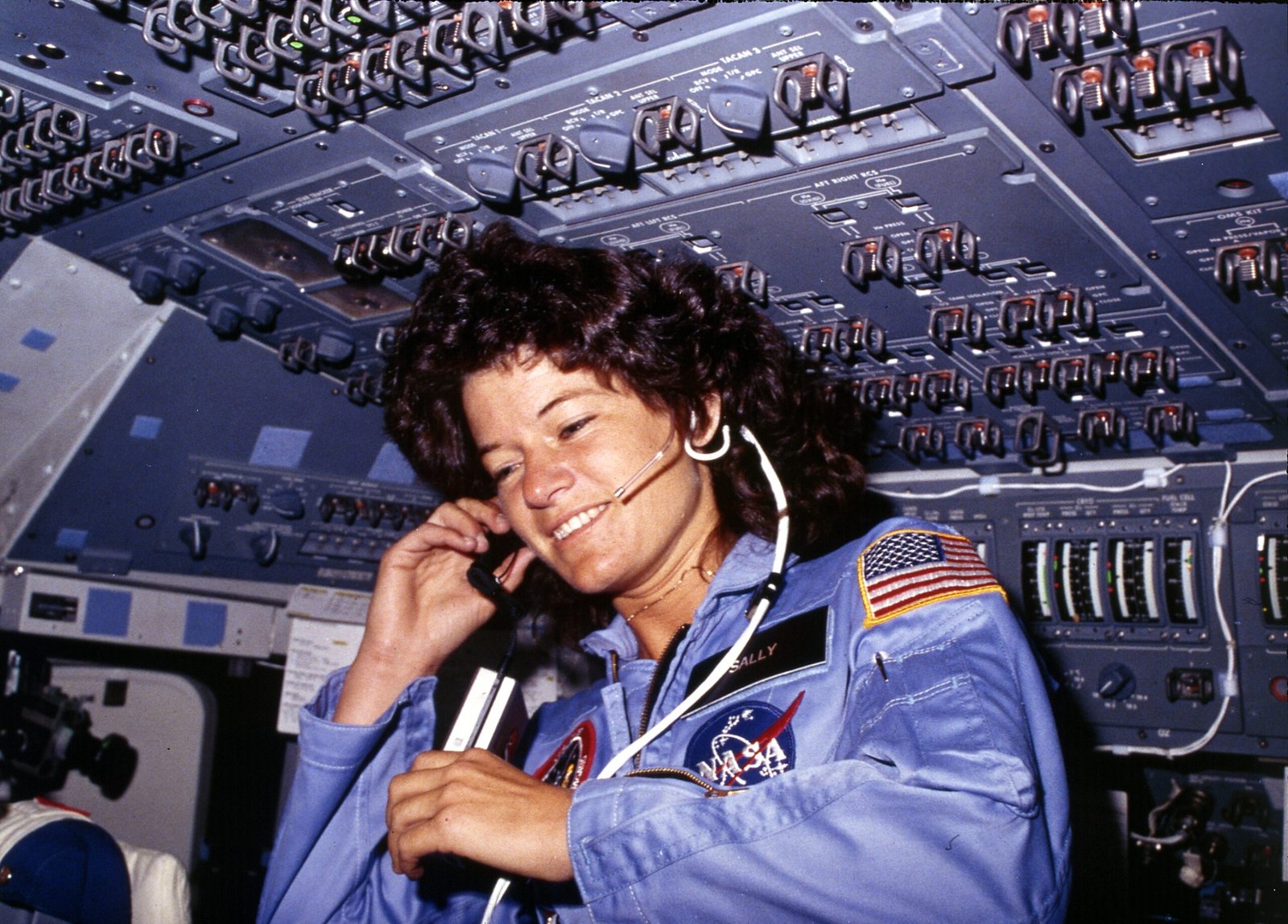
Sally Ride, From Space Shuttle to Physics Classroom
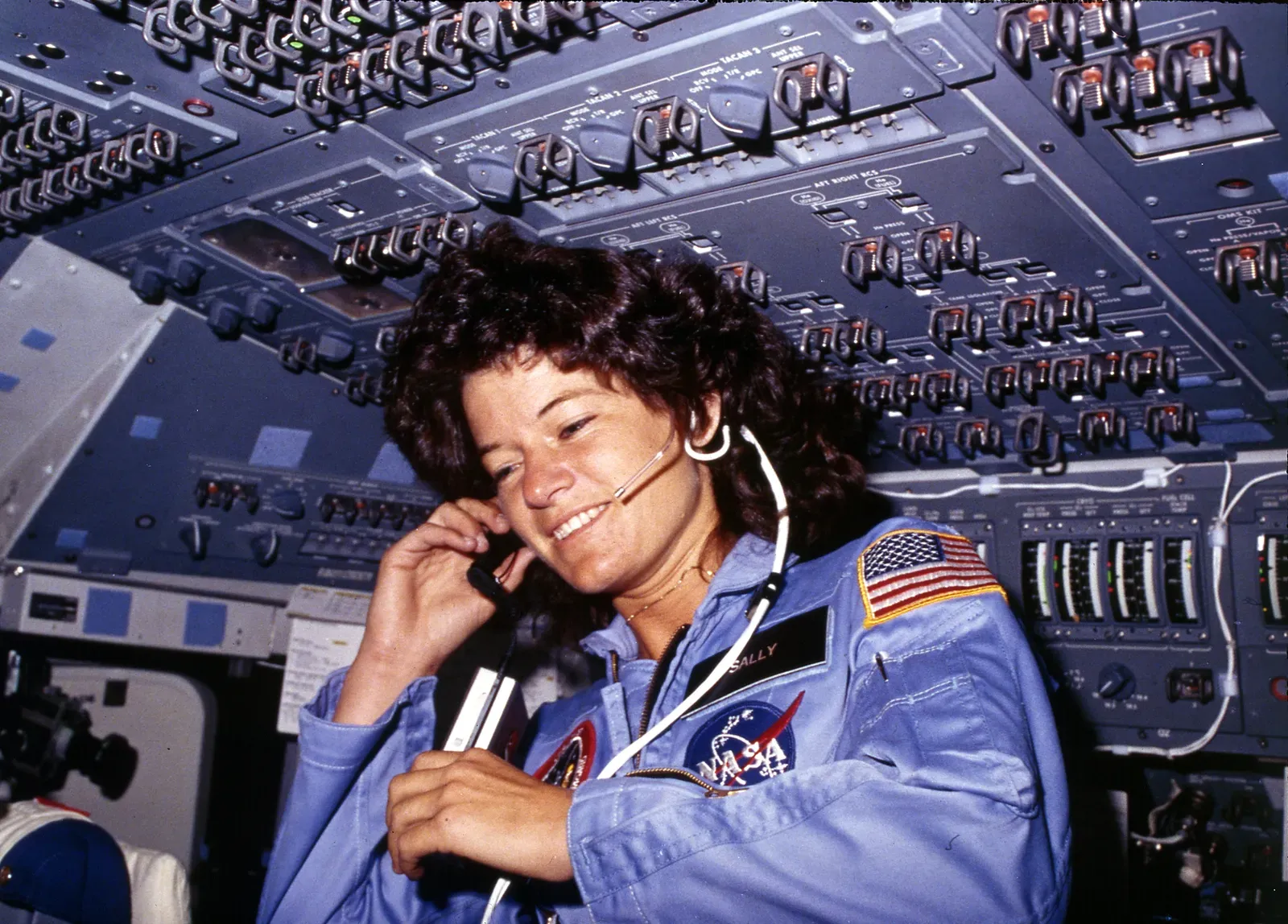
Sally Ride became the first American woman in space in 1983 aboard Challenger. She flew again in 1984, and she later served on the commissions that investigated the Challenger and Columbia accidents. She left NASA in 1987.
After NASA, she worked at Stanford’s arms control center and then became a physics professor at the University of California, San Diego. In 2001 she founded Sally Ride Science, a company built to get more girls interested in science and math. Her later career focused almost entirely on education.
Mae Jemison, Trading Orbit for Technology and Teaching
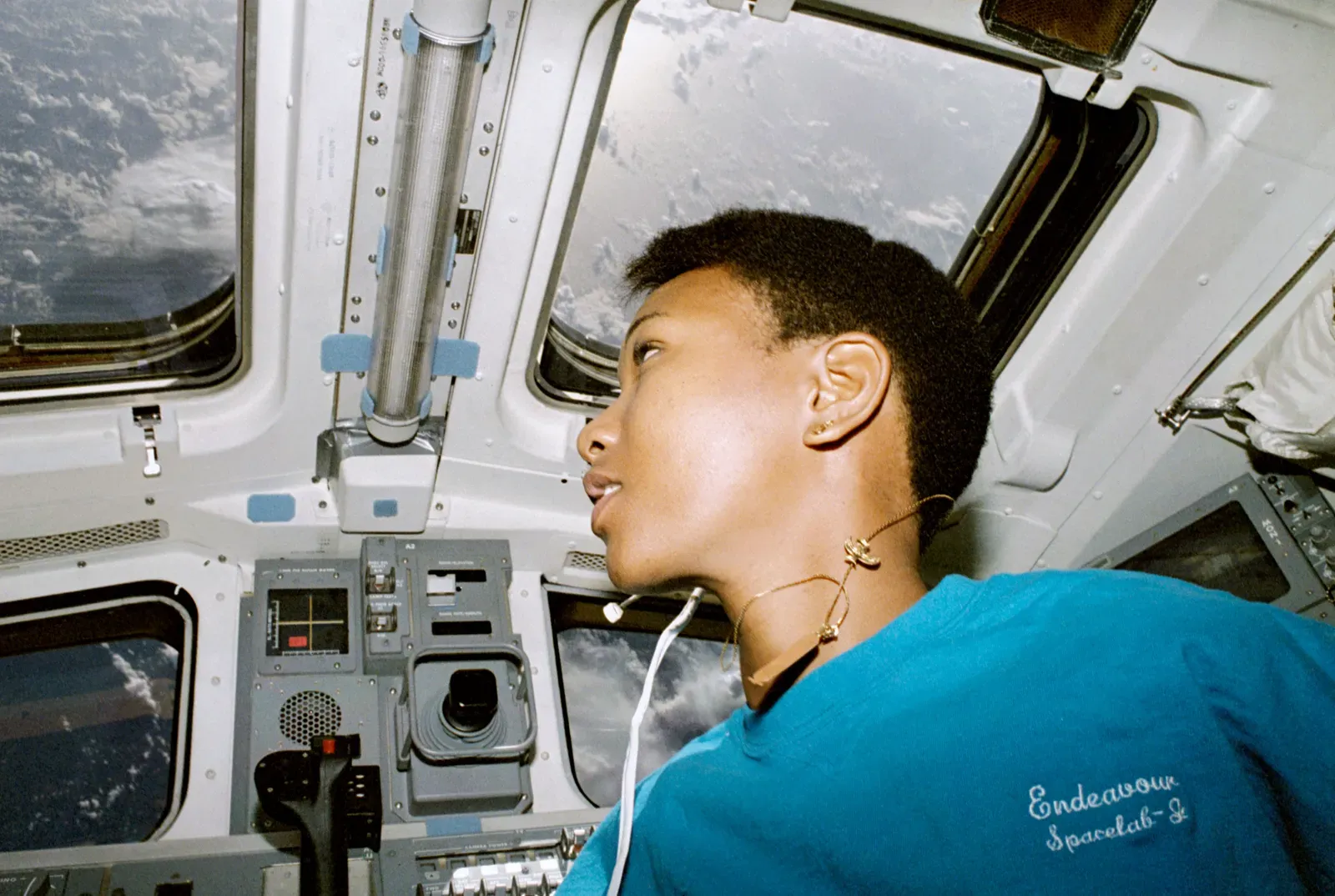
Mae Jemison flew on Space Shuttle Endeavour in 1992, becoming the first Black woman to travel into space. She resigned from NASA in 1993, only a year after that mission. Few astronauts have left so soon after such a visible milestone.
She went on to found The Jemison Group, a company focused on applying science and technology to daily life. She also taught at Dartmouth College. In 2012 her nonprofit team won a DARPA grant to launch the 100 Year Starship initiative, which studies the long term challenges of interstellar travel.
Mark Kelly, A Senate Seat After the Shuttle
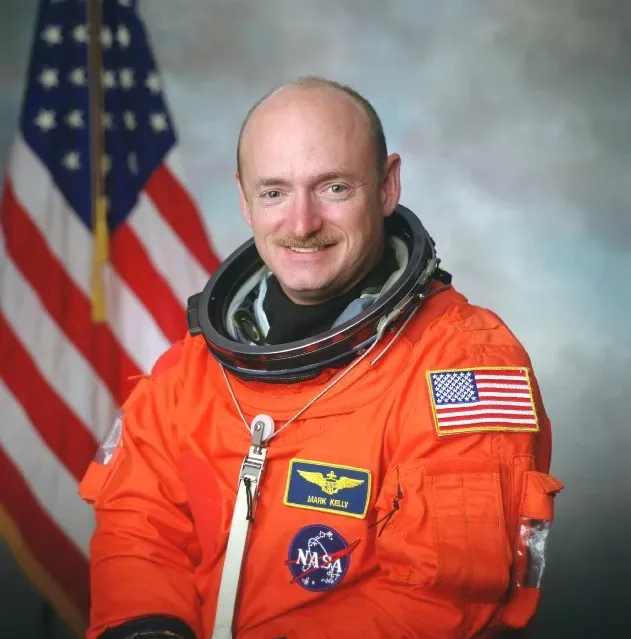
Mark Kelly flew four shuttle missions and commanded Endeavour’s final flight in 2011. Soon afterward, he retired from NASA and the Navy to care for his wife, Congresswoman Gabrielle Giffords, who had been shot in January 2011. It was a personal decision as much as a professional one.
He and Giffords went on to co-found a gun violence prevention organization, now known as Giffords. Kelly then entered politics and won a special election to the U.S. Senate from Arizona in 2020. He was elected to a full term in 2022.
John Glenn, Leaving Early for Politics
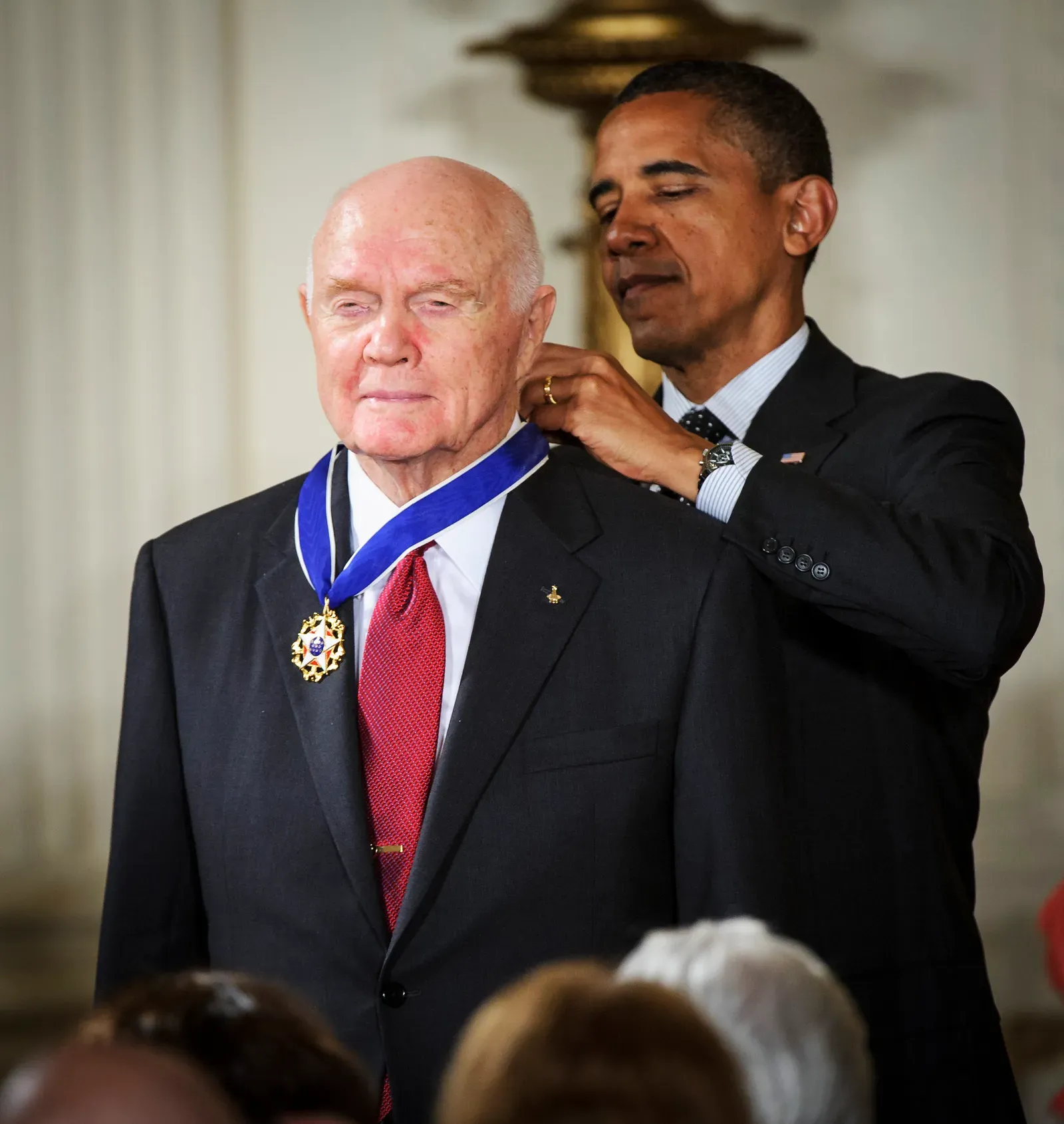
John Glenn became the first American to orbit the Earth in 1962, which made him a national hero almost overnight. He left NASA in 1964 with political ambitions, although injury and other setbacks delayed his first run for office.
He was finally elected to the U.S. Senate from Ohio in 1974 and served until 1999. In 1998, at the age of 77, he flew on the space shuttle Discovery, making him the oldest person to fly in space at that time. Very few people can claim both a Senate career and a second spaceflight.
Harrison Schmitt, The Geologist Who Became a Senator
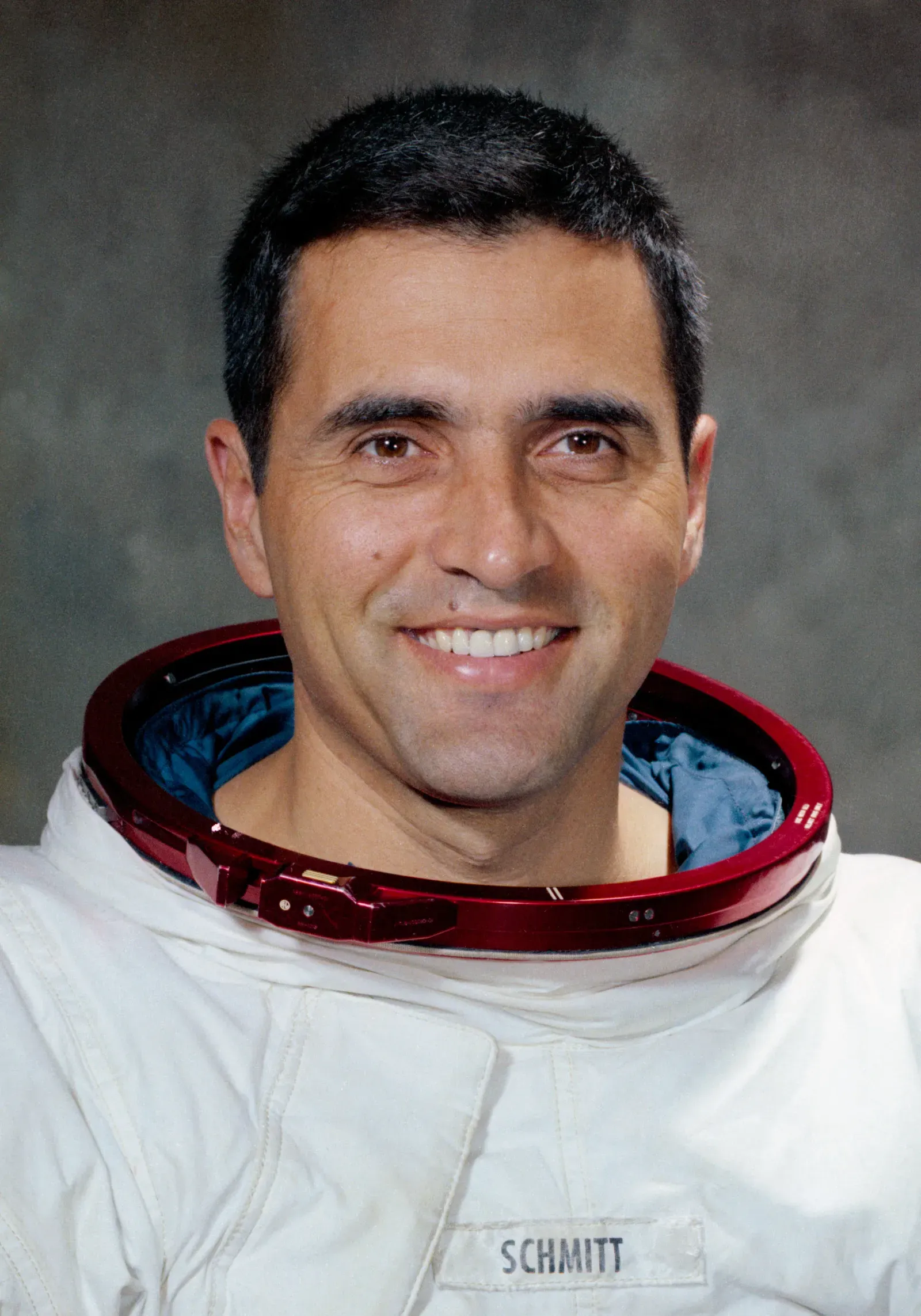
Harrison Schmitt walked on the Moon during Apollo 17 in December 1972. He was the only professional geologist to do so, and he was one of the last two people to walk on its surface. He resigned from NASA in 1975.
That same year he began a campaign for the U.S. Senate from New Mexico, and he won in 1976. He served one term, from 1977 to 1983. Afterward he worked as a consultant and advisor on science, energy, and space topics.
Chris Hadfield, The Viral Commander
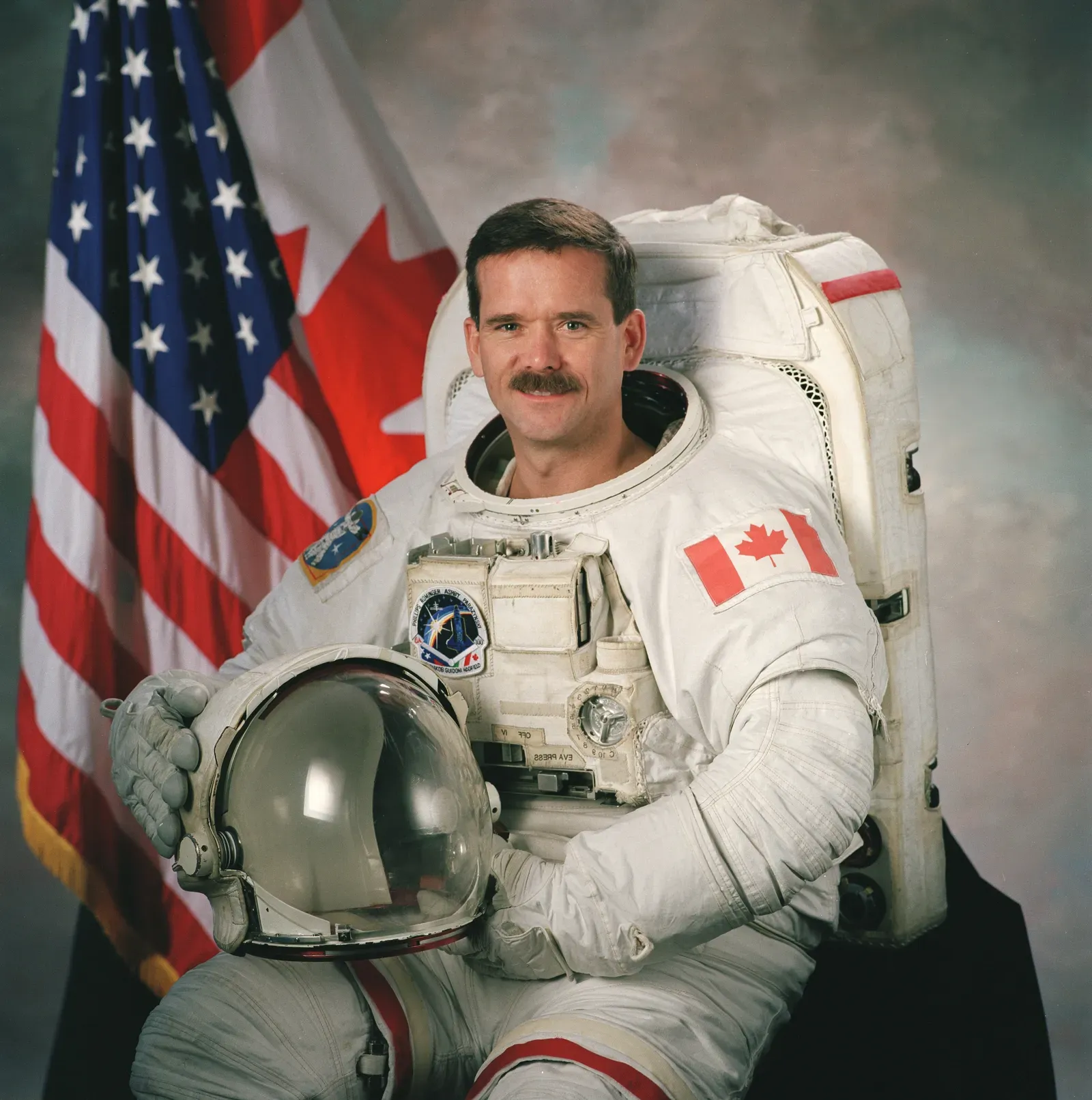
Canadian astronaut Chris Hadfield commanded the International Space Station during Expedition 35 in 2013. Although he was not a NASA employee, he flew as part of the shared astronaut program and trained heavily with NASA. He retired shortly after that mission, at a moment of extraordinary public attention.
His video of David Bowie’s Space Oddity, recorded aboard the station, drew a huge global audience. He later wrote the bestselling book An Astronaut’s Guide to Life on Earth and taught an online course through MasterClass. He has continued to work as a speaker, author, and musician.
Scott Kelly, After a Year in Orbit
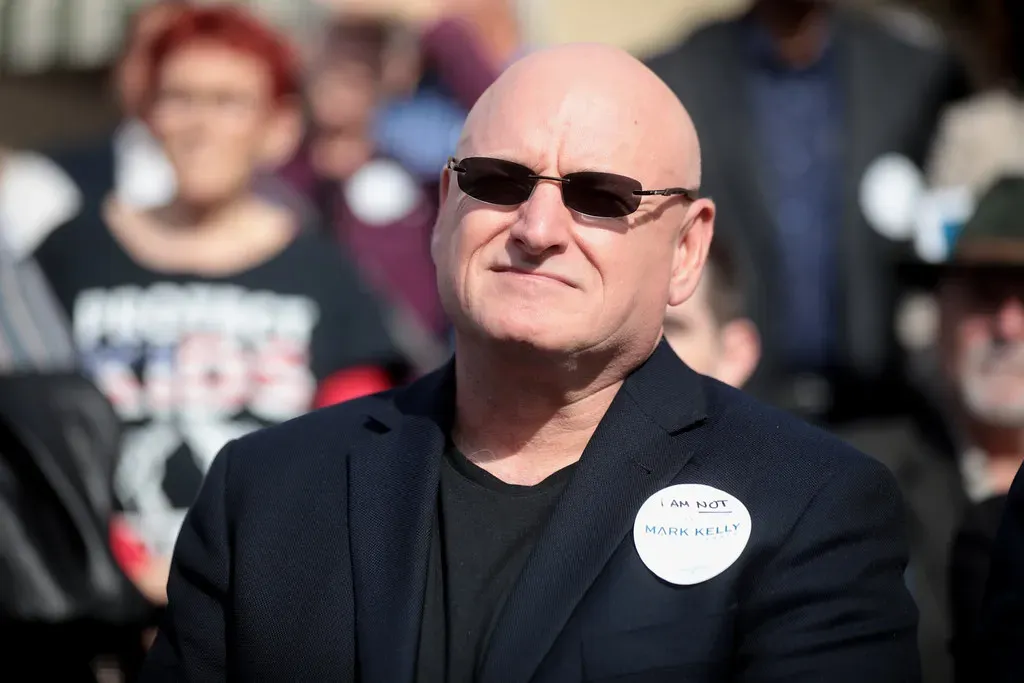
Scott Kelly spent nearly a full year aboard the International Space Station from 2015 to 2016. The mission gave researchers a chance to compare his body with that of his identical twin brother, Mark, who stayed on Earth. Scott retired from NASA in 2016, just after returning.
He published a memoir, Endurance, in 2017, which described the long mission and his earlier career. Since then he has worked as a public speaker and writer, and he has continued to discuss space exploration and human health in orbit.
Kathryn Sullivan, From Spacewalk to the Ocean Floor
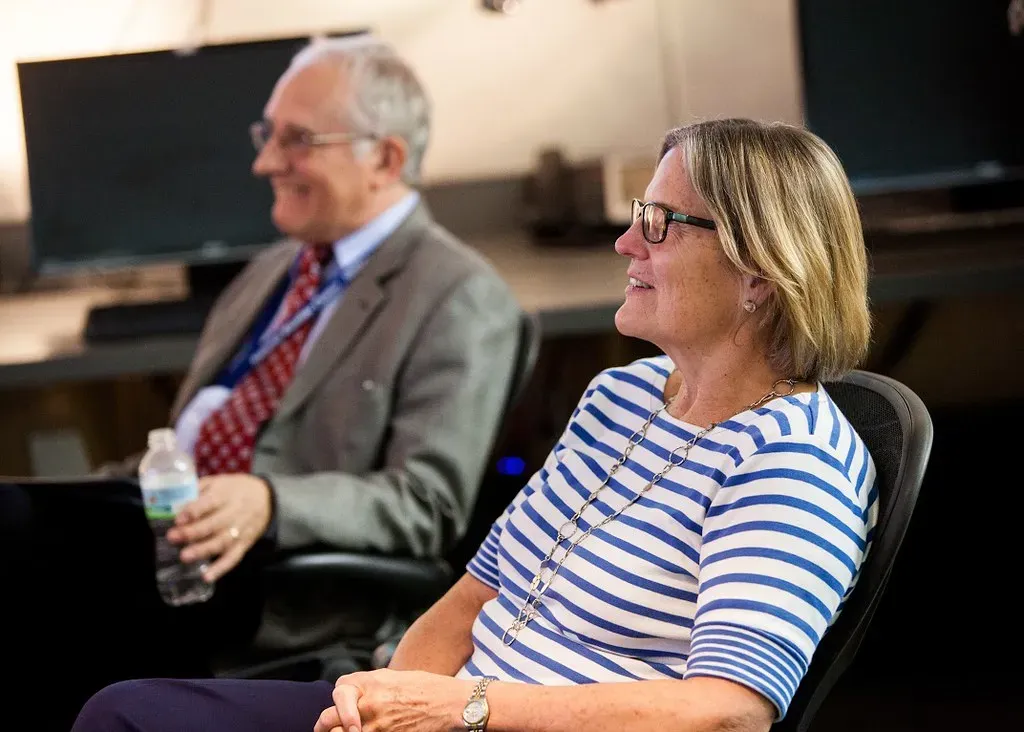
In 1984, Kathryn Sullivan became the first American woman to walk in space. She flew three shuttle missions in total, including the mission that deployed the Hubble Space Telescope. She left NASA in 1993 to become chief scientist at the National Oceanic and Atmospheric Administration.
She later returned to NOAA as its administrator, serving from 2014 to early 2017. In 2020 she descended to Challenger Deep, the deepest known point in the ocean, and became the first woman to do so. That dive made her the first person to have both walked in space and reached the deepest part of the sea.
