


- Phantom Energy Sucking Power 24/7 – 7 Home Electronics Quietly Inflating Utility Bills - November 14, 2026
- A Million-Mile Storm Raging for Centuries – 6 Violent Weather Wonders in Our System - November 14, 2026
- Animals Flee Hours Before the Tremor – 7 Natural Warnings Before Disasters Strike - November 14, 2026
A backyard compost pile looks forgiving. Toss in scraps, add some leaves, wait a few months, and soil appears. Most of the time that’s true, but a few items can turn a tidy heap into a smelly, pest-friendly mess.
Beginners often assume that anything once alive belongs in the bin. Guidance from sources like the U.S. Environmental Protection Agency and university extension programs points the other way for several common household items. Here are nine to keep out, and the reasons behind each.
Meat, Poultry, and Fish Scraps
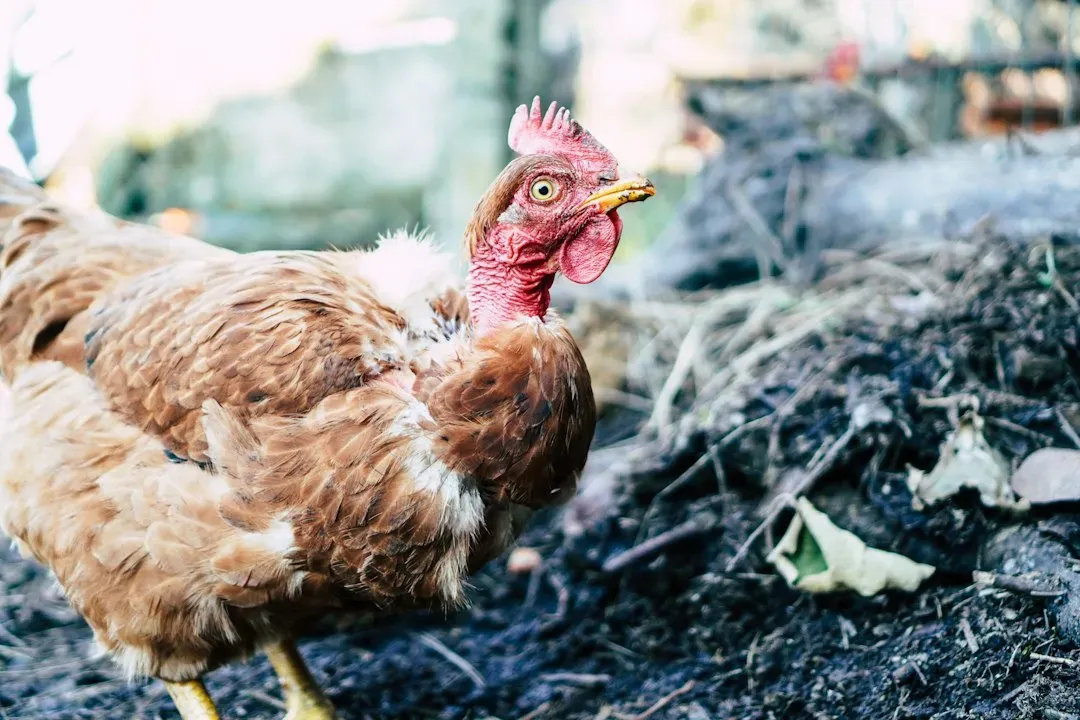
Animal proteins break down slowly and give off strong odors as they rot. That smell draws rats, raccoons, flies, and stray dogs. Extension services and the EPA both advise home composters to skip them.
Raw meat can also carry bacteria such as salmonella. Most backyard piles don’t stay hot enough for long enough to reliably kill pathogens. If you want to divert this waste, a municipal program that uses industrial composting is the safer route.
Dairy Products and Eggs
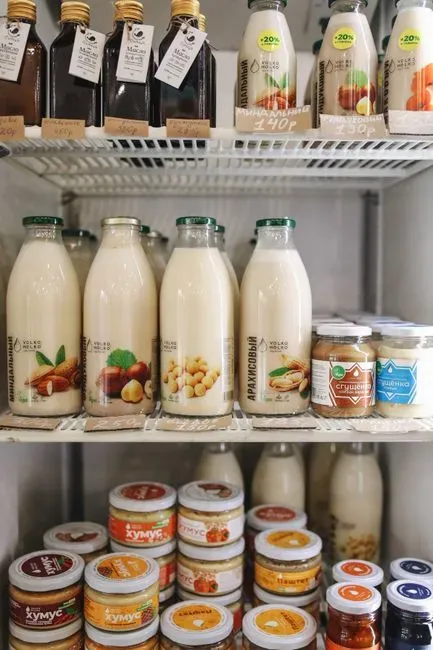
Milk, cheese, yogurt, and butter behave much like meat in a pile. They go rancid, smell sour, and attract animals. Their fat content also slows decomposition around them.
Crushed eggshells are a separate matter, since they’re mostly calcium and generally fine once rinsed. The egg contents and any cheesy leftovers are what cause trouble. Keep those out and your pile will stay much calmer.
Cooking Oils and Greasy Foods
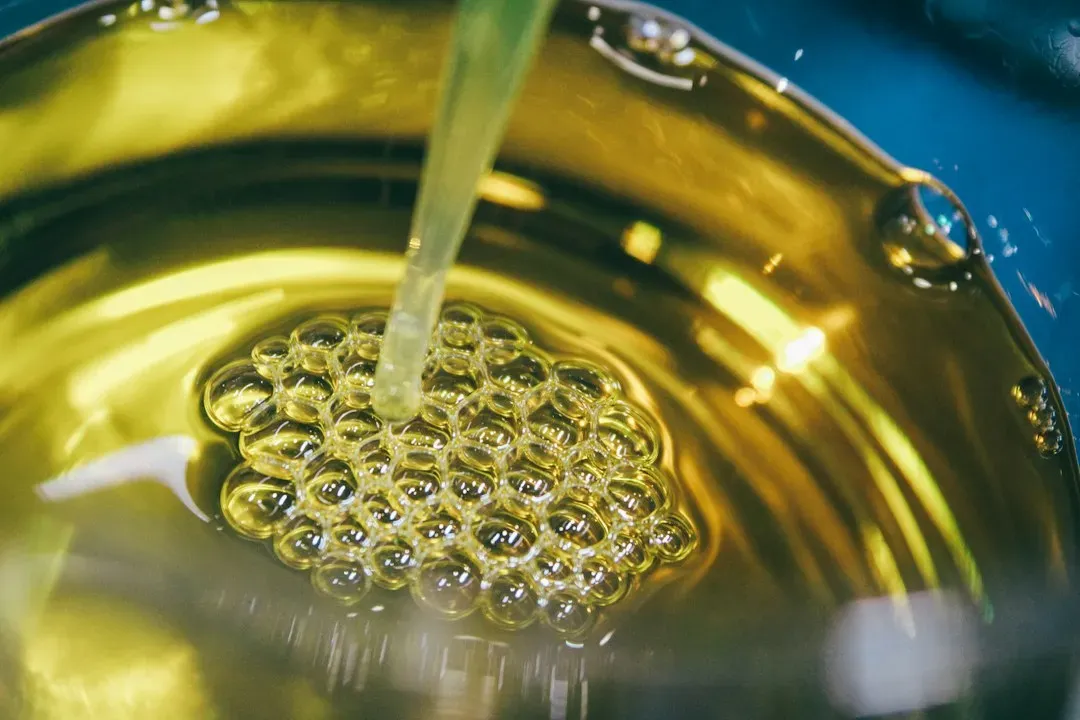
Oil coats organic material and blocks the air that composting microbes need. The result is a soggy, compacted area that turns anaerobic and starts to stink. Greasy leftovers, salad dressings, and fried foods all do the same thing.
A tiny smear from a paper napkin won’t ruin anything. Pouring in a pan’s worth of grease will. It’s better to wipe pans with paper and dispose of larger amounts of used oil through local collection or recycling options.
Dog and Cat Waste
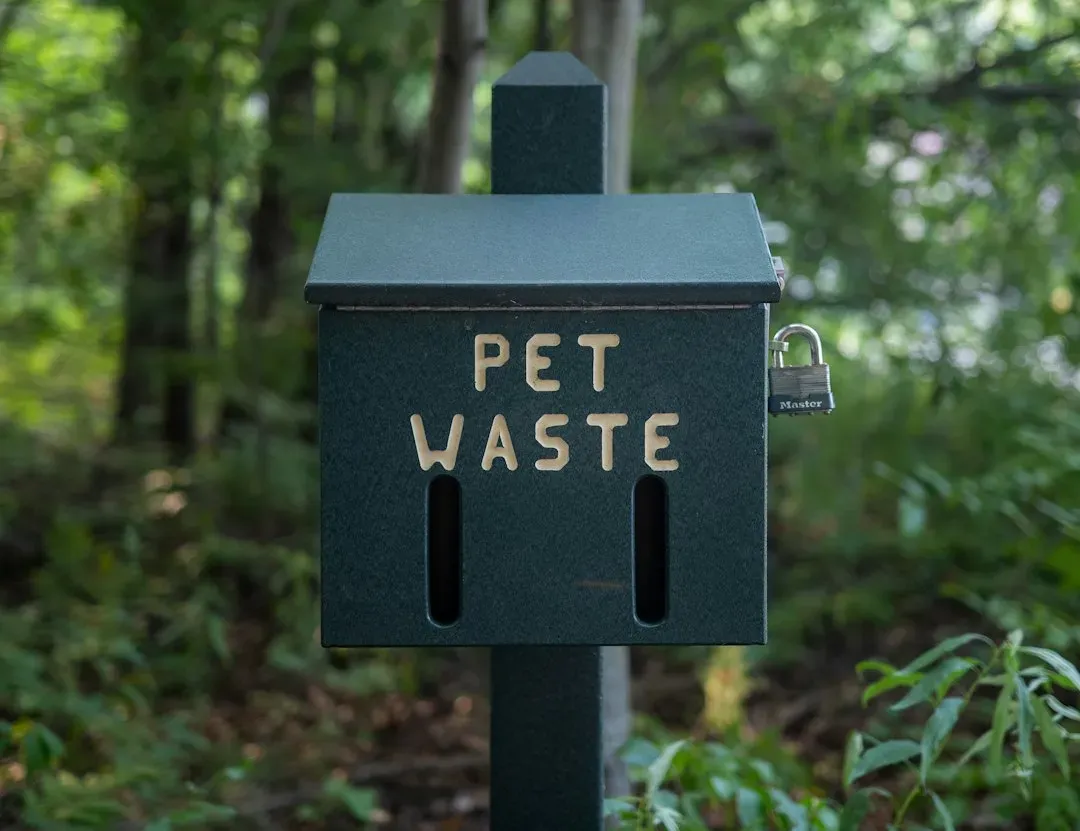
Pet feces can contain parasites and pathogens that harm people, and they can survive in a cool home pile. Cat litter is a particular worry because of toxoplasmosis, a parasite linked to cat waste. Health agencies generally recommend keeping these materials away from compost meant for gardens, especially vegetable beds.
Some clumping litters also contain clay or chemicals that don’t belong in soil. Specialized pet waste digesters exist for those who want a dedicated system. The main compost bin isn’t the place.
Diseased Plants
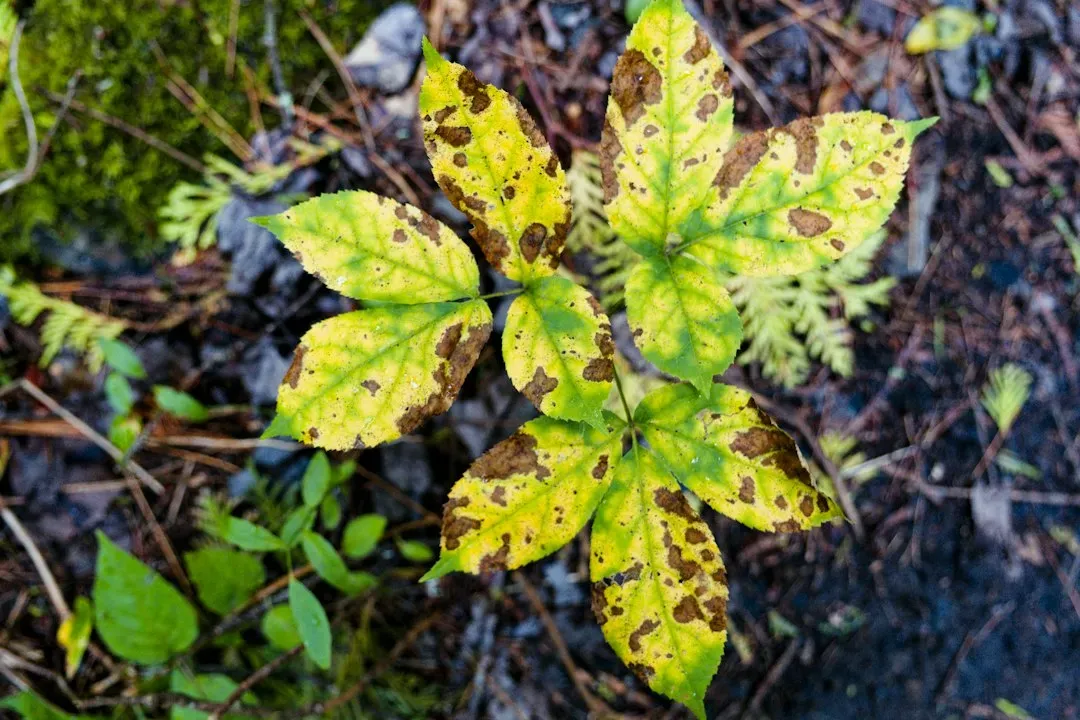
Blight, powdery mildew, and other plant diseases can survive in a pile that doesn’t get hot. Spread that finished compost across your garden, and you may be reintroducing the problem next season. Tomato and potato plants hit by blight are a classic example.
Bagging infected material for the trash or your local yard waste program is usually the better choice. Some cities with hot commercial composting accept it. Check your local rules before you assume.
Weeds That Have Gone to Seed
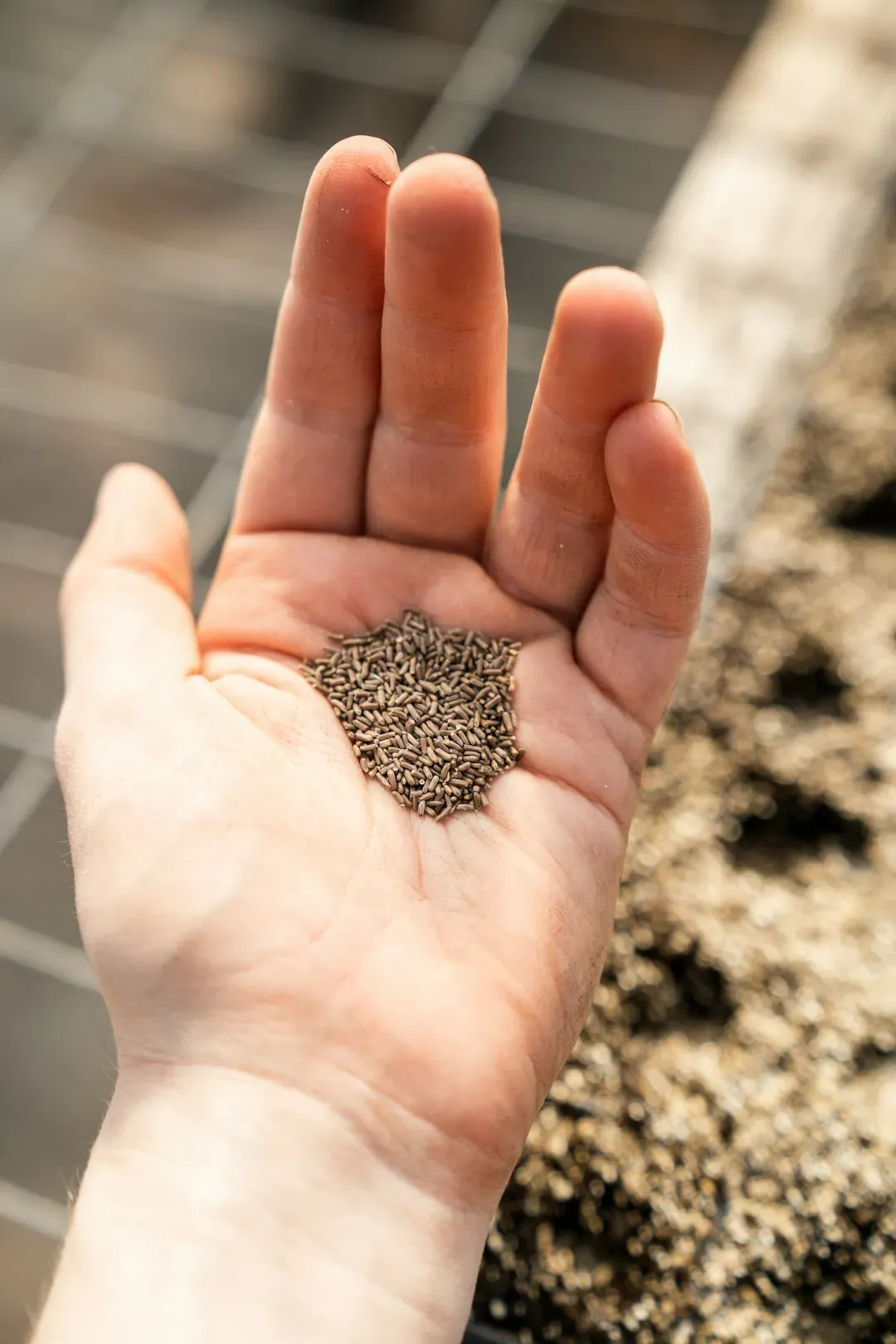
Ordinary weeds are fine in most piles, particularly before they flower. Once they carry mature seeds, though, the picture changes. Seeds can survive lukewarm conditions, then sprout everywhere the compost lands.
Persistent spreaders such as bindweed or Bermuda grass roots pose a similar risk. Many gardeners solarize these plants under a black tarp first, or dry them completely before adding them. If your pile rarely heats up, leaving them out is the simplest fix.
Coal and Charcoal Ash
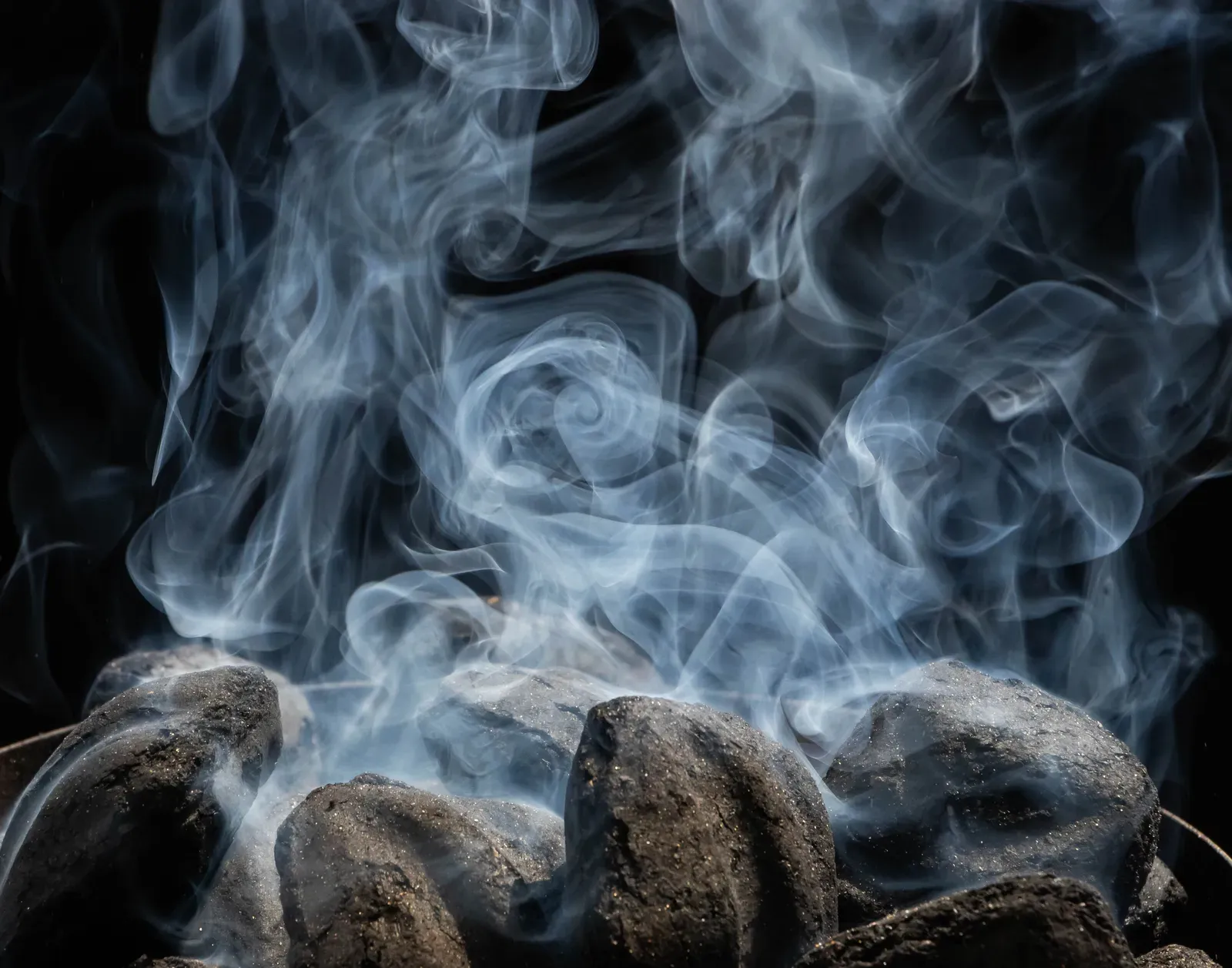
Ash from coal or charcoal briquettes can contain sulfur and other compounds that may harm plants. Briquettes often include binders and additives as well. Extension guidance commonly recommends avoiding them in compost.
Ash from clean, untreated wood is a different story, but even that should be used sparingly. It’s alkaline and can raise the pH of your pile too much. Small dustings are the limit for most gardeners.
Treated or Painted Wood and Its Sawdust
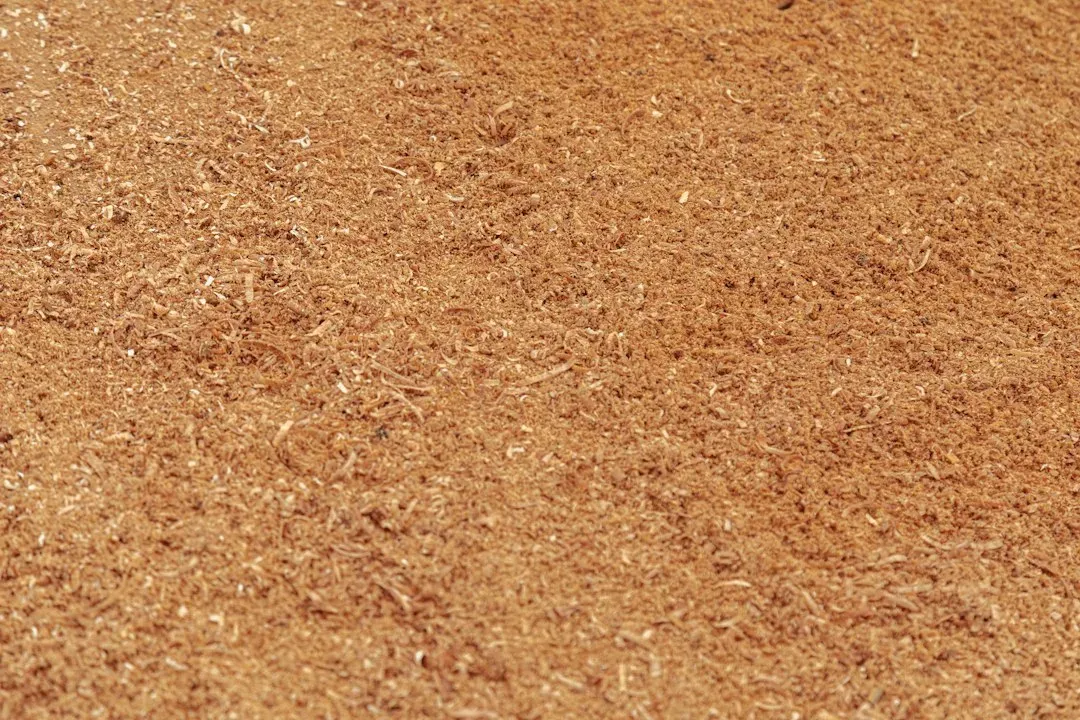
Pressure treated lumber, painted boards, and plywood may hold preservatives and glues that you don’t want in soil. Sawdust from them is especially easy to overlook because it looks so harmless. Once in the pile, those chemicals can end up in the compost you use around edible plants.
Untreated sawdust and small wood chips are fine as a carbon source in moderate amounts. If you don’t know where the wood came from, leave it out. A quick check of the source saves you from a tricky contamination problem later.
Glossy Paper and Non-Certified “Compostable” Plastics
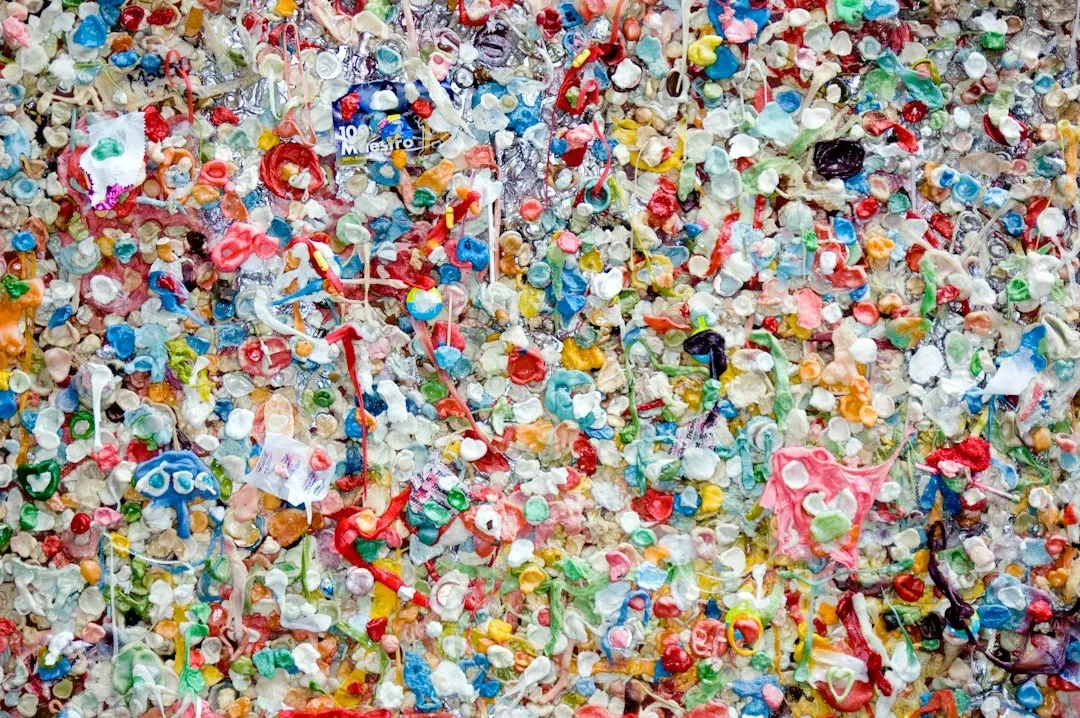
Coated magazine pages, shiny packaging, and receipts often carry finishes or inks that don’t break down cleanly. Plain newspaper and cardboard are good carbon sources, but coated stock is a gamble. When in doubt, recycle it instead.
Products labeled compostable can be misleading too. Many are designed for high heat industrial facilities, not a backyard bin, and they can linger for months or leave fragments behind. Unless an item is clearly marked as suitable for home composting, keep it out of your pile.
