
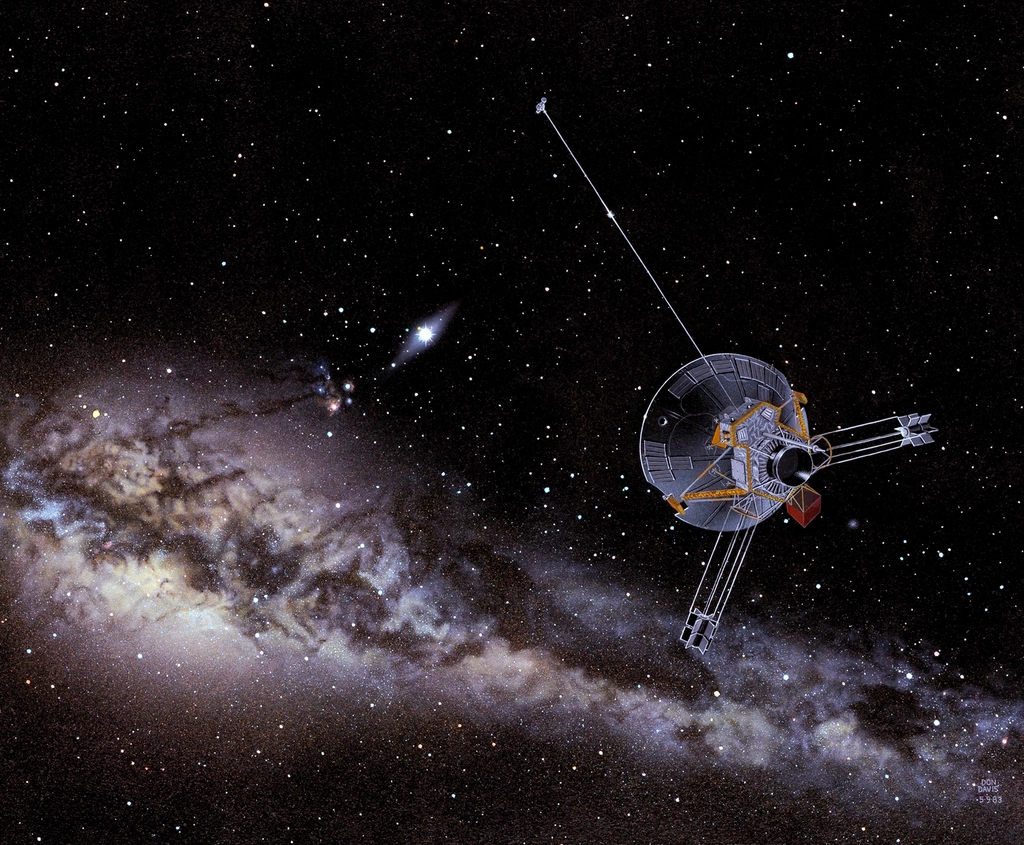
A spacecraft rarely gets a dramatic goodbye. More often the last message is a routine burst of numbers, a battery reading, or a faint carrier tone that engineers only recognize as final in hindsight.
Those closing transmissions still carry a lot of information. They show what each machine was doing, what conditions it faced, and how mission teams reacted once the line went quiet. Here are eight cases, from the early space age to 2024.
Opportunity, Silenced by a Global Dust Storm

NASA’s Opportunity rover sent its last data on June 10, 2018, while a huge dust storm was blotting out sunlight over Mars. The storm cut the solar power the rover depended on, and its final readings reflected a very low battery and a dark, dusty sky.
Engineers kept listening for months and later sent recovery commands well over a thousand times. NASA declared the mission complete on February 13, 2019. The rover had been planned for about ninety Martian days and instead worked for roughly fourteen years.
Spirit and Its Last Call From the Sand Trap
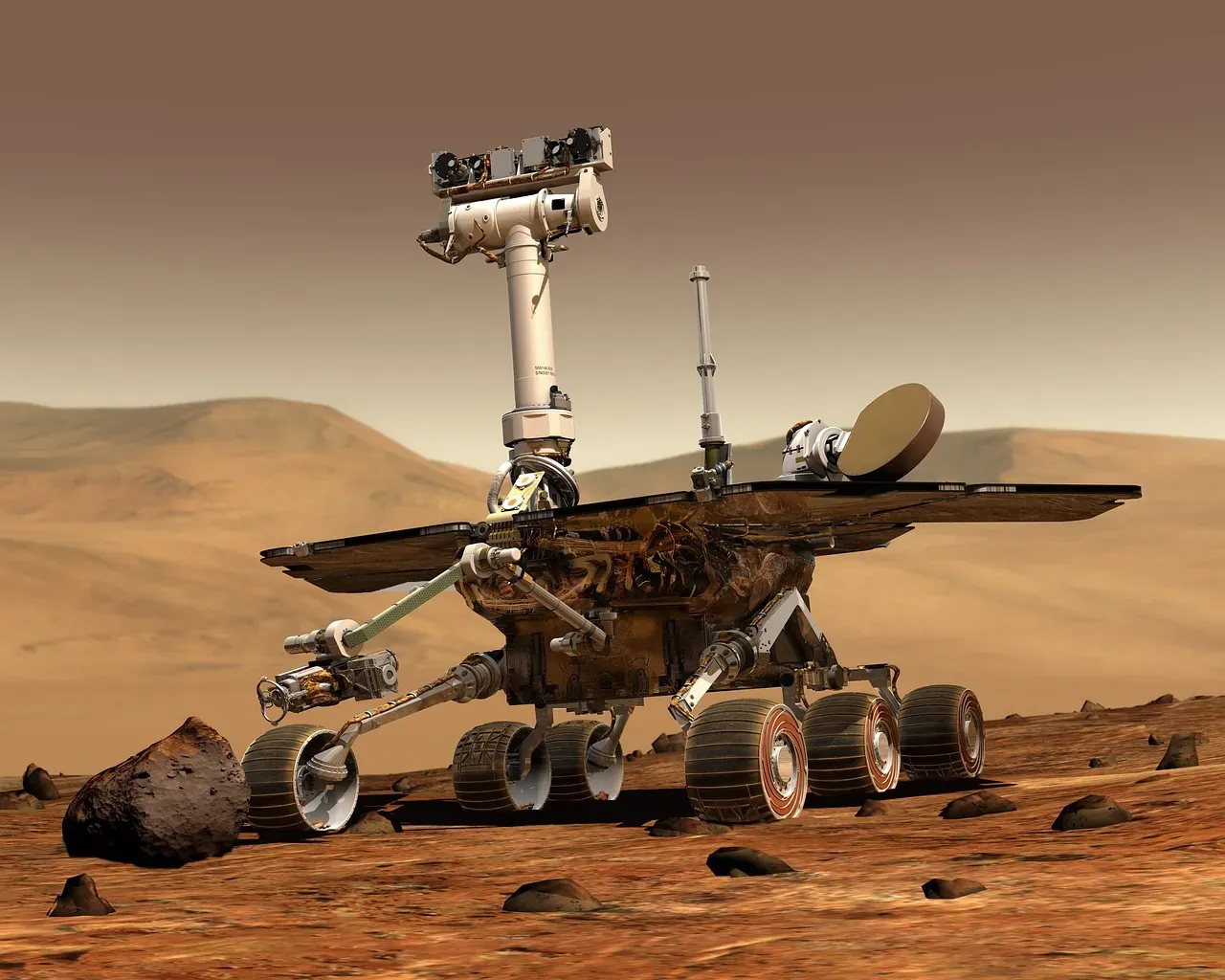
Spirit, Opportunity’s twin, last communicated with Earth on March 22, 2010. By then the rover had been stuck in soft soil since 2009, at a spot the team called Troy, with its solar panels poorly angled toward the winter sun.
Mission staff expected it might go into a low power sleep and wake in spring. It never did, and NASA ended its recovery efforts on May 25, 2011, after listening for more than a year.
Cassini and the Final Plunge Into Saturn
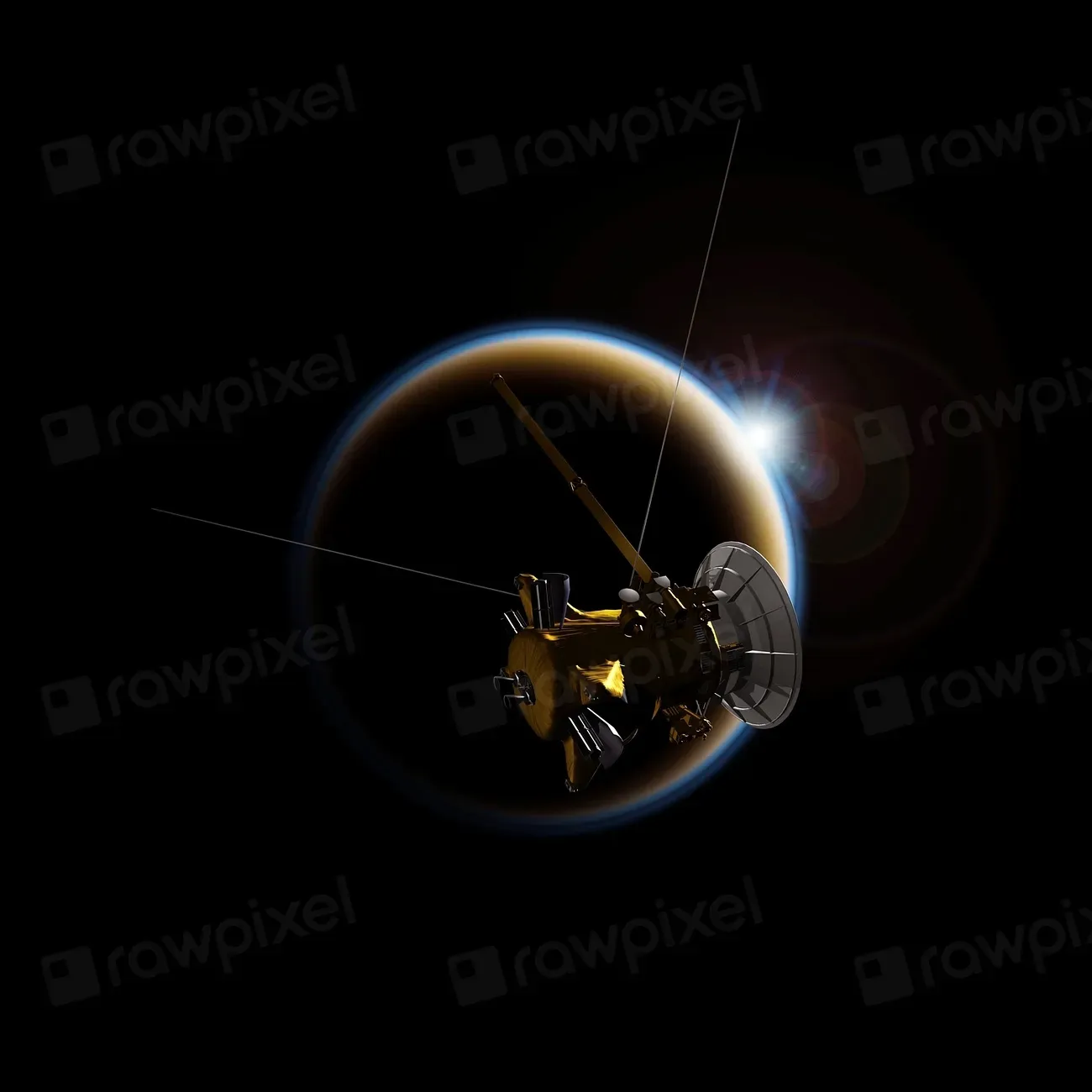
Cassini’s last transmission came on September 15, 2017, as it dove into Saturn’s upper atmosphere on purpose. NASA chose this ending to avoid any chance of contaminating moons like Enceladus, which might hold conditions suitable for life.
During the descent the spacecraft kept its antenna aimed at Earth and returned atmospheric measurements until its thrusters could no longer hold the pointing. The signal then faded and the spacecraft broke apart. Because of the distance, controllers received that final data more than an hour after the events had actually happened.
Philae, the Comet Lander That Faded in the Shadows
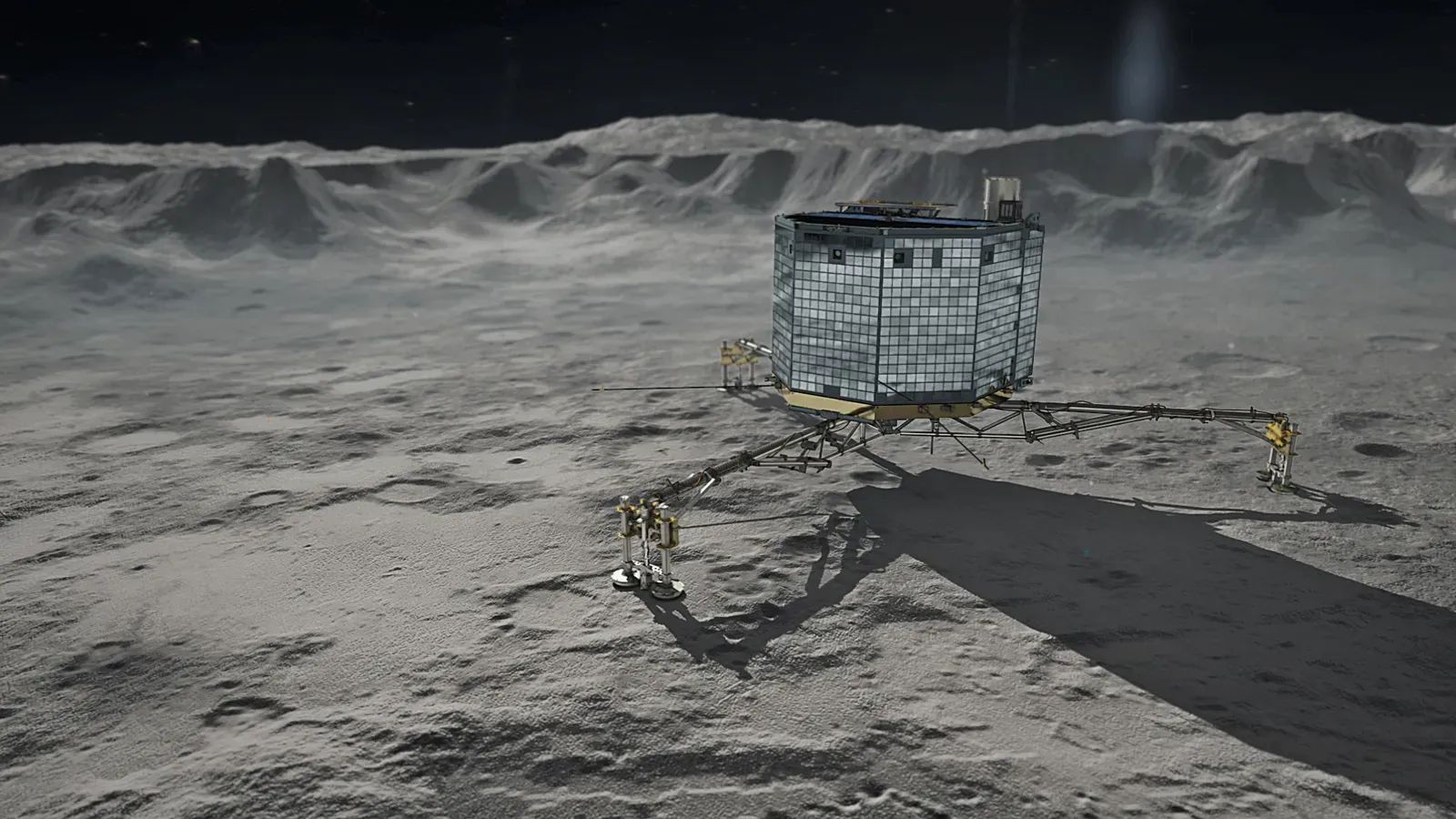
Philae touched down on Comet 67P in November 2014, but it bounced and settled in a shaded spot with poor sunlight. After about two and a half days its primary battery ran out and it went quiet, but not before returning its first science data.
It woke briefly in June 2015 and made several short contacts. The last one came on July 9, 2015. The European Space Agency later located the lander in a photo taken in September 2016, wedged in a dark crevice.
Ingenuity’s Last Flight on Mars
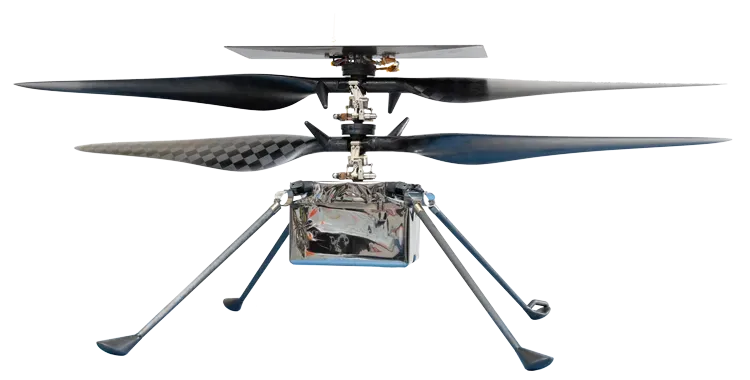
The little Mars helicopter made its 72nd and final flight on January 18, 2024. It climbed to about twelve meters, hovered briefly, and came back down, sending back data that showed the flight had gone as planned at first.
After landing, the team found that one or more of its rotor blades had been damaged. NASA announced the end of the helicopter’s mission on January 25, 2024. It had been designed for a handful of test flights and ended up flying far more than that.
Odysseus and Its Short Life on the Moon
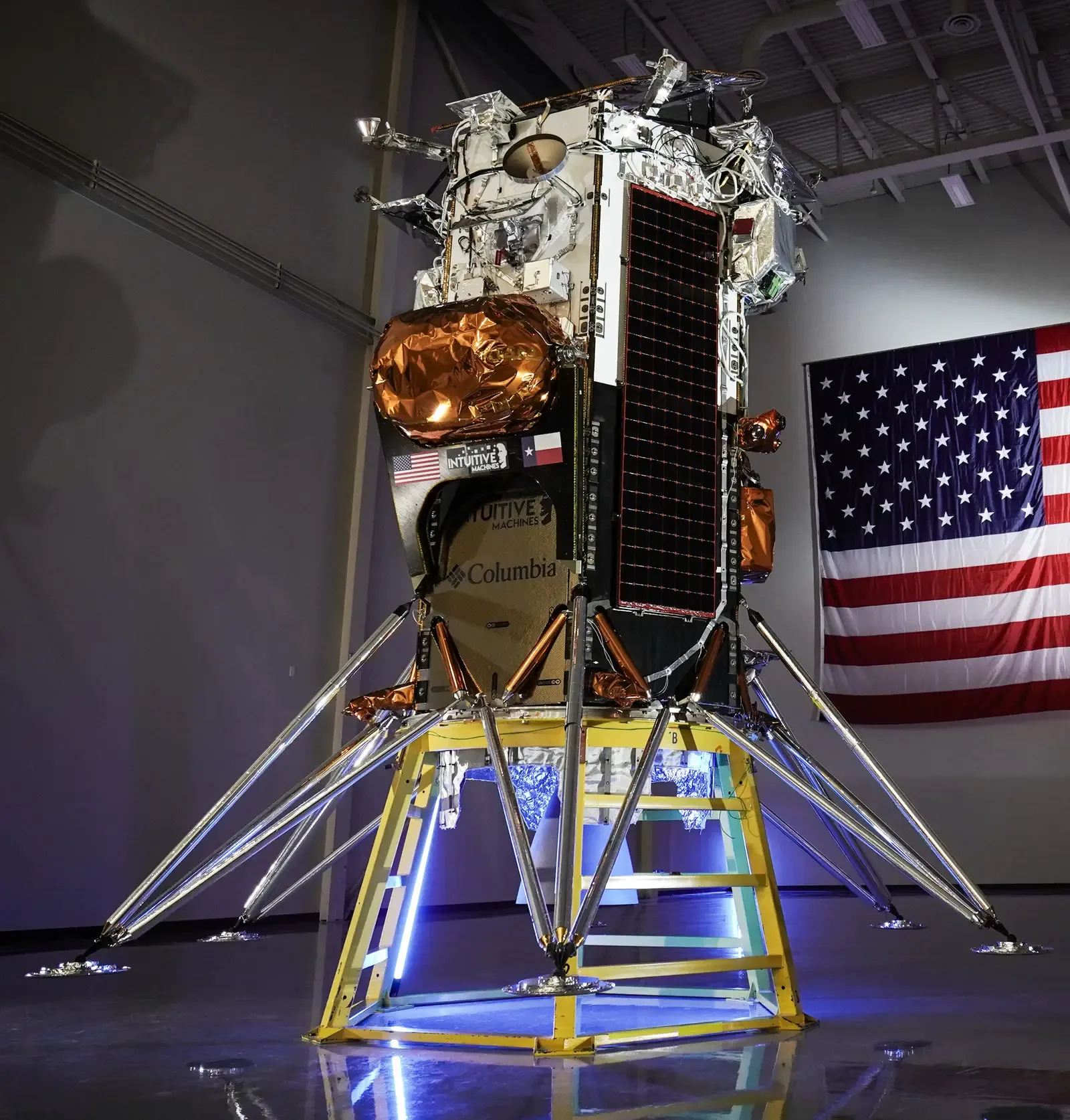
Intuitive Machines’ Odysseus lander touched down near the Moon’s south pole on February 22, 2024. It was the first American lunar landing since the Apollo era, and the first ever by a private company. However, it caught a landing leg on the surface and tipped onto its side.
The tilt left some of its solar panels and antennas badly aimed. The lander kept working for about a week, sending back science data and images, before the sun set on its landing site. The company ended operations on February 29, 2024, and did not expect it to survive the lunar night.
Pioneer 10 and a Whisper From the Edge of the Solar System
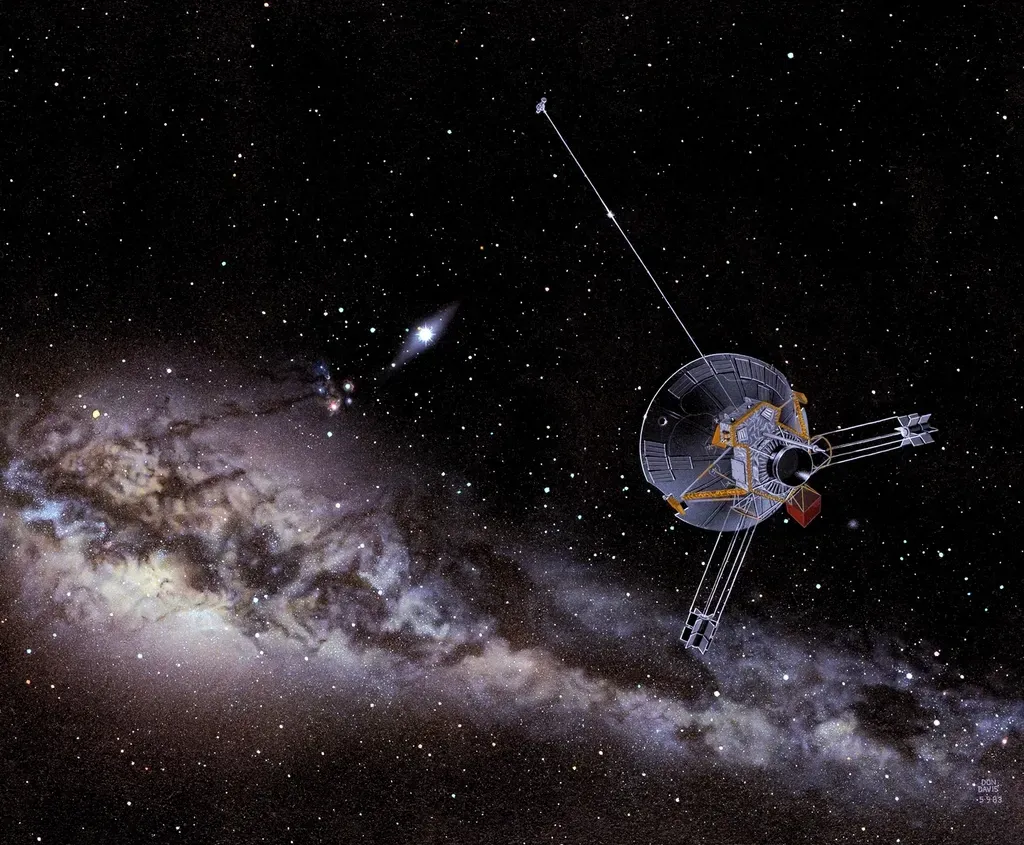
Pioneer 10 launched in 1972 and became the first spacecraft to cross the asteroid belt and fly past Jupiter. Its last successful contact with Earth was on January 23, 2003, when the signal was extremely faint.
By then the probe was roughly eighty times farther from the Sun than Earth is, and its power source had weakened over three decades. Later attempts to hear it brought no reply. NASA had ended the mission officially in 1997, but the team kept tracking it as a technology test.
Mars Global Surveyor and a Mystery Ending in 2006
Mars Global Surveyor sent its final communication on November 2, 2006, after nearly a decade of mapping the planet from orbit. The signal indicated a problem with the position of a solar panel, and the spacecraft went into a protective state before falling silent.
NASA later traced the failure to a chain of events that began with an earlier faulty command. That let the spacecraft’s battery overheat and lose power. Its images had helped reveal recent gullies and guided the choice of landing sites for later missions.

- The Shoreline Sucked Dry in Seconds – 5 Tsunami Signals Beachgoers Mistake for Low Tide - November 14, 2026
- 9 Dark-Sky Destinations Around the World Where the Stars Look Unreal - November 14, 2026
- The Fault Line That Never Slips – 7 Locked Seismic Zones Overdue for a Massive Release - November 14, 2026
