

- That Metallic Taste in Storm Air – How Lightning Generates Pure Ozone - November 16, 2026
- Atlantic Hurricane Activity Has Often Rebounded After Strong El Niño Years, Records Show - November 15, 2026
- The Planet Where It Rains Liquid Glass – 7 Alien Worlds Defying Known Physics - November 14, 2026
Most comets never get past a smudge in binoculars. A few, once in a great while, become the kind of sky object people remember by year and by location. Where were you when Hale Bopp hung over the horizon, or when NEOWISE floated under the Big Dipper?
This gallery walks through nine of those memorable visitors in the order they appeared. Each entry covers what made the comet stand out and where it is today, as far as astronomers can tell. Comets travel on very long orbits, so for most of them “now” means somewhere cold and dark, far from the Sun.
Halley’s Comet (1986)
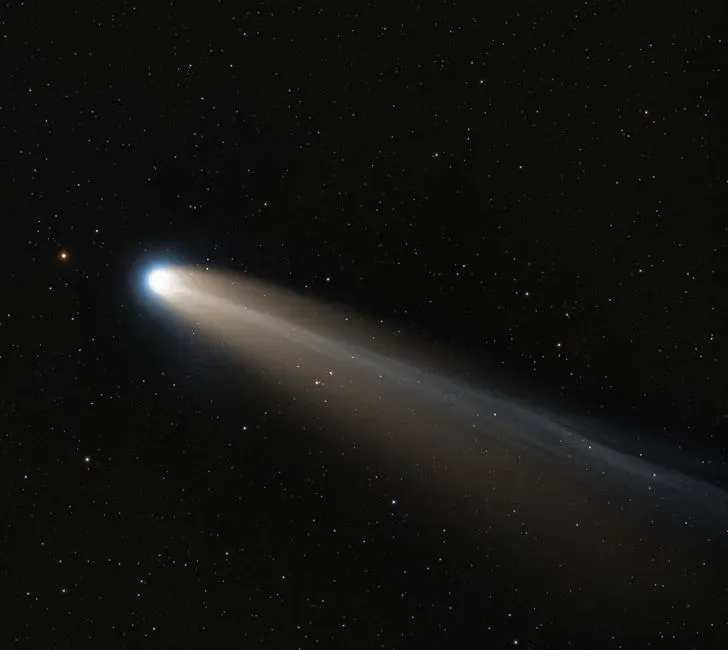
The most famous comet of all, Halley returned to the inner solar system in early 1986 and reached its closest point to the Sun on February 9 of that year. Its apparition was a disappointment for many casual viewers in the Northern Hemisphere, because the geometry kept it far from Earth and fairly dim. It did, however, become the first comet studied up close by a fleet of spacecraft, including Europe’s Giotto probe, which flew past in March 1986.
Halley orbits the Sun about every 76 years. It reached its farthest point, called aphelion, in December 2023, and it has been falling back toward the Sun ever since. Its next closest approach to the Sun is predicted for July 2061, so it’s currently out in the cold reaches beyond Neptune’s orbit.
Comet Hyakutake (1996)
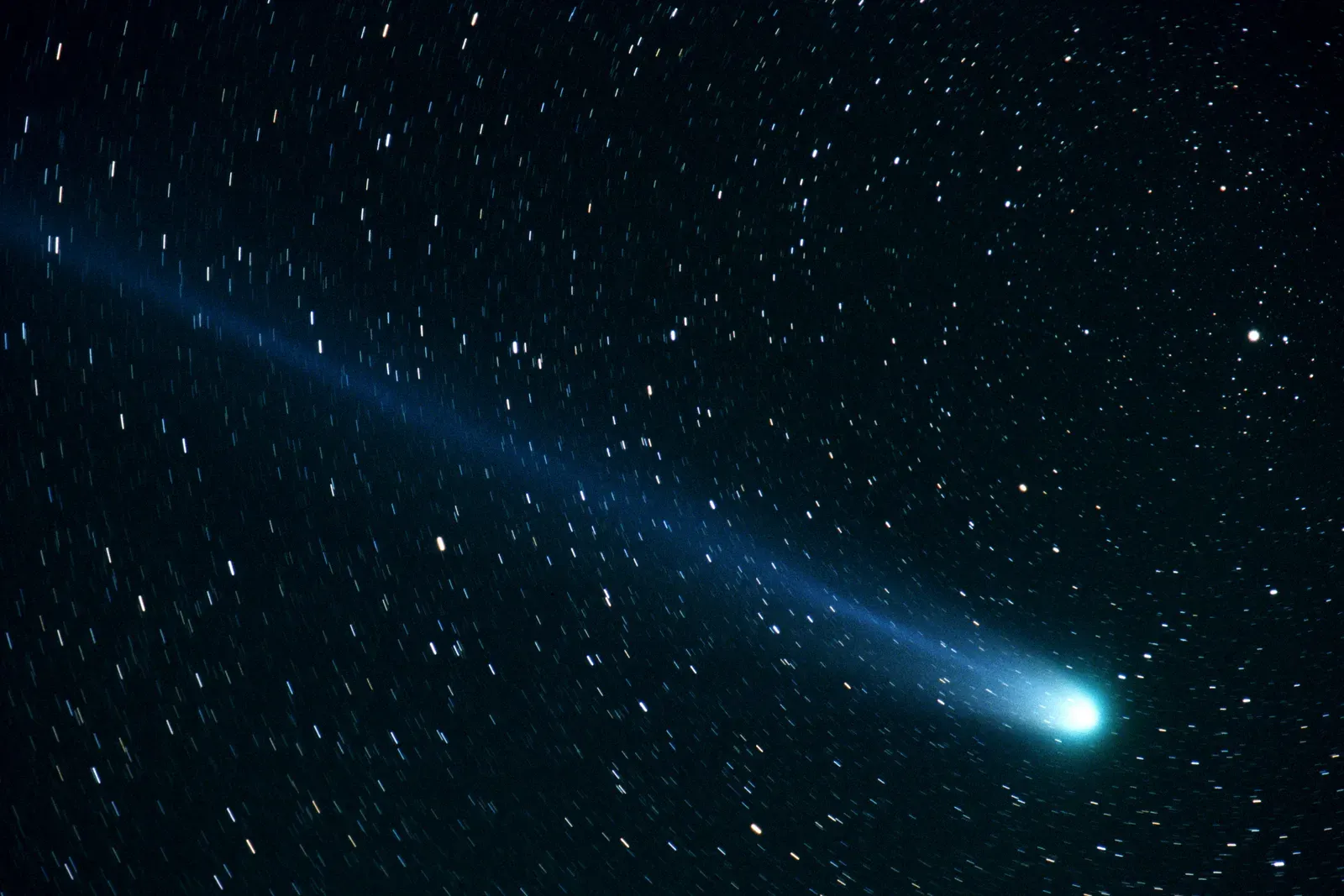
Comet Hyakutake was discovered in January 1996 by Japanese amateur astronomer Yuji Hyakutake. Two months later, on March 25, it swept past Earth at a distance of roughly fifteen million kilometers. That is very close for a comet, and it appeared to race across the sky, with a bright greenish head and a long tail visible from dark locations.
Hyakutake also surprised scientists. The Ulysses spacecraft happened to cross its tail, revealing that the tail stretched hundreds of millions of kilometers, far longer than anyone had measured before. The comet’s orbit is very long, on the order of tens of thousands of years, so it’s now a distant, faint object heading away from us.
Comet Hale Bopp (1997)
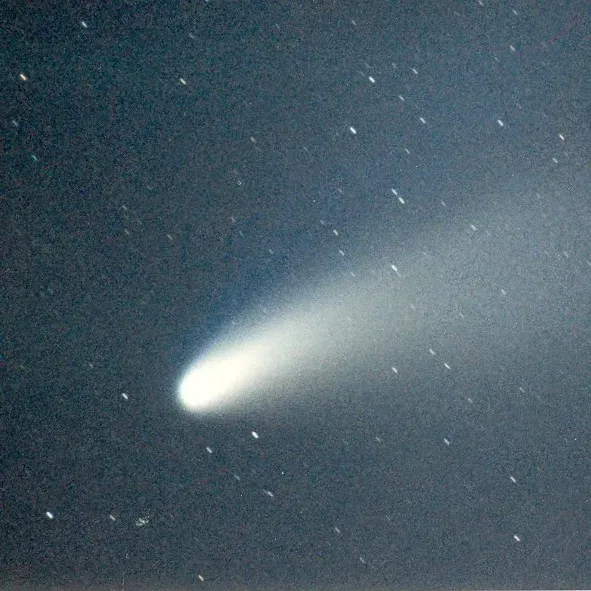
Alan Hale and Thomas Bopp discovered this comet independently on July 23, 1995, when it was still unusually far from the Sun and already surprisingly bright. It passed its closest point to the Sun on April 1, 1997. Millions of people saw it, and it stayed visible to the unaided eye for around eighteen months, a record for a bright comet in modern times.
Its nucleus is thought to be exceptionally large, with estimates of several dozen kilometers across. Hale Bopp is now well beyond Neptune’s orbit on its way outward. Its orbital period is roughly 2,500 years or more depending on the calculation, and the comet is not due back until well into the fifth millennium.
Comet McNaught (2007)
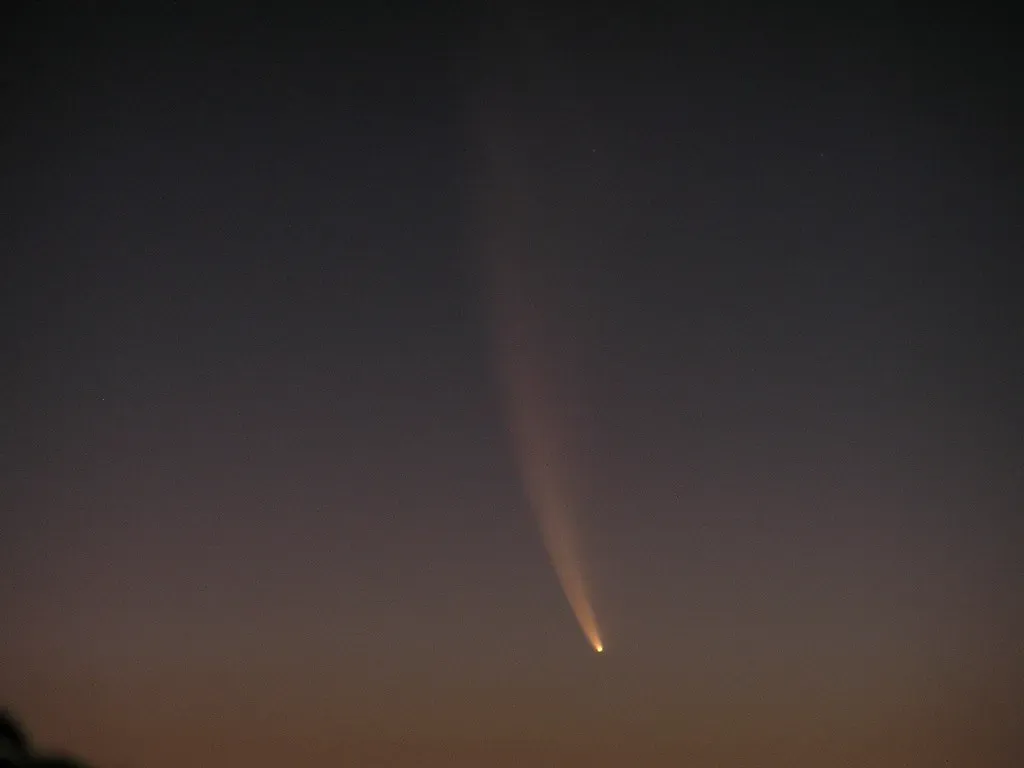
Robert McNaught spotted this comet in August 2006 from Siding Spring Observatory in Australia. It reached perihelion on January 12, 2007, and became bright enough to see in daylight for a short time. It was widely described as the brightest comet in more than four decades.
The show was best for observers in the Southern Hemisphere. Later that month, its dust tail fanned across the sky in a huge curved sweep, which images from Australia captured beautifully. Its path has since carried it back to the outer solar system, and it isn’t expected to return for a very long time.
Comet Lovejoy (2011)
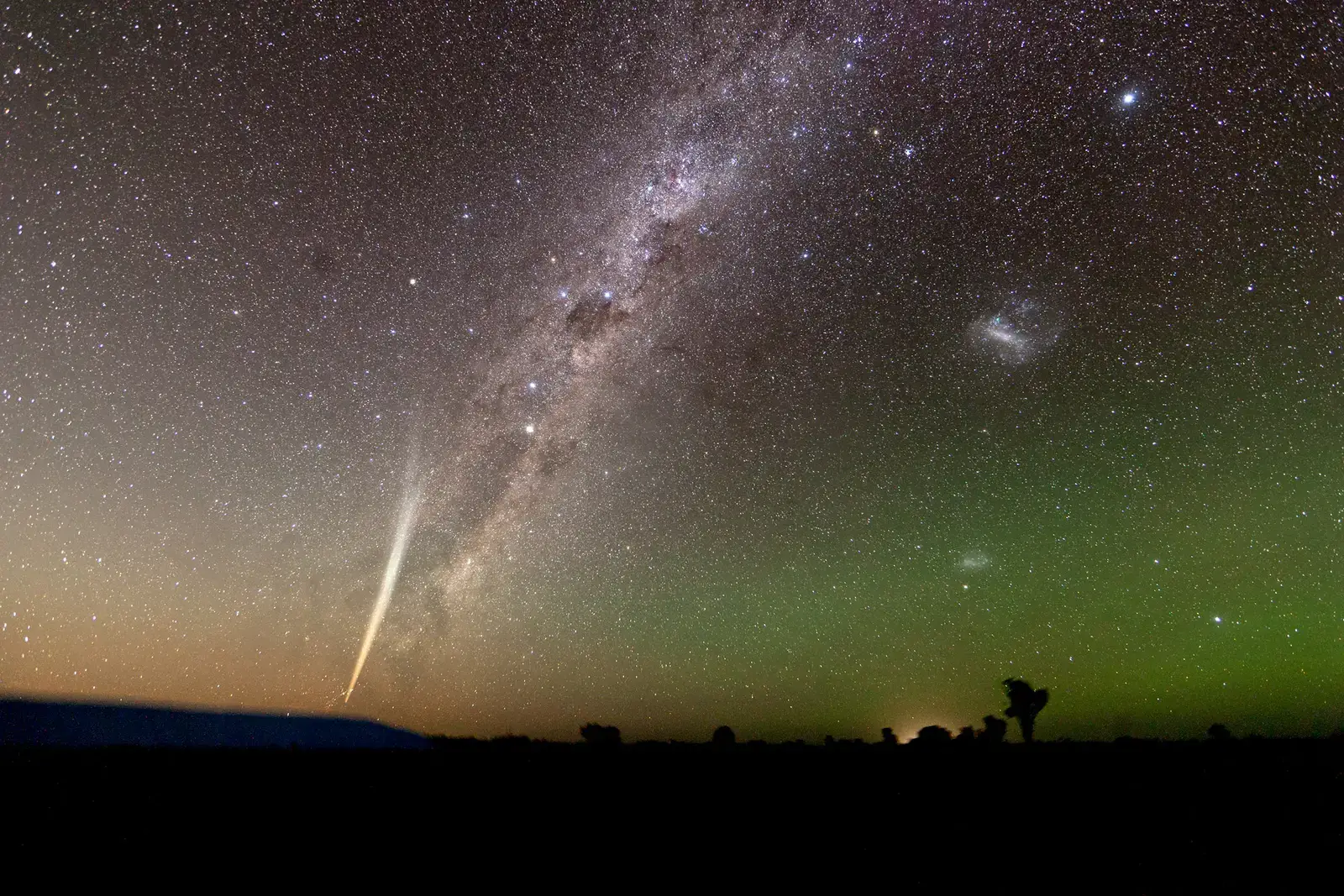
Terry Lovejoy, an Australian amateur, found this comet in late November 2011. It belonged to the Kreutz family of sungrazers, comets that pass extremely close to the Sun, and most objects like that don’t survive. On December 16, 2011, it skimmed through the Sun’s outer atmosphere, the corona, at a distance of only about a hundred and forty thousand kilometers above the surface.
Astronomers were surprised when it emerged intact and developed a long tail, seen widely in the Southern Hemisphere and photographed from the International Space Station. Its orbit is thought to take several centuries to complete, and it’s now far from the Sun. It eventually faded from view, though its nucleus was later reported to be falling apart.
Comet PANSTARRS (2013)
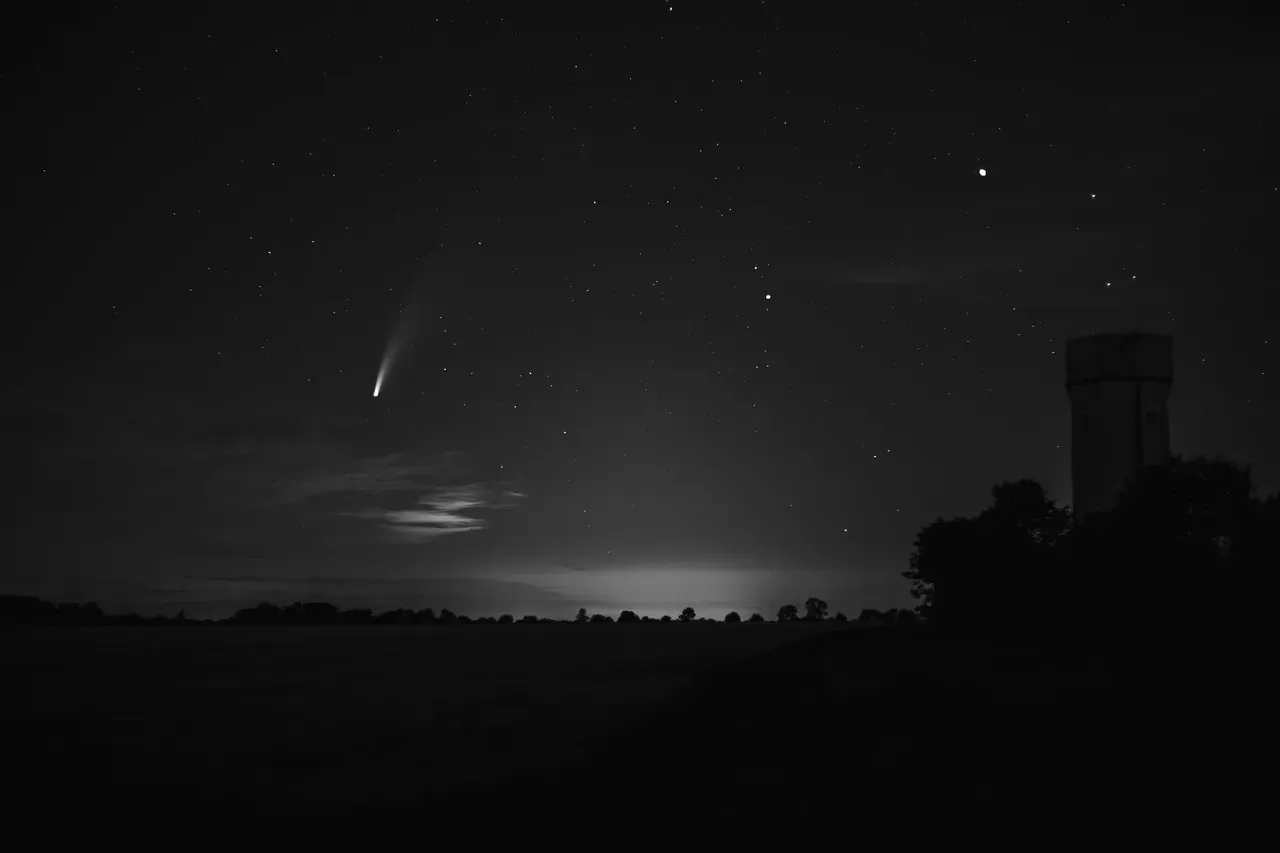
Comet PANSTARRS, formally called C/2011 L4, was discovered in June 2011 by the Pan-STARRS survey telescope in Hawaii. It reached its closest approach to the Sun on March 10, 2013. It ended up as a fairly good naked eye object in the evening twilight for many viewers, though it never became the blockbuster some early forecasts hoped for.
This was a first-time visitor from the distant Oort cloud region, and it came in on a very long orbit. It has been outbound since 2013 and is now extremely far and faint. It won’t return for many thousands of years.
Comet ISON (2013)
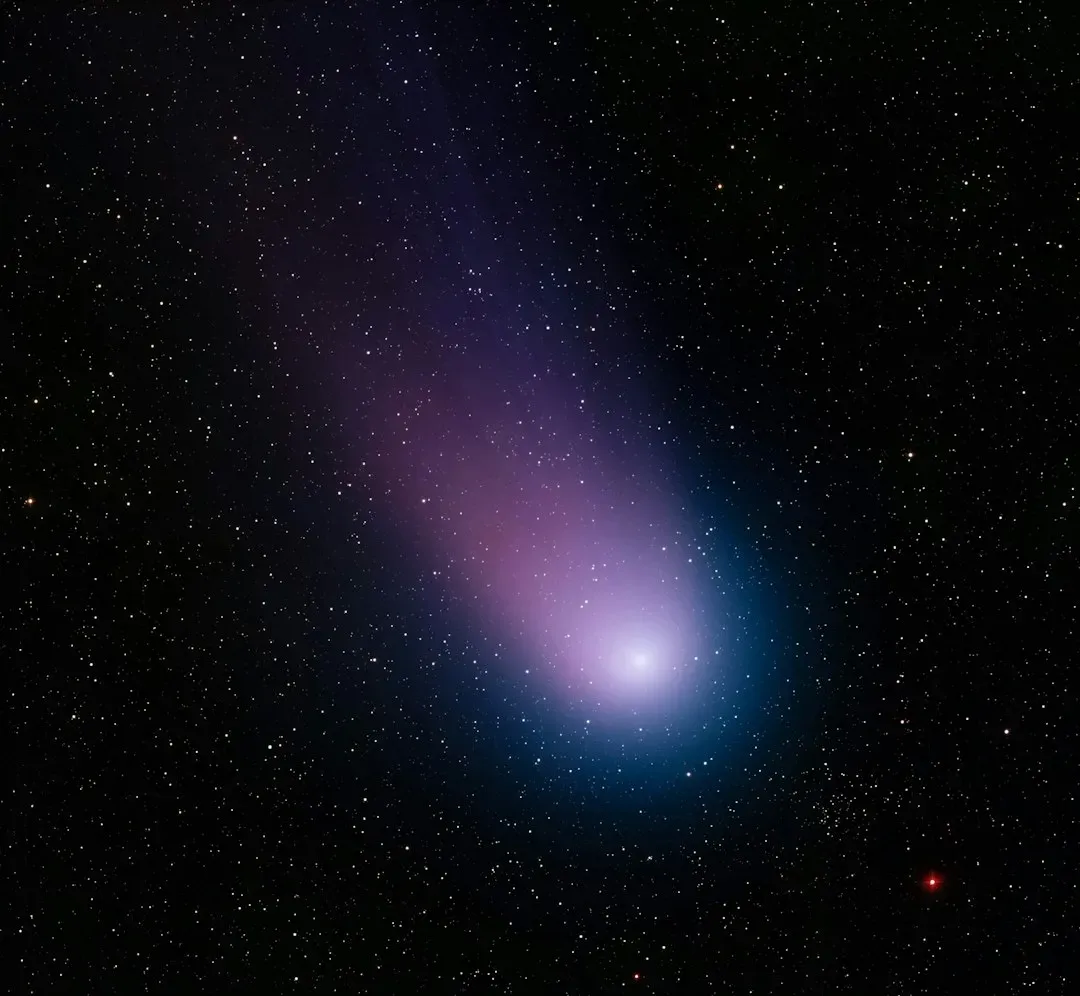
Discovered in September 2012 by Vitali Nevski and Artyom Novichonok using an observing network called ISON, this comet was hyped as a possible comet of the century. It was another sungrazer, and it was due to pass only about a million kilometers or so above the Sun’s surface on November 28, 2013. Predictions were optimistic, but they were based on a comet that had never entered the inner solar system before, which makes brightness hard to forecast.
ISON broke apart around perihelion and didn’t survive the trip. What emerged was a faint cloud of debris that quickly faded. Nothing coherent remains of it today, only a widely dispersed trail of dust that continues to drift through space.
Comet NEOWISE (2020)
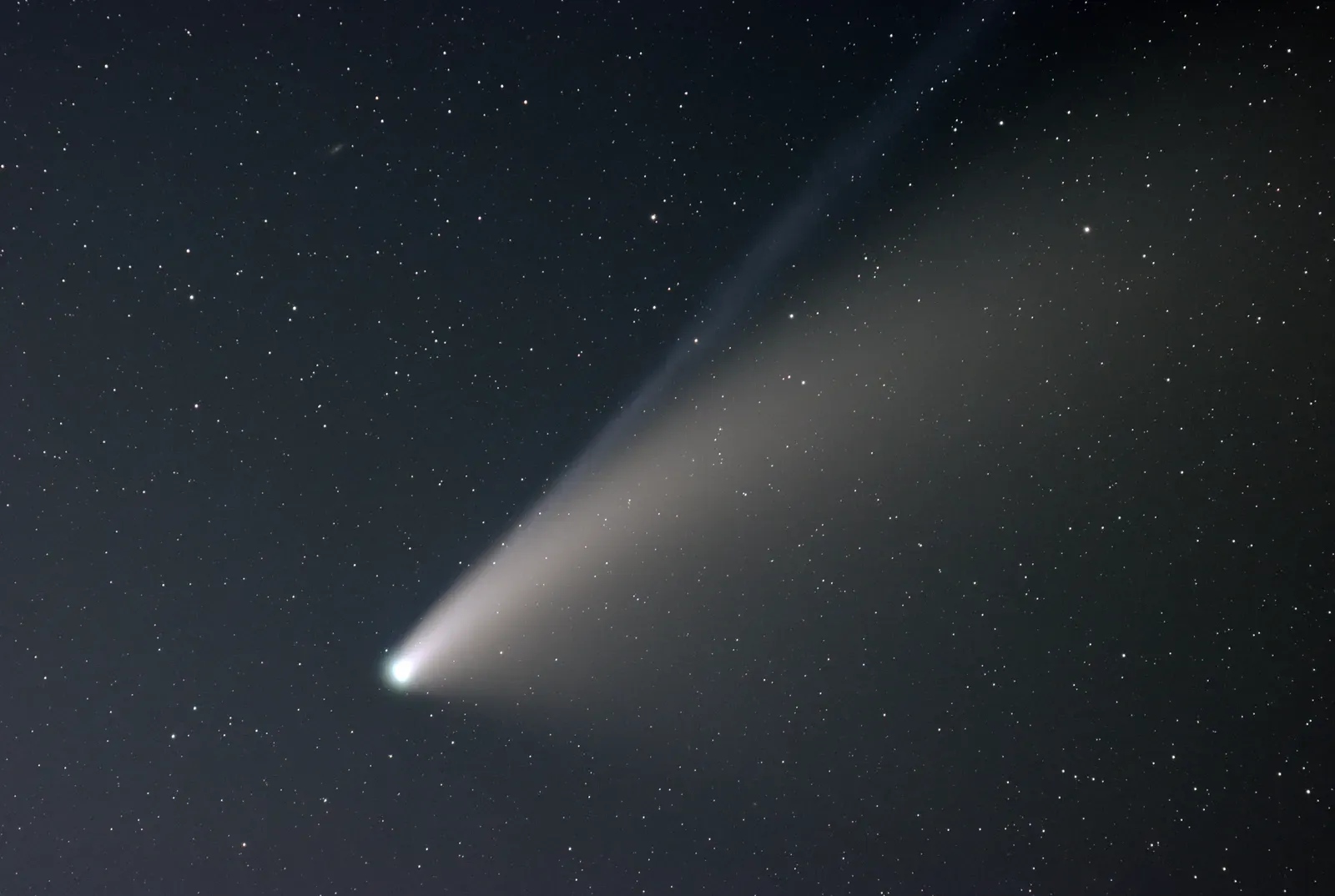
NASA’s NEOWISE space telescope discovered this comet on March 27, 2020, which is where the name comes from. It passed closest to the Sun on July 3, 2020, and was easy to see with the unaided eye that month in the northern sky. Its closest approach to Earth came on July 23, at about a hundred million kilometers.
Its orbit takes roughly 6,800 years to complete, so it won’t be back until around the year 8800. It’s currently heading outward and is far too faint to observe without large telescopes. The telescope that found it has ended its work, too, since NASA concluded NEOWISE science operations in August 2024 and the spacecraft reentered Earth’s atmosphere that November.
Comet Tsuchinshan ATLAS (2024)
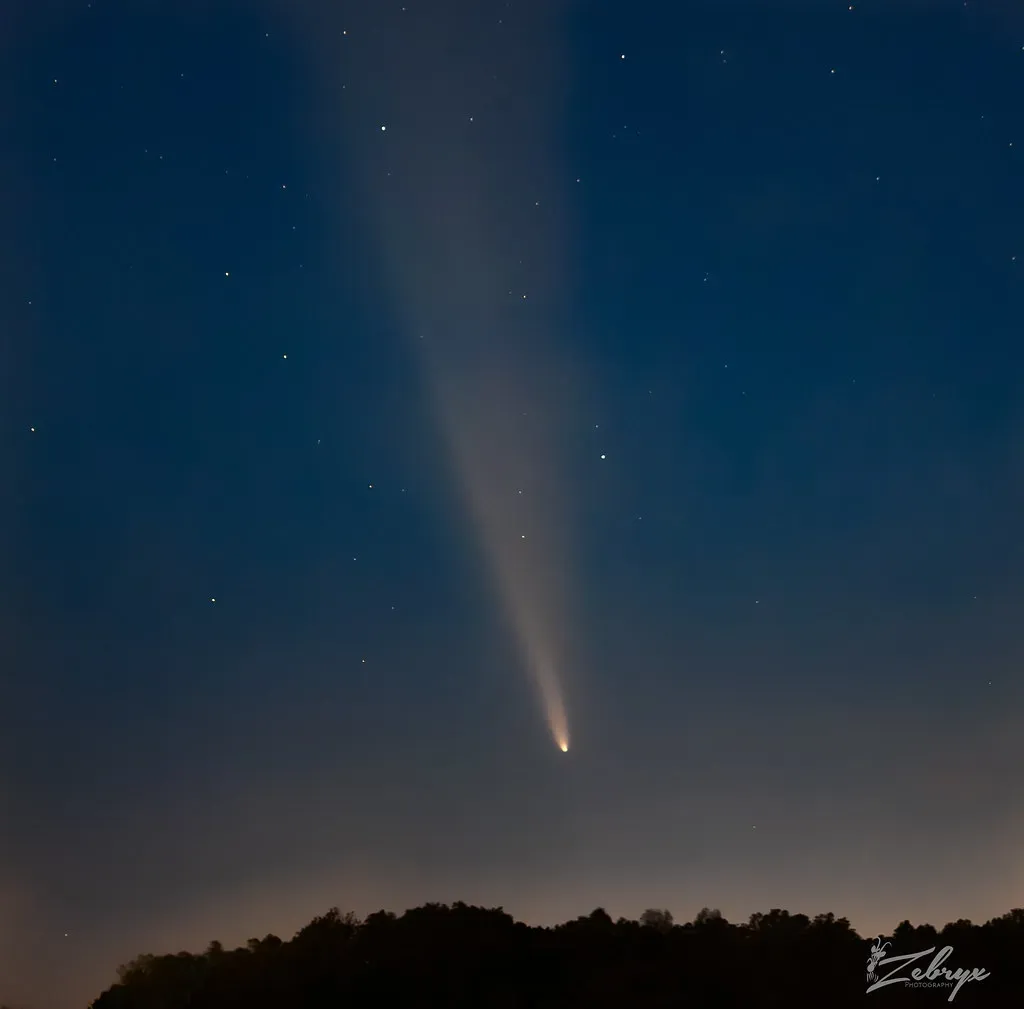
This comet, designated C/2023 A3, was found in early 2023 by China’s Purple Mountain Observatory and independently by the ATLAS survey in South Africa. It reached perihelion on September 27, 2024. Its best showing came in October 2024, when it was visible low in the western sky after sunset, and its closest approach to Earth occurred on October 12 at about seventy million kilometers.
Since then it has moved away from both the Sun and Earth and has faded steadily. Its orbit is very long, and published estimates for its return run to tens of thousands of years. By September 2026 it’s a faint object in the outer solar system, well beyond the reach of ordinary telescopes.
