

Somewhere above you right now, people are living and working in a lab the size of a football field. They’ve been doing it, in an unbroken chain of crews, for longer than many smartphone users have been alive.
That streak has an end date, and the question of what comes next is far less settled than the retirement schedule. Here’s where things stand in October 2026.
A Station That Has Never Been Empty
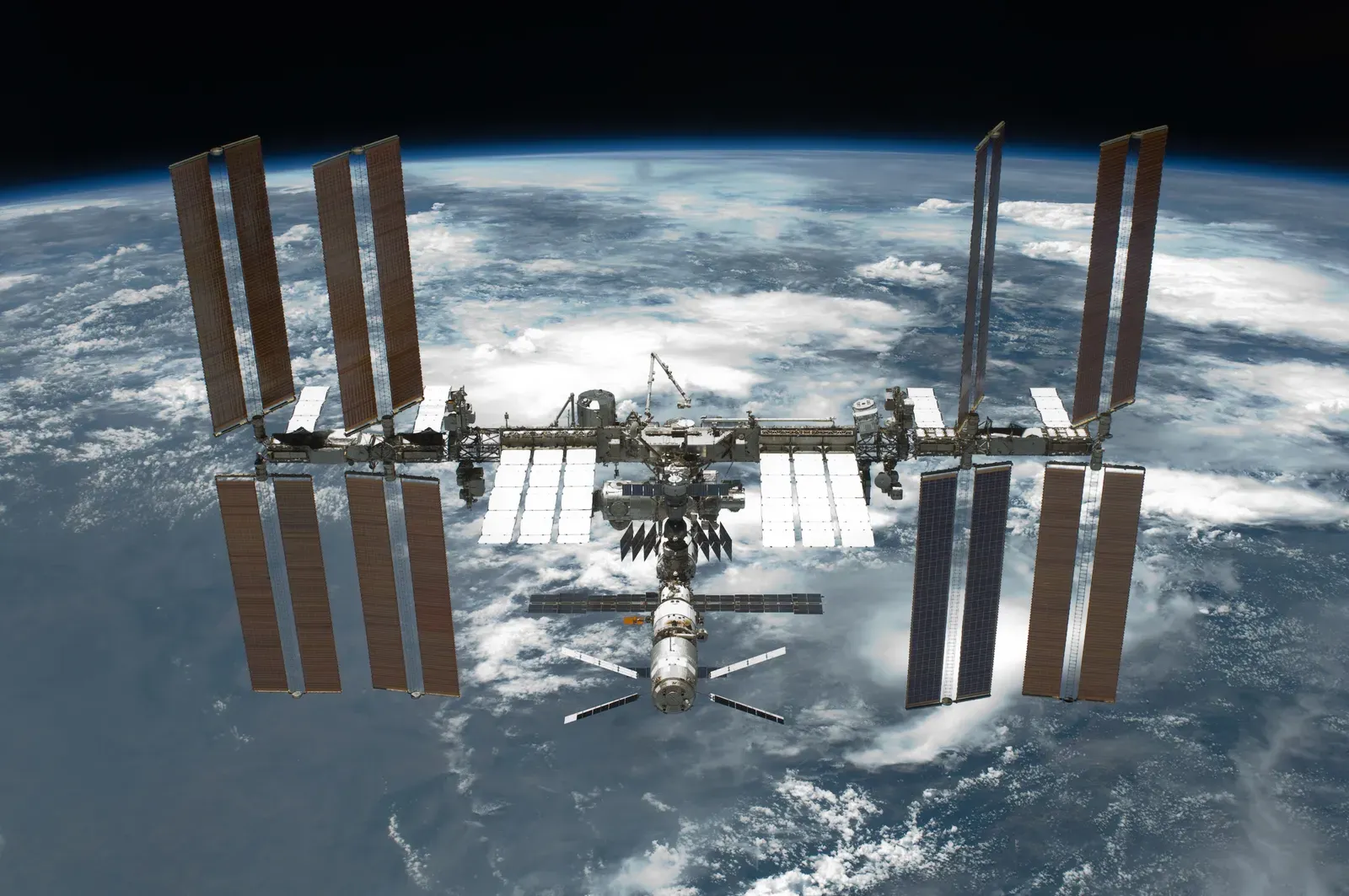
The ISS has been continuously inhabited since November 2, 2000. That’s more than a quarter century of people living in low Earth orbit without a break.
It’s the largest object ever placed in Earth orbit, with a mass of about 430 metric tons, circling roughly 415 kilometers up. It needs periodic reboosts to make up for atmospheric drag. Keeping something that big healthy for this long is a feat in itself.
The 2030 Plan and Why the Date Is Soft
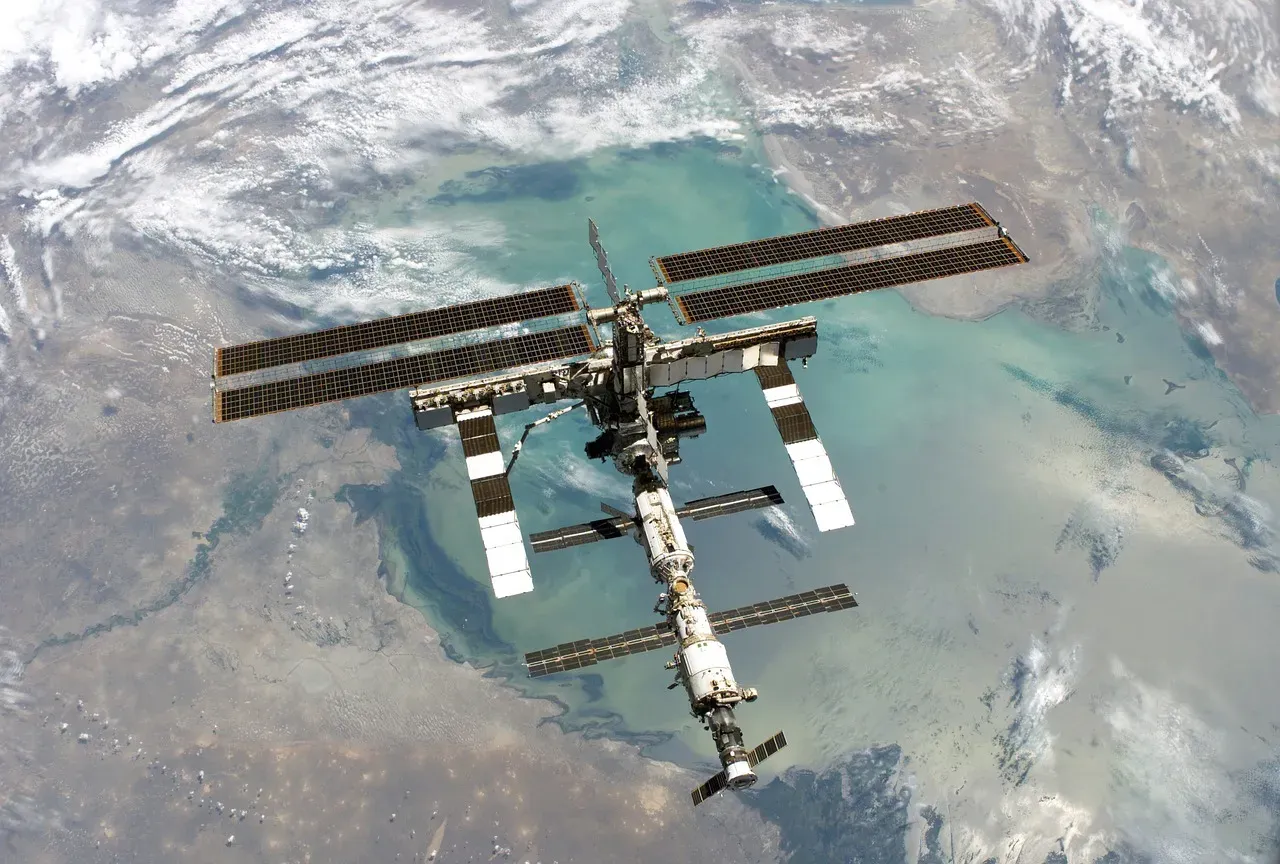
NASA’s current plan is to retire the station around 2030. The agency hasn’t committed to an exact date and has built in margin to extend operations by a year or two if successor stations aren’t certified in time.
Partners aren’t fully aligned either. Russia has formally committed to ISS operations through 2028, while NASA, ESA, JAXA and the Canadian Space Agency committed through 2030. Some trackers now describe the end as around 2030 to 2031.
How the Station Will Be Brought Down
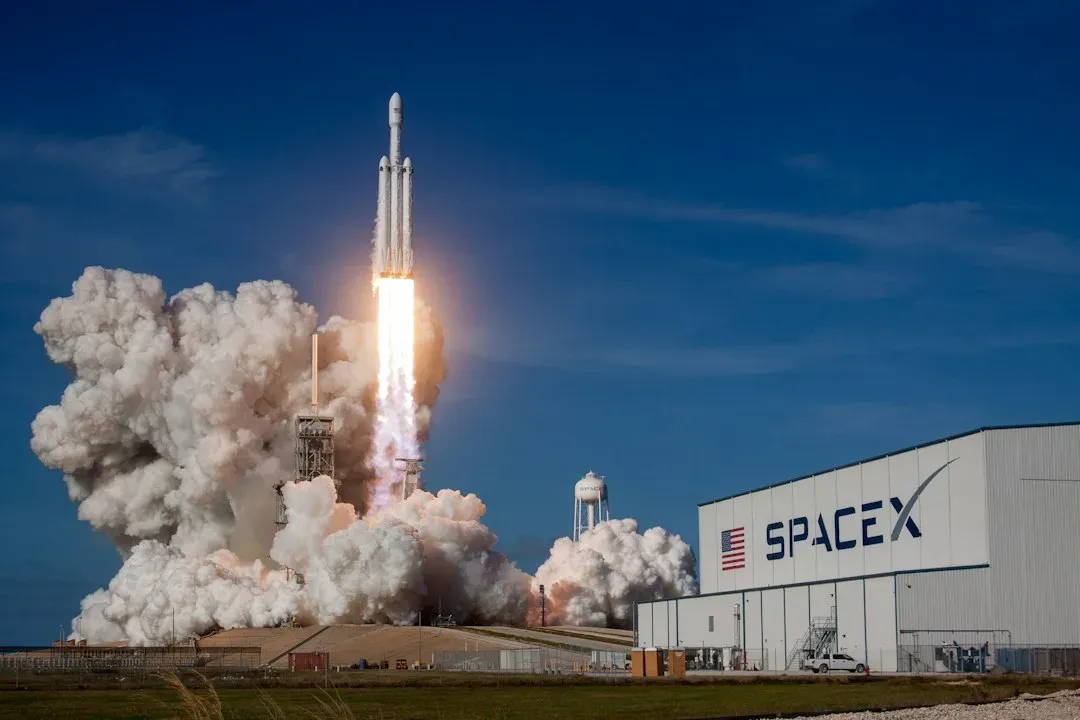
You can’t just let a structure like this fall. A custom spacecraft is needed so the station re-enters at the right place and orientation, with surviving wreckage landing harmlessly in the sea.
NASA awarded SpaceX a contract in 2024 to build the U.S. Deorbit Vehicle. The contract was worth $843 million, not counting launch costs. The original idea of using three Russian Progress cargo ships was dropped because of technical considerations and strained relations.
Where the Wreckage Is Meant to Land
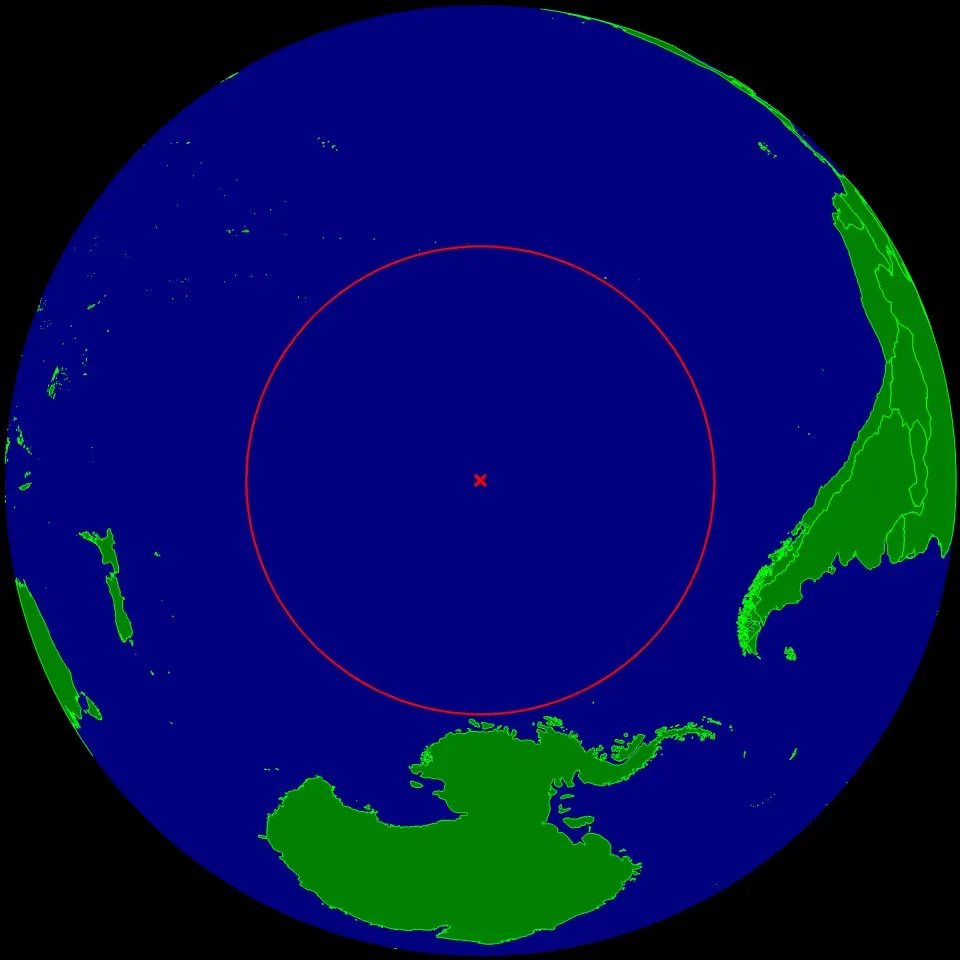
The plan is to steer the station toward a remote stretch of the South Pacific near Point Nemo, the most isolated point in the world’s oceans. Most of the structure will burn up on the way down.
Larger pieces such as modules and the power truss will also break apart, but chunks as large as a small car are expected to survive to splashdown along a narrow footprint about 1,200 miles long. That’s why the target area matters so much.
NASA’s Plan to Buy Services, Not Build a Station
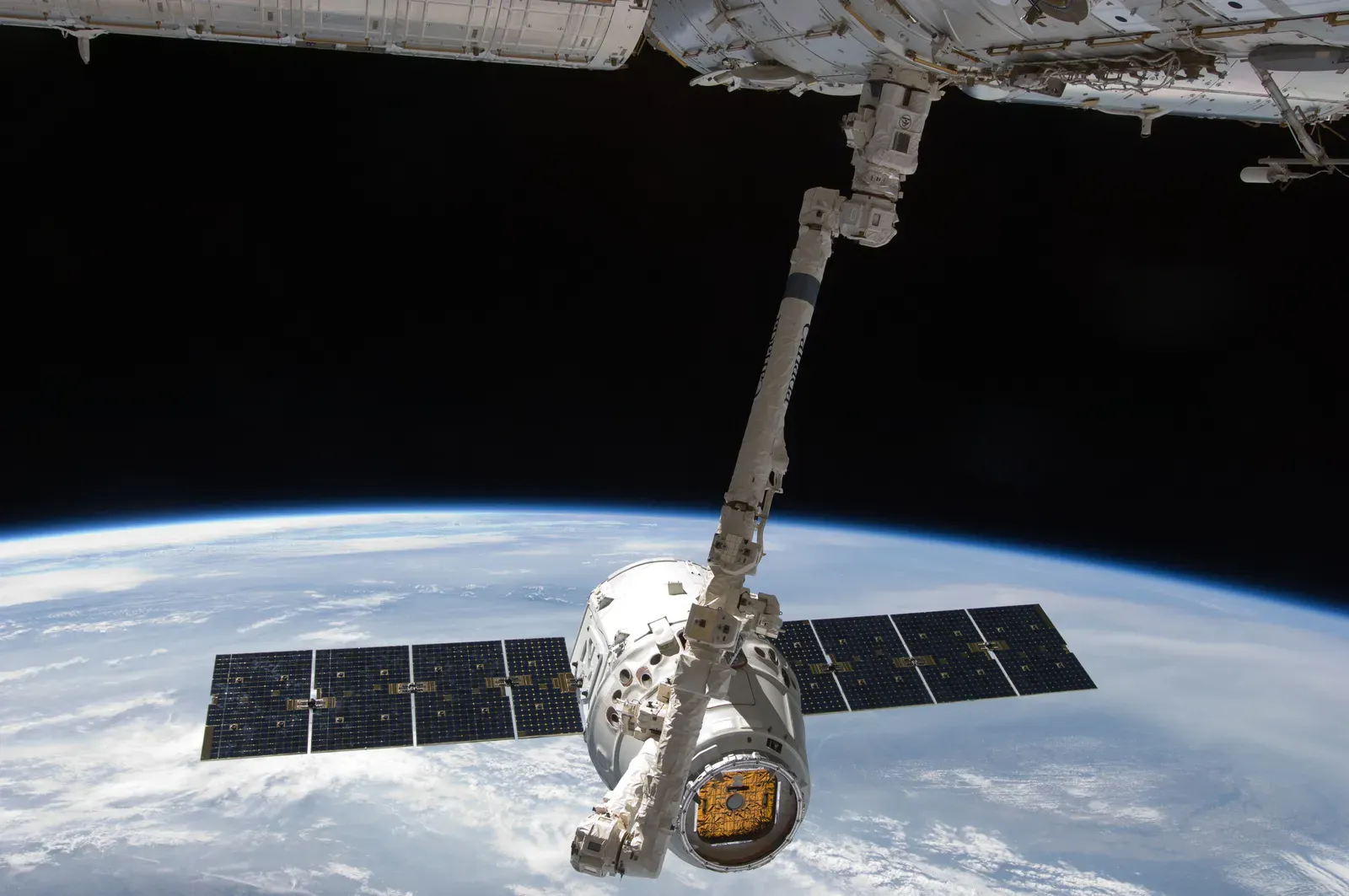
NASA plans to purchase services from commercial stations rather than build and operate its own ISS replacement. The vehicle for that is the Commercial LEO Destinations program, usually shortened to CLD.
Under phased agreements, NASA provides funding and technical expertise while private companies design, build and operate the stations. NASA has hoped for a two year overlap between commercial operations in 2028 and ISS retirement in 2030.
A Plan That Changed in 2026
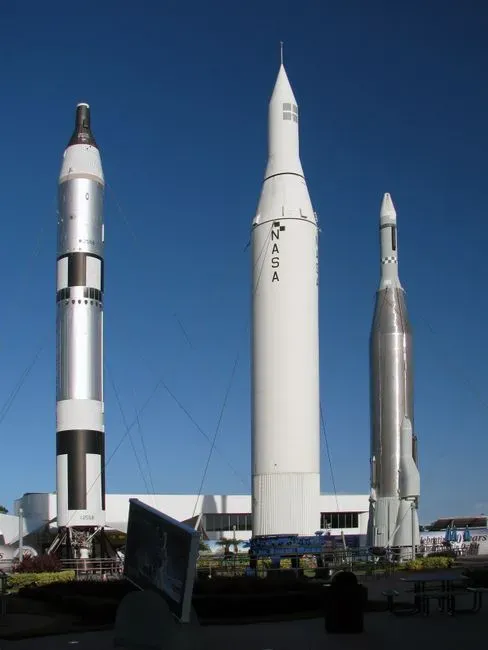
The program hasn’t followed a straight line this year. NASA paused the CLD Phase 2 competition in January 2026, then kept the CLD approach and issued a draft request for proposals in July 2026. That draft calls for a crewed flight test in 2029.
In March 2026, NASA also floated an alternative using a government owned core module onto which commercial companies could attach their own modules. As of May 2026, NASA hadn’t finalized its acquisition approach, according to the Government Accountability Office.
Vast and the Race to Fly First
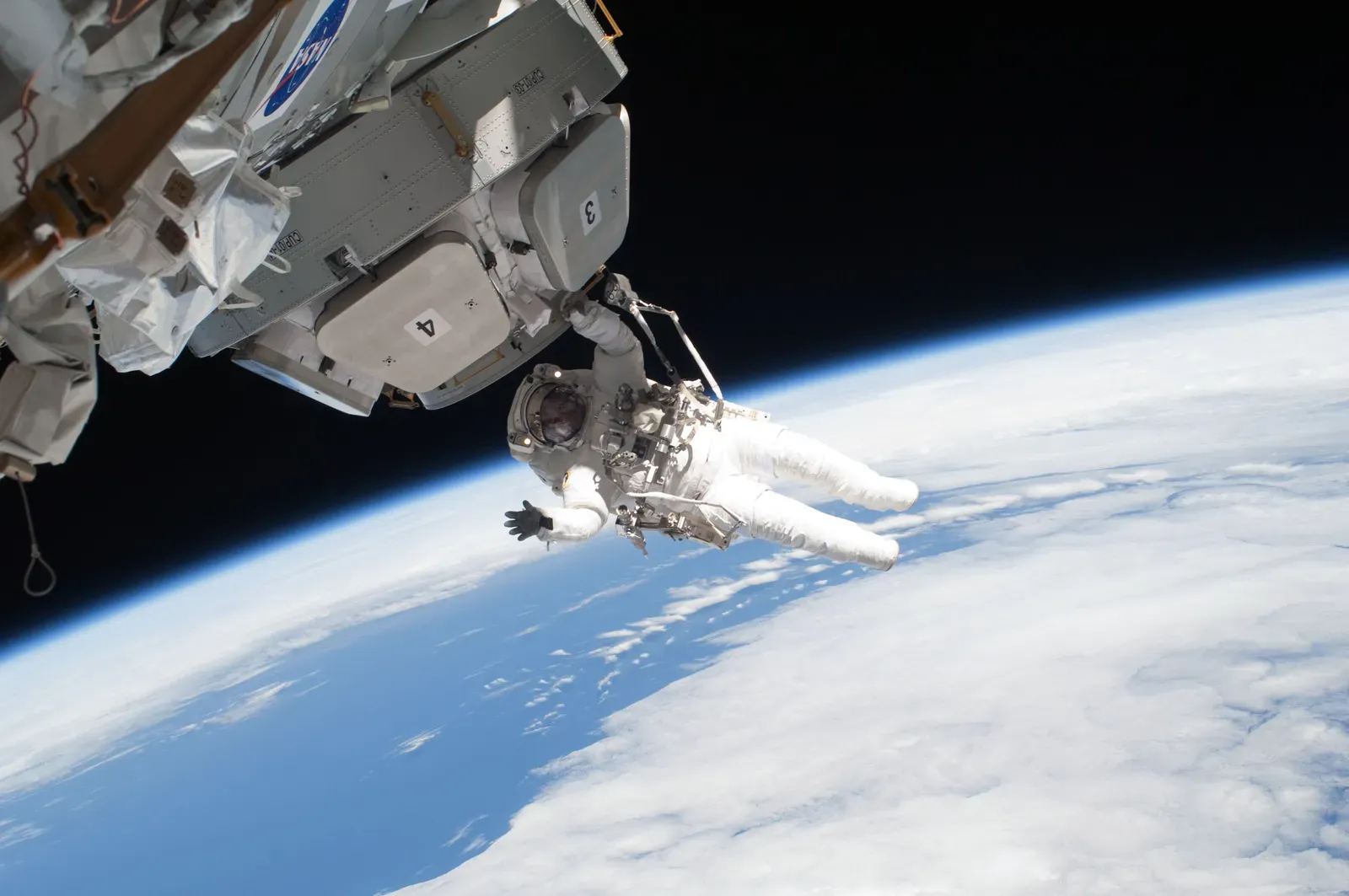
Vast’s Haven-1 is the smallest contender and the one closest to launch. The company delayed it from May 2026 to the first quarter of 2027. The single module station offers 45 cubic meters of habitable volume and is designed for four astronaut missions, each lasting up to two weeks.
Vast also launched a test satellite. Its Haven Demo flew in November 2025 on a SpaceX rideshare mission. The larger Haven-2 is Vast’s bid for the long term NASA role, and the company had planned to have its first module operating by 2028 if selected.
Axiom, Starlab, and Orbital Reef
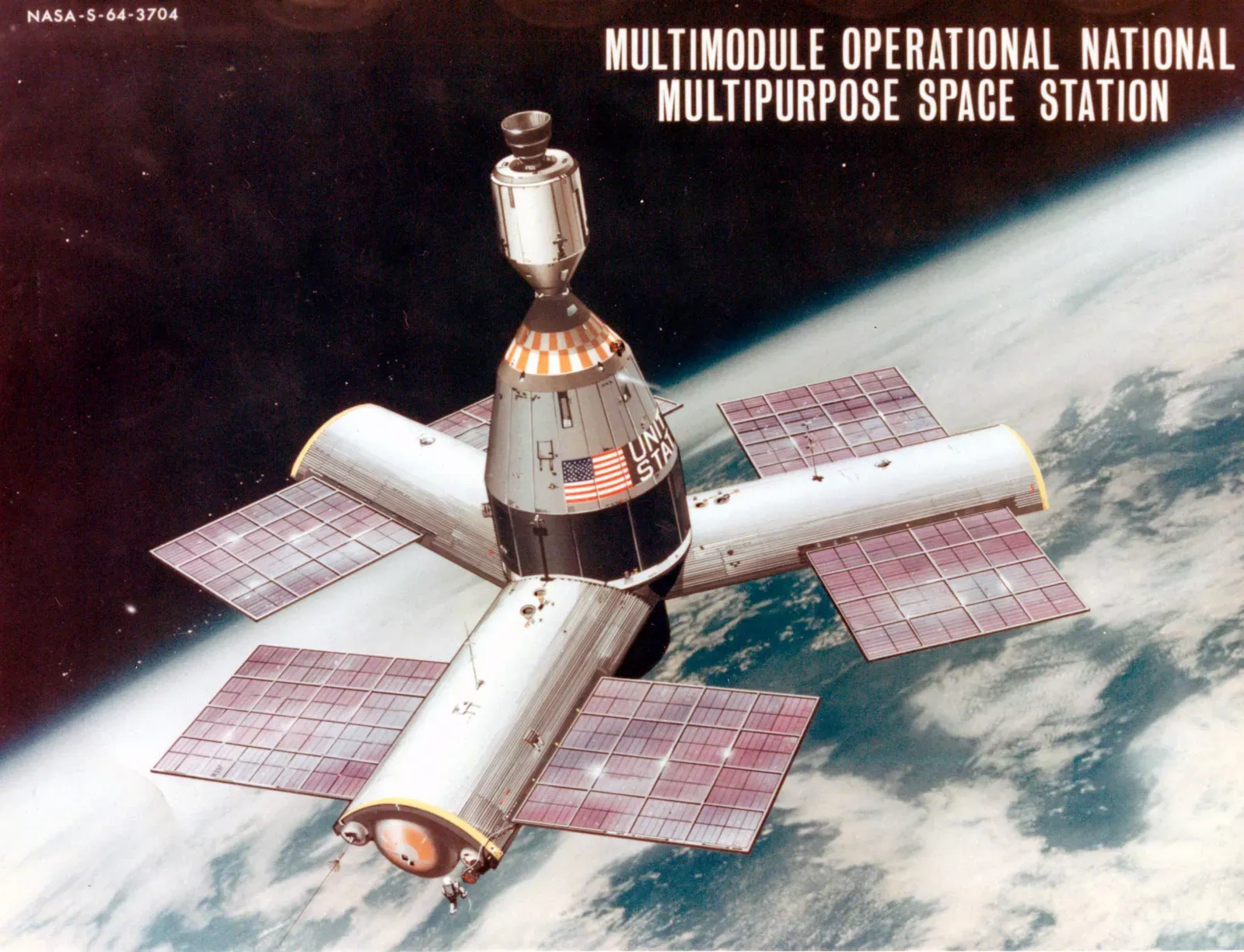
Axiom takes a hybrid route. It raised $350 million in early 2026 and holds a NASA agreement to add a module to the station, with the first element targeted around 2027. That module attaches to the ISS first, then detaches into a free flying station.
Two larger designs remain further out. Starlab is a single launch station from Voyager Technologies, Airbus, MDA Space, Mitsubishi and Hilton, while Orbital Reef comes from Blue Origin and Sierra Space and uses inflatable habitats. Orbital Reef passed a NASA design review, though its pace has slowed.
Gap Risk, China, and Russia
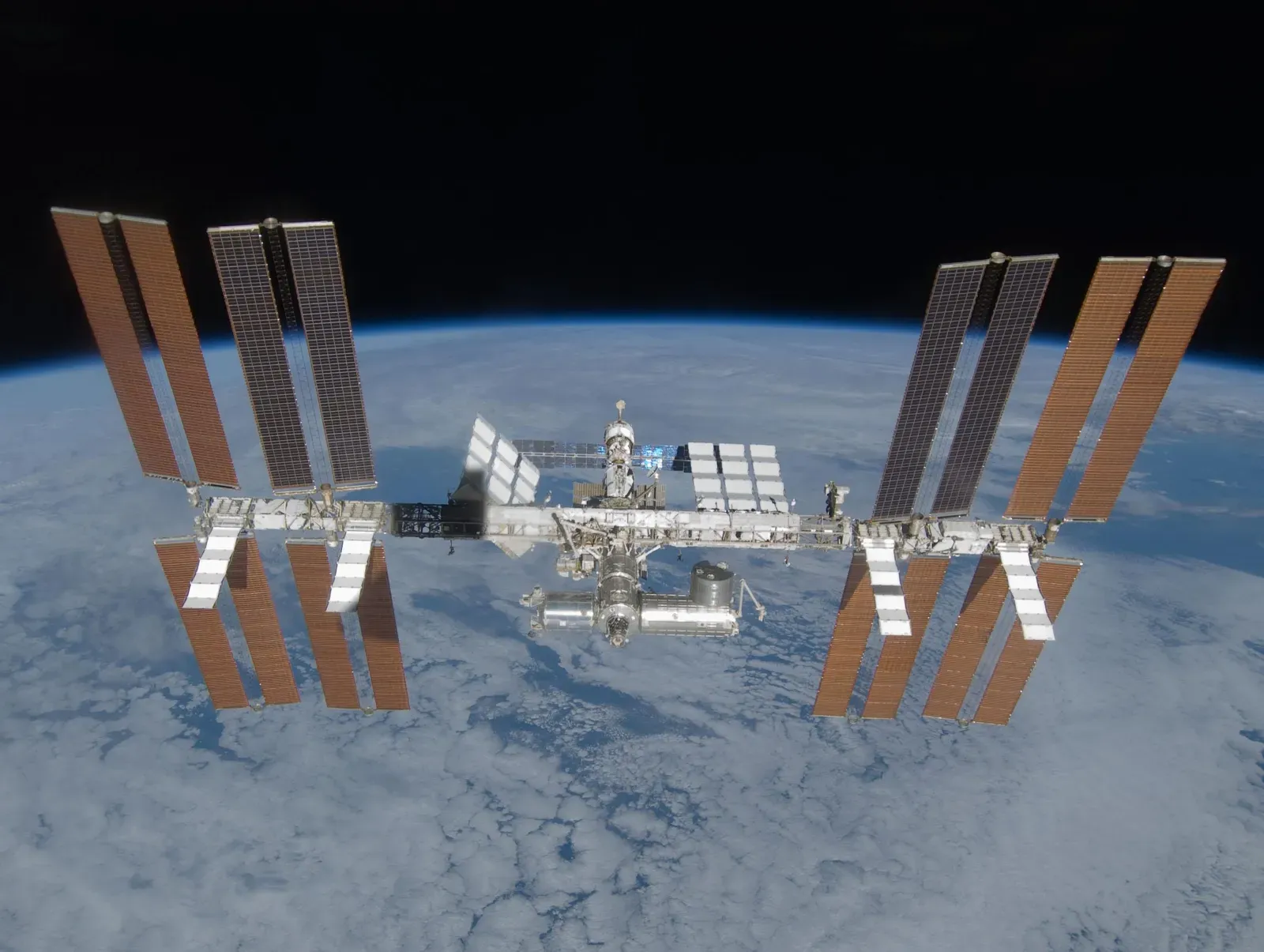
The worry isn’t only about who wins. A gap in human presence in orbit would occur if commercial stations aren’t ready before the ISS retires, and NASA’s historical data suggest development could take longer than planned. As of September 2026, none of the four commercial stations is in orbit yet.
Others are already flying or planning. China’s Tiangong station was fully assembled in late 2022 and will keep operating regardless of what happens to the ISS. Russia is planning its own station, ROSS, targeted for around 2028 or later.

- Mountains Taller Than Everest Collapsing in Microgravity – 6 Asteroid Oddities - November 12, 2026
- Why Flash Droughts Are Now Developing Twice as Fast as Decades Ago - November 12, 2026
- Iran war contributes to global fall in fossil fuel emissions, with a caveat - November 12, 2026
