

- Phantom Energy Sucking Power 24/7 – 7 Home Electronics Quietly Inflating Utility Bills - November 14, 2026
- A Million-Mile Storm Raging for Centuries – 6 Violent Weather Wonders in Our System - November 14, 2026
- Animals Flee Hours Before the Tremor – 7 Natural Warnings Before Disasters Strike - November 14, 2026
Turn on a hot tap in Reykjavík and the water may have started its journey deep underground, warmed by rock far below the surface. For most Icelanders, that is simply how a home stays warm. It’s so routine that few people think about it.
The setup looks simple from a living room, with a radiator on the wall and hot water on demand. Behind it sits a long chain of wells, pumps, pipes and heat exchangers built up over decades. Here’s how that chain fits together.
What the Ninety Percent Figure Actually Means
The headline number is usually quoted loosely, so it helps to see where it comes from. Iceland’s 2025 country update for the European Geothermal Congress says space heating is the most important direct use of geothermal energy in Iceland, covering over 90% of all energy used for house heating. That’s a share of heating energy, not a literal count of buildings.
Other sources give slightly different figures. A New Zealand government market report from September 2024 puts it this way: 90 per cent of central heating in Iceland comes from a geothermal source and 10 per cent from electricity. Older government material cited a lower figure of about 85% of all houses, so the exact number depends on the year and the method. Roughly nine in ten is a fair summary.
Why Iceland Has So Much Heat Underground
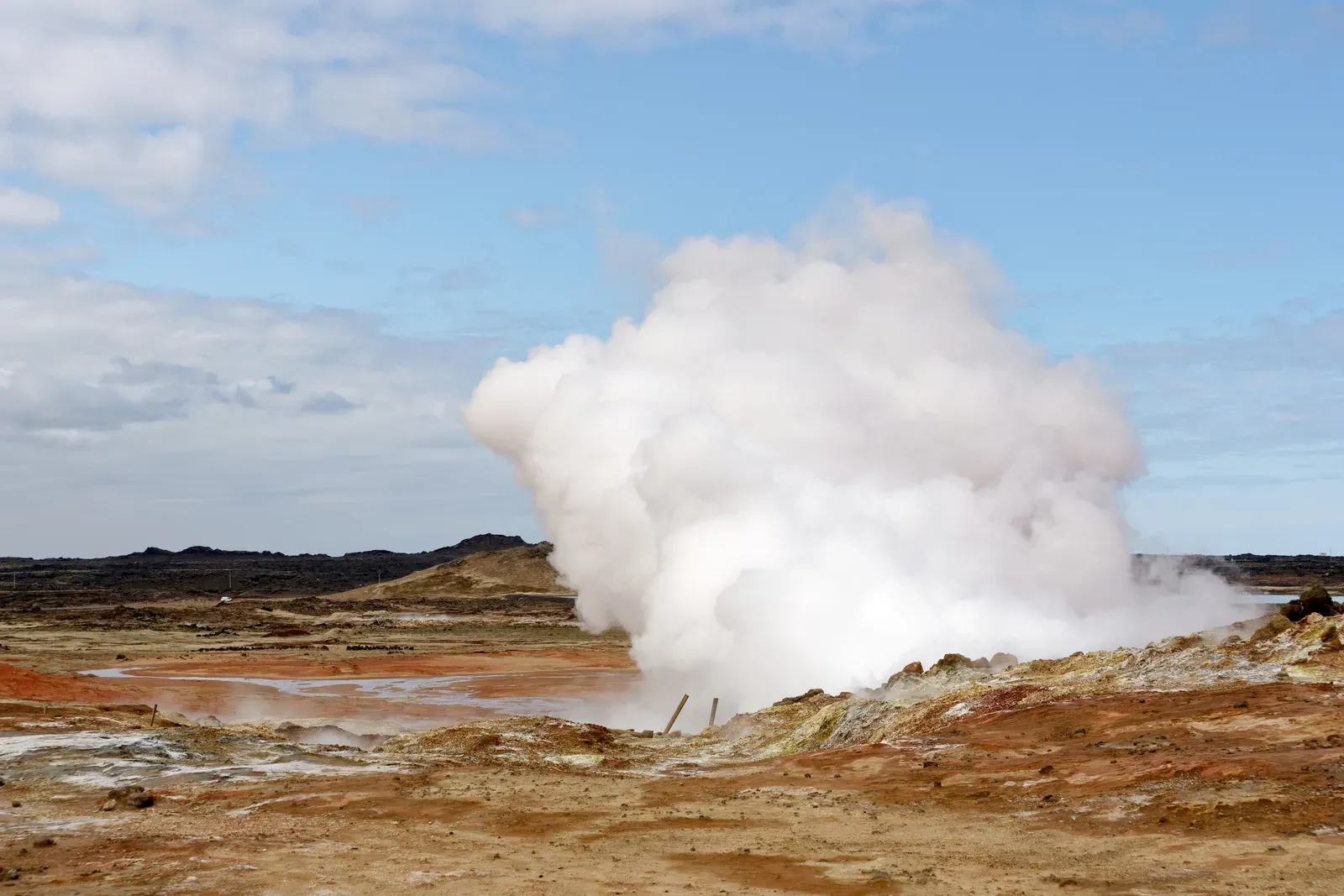
The country sits on unusual geology. It straddles the Mid-Atlantic Ridge, a rift between continental plates, and lies over a volcanic hotspot. That combination keeps hot rock relatively close to the surface in many regions.
Groundwater and rainwater seep down, heat up and collect in underground reservoirs. Some of it surfaces naturally as hot springs, and one tourism source counts over 600 hot springs and 200 volcanoes across the island. Engineers don’t create the heat. They tap what the ground already holds.
From Hot Springs to Drilled Wells
People used natural hot water long before modern infrastructure existed. One summary notes that in the Viking Age, settlers used geothermal energy for heating homes and greenhouses. Early use was small and local, tied to wherever a spring happened to rise.
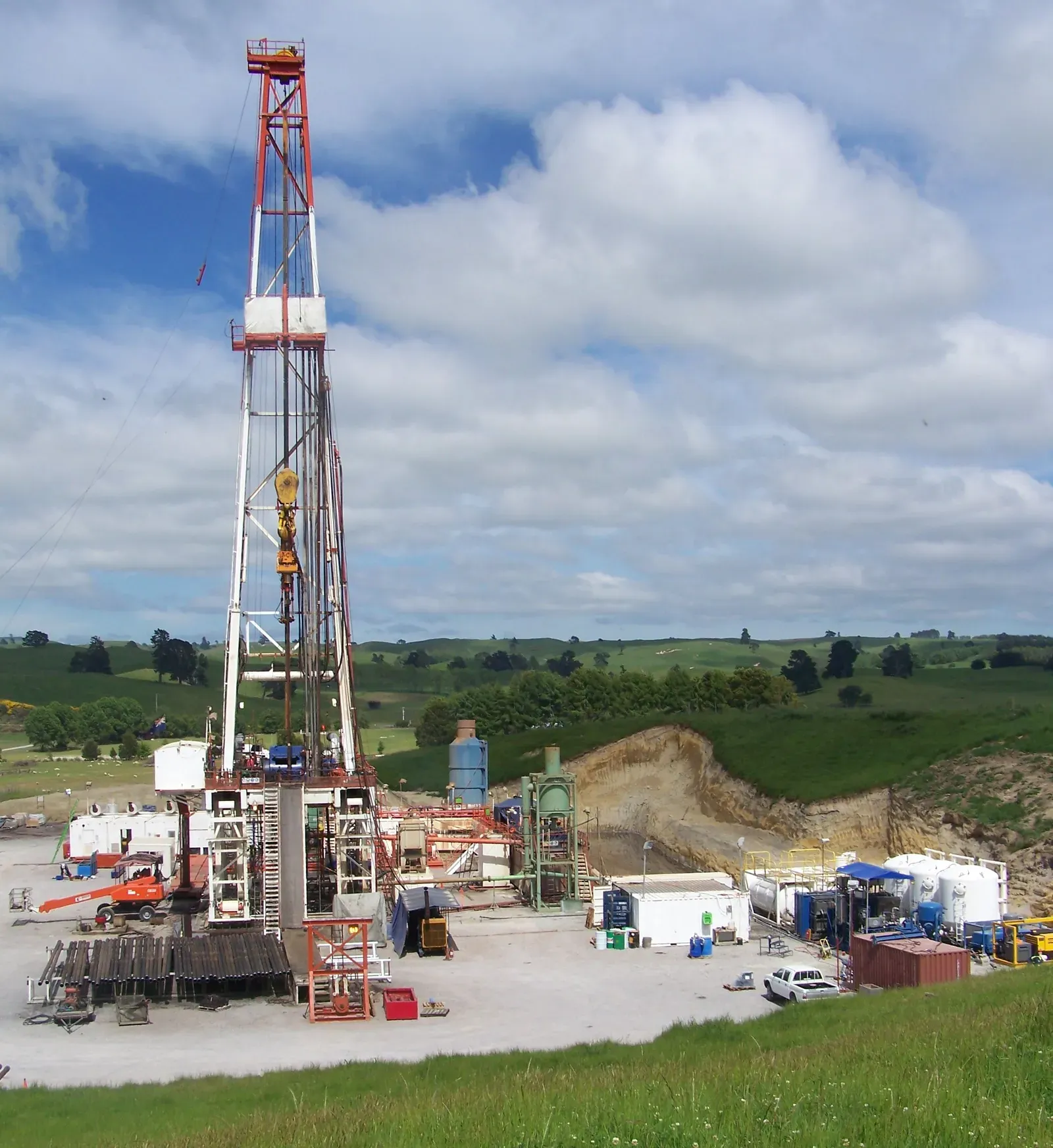
The modern system grew after the Second World War. Research by the National Energy Authority, Orkustofnun, led to the use of geothermal resources for heating of households. Drilling replaced waiting for springs, and a well could reach hot water wherever surveys showed a good reservoir.
How the Hot Water Travels to Your Radiator
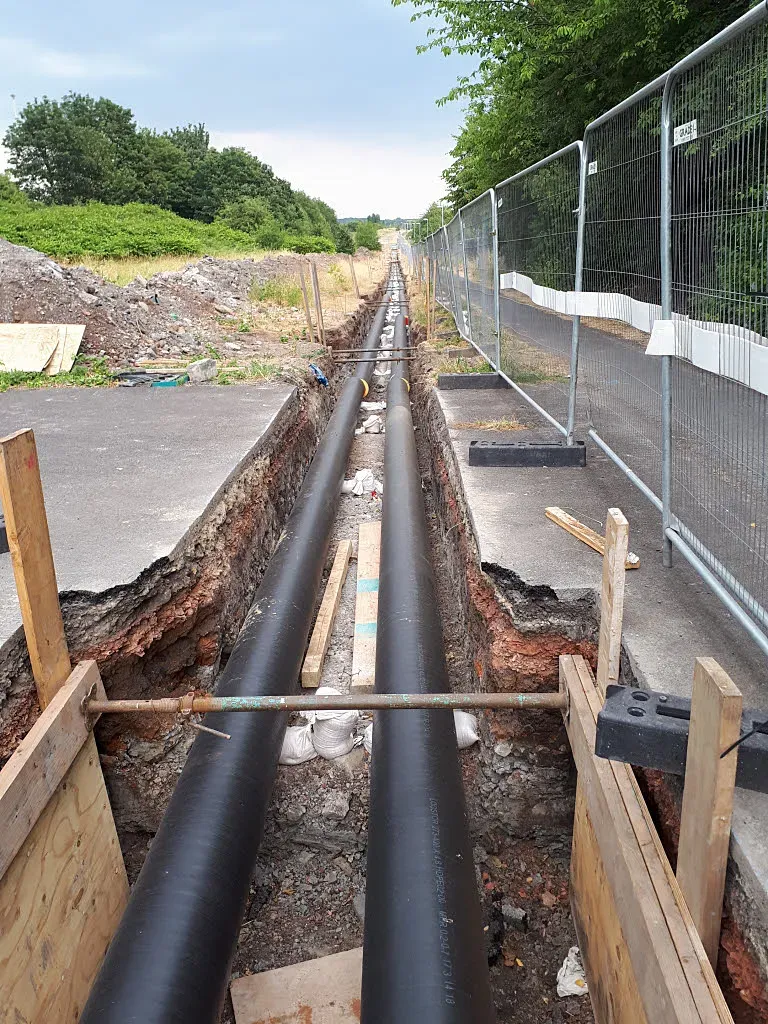
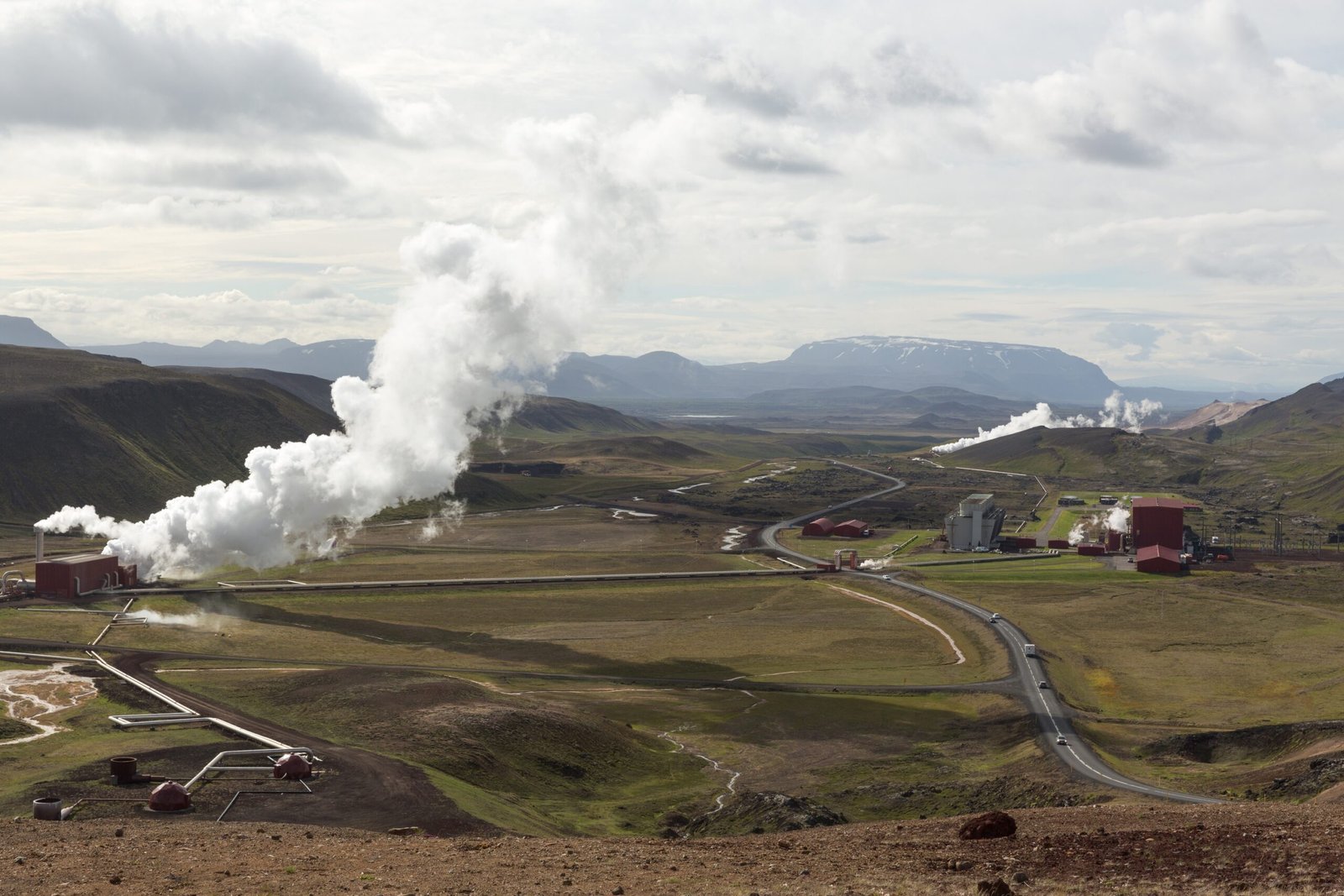
The basic idea is district heating. Hot water is pumped from wells or produced at power plants, then sent through insulated pipes to neighborhoods. The government describes the main use of geothermal energy as space heating, with the heat distributed to buildings through extensive district heating systems.
Inside the building, the hot water runs through radiators or floor heating, then returns to be reheated or used elsewhere. Because the water is already hot when it arrives, homes don’t need individual boilers. The system works like a shared utility, much like cold water or electricity.
The Role of Geothermal Power Plants
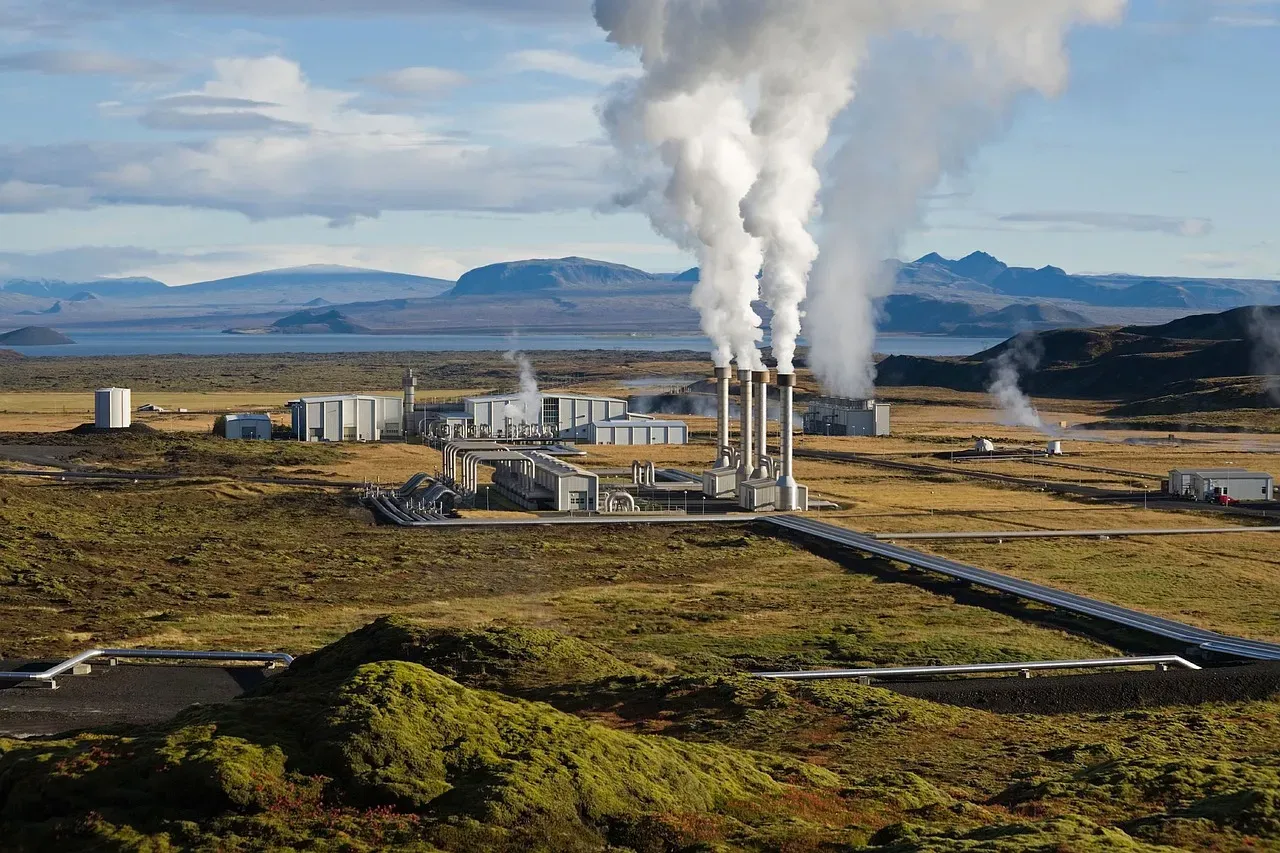
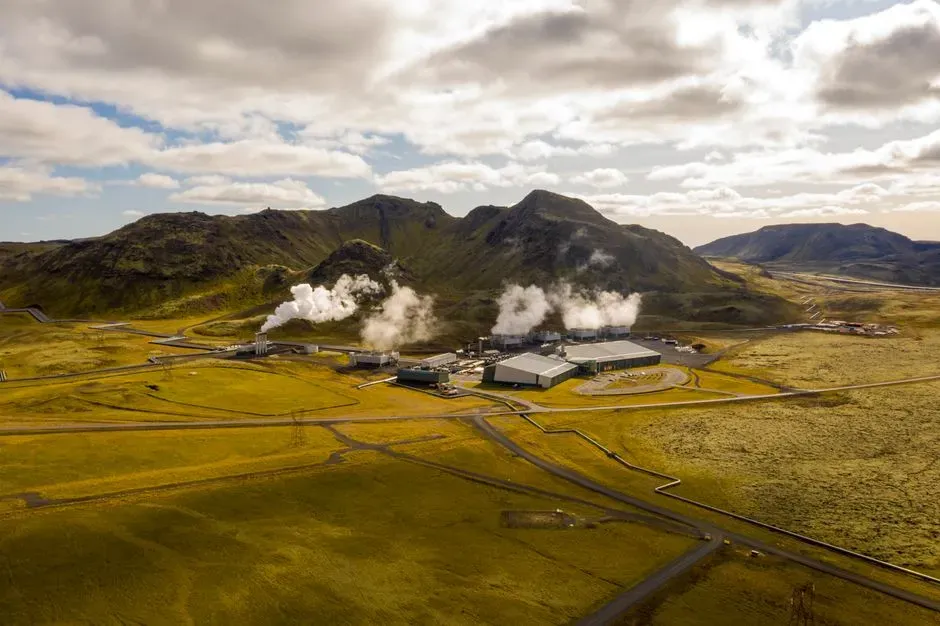
Geothermal plants do more than make electricity. The 2025 country update lists nine power plants in operation and notes that three of the geothermal power plants are cogeneration plants that produce both electricity and heat for district heating. Those plants make use of heat that would otherwise be wasted.
The biggest is Hellisheidi, which is rated at 303 MW electric and has operated since 2006. Total installed geothermal generating capacity is 785 MW electric. In 2023 those plants produced 6006 GWh, which is 29.7% of the country’s electricity production, so roughly three tenths.
How Much Energy Goes Into Direct Use
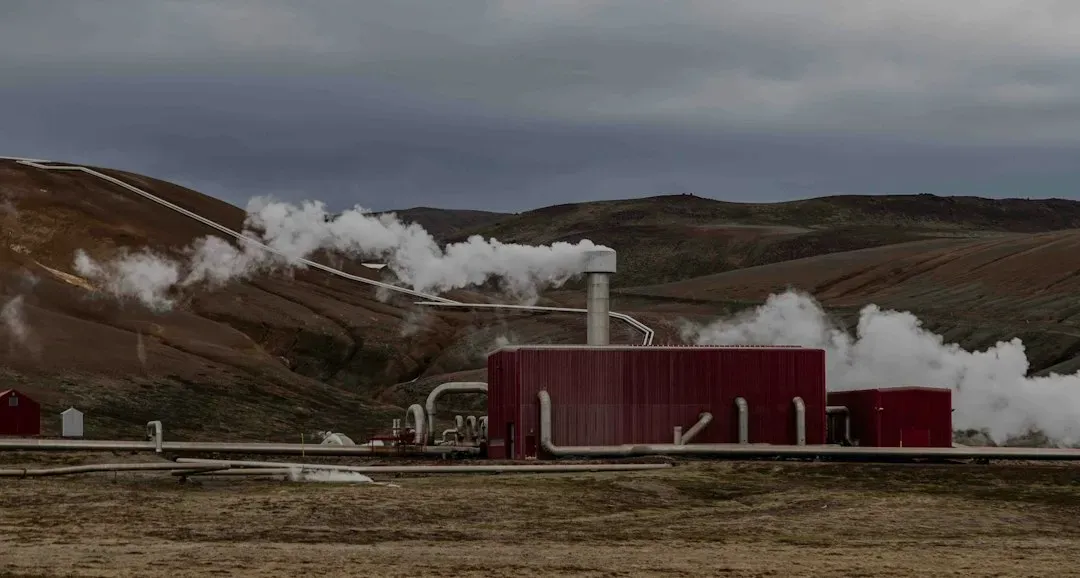
Direct use means heat used as heat, without turning it into electricity first. For 2023 the country update reports that direct uses totaled 36,335 terajoules, which corresponds to 10,093 GWh thermal. That is considerably more energy than the electricity side produced from geothermal sources that year.
An earlier country update, covering 2020 to 2022, showed that heating of buildings took the largest slice at 72.8% of direct use. The rest was spread across swimming pools, snow melting, industry, greenhouses and fish farming. Homes remain the anchor customer.
Beyond Homes: Pools, Greenhouses and Snow Melting
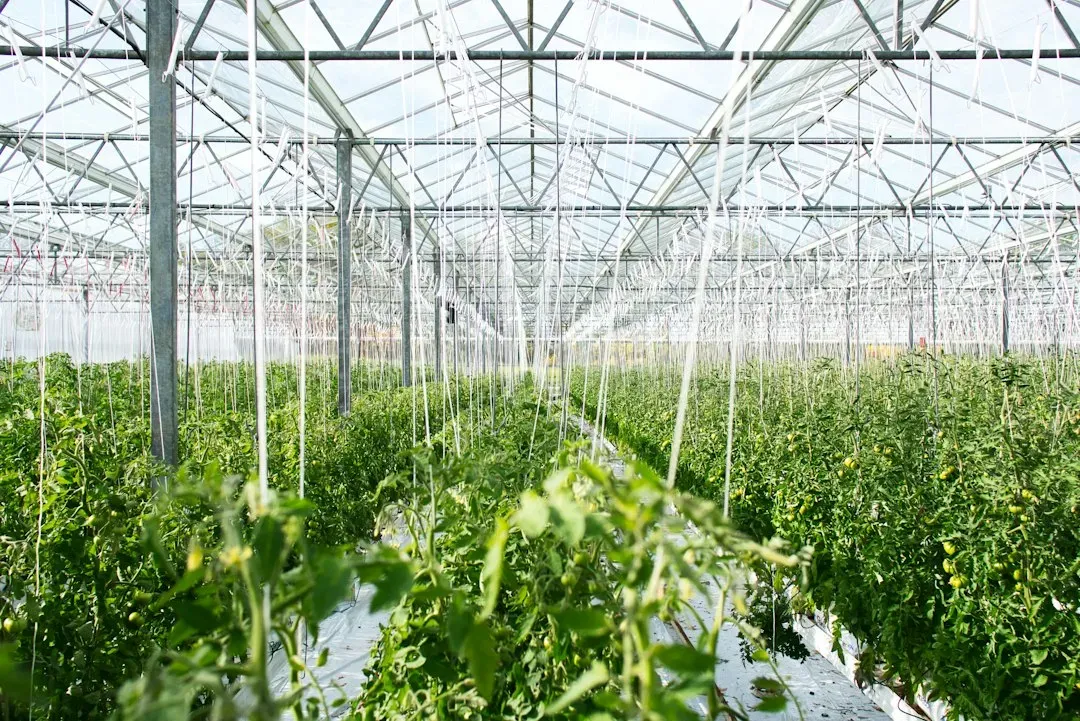
The same hot water supports a range of other uses. Orkustofnun’s data lists swimming pools, snow melting, industrial process heat, greenhouses, aquaculture and soil warming as other sectors. Public pools heated this way are a familiar part of Icelandic daily life.
Greenhouses are another good example. Geothermal heat helps support local food production, and one report notes that Iceland uses its geothermal energy to power and heat its many greenhouses. Snow melting under pavements and sidewalks keeps some streets clear in winter.
What Geothermal Means for Iceland’s Energy Mix
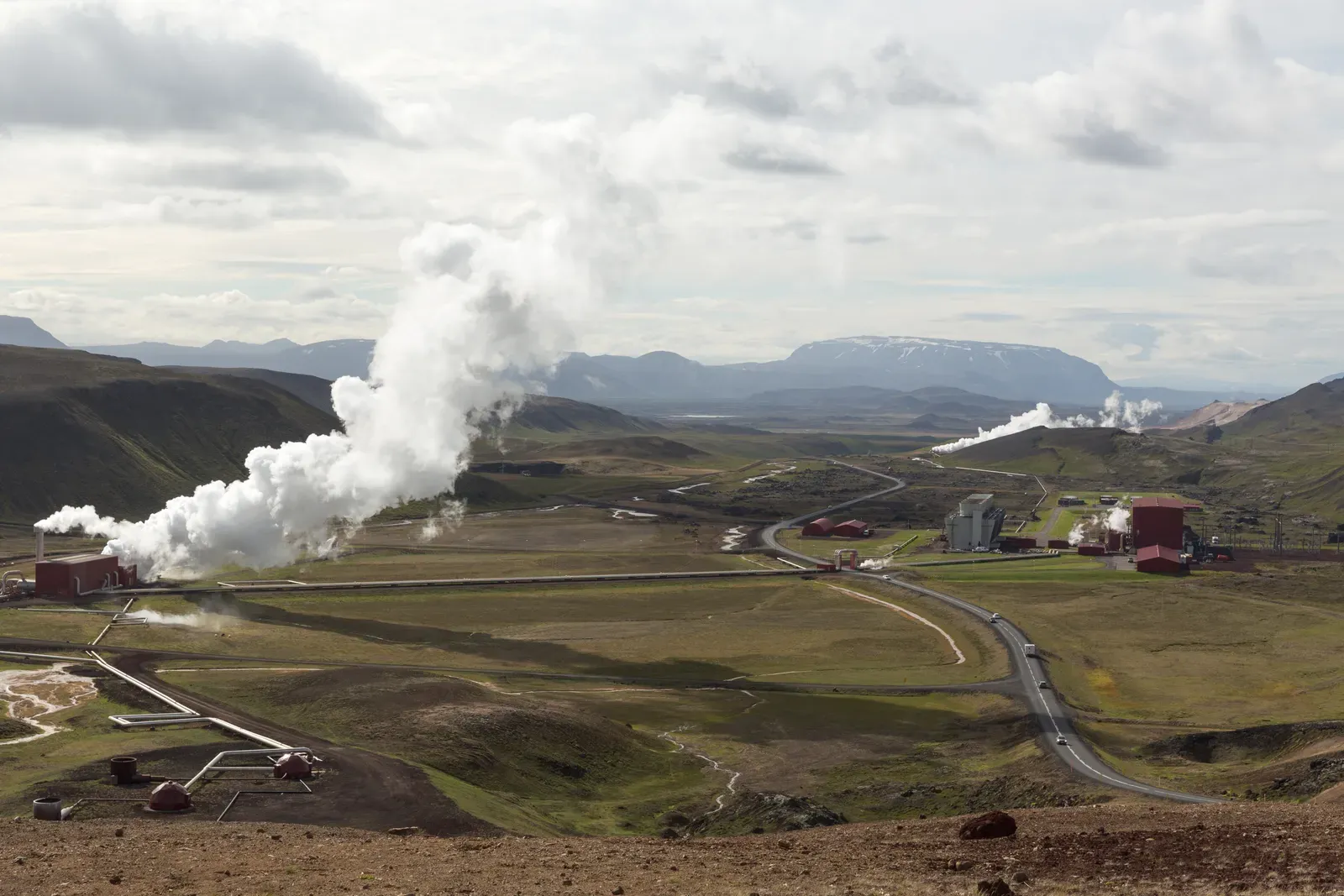
Geothermal heat carries a lot of weight in the national picture. The Icelandic government says about 85% of primary energy supply comes from domestic renewable sources, the highest share in any national energy budget. Its figures from 2016 show that geothermal provided about 65% of primary energy.
Electricity is also almost fully renewable. In 2025, hydropower supplied 70.5% of production, geothermal 29.4%, and fossil fuels only 0.1%. The two sources split the work, with hydropower covering most electricity and geothermal covering most heat.
Limits and Ongoing Challenges
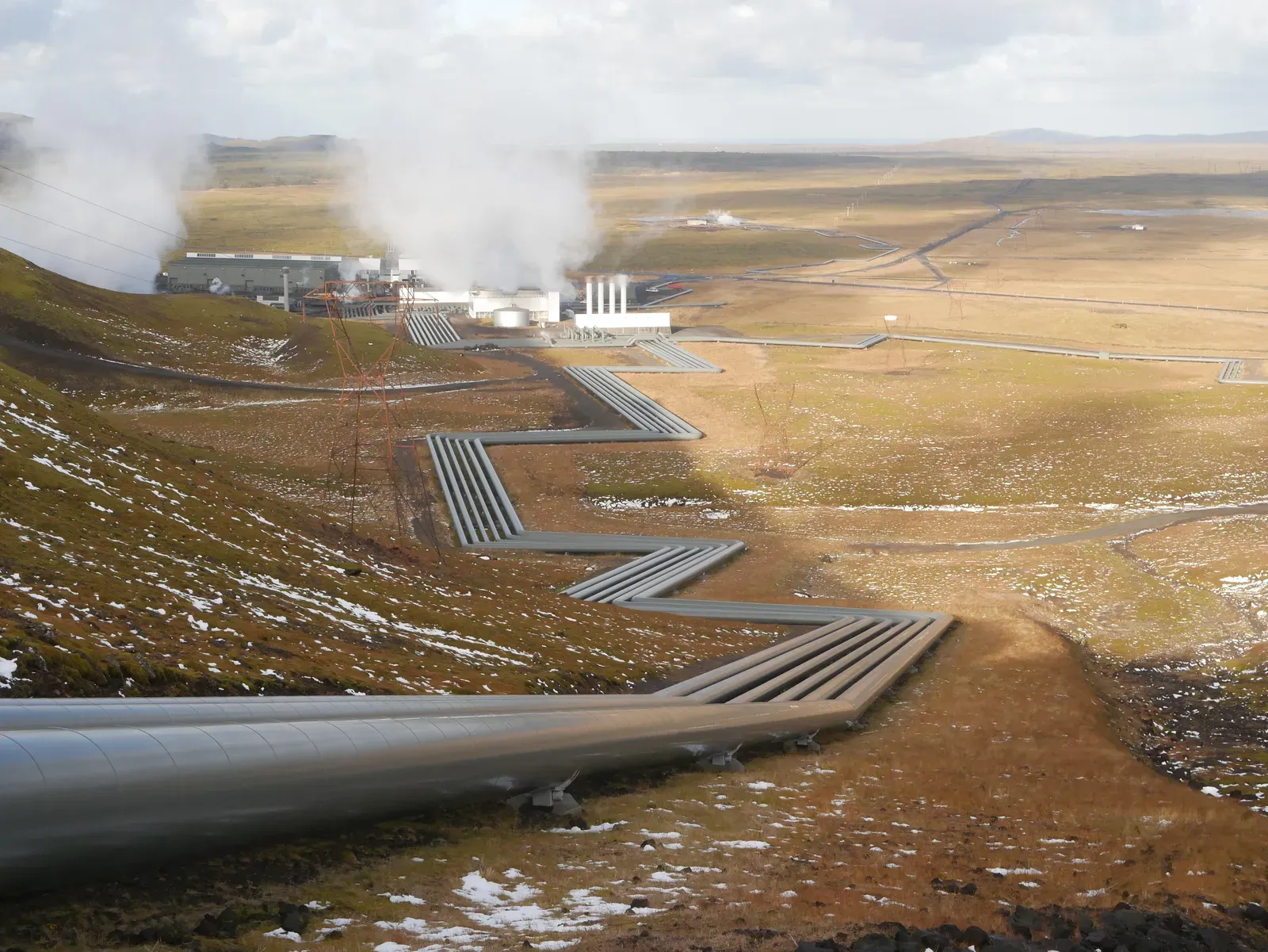
Geothermal fields aren’t endless. Reservoirs can cool or lose pressure if too much is drawn out too quickly, so operators have to manage them carefully. A congress paper on Iceland also discusses how growing demand for hot water, from households and from large users, has to be matched by new exploration and production.
The government has backed that effort. According to the 2020 to 2022 update, it initiated an effort to increase geothermal exploration and space heating through grants issued by the public energy fund. Areas without a nearby reservoir still rely on electricity for heat, which explains the remaining tenth.
